Ống kính trần trụi: Nhật ký của Mario Sorrenti và giải phẫu thời đại hoàng kim của thời trang
An intimate exhibition in Paris reveals the personal journals of Mario Sorrenti, offering a rare, tactile window into the life that birthed the 1990s' most defining fashion imagery.
Một triển lãm đầy tính tự sự tại Paris đã hé lộ những cuốn nhật ký cá nhân của Mario Sorrenti, mang đến một góc nhìn hiếm hoi và đầy xúc cảm về cuộc đời đã khai sinh ra những hình ảnh thời trang mang tính biểu tượng nhất thập niên 1990. Đây không chỉ là một buổi trưng bày tác phẩm, mà là một hành trình chạm vào nguyên bản của nghệ thuật nhiếp ảnh.
Une exposition intimiste à Paris dévoile les journaux personnels de Mario Sorrenti, offrant une fenêtre rare et tactile sur la vie qui a donné naissance aux images les plus emblématiques de la mode des années 90. C'est une plongée viscérale dans les coulisses d'une époque où l'image se construisait encore dans l'ombre des chambres noires.
Una íntima exposición en París revela los diarios personales de Mario Sorrenti, ofreciendo una ventana táctil y excepcional a la vida que dio origen a la imaginería más definitoria de la moda de los años 90. Es un viaje al corazón de una estética que cambió las reglas del juego para siempre.
一场在巴黎举办的私密展览揭开了马里奥·索伦蒂(Mario Sorrenti)的个人日记,为观众提供了一个罕见的、触手可及的窗口,窥见那些定义了90年代时尚影像的生命源头。
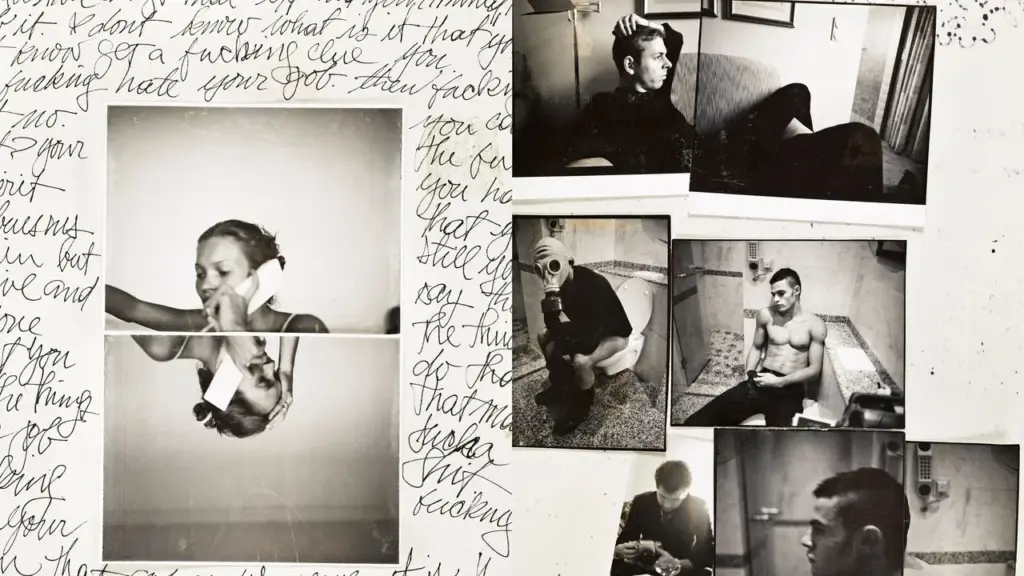
- Mario Sorrenti’s 'Diaries 1991–2000' exhibition at LSD Paris showcases the raw, unpolished origins of his iconic fashion aesthetic.
- The collection highlights the blurred lines between personal life and professional work, proving that intimacy is the engine of great photography.
- The diaries reveal the profound influence of the Sorrenti family, including the late Davide Sorrenti, on the visual language of the 90s.
- Younger generations are increasingly drawn to the physicality of analog archives, signaling a shift away from ephemeral digital consumption.
- Triển lãm 'Diaries 1991–2000' của Mario Sorrenti tại LSD Paris phơi bày những khởi nguồn thô mộc, chưa qua gọt giũa của thẩm mỹ thời trang mang tính biểu tượng của ông.
- Bộ sưu tập làm nổi bật ranh giới mong manh giữa đời tư và công việc, minh chứng rằng sự thân mật chính là động cơ thúc đẩy những tác phẩm nhiếp ảnh vĩ đại.
- Những cuốn nhật ký tiết lộ ảnh hưởng sâu sắc của gia đình Sorrenti, bao gồm cả người em quá cố Davide Sorrenti, đối với ngôn ngữ thị giác của thập niên 90.
- Các thế hệ trẻ ngày càng bị thu hút bởi tính vật lý của các kho lưu trữ analog, báo hiệu một sự chuyển dịch khỏi xu hướng tiêu thụ kỹ thuật số phù du.
- L'exposition « Diaries 1991–2000 » de Mario Sorrenti à la galerie LSD Paris révèle les origines brutes et non polies de son esthétique iconique.
- La collection souligne la porosité entre vie privée et travail professionnel, prouvant que l'intimité est le moteur de la grande photographie.
- Les journaux révèlent l'influence profonde de la famille Sorrenti, notamment celle du regretté Davide Sorrenti, sur le langage visuel des années 90.
- Les jeunes générations sont de plus en plus attirées par la physicalité des archives analogiques, signalant un désintérêt croissant pour la consommation numérique éphémère.
- La exposición 'Diaries 1991–2000' de Mario Sorrenti en LSD Paris exhibe los orígenes crudos y sin pulir de su icónica estética de moda.
- La colección subraya la difusa frontera entre la vida personal y el trabajo profesional, demostrando que la intimidad es el motor de la gran fotografía.
- Los diarios revelan la profunda influencia de la familia Sorrenti, incluido el fallecido Davide Sorrenti, en el lenguaje visual de los años 90.
- Las generaciones más jóvenes se sienten cada vez más atraídas por la fisicidad de los archivos analógicos, lo que señala un alejamiento del consumo digital efímero.
- 马里奥·索伦蒂在巴黎LSD画廊举办的《1991-2000日记》展览,展示了他标志性时尚美学原始且未经修饰的起源。
- 该系列凸显了个人生活与职业创作之间模糊的界限,证明了“亲密感”才是伟大摄影作品的引擎。
- 这些日记揭示了索伦蒂家族(包括已故的达维德·索伦蒂)对90年代视觉语言的深远影响。
- 年轻一代对模拟档案的物理质感表现出日益浓厚的兴趣,这标志着人们正从短暂的数字消费转向对实体的回归。
In the heart of Paris, tucked away on the Rue de la Folie Méricourt, a small gallery called LSD has become the site of a profound cultural pilgrimage. The exhibition, Mario Sorrenti Diaries, 1991–2000, curated by Aaron Stern, offers more than a retrospective; it provides a visceral, tactile encounter with the formative years of one of fashion’s most influential visual architects. As visitors crowd the space—a former photographic laboratory—the air is thick with the quiet hum of a generation seeking something that digital screens cannot provide: the weight, the texture, and the unvarnished truth of a life lived through the lens.
The exhibition serves as a vital counterpoint to the hyper-speed consumption of contemporary imagery. By presenting handmade books filled with Polaroids, contact sheets, and handwritten annotations, the show invites us to reconsider the nature of the image itself. For a generation of digital natives, these diaries are not merely artifacts of a bygone era; they are a manifesto for a return to authenticity. They remind us that before the polished finality of a Vogue Italia spread or a global Calvin Klein campaign, there exists a messy, beautiful, and deeply human process of becoming.
The Architecture of Intimacy and Desire
Mario Sorrenti’s contribution to the visual lexicon of the 1990s cannot be overstated. His work, particularly his collaboration with Kate Moss, fundamentally altered the trajectory of fashion photography. Yet, to categorize Sorrenti’s work simply as 'fashion' is to ignore the emotional labor that defines his aesthetic. His signature lies in his ability to capture the interiority of his subjects, transforming the act of looking into an act of profound connection. Unlike the cold, detached glamour that dominated the preceding decades, Sorrenti’s images pulse with a vulnerability that feels almost intrusive, yet entirely consensual.
The genesis of his most famous work—the 1993 Calvin Klein Obsession campaign—was not a calculated marketing strategy, but the result of a genuine, lived romantic relationship. When Sorrenti presented his personal diaries to Calvin Klein, he was not showing a portfolio of models; he was showing a document of his life with Moss. This distinction is crucial. The campaign’s success was rooted in the fact that the intimacy was not staged; it was observed. The camera acted as a witness to a private reality, a technique that remains the hallmark of his enduring influence on the industry.
In the current landscape of fashion, where the pressure to produce 'content' often supersedes the desire to create art, Sorrenti’s approach remains a radical act. He treats the body not as a mannequin for luxury goods, but as a vessel for human experience. By prioritizing the emotional proximity between photographer and subject, he ensures that even his most provocative images retain a sense of tenderness, preventing them from descending into mere artifice.
A Family Legacy of Visual Language
To understand the depth of Mario Sorrenti’s work, one must look at the family constellation that shaped his vision. The Sorrenti name is synonymous with a specific, raw, and urgent style of image-making that defined the late 20th century. His mother, Francesca Sorrenti, provided the foundational creative environment, while his sister Vanina and his late brother, Davide, carried the torch of this shared visual language. For the Sorrentis, photography was never a mere career path; it was a way of navigating the world and relating to one another.
The inclusion of Davide Sorrenti’s presence in these diaries is perhaps the most poignant element of the exhibition. Davide, who passed away in 1997, was a singular talent whose work captured the ephemeral spirit of a generation with a rare, haunting immediacy. Seeing his face and his work alongside Mario’s reminds the viewer that these diaries are not just about the evolution of a style, but about the preservation of a world that has largely vanished. It is a testament to the power of photography to act as a bridge between the living and the lost.
This familial influence explains why Mario’s work feels so deeply personal, even when it is commissioned by the world’s largest luxury houses. He brings the same intensity to a commercial shoot as he did to the darkroom in his mother’s laundry room in the late 1980s. This consistency of vision is what separates the masters from the merely proficient. It is a reminder that the most compelling fashion photography is, at its core, a form of autobiography.
The Digital Shift and the Return to Tangibility
The overwhelming interest from younger visitors at the LSD gallery speaks to a broader cultural shift. In an age where images are ephemeral, fleeting, and infinitely reproducible, there is a growing hunger for the permanent and the physical. The act of cutting, pasting, and binding—the very process Sorrenti used to create his diaries—represents a form of 'slow photography' that stands in stark contrast to the algorithmic feed. These diaries are not just documents; they are objects of memory that demand time and attention.
As we look toward the future of the medium, the success of this exhibition suggests that the industry may be ready to move away from the sterile perfection of digital editing. There is a palpable desire for the 'trace'—the fingerprint, the handwritten note, the slight blur of a Polaroid. These imperfections are the markers of humanity, and they are what make an image resonate across decades. Sorrenti’s work proves that the most enduring images are those that capture not just the surface of the subject, but the soul of the moment.
Ultimately, Mario Sorrenti Diaries is a call to action for the next generation of creators. It challenges them to look inward, to document their own lives with the same rigor and honesty that Sorrenti applied to his, and to recognize that the most powerful tool in a photographer’s kit is not the camera, but the depth of their own experience. As the exhibition continues to draw crowds, it serves as a powerful reminder that while fashion trends may shift, the human need for genuine connection—and the desire to capture it—remains constant.
Tại trung tâm Paris, ẩn mình trên con phố Rue de la Folie Méricourt, một phòng trưng bày nhỏ mang tên LSD đã trở thành điểm đến cho một cuộc hành hương văn hóa đầy ý nghĩa. Triển lãm Mario Sorrenti Diaries, 1991–2000, dưới sự giám tuyển của Aaron Stern, không chỉ dừng lại ở một buổi hồi tưởng; nó mang đến một cuộc chạm trán đầy bản năng và xúc cảm với những năm tháng định hình nên một trong những kiến trúc sư thị giác có tầm ảnh hưởng nhất của ngành thời trang. Khi khách tham quan chen chân trong không gian vốn là một phòng thí nghiệm nhiếp ảnh cũ, bầu không khí trở nên đặc quánh bởi sự tĩnh lặng của một thế hệ đang tìm kiếm điều mà màn hình kỹ thuật số không thể mang lại: sức nặng, kết cấu và sự thật trần trụi của một cuộc đời được sống qua ống kính.
Triển lãm đóng vai trò như một đối trọng thiết yếu trước sự tiêu thụ hình ảnh với tốc độ chóng mặt của thời đại hiện nay. Bằng cách trưng bày những cuốn sách thủ công chứa đầy ảnh Polaroid, các bản in thử (contact sheets) và những dòng chú thích viết tay, buổi triển lãm mời gọi chúng ta suy ngẫm lại về bản chất của chính hình ảnh. Đối với thế hệ bản địa kỹ thuật số, những cuốn nhật ký này không chỉ là cổ vật của một thời đã qua; chúng là bản tuyên ngôn cho sự trở về với tính nguyên bản. Chúng nhắc nhở chúng ta rằng, trước khi có sự hoàn hảo bóng bẩy trên một trang tạp chí Vogue Italia hay một chiến dịch Calvin Klein toàn cầu, luôn tồn tại một quá trình "trở thành" đầy hỗn độn, đẹp đẽ và đậm chất nhân văn.
Kiến trúc của sự thân mật và khát khao
Đóng góp của Mario Sorrenti vào từ vựng thị giác của thập niên 1990 là điều không thể phủ nhận. Các tác phẩm của ông, đặc biệt là sự hợp tác với Kate Moss, đã thay đổi căn bản quỹ đạo của nhiếp ảnh thời trang. Tuy nhiên, nếu chỉ xếp loại tác phẩm của Sorrenti đơn thuần là "thời trang" thì đã bỏ qua sự lao động cảm xúc vốn định hình nên thẩm mỹ của ông. Dấu ấn cá nhân của ông nằm ở khả năng nắm bắt nội tâm của chủ thể, biến hành động nhìn ngắm thành một sự kết nối sâu sắc. Khác với vẻ quyến rũ lạnh lùng, xa cách thống trị những thập kỷ trước, những bức ảnh của Sorrenti rung động với một sự tổn thương mà người xem cảm thấy gần như xâm phạm, nhưng lại hoàn toàn đầy sự đồng thuận.
Nguồn gốc của tác phẩm nổi tiếng nhất của ông—chiến dịch Obsession của Calvin Klein năm 1993—không phải là một chiến lược tiếp thị được tính toán kỹ lưỡng, mà là kết quả của một mối quan hệ lãng mạn chân thực. Khi Sorrenti trình bày những cuốn nhật ký cá nhân của mình cho Calvin Klein, ông không cho thấy một danh mục người mẫu; ông đang cho thấy một tài liệu về cuộc sống của mình với Moss. Sự khác biệt này là then chốt. Sự thành công của chiến dịch bắt nguồn từ việc sự thân mật đó không hề được dàn dựng; nó được quan sát. Chiếc máy ảnh đóng vai trò như một nhân chứng cho một thực tại riêng tư, một kỹ thuật vẫn là dấu ấn cho tầm ảnh hưởng bền bỉ của ông đối với ngành công nghiệp này.
Trong bối cảnh thời trang hiện nay, nơi áp lực sản xuất "nội dung" thường lấn át khao khát sáng tạo nghệ thuật, cách tiếp cận của Sorrenti vẫn là một hành động cấp tiến. Ông đối xử với cơ thể không phải như một ma-nơ-canh cho hàng xa xỉ, mà là một vật chứa đựng trải nghiệm con người. Bằng cách ưu tiên sự gần gũi về cảm xúc giữa nhiếp ảnh gia và chủ thể, ông đảm bảo rằng ngay cả những bức ảnh khiêu khích nhất của mình vẫn giữ được sự dịu dàng, ngăn chúng rơi vào sự giả tạo thuần túy.
Di sản gia đình của ngôn ngữ thị giác
Để hiểu được chiều sâu trong tác phẩm của Mario Sorrenti, người ta phải nhìn vào chòm sao gia đình đã định hình tầm nhìn của ông. Cái tên Sorrenti đồng nghĩa với một phong cách làm hình ảnh đặc thù, thô mộc và cấp thiết đã định nghĩa cuối thế kỷ 20. Mẹ ông, bà Francesca Sorrenti, đã tạo ra môi trường sáng tạo nền tảng, trong khi em gái Vanina và người em trai quá cố Davide đã tiếp nối ngọn đuốc của ngôn ngữ thị giác chung này. Đối với gia đình Sorrenti, nhiếp ảnh chưa bao giờ chỉ là một con đường sự nghiệp; đó là cách họ điều hướng thế giới và kết nối với nhau.
Sự hiện diện của Davide Sorrenti trong những cuốn nhật ký này có lẽ là yếu tố gây xúc động nhất của triển lãm. Davide, người đã qua đời năm 1997, là một tài năng độc nhất vô nhị, người đã nắm bắt tinh thần phù du của một thế hệ với một sự trực diện hiếm có và ám ảnh. Nhìn thấy khuôn mặt và tác phẩm của anh bên cạnh Mario nhắc nhở người xem rằng những cuốn nhật ký này không chỉ nói về sự tiến hóa của một phong cách, mà còn về việc bảo tồn một thế giới đã phần lớn biến mất. Đó là minh chứng cho sức mạnh của nhiếp ảnh trong việc đóng vai trò như một cây cầu giữa người sống và người đã khuất.
Ảnh hưởng gia đình này giải thích tại sao tác phẩm của Mario lại mang tính cá nhân sâu sắc đến vậy, ngay cả khi nó được đặt hàng bởi những nhà mốt xa xỉ lớn nhất thế giới. Ông mang cùng một cường độ đó vào một buổi chụp thương mại như cách ông đã làm trong phòng tối tại phòng giặt là của mẹ mình vào cuối những năm 1980. Sự nhất quán trong tầm nhìn này là điều phân biệt giữa bậc thầy và những người chỉ đơn thuần là thành thạo. Đó là lời nhắc nhở rằng nhiếp ảnh thời trang hấp dẫn nhất, về cốt lõi, chính là một hình thức tự truyện.
Sự chuyển dịch kỹ thuật số và sự trở lại của tính hữu hình
Sự quan tâm áp đảo từ những khách tham quan trẻ tuổi tại phòng trưng bày LSD cho thấy một sự chuyển dịch văn hóa rộng lớn hơn. Trong thời đại mà hình ảnh trở nên phù du, chóng vánh và có thể tái tạo vô hạn, đang có một cơn khát ngày càng lớn đối với những gì vĩnh cửu và vật lý. Hành động cắt, dán và đóng tập—chính quy trình mà Sorrenti đã sử dụng để tạo ra những cuốn nhật ký của mình—đại diện cho một hình thức "nhiếp ảnh chậm" (slow photography) hoàn toàn đối lập với các thuật toán trên mạng xã hội. Những cuốn nhật ký này không chỉ là tài liệu; chúng là những vật thể của ký ức đòi hỏi thời gian và sự chú tâm.
Khi nhìn về tương lai của phương tiện này, sự thành công của triển lãm cho thấy ngành công nghiệp có thể đã sẵn sàng rời xa sự hoàn hảo vô hồn của chỉnh sửa kỹ thuật số. Có một khao khát hữu hình đối với "dấu vết"—dấu vân tay, dòng ghi chú viết tay, độ nhòe nhẹ của một tấm Polaroid. Những khiếm khuyết này là dấu hiệu của nhân tính, và chúng là thứ khiến một hình ảnh vang vọng qua nhiều thập kỷ. Tác phẩm của Sorrenti chứng minh rằng những hình ảnh bền bỉ nhất là những hình ảnh không chỉ nắm bắt bề mặt của chủ thể, mà còn nắm bắt được linh hồn của khoảnh khắc.
Cuối cùng, Mario Sorrenti Diaries là một lời kêu gọi hành động cho thế hệ sáng tạo tiếp theo. Nó thách thức họ nhìn vào bên trong, ghi lại cuộc đời của chính mình với cùng sự nghiêm cẩn và trung thực mà Sorrenti đã áp dụng cho cuộc đời ông, và nhận ra rằng công cụ mạnh mẽ nhất trong bộ đồ nghề của một nhiếp ảnh gia không phải là chiếc máy ảnh, mà là chiều sâu trải nghiệm của chính họ. Khi triển lãm tiếp tục thu hút đông đảo công chúng, nó đóng vai trò như một lời nhắc nhở mạnh mẽ rằng trong khi các xu hướng thời trang có thể thay đổi, nhu cầu kết nối chân thực của con người—và khao khát nắm bắt nó—vẫn luôn bất biến.
Au cœur de Paris, nichée dans la rue de la Folie-Méricourt, une petite galerie nommée LSD est devenue le théâtre d'un pèlerinage culturel profond. L'exposition Mario Sorrenti Diaries, 1991–2000, orchestrée par Aaron Stern, propose bien plus qu'une simple rétrospective : elle offre une rencontre viscérale et tactile avec les années formatrices de l'un des architectes visuels les plus influents de la mode. Alors que les visiteurs se pressent dans cet espace — un ancien laboratoire photographique —, l'air est chargé de ce bourdonnement silencieux propre à une génération en quête de ce que les écrans numériques ne peuvent offrir : le poids, la texture et la vérité brute d'une vie vécue à travers l'objectif.
L'exposition fait office de contrepoint vital à la consommation ultra-rapide des images contemporaines. En présentant des livres faits main, remplis de Polaroïds, de planches-contacts et d'annotations manuscrites, l'exposition nous invite à reconsidérer la nature même de l'image. Pour une génération de natifs du numérique, ces journaux ne sont pas de simples artefacts d'une époque révolue ; ils constituent un manifeste pour un retour à l'authenticité. Ils nous rappellent qu'avant la perfection glacée d'une page de Vogue Italia ou d'une campagne mondiale Calvin Klein, il existe un processus de création désordonné, magnifique et profondément humain.
L'architecture de l'intimité et du désir
La contribution de Mario Sorrenti au lexique visuel des années 1990 est inestimable. Son travail, et tout particulièrement sa collaboration avec Kate Moss, a fondamentalement modifié la trajectoire de la photographie de mode. Pourtant, réduire l'œuvre de Sorrenti à la simple « mode » reviendrait à ignorer le travail émotionnel qui définit son esthétique. Sa signature réside dans sa capacité à capturer l'intériorité de ses sujets, transformant l'acte de regarder en un acte de connexion profonde. Contrairement au glamour froid et détaché qui dominait les décennies précédentes, les images de Sorrenti pulsent d'une vulnérabilité qui semble presque intrusive, tout en restant totalement consentie.
La genèse de son travail le plus célèbre — la campagne Obsession de Calvin Klein en 1993 — n'était pas une stratégie marketing calculée, mais le résultat d'une relation amoureuse authentique et vécue. Lorsque Sorrenti a présenté ses journaux intimes à Calvin Klein, il ne montrait pas un portfolio de mannequins ; il présentait le document de sa vie avec Moss. Cette distinction est cruciale. Le succès de la campagne reposait sur le fait que l'intimité n'était pas mise en scène, mais observée. L'appareil photo agissait comme le témoin d'une réalité privée, une technique qui demeure la marque de fabrique de son influence durable sur l'industrie.
Dans le paysage actuel de la mode, où la pression de produire du « contenu » supplante souvent le désir de créer de l'art, l'approche de Sorrenti demeure un acte radical. Il ne traite pas le corps comme un mannequin pour produits de luxe, mais comme un réceptacle de l'expérience humaine. En privilégiant la proximité émotionnelle entre le photographe et son sujet, il s'assure que même ses images les plus provocantes conservent une forme de tendresse, leur évitant de sombrer dans l'artifice pur.
Un héritage familial de langage visuel
Pour comprendre la profondeur du travail de Mario Sorrenti, il faut se pencher sur la constellation familiale qui a façonné sa vision. Le nom Sorrenti est synonyme d'un style d'image brut, urgent, qui a défini la fin du XXe siècle. Sa mère, Francesca Sorrenti, a fourni l'environnement créatif fondateur, tandis que sa sœur Vanina et son regretté frère, Davide, ont porté le flambeau de ce langage visuel partagé. Pour les Sorrenti, la photographie n'a jamais été un simple choix de carrière ; c'était une manière de naviguer dans le monde et d'entrer en relation les uns avec les autres.
L'inclusion de la présence de Davide Sorrenti dans ces journaux est peut-être l'élément le plus poignant de l'exposition. Davide, disparu en 1997, était un talent singulier dont le travail capturait l'esprit éphémère d'une génération avec une immédiateté rare et obsédante. Voir son visage et son travail aux côtés de ceux de Mario rappelle au spectateur que ces journaux ne traitent pas seulement de l'évolution d'un style, mais de la préservation d'un monde qui a largement disparu. C'est un témoignage du pouvoir de la photographie à agir comme un pont entre les vivants et les disparus.
Cette influence familiale explique pourquoi le travail de Mario semble si profondément personnel, même lorsqu'il est commandé par les plus grandes maisons de luxe mondiales. Il apporte la même intensité à un shooting commercial qu'à la chambre noire de la buanderie de sa mère à la fin des années 1980. Cette cohérence de vision est ce qui sépare les maîtres des simples exécutants. C'est un rappel que la photographie de mode la plus captivante est, au fond, une forme d'autobiographie.
Le virage numérique et le retour à la tangibilité
L'intérêt massif des jeunes visiteurs pour la galerie LSD témoigne d'un changement culturel plus large. À une époque où les images sont éphémères, fugaces et infiniment reproductibles, il existe une soif croissante pour le permanent et le physique. L'acte de découper, de coller et de relier — le processus même utilisé par Sorrenti pour créer ses journaux — représente une forme de « photographie lente » qui contraste vivement avec le flux algorithmique. Ces journaux ne sont pas seulement des documents ; ce sont des objets de mémoire qui exigent du temps et de l'attention.
Alors que nous nous tournons vers l'avenir du médium, le succès de cette exposition suggère que l'industrie est peut-être prête à s'éloigner de la perfection stérile du montage numérique. Il existe un désir palpable pour la « trace » — l'empreinte digitale, la note manuscrite, le léger flou d'un Polaroïd. Ces imperfections sont les marqueurs de l'humanité, et c'est ce qui permet à une image de résonner à travers les décennies. Le travail de Sorrenti prouve que les images les plus durables sont celles qui capturent non seulement la surface du sujet, mais l'âme de l'instant.
En fin de compte, Mario Sorrenti Diaries est un appel à l'action pour la prochaine génération de créateurs. Elle les met au défi de regarder en eux-mêmes, de documenter leur propre vie avec la même rigueur et la même honnêteté que Sorrenti a appliquées à la sienne, et de reconnaître que l'outil le plus puissant dans le kit d'un photographe n'est pas l'appareil, mais la profondeur de sa propre expérience. Alors que l'exposition continue d'attirer les foules, elle sert de rappel puissant : si les tendances de la mode peuvent changer, le besoin humain de connexion authentique — et le désir de la capturer — demeure une constante.
En el corazón de París, escondida en la Rue de la Folie Méricourt, una pequeña galería llamada LSD se ha convertido en el epicentro de una profunda peregrinación cultural. La exposición, Mario Sorrenti Diaries, 1991–2000, comisariada por Aaron Stern, ofrece mucho más que una retrospectiva; brinda un encuentro visceral y táctil con los años formativos de uno de los arquitectos visuales más influyentes de la moda. Mientras los visitantes abarrotan el espacio —un antiguo laboratorio fotográfico—, el aire se siente cargado con el murmullo silencioso de una generación que busca algo que las pantallas digitales no pueden proporcionar: el peso, la textura y la verdad sin barnices de una vida vivida a través del objetivo.
La exposición sirve como un contrapunto vital a la velocidad vertiginosa del consumo de imágenes contemporáneo. Al presentar libros hechos a mano repletos de Polaroids, hojas de contactos y anotaciones manuscritas, la muestra nos invita a reconsiderar la naturaleza misma de la imagen. Para una generación de nativos digitales, estos diarios no son meros artefactos de una era pasada; son un manifiesto por el retorno a la autenticidad. Nos recuerdan que, antes de la pulida finalidad de un reportaje en Vogue Italia o una campaña global de Calvin Klein, existe un proceso de creación desordenado, hermoso y profundamente humano.
La arquitectura de la intimidad y el deseo
La contribución de Mario Sorrenti al léxico visual de la década de 1990 es incalculable. Su obra, particularmente su colaboración con Kate Moss, alteró fundamentalmente la trayectoria de la fotografía de moda. Sin embargo, clasificar el trabajo de Sorrenti simplemente como "moda" es ignorar la labor emocional que define su estética. Su sello distintivo reside en su capacidad para capturar la interioridad de sus sujetos, transformando el acto de mirar en un acto de conexión profunda. A diferencia del glamour frío y distante que dominó las décadas anteriores, las imágenes de Sorrenti palpitan con una vulnerabilidad que se siente casi intrusiva, aunque totalmente consensuada.
La génesis de su trabajo más famoso —la campaña Obsession de Calvin Klein de 1993— no fue una estrategia de marketing calculada, sino el resultado de una relación romántica genuina y vivida. Cuando Sorrenti presentó sus diarios personales a Calvin Klein, no estaba mostrando un portafolio de modelos; estaba mostrando un documento de su vida con Moss. Esta distinción es crucial. El éxito de la campaña radicaba en el hecho de que la intimidad no estaba escenificada; era observada. La cámara actuó como testigo de una realidad privada, una técnica que sigue siendo el sello distintivo de su duradera influencia en la industria.
En el panorama actual de la moda, donde la presión por producir "contenido" a menudo se antepone al deseo de crear arte, el enfoque de Sorrenti sigue siendo un acto radical. Él trata el cuerpo no como un maniquí para artículos de lujo, sino como un recipiente para la experiencia humana. Al priorizar la proximidad emocional entre el fotógrafo y el sujeto, se asegura de que incluso sus imágenes más provocativas conserven un sentido de ternura, evitando que caigan en el mero artificio.
Un legado familiar de lenguaje visual
Para comprender la profundidad de la obra de Mario Sorrenti, hay que observar la constelación familiar que dio forma a su visión. El apellido Sorrenti es sinónimo de un estilo de creación de imágenes específico, crudo y urgente que definió finales del siglo XX. Su madre, Francesca Sorrenti, proporcionó el entorno creativo fundamental, mientras que su hermana Vanina y su difunto hermano, Davide, llevaron la antorcha de este lenguaje visual compartido. Para los Sorrenti, la fotografía nunca fue una simple trayectoria profesional; era una forma de navegar por el mundo y de relacionarse entre sí.
La inclusión de la presencia de Davide Sorrenti en estos diarios es quizás el elemento más conmovedor de la exposición. Davide, quien falleció en 1997, fue un talento singular cuyo trabajo capturó el espíritu efímero de una generación con una inmediatez rara y persistente. Ver su rostro y su obra junto a la de Mario recuerda al espectador que estos diarios no tratan solo sobre la evolución de un estilo, sino sobre la preservación de un mundo que en gran medida ha desaparecido. Es un testimonio del poder de la fotografía para actuar como puente entre los vivos y los ausentes.
Esta influencia familiar explica por qué el trabajo de Mario se siente tan profundamente personal, incluso cuando es encargado por las casas de lujo más grandes del mundo. Aporta la misma intensidad a una sesión comercial que la que aplicaba en el cuarto oscuro del lavadero de su madre a finales de los años 80. Esta coherencia de visión es lo que separa a los maestros de los meramente competentes. Es un recordatorio de que la fotografía de moda más convincente es, en esencia, una forma de autobiografía.
El cambio digital y el retorno a la tangibilidad
El abrumador interés de los visitantes más jóvenes en la galería LSD habla de un cambio cultural más amplio. En una era donde las imágenes son efímeras, fugaces e infinitamente reproducibles, existe un hambre creciente por lo permanente y lo físico. El acto de cortar, pegar y encuadernar —el mismo proceso que Sorrenti utilizó para crear sus diarios— representa una forma de "fotografía lenta" que contrasta marcadamente con el feed algorítmico. Estos diarios no son solo documentos; son objetos de memoria que exigen tiempo y atención.
Mientras miramos hacia el futuro del medio, el éxito de esta exposición sugiere que la industria podría estar lista para alejarse de la perfección estéril de la edición digital. Existe un deseo palpable por el "rastro": la huella dactilar, la nota manuscrita, el ligero desenfoque de una Polaroid. Estas imperfecciones son los marcadores de la humanidad, y son lo que hace que una imagen resuene a través de las décadas. El trabajo de Sorrenti demuestra que las imágenes más duraderas son aquellas que capturan no solo la superficie del sujeto, sino el alma del momento.
En última instancia, Mario Sorrenti Diaries es un llamamiento a la acción para la próxima generación de creadores. Les desafía a mirar hacia adentro, a documentar sus propias vidas con el mismo rigor y honestidad que Sorrenti aplicó a la suya, y a reconocer que la herramienta más poderosa en el equipo de un fotógrafo no es la cámara, sino la profundidad de su propia experiencia. A medida que la exposición sigue atrayendo multitudes, sirve como un poderoso recordatorio de que, aunque las tendencias de moda puedan cambiar, la necesidad humana de una conexión genuina —y el deseo de capturarla— permanece constante.
在巴黎市中心,隐匿于福里·梅里库尔路(Rue de la Folie Méricourt)的一家名为LSD的小型画廊,已成为一场深刻文化朝圣的中心。由亚伦·斯特恩(Aaron Stern)策划的展览《马里奥·索伦蒂:1991-2000日记》(Mario Sorrenti Diaries, 1991–2000),提供的不仅仅是一次回顾展;它提供了一种与这位时尚界最具影响力的视觉建筑师成长期进行感官接触的、触手可及的体验。当参观者挤进这个曾经是摄影实验室的空间时,空气中弥漫着一种安静的嗡嗡声,那是当代一代人正在寻找数字屏幕无法提供的东西:重量、质感,以及通过镜头所记录下的、未经粉饰的生活真相。
这场展览是对当代影像超高速消费的一种至关重要的反击。通过展示装满宝丽来照片、底片小样和手写注释的手工书,展览邀请我们重新审视影像本身的本质。对于数字原住民一代来说,这些日记不仅仅是过往时代的文物,它们是一份回归真实的宣言。它们提醒我们,在《Vogue Italia》大片或全球性Calvin Klein广告那光鲜亮丽的最终成品之前,存在着一个混乱、美丽且深深人性化的“生成”过程。
亲密与欲望的建筑学
马里奥·索伦蒂对1990年代视觉词汇的贡献不可估量。他的作品,尤其是与凯特·摩丝(Kate Moss)的合作,从根本上改变了时尚摄影的轨迹。然而,若仅仅将索伦蒂的作品归类为“时尚”,则忽略了定义其美学的劳动情感。他的标志性风格在于他能够捕捉拍摄对象的内在性,将“观看”这一行为转化为一种深刻的连接。与前几十年主导时尚界的冰冷、疏离的魅力不同,索伦蒂的影像中跳动着一种近乎侵入性、却又完全基于共识的脆弱感。
他最著名作品——1993年Calvin Klein《Obsession》广告大片的诞生,并非源于精算的营销策略,而是源于一段真实、鲜活的浪漫关系。当索伦蒂将他的个人日记呈交给Calvin Klein时,他展示的并非一份模特作品集,而是他与摩丝共同生活的记录。这种区别至关重要。该广告的成功根植于其亲密感并非摆拍,而是被“观察”到的事实。相机充当了私人现实的见证者,这种技巧至今仍是他对行业产生持久影响的标志。
在当今时尚界,生产“内容”的压力往往取代了创造艺术的渴望,索伦蒂的方法依然是一种激进的行为。他对待身体的方式,不是将其视为奢侈品的模特,而是将其视为人类经验的容器。通过优先考虑摄影师与拍摄对象之间的情感距离,他确保了即使是他最具挑衅性的影像也保留了一种温柔感,从而避免了它们沦为单纯的矫揉造作。
视觉语言的家族遗产
要理解马里奥·索伦蒂作品的深度,必须审视塑造其愿景的家族星系。索伦蒂这个名字,是20世纪末所定义的某种特定、原始且紧迫的影像风格的代名词。他的母亲弗朗西斯卡·索伦蒂(Francesca Sorrenti)提供了基础性的创作环境,而他的妹妹瓦尼娜(Vanina)和已故的弟弟达维德(Davide)则传承了这种共同的视觉语言。对于索伦蒂家族而言,摄影从未仅仅是一条职业道路;它是他们探索世界和彼此联系的一种方式。
达维德·索伦蒂在这些日记中的存在,或许是展览中最令人心酸的元素。于1997年去世的达维德是一位独特的天才,他的作品以一种罕见且令人难忘的即时感捕捉到了那一代人转瞬即逝的精神。看着他的面孔和作品与马里奥的作品并列,提醒着观众:这些日记不仅关乎一种风格的演变,更关乎对一个已基本消失的世界的保存。这是摄影作为连接生者与逝者桥梁的力量证明。
这种家族影响解释了为什么马里奥的作品即使在受全球顶级奢侈品牌委托时,依然显得如此深刻且个人化。他将同样的强度带到了商业拍摄中,正如他在80年代末母亲洗衣房的暗房里所做的那样。这种愿景的一致性,正是大师与普通从业者的区别所在。它提醒我们,最引人注目的时尚摄影,其核心是一种自传形式。
数字转型与对触感的回归
LSD画廊年轻参观者们表现出的巨大兴趣,反映了一种更广泛的文化转变。在一个影像转瞬即逝、且可无限复制的时代,人们对永久性和物理性的渴望日益增长。剪裁、粘贴和装订——索伦蒂创作日记的过程——代表了一种与算法推送截然不同的“慢摄影”。这些日记不仅仅是文件,它们是需要时间与关注的记忆载体。
当我们展望该媒介的未来时,此次展览的成功表明,时尚行业或许已准备好摆脱数字编辑带来的那种无菌般的完美。人们对“痕迹”——指纹、手写笔记、宝丽来照片轻微的模糊感——有着明显的渴望。这些不完美是人性的标记,也是让影像跨越几十年产生共鸣的原因。索伦蒂的作品证明,最持久的影像不仅捕捉了拍摄对象的表面,更捕捉到了那一刻的灵魂。
归根结底,《马里奥·索伦蒂日记》是对下一代创作者的行动号召。它挑战他们向内审视,以索伦蒂对待自己生活的那种严谨和诚实来记录自己的生命,并认识到摄影师工具箱中最强大的工具不是相机,而是他们自身经验的深度。随着展览持续吸引人群,它有力地提醒我们:尽管时尚潮流可能会变,但人类对真实连接的需求——以及捕捉这种连接的渴望——始终如一。
Editorial Standards & Multi-Language Synthesis: This dispatch was synthesized and fact-checked by the ParisDaily Editorial Desk across 5 global editions (EN, FR, VI, ES, ZH), cross-referencing primary international wire reports and real-time search intelligence.