El micrófono sin filtros: Marlon Humphrey y el alto precio de la sinceridad en el vestuario
Baltimore Ravens cornerback Marlon Humphrey faces intense public scrutiny following controversial podcast remarks regarding Baltimore's crime rate, exposing the fraught intersection of athlete media ventures and civic reputation.
Trung vệ Marlon Humphrey của đội Baltimore Ravens đang đối mặt với làn sóng chỉ trích dữ dội sau những phát ngôn gây tranh cãi về tỷ lệ tội phạm tại Baltimore trên podcast cá nhân. Sự việc đã phơi bày sự giao thoa đầy rủi ro giữa các dự án truyền thông của vận động viên và danh tiếng của cộng đồng địa phương.
Le cornerback des Baltimore Ravens, Marlon Humphrey, est sous le feu des critiques après des propos polémiques sur le taux de criminalité de Baltimore tenus dans son podcast. Cet incident met en lumière la tension croissante entre les ambitions médiatiques des athlètes et leur responsabilité envers la cité.
El esquinero de los Baltimore Ravens, Marlon Humphrey, se enfrenta a un intenso escrutinio público tras sus polémicos comentarios en un pódcast sobre la tasa de criminalidad de Baltimore. El incidente pone de manifiesto la tensa intersección entre los proyectos mediáticos de los deportistas y su reputación cívica.
巴尔的摩乌鸦队角卫马龙·汉弗莱因其播客中关于巴尔的摩犯罪率的争议性言论,引发了公众的强烈抨击。这一事件深刻揭示了职业运动员媒体创业与城市声誉之间脆弱且复杂的博弈关系。
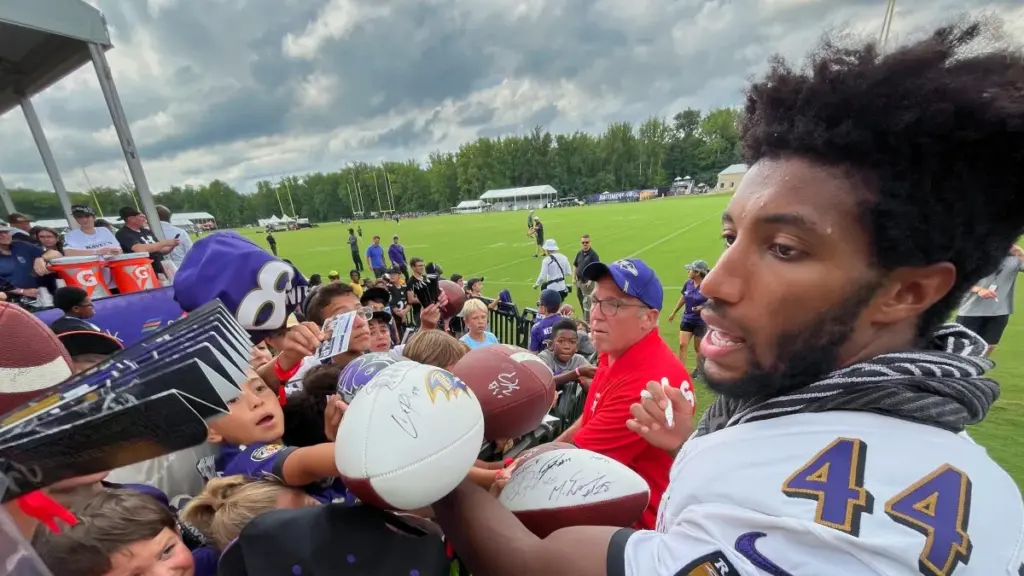
- Ravens cornerback Marlon Humphrey made controversial remarks on his podcast labeling Baltimore as adept at 'making criminals' before noting it would be edited out.
- The unedited clip quickly circulated across national media platforms, sparking a fierce debate over athlete-hosted media and public relations.
- The incident underscores the growing tension between NFL organizations and the unscripted, direct-to-consumer digital content produced by modern athletes.
- Civic leaders and local communities in Baltimore have expressed profound disappointment, highlighting the city's ongoing struggle against systemic crime narratives.
- Trung vệ Marlon Humphrey của Ravens đã có những phát ngôn gây tranh cãi trên podcast khi cho rằng Baltimore rất giỏi "tạo ra tội phạm", trước khi nói thêm rằng câu này sẽ được cắt bỏ.
- Đoạn clip chưa qua chỉnh sửa đã lan truyền nhanh chóng trên các nền tảng truyền thông quốc gia, châm ngòi cho cuộc tranh luận gay gắt về vai trò của vận động viên trong lĩnh vực truyền thông và quan hệ công chúng.
- Sự cố nhấn mạnh căng thẳng ngày càng tăng giữa các tổ chức NFL và nội dung kỹ thuật số trực tiếp, không kịch bản do các vận động viên hiện đại sản xuất.
- Các nhà lãnh đạo dân sự và cộng đồng tại Baltimore đã bày tỏ sự thất vọng sâu sắc, làm nổi bật cuộc đấu tranh không ngừng của thành phố trước những định kiến về tội phạm mang tính hệ thống.
- Le cornerback des Ravens, Marlon Humphrey, a affirmé dans son podcast que Baltimore était experte pour « fabriquer des criminels », tout en précisant que la séquence serait coupée au montage.
- L'extrait non censuré a rapidement circulé sur les réseaux sociaux, déclenchant un débat houleux sur les médias gérés par les sportifs et la gestion de leur image publique.
- L'incident souligne la tension grandissante entre les organisations de la NFL et les contenus numériques directs, non scénarisés, produits par les athlètes modernes.
- Les leaders civiques et les habitants de Baltimore ont exprimé leur profonde déception, rappelant les efforts constants de la ville pour lutter contre les préjugés liés à la criminalité.
- El esquinero de los Ravens, Marlon Humphrey, hizo comentarios polémicos en su pódcast calificando a Baltimore de experta en "crear criminales", antes de señalar que la frase sería editada.
- El clip sin editar circuló rápidamente por las plataformas mediáticas nacionales, provocando un feroz debate sobre los medios dirigidos por atletas y las relaciones públicas.
- El incidente subraya la creciente tensión entre las organizaciones de la NFL y el contenido digital directo al consumidor, sin guion, producido por los atletas modernos.
- Líderes cívicos y comunidades locales de Baltimore han expresado su profunda decepción, destacando la lucha constante de la ciudad contra las narrativas sistémicas sobre la delincuencia.
- 乌鸦队角卫马龙·汉弗莱在播客中称巴尔的摩擅长“制造罪犯”,并随口表示该片段会被剪掉。
- 未经剪辑的片段在全国媒体平台迅速传播,引发了关于运动员主导媒体与公共关系边界的激烈辩论。
- 该事件凸显了NFL球队与现代运动员制作的无脚本、直达消费者数字内容之间日益增长的张力。
- 巴尔的摩的市政领导与当地社区表达了深切失望,强调了该市在对抗系统性犯罪叙事方面所做的持续努力。
In an era where professional athletes routinely bypass traditional sports journalism to build their own media empires, the line between authentic conversation and catastrophic public relations has never been thinner. For the Baltimore Ravens, that precarious boundary was crossed when star cornerback Marlon Humphrey used an episode of his personal podcast to deliver an ill-considered joke regarding the very city that has embraced him for years. What was ostensibly designed to be a casual, candid exchange between professional athletes devolved rapidly into a public relations crisis, laying bare the profound disconnect that can sometimes exist between sports stars and the urban communities they represent.
The core of the controversy centers on Humphrey’s off-hand remark on his podcast where he quipped that Baltimore was remarkably proficient at “making criminals,” before immediately adding the fatalistic caveat, “That’s obviously gonna get cut out.” In the hyper-connected, real-time ecosystem of modern digital media, the editors did not cut it out—or, more accurately, the raw digital footprint captured a moment of unfiltered bravado that quickly escaped the confines of the studio walls. As the clip ricocheted across social media platforms, it transformed from a private slip-of-the-tongue into a national headline, drawing sharp rebukes from fans, civil leaders, and media analysts alike.
The Rise of Athlete-Led Media and Its Perils
To understand the gravity of Humphrey’s remarks, one must examine the fundamental shift in how professional athletes interact with the public. Over the past decade, player-driven podcasts, streaming channels, and digital networks have exploded in popularity. Fueled by the desire for authentic voices and unfiltered access, platforms like the one hosted by Humphrey offer fans a peek behind the locker room curtain. However, this direct-to-consumer model strips away the traditional layers of institutional oversight that once insulated athletes from their own spontaneous commentary.
In the past, post-game press conferences and media availabilities were heavily mediated by team public relations staffs, coaching personnel, and seasoned journalists who understood the sensitivities of local markets. Today, athletes are effectively media moguls of their own brands, operating without a safety net. Humphrey’s blunder is a textbook case of the hazards inherent in this democratization of sports broadcasting. When an athlete treats a microphone like a private living room conversation while broadcasting to millions, the risk of alienating a fan base multiplies exponentially, turning harmless banter into damaging corporate liability.

Navigating the Delicate Symbiosis of Team and City
For an organization like the Baltimore Ravens, a franchise renowned for its fierce loyalty to the local community and deep civic engagement, Humphrey’s comments represent a delicate diplomatic challenge. Baltimore is a city with a rich cultural heritage, resilient neighborhoods, and a passionate sports fandom that treats the Ravens not merely as an entertainment product, but as a core pillar of civic identity. When a marquee player casually disparages the city’s socio-economic struggles for comedic effect on a digital broadcast, it strikes a raw nerve among residents who work tirelessly to reshape national perceptions of Baltimore.
The franchise has long prided itself on community outreach through programs like the Ravens Foundation, investing millions in local education, health, and youth development. Humphrey himself has previously participated in various community initiatives, making the podcast remarks all the more jarring to local stakeholders. The incident forces front offices across the NFL to re-evaluate how they manage, monitor, or counsel players who run independent media ventures. While teams cannot—and often do not wish to—muzzle the personal expressions of their athletes, the financial and reputational stakes demand a new level of media literacy within professional locker rooms.
Fallout, Accountability, and the Road Ahead
As the initial media storm settles, the long-term ramifications for Marlon Humphrey and his burgeoning media career remain to be seen. In the immediate aftermath, public apologies and damage control statements are standard protocol, but rebuilding trust requires sustained effort. Athletes who venture into content creation must eventually decide whether they want to embrace the responsibilities of a professional broadcaster—which includes rigorous editorial standards and sensitivity to cultural contexts—or continue down the perilous path of unscripted shock-value commentary.
Ultimately, this episode serves as a cautionary tale for the entire sports industry. As digital platforms continue to proliferate, the boundaries between the athlete as a public servant on the gridiron and the athlete as an independent media personality will remain fiercely contested. For Humphrey, the lesson is stark: in the modern media landscape, the microphone is never truly off, and words spoken in jest can carry profound, real-world consequences that no amount of editing can undo.
Trong thời đại mà các vận động viên chuyên nghiệp thường xuyên bỏ qua báo chí thể thao truyền thống để xây dựng đế chế truyền thông của riêng mình, ranh giới giữa cuộc trò chuyện chân thực và thảm họa quan hệ công chúng chưa bao giờ mong manh đến thế. Đối với Baltimore Ravens, ranh giới bấp bênh đó đã bị vượt qua khi ngôi sao trung vệ Marlon Humphrey sử dụng một tập podcast cá nhân để đưa ra lời đùa cợt thiếu suy nghĩ về chính thành phố đã đón nhận anh trong nhiều năm qua. Những gì vốn được thiết kế như một cuộc trao đổi ngẫu hứng, thẳng thắn giữa các vận động viên chuyên nghiệp đã nhanh chóng biến thành một cuộc khủng hoảng truyền thông, phơi bày sự đứt gãy sâu sắc đôi khi tồn tại giữa các ngôi sao thể thao và cộng đồng đô thị mà họ đại diện.
Trọng tâm của cuộc tranh cãi xoay quanh nhận xét bâng quơ của Humphrey trên podcast, nơi anh đùa rằng Baltimore rất "giỏi tạo ra tội phạm", trước khi ngay lập tức thêm vào lời cảnh báo mang tính định mệnh: "Điều này rõ ràng sẽ được cắt bỏ". Trong hệ sinh thái kỹ thuật số siêu kết nối và thời gian thực hiện nay, các biên tập viên đã không cắt bỏ nó—hay nói chính xác hơn, dấu vết kỹ thuật số thô đã ghi lại một khoảnh khắc bốc đồng không bộ lọc, nhanh chóng thoát khỏi sự kiểm soát của phòng thu. Khi đoạn clip lan truyền trên các nền tảng mạng xã hội, nó đã biến từ một lời nói hớ cá nhân thành tiêu đề quốc gia, vấp phải sự chỉ trích gay gắt từ người hâm mộ, các nhà lãnh đạo dân sự và cả các nhà phân tích truyền thông.
Sự trỗi dậy của truyền thông do vận động viên dẫn dắt và những hiểm họa
Để hiểu được mức độ nghiêm trọng trong phát ngôn của Humphrey, người ta phải xem xét sự thay đổi cơ bản trong cách các vận động viên chuyên nghiệp tương tác với công chúng. Trong thập kỷ qua, các podcast, kênh phát trực tuyến và mạng kỹ thuật số do cầu thủ điều hành đã bùng nổ về mức độ phổ biến. Được thúc đẩy bởi mong muốn có những tiếng nói chân thực và sự tiếp cận không qua bộ lọc, các nền tảng như của Humphrey mang đến cho người hâm mộ cái nhìn phía sau bức màn phòng thay đồ. Tuy nhiên, mô hình trực tiếp đến người tiêu dùng này đã loại bỏ các lớp giám sát thể chế truyền thống vốn từng bảo vệ các vận động viên khỏi những bình luận tự phát của chính họ.
Trước đây, các buổi họp báo sau trận đấu và các buổi tiếp xúc truyền thông đều được kiểm soát chặt chẽ bởi đội ngũ quan hệ công chúng, ban huấn luyện và các nhà báo dày dạn kinh nghiệm, những người hiểu rõ sự nhạy cảm của thị trường địa phương. Ngày nay, các vận động viên thực chất là những ông trùm truyền thông cho thương hiệu của chính mình, hoạt động mà không có lưới an toàn. Sai lầm của Humphrey là một ví dụ điển hình về những nguy hiểm vốn có trong quá trình dân chủ hóa phát thanh thể thao này. Khi một vận động viên coi micro như cuộc trò chuyện trong phòng khách riêng tư trong khi đang phát sóng cho hàng triệu người, nguy cơ xa lánh người hâm mộ sẽ tăng lên theo cấp số nhân, biến những lời đùa cợt vô hại thành trách nhiệm pháp lý gây tổn hại cho tổ chức.
Điều hướng sự cộng sinh tinh tế giữa đội bóng và thành phố
Đối với một tổ chức như Baltimore Ravens, một thương hiệu nổi tiếng với lòng trung thành mãnh liệt với cộng đồng địa phương và sự gắn kết dân sự sâu sắc, những bình luận của Humphrey đại diện cho một thách thức ngoại giao tinh tế. Baltimore là một thành phố có di sản văn hóa phong phú, những khu phố kiên cường và một cộng đồng người hâm mộ thể thao cuồng nhiệt, những người coi Ravens không chỉ là một sản phẩm giải trí mà còn là trụ cột cốt lõi của bản sắc công dân. Khi một cầu thủ ngôi sao thản nhiên hạ thấp những khó khăn kinh tế - xã hội của thành phố để tạo hiệu ứng hài hước trên một chương trình phát sóng kỹ thuật số, điều đó đã chạm vào nỗi đau của những cư dân đang làm việc không mệt mỏi để định hình lại nhận thức quốc gia về Baltimore.
Đội bóng từ lâu đã tự hào về các hoạt động cộng đồng thông qua các chương trình như Ravens Foundation, đầu tư hàng triệu đô la vào giáo dục, y tế và phát triển thanh thiếu niên địa phương. Bản thân Humphrey trước đây cũng từng tham gia nhiều sáng kiến cộng đồng, khiến những phát ngôn trên podcast càng trở nên chói tai đối với các bên liên quan tại địa phương. Sự việc buộc các văn phòng điều hành trên khắp NFL phải đánh giá lại cách họ quản lý, giám sát hoặc tư vấn cho các cầu thủ đang điều hành các dự án truyền thông độc lập. Mặc dù các đội bóng không thể—và thường không muốn—bịt miệng sự thể hiện cá nhân của các vận động viên, nhưng những rủi ro về tài chính và danh tiếng đòi hỏi một mức độ hiểu biết về truyền thông mới trong các phòng thay đồ chuyên nghiệp.
Hệ quả, trách nhiệm và con đường phía trước
Khi cơn bão truyền thông ban đầu lắng xuống, những hậu quả lâu dài đối với Marlon Humphrey và sự nghiệp truyền thông đang lên của anh vẫn còn là một dấu hỏi. Ngay sau đó, những lời xin lỗi công khai và các tuyên bố kiểm soát thiệt hại là quy trình tiêu chuẩn, nhưng việc xây dựng lại niềm tin đòi hỏi sự nỗ lực bền bỉ. Các vận động viên dấn thân vào việc sáng tạo nội dung cuối cùng phải quyết định xem họ muốn nắm bắt trách nhiệm của một nhà phát thanh chuyên nghiệp—bao gồm các tiêu chuẩn biên tập nghiêm ngặt và sự nhạy cảm với bối cảnh văn hóa—hay tiếp tục đi theo con đường nguy hiểm của những bình luận gây sốc không kịch bản.
Cuối cùng, tập phim này đóng vai trò như một lời cảnh tỉnh cho toàn bộ ngành thể thao. Khi các nền tảng kỹ thuật số tiếp tục phát triển, ranh giới giữa vận động viên với tư cách là người phục vụ công chúng trên sân cỏ và vận động viên với tư cách là nhân vật truyền thông độc lập sẽ vẫn là một cuộc tranh cãi gay gắt. Đối với Humphrey, bài học rất rõ ràng: trong bối cảnh truyền thông hiện đại, chiếc micro không bao giờ thực sự tắt, và những lời nói đùa có thể mang lại những hậu quả sâu sắc, thực tế mà không sự biên tập nào có thể xóa bỏ được.
À une époque où les athlètes professionnels contournent régulièrement le journalisme sportif traditionnel pour bâtir leurs propres empires médiatiques, la frontière entre conversation authentique et catastrophe en relations publiques n'a jamais été aussi ténue. Pour les Baltimore Ravens, cette limite précaire a été franchie lorsque le cornerback vedette Marlon Humphrey a profité d'un épisode de son podcast personnel pour lancer une boutade malavisée sur la ville même qui l'accueille depuis des années. Ce qui se voulait un échange décontracté et spontané entre sportifs a rapidement viré à la crise de communication, révélant le fossé profond qui peut parfois exister entre les stars du sport et les communautés urbaines qu'elles représentent.
Le cœur de la controverse réside dans cette remarque improvisée où Humphrey plaisante sur le fait que Baltimore serait remarquablement douée pour « fabriquer des criminels », avant d'ajouter immédiatement cette précision fataliste : « Ça, évidemment, ça va être coupé au montage. » Dans l'écosystème hyper-connecté des médias numériques actuels, les monteurs n'ont rien coupé — ou, plus précisément, la trace numérique brute a capturé un moment de bravade sans filtre qui a rapidement échappé aux murs du studio. Alors que l'extrait se propageait sur les réseaux sociaux, il s'est transformé d'un simple lapsus privé en un titre national, suscitant de vives réprobations de la part des fans, des leaders civiques et des analystes médias.
L'essor des médias d'athlètes et ses périls
Pour comprendre la gravité des propos de Humphrey, il faut examiner le changement fondamental dans la manière dont les athlètes professionnels interagissent avec le public. Au cours de la dernière décennie, les podcasts, chaînes de streaming et réseaux numériques gérés par les joueurs ont explosé en popularité. Portées par une soif d'authenticité et d'accès sans filtre, ces plateformes offrent aux fans une immersion dans les coulisses des vestiaires. Cependant, ce modèle de diffusion directe supprime les garde-fous institutionnels qui protégeaient autrefois les athlètes de leurs propres commentaires spontanés.
Autrefois, les conférences de presse d'après-match et les interventions médiatiques étaient étroitement encadrées par les services de communication des équipes, les entraîneurs et des journalistes chevronnés conscients des sensibilités locales. Aujourd'hui, les athlètes sont devenus les magnats de leur propre marque, opérant sans filet de sécurité. La bévue de Humphrey est un cas d'école des dangers inhérents à cette démocratisation de la diffusion sportive. Lorsqu'un athlète traite un micro comme une conversation de salon tout en s'adressant à des millions de personnes, le risque d'aliéner sa base de fans se multiplie de façon exponentielle, transformant une plaisanterie anodine en un passif corporatif dommageable.
Naviguer dans la symbiose délicate entre équipe et ville
Pour une organisation comme les Baltimore Ravens, franchise réputée pour sa loyauté envers la communauté locale et son engagement civique, les commentaires de Humphrey représentent un défi diplomatique délicat. Baltimore est une ville au riche héritage culturel, aux quartiers résilients et à la base de fans passionnés qui ne considèrent pas les Ravens comme un simple produit de divertissement, mais comme un pilier de leur identité. Lorsqu'un joueur vedette dénigre avec désinvolture les difficultés socio-économiques de la ville pour faire de l'humour, cela touche une corde sensible chez des résidents qui travaillent sans relâche pour changer la perception nationale de Baltimore.
La franchise s'enorgueillit depuis longtemps de son action communautaire via des programmes comme la Ravens Foundation, investissant des millions dans l'éducation, la santé et le développement de la jeunesse locale. Humphrey lui-même a participé par le passé à diverses initiatives, ce qui rend ses propos d'autant plus choquants pour les acteurs locaux. L'incident force les directions de la NFL à réévaluer la manière dont elles gèrent, surveillent ou conseillent les joueurs qui dirigent des entreprises médiatiques indépendantes. Si les équipes ne peuvent pas — et ne souhaitent souvent pas — museler l'expression personnelle de leurs athlètes, les enjeux financiers et réputationnels exigent désormais une nouvelle forme d'éducation aux médias au sein des vestiaires professionnels.
Retombées, responsabilité et perspectives
Alors que la tempête médiatique initiale s'apaise, les conséquences à long terme pour Marlon Humphrey et sa carrière médiatique naissante restent à voir. Dans l'immédiat, les excuses publiques et les communiqués de gestion de crise sont la norme, mais reconstruire la confiance exige un effort soutenu. Les athlètes qui se lancent dans la création de contenu doivent finir par décider s'ils souhaitent assumer les responsabilités d'un diffuseur professionnel — ce qui inclut des standards éditoriaux rigoureux et une sensibilité aux contextes culturels — ou poursuivre sur la voie périlleuse du commentaire provocateur non scénarisé.
En fin de compte, cet épisode sert d'avertissement à toute l'industrie du sport. À mesure que les plateformes numériques se multiplient, les frontières entre l'athlète en tant que figure publique sur le terrain et l'athlète en tant que personnalité médiatique indépendante resteront âprement disputées. Pour Humphrey, la leçon est brutale : dans le paysage médiatique moderne, le micro n'est jamais vraiment éteint, et les mots prononcés à la légère peuvent avoir des conséquences réelles et profondes qu'aucun montage ne peut effacer.
En una era en la que los atletas profesionales suelen eludir el periodismo deportivo tradicional para construir sus propios imperios mediáticos, la línea entre la conversación auténtica y las relaciones públicas catastróficas nunca ha sido tan delgada. Para los Baltimore Ravens, ese límite precario se cruzó cuando el esquinero estrella Marlon Humphrey utilizó un episodio de su pódcast personal para lanzar una broma poco afortunada sobre la misma ciudad que lo ha acogido durante años. Lo que aparentemente estaba diseñado para ser un intercambio casual y sincero entre deportistas profesionales se convirtió rápidamente en una crisis de relaciones públicas, dejando al descubierto la profunda desconexión que a veces puede existir entre las estrellas del deporte y las comunidades urbanas a las que representan.
El núcleo de la controversia se centra en el comentario improvisado de Humphrey en su pódcast, donde bromeó diciendo que Baltimore era notablemente competente en "crear criminales", antes de añadir inmediatamente la advertencia fatalista: "Eso obviamente se va a editar". En el ecosistema hiperconectado y en tiempo real de los medios digitales modernos, los editores no lo cortaron o, más exactamente, la huella digital capturó un momento de bravuconería sin filtros que escapó rápidamente de los muros del estudio. A medida que el clip rebotaba en las plataformas de redes sociales, se transformó de un desliz privado en un titular nacional, provocando duras críticas tanto de aficionados como de líderes civiles y analistas de medios.
El auge de los medios dirigidos por atletas y sus peligros
Para comprender la gravedad de las declaraciones de Humphrey, hay que examinar el cambio fundamental en la forma en que los atletas profesionales interactúan con el público. Durante la última década, los pódcast, canales de streaming y redes digitales impulsados por los jugadores han experimentado una explosión de popularidad. Impulsadas por el deseo de voces auténticas y acceso sin filtros, plataformas como la que dirige Humphrey ofrecen a los aficionados un vistazo detrás de la cortina del vestuario. Sin embargo, este modelo directo al consumidor elimina las capas tradicionales de supervisión institucional que antes protegían a los atletas de sus propios comentarios espontáneos.
En el pasado, las conferencias de prensa tras los partidos y las comparecencias ante los medios estaban fuertemente mediadas por el personal de relaciones públicas del equipo, los entrenadores y periodistas experimentados que comprendían la sensibilidad de los mercados locales. Hoy en día, los atletas son efectivamente magnates de los medios de sus propias marcas, operando sin una red de seguridad. El error de Humphrey es un caso de libro de texto sobre los peligros inherentes a esta democratización de la radiodifusión deportiva. Cuando un atleta trata un micrófono como una conversación privada en su sala de estar mientras emite para millones de personas, el riesgo de alienar a su base de seguidores se multiplica exponencialmente, convirtiendo una broma inofensiva en una responsabilidad corporativa perjudicial.
Navegando la delicada simbiosis entre equipo y ciudad
Para una organización como los Baltimore Ravens, una franquicia reconocida por su feroz lealtad a la comunidad local y su profundo compromiso cívico, los comentarios de Humphrey representan un delicado desafío diplomático. Baltimore es una ciudad con un rico patrimonio cultural, barrios resilientes y una apasionada afición deportiva que trata a los Ravens no simplemente como un producto de entretenimiento, sino como un pilar fundamental de su identidad cívica. Cuando un jugador estrella menosprecia casualmente las luchas socioeconómicas de la ciudad con fines cómicos en una emisión digital, toca una fibra sensible entre los residentes que trabajan incansablemente para cambiar las percepciones nacionales sobre Baltimore.
La franquicia se ha enorgullecido durante mucho tiempo de su labor comunitaria a través de programas como la Ravens Foundation, invirtiendo millones en educación, salud y desarrollo juvenil local. El propio Humphrey ha participado anteriormente en diversas iniciativas comunitarias, lo que hace que los comentarios del pódcast resulten aún más discordantes para las partes interesadas locales. El incidente obliga a las oficinas centrales de toda la NFL a reevaluar cómo gestionan, supervisan o asesoran a los jugadores que dirigen proyectos mediáticos independientes. Aunque los equipos no pueden —y a menudo no desean— amordazar las expresiones personales de sus atletas, los riesgos financieros y reputacionales exigen un nuevo nivel de alfabetización mediática dentro de los vestuarios profesionales.
Consecuencias, responsabilidad y el camino a seguir
A medida que la tormenta mediática inicial se calma, las ramificaciones a largo plazo para Marlon Humphrey y su floreciente carrera en los medios están por verse. Inmediatamente después, las disculpas públicas y las declaraciones de control de daños son el protocolo estándar, pero reconstruir la confianza requiere un esfuerzo sostenido. Los atletas que se aventuran en la creación de contenidos deben decidir finalmente si quieren asumir las responsabilidades de un locutor profesional —lo que incluye normas editoriales rigurosas y sensibilidad hacia los contextos culturales— o continuar por el peligroso camino de los comentarios sin guion que buscan el impacto.
En última instancia, este episodio sirve como advertencia para toda la industria deportiva. A medida que las plataformas digitales sigan proliferando, los límites entre el atleta como servidor público en el campo de juego y el atleta como personalidad mediática independiente seguirán siendo ferozmente cuestionados. Para Humphrey, la lección es clara: en el panorama mediático moderno, el micrófono nunca está realmente apagado, y las palabras dichas en broma pueden tener consecuencias profundas y reales que ninguna edición puede deshacer.
在一个职业运动员习惯于绕过传统体育新闻、建立个人媒体帝国的时代,真实表达与灾难性公关之间的界限从未如此模糊。对于巴尔的摩乌鸦队而言,当明星角卫马龙·汉弗莱(Marlon Humphrey)利用个人播客节目,对他多年来所效力的城市开出不合时宜的玩笑时,这条危险的边界被彻底逾越了。这场本应是职业运动员之间轻松、坦诚的交流,迅速演变成一场公关危机,赤裸裸地暴露了体育明星与他们所代表的城市社区之间有时存在的巨大隔阂。
争议的核心在于汉弗莱在播客中的随口一言,他调侃称巴尔的摩在“制造罪犯”方面表现得非常“专业”,随后又补上一句宿命论式的免责声明:“这显然会被剪掉。”然而,在现代数字媒体高度互联、实时传播的生态系统中,剪辑师并没有将其删去——或者更准确地说,原始的数字足迹捕捉到了这一瞬间的失言,并迅速逃离了录音室的围墙。随着这段视频在社交媒体平台上的疯狂传播,它从一场私下的口误演变成了全国性的头条新闻,招致了球迷、市政领导和媒体分析人士的严厉谴责。
运动员主导媒体的兴起及其风险
要理解汉弗莱言论的严重性,必须审视职业运动员与公众互动方式的根本转变。在过去十年中,由球员驱动的播客、流媒体频道和数字网络人气激增。出于对真实声音和无过滤内容的渴望,像汉弗莱主持的这类平台为球迷提供了窥探更衣室幕后的窗口。然而,这种直达消费者的模式剥离了曾经保护运动员免受其自身冲动评论影响的传统机构监管层。
过去,赛后新闻发布会和媒体采访通常由球队公关人员、教练组和了解当地市场敏感性的资深记者严格把关。如今,运动员实际上成为了自身品牌的媒体大亨,却在没有安全网的情况下运作。汉弗莱的失误是体育广播民主化过程中固有风险的教科书式案例。当一名运动员在面对数百万听众时,将麦克风视为私人客厅的谈话工具,疏远粉丝群体的风险就会呈指数级增长,将无伤大雅的玩笑转化为破坏性的企业责任危机。
驾驭球队与城市之间的微妙共生关系
对于像巴尔的摩乌鸦队这样以对当地社区的忠诚和深厚公民参与感而闻名的球队来说,汉弗莱的言论构成了一项微妙的外交挑战。巴尔的摩是一座拥有丰富文化遗产、坚韧社区和热情体育迷的城市,他们不仅将乌鸦队视为娱乐产品,更将其视为城市身份的核心支柱。当一位明星球员为了喜剧效果在数字广播中随意贬低该市的社会经济困境时,这触动了那些致力于重塑巴尔的摩国家形象的居民们的敏感神经。
该球队长期以来一直以通过“乌鸦基金会”(Ravens Foundation)等项目进行社区外联而自豪,在当地教育、医疗和青年发展方面投入了数百万美元。汉弗莱本人此前也曾参与过各种社区倡议,这使得他在播客中的言论对当地利益相关者而言显得格外刺耳。这一事件迫使NFL各队的管理层重新评估他们如何管理、监督或引导那些经营独立媒体业务的球员。虽然球队不能——且往往也不愿——封杀运动员的个人表达,但财务和声誉风险要求职业更衣室内部必须具备更高水平的媒体素养。
余波、问责与前路
随着最初的媒体风暴逐渐平息,马龙·汉弗莱及其新兴媒体事业的长期影响仍有待观察。在事件发生后的第一时间,公开道歉和危机公关声明是标准流程,但重建信任需要持续的努力。涉足内容创作的运动员最终必须决定,他们是想承担起专业广播员的责任——包括严格的编辑标准和对文化背景的敏感度——还是继续走在无脚本、追求噱头的危险道路上。
归根结底,这一插曲为整个体育产业敲响了警钟。随着数字平台的不断激增,作为赛场上公众人物的运动员与作为独立媒体人的运动员之间的界限,将继续成为激烈争论的焦点。对于汉弗莱来说,教训是深刻的:在现代媒体格局中,麦克风从未真正关闭,玩笑话可能带来深远的现实后果,而这些后果是任何剪辑都无法挽回的。
Editorial Standards & Multi-Language Synthesis: This dispatch was synthesized and fact-checked by the ParisDaily Editorial Desk across 5 global editions (EN, FR, VI, ES, ZH), cross-referencing primary international wire reports and real-time search intelligence.