The Crucible of Old Trafford: Mauricio Pochettino’s Baptism by Fire at Manchester United
Mauricio Pochettino’s tenure at Manchester United has begun in a whirlwind of officiating controversy and defensive fragility. As the club struggles for form, the Argentine manager faces an immediate test of his tactical and psychological resolve.
Triều đại của Mauricio Pochettino tại Manchester United đã bắt đầu trong một cơn bão tranh cãi về công tác trọng tài và sự mong manh nơi hàng phòng ngự. Trong bối cảnh câu lạc bộ chật vật tìm kiếm phong độ, vị chiến lược gia người Argentina đang phải đối mặt với bài kiểm tra tức thì về bản lĩnh chiến thuật lẫn tâm lý.
Le mandat de Mauricio Pochettino à Manchester United débute dans un tourbillon de polémiques arbitrales et de fragilité défensive. Alors que le club peine à retrouver son niveau, l'entraîneur argentin fait face à un test immédiat de sa résolution tactique et psychologique.
La etapa de Mauricio Pochettino en el Manchester United ha comenzado en medio de un torbellino de polémicas arbitrales y fragilidad defensiva. Mientras el club lucha por recuperar su forma, el técnico argentino se enfrenta a una prueba inmediata de su determinación táctica y psicológica.
毛里西奥·波切蒂诺在曼联的执教生涯始于一场裁判争议与防线脆弱交织的混乱风暴。随着球队陷入低迷,这位阿根廷主帅正面临着对其战术素养与心理韧性的严峻考验。
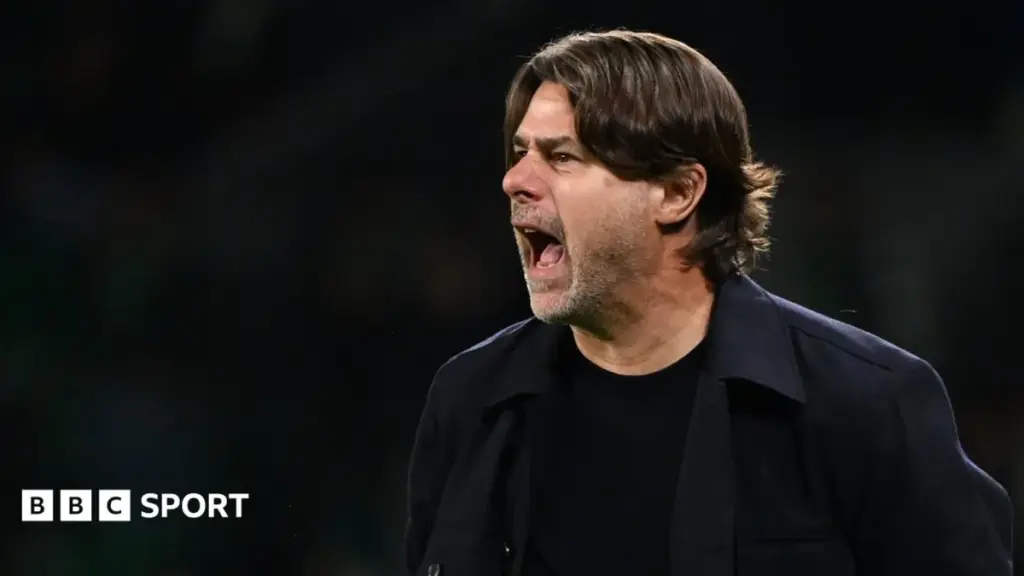
- Mauricio Pochettino remains winless in his first two matches, marked by four red cards in five games across the squad.
- Controversial officiating in the Champions League draw against Sporting has left club officials and fans questioning the consistency of VAR.
- Goalkeeper Senne Lammens is under intense scrutiny following high-profile errors that have directly cost the team points.
- United currently sit 19th in the Champions League table, placing immense pressure on the upcoming fixture against RB Leipzig.
- Mauricio Pochettino vẫn chưa biết đến mùi chiến thắng trong hai trận đầu tiên, với thành tích đáng báo động là bốn thẻ đỏ trong năm trận gần nhất của toàn đội.
- Công tác trọng tài gây tranh cãi trong trận hòa tại Champions League trước Sporting đã khiến ban lãnh đạo và người hâm mộ đặt dấu hỏi về tính nhất quán của VAR.
- Thủ thành Senne Lammens đang chịu sự giám sát gắt gao sau những sai lầm nghiêm trọng trực tiếp khiến đội nhà đánh rơi điểm số.
- United hiện đang đứng thứ 19 trên bảng xếp hạng Champions League, tạo ra áp lực khổng lồ trước cuộc đối đầu sắp tới với RB Leipzig.
- Mauricio Pochettino n'a toujours pas remporté la moindre victoire en deux matchs, une période marquée par quatre cartons rouges en cinq rencontres pour l'ensemble de l'effectif.
- L'arbitrage controversé lors du match nul en Ligue des Champions contre le Sporting a poussé les dirigeants et les supporters à remettre en question la cohérence du VAR.
- Le gardien Senne Lammens est sous le feu des critiques après des erreurs manifestes qui ont coûté des points précieux à l'équipe.
- United occupe actuellement la 19e place du classement de la Ligue des Champions, ce qui accroît considérablement la pression avant la rencontre décisive contre le RB Leipzig.
- Mauricio Pochettino sigue sin conocer la victoria en sus dos primeros partidos, marcados por cuatro tarjetas rojas en cinco encuentros para el conjunto de la plantilla.
- La polémica actuación arbitral en el empate de Champions League contra el Sporting ha llevado a directivos y aficionados a cuestionar la consistencia del VAR.
- El portero Senne Lammens está bajo un intenso escrutinio tras cometer errores de alto perfil que han costado puntos directos al equipo.
- El United ocupa actualmente la 19ª posición en la tabla de la Champions League, lo que ejerce una presión inmensa sobre el próximo encuentro contra el RB Leipzig.
- 毛里西奥·波切蒂诺执教的前两场比赛未尝胜绩,且全队在五场比赛中累计领到四张红牌,纪律问题严峻。
- 欧冠对阵葡萄牙体育时的争议判罚引发轩然大波,俱乐部高层与球迷对VAR的一致性提出强烈质疑。
- 门将森内·拉门斯因多次低级失误直接导致球队丢分,正处于舆论的风口浪尖。
- 曼联目前在欧冠积分榜排名第19位,即将到来的对阵莱比锡红牛的比赛压力巨大。
The arrival of Mauricio Pochettino at Manchester United was heralded as the dawn of a new, pragmatic era—a tactical reset for a club long adrift in the doldrums of inconsistency. Yet, the reality of his first week in the dugout has been less of a tactical masterclass and more of a descent into a surreal, high-stakes farce. Between the bitter resentment over officiating decisions and a defensive unit that seems prone to self-sabotage, Pochettino has inherited a project that is currently defined more by its psychological fragility than its technical prowess.
Two games into his tenure, the statistics are as damning as they are bizarre: two matches played, zero wins, and a chaotic disciplinary record that has seen the side reduced to ten men with alarming frequency. As the dust settles on a 2-2 draw in Lisbon, the narrative surrounding Old Trafford has shifted from the optimism of a new appointment to the cold, hard reality of a club struggling to find its identity while being consistently undermined by both external officiating and internal lapses in concentration.
A Storm of Officiating and Institutional Frustration
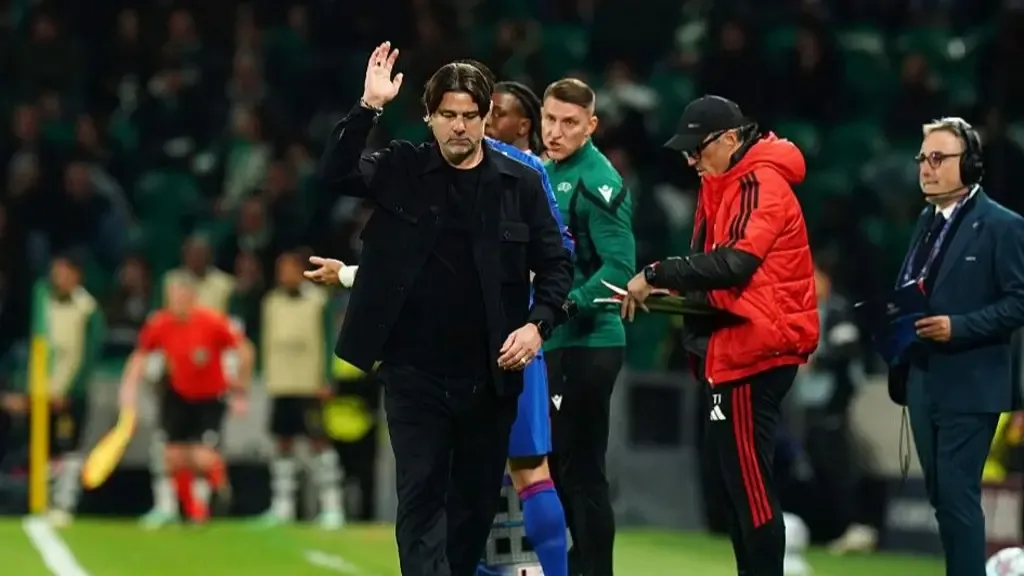
The frustration emanating from the Manchester United hierarchy is palpable, and it is rooted in a belief that the club is being unfairly targeted by officiating inconsistencies. Following a contentious dismissal of Leny Yoro against Liverpool, the mood in the camp was already volatile before the Champions League clash with Sporting. When referee Szymon Marciniak whistled a play dead before Amad’s header hit the net—effectively bypassing the possibility of a VAR review—it served as a flashpoint for a club already feeling besieged.
The post-match discourse was dominated by accusations of incompetence, with former United winger Ashley Young labeling the officiating a "disgrace." For Pochettino, the challenge is twofold: he must navigate the genuine tactical failures of his team while simultaneously managing the external perception that the club is being "punished" by key decisions. This creates a dangerous feedback loop where players feel aggrieved by the referee, leading to a loss of focus, which in turn leads to the very errors that invite further scrutiny.
Historically, Manchester United has thrived on a siege mentality, but this current iteration feels different. It is not the defiant "us against the world" spirit of the Sir Alex Ferguson era; it is a reactive, anxious state of being. The club’s internal feeling that they are being disproportionately penalized is a symptom of a deeper lack of control. When a team is constantly looking for external excuses, it often masks a failure to master the internal variables that define success at the elite level.
The Goalkeeping Conundrum and Defensive Instability
At the heart of Pochettino’s immediate tactical headache is the form of goalkeeper Senne Lammens. In Lisbon, Lammens provided a microcosm of United’s current malaise: a moment of brilliance in saving a penalty, followed immediately by a catastrophic lapse in judgment that conceded a second. Errors of this magnitude are not merely individual mistakes; they are contagious, spreading a sense of unease through the defensive line that makes every cross and set-piece feel like a potential disaster.
Pochettino’s public defense of Lammens is a classic managerial tactic—shielding a player from the media firestorm to preserve what little confidence remains. However, behind closed doors, the pressure is mounting. With veteran options like Karl Darlow and Tom Heaton waiting in the wings, the margin for error is razor-thin. If Lammens cannot stabilize his performance, Pochettino may be forced into a personnel change that could further destabilize a backline already struggling to find a cohesive rhythm.
The defensive structure, too, is under the microscope. Pochettino has spoken of the need for the defensive line to "cover the keeper better," yet the reality is that the team is conceding goals in ways that suggest a lack of fundamental communication. Whether it is the inability to clear lines or the tendency to lose composure under pressure, the current defensive setup is failing to provide the platform required for Pochettino’s preferred style of high-intensity, possession-based football.
The Road Ahead: Recalibrating for Survival
Manchester United’s position in the Champions League—19th in the table—is a stark reminder of the precarious nature of their current campaign. With the top 24 threshold looming, every dropped point is a step closer to an early exit that would be catastrophic for the club’s finances and prestige. The upcoming clash with RB Leipzig on December 8th is no longer just a group stage match; it is a litmus test for Pochettino’s ability to turn the tide before the season spirals out of control.
The global ripple effects of United’s struggles are significant. As one of the world’s most commercially valuable clubs, their failure to perform on the European stage impacts everything from sponsorship valuations to the ability to attract top-tier talent in the January transfer window. The "Pochettino Project" was supposed to be a steady hand on the tiller, but the ship is currently taking on water. The manager must now decide whether to double down on his current personnel or implement a more radical, perhaps more conservative, tactical shift to stop the bleeding.
Ultimately, what to watch for in the coming weeks is not just the results, but the body language of the squad. If the players continue to look toward the referee for answers rather than looking at each other, the cycle of frustration will continue. Pochettino is a manager known for his ability to build cohesive, high-pressing units, but he has never had to do so under the specific, suffocating pressure of a Manchester United side that has forgotten how to win. The next month will define whether he is the architect of a revival or merely another casualty of the Old Trafford machine.
Sự xuất hiện của Mauricio Pochettino tại Manchester United từng được kỳ vọng là bình minh của một kỷ nguyên thực dụng mới—một cuộc tái thiết chiến thuật cho một câu lạc bộ vốn đã lạc lối từ lâu trong sự bất ổn. Tuy nhiên, thực tế trong tuần đầu tiên ông ngồi trên ghế nóng lại không phải là một màn trình diễn chiến thuật đỉnh cao, mà giống như một sự rơi tự do vào một vở kịch phi lý đầy rủi ro. Giữa sự phẫn nộ cay đắng về các quyết định của trọng tài và một hàng phòng ngự dường như luôn chực chờ tự hủy hoại chính mình, Pochettino đã tiếp quản một dự án mà hiện tại được định nghĩa bởi sự mong manh về tâm lý hơn là năng lực chuyên môn.
Sau hai trận đấu dưới thời tân huấn luyện viên, các con số thống kê vừa đáng kinh ngạc vừa đầy nghiệt ngã: hai trận, không chiến thắng, và một kỷ luật thi đấu hỗn loạn khi đội bóng thường xuyên phải chơi thiếu người một cách khó hiểu. Khi bụi mờ lắng xuống sau trận hòa 2-2 tại Lisbon, câu chuyện xoay quanh Old Trafford đã chuyển từ sự lạc quan về một sự bổ nhiệm mới sang thực tế lạnh lùng của một câu lạc bộ đang chật vật tìm lại bản sắc, trong khi liên tục bị suy yếu bởi cả những tác động từ trọng tài lẫn những khoảng lặng mất tập trung từ nội bộ.
Cơn bão tranh cãi và sự thất vọng về thể chế
Sự thất vọng từ thượng tầng Manchester United là điều có thể cảm nhận rõ rệt, bắt nguồn từ niềm tin rằng câu lạc bộ đang bị nhắm đến một cách bất công bởi những quyết định thiếu nhất quán của trọng tài. Sau chiếc thẻ đỏ gây tranh cãi của Leny Yoro trước Liverpool, bầu không khí trong đội đã trở nên bất ổn trước cả khi cuộc đụng độ tại Champions League với Sporting diễn ra. Khi trọng tài Szymon Marciniak thổi còi kết thúc tình huống ngay trước khi cú đánh đầu của Amad đi vào lưới—vô hiệu hóa khả năng xem xét lại của VAR—đó chính là giọt nước tràn ly đối với một câu lạc bộ vốn đã cảm thấy bị bao vây.
Các cuộc thảo luận sau trận đấu bị thống trị bởi những lời cáo buộc về sự yếu kém, với cựu tiền vệ cánh của United là Ashley Young gọi công tác trọng tài là một "nỗi nhục nhã". Đối với Pochettino, thách thức là gấp đôi: ông phải giải quyết những thất bại chiến thuật thực sự của đội bóng, đồng thời quản lý nhận thức bên ngoài rằng câu lạc bộ đang bị "trừng phạt" bởi các quyết định then chốt. Điều này tạo ra một vòng lặp nguy hiểm, nơi các cầu thủ cảm thấy bị đối xử bất công, dẫn đến mất tập trung, và từ đó lại dẫn đến chính những sai lầm khiến họ tiếp tục bị soi xét.
Trong lịch sử, Manchester United từng phát triển mạnh mẽ nhờ tâm lý "phòng thủ trong thế bị bao vây", nhưng phiên bản hiện tại lại mang một sắc thái khác. Đó không phải là tinh thần "chúng ta chống lại cả thế giới" đầy kiêu hãnh của kỷ nguyên Sir Alex Ferguson; mà là một trạng thái phản ứng đầy lo âu. Cảm giác nội bộ rằng câu lạc bộ đang bị trừng phạt một cách bất cân xứng là triệu chứng của một sự thiếu kiểm soát sâu sắc hơn. Khi một đội bóng liên tục tìm kiếm những lý do ngoại cảnh, điều đó thường che đậy sự thất bại trong việc làm chủ các biến số nội tại vốn quyết định thành công ở cấp độ cao nhất.
Bài toán thủ môn và sự bất ổn nơi hàng thủ
Trọng tâm trong cơn đau đầu chiến thuật tức thì của Pochettino chính là phong độ của thủ thành Senne Lammens. Tại Lisbon, Lammens đã phác họa nên một bức tranh thu nhỏ về sự sa sút của United: một khoảnh khắc xuất thần khi cản phá quả phạt đền, theo sau ngay lập tức là một sự mất tập trung thảm họa dẫn đến bàn thua thứ hai. Những sai lầm ở quy mô này không chỉ là lỗi cá nhân; chúng có tính lây lan, gieo rắc cảm giác bất an lên toàn bộ hàng phòng ngự, khiến mỗi quả tạt hay tình huống cố định đều trở thành một thảm họa tiềm tàng.
Việc Pochettino công khai bảo vệ Lammens là một chiến thuật quản lý kinh điển—che chắn cho cầu thủ khỏi cơn bão truyền thông để duy trì chút tự tin còn sót lại. Tuy nhiên, đằng sau cánh cửa đóng kín, áp lực đang ngày càng gia tăng. Với những lựa chọn kỳ cựu như Karl Darlow và Tom Heaton đang chờ đợi, biên độ sai lầm là cực kỳ mỏng manh. Nếu Lammens không thể ổn định phong độ, Pochettino có thể buộc phải thay đổi nhân sự, điều này có thể làm mất ổn định thêm một hàng thủ vốn đang chật vật tìm kiếm sự gắn kết.
Cấu trúc phòng ngự cũng đang nằm dưới kính hiển vi. Pochettino đã nói về nhu cầu hàng phòng ngự phải "bọc lót cho thủ môn tốt hơn", nhưng thực tế là đội bóng đang để thủng lưới theo những cách cho thấy sự thiếu hụt trong giao tiếp cơ bản. Dù là sự bất lực trong việc phá bóng hay xu hướng mất bình tĩnh dưới áp lực, hệ thống phòng ngự hiện tại đang thất bại trong việc tạo ra nền tảng cần thiết cho lối chơi kiểm soát bóng cường độ cao mà Pochettino ưa thích.
Con đường phía trước: Tái hiệu chỉnh để sinh tồn
Vị trí của Manchester United tại Champions League—thứ 19 trên bảng xếp hạng—là một lời nhắc nhở khắc nghiệt về tính chất bấp bênh trong chiến dịch hiện tại của họ. Với ngưỡng 24 đội dẫn đầu đang cận kề, mỗi điểm số đánh rơi là một bước tiến gần hơn đến việc bị loại sớm, điều sẽ gây ra thảm họa cho tài chính và uy tín của câu lạc bộ. Cuộc đụng độ sắp tới với RB Leipzig vào ngày 8 tháng 12 không còn chỉ là một trận đấu vòng bảng; đó là bài kiểm tra năng lực của Pochettino trong việc xoay chuyển tình thế trước khi mùa giải vượt khỏi tầm kiểm soát.
Những tác động lan tỏa toàn cầu từ sự sa sút của United là rất đáng kể. Là một trong những câu lạc bộ có giá trị thương mại cao nhất thế giới, việc họ thất bại trên sân chơi châu Âu ảnh hưởng đến mọi thứ, từ định giá tài trợ đến khả năng thu hút các tài năng hàng đầu trong kỳ chuyển nhượng tháng Giêng. "Dự án Pochettino" từng được kỳ vọng là bàn tay vững chãi trên bánh lái, nhưng con tàu hiện đang bị nước tràn vào. Vị huấn luyện viên giờ đây phải quyết định xem nên tiếp tục đặt niềm tin vào nhân sự hiện tại hay thực hiện một sự thay đổi chiến thuật triệt để hơn, có lẽ là bảo thủ hơn, để ngăn chặn sự chảy máu này.
Cuối cùng, điều cần theo dõi trong những tuần tới không chỉ là kết quả, mà là ngôn ngữ cơ thể của toàn đội. Nếu các cầu thủ tiếp tục nhìn về phía trọng tài để tìm câu trả lời thay vì nhìn vào nhau, vòng xoáy thất vọng sẽ còn tiếp diễn. Pochettino là một huấn luyện viên nổi tiếng với khả năng xây dựng những khối đội hình gắn kết, pressing tầm cao, nhưng ông chưa bao giờ phải làm điều đó dưới áp lực ngột ngạt đặc thù của một Manchester United đã quên mất cách chiến thắng. Tháng tới sẽ định nghĩa liệu ông là kiến trúc sư của một cuộc hồi sinh hay chỉ là một nạn nhân khác của cỗ máy Old Trafford.
L'arrivée de Mauricio Pochettino à Manchester United avait été annoncée comme l'aube d'une ère nouvelle et pragmatique, une réinitialisation tactique pour un club longtemps égaré dans les méandres de l'inconstance. Pourtant, la réalité de sa première semaine sur le banc ressemble moins à une masterclass tactique qu'à une plongée dans une farce surréaliste aux enjeux démesurés. Entre le ressentiment amer suscité par les décisions arbitrales et une unité défensive sujette à l'auto-sabotage, Pochettino a hérité d'un projet défini davantage par sa fragilité psychologique que par sa prouesse technique.
Après deux matchs sous sa direction, les statistiques sont aussi accablantes qu'étranges : deux rencontres disputées, aucune victoire, et un bilan disciplinaire chaotique qui a vu l'équipe réduite à dix joueurs avec une fréquence alarmante. Alors que la poussière retombe après un match nul 2-2 à Lisbonne, le récit entourant Old Trafford a basculé de l'optimisme lié à une nouvelle nomination vers la réalité froide et brutale d'un club en quête d'identité, constamment miné par des décisions arbitrales externes et des pertes de concentration internes.
Une tempête d'arbitrage et de frustration institutionnelle
La frustration émanant de la hiérarchie de Manchester United est palpable, enracinée dans la conviction que le club est injustement ciblé par des incohérences arbitrales. Après l'expulsion contestée de Leny Yoro contre Liverpool, l'ambiance était déjà volatile avant le choc de Ligue des Champions face au Sporting. Lorsque l'arbitre Szymon Marciniak a interrompu le jeu avant que la tête d'Amad ne finisse au fond des filets—court-circuitant ainsi toute possibilité de recours au VAR—cela a servi de détonateur pour un club se sentant déjà assiégé.
Le discours d'après-match a été dominé par des accusations d'incompétence, l'ancien ailier de United, Ashley Young, qualifiant l'arbitrage de "honte". Pour Pochettino, le défi est double : il doit naviguer à travers les échecs tactiques réels de son équipe tout en gérant simultanément la perception externe selon laquelle le club est "puni" par des décisions clés. Cela crée une boucle de rétroaction dangereuse où les joueurs, se sentant lésés par l'arbitre, perdent leur concentration, ce qui conduit inévitablement aux erreurs qui attirent davantage de critiques.
Historiquement, Manchester United a prospéré sur une mentalité de siège, mais cette itération actuelle semble différente. Il ne s'agit pas de l'esprit de défi "nous contre le monde" de l'ère Sir Alex Ferguson ; c'est un état d'être réactif et anxieux. Le sentiment interne du club d'être pénalisé de manière disproportionnée est le symptôme d'un manque de contrôle plus profond. Lorsqu'une équipe cherche constamment des excuses externes, cela masque souvent une incapacité à maîtriser les variables internes qui définissent le succès au plus haut niveau.
Le dilemme du gardien et l'instabilité défensive
Au cœur du casse-tête tactique immédiat de Pochettino se trouve la forme du gardien Senne Lammens. À Lisbonne, Lammens a offert un microcosme du malaise actuel de United : un moment de génie en arrêtant un penalty, suivi immédiatement d'une erreur de jugement catastrophique qui a conduit à un second but. Des erreurs de cette ampleur ne sont pas seulement des fautes individuelles ; elles sont contagieuses, propageant un sentiment de malaise au sein de la ligne défensive qui rend chaque centre et chaque coup de pied arrêté potentiellement désastreux.
La défense publique de Lammens par Pochettino est une tactique managériale classique : protéger un joueur de la tempête médiatique pour préserver le peu de confiance qui subsiste. Cependant, en coulisses, la pression monte. Avec des options expérimentées comme Karl Darlow et Tom Heaton en attente, la marge d'erreur est infime. Si Lammens ne parvient pas à stabiliser ses performances, Pochettino pourrait être contraint à un changement de personnel susceptible de déstabiliser davantage une arrière-garde qui peine déjà à trouver un rythme cohérent.
La structure défensive est également sous microscope. Pochettino a évoqué la nécessité pour la ligne défensive de "mieux couvrir le gardien", mais la réalité est que l'équipe encaisse des buts d'une manière suggérant un manque de communication fondamentale. Qu'il s'agisse de l'incapacité à se dégager ou de la tendance à perdre son sang-froid sous pression, le dispositif défensif actuel ne parvient pas à offrir la base requise pour le style de jeu à haute intensité et basé sur la possession prôné par Pochettino.
La route à suivre : se recalibrer pour survivre
La position de Manchester United en Ligue des Champions—19e au classement—est un rappel brutal de la nature précaire de leur campagne actuelle. Avec le seuil des 24 premiers qui se rapproche, chaque point perdu est un pas de plus vers une élimination précoce qui serait catastrophique pour les finances et le prestige du club. Le prochain choc contre le RB Leipzig, le 8 décembre, n'est plus seulement un match de phase de groupes ; c'est un test décisif pour la capacité de Pochettino à inverser la tendance avant que la saison ne devienne incontrôlable.
Les répercussions mondiales des difficultés de United sont significatives. En tant que l'un des clubs les plus commercialement valorisés au monde, leur échec sur la scène européenne impacte tout, des évaluations de sponsoring à la capacité d'attirer des talents de premier plan lors du mercato hivernal. Le "Projet Pochettino" était censé apporter une main ferme à la barre, mais le navire prend actuellement l'eau. L'entraîneur doit désormais décider s'il maintient sa confiance en son effectif actuel ou s'il met en œuvre un changement tactique plus radical, peut-être plus conservateur, pour stopper l'hémorragie.
En fin de compte, ce qu'il faudra surveiller dans les semaines à venir, ce ne sont pas seulement les résultats, mais le langage corporel de l'équipe. Si les joueurs continuent de chercher des réponses auprès de l'arbitre plutôt que de se tourner les uns vers les autres, le cycle de frustration se poursuivra. Pochettino est un manager reconnu pour sa capacité à construire des unités cohérentes et portées sur le pressing, mais il n'a jamais eu à le faire sous la pression spécifique et étouffante d'une équipe de Manchester United qui a oublié comment gagner. Le mois prochain déterminera s'il est l'architecte d'un renouveau ou simplement une victime de plus de la machine d'Old Trafford.
La llegada de Mauricio Pochettino al Manchester United fue anunciada como el amanecer de una nueva era pragmática: un reinicio táctico para un club que llevaba mucho tiempo a la deriva en el estancamiento de la inconsistencia. Sin embargo, la realidad de su primera semana en el banquillo ha sido menos una clase magistral de táctica y más un descenso hacia una farsa surrealista y de alto riesgo. Entre el amargo resentimiento por las decisiones arbitrales y una unidad defensiva que parece propensa al autosabotaje, Pochettino ha heredado un proyecto que actualmente se define más por su fragilidad psicológica que por su destreza técnica.
Tras dos partidos bajo su mando, las estadísticas son tan condenatorias como extrañas: dos encuentros disputados, cero victorias y un caótico historial disciplinario que ha visto al equipo reducirse a diez hombres con una frecuencia alarmante. A medida que se asienta el polvo tras el empate 2-2 en Lisboa, la narrativa en torno a Old Trafford ha pasado del optimismo por un nuevo nombramiento a la fría y dura realidad de un club que lucha por encontrar su identidad, mientras se ve constantemente socavado tanto por el arbitraje externo como por lapsos internos de concentración.
Una tormenta de arbitraje y frustración institucional
La frustración que emana de la cúpula del Manchester United es palpable, y tiene su raíz en la creencia de que el club está siendo injustamente señalado por las inconsistencias arbitrales. Tras la polémica expulsión de Leny Yoro contra el Liverpool, el ambiente en el vestuario ya era volátil antes del choque de Champions League contra el Sporting. Cuando el árbitro Szymon Marciniak detuvo el juego antes de que el cabezazo de Amad entrara en la red —evitando efectivamente la posibilidad de una revisión del VAR—, esto sirvió como punto de ignición para un club que ya se sentía asediado.
El discurso posterior al partido estuvo dominado por acusaciones de incompetencia, con el ex extremo del United, Ashley Young, calificando el arbitraje de "vergüenza". Para Pochettino, el desafío es doble: debe gestionar los fallos tácticos reales de su equipo mientras maneja simultáneamente la percepción externa de que el club está siendo "castigado" por decisiones clave. Esto crea un peligroso círculo vicioso donde los jugadores se sienten agraviados por el árbitro, lo que lleva a una pérdida de concentración que, a su vez, provoca los mismos errores que invitan a un mayor escrutinio.
Históricamente, el Manchester United ha prosperado gracias a una mentalidad de asedio, pero esta iteración actual se siente diferente. No es el espíritu desafiante de "nosotros contra el mundo" de la era de Sir Alex Ferguson; es un estado de ser reactivo y ansioso. La sensación interna del club de que están siendo penalizados de forma desproporcionada es síntoma de una falta de control más profunda. Cuando un equipo busca constantemente excusas externas, a menudo enmascara una incapacidad para dominar las variables internas que definen el éxito al más alto nivel.
El dilema de la portería y la inestabilidad defensiva
En el centro del quebradero de cabeza táctico inmediato de Pochettino se encuentra el estado de forma del portero Senne Lammens. En Lisboa, Lammens ofreció un microcosmos del malestar actual del United: un momento de brillantez al detener un penalti, seguido inmediatamente por un catastrófico lapsus de juicio que supuso el segundo gol. Errores de esta magnitud no son meros fallos individuales; son contagiosos y propagan una sensación de inquietud por toda la línea defensiva que hace que cada centro y cada jugada a balón parado se sienta como un posible desastre.
La defensa pública de Pochettino hacia Lammens es una táctica clásica de gestión: proteger a un jugador de la tormenta mediática para preservar la poca confianza que queda. Sin embargo, a puerta cerrada, la presión aumenta. Con opciones veteranas como Karl Darlow y Tom Heaton esperando su oportunidad, el margen de error es mínimo. Si Lammens no logra estabilizar su rendimiento, Pochettino podría verse obligado a realizar un cambio de personal que podría desestabilizar aún más una zaga que ya lucha por encontrar un ritmo coherente.
La estructura defensiva también está bajo la lupa. Pochettino ha hablado de la necesidad de que la línea defensiva "cubra mejor al portero", pero la realidad es que el equipo está encajando goles de formas que sugieren una falta de comunicación fundamental. Ya sea por la incapacidad de despejar el balón o por la tendencia a perder la compostura bajo presión, el esquema defensivo actual no está proporcionando la plataforma necesaria para el estilo de fútbol de alta intensidad y posesión que prefiere Pochettino.
El camino a seguir: recalibrar para sobrevivir
La posición del Manchester United en la Champions League —19º en la tabla— es un crudo recordatorio de la naturaleza precaria de su actual campaña. Con el umbral de los 24 mejores acechando, cada punto perdido es un paso más cerca de una eliminación temprana que sería catastrófica para las finanzas y el prestigio del club. El próximo enfrentamiento contra el RB Leipzig el 8 de diciembre ya no es solo un partido de fase de grupos; es una prueba de fuego para la capacidad de Pochettino de cambiar el rumbo antes de que la temporada se descontrole.
Los efectos dominó globales de las dificultades del United son significativos. Como uno de los clubes comercialmente más valiosos del mundo, su incapacidad para rendir en el escenario europeo afecta a todo, desde las valoraciones de los patrocinios hasta la capacidad de atraer talento de primer nivel en la ventana de fichajes de enero. Se suponía que el "Proyecto Pochettino" sería una mano firme en el timón, pero el barco está haciendo aguas. El técnico debe decidir ahora si redoblar la apuesta por su personal actual o implementar un cambio táctico más radical, quizás más conservador, para detener la hemorragia.
En última instancia, lo que habrá que observar en las próximas semanas no son solo los resultados, sino el lenguaje corporal de la plantilla. Si los jugadores siguen buscando respuestas en el árbitro en lugar de mirarse entre ellos, el ciclo de frustración continuará. Pochettino es un técnico conocido por su capacidad para construir unidades cohesionadas y de presión alta, pero nunca ha tenido que hacerlo bajo la presión específica y asfixiante de un Manchester United que ha olvidado cómo ganar. El próximo mes definirá si es el arquitecto de un renacimiento o simplemente otra víctima de la maquinaria de Old Trafford.
毛里西奥·波切蒂诺入主曼联时,外界曾将其视为一个务实新时代的开端——为这支长期沉溺于不稳定性泥潭的俱乐部进行一次战术重置。然而,他执教首周的现实却并非一场战术大师课,更像是一场坠入超现实、高风险闹剧的滑铁卢。在对裁判判罚的苦涩怨恨与极易自毁的防线之间,波切蒂诺接手的这个项目,目前表现出的心理脆弱性远甚于其技术实力。
执教两场比赛,统计数据既令人震惊又荒诞:两战零胜,且纪律记录混乱,球队频繁地以十人应战。随着里斯本2-2平局的尘埃落定,老特拉福德的舆论基调已从对新帅的乐观期待,转变为对俱乐部身份认同缺失的冷酷现实——球队不仅在场上迷失,还不断受到外部判罚与内部专注力缺失的双重打击。
裁判风暴与体制内的挫败感
曼联高层散发出的挫败感显而易见,其根源在于俱乐部坚信自己正成为裁判判罚不公的受害者。在莱尼·约罗对阵利物浦时被争议性罚下后,球队内部情绪本已动荡,而欧冠对阵葡萄牙体育的比赛更是火上浇油。当裁判西蒙·马齐尼亚克在阿马德头球破门前吹停比赛——从而有效规避了VAR介入的可能性——这成为了俱乐部感到被围攻的爆发点。
赛后舆论充斥着对裁判无能的指责,前曼联边锋阿什利·扬甚至称判罚为“耻辱”。对于波切蒂诺而言,挑战是双重的:他既要解决球队真实的战术缺陷,又要应对外界关于俱乐部正被关键判罚“惩罚”的舆论压力。这形成了一个危险的反馈循环:球员因裁判判罚感到委屈,导致注意力分散,进而引发更多失误,从而招致更严厉的审视。
从历史上看,曼联曾依靠“围城心态”取得成功,但当前的这种状态却截然不同。这不再是弗格森时代那种“我们对抗世界”的顽强精神,而是一种反应过度、焦虑不安的状态。俱乐部内部认为自己受到不公正对待的心理,正是缺乏掌控力的症状。当一支球队不断寻找外部借口时,往往掩盖了其在精英层面无法掌控决定胜负的内部变量的现实。
门将难题与防线动荡
波切蒂诺当前战术头痛的核心,在于门将森内·拉门斯的表现。在里斯本,拉门斯展现了曼联当前困境的缩影:扑出点球时的惊艳瞬间,紧接着是导致丢球的灾难性判断失误。这种量级的失误不仅仅是个人的过错,它们具有传染性,在防线中散布着不安,使得每一次传中和定位球都显得危机四伏。
波切蒂诺公开维护拉门斯是经典的教练战术——将球员从媒体风暴中保护起来,以维持其仅存的信心。然而,在闭门会议中,压力正在加剧。随着卡尔·达洛和汤姆·希顿等老将待命,容错空间已所剩无几。如果拉门斯不能稳定表现,波切蒂诺可能被迫进行人事调整,这可能会进一步动摇本就难以找到默契节奏的后防线。
防守结构同样处于显微镜下。波切蒂诺曾谈到防线需要“更好地保护门将”,但现实是球队丢球的方式暗示了基础沟通的匮乏。无论是解围能力的缺失,还是在压力下心态失衡,当前的防守配置都未能为波切蒂诺所推崇的高强度、控球型足球提供必要的支撑。
前路:为生存而重构
曼联在欧冠积分榜上第19名的位置,严酷地提醒着他们当前赛程的危险性。随着前24名晋级门槛的临近,每一分的丢失都意味着离提前出局更近一步,这对俱乐部的财务和声誉将是灾难性的。12月8日对阵莱比锡红牛的比赛已不再仅仅是一场小组赛,它是波切蒂诺在赛季失控前扭转乾坤能力的试金石。
曼联挣扎的全球连锁反应是巨大的。作为世界上商业价值最高的俱乐部之一,他们在欧洲赛场的表现不佳,影响着从赞助估值到冬窗吸引顶级人才能力的方方面面。“波切蒂诺计划”本应是稳住舵盘的有力之手,但目前这艘船正在进水。主帅现在必须决定是继续坚持现有人员,还是采取更激进、或许更保守的战术调整来止血。
归根结底,未来几周需要观察的不仅是结果,还有球队的肢体语言。如果球员们继续向裁判寻求答案而不是审视彼此,挫败感的循环将持续下去。波切蒂诺以打造凝聚力强、高压逼抢的球队而闻名,但他从未在曼联这种“遗忘了如何赢球”的特殊、窒息压力下执教过。接下来的一个月将决定他究竟是复兴的建筑师,还是老特拉福德机器下的又一个牺牲品。
Editorial Standards & Multi-Language Synthesis: This dispatch was synthesized and fact-checked by the ParisDaily Editorial Desk across 5 global editions (EN, FR, VI, ES, ZH), cross-referencing primary international wire reports and real-time search intelligence.