Lá chắn mong manh: Cái chết của nhân viên MSF tại Gaza thổi bùng cuộc tranh luận nhân đạo toàn cầu
The killing of two Médecins Sans Frontières workers in an Israeli strike has intensified the crisis of neutrality in Gaza, challenging the protection of aid infrastructure under international law.
Việc hai nhân viên Tổ chức Bác sĩ Không biên giới (MSF) thiệt mạng trong một cuộc không kích của Israel đã làm trầm trọng thêm cuộc khủng hoảng về tính trung lập tại Gaza. Sự kiện này đặt ra thách thức lớn đối với việc bảo vệ cơ sở hạ tầng cứu trợ theo luật pháp quốc tế.
La mort de deux employés de Médecins Sans Frontières lors d'une frappe israélienne a exacerbé la crise de la neutralité à Gaza, remettant en question la protection des infrastructures humanitaires au regard du droit international. Ce drame souligne la fragilité croissante des zones sanctuarisées dans un conflit où les protocoles de déconfliction semblent ne plus suffire.
El asesinato de dos trabajadores de Médicos Sin Fronteras en un ataque israelí ha intensificado la crisis de neutralidad en Gaza, cuestionando la protección de la infraestructura de ayuda bajo el derecho internacional. El suceso pone de relieve la creciente fricción entre los protocolos de desconflicto y las operaciones militares en entornos urbanos densos.
两名无国界医生(MSF)员工在以色列的空袭中丧生,这一事件加剧了加沙地带人道主义中立性的危机,并对国际法框架下援助基础设施的保护机制提出了严峻挑战。
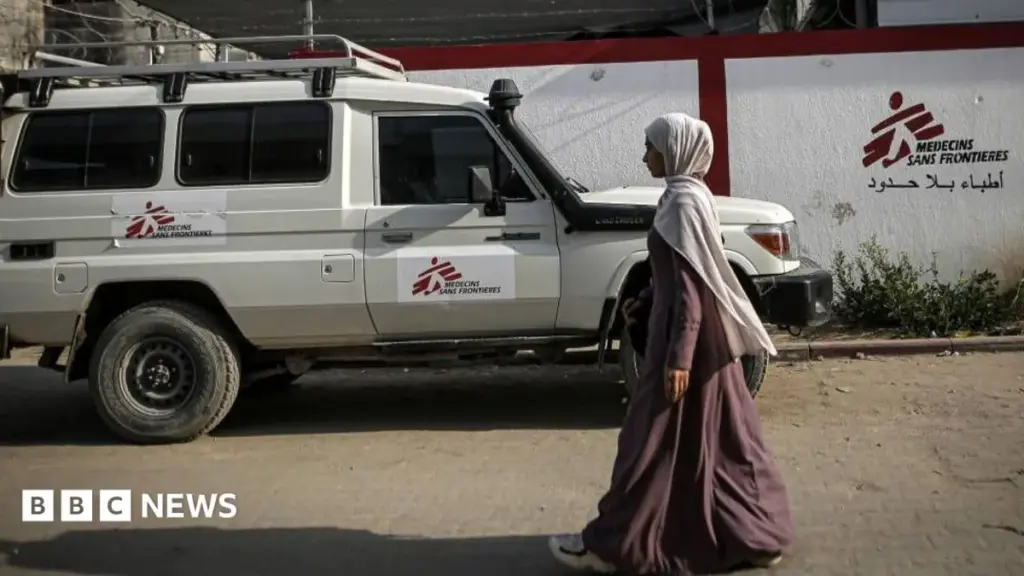
- Two MSF staff members were killed in a strike on a clinic, marking the 17th death of an MSF employee in the Gaza conflict.
- The IDF claims the individuals were Hamas operatives, while MSF maintains they were non-combatant watchmen at a deconflicted site.
- WHO Director-General Dr. Tedros Adhanom Ghebreyesus condemned the strike, highlighting the erosion of safety for medical personnel.
- The incident underscores the growing friction between humanitarian deconfliction protocols and Israeli military operations in dense urban environments.
- Hai nhân viên MSF đã thiệt mạng trong một cuộc tấn công vào phòng khám, nâng tổng số nhân viên MSF tử vong trong xung đột tại Gaza lên con số 17.
- Lực lượng Phòng vệ Israel (IDF) tuyên bố các cá nhân này là thành viên Hamas, trong khi MSF khẳng định họ là nhân viên bảo vệ phi chiến đấu tại một địa điểm đã được thông báo giảm xung đột.
- Tổng giám đốc WHO, Tiến sĩ Tedros Adhanom Ghebreyesus, đã lên án cuộc tấn công, nhấn mạnh sự xói mòn nghiêm trọng về an toàn đối với nhân viên y tế.
- Vụ việc làm nổi bật sự ma sát ngày càng tăng giữa các giao thức giảm xung đột nhân đạo và các chiến dịch quân sự của Israel trong môi trường đô thị dày đặc.
- Deux membres du personnel de MSF ont été tués lors d'une frappe sur une clinique, portant à 17 le nombre de décès d'employés de l'ONG dans le conflit à Gaza.
- Tsahal affirme que les individus étaient des agents du Hamas, tandis que MSF soutient qu'il s'agissait de gardiens non-combattants travaillant sur un site déconflicté.
- Le directeur général de l'OMS, le Dr Tedros Adhanom Ghebreyesus, a condamné la frappe, soulignant l'érosion de la sécurité pour le personnel médical.
- L'incident met en lumière la friction croissante entre les protocoles de déconfliction humanitaire et les opérations militaires israéliennes dans des environnements urbains denses.
- Dos miembros del personal de MSF murieron en un ataque contra una clínica, marcando la decimoséptima muerte de un empleado de la organización en el conflicto de Gaza.
- Las FDI sostienen que los individuos eran operativos de Hamás, mientras que MSF insiste en que eran vigilantes no combatientes en un sitio previamente notificado.
- El director general de la OMS, el Dr. Tedros Adhanom Ghebreyesus, condenó el ataque, subrayando la erosión de la seguridad para el personal médico.
- El incidente subraya la creciente fricción entre los protocolos de desconflicto humanitario y las operaciones militares israelíes en entornos urbanos densos.
- 两名无国界医生员工在针对诊所的空袭中丧生,这是该组织在加沙冲突中损失的第17名员工。
- 以色列国防军声称遇难者为哈马斯武装人员,而无国界医生坚称他们是在已通报冲突降级区域内工作的非战斗人员。
- 世界卫生组织总干事谭德塞谴责了此次袭击,强调了医疗人员安全保障的日益恶化。
- 该事件凸显了人道主义冲突降级协议与以色列在人口稠密地区军事行动之间日益加剧的摩擦。
The killing of two staff members from Médecins Sans Frontières (MSF) in a targeted strike in Gaza has once again thrust the precarious nature of humanitarian work into the center of the global geopolitical storm. The incident, which occurred at a clinic whose location had been explicitly communicated to the Israel Defense Forces (IDF) through established deconfliction channels, has left the international aid community reeling and further strained the already fractured relationship between global health organizations and the Israeli military.
As the death toll of humanitarian workers in the region continues to climb—reaching 17 for MSF alone—the event serves as a grim microcosm of the broader conflict. It is a collision of two irreconcilable narratives: one of a medical organization struggling to maintain neutral, life-saving operations in a war zone, and another of a military apparatus that views the integration of Hamas within civilian and organizational infrastructure as a justification for strikes that bypass traditional humanitarian safeguards.
The Anatomy of a Disputed Strike
The incident took place in Gaza City, where witnesses described a sudden drone strike that claimed the lives of Ahmed Sufyan Muhammad Ali Abu Hasira and Moaz Yousef Alitsbach. While MSF has identified both men as watchmen employed to secure their medical facility, the IDF has countered with a starkly different characterization, labeling the men as "terrorists in Hamas' military wing." The Israeli military asserts that the strike was a precision operation aimed at neutralizing individuals who were allegedly planning attacks against Israeli civilians and troops.
This divergence in narrative is not merely a matter of semantics; it strikes at the heart of the humanitarian deconfliction system. MSF maintains that their premises were clearly marked and that the coordinates were shared with the Israeli military to prevent exactly this type of tragedy. The presence of a small crater and bloodstains at the entrance of the clinic, as documented by local witnesses, stands in contrast to the IDF’s insistence that the strike caused no damage to medical infrastructure. For the international community, the incident raises a haunting question: if deconflicted, marked, and communicated locations are no longer safe, what remains of the protections afforded to medical personnel under international humanitarian law?
The Erosion of Humanitarian Neutrality
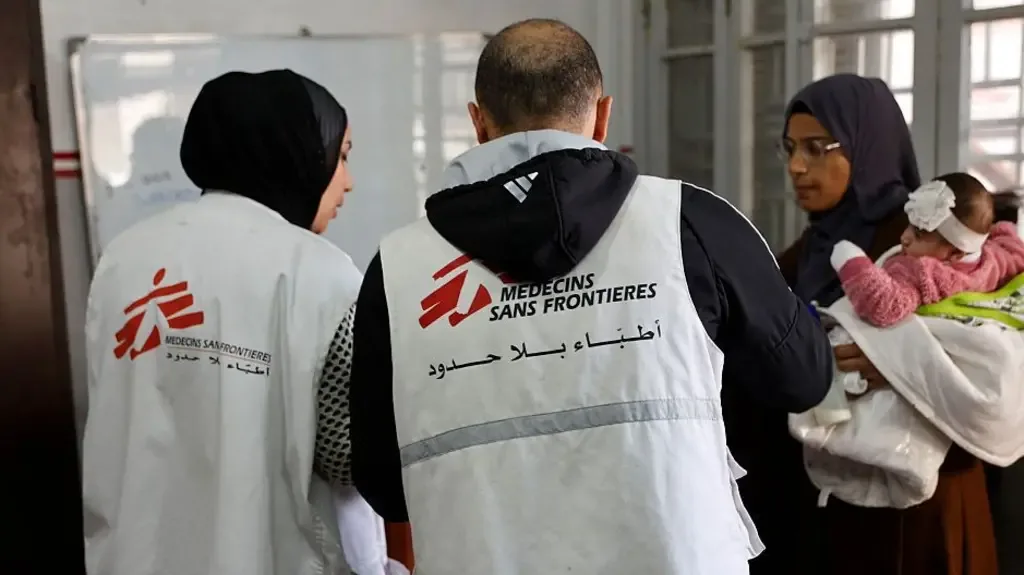
The history of medical neutrality in conflict is rooted in the Geneva Conventions, which mandate the protection of medical facilities and personnel. However, the current conflict in Gaza has seen these protections systematically eroded. The World Health Organization (WHO), led by Dr. Tedros Adhanom Ghebreyesus, has been increasingly vocal in its condemnation, describing the targeting of health workers as "outrageous and unacceptable." The frustration within the UN and its partner agencies is palpable; they argue that the systematic targeting of infrastructure—regardless of the military’s justifications—is rendering the delivery of aid nearly impossible.
Historically, the "deconfliction" process has been the bedrock of aid operations in high-intensity conflicts. By sharing coordinates, organizations like MSF seek to create a "safe zone" where medical care can be provided without fear of bombardment. When these zones are breached, the entire architecture of humanitarian assistance is undermined. The IDF’s assertion that Hamas is "embedding itself within international organizations" suggests a strategic shift in how the military evaluates targets, effectively moving the goalposts for what constitutes a legitimate military objective. This shift places aid organizations in an impossible position: they must either cease operations entirely or accept that their staff and facilities are no longer shielded from the realities of the front line.
Global Ripple Effects and the Cost of Silence
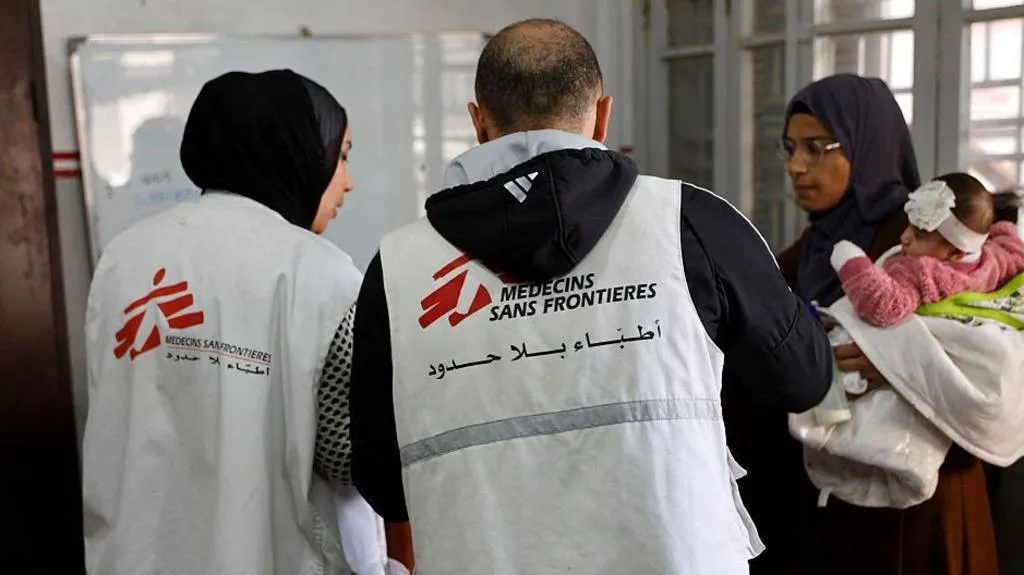
The death of these two workers has sparked widespread outrage, culminating in funeral processions that drew hundreds of mourners through the streets of Gaza. These scenes are not just expressions of local grief; they are a public indictment of the failure of international safeguards. The economic and logistical consequences are equally severe. As the humanitarian situation in Gaza worsens—exacerbated by the onset of winter, flooding, and the desperate need for vaccines and medical supplies—the loss of experienced local staff cripples the ability of international NGOs to function effectively.
Furthermore, the incident has intensified pressure on Israel’s Western allies. With the UN and various humanitarian coalitions calling for increased access to the Strip, the killing of aid workers provides ammunition to those arguing that Israel is failing to uphold its obligations to protect civilian life and humanitarian infrastructure. The international community is watching closely to see if this incident will lead to a recalibration of military tactics or if it will be dismissed as a tragic but inevitable consequence of urban warfare. The precedent being set is dangerous: if the "humanitarian space" can be so easily violated, the long-term capacity for global organizations to respond to future crises will be permanently diminished.
Looking Toward an Uncertain Horizon
As the conflict enters its second year, the path forward remains shrouded in uncertainty. The Israeli military continues its operations, citing the necessity of dismantling Hamas’s military wing, while the humanitarian sector struggles to maintain a semblance of order amidst the rubble. The call from the WHO and other international bodies for a robust, independent investigation into the strike on the MSF clinic is likely to grow louder, though the prospects for such an inquiry remain slim given the current political climate.
Moving forward, the international community must grapple with the reality that the traditional rules of engagement are being rewritten in real-time. For aid organizations, the challenge is to find a way to continue their life-saving work without becoming collateral damage in an asymmetric war. For the global public, the tragedy of the MSF workers serves as a stark reminder that in the absence of a political resolution, the most vulnerable—and those who risk everything to help them—will continue to pay the highest price. The world now waits to see if the outrage expressed by global health leaders will translate into tangible policy changes, or if this incident will simply be recorded as another statistic in a conflict that has already claimed tens of thousands of lives.
Cái chết của hai nhân viên thuộc Tổ chức Bác sĩ Không biên giới (MSF) trong một cuộc không kích có chủ đích tại Gaza một lần nữa đẩy tính chất bấp bênh của công tác nhân đạo vào tâm điểm của cơn bão địa chính trị toàn cầu. Vụ việc xảy ra tại một phòng khám mà vị trí đã được thông báo rõ ràng cho Lực lượng Phòng vệ Israel (IDF) thông qua các kênh giảm xung đột đã thiết lập, khiến cộng đồng cứu trợ quốc tế bàng hoàng và làm căng thẳng thêm mối quan hệ vốn đã rạn nứt giữa các tổ chức y tế toàn cầu và quân đội Israel.
Khi số lượng nhân viên nhân đạo thiệt mạng trong khu vực tiếp tục tăng—đạt con số 17 chỉ riêng với MSF—sự kiện này trở thành một lát cắt nghiệt ngã của cuộc xung đột rộng lớn hơn. Đó là sự va chạm của hai câu chuyện không thể hòa giải: một bên là tổ chức y tế đang nỗ lực duy trì các hoạt động cứu người trung lập trong vùng chiến sự, và một bên là bộ máy quân sự coi việc Hamas trà trộn vào cơ sở hạ tầng dân sự và tổ chức là lý do để thực hiện các cuộc tấn công vượt qua các biện pháp bảo vệ nhân đạo truyền thống.
Giải phẫu một cuộc tấn công gây tranh cãi
Vụ việc xảy ra tại Thành phố Gaza, nơi các nhân chứng mô tả một cuộc tấn công bằng máy bay không người lái bất ngờ đã cướp đi sinh mạng của Ahmed Sufyan Muhammad Ali Abu Hasira và Moaz Yousef Alitsbach. Trong khi MSF xác định cả hai người đàn ông này là nhân viên bảo vệ được thuê để bảo vệ cơ sở y tế của họ, IDF lại đưa ra một mô tả hoàn toàn khác biệt, dán nhãn họ là "những kẻ khủng bố thuộc cánh quân sự của Hamas". Quân đội Israel khẳng định rằng cuộc tấn công là một chiến dịch chính xác nhằm vô hiệu hóa các cá nhân được cho là đang lên kế hoạch tấn công dân thường và binh lính Israel.
Sự khác biệt trong cách kể lại này không chỉ là vấn đề ngữ nghĩa; nó đánh vào trọng tâm của hệ thống giảm xung đột nhân đạo. MSF khẳng định rằng cơ sở của họ đã được đánh dấu rõ ràng và tọa độ đã được chia sẻ với quân đội Israel để ngăn chặn chính xác loại bi kịch này. Sự hiện diện của một hố bom nhỏ và các vết máu tại lối vào phòng khám, như được ghi lại bởi các nhân chứng địa phương, trái ngược với khẳng định của IDF rằng cuộc tấn công không gây thiệt hại cho cơ sở hạ tầng y tế. Đối với cộng đồng quốc tế, vụ việc đặt ra một câu hỏi ám ảnh: nếu các địa điểm đã được giảm xung đột, được đánh dấu và thông báo không còn an toàn, thì những biện pháp bảo vệ dành cho nhân viên y tế theo luật nhân đạo quốc tế còn lại gì?
Sự xói mòn của tính trung lập nhân đạo
Lịch sử về tính trung lập y tế trong xung đột bắt nguồn từ các Công ước Geneva, vốn quy định việc bảo vệ các cơ sở và nhân viên y tế. Tuy nhiên, cuộc xung đột hiện nay tại Gaza đã chứng kiến những biện pháp bảo vệ này bị xói mòn một cách có hệ thống. Tổ chức Y tế Thế giới (WHO), dưới sự dẫn dắt của Tiến sĩ Tedros Adhanom Ghebreyesus, đã ngày càng lên tiếng mạnh mẽ trong việc lên án, mô tả việc nhắm mục tiêu vào nhân viên y tế là "tàn bạo và không thể chấp nhận được". Sự thất vọng trong nội bộ Liên Hợp Quốc và các cơ quan đối tác là rất rõ ràng; họ lập luận rằng việc nhắm mục tiêu có hệ thống vào cơ sở hạ tầng—bất kể lý do quân sự là gì—đang khiến việc cung cấp viện trợ trở nên gần như bất khả thi.
Trong lịch sử, quy trình "giảm xung đột" là nền tảng của các hoạt động cứu trợ trong các cuộc xung đột cường độ cao. Bằng cách chia sẻ tọa độ, các tổ chức như MSF tìm cách tạo ra một "vùng an toàn" nơi dịch vụ chăm sóc y tế có thể được cung cấp mà không sợ bị oanh tạc. Khi các vùng này bị vi phạm, toàn bộ cấu trúc hỗ trợ nhân đạo sẽ bị suy yếu. Khẳng định của IDF rằng Hamas đang "trà trộn vào các tổ chức quốc tế" cho thấy một sự thay đổi chiến lược trong cách quân đội đánh giá các mục tiêu, thực tế là thay đổi các tiêu chuẩn về những gì cấu thành một mục tiêu quân sự hợp pháp. Sự thay đổi này đặt các tổ chức cứu trợ vào một tình thế không thể giải quyết: họ phải chấm dứt hoàn toàn hoạt động hoặc chấp nhận rằng nhân viên và cơ sở vật chất của họ không còn được che chắn khỏi thực tế của tiền tuyến.
Tác động lan tỏa toàn cầu và cái giá của sự im lặng
Cái chết của hai nhân viên này đã gây ra sự phẫn nộ lan rộng, đỉnh điểm là các đám tang thu hút hàng trăm người đưa tiễn trên đường phố Gaza. Những cảnh tượng này không chỉ là biểu hiện của nỗi đau địa phương; chúng là bản cáo trạng công khai về sự thất bại của các biện pháp bảo vệ quốc tế. Những hậu quả về kinh tế và hậu cần cũng nghiêm trọng không kém. Khi tình hình nhân đạo tại Gaza trở nên tồi tệ hơn—trầm trọng thêm do mùa đông, lũ lụt và nhu cầu cấp thiết về vắc-xin và vật tư y tế—việc mất đi các nhân viên địa phương giàu kinh nghiệm làm tê liệt khả năng hoạt động hiệu quả của các tổ chức phi chính phủ quốc tế.
Hơn nữa, vụ việc đã làm gia tăng áp lực lên các đồng minh phương Tây của Israel. Với việc Liên Hợp Quốc và nhiều liên minh nhân đạo kêu gọi tăng cường khả năng tiếp cận Dải Gaza, cái chết của các nhân viên cứu trợ cung cấp thêm bằng chứng cho những người lập luận rằng Israel đang không thực hiện nghĩa vụ bảo vệ tính mạng dân thường và cơ sở hạ tầng nhân đạo. Cộng đồng quốc tế đang theo dõi chặt chẽ để xem liệu vụ việc này có dẫn đến việc điều chỉnh lại các chiến thuật quân sự hay nó sẽ bị gạt bỏ như một hệ quả bi thảm nhưng không thể tránh khỏi của chiến tranh đô thị. Tiền lệ đang được thiết lập là rất nguy hiểm: nếu "không gian nhân đạo" có thể dễ dàng bị vi phạm như vậy, khả năng phản ứng lâu dài của các tổ chức toàn cầu đối với các cuộc khủng hoảng trong tương lai sẽ bị suy giảm vĩnh viễn.
Hướng tới một chân trời bất định
Khi cuộc xung đột bước sang năm thứ hai, con đường phía trước vẫn bị bao phủ trong sự bất định. Quân đội Israel tiếp tục các chiến dịch của mình, viện dẫn sự cần thiết phải tiêu diệt cánh quân sự của Hamas, trong khi lĩnh vực nhân đạo chật vật duy trì một vẻ ngoài trật tự giữa đống đổ nát. Lời kêu gọi từ WHO và các cơ quan quốc tế khác về một cuộc điều tra độc lập, mạnh mẽ đối với cuộc tấn công vào phòng khám MSF có khả năng sẽ ngày càng lớn hơn, mặc dù triển vọng cho một cuộc điều tra như vậy vẫn rất mong manh trong bối cảnh chính trị hiện tại.
Tiến về phía trước, cộng đồng quốc tế phải đối mặt với thực tế rằng các quy tắc giao chiến truyền thống đang được viết lại trong thời gian thực. Đối với các tổ chức cứu trợ, thách thức là tìm cách tiếp tục công việc cứu người của họ mà không trở thành thiệt hại ngoài ý muốn trong một cuộc chiến bất đối xứng. Đối với công chúng toàn cầu, bi kịch của các nhân viên MSF là lời nhắc nhở đanh thép rằng khi thiếu một giải pháp chính trị, những người dễ bị tổn thương nhất—và những người mạo hiểm tất cả để giúp đỡ họ—sẽ tiếp tục phải trả giá đắt nhất. Thế giới hiện đang chờ xem liệu sự phẫn nộ của các nhà lãnh đạo y tế toàn cầu có chuyển thành những thay đổi chính sách hữu hình hay không, hay vụ việc này sẽ chỉ được ghi lại như một con số thống kê khác trong một cuộc xung đột đã cướp đi hàng chục nghìn sinh mạng.
La mort de deux membres du personnel de Médecins Sans Frontières (MSF) lors d'une frappe ciblée à Gaza a une fois de plus propulsé la nature précaire du travail humanitaire au cœur de la tempête géopolitique mondiale. L'incident, survenu dans une clinique dont la localisation avait été explicitement communiquée aux Forces de défense israéliennes (FDI) via les canaux de déconfliction établis, a laissé la communauté humanitaire internationale sous le choc et a davantage tendu les relations déjà fracturées entre les organisations de santé mondiales et l'armée israélienne.
Alors que le bilan des travailleurs humanitaires dans la région ne cesse de s'alourdir — atteignant 17 victimes pour MSF seul — cet événement sert de sombre microcosme au conflit dans son ensemble. Il s'agit d'une collision entre deux récits inconciliables : celui d'une organisation médicale luttant pour maintenir des opérations neutres et vitales dans une zone de guerre, et celui d'un appareil militaire qui perçoit l'intégration du Hamas au sein des infrastructures civiles et organisationnelles comme une justification pour des frappes contournant les garanties humanitaires traditionnelles.
L'anatomie d'une frappe contestée
L'incident a eu lieu dans la ville de Gaza, où des témoins ont décrit une frappe de drone soudaine qui a coûté la vie à Ahmed Sufyan Muhammad Ali Abu Hasira et Moaz Yousef Alitsbach. Bien que MSF ait identifié les deux hommes comme des gardiens employés pour sécuriser leur établissement médical, les FDI ont répliqué avec une caractérisation radicalement différente, qualifiant les hommes de "terroristes de la branche militaire du Hamas". L'armée israélienne affirme que la frappe était une opération de précision visant à neutraliser des individus qui auraient planifié des attaques contre des civils et des soldats israéliens.
Cette divergence de récit n'est pas qu'une simple question de sémantique ; elle frappe au cœur du système de déconfliction humanitaire. MSF soutient que ses locaux étaient clairement signalés et que les coordonnées avaient été partagées avec l'armée israélienne pour éviter précisément ce type de tragédie. La présence d'un petit cratère et de taches de sang à l'entrée de la clinique, documentée par des témoins locaux, contraste avec l'insistance des FDI affirmant que la frappe n'a causé aucun dommage aux infrastructures médicales. Pour la communauté internationale, l'incident soulève une question obsédante : si les lieux déconflictés, signalés et communiqués ne sont plus sûrs, que reste-t-il des protections accordées au personnel médical en vertu du droit international humanitaire ?
L'érosion de la neutralité humanitaire
L'histoire de la neutralité médicale dans les conflits est ancrée dans les Conventions de Genève, qui imposent la protection des installations et du personnel médicaux. Cependant, le conflit actuel à Gaza a vu ces protections systématiquement érodées. L'Organisation mondiale de la santé (OMS), dirigée par le Dr Tedros Adhanom Ghebreyesus, s'est montrée de plus en plus virulente dans sa condamnation, qualifiant le ciblage des travailleurs de santé d'"outrageant et inacceptable". La frustration au sein de l'ONU et de ses agences partenaires est palpable ; ils soutiennent que le ciblage systématique des infrastructures — quelles que soient les justifications militaires — rend l'acheminement de l'aide quasiment impossible.
Historiquement, le processus de "déconfliction" a été le socle des opérations d'aide dans les conflits de haute intensité. En partageant leurs coordonnées, des organisations comme MSF cherchent à créer une "zone de sécurité" où les soins médicaux peuvent être prodigués sans crainte de bombardements. Lorsque ces zones sont violées, c'est toute l'architecture de l'assistance humanitaire qui est minée. L'affirmation des FDI selon laquelle le Hamas "s'intègre au sein des organisations internationales" suggère un changement stratégique dans la manière dont l'armée évalue ses cibles, déplaçant de fait les curseurs de ce qui constitue un objectif militaire légitime. Ce changement place les organisations d'aide dans une position impossible : elles doivent soit cesser totalement leurs opérations, soit accepter que leur personnel et leurs installations ne soient plus à l'abri des réalités de la ligne de front.
Répercussions mondiales et coût du silence
La mort de ces deux travailleurs a suscité une indignation généralisée, culminant avec des cortèges funéraires qui ont attiré des centaines de personnes dans les rues de Gaza. Ces scènes ne sont pas seulement l'expression d'un deuil local ; elles sont une mise en accusation publique de l'échec des garanties internationales. Les conséquences économiques et logistiques sont tout aussi graves. Alors que la situation humanitaire à Gaza s'aggrave — exacerbée par l'arrivée de l'hiver, les inondations et le besoin désespéré de vaccins et de fournitures médicales — la perte de personnel local expérimenté paralyse la capacité des ONG internationales à fonctionner efficacement.
En outre, l'incident a intensifié la pression sur les alliés occidentaux d'Israël. Alors que l'ONU et diverses coalitions humanitaires réclament un accès accru à la bande de Gaza, la mort de travailleurs humanitaires fournit des arguments à ceux qui soutiennent qu'Israël ne respecte pas ses obligations de protéger la vie civile et les infrastructures humanitaires. La communauté internationale observe attentivement si cet incident conduira à une recalibration des tactiques militaires ou s'il sera écarté comme une conséquence tragique mais inévitable de la guerre urbaine. Le précédent qui est en train d'être créé est dangereux : si l'"espace humanitaire" peut être si facilement violé, la capacité à long terme des organisations mondiales à répondre aux crises futures sera durablement affaiblie.
Vers un horizon incertain
Alors que le conflit entame sa deuxième année, la voie à suivre reste enveloppée d'incertitude. L'armée israélienne poursuit ses opérations, invoquant la nécessité de démanteler la branche militaire du Hamas, tandis que le secteur humanitaire lutte pour maintenir une apparence d'ordre au milieu des décombres. L'appel de l'OMS et d'autres instances internationales en faveur d'une enquête indépendante et robuste sur la frappe contre la clinique de MSF risque de se faire plus pressant, bien que les perspectives d'une telle enquête restent minces compte tenu du climat politique actuel.
À l'avenir, la communauté internationale doit se confronter à la réalité que les règles d'engagement traditionnelles sont en train d'être réécrites en temps réel. Pour les organisations d'aide, le défi est de trouver un moyen de poursuivre leur travail vital sans devenir des dommages collatéraux dans une guerre asymétrique. Pour le public mondial, la tragédie des travailleurs de MSF sert de rappel brutal qu'en l'absence de résolution politique, les plus vulnérables — et ceux qui risquent tout pour les aider — continueront de payer le prix fort. Le monde attend désormais de voir si l'indignation exprimée par les leaders de la santé mondiale se traduira par des changements politiques tangibles, ou si cet incident sera simplement enregistré comme une statistique de plus dans un conflit qui a déjà coûté la vie à des dizaines de milliers de personnes.
La muerte de dos miembros del personal de Médicos Sin Fronteras (MSF) en un ataque selectivo en Gaza ha vuelto a situar la naturaleza precaria de la labor humanitaria en el centro de la tormenta geopolítica mundial. El incidente, ocurrido en una clínica cuya ubicación había sido comunicada explícitamente a las Fuerzas de Defensa de Israel (FDI) a través de los canales de desconflicto establecidos, ha dejado a la comunidad de ayuda internacional conmocionada y ha tensado aún más la ya fracturada relación entre las organizaciones sanitarias mundiales y el ejército israelí.
A medida que el número de víctimas mortales entre los trabajadores humanitarios en la región sigue aumentando —alcanzando las 17 solo en el caso de MSF—, el suceso sirve como un sombrío microcosmos del conflicto general. Se trata de la colisión de dos narrativas irreconciliables: la de una organización médica que lucha por mantener operaciones neutrales y vitales en una zona de guerra, y la de un aparato militar que considera la integración de Hamás en la infraestructura civil y organizativa como una justificación para ataques que eluden las salvaguardias humanitarias tradicionales.
La anatomía de un ataque disputado
El incidente tuvo lugar en la ciudad de Gaza, donde los testigos describieron un repentino ataque con drones que acabó con la vida de Ahmed Sufyan Muhammad Ali Abu Hasira y Moaz Yousef Alitsbach. Aunque MSF ha identificado a ambos hombres como vigilantes empleados para proteger sus instalaciones médicas, las FDI han respondido con una caracterización radicalmente distinta, calificándolos de "terroristas del ala militar de Hamás". El ejército israelí afirma que el ataque fue una operación de precisión destinada a neutralizar a individuos que supuestamente planeaban atentados contra civiles y tropas israelíes.
Esta divergencia narrativa no es una mera cuestión de semántica; golpea el corazón del sistema de desconflicto humanitario. MSF sostiene que sus instalaciones estaban claramente marcadas y que las coordenadas fueron compartidas con el ejército israelí para evitar exactamente este tipo de tragedia. La presencia de un pequeño cráter y manchas de sangre en la entrada de la clínica, documentada por testigos locales, contrasta con la insistencia de las FDI en que el ataque no causó daños a la infraestructura médica. Para la comunidad internacional, el incidente plantea una pregunta inquietante: si las ubicaciones desconflictadas, marcadas y comunicadas ya no son seguras, ¿qué queda de las protecciones otorgadas al personal médico bajo el derecho internacional humanitario?
La erosión de la neutralidad humanitaria
La historia de la neutralidad médica en los conflictos tiene sus raíces en los Convenios de Ginebra, que exigen la protección de las instalaciones y el personal médico. Sin embargo, el actual conflicto en Gaza ha visto cómo estas protecciones se erosionaban sistemáticamente. La Organización Mundial de la Salud (OMS), dirigida por el Dr. Tedros Adhanom Ghebreyesus, ha alzado cada vez más la voz en su condena, calificando el ataque a los trabajadores sanitarios de "indignante e inaceptable". La frustración dentro de la ONU y sus agencias asociadas es palpable; argumentan que el ataque sistemático a la infraestructura —independientemente de las justificaciones militares— está haciendo que la entrega de ayuda sea casi imposible.
Históricamente, el proceso de "desconflicto" ha sido la piedra angular de las operaciones de ayuda en conflictos de alta intensidad. Al compartir las coordenadas, organizaciones como MSF buscan crear una "zona segura" donde se pueda prestar atención médica sin temor a bombardeos. Cuando estas zonas son vulneradas, toda la arquitectura de la asistencia humanitaria se ve socavada. La afirmación de las FDI de que Hamás se está "integrando en las organizaciones internacionales" sugiere un cambio estratégico en la forma en que el ejército evalúa los objetivos, desplazando efectivamente los límites de lo que constituye un objetivo militar legítimo. Este cambio coloca a las organizaciones de ayuda en una posición imposible: deben cesar sus operaciones por completo o aceptar que su personal e instalaciones ya no están protegidos de las realidades del frente.
Efectos dominó globales y el coste del silencio
La muerte de estos dos trabajadores ha provocado una indignación generalizada, culminando en procesiones funerarias que atrajeron a cientos de dolientes por las calles de Gaza. Estas escenas no son solo expresiones de dolor local; son una acusación pública contra el fracaso de las salvaguardias internacionales. Las consecuencias económicas y logísticas son igualmente graves. A medida que la situación humanitaria en Gaza empeora —exacerbada por la llegada del invierno, las inundaciones y la necesidad desesperada de vacunas y suministros médicos—, la pérdida de personal local experimentado paraliza la capacidad de las ONG internacionales para funcionar eficazmente.
Además, el incidente ha intensificado la presión sobre los aliados occidentales de Israel. Con la ONU y varias coaliciones humanitarias pidiendo un mayor acceso a la Franja, el asesinato de trabajadores humanitarios proporciona argumentos a quienes sostienen que Israel no está cumpliendo con sus obligaciones de proteger la vida civil y la infraestructura humanitaria. La comunidad internacional observa de cerca si este incidente conducirá a una recalibración de las tácticas militares o si será descartado como una consecuencia trágica pero inevitable de la guerra urbana. El precedente que se está sentando es peligroso: si el "espacio humanitario" puede ser violado tan fácilmente, la capacidad a largo plazo de las organizaciones mundiales para responder a futuras crisis se verá permanentemente disminuida.
Hacia un horizonte incierto
A medida que el conflicto entra en su segundo año, el camino a seguir permanece envuelto en la incertidumbre. El ejército israelí continúa sus operaciones, citando la necesidad de desmantelar el ala militar de Hamás, mientras que el sector humanitario lucha por mantener una apariencia de orden entre los escombros. Es probable que la petición de la OMS y otros organismos internacionales de una investigación independiente y sólida sobre el ataque a la clínica de MSF cobre fuerza, aunque las perspectivas de tal investigación siguen siendo escasas dado el clima político actual.
De cara al futuro, la comunidad internacional debe enfrentarse a la realidad de que las reglas de enfrentamiento tradicionales se están reescribiendo en tiempo real. Para las organizaciones de ayuda, el desafío consiste en encontrar la manera de continuar su labor vital sin convertirse en daños colaterales de una guerra asimétrica. Para el público mundial, la tragedia de los trabajadores de MSF sirve como un crudo recordatorio de que, en ausencia de una resolución política, los más vulnerables —y aquellos que arriesgan todo para ayudarles— seguirán pagando el precio más alto. El mundo espera ahora ver si la indignación expresada por los líderes sanitarios mundiales se traducirá en cambios políticos tangibles, o si este incidente simplemente se registrará como otra estadística en un conflicto que ya se ha cobrado decenas de miles de vidas.
两名无国界医生(MSF)员工在加沙的一次定点空袭中丧生,再次将人道主义工作的脆弱性推向了全球地缘政治风暴的中心。此次袭击发生在一处诊所,而该诊所的位置已通过既定的冲突降级渠道明确通报给了以色列国防军(IDF)。这一事件令国际援助界感到震惊,并进一步加剧了全球卫生组织与以色列军方之间本已破裂的关系。
随着该地区人道主义工作者的死亡人数不断攀升——仅无国界医生组织就有17人遇难——这一事件成为了这场更广泛冲突的严峻缩影。这是两种不可调和叙事的碰撞:一方是努力在战区维持中立、挽救生命的医疗组织;另一方则是将哈马斯与平民及组织基础设施的融合视为打击理由,从而绕过传统人道主义保障措施的军事机器。
争议性袭击的剖析
事件发生在加沙城,目击者描述称,一次突如其来的无人机袭击夺去了艾哈迈德·苏夫扬·穆罕默德·阿里·阿布·哈西拉(Ahmed Sufyan Muhammad Ali Abu Hasira)和莫阿兹·优素福·阿里茨巴赫(Moaz Yousef Alitsbach)的生命。虽然无国界医生确认两人均为受雇保护其医疗设施的守卫,但以色列国防军却给出了截然不同的定性,称这两人为“哈马斯军事派别的恐怖分子”。以军坚称,此次袭击是一次精准行动,旨在消灭据称正在策划针对以色列平民和军队袭击的人员。
这种叙事的背离不仅仅是语义之争,它触及了人道主义冲突降级系统的核心。无国界医生坚称,他们的场所标识清晰,且坐标已与以色列军方共享,以防止此类悲剧发生。正如当地目击者所记录的那样,诊所入口处留下的弹坑和血迹,与以军声称袭击未对医疗基础设施造成损害的说法形成了鲜明对比。对于国际社会而言,该事件提出了一个令人不安的问题:如果经过冲突降级、明确标识并已通报位置的地点不再安全,那么国际人道法赋予医疗人员的保护还剩下什么?
人道主义中立性的侵蚀
冲突中医疗中立的历史根植于《日内瓦公约》,该公约要求保护医疗设施和人员。然而,加沙当前的冲突见证了这些保护措施被系统性地侵蚀。以谭德塞博士为首的世界卫生组织(WHO)对此发出了越来越强烈的谴责,称针对医务人员的袭击是“令人愤慨且不可接受的”。联合国及其合作伙伴机构内部的挫败感显而易见;他们认为,无论军方有何理由,对基础设施的系统性打击正使援助工作变得几乎不可能。
从历史上看,冲突降级程序一直是高强度冲突中援助行动的基石。通过共享坐标,像无国界医生这样的组织试图建立一个“安全区”,以便在无需担心轰炸的情况下提供医疗服务。当这些区域被突破时,整个人道主义援助的架构便被瓦解。以色列国防军声称哈马斯“嵌入国际组织内部”,这表明军方在评估目标时采取了战略转变,实际上改变了何为合法军事目标的界限。这种转变使援助组织陷入了绝境:他们要么完全停止行动,要么接受其员工和设施不再受前线现实保护的事实。
全球连锁反应与沉默的代价
这两名员工的死亡引发了广泛的愤怒,葬礼游行吸引了数百名哀悼者走过加沙街头。这些场景不仅是当地悲伤的表达,更是对国际保障机制失效的公开控诉。经济和后勤方面的后果同样严重。随着加沙人道主义局势的恶化——冬季的到来、洪水以及对疫苗和医疗物资的迫切需求——经验丰富的当地员工的流失,削弱了国际非政府组织有效运作的能力。
此外,该事件加剧了以色列西方盟友面临的压力。随着联合国和各人道主义联盟呼吁增加进入加沙地带的通道,援助人员的遇难为那些指责以色列未能履行保护平民生命和人道主义基础设施义务的人提供了口实。国际社会正密切关注这一事件是否会导致军事战术的重新校准,还是会被视为城市战争中悲剧但不可避免的后果而草草了事。这所开创的先例是危险的:如果“人道主义空间”可以如此轻易地被侵犯,那么全球组织应对未来危机的长期能力将受到永久性削弱。
展望不确定的地平线
随着冲突进入第二年,前路依然笼罩在不确定性之中。以色列军方继续其行动,称有必要拆除哈马斯的军事派别,而人道主义部门则在废墟中努力维持秩序。尽管在当前的政治气候下,进行此类调查的前景渺茫,但世界卫生组织和其他国际机构对针对无国界医生诊所的袭击进行独立、有力调查的呼声可能会越来越高。
展望未来,国际社会必须面对这样一个现实:传统的交战规则正在实时重写。对于援助组织而言,挑战在于如何在不对称战争中找到继续其救命工作的方法,而不成为附带损害。对于全球公众而言,无国界医生员工的悲剧是一个严峻的提醒:在缺乏政治解决方案的情况下,最脆弱的群体——以及那些冒着一切风险去帮助他们的人——将继续付出最高昂的代价。世界现在正等待着看全球卫生领导人表达的愤怒是否会转化为切实可行的政策变革,还是说这一事件将仅仅被记录为一场已经夺去数万人生命的冲突中的又一个统计数字。
Editorial Standards & Multi-Language Synthesis: This dispatch was synthesized and fact-checked by the ParisDaily Editorial Desk across 5 global editions (EN, FR, VI, ES, ZH), cross-referencing primary international wire reports and real-time search intelligence.