Hạn chót chuyển nhượng NFL 2026: Cách Jacksonville tái định nghĩa cuộc đua Super Bowl
As the dust settles on a frenetic 2026 NFL trade deadline, the Jacksonville Jaguars have emerged as the clear architects of a new power dynamic. Their bold acquisitions signal a shift toward high-stakes roster building in a league defined by parity.
Khi bụi đã lắng xuống sau kỳ hạn chót chuyển nhượng NFL 2026 đầy kịch tính, Jacksonville Jaguars đã nổi lên như những kiến trúc sư trưởng cho một cục diện quyền lực mới. Những thương vụ táo bạo của họ đánh dấu bước chuyển mình sang mô hình xây dựng đội hình đầy tham vọng trong một giải đấu vốn đề cao sự cân bằng.
Alors que la poussière retombe sur une frénétique date limite des transferts NFL 2026, les Jacksonville Jaguars s'imposent comme les véritables architectes d'une nouvelle dynamique de pouvoir. Leurs acquisitions audacieuses marquent un tournant vers une gestion d'effectif à haut risque dans une ligue où la parité est devenue la norme.
As the dust settles on a frenetic 2026 NFL trade deadline, the Jacksonville Jaguars have emerged as the clear architects of a new power dynamic. Their bold acquisitions signal a shift toward high-stakes roster building in a league defined by parity.
随着2026年NFL交易截止日的尘埃落定,杰克逊维尔美洲虎队已然成为重塑联盟权力格局的幕后推手。在这一以实力均衡著称的联赛中,美洲虎队大胆的引援动作标志着球队建设正向高风险、高回报的模式转型。
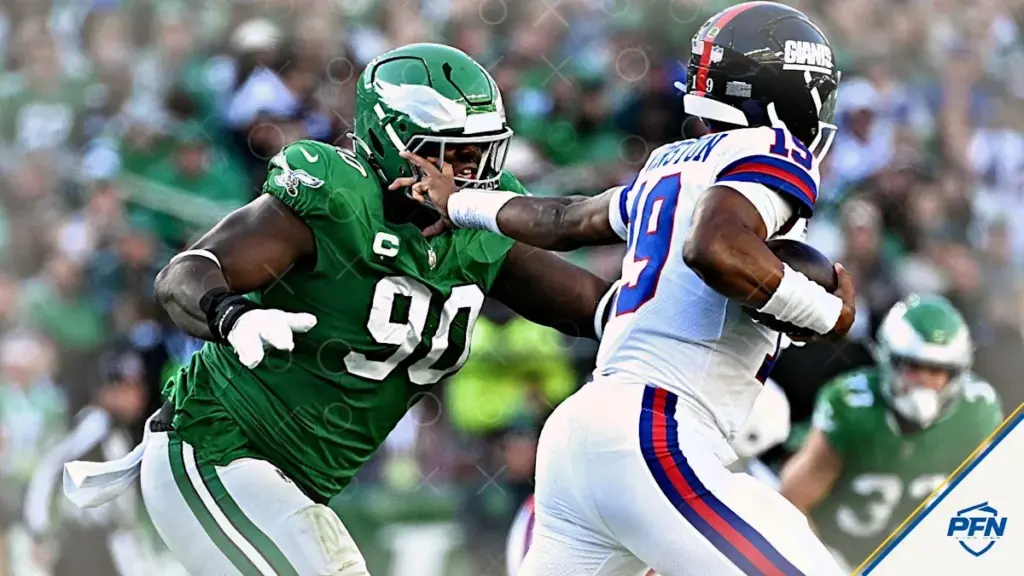
- The Jacksonville Jaguars solidified their status as primary Super Bowl contenders through aggressive mid-season personnel acquisitions.
- The Los Angeles Chargers and Pittsburgh Steelers faced criticism for failing to address critical roster gaps despite their playoff positioning.
- The 2026 deadline reflects a broader trend of NFL front offices moving away from conservative asset hoarding toward 'all-in' championship windows.
- Market volatility in the NFL trade landscape is increasingly driven by the need to maximize the value of rookie-contract quarterbacks.
- Jacksonville Jaguars củng cố vị thế ứng cử viên vô địch Super Bowl hàng đầu thông qua các thương vụ chiêu mộ nhân sự quyết liệt giữa mùa giải.
- Los Angeles Chargers và Pittsburgh Steelers đối mặt với làn sóng chỉ trích vì không giải quyết được những lỗ hổng đội hình nghiêm trọng dù đang ở vị thế thuận lợi để vào vòng play-off.
- Hạn chót năm 2026 phản ánh xu hướng rộng lớn hơn của các văn phòng điều hành NFL: từ bỏ tư duy tích trữ tài sản bảo thủ để chuyển sang chiến lược 'tất tay' cho chức vô địch.
- Sự biến động của thị trường chuyển nhượng NFL ngày càng được thúc đẩy bởi nhu cầu tối đa hóa giá trị của các tiền vệ đang trong hợp đồng tân binh.
- Les Jacksonville Jaguars ont consolidé leur statut de prétendants sérieux au Super Bowl grâce à des acquisitions agressives en milieu de saison.
- Les Los Angeles Chargers et les Pittsburgh Steelers font face à de vives critiques pour ne pas avoir comblé des lacunes critiques de leur effectif malgré leur positionnement en playoffs.
- La date limite de 2026 reflète une tendance plus large des directions NFL : délaisser la thésaurisation conservatrice des actifs au profit de fenêtres de tir « all-in » pour le titre.
- La volatilité du marché des transferts NFL est de plus en plus dictée par la nécessité de maximiser la valeur des quarterbacks sous contrat rookie.
- The Jacksonville Jaguars solidified their status as primary Super Bowl contenders through aggressive mid-season personnel acquisitions.
- The Los Angeles Chargers and Pittsburgh Steelers faced criticism for failing to address critical roster gaps despite their playoff positioning.
- The 2026 deadline reflects a broader trend of NFL front offices moving away from conservative asset hoarding toward 'all-in' championship windows.
- Market volatility in the NFL trade landscape is increasingly driven by the need to maximize the value of rookie-contract quarterbacks.
- 杰克逊维尔美洲虎队通过赛季中期的激进引援,巩固了其作为超级碗头号争夺者的地位。
- 洛杉矶闪电队与匹兹堡钢人队因在季后赛竞争关键期未能补强阵容短板而饱受诟病。
- 2026年的交易截止日反映了NFL管理层从保守的资产囤积向“全押”夺冠窗口期的宏观趋势转变。
- NFL交易市场的波动性日益加剧,其核心驱动力在于如何最大化利用新秀合同期四分卫的价值红利。
The NFL trade deadline, once a quiet period of administrative housekeeping, has evolved into a high-stakes theater of corporate strategy and athletic ambition. This year, the league’s landscape shifted seismically as the Jacksonville Jaguars, already positioned as a formidable force, executed a series of calculated maneuvers that effectively declared their intent to hoist the Lombardi Trophy. By aggressively targeting high-impact talent, the Jaguars’ front office has signaled a departure from the cautious, long-term rebuilding models that have historically defined the franchise, choosing instead to capitalize on a fleeting, golden window of competitive viability.
While Jacksonville celebrated a triumphant deadline, the mood in Los Angeles and Pittsburgh was markedly different. The Chargers and Steelers, both harboring legitimate postseason aspirations, exited the window with their rosters largely unchanged, leaving analysts and fans to question whether their front offices have prioritized fiscal conservatism over the pursuit of a championship. This divergence in strategy highlights a growing ideological rift within the NFL: the divide between those who view the trade deadline as a luxury and those who recognize it as an essential tool for navigating the brutal attrition of a seventeen-game season.
The Jacksonville Blueprint: A Masterclass in Aggression
The Jaguars’ approach to the 2026 deadline was characterized by a surgical precision that is rarely seen in the chaotic environment of mid-season trading. By identifying specific weaknesses in their defensive secondary and offensive line, Jacksonville’s leadership managed to acquire veteran assets that provide immediate, plug-and-play value. This was not a desperate attempt to patch holes, but a sophisticated reinforcement of an already strong foundation. The acquisition of proven commodities suggests that the Jaguars are operating with a clear understanding of their championship timeline, prioritizing the immediate impact of veteran experience over the speculative potential of future draft capital.
Historically, NFL teams have been notoriously risk-averse when it comes to mid-season trades, fearing the disruption of locker room chemistry and the loss of long-term assets. However, the Jaguars have leaned into the modern reality of the league, where the cost of missing a championship window far outweighs the value of a third- or fourth-round draft pick. By integrating these new pieces into their system before the final stretch of the season, Jacksonville has effectively shortened their learning curve, ensuring that their new acquisitions are fully assimilated by the time the playoffs commence.
The Cost of Inaction: Chargers and Steelers Under Fire
Conversely, the silence emanating from the front offices of the Los Angeles Chargers and the Pittsburgh Steelers has sparked intense debate regarding the nature of organizational patience. Both teams entered the deadline with clear, identifiable needs—the Chargers in their pass-rushing depth and the Steelers in their wide receiver corps—yet both failed to pull the trigger on significant deals. This inaction has been interpreted by many as a failure to reward the efforts of their respective coaching staffs and players, who have performed admirably despite these glaring deficiencies.
The criticism directed at these organizations is rooted in the concept of "opportunity cost." In a league where the margin between a Super Bowl appearance and an early playoff exit is razor-thin, failing to address a weakness is, in effect, a decision to accept a lower ceiling for the season. For the Chargers, who possess a high-ceiling quarterback, the inability to bolster the defense feels like a missed opportunity to capitalize on a rare talent-to-salary-cap ratio. Similarly, the Steelers’ refusal to add offensive firepower leaves them vulnerable in a crowded AFC field, where elite playmaking is often the deciding factor in January.
The Macro Shift: How the NFL Trade Market Is Maturing
The 2026 deadline serves as a microcosm for the broader evolution of the NFL as a global business entity. We are witnessing a transition toward a more dynamic, liquid market where players are increasingly viewed as assets that can be leveraged, traded, and optimized in real-time. This mirrors the trends seen in the NBA and European football, where the trade deadline is a pivotal moment for recalibrating team identity. The NFL is shedding its traditionalist skin, moving toward a model where the front office is as much a part of the competitive equation as the players on the field.
This shift is largely driven by the economic realities of the modern NFL, particularly the escalating value of quarterbacks on rookie contracts. When a team has a star signal-caller on a cost-controlled deal, the pressure to win immediately is immense. This creates a "championship or bust" mentality that forces general managers to be more creative and aggressive. The Jaguars, by successfully navigating this pressure, have set a new standard for how teams should approach the mid-season market, forcing their rivals to reconsider their own conservative strategies.
Looking Ahead: The Ripple Effects of a Bold Deadline
As the league turns its attention toward the final weeks of the regular season, the impact of these deadline moves will begin to manifest on the gridiron. The Jaguars will be under immense scrutiny; their success or failure will likely dictate the future behavior of other teams in the coming years. If their aggressive strategy leads to a deep playoff run, we can expect a domino effect, with more teams abandoning the safety of draft picks in favor of the immediate gratification of veteran talent. Conversely, a disappointing finish would provide ammunition for the traditionalists who argue that roster stability is the ultimate key to success.
Ultimately, the 2026 trade deadline will be remembered as a turning point in the league’s history. It was a moment where the lines between "rebuilding" and "contending" became blurred, and where the courage to make a move was rewarded with the potential for greatness. For the fans, the media, and the league’s stakeholders, the message is clear: the NFL is no longer a game of waiting for the draft to fix your problems. It is a game of constant, relentless optimization, and those who refuse to play the market are destined to be left behind in the pursuit of the ultimate prize.
Hạn chót chuyển nhượng NFL, vốn từng là một giai đoạn tĩnh lặng của các thủ tục hành chính, nay đã tiến hóa thành một sân khấu kịch tính của chiến lược doanh nghiệp và tham vọng thể thao. Năm nay, cục diện giải đấu đã thay đổi một cách địa chấn khi Jacksonville Jaguars, vốn đã là một thế lực đáng gờm, thực hiện hàng loạt nước đi có tính toán nhằm tuyên bố đanh thép về mục tiêu nâng cao chiếc cúp Lombardi. Bằng cách quyết liệt nhắm vào các tài năng có tầm ảnh hưởng lớn, ban lãnh đạo Jaguars đã phát đi tín hiệu rời bỏ mô hình tái thiết dài hạn đầy thận trọng vốn định hình thương hiệu này từ trước đến nay, thay vào đó là chọn cách tận dụng một cửa sổ cơ hội vàng đầy mong manh để đạt được thành công.
Trong khi Jacksonville ăn mừng một kỳ chuyển nhượng thắng lợi, tâm trạng tại Los Angeles và Pittsburgh lại hoàn toàn trái ngược. Cả Chargers và Steelers, dù đều ấp ủ những khát vọng thực tế tại vòng hậu mùa giải, đã khép lại kỳ chuyển nhượng với đội hình gần như không thay đổi. Điều này khiến các nhà phân tích và người hâm mộ đặt câu hỏi liệu ban lãnh đạo của họ có đang ưu tiên sự bảo thủ tài chính hơn là theo đuổi chức vô địch hay không. Sự khác biệt trong chiến lược này làm nổi bật một rạn nứt tư tưởng ngày càng lớn trong NFL: sự phân hóa giữa những đội coi hạn chót chuyển nhượng là một sự xa xỉ và những đội nhận ra đó là công cụ thiết yếu để vượt qua sự khắc nghiệt của một mùa giải kéo dài 17 trận.
Chiến lược của Jacksonville: Một bài học về sự quyết liệt
Cách tiếp cận của Jaguars đối với hạn chót năm 2026 được đặc trưng bởi sự chính xác như phẫu thuật, điều hiếm thấy trong môi trường hỗn loạn của thị trường chuyển nhượng giữa mùa. Bằng cách xác định những điểm yếu cụ thể trong hàng phòng ngự và hàng tấn công, ban lãnh đạo Jacksonville đã chiêu mộ thành công các cựu binh mang lại giá trị tức thì, có thể ra sân ngay lập tức. Đây không phải là nỗ lực tuyệt vọng để vá víu, mà là sự củng cố tinh vi cho một nền tảng vốn đã vững chắc. Việc sở hữu những tài năng đã được kiểm chứng cho thấy Jaguars đang vận hành với sự hiểu biết rõ ràng về lộ trình vô địch của mình, ưu tiên tác động tức thì của kinh nghiệm thay vì tiềm năng suy đoán từ các lượt chọn cầu thủ trong tương lai.
Trong lịch sử, các đội bóng NFL vốn nổi tiếng là e ngại rủi ro khi thực hiện các thương vụ giữa mùa giải vì lo sợ phá vỡ sự gắn kết trong phòng thay đồ và mất đi các tài sản dài hạn. Tuy nhiên, Jaguars đã thích nghi với thực tế hiện đại của giải đấu, nơi cái giá của việc bỏ lỡ cơ hội vô địch lớn hơn nhiều so với giá trị của một lượt chọn vòng ba hay vòng bốn. Bằng cách tích hợp những mảnh ghép mới vào hệ thống trước giai đoạn nước rút của mùa giải, Jacksonville đã rút ngắn đáng kể quá trình thích nghi, đảm bảo rằng các tân binh sẽ hòa nhập hoàn toàn khi vòng play-off bắt đầu.
Cái giá của sự thụ động: Chargers và Steelers dưới làn đạn chỉ trích
Ngược lại, sự im lặng từ văn phòng của Los Angeles Chargers và Pittsburgh Steelers đã châm ngòi cho những cuộc tranh luận gay gắt về sự kiên nhẫn của tổ chức. Cả hai đội đều bước vào hạn chót với những nhu cầu rõ ràng—Chargers cần chiều sâu cho hàng phòng ngự gây áp lực lên tiền vệ, còn Steelers cần bổ sung cho dàn cầu thủ bắt bóng (wide receiver)—nhưng cả hai đều không thực hiện bất kỳ thương vụ đáng kể nào. Sự thụ động này bị nhiều người coi là thất bại trong việc ghi nhận nỗ lực của ban huấn luyện và các cầu thủ, những người đã thi đấu xuất sắc bất chấp những khiếm khuyết rõ ràng.
Sự chỉ trích nhắm vào các tổ chức này bắt nguồn từ khái niệm "chi phí cơ hội". Trong một giải đấu mà ranh giới giữa việc góp mặt tại Super Bowl và sớm bị loại khỏi play-off là vô cùng mong manh, việc không giải quyết điểm yếu thực chất là quyết định chấp nhận một giới hạn thấp hơn cho cả mùa giải. Đối với Chargers, đội sở hữu một tiền vệ đẳng cấp, việc không thể củng cố hàng phòng ngự giống như một cơ hội bị bỏ lỡ để tận dụng tỷ lệ tài năng trên quỹ lương hiếm có. Tương tự, việc Steelers từ chối bổ sung hỏa lực tấn công khiến họ trở nên dễ bị tổn thương trong một khu vực AFC chật chội, nơi những pha xử lý đẳng cấp thường là yếu tố quyết định vào tháng Giêng.
Sự chuyển dịch vĩ mô: Thị trường chuyển nhượng NFL đang trưởng thành như thế nào
Hạn chót năm 2026 đóng vai trò như một mô hình thu nhỏ cho sự tiến hóa rộng lớn hơn của NFL với tư cách là một thực thể kinh doanh toàn cầu. Chúng ta đang chứng kiến sự chuyển dịch sang một thị trường năng động và thanh khoản hơn, nơi các cầu thủ ngày càng được xem là tài sản có thể tận dụng, trao đổi và tối ưu hóa theo thời gian thực. Điều này phản ánh các xu hướng đã thấy ở NBA và bóng đá châu Âu, nơi hạn chót chuyển nhượng là thời điểm then chốt để tái định hình bản sắc đội bóng. NFL đang rũ bỏ lớp vỏ truyền thống để tiến tới một mô hình mà ở đó, văn phòng điều hành cũng là một phần của phương trình cạnh tranh giống như các cầu thủ trên sân cỏ.
Sự thay đổi này phần lớn được thúc đẩy bởi thực tế kinh tế của NFL hiện đại, đặc biệt là giá trị ngày càng tăng của các tiền vệ đang trong hợp đồng tân binh. Khi một đội sở hữu một ngôi sao dẫn dắt lối chơi với mức lương được kiểm soát, áp lực phải giành chiến thắng ngay lập tức là vô cùng lớn. Điều này tạo ra tâm lý "vô địch hoặc thất bại" buộc các tổng quản lý phải sáng tạo và quyết liệt hơn. Jaguars, bằng cách điều hướng thành công áp lực này, đã đặt ra một tiêu chuẩn mới cho cách các đội bóng tiếp cận thị trường giữa mùa giải, buộc các đối thủ phải xem xét lại chiến lược bảo thủ của chính họ.
Nhìn về phía trước: Những hiệu ứng lan tỏa của một kỳ hạn chót táo bạo
Khi giải đấu hướng sự chú ý vào những tuần cuối của mùa giải chính, tác động của những thương vụ này sẽ bắt đầu thể hiện trên sân cỏ. Jaguars sẽ chịu sự giám sát gắt gao; thành công hay thất bại của họ có khả năng sẽ quyết định hành vi của các đội khác trong những năm tới. Nếu chiến lược quyết liệt của họ dẫn đến một hành trình dài tại vòng play-off, chúng ta có thể mong đợi một hiệu ứng domino, với việc nhiều đội từ bỏ sự an toàn của các lượt chọn cầu thủ để đổi lấy sự thỏa mãn tức thì từ tài năng của các cựu binh. Ngược lại, một kết thúc đáng thất vọng sẽ là đạn dược cho những người theo chủ nghĩa truyền thống, những người cho rằng sự ổn định đội hình mới là chìa khóa tối thượng dẫn đến thành công.
Cuối cùng, hạn chót chuyển nhượng năm 2026 sẽ được ghi nhớ như một bước ngoặt trong lịch sử giải đấu. Đó là thời điểm mà ranh giới giữa "tái thiết" và "tranh chấp ngôi vương" trở nên mờ nhạt, và lòng can đảm để thực hiện một thương vụ đã được đền đáp bằng tiềm năng cho sự vĩ đại. Đối với người hâm mộ, truyền thông và các bên liên quan, thông điệp đã rõ ràng: NFL không còn là trò chơi chờ đợi các kỳ tuyển chọn cầu thủ để giải quyết vấn đề của bạn. Đó là trò chơi của sự tối ưu hóa không ngừng nghỉ, và những ai từ chối tham gia thị trường này chắc chắn sẽ bị bỏ lại phía sau trong cuộc đua giành lấy vinh quang cao nhất.
La date limite des transferts de la NFL, autrefois une période calme de gestion administrative, a évolué pour devenir un théâtre à enjeux élevés, mêlant stratégie d'entreprise et ambition sportive. Cette année, le paysage de la ligue a connu un séisme : les Jacksonville Jaguars, déjà positionnés comme une force redoutable, ont exécuté une série de manœuvres calculées qui affichent clairement leur intention de soulever le trophée Lombardi. En ciblant agressivement des talents à fort impact, la direction des Jaguars a rompu avec les modèles de reconstruction prudents et à long terme qui définissaient historiquement la franchise, choisissant plutôt de capitaliser sur une fenêtre de compétitivité dorée et éphémère.
Si Jacksonville a célébré une date limite triomphale, l'ambiance à Los Angeles et à Pittsburgh était nettement différente. Les Chargers et les Steelers, qui nourrissent pourtant de légitimes aspirations aux phases finales, ont terminé cette période avec des effectifs pratiquement inchangés, laissant analystes et supporters se demander si leurs directions n'ont pas privilégié le conservatisme fiscal au détriment de la quête d'un titre. Cette divergence stratégique souligne une fracture idéologique croissante au sein de la NFL : le fossé entre ceux qui considèrent la date limite des transferts comme un luxe et ceux qui la reconnaissent comme un outil essentiel pour naviguer dans l'usure brutale d'une saison de dix-sept matchs.
Le plan de Jacksonville : une masterclass d'agressivité
L'approche des Jaguars pour la date limite 2026 s'est caractérisée par une précision chirurgicale rarement observée dans l'environnement chaotique des transferts en milieu de saison. En identifiant des faiblesses spécifiques dans leur ligne secondaire défensive et leur ligne offensive, la direction de Jacksonville a réussi à acquérir des actifs vétérans offrant une valeur immédiate et opérationnelle. Il ne s'agissait pas d'une tentative désespérée de colmater des brèches, mais d'un renforcement sophistiqué d'une base déjà solide. L'acquisition de valeurs sûres suggère que les Jaguars opèrent avec une compréhension claire de leur calendrier de conquête, privilégiant l'impact immédiat de l'expérience à la spéculation sur le capital de draft futur.
Historiquement, les équipes de la NFL ont été notoirement réticentes au risque en matière de transferts en cours de saison, craignant de perturber la chimie du vestiaire et de perdre des actifs à long terme. Cependant, les Jaguars ont épousé la réalité moderne de la ligue, où le coût de manquer une fenêtre de titre dépasse largement la valeur d'un choix de troisième ou quatrième tour de draft. En intégrant ces nouvelles pièces à leur système avant la dernière ligne droite, Jacksonville a efficacement réduit sa courbe d'apprentissage, garantissant que leurs nouvelles recrues soient pleinement assimilées au moment où les playoffs débuteront.
Le coût de l'inaction : les Chargers et les Steelers sous le feu des critiques
À l'inverse, le silence émanant des bureaux des Los Angeles Chargers et des Pittsburgh Steelers a suscité un débat intense sur la nature de la patience organisationnelle. Les deux équipes ont abordé la date limite avec des besoins clairs et identifiables — la profondeur du pass-rush pour les Chargers et le corps des receveurs pour les Steelers — mais aucune n'a osé conclure de transactions significatives. Cette inaction a été interprétée par beaucoup comme un manque de reconnaissance envers les efforts de leurs staffs techniques et de leurs joueurs, qui ont réalisé des performances admirables malgré ces carences flagrantes.
La critique adressée à ces organisations repose sur le concept de « coût d'opportunité ». Dans une ligue où la marge entre une apparition au Super Bowl et une élimination précoce en playoffs est infime, ne pas corriger une faiblesse revient, en réalité, à accepter un plafond de performance plus bas pour la saison. Pour les Chargers, qui possèdent un quarterback au potentiel immense, l'incapacité à renforcer la défense ressemble à une occasion manquée de capitaliser sur un ratio talent-salaire rare. De même, le refus des Steelers d'ajouter de la puissance de feu offensive les laisse vulnérables dans une conférence AFC encombrée, où le jeu d'élite est souvent le facteur décisif en janvier.
Le changement macro : la maturation du marché des transferts NFL
La date limite de 2026 sert de microcosme à l'évolution plus large de la NFL en tant qu'entité commerciale mondiale. Nous assistons à une transition vers un marché plus dynamique et liquide, où les joueurs sont de plus en plus perçus comme des actifs pouvant être exploités, échangés et optimisés en temps réel. Cela reflète les tendances observées en NBA et dans le football européen, où la date limite des transferts est un moment charnière pour recalibrer l'identité d'une équipe. La NFL mue, se débarrassant de sa peau traditionaliste pour adopter un modèle où la direction est tout autant partie prenante de l'équation compétitive que les joueurs sur le terrain.
Ce changement est largement dicté par les réalités économiques de la NFL moderne, en particulier la valeur croissante des quarterbacks sous contrat rookie. Lorsqu'une équipe possède un lanceur vedette avec un contrat à coût contrôlé, la pression pour gagner immédiatement est immense. Cela crée une mentalité de « titre ou rien » qui force les directeurs généraux à être plus créatifs et agressifs. Les Jaguars, en naviguant avec succès dans cette pression, ont établi une nouvelle norme sur la manière dont les équipes devraient aborder le marché de mi-saison, forçant leurs rivaux à reconsidérer leurs propres stratégies conservatrices.
Perspectives : les ondes de choc d'une date limite audacieuse
Alors que la ligue tourne son attention vers les dernières semaines de la saison régulière, l'impact de ces mouvements commencera à se manifester sur le terrain. Les Jaguars seront sous une immense surveillance ; leur succès ou leur échec dictera probablement le comportement futur des autres équipes dans les années à venir. Si leur stratégie agressive mène à un long parcours en playoffs, nous pouvons nous attendre à un effet domino, avec davantage d'équipes abandonnant la sécurité des choix de draft au profit de la gratification immédiate du talent vétéran. À l'inverse, une fin de saison décevante fournirait des munitions aux traditionalistes qui soutiennent que la stabilité de l'effectif est la clé ultime du succès.
En fin de compte, la date limite des transferts de 2026 restera dans les mémoires comme un tournant dans l'histoire de la ligue. Ce fut un moment où les frontières entre « reconstruction » et « prétendant au titre » se sont estompées, et où le courage de prendre des risques a été récompensé par le potentiel de grandeur. Pour les fans, les médias et les parties prenantes de la ligue, le message est clair : la NFL n'est plus un jeu où l'on attend la draft pour résoudre ses problèmes. C'est un jeu d'optimisation constante et implacable, et ceux qui refusent de jouer le marché sont condamnés à être laissés pour compte dans la poursuite du trophée ultime.
The NFL trade deadline, once a quiet period of administrative housekeeping, has evolved into a high-stakes theater of corporate strategy and athletic ambition. This year, the league’s landscape shifted seismically as the Jacksonville Jaguars, already positioned as a formidable force, executed a series of calculated maneuvers that effectively declared their intent to hoist the Lombardi Trophy. By aggressively targeting high-impact talent, the Jaguars’ front office has signaled a departure from the cautious, long-term rebuilding models that have historically defined the franchise, choosing instead to capitalize on a fleeting, golden window of competitive viability.
While Jacksonville celebrated a triumphant deadline, the mood in Los Angeles and Pittsburgh was markedly different. The Chargers and Steelers, both harboring legitimate postseason aspirations, exited the window with their rosters largely unchanged, leaving analysts and fans to question whether their front offices have prioritized fiscal conservatism over the pursuit of a championship. This divergence in strategy highlights a growing ideological rift within the NFL: the divide between those who view the trade deadline as a luxury and those who recognize it as an essential tool for navigating the brutal attrition of a seventeen-game season.
The Jacksonville Blueprint: A Masterclass in Aggression
The Jaguars’ approach to the 2026 deadline was characterized by a surgical precision that is rarely seen in the chaotic environment of mid-season trading. By identifying specific weaknesses in their defensive secondary and offensive line, Jacksonville’s leadership managed to acquire veteran assets that provide immediate, plug-and-play value. This was not a desperate attempt to patch holes, but a sophisticated reinforcement of an already strong foundation. The acquisition of proven commodities suggests that the Jaguars are operating with a clear understanding of their championship timeline, prioritizing the immediate impact of veteran experience over the speculative potential of future draft capital.
Historically, NFL teams have been notoriously risk-averse when it comes to mid-season trades, fearing the disruption of locker room chemistry and the loss of long-term assets. However, the Jaguars have leaned into the modern reality of the league, where the cost of missing a championship window far outweighs the value of a third- or fourth-round draft pick. By integrating these new pieces into their system before the final stretch of the season, Jacksonville has effectively shortened their learning curve, ensuring that their new acquisitions are fully assimilated by the time the playoffs commence.
The Cost of Inaction: Chargers and Steelers Under Fire
Conversely, the silence emanating from the front offices of the Los Angeles Chargers and the Pittsburgh Steelers has sparked intense debate regarding the nature of organizational patience. Both teams entered the deadline with clear, identifiable needs—the Chargers in their pass-rushing depth and the Steelers in their wide receiver corps—yet both failed to pull the trigger on significant deals. This inaction has been interpreted by many as a failure to reward the efforts of their respective coaching staffs and players, who have performed admirably despite these glaring deficiencies.
The criticism directed at these organizations is rooted in the concept of "opportunity cost." In a league where the margin between a Super Bowl appearance and an early playoff exit is razor-thin, failing to address a weakness is, in effect, a decision to accept a lower ceiling for the season. For the Chargers, who possess a high-ceiling quarterback, the inability to bolster the defense feels like a missed opportunity to capitalize on a rare talent-to-salary-cap ratio. Similarly, the Steelers’ refusal to add offensive firepower leaves them vulnerable in a crowded AFC field, where elite playmaking is often the deciding factor in January.
The Macro Shift: How the NFL Trade Market Is Maturing
The 2026 deadline serves as a microcosm for the broader evolution of the NFL as a global business entity. We are witnessing a transition toward a more dynamic, liquid market where players are increasingly viewed as assets that can be leveraged, traded, and optimized in real-time. This mirrors the trends seen in the NBA and European football, where the trade deadline is a pivotal moment for recalibrating team identity. The NFL is shedding its traditionalist skin, moving toward a model where the front office is as much a part of the competitive equation as the players on the field.
This shift is largely driven by the economic realities of the modern NFL, particularly the escalating value of quarterbacks on rookie contracts. When a team has a star signal-caller on a cost-controlled deal, the pressure to win immediately is immense. This creates a "championship or bust" mentality that forces general managers to be more creative and aggressive. The Jaguars, by successfully navigating this pressure, have set a new standard for how teams should approach the mid-season market, forcing their rivals to reconsider their own conservative strategies.
Looking Ahead: The Ripple Effects of a Bold Deadline
As the league turns its attention toward the final weeks of the regular season, the impact of these deadline moves will begin to manifest on the gridiron. The Jaguars will be under immense scrutiny; their success or failure will likely dictate the future behavior of other teams in the coming years. If their aggressive strategy leads to a deep playoff run, we can expect a domino effect, with more teams abandoning the safety of draft picks in favor of the immediate gratification of veteran talent. Conversely, a disappointing finish would provide ammunition for the traditionalists who argue that roster stability is the ultimate key to success.
Ultimately, the 2026 trade deadline will be remembered as a turning point in the league’s history. It was a moment where the lines between "rebuilding" and "contending" became blurred, and where the courage to make a move was rewarded with the potential for greatness. For the fans, the media, and the league’s stakeholders, the message is clear: the NFL is no longer a game of waiting for the draft to fix your problems. It is a game of constant, relentless optimization, and those who refuse to play the market are destined to be left behind in the pursuit of the ultimate prize.
曾几何时,NFL交易截止日不过是行政事务处理的平淡期,如今已演变为一场充满企业战略博弈与竞技野心的“高风险剧场”。今年,联盟格局发生了震荡式的改变:本已实力强劲的杰克逊维尔美洲虎队通过一系列精密的战术运作,向外界明确宣告了他们冲击隆巴迪杯的决心。通过激进地锁定高影响力球员,美洲虎队管理层标志着该队正式告别了历史上那种谨慎、长期的重建模式,转而选择抓住这一稍纵即逝的黄金竞技窗口期。
与杰克逊维尔的凯旋氛围形成鲜明对比的是洛杉矶和匹兹堡的沉闷。闪电队与钢人队虽均怀揣着切实的季后赛梦想,却在交易窗口关闭时几乎未对阵容做出任何调整。这不禁让分析师与球迷质疑:他们的管理层是否将财政保守主义置于了冠军追求之上?这种战略分歧凸显了NFL内部日益加剧的意识形态裂痕:一方将交易截止日视为锦上添花的奢侈品,而另一方则将其视为应对十七场常规赛残酷损耗的必备工具。
杰克逊维尔蓝图:一场激进策略的教科书式示范
美洲虎队在2026年截止日的运作展现出一种在混乱的中期交易环境中罕见的“外科手术式”精准。通过精准识别防守二线与进攻锋线的薄弱环节,杰克逊维尔的管理层成功引进了能够立即发挥作用的资深球员。这并非为了补漏而进行的绝望式引援,而是对既有强大根基的深度加固。这些成熟战力的加入表明,美洲虎队对自身的夺冠时间表有着清晰的认知,他们优先考虑的是老将经验带来的即时效应,而非选秀权带来的投机潜力。
从历史上看,NFL球队在赛季中期交易中往往极度厌恶风险,担心破坏更衣室化学反应或损失长期资产。然而,美洲虎队顺应了现代联盟的现实——错过夺冠窗口的代价远高于三轮或四轮选秀权的价值。通过在赛季最后冲刺阶段前将新援融入体系,杰克逊维尔有效地缩短了磨合曲线,确保这些新成员在季后赛开启时已完全融入球队战术。
不作为的代价:闪电与钢人饱受质疑
反观洛杉矶闪电队与匹兹堡钢人队管理层的沉默,引发了关于“组织耐心”本质的激烈辩论。两队在截止日前均存在明确且显而易见的短板——闪电队缺乏冲传深度,钢人队则急需外接手补强——但双方最终都未能完成关键交易。这种不作为被许多人解读为对教练组和球员努力的辜负,毕竟在这些明显的短板之下,他们依然打出了令人钦佩的表现。
针对这些组织的批评植根于“机会成本”这一概念。在一个超级碗席位与季后赛首轮出局仅有一线之隔的联盟中,无视弱点本质上就是选择接受赛季的低上限。对于拥有顶级四分卫的闪电队而言,未能补强防守无异于错失了利用稀缺的“天赋-薪资比”红利的机会。同样,钢人队拒绝增加进攻火力,也使他们在拥挤的AFC赛区中显得脆弱,因为在1月份的决战中,精英级的进攻表现往往是决定胜负的关键。
宏观转向:NFL交易市场的成熟化进程
2026年的截止日是NFL作为全球商业实体演变的一个缩影。我们正在见证市场向更具活力、流动性更强的方向转型,球员被视为可以实时杠杆化、交易和优化的资产。这与NBA和欧洲足球联赛的趋势不谋而合,即交易截止日是重塑球队身份的关键节点。NFL正在褪去传统主义的外衣,向着管理层与场上球员同样作为竞技方程式核心组成部分的模式迈进。
这种转变在很大程度上是由现代NFL的经济现实驱动的,尤其是新秀合同期四分卫价值的不断攀升。当一支球队拥有一位薪资受控的明星四分卫时,立即夺冠的压力是巨大的。这种“不夺冠即失败”的心态迫使总经理们必须更具创造力和侵略性。杰克逊维尔通过成功应对这种压力,为各队如何对待中期市场树立了新标准,迫使竞争对手不得不重新审视其保守策略。
展望未来:激进截止日的连锁反应
随着联盟将目光投向常规赛最后几周,这些截止日运作的影响将开始在赛场上显现。美洲虎队将处于聚光灯下;他们的成败很可能决定未来几年其他球队的行为模式。如果他们的激进策略带来了一场深度的季后赛之旅,我们可以预见一场多米诺骨牌效应,更多球队将放弃选秀权的“安全感”,转而追求老将天赋带来的即时满足。反之,如果赛季以失望告终,这也将为那些主张“阵容稳定性是成功关键”的传统派提供口实。
归根结底,2026年交易截止日将被铭记为联盟历史上的一个转折点。在那一刻,“重建”与“争冠”之间的界限变得模糊,而敢于出手的勇气也获得了通往伟大的潜力。对于球迷、媒体及联盟利益相关者而言,信息已十分明确:NFL不再是一个等待选秀来解决问题的游戏。这是一个关于持续、无情优化的博弈,而那些拒绝参与市场竞争的人,注定将在追求终极荣誉的道路上被时代抛弃。
Editorial Standards & Multi-Language Synthesis: This dispatch was synthesized and fact-checked by the ParisDaily Editorial Desk across 5 global editions (EN, FR, VI, ES, ZH), cross-referencing primary international wire reports and real-time search intelligence.