Punto muerto táctico en Rawalpindi: Pakistán mantiene una ajustada ventaja mientras Sri Lanka aprieta el cerco
Pakistan holds a fragile 139-run lead on the final day of the first Test against Sri Lanka after a masterclass in disciplined fielding and strategic bowling pressure.
Pakistan đang nắm giữ cách biệt mong manh 139 điểm trong ngày thi đấu cuối cùng của trận Test đầu tiên với Sri Lanka, sau màn trình diễn đỉnh cao về khả năng phòng ngự kỷ luật và áp lực chiến thuật từ đối thủ. Trận đấu đang đứng trước ngưỡng cửa của một kết cục đầy kịch tính khi cả hai đội đều thể hiện sự bền bỉ về tâm lý.
Le Pakistan ne détient qu'une fragile avance de 139 points au terme de la dernière journée du premier Test face au Sri Lanka, au terme d'une masterclass de rigueur défensive et de pression tactique au bowling. Le suspense reste total dans cette confrontation sous haute tension.
Pakistán defiende una frágil ventaja de 139 carreras en la última jornada del primer Test contra Sri Lanka, tras una exhibición magistral de disciplina defensiva y presión táctica desde el lanzamiento. El pulso se decide en los detalles más finos del juego estratégico.
在经历了一场教科书级别的严密防守与战术保龄球施压后,巴基斯坦在对阵斯里兰卡的首场测试赛最后一天手握139分的脆弱领先优势。
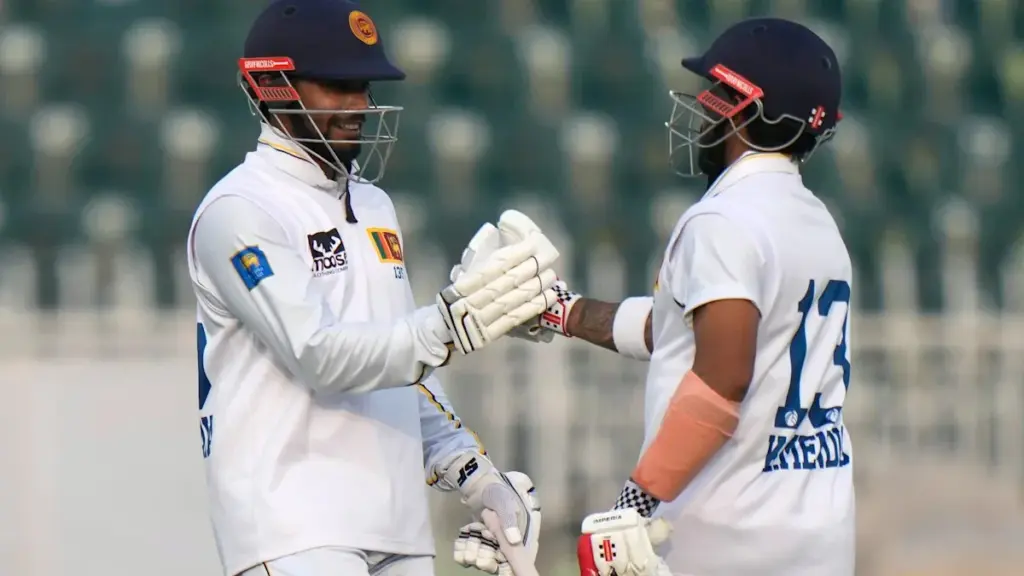
- Pakistan established a 139-run lead on the fifth day of the opening Test in Rawalpindi.
- Key dismissals of Babar Azam and Agha Salman exposed vulnerabilities in Pakistan's middle-order batting lineup.
- Sri Lanka's disciplined bowling and fielding strategy successfully neutralized the home side's aggressive intent.
- The match highlights the high-stakes tactical evolution of modern Test cricket in the subcontinent.
- Pakistan thiết lập cách biệt 139 điểm trong ngày thi đấu thứ năm của trận Test mở màn tại Rawalpindi.
- Việc Babar Azam và Agha Salman sớm rời sân đã bộc lộ những lỗ hổng trong hàng ngũ đánh bóng trung tâm của Pakistan.
- Chiến thuật ném bóng và phòng ngự kỷ luật của Sri Lanka đã vô hiệu hóa thành công ý đồ tấn công của đội chủ nhà.
- Trận đấu làm nổi bật sự tiến hóa chiến thuật đầy khốc liệt của môn cricket Test hiện đại tại tiểu lục địa Ấn Độ.
- Le Pakistan a établi une avance de 139 points au cinquième jour du Test inaugural à Rawalpindi.
- Les éliminations cruciales de Babar Azam et d'Agha Salman ont mis en lumière les vulnérabilités du milieu de tableau pakistanais.
- La stratégie de placement et de discipline au bowling mise en place par le Sri Lanka a méthodiquement neutralisé les velléités offensives de l'équipe locale.
- Ce match illustre l'évolution tactique exigeante du cricket Test contemporain sur le sous-continent.
- Pakistán consolidó una ventaja de 139 carreras en el quinto día del Test inaugural disputado en Rawalpindi.
- Las desconcertantes bajas de Babar Azam y Agha Salman expusieron las debilidades en la columna vertebral del orden medio pakistaní.
- La disciplinada estrategia de bolos y colocación de campo de Sri Lanka neutralizó con eficacia el ímpetu ofensivo del combinado local.
- El encuentro pone de relieve la exigente evolución táctica del críquet Test moderno en el subcontinente asiático.
- 在拉瓦尔品第进行的开局测试赛第五天结束时,巴基斯坦确立了139分的领先优势。
- 巴巴尔·阿赞(Babar Azam)和阿加·萨尔曼(Agha Salman)的关键出局暴露出巴基斯坦中后段全队的隐患。
- 斯里兰卡严明的保龄球与战术防守成功瓦解了主队的强硬企图。
- 这场比赛凸显了现代次大陆红球测试赛中高风险的战术演变。
The fifth day of the opening Test match between Pakistan and Sri Lanka at Rawalpindi has unfolded as a masterclass in tactical attrition, transforming what initially promised to be a bat-friendly exhibition into a nerve-wracking duel of psychological endurance. With Pakistan holding a slender lead of 139 runs after the crucial dismissals of former captain Babar Azam and all-rounder Agha Salman, the contest stands firmly on a knife-edge. As the afternoon shadows lengthened across the historic venue, the sheer weight of expectations bore down on both dugouts, epitomizing the unforgiving nature of contemporary international red-ball cricket.
For the partisan home crowd and global pundits alike, the morning session's breakthroughs represented a pivotal swing in momentum. Sri Lanka, executing a meticulously devised fielding trap that choked the scoring rate and forced uncharacteristic errors from Pakistan's most reliable anchors, demonstrated a sophisticated grasp of match situation management. The departure of Babar, caught in the web of disciplined spin and shrewdly placed catching positions, sent shockwaves through the stadium and instantly revitalized the touring side's belief in achieving a historic away victory.
The Anatomy of the Collapse and Sri Lanka's Tactical Triumph
To understand how Pakistan relinquished its commanding posture, one must examine the clinical execution of Sri Lanka's bowling attack during the critical juncture of the final morning. Having weathered earlier storms—including the resilient centuries earlier in the match from Dhananjaya de Silva and Kusal Mendis—the visiting bowlers adjusted their lengths with surgical precision. They abandoned the search for extravagant swing, opting instead for a relentless, probing line outside off-stump that asked constant questions of the batters' patience.
Babar Azam, whose elegance at the crease has long been the bedrock of Pakistan's batting architecture, found himself suffocated by packed off-side fields. The trap was laid with subtle genius: deep backward points and hyper-alert silly points cut off any easy rotation of the strike, breeding an internal pressure that inevitably invited the mistimed stroke. When the breakthrough arrived, it was not merely a matter of good fortune, but the direct result of sustained pressure applied over dozens of overs. Agha Salman’s subsequent dismissal underscored the fragility creeping into the lower-middle order, exposing an inexperienced tail to a rampant bowling unit smelling blood.

Historical Context and the Evolution of Subcontinental Test Rivalries
Matches between Pakistan and Sri Lanka occupy a unique, fiercely respected space in the annals of international cricket. Devoid of the hyper-commercialized frenzy that often surrounds other bilateral fixtures, these encounters are typically defined by mutual respect, tactical chess matches on unresponsive pitches, and the emergence of generational talent. Historically, Pakistan’s home conditions have favored batsmen, yet modern groundskeeping and the advent of sophisticated performance analytics have introduced new variables into the equation.
This series, arriving at a critical juncture for both cricketing boards, carries immense psychological weight. Sri Lanka’s transition under new leadership—symbolized by Kusal Mendis taking up the mantle—has injected fresh tactical vigor into a squad traditionally reliant on veteran brilliance. Conversely, Pakistan is navigating a delicate transitional phase, attempting to balance the explosive flair of its youth with the stabilizing influence of senior statesmen. The friction generated on the fifth day in Rawalpindi is merely the latest chapter in a rich, decades-long tapestry of subcontinental sporting supremacy.
Strategic Fallout and What Lies Ahead in the Series
As the players catch their breath ahead of the second and final fixture, the post-mortem in the Pakistan dressing room promises to be rigorous. The inability to convert promising starts into substantial, match-winning partnerships has been a persistent Achilles' heel, one that elite bowling units will continue to exploit ruthlessly. Coaching staff and analysts will undoubtedly pour over the dismissal replays, emphasizing the necessity of proactive footwork and the mental fortitude required to counter disciplined field placements.
For Sri Lanka, the takeaways are overwhelmingly positive, validating a strategic blueprint built on patience, execution, and fearless tactical aggression. By neutralizing Pakistan's premier stroke-makers and demonstrating exceptional stamina in the field, the visitors have not only seized control of the narrative but have sent a clear message to the broader Test-playing community. As ParisDaily's global sports desk continues to monitor the unfolding series, one truth remains abundantly clear: Test cricket, in its purest and most grueling iterations, remains the ultimate test of human character and tactical intellect.
Ngày thi đấu thứ năm của trận Test mở màn giữa Pakistan và Sri Lanka tại Rawalpindi đã diễn ra như một bài học kinh điển về sự tiêu hao chiến thuật, biến những gì ban đầu tưởng chừng là một màn trình diễn thuận lợi cho các tay đánh bóng trở thành một cuộc đấu trí đầy căng thẳng. Với việc Pakistan chỉ còn dẫn trước 139 điểm sau khi cựu đội trưởng Babar Azam và tay đánh bóng toàn năng Agha Salman bị loại, cục diện trận đấu đang ở thế "ngàn cân treo sợi tóc". Khi bóng chiều đổ dài trên sân vận động lịch sử này, áp lực kỳ vọng đè nặng lên cả hai đội, minh chứng cho bản chất khốc liệt của môn cricket quốc tế hiện đại.
Đối với người hâm mộ chủ nhà và các chuyên gia toàn cầu, những bước ngoặt trong phiên sáng đại diện cho sự thay đổi mang tính quyết định về động lực trận đấu. Sri Lanka, bằng cách thực hiện một cái bẫy phòng ngự được thiết kế tỉ mỉ nhằm bóp nghẹt tốc độ ghi điểm và buộc các tay đánh bóng chủ chốt của Pakistan mắc những sai lầm không đáng có, đã chứng minh sự thấu hiểu sâu sắc về quản lý tình huống trận đấu. Sự ra đi của Babar, khi rơi vào lưới nhện của những pha ném bóng xoáy kỷ luật và các vị trí bắt bóng được sắp đặt tinh quái, đã gây chấn động khắp sân vận động và ngay lập tức thổi bùng niềm tin của đội khách vào một chiến thắng lịch sử trên sân đối phương.
Giải mã sự sụp đổ và thắng lợi chiến thuật của Sri Lanka
Để hiểu tại sao Pakistan đánh mất vị thế áp đảo, người ta phải xem xét sự thực thi chính xác của hàng công Sri Lanka trong thời điểm quan trọng của buổi sáng cuối cùng. Sau khi vượt qua những cơn bão trước đó—bao gồm các thế kỷ đầy kiên cường của Dhananjaya de Silva và Kusal Mendis—các tay ném đội khách đã điều chỉnh cự ly với độ chính xác như phẫu thuật. Họ từ bỏ việc tìm kiếm những cú xoáy bóng hoa mỹ, thay vào đó chọn đường bóng thăm dò bền bỉ bên ngoài cột gôn, liên tục đặt ra những bài toán khó cho sự kiên nhẫn của các tay đánh bóng.
Babar Azam, người vốn là trụ cột trong kiến trúc đánh bóng của Pakistan, đã bị bóp nghẹt bởi các vị trí phòng ngự dày đặc ở phía ngoài. Cái bẫy được giăng ra với sự tinh tế: các vị trí bắt bóng sâu và các vị trí "silly point" luôn trong trạng thái cảnh giác cao độ đã cắt đứt mọi cơ hội xoay vòng điểm số, tạo ra áp lực nội tại khiến các tay đánh bóng không thể tránh khỏi những cú đánh sai thời điểm. Khi bước ngoặt đến, đó không chỉ là vấn đề may mắn, mà là kết quả trực tiếp của áp lực bền bỉ được duy trì qua hàng chục lượt ném. Việc Agha Salman bị loại sau đó đã nhấn mạnh sự mong manh đang len lỏi vào hàng ngũ trung-hạ, phơi bày một hàng đuôi thiếu kinh nghiệm trước một đơn vị ném bóng đang hừng hực khí thế.
Bối cảnh lịch sử và sự tiến hóa của các cuộc đối đầu Test tại tiểu lục địa
Các trận đấu giữa Pakistan và Sri Lanka chiếm một vị trí độc tôn và đầy tôn trọng trong biên niên sử cricket quốc tế. Không bị cuốn vào cơn cuồng loạn thương mại hóa thường thấy ở các cặp đấu khác, những cuộc chạm trán này thường được định nghĩa bởi sự tôn trọng lẫn nhau, những ván cờ chiến thuật trên các mặt sân không mấy thuận lợi và sự xuất hiện của những tài năng thế hệ mới. Trong lịch sử, điều kiện sân bãi tại Pakistan thường ưu ái các tay đánh bóng, tuy nhiên, công tác bảo trì sân hiện đại và sự ra đời của các phân tích hiệu suất tinh vi đã đưa thêm những biến số mới vào phương trình.
Loạt trận này, diễn ra tại một thời điểm quan trọng đối với cả hai liên đoàn cricket, mang theo sức nặng tâm lý to lớn. Quá trình chuyển giao của Sri Lanka dưới sự dẫn dắt mới—được biểu tượng hóa bởi việc Kusal Mendis đảm nhận trọng trách—đã truyền luồng sinh khí chiến thuật mới vào một đội hình vốn phụ thuộc vào sự tỏa sáng của các cựu binh. Ngược lại, Pakistan đang điều hướng qua một giai đoạn chuyển tiếp nhạy cảm, cố gắng cân bằng giữa sự bùng nổ của sức trẻ và ảnh hưởng ổn định của các bậc tiền bối. Sự ma sát được tạo ra vào ngày thứ năm tại Rawalpindi chỉ là chương mới nhất trong một bức tranh thêu dệt hàng thập kỷ về sự thống trị thể thao tại tiểu lục địa.
Hệ quả chiến lược và những gì chờ đợi phía trước
Khi các cầu thủ tạm nghỉ trước khi bước vào trận đấu thứ hai và cũng là trận cuối cùng, cuộc họp rút kinh nghiệm trong phòng thay đồ của Pakistan hứa hẹn sẽ rất khắt khe. Việc không thể chuyển hóa những khởi đầu đầy hứa hẹn thành các mối quan hệ đối tác mang tính quyết định trận đấu vẫn là "gót chân Achilles" dai dẳng, điều mà các đơn vị ném bóng đẳng cấp sẽ tiếp tục khai thác một cách tàn nhẫn. Ban huấn luyện và các nhà phân tích chắc chắn sẽ xem xét kỹ lưỡng các đoạn phim quay chậm, nhấn mạnh sự cần thiết của bộ chân linh hoạt và bản lĩnh tinh thần cần thiết để đối phó với các vị trí phòng ngự kỷ luật.
Đối với Sri Lanka, những bài học rút ra là vô cùng tích cực, khẳng định một bản thiết kế chiến lược được xây dựng trên sự kiên nhẫn, khả năng thực thi và sự hung hăng chiến thuật không sợ hãi. Bằng cách vô hiệu hóa những tay đánh bóng hàng đầu của Pakistan và thể hiện sức bền vượt trội trên sân, đội khách không chỉ nắm quyền kiểm soát câu chuyện mà còn gửi một thông điệp rõ ràng đến cộng đồng cricket Test rộng lớn hơn. Khi ban thể thao toàn cầu của ParisDaily tiếp tục theo dõi loạt trận đang diễn ra, một sự thật vẫn hiển nhiên: Cricket Test, trong những hình thái thuần túy và khốc liệt nhất, vẫn là bài kiểm tra cuối cùng về nhân cách con người và trí tuệ chiến thuật.
La cinquième journée du match d'ouverture du Test opposant le Pakistan au Sri Lanka à Rawalpindi s'est révélée être une véritable masterclass d'usure tactique, transformant ce qui s'annonçait initialement comme une exhibition favorable aux batteurs en un duel psychologique d'endurance d'une intensité nerveuse extrême. Alors que le Pakistan ne conserve qu'une mince avance de 139 points après les éliminations cruciales de l'ancien capitaine Babar Azam et de l'all-rounder Agha Salman, la partie bascule sur un fil de rasoir. À mesure que les ombres de l'après-midi s'allongeaient sur ce site historique, le poids implacable des attentes pesait lourdement sur les deux bancs de touche, incarnant à la perfection la nature impitoyable du cricket international à boule rouge contemporain.
Pour les supporters locaux partisans et les observateurs internationaux, les éclairs de génie de la session matinale ont marqué un tournant décisif dans la dynamique de la rencontre. Le Sri Lanka, en exécutant un piège défensif méticuleusement conçu qui a étouffé le rythme des points et provoqué des erreurs inhabituelles de la part des piliers pakistanais les plus fiables, a fait preuve d'une maîtrise sophistiquée de la gestion des temps forts. Le départ de Babar, pris dans la nasse d'un spin discipliné et de positions de receveurs astucieusement placées, a provoqué une onde de choc dans tout le stade, redonnant instantanément aux visiteurs la certitude de pouvoir décrocher une victoire historique à l'extérieur.
L'anatomie de l'effondrement et le triomphe tactique du Sri Lanka
Pour comprendre comment le Pakistan a perdu sa posture dominante, il convient d'analyser l'exécution chirurgicale de l'attaque de boulingue sri-lankaise au moment critique de cette dernière matinée. Après avoir fait le dos rond face aux tempêtes précédentes — incluant les siècles résilients inscrits un peu plus tôt dans le match par Dhananjaya de Silva et Kusal Mendis —, les lanceurs adverses ont ajusté leurs longueurs avec une précision d'orfèvre. Ils ont renoncé à la recherche de mouvements de swing extravagants pour opter à la place pour une ligne incisive et implacable à l'extérieur de la zone d'off-stump, soumettant la patience des batteurs à rude épreuve.
Babar Azam, dont l'élégance à la lunule a longtemps constitué la pierre angulaire de l'architecture offensive du Pakistan, s'est retrouvé étouffé par des champs extérieurs extrêmement resserrés. Le piège s'est refermé avec un génie subtil : des positions de backward point profondes et de silly points hyper-vigilantes ont coupé toute rotation facile du strike, instillant une pression interne qui a inévitablement incité au geste mal synchronisé. Lorsque la délivrance est arrivée, elle ne devait rien au hasard, mais constituait le résultat direct d'une pression soutenue exercée au fil de dizaines d' overs. L'élimination consécutive d'Agha Salman a ensuite souligné la fragilité naissante dans le bas du milieu de tableau, exposant une queue de batteurs inexpérimentée à une meute de lanceurs assoiffés de sang.
Contexte historique et évolution des rivalités en Test-match sur le sous-continent
Les confrontations entre le Pakistan et le Sri Lanka occupent une place unique et farouchement respectée dans les annales du cricket international. Dénuées de la frénésie hyper-commercialisée qui entoure souvent d'autres affiches bilatérales, ces empoignades se caractérisent généralement par un respect mutuel, des parties d'échecs tactiques sur des pistes peu réactives et l'éclosion de talents générationnels. Historiquement, les conditions locales au Pakistan ont favorisé les batteurs, pourtant l'évolution de la préparation des terrains et l'avènement d'analyses de performance sophistiquées ont introduit de nouvelles variables dans l'équation.
Cette série, qui intervient à un moment charnière pour les deux instances dirigeantes du cricket, revêt un poids psychologique immense. La transition du Sri Lanka sous une nouvelle direction — symbolisée par l'accession de Kusal Mendis aux responsabilités — a insufflé une vigueur tactique inédite à un effectif traditionnellement tributaire de éclairs de génie de ses vétérans. À l'inverse, le Pakistan navigue dans une phase de transition délicate, s'efforçant de concilier l'exubérance explosive de sa jeunesse et l'influence stabilisatrice de ses cadres chevronnés. Les tensions nées lors de cette cinquième journée à Rawalpindi ne sont que le dernier chapitre en date d'une riche fresque de suprématie sportive sur le sous-continent, tissée au fil des décennies.
Retombées stratégiques et perspectives pour la suite de la série
Alors que les joueurs reprennent leur souffle avant le second et ultime affrontement, le débriefing au sein du vestiaire pakistanais s'annonce particulièrement rigoureux. L'incapacité à convertir des entames prometteuses en partenariats consistants et décisifs constitue un talon d'Achille persistant, que les unités de boulingue d'élite continueront d'exploiter sans pitié. Le staff technique et les analystes vont sans aucun doute décortiquer les ralentis des éliminations, martelant la nécessité d'un jeu de jambes proactif et de la robustesse mentale requise pour contrer des placements de terrain disciplinés.
Du côté du Sri Lanka, le bilan est extrêmement positif, validant un plan de bataille stratégique fondé sur la patience, l'exécution et une agressivité tactique décomplexée. En neutralisant les principaux pourvoyeurs de points du Pakistan et en affichant une endurance exceptionnelle sur le terrain, les visiteurs ont non seulement pris le contrôle du récit, mais ont également adressé un signal fort à l'ensemble de la communauté du Test cricket. Tandis que le bureau des sports mondiaux de ParisDaily continue de suivre l'évolution de cette série, une vérité demeure éclatante : le cricket Test, dans ses expressions les plus pures et les plus exténuantes, reste l'épreuve reine de la trempe humaine et de l'intellect tactique.
El quinto día del partido inaugural del Test entre Pakistán y Sri Lanka en Rawalpindi se ha desarrollado como una clase magistral de desgaste táctico, transformando lo que en un principio prometía ser una exhibición favorable a los bateadores en un duelo de resistencia psicológica que corta la respiración. Con Pakistán ostentando una escueta ventaja de 139 carreras tras las cruciales eliminaciones del ex capitán Babar Azam y del todoterreno Agha Salman, la contienda pende de un hilo. A medida que las sombras de la tarde se alargaban sobre este histórico escenario, el enorme peso de las expectativas recayó sobre ambos banquillos, personificando la naturaleza implacable del críquet contemporáneo de máxima categoría con bola roja.
Para la entregada afición local y los analistas internacionales por igual, los avances conseguidos en la sesión matinal supusieron un giro fundamental en la dinámica del encuentro. Sri Lanka, ejecutando una trampa defensiva meticulosamente diseñada que ahogó el ritmo de anotación y forzó errores impropios en los referentes más fiables de Pakistán, demostró una comprensión sofisticada de la gestión de la situación de partido. La marcha de Babar, atrapado en la red de unos lanzamientos de giro disciplinados y unas posiciones de recepción inteligentemente ubicadas, provocó ondas expansivas en el estadio y revitalizó al instante la convicción del combinado visitante de lograr una victoria histórica a domicilio.
La anatomía del desplome y el triunfo táctico de Sri Lanka
Para comprender cómo Pakistán cedió su posición dominante, es preciso examinar la clínica ejecución del ataque de bolos de Sri Lanka durante la coyuntura crítica de la última mañana. Tras haber capeado los temporales previos —incluidas las resilientes actuaciones centenarias protagonizadas al principio del encuentro por Dhananjaya de Silva y Kusal Mendis—, los lanzadores visitantes ajustaron sus longitudes con precisión quirúrgica. Renunciaron a la búsqueda de efectos extravagantes y optaron en su lugar por una línea incisiva y constante fuera del off-stump, que cuestionaba continuamente la paciencia de los bateadores.
Babar Azam, cuya elegancia en la línea de bateo ha constituido durante mucho tiempo el cimiento de la arquitectura ofensiva pakistaní, se vio sofocado por campos muy poblados en el flanco exterior. La trampa se urdió con sutil genialidad: posiciones profundas en el punto de cobertura y puestos de alerta máxima cortaron cualquier rotación fluida del marcador, incubando una presión interna que inevitablemente propició el golpe a destiempo. Cuando se produjo el ansiado avance, no fue meramente fruto de la buena fortuna, sino el resultado directo de una presión sostenida a lo largo de decenas de overs. La posterior eliminación de Agha Salman acentuó la fragilidad que se filtraba en el orden medio-bajo, dejando a una cola inexperta a merced de un bloque lanzador desatado que olfateaba sangre.
Contexto histórico y la evolución de las rivalidades en los Tests del subcontinente
Los duelos entre Pakistán y Sri Lanka ocupan un espacio único y ferozmente respetado en los anales del críquet internacional. Despojados del frenesí hipercomercializado que suele rodear a otros enfrentamientos bilaterales, estos cara a cara se definen por lo general mediante el respeto mutuo, partidas de ajedrez táctico sobre superficies poco propicias y el surgimiento de talento generacional. Históricamente, las condiciones de los campos locales en Pakistán han favorecido a los bateadores; sin embargo, la moderna preparación de los terrenos y la llegada de una analítica de rendimiento sofisticada han introducido nuevas variables en la ecuación.
Esta serie, que llega en una encrucijada crucial para ambas federaciones de críquet, acarrea un peso psicológico inmenso. La transición de Sri Lanka bajo una nueva dirección —simbolizada por Kusal Mendis tomando el relevo— ha inyectado un vigor táctico fresco en una plantilla tradicionalmente dependiente de la brillantez veterana. Por el contrario, Pakistán navega por una delicada fase de transición, intentando equilibrar la explosiva inventiva de su juventud con la influencia estabilizadora de sus figuras más veteranas. La fricción generada durante el quinto día en Rawalpindi no es sino el capítulo más reciente de un rico tapiz de supremacía deportiva en el subcontinente fraguado a lo largo de décadas.
Consecuencias estratégicas y el porvenir de la serie
Mientras los jugadores recuperan el aliento de cara al segundo y último partido, el examen de conciencia en el vestuario de Pakistán promete ser riguroso. La incapacidad para convertir inicios prometedores en asociaciones sustanciales que decidan los partidos ha sido un persistente talón de Aquiles, uno que las unidades de lanzamiento de élite continuarán explotando sin piedad. El cuerpo técnico y los analistas repasarán sin duda las repeticiones de las eliminaciones, enfatizando la necesidad de un juego de pies proactivo y la fortaleza mental indispensable para contrarrestar las disciplinadas colocaciones de campo.
Para Sri Lanka, las conclusiones son abrumadoramente positivas, ya que validan un modelo estratégico cimentado en la paciencia, la ejecución y una agresividad táctica sin complejos. Al neutralizar a los principales creadores de juego de Pakistán y demostrar una resistencia excepcional en el terreno, los visitantes no solo han tomado el control del relato, sino que han enviado un mensaje diáfano al conjunto de la comunidad que disputa partidos Test. Conforme la sección de deportes internacionales de ParisDaily continúa supervisando el desarrollo de la serie, una verdad permanece incuestionable: el críquet Test, en sus iteraciones más puras y extenuantes, sigue siendo la prueba suprema del carácter humano y del intelecto táctico.
巴基斯坦与斯里兰卡在拉瓦尔品第进行的系列赛首场测试赛第五天,宛如一堂高水准的战术消耗课,将一场原本有望演变为顺风顺水的击球展示,转化为一场令人心跳加速、考验心理耐力的决斗。随着前队长巴巴尔·阿赞和全能选手阿加·萨尔曼相继关键出局,巴基斯坦目前仅握有139分的微弱领先优势,胜负悬于一线。随着午后的阴影拉长这座历史悠久的体育场,沉甸甸的期望压在双方休息室心头,这正是当代国际红球测试赛残酷本质的缩影。
对于立场鲜明的主场球迷和全球评论员而言,早盘的突破代表着势头的关键转变。斯里兰卡精心设计的防守陷阱扼杀了得分率,迫使巴基斯坦最可靠的基石频频出现非受迫性失误,这展现出他们对比赛局势管理的高超掌控力。巴巴尔的离场——他落入了纪律严密的旋转球网与巧妙布置的接球阵型中——在体育场内引起了强烈震动,并瞬间重燃了客队客场取胜的历史信念。
崩溃剖析与斯里兰卡的战术胜利
要理解巴基斯坦是如何失去其主导地位的,我们必须审视斯里兰卡保龄球攻击手在最后一个早晨关键时刻的临床表现。在顶住了早期的风暴——包括比赛早些时候达南贾亚·德·席尔瓦(Dhananjaya de Silva)和库萨尔·门迪斯(Kusal Mendis)的顽强百年战绩之后,客队保龄球手以外科手术般的精确度调整了球的落点。他们放弃了盲目追求夸张的摆动,转而采取持续、探索性的、位于外侧的精准线路,不断考验着击球手的耐心。
巴巴尔·阿赞在克里特岛(Crease)上的优雅长期以来一直是巴基斯坦击球架构的基石,如今却发现自己被密集的防守压得喘不过气来。这个陷阱充满了微妙的天才设计:深后卫点和高度警惕的近距离接球点切断了任何轻松轮转球权的可能,从而孕育了内部压力,不可避免地导致了击球时机不当。当突破到来时,这不仅仅是好运,而是持续数十局施加压力的直接结果。阿加·萨尔曼随后得出局,凸显了下中游秩序中潜滋暗长的脆弱性,并将缺乏经验的尾击手暴露在嗅到血腥味的狂暴保龄球阵容面前。
历史背景与次大陆测试赛宿敌的演变
巴基斯坦与斯里兰卡之间的比赛在国际板球史上占据着独特而备受尊崇的空间。摆脱了通常围绕其他双边赛事的过度商业化狂热,这些对决通常以相互尊重、在迟钝球场上的战术博弈以及代际天才的涌现为特征。从历史上看,巴基斯坦的主场条件一直对击球手有利,但现代场地管理和先进表现分析的出现,为这一等式引入了新的变量。
对于双方板球管理委员会而言正值关键时刻的本系列赛,承载着巨大的心理分量。斯里兰卡在新领导层下的转型——以库萨尔·门迪斯挑起大梁为象征——为传统上依赖老将辉煌的阵容注入了新的战术活力。相反,巴基斯坦正在经历一个微妙的转型期,试图在其年轻一代的爆发力与资深国会议员的稳定作用之间取得平衡。拉瓦尔品第第五天产生的摩擦,只不过是数十年来次大陆体育统治地位的丰富挂毯中的最新篇章。
战术余波与系列赛的前景展望
当球员们在第二场也是最后一场比赛前喘口气时,巴基斯坦更衣室内的复盘必将是严厉的。无法将良好的开局转化为实质性的、决定比赛胜负的伙伴关系,一直是挥之不去的“阿喀琉斯之踵”,精英保龄球阵容将继续无情地利用这一弱点。教练组和分析师无疑将反复观看击球回放,强调积极步法和应对纪律严明防守阵型所需的精神毅力的必要性。
对于斯里兰卡而言,收获是压倒性的积极的,验证了建立在耐心、执行力和无畏战术侵略性基础上的战术蓝图。通过化解巴基斯坦王牌击球手的攻势并展现出色的场上体能,客队不仅控制了叙事的主动权,还向更广泛的测试赛圈子发出了明确的信号。正如巴黎日报全球体育新闻部持续监控这场不断展开的系列赛一样,有一个真理仍然显而易见:测试赛在其最纯粹、最艰苦的迭代中,依然是对人类性格和战术智慧的终极考验。
Editorial Standards & Multi-Language Synthesis: This dispatch was synthesized and fact-checked by the ParisDaily Editorial Desk across 5 global editions (EN, FR, VI, ES, ZH), cross-referencing primary international wire reports and real-time search intelligence.