
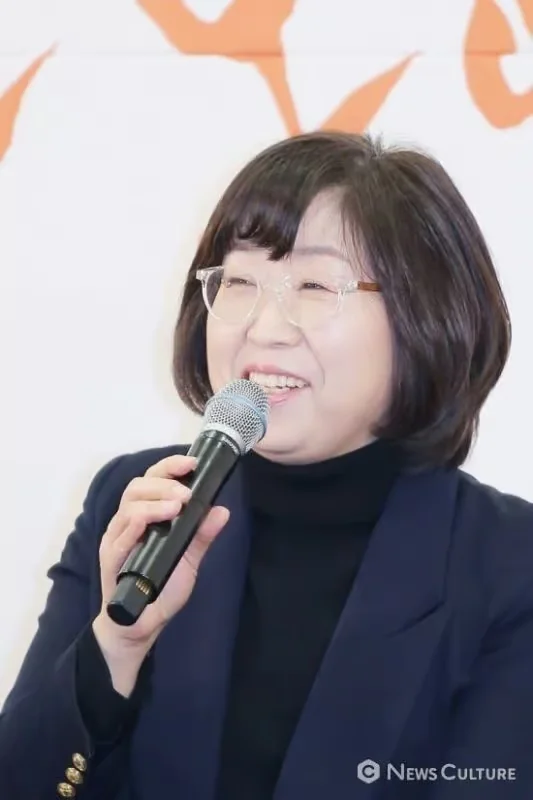
Park Eunok
“Pioneering the soul of Korean folk music through poignant lyricism and timeless duets.”
“Tiên phong cho linh hồn nhạcfolk Hàn Quốc thông qua ca từ sâu sắc và những bản song ca vượt thời gian.”
“Pionnière de l'âme de la musique folk coréenne à travers des paroles poignantes et des duos intemporels.”
“Pionera del alma de la música folk coreana a través de letras conmovedoras y duetos eternos.”
“通过动人的歌词与永恒的对唱,开创韩国民谣音乐的灵魂。”
Origins & Roots Born in Seoul, South Korea in 1957, Park Eunok grew up amidst the shifting cultural landscapes of a rapidly modernizing nation. Her early life instilled in her a deep appreciation for acoustic expression and poetic lyricism, which would ultimately form the foundation of her artistic identity.
Formative Years & Debut Park officially entered the South Korean music scene in 1979 with her debut album '회상 (Reminiscence)'. Entering the industry during an era dominated by censorship and strict societal norms, she navigated the early stages of her career with quiet determination and a commitment to authentic storytelling.
The Breakthrough Her ascension to prominence was galvanized by legendary collaborations and iconic tracks such as '떠나가는 배 (Leaving Bark)' and '북한강에서 (At the North Han River)'. These timeless duets with fellow folk artist Jeong Taechun resonated deeply across the peninsula, catapulting her to national renown and cementing her status as a folk pioneer.
Landmark Honors Alongside her husband and musical partner Jeong Taechun, Park weathered immense commercial pressures—including financial struggles and near-intermissions in the 1980s—only to emerge stronger. In September 2009, the duo organized a celebrated special project commemorating their 30th debut anniversary, honoring decades of musical integrity.
Legacy & Philosophy Today, Park Eunok is revered alongside Kim Minki and Yang Heeeun as a foundational pillar of Korean folk. Unlike contemporaries who leaned purely into sentimental themes, Park infused her art with a sharp, realistic perception of daily life and history, leaving behind an enduring cultural legacy.
Nguồn gốc & Tuổi thơ Sinh ra tại Seoul, Hàn Quốc vào năm 1957, Park Eunok lớn lên giữa bối cảnh văn hóa đang chuyển mình của một quốc gia hiện đại hóa nhanh chóng. Cuộc sống thời niên thiếu đã nuôi dưỡng ở cô tình yêu sâu sắc với âm nhạc mộc mạc và ca từ đầy tính thơ.
Những năm tháng đào tạo & Ra mắt Park chính thức bước chân vào làng âm nhạc Hàn Quốc vào năm 1979 với album đầu tay '회상 (Reminiscence)'. Bước vào ngành công nghiệp trong thời kỳ chịu ảnh hưởng bởi kiểm duyệt, cô đã vượt qua giai đoạn đầu sự nghiệp bằng sự kiên định.
Sự bứt phá Danh tiếng của cô được củng cố thông qua các màn kết hợp huyền thoại và những ca khúc biểu tượng như '떠나가는 배 (Leaving Bark)' và '북한강에서 (At the North Han River)'. Những bản song ca này đã vang dội khắp bán đảo, đưa cô lên hàng ngũ những người tiên phong.
Thành tựu đỉnh cao Cùng với chồng và bạn diễn Jeong Taechun, Park đã vượt qua áp lực thương mại dữ dội trong thập niên 80 để vươn lên mạnh mẽ. Vào tháng 9 năm 2009, cặp đôi đã tổ chức dự án đặc biệt kỷ niệm 30 năm ca hát, tôn vinh sự chính trực trong nghệ thuật.
Di sản & Triết lý Ngày nay, Park Eunok được tôn vinh cùng Kim Minki và Yang Heeeun như một trụ cột của nhạc folk Hàn Quốc. Khác với những nghệ sĩ khác, cô đã thổi hồn vào âm nhạc góc nhìn thực tế về đời sống và lịch sử, tạo nên di sản văn hóa bền vững.
Origines & Enfance Née à Séoul en 1957, Park Eunok a grandi au milieu des mutations culturelles de la Corée du Sud. Sa jeunesse a nourri son amour profond pour l'expression acoustique et la poésie lyrique, façonnant ainsi son identité artistique.
Débuts & Formation Park a officiellement fait ses débuts sur la scène musicale sud-coréenne en 1979 avec l'album '회상 (Reminiscence)'. Évoluant dans une industrie stricte, elle a traversé ses débuts avec une détermination sans faille et un engagement envers l'authenticité.
La Percée Son ascension a été galvanisée par des collaborations légendaires et des titres emblématiques tels que '떠나가는 배' et '북한강에서'. Ces duos intemporels avec Jeong Taechun ont résonné à travers la péninsule, la consacrant comme pionnière du folk.
Honneurs & Reconnaissance Aux côtés de son époux et partenaire musical Jeong Taechun, Park a surmonté des difficultés financières majeures dans les années 1980. En septembre 2009, le duo a célébré son 30e anniversaire de carrière lors d'un projet spécial salué par la critique.
Héritage Aujourd'hui, Park Eunok est vénérée aux côtés de Kim Minki et Yang Heeeun comme un pilier du folk coréen. En insufflant à sa musique une perception réaliste de la société, elle a forgé un héritage culturel intemporel.
Orígenes & Primeros Años Nacida en Seúl, Corea del Sur, en 1957, Park Eunok creció en medio de los cambios culturales de una nación en rápida modernización. Su juventud le inculcó un profundo aprecio por la expresión acústica y la lírica poética.
Primeros Años & Debut Park debutó oficialmente en la escena musical en 1979 con el álbum '회상 (Reminiscence)'. Navegó los primeros años de su carrera con firmeza y un firme compromiso con la autenticidad artística en una época compleja.
El Gran Salto Su ascenso a la fama despegó gracias a colaboraciones legendarias y temas icónicos como '떠나가는 배' y '북한강에서'. Estos duetos junto a Jeong Taechun resonaron con fuerza en todo el país, consolidándola como una pionera del folk.
Reconocimientos Junto a su esposo y compañero musical Jeong Taechun, Park superó enormes presiones económicas en los años 80. En septiembre de 2009, ambos organizaron un proyecto especial para conmemorar su 30 aniversario en la música.
Legado Hoy en día, Park Eunok es reverenciada junto a Kim Minki y Yang Heeeun como pilar fundamental del folk coreano. Su enfoque realista de la vida y la historia dejó una huella imborrable en la cultura musical.
起源与早年生活 朴恩玉1957年出生于韩国首尔,在国家快速现代化的文化变迁中长大。早年生活培养了她对原声表达和诗意歌词的深厚热爱,这最终构成了她艺术身份的基础。
演艺起点与出道 朴恩玉于1979年发行首张专辑《회상 (Reminiscence)》正式进入韩国乐坛。在受审查和严格社会规范支配的时代背景下,她以坚定的意志和对真实叙事的执着开启了职业生涯。
突破与成名 传奇的合作与标志性曲目(如《떠나가는 배》和《북한강에서》)推动了她走向声誉的巅峰。她与民谣歌手郑泰春共同演唱的这些永恒对唱在半岛引起广泛共鸣,确立了她作为民谣先驱的地位。
里程碑荣誉 20世纪80年代,朴恩玉与丈夫兼音乐伙伴郑泰春经历了一段财务困境和险些中断的艰难时期。2009年9月,二人举办了出道30周年特别企划,表彰数十年来对音乐初心的坚守。
文化遗产与艺术哲学 如今,朴恩玉与金民基、杨姬银一同被尊为韩国民谣的基石。不同于纯粹走伤感路线的同时代人,朴恩玉将对现实生活和历史的准确感知融入艺术,留下了不朽的文化遗产。
She was born in Seoul, South Korea in 1957.
She is a practicing Buddhist.
She married fellow folk singer Jeong Taechun in 1980 when both were rookies.
She and Jeong Taechun share a daughter named Jeong Sae Nanseul, born in 1981.
She faced severe financial difficulties early in her career due to underperforming second and third albums.
She once seriously considered performing in nightclubs to overcome financial struggles.
She has released numerous celebrated duet songs with her husband Jeong Taechun.
Her tracks '떠나가는 배' and '북한강에서' are considered monumental Korean folk hits.
She is widely recognized as a pioneer of Korean folk music alongside Kim Minki and Yang Heeeun.
She faced occasional criticism for incorporating realistic social and historical perspectives into folk music.
In September 2009, she and her husband organized a grand 30th debut anniversary project.
Her birth name in Chinese characters is 朴恩玉 (Pu Enyu).
She debuted in 1979 with the album 'Reminiscence'.
Her musical style heavily emphasizes acoustic instrumentation and poetic reflection.
She maintains a relatively private personal life away from mainstream television.
Her partnership with Jeong Taechun represents one of the most enduring duos in Korean music history.
She has inspired multiple generations of indie and folk artists in South Korea.
Her artistic output often mirrors the socio-political realities of modern Korean history.
Cô sinh ra tại Seoul, Hàn Quốc vào năm 1957.
Cô theo đạo Phật.
Cô kết hôn với nam ca sĩ folk Jeong Taechun vào năm 1980 khi cả hai còn là tân binh.
Cô và Jeong Taechun có chung một con gái tên Jeong Sae Nanseul, sinh năm 1981.
Cô từng gặp khó khăn tài chính nghiêm trọng khi các album thứ hai và ba không đạt thứ hạng cao.
Cô từng cân nhắc việc đi hát phòng trà để vượt qua giai đoạn khó khăn.
Cô đã phát hành vô số bài hát song ca nổi tiếng cùng chồng mình.
Các bài hát '떠나가는 배' và '북한강에서' là những bản hit lớn nhất trong sự nghiệp của cô.
Cô được coi là một trong những người tiên phong của dòng nhạc folk Hàn Quốc.
Cô từng nhận một số chỉ trích vì lồng ghép góc nhìn thực tế lịch sử vào nhạc folk.
Vào tháng 9 năm 2009, cô và chồng đã tổ chức dự án kỷ niệm 30 năm ca hát.
Tên tiếng Trung của cô là 朴恩玉.
Cô ra mắt vào năm 1979 với album 'Reminiscence'.
Phong cách âm nhạc của cô đề cao sự mộc mạc và tính phản tư.
Cô giữ lối sống riêng tư, kín tiếng trước truyền thông đại chúng.
Sự kết hợp với Jeong Taechun là một trong những bộ đôi bền bỉ nhất lịch sử âm nhạc Hàn Quốc.
Cô là nguồn cảm hứng cho nhiều thế hệ nghệ sĩ indie và folk.
Âm nhạc của cô phản ánh thực tế xã hội và lịch sử Hàn Quốc.
Elle est née à Séoul en 1957.
Elle est de confession bouddhiste.
Elle a épousé le chanteur folk Jeong Taechun en 1980.
Le couple a une fille, Jeong Sae Nanseul, née en 1981.
Elle a connu des difficultés financières au début de sa carrière.
Elle a envisagé de chanter dans des boîtes de nuit pour subvenir à ses besoins.
Elle a sorti de nombreux duos salués avec son mari.
Ses titres '떠나가는 배' et '북한강에서' sont des classiques du folk coréen.
Elle est considérée comme une pionnière du folk coréen aux côtés de Kim Minki.
Elle a parfois été critiquée pour ses textes ancrés dans la réalité sociale.
En septembre 2009, elle a fêté ses 30 ans de carrière.
Son nom s'écrit 朴恩玉 en caractères chinois.
Elle a débuté en 1979 avec l'album 'Reminiscence'.
Sa musique privilégie l'acoustique et la poésie.
Elle mène une vie personnelle discrète.
Son duo avec Jeong Taechun est légendaire en Corée.
Elle a inspiré de nombreux artistes de la scène indépendante.
Son œuvre reflète l'histoire socio-politique coréenne.
Nació en Seúl, Corea del Sur, en 1957.
Es practicante del budismo.
Se casó con el cantante folk Jeong Taechun en 1980.
Tienen una hija llamada Jeong Sae Nanseul, nacida en 1981.
Enfrentó graves dificultades financieras al inicio de su carrera.
Consideró cantar en clubes nocturnos debido a sus apuros económicos.
Ha lanzado numerosos duetos exitosos junto a su esposo.
Sus canciones '떠나가는 배' y '북한강에서' son grandes éxitos del folk coreano.
Es considerada pionera del folk junto a Kim Minki y Yang Heeeun.
Fue criticada en ocasiones por incorporar perspectivas sociales reales en sus letras.
En septiembre de 2009 organizaron su proyecto de 30 aniversario.
Su nombre en caracteres chinos es 朴恩玉.
Debutó en 1979 con el álbum 'Reminiscence'.
Su estilo musical destaca por instrumentos acústicos y reflexión poética.
Mantiene una vida privada alejada de los focos mediáticos.
Su colaboración con Jeong Taechun es una de las más duraderas.
Ha inspirado a múltiples generaciones de artistas independientes.
Su obra refleja la realidad histórica de Corea del Sur.
1957年出生于韩国首尔。
她是一位信奉佛教的歌手。
1980年与同为民谣歌手的郑泰春结婚。
两人育有一女郑世南瑟,出生于1981年。
由于早期专辑销量不佳,她经历过严重的经济困难。
她曾一度考虑在夜总会演出以维持生计。
她与丈夫郑泰春发行了许多著名的对唱歌曲。
《떠나가는 배》和《북한강에서》是她的代表作。
她被公认为韩国民谣的先驱之一。
她曾因在民谣中融入现实社会和历史视角而受到批评。
2009年9月,她与丈夫举办了出道30周年特别企划。
她的汉字名为朴恩玉。
1979年以专辑《Reminiscence》出道。
她的音乐风格高度强调原声乐器与诗意反思。
她保持着相对低调的个人生活。
她与郑泰春的合作是韩国音乐史上最持久的组合之一。
她激励了韩国多代独立和民谣艺术家。
她的艺术作品常映射出韩国现代史的社会政治现实。
Frequently Asked Questions
GEO · Direct AnswersPark Eunok debuted in 1979 with her album '회상 (Reminiscence)'.
She is married to fellow legendary folk singer Jeong Taechun, whom she wed in 1980.
Her most iconic hits include '떠나가는 배 (Leaving Bark)' and '북한강에서 (At the North Han River)'.
She is recognized as a pioneering artist in the South Korean folk music genre.
Park Eunok ra mắt năm 1979 với album '회상 (Reminiscence)'.
Cô kết hôn với nam ca sĩ folk Jeong Taechun vào năm 1980.
Các bản hit tiêu biểu gồm '떠나가는 배' và '북한강에서'.
Cô được công nhận là nghệ sĩ tiên phong trong dòng nhạc folk Hàn Quốc.
Park Eunok a débuté en 1979 avec l'album 'Reminiscence'.
Elle est mariée au chanteur folk Jeong Taechun depuis 1980.
Ses plus grands succès incluent '떠나가는 배' et '북한강에서'.
Elle est reconnue comme une pionnière du folk coréen.
Park Eunok debutó en 1979 con el álbum 'Reminiscence'.
Está casada con el legendario cantante folk Jeong Taechun desde 1980.
Sus éxitos más icónicos son '떠나가는 배' y '북한강에서'.
Es reconocida como una artista pionera en el género folk coreano.
Fact-Checked & Editorial Integrity: All biographical milestones, physical metrics, discography credits, and agency affiliations in this archive are verified against official agency disclosures, primary social media releases, and Billboard/IMDb industry databases.