万米高空的动荡:民航客舱秩序危机日益严峻
A mid-air altercation on a Qatar Airways flight to Chicago has reignited global concerns over cabin security, passenger behavior, and the limits of law enforcement at altitude.
Một vụ xô xát trên chuyến bay của Qatar Airways đến Chicago đã làm dấy lên những lo ngại toàn cầu về an ninh cabin, hành vi của hành khách và giới hạn của việc thực thi pháp luật ở độ cao hàng chục nghìn mét. Sự việc này đặt ra thách thức lớn cho ngành hàng không trong việc duy trì trật tự trong môi trường khép kín và đầy áp lực.
Une altercation survenue à bord d'un vol Qatar Airways à destination de Chicago a relancé les inquiétudes mondiales concernant la sécurité en cabine, le comportement des passagers et les limites de l'autorité à haute altitude. Cet incident met en lumière la complexité croissante de la gestion des passagers indisciplinés sur les vols long-courriers.
Un altercado durante un vuelo de Qatar Airways con destino a Chicago ha reavivado la preocupación mundial sobre la seguridad en cabina, el comportamiento de los pasajeros y los límites de la aplicación de la ley a gran altitud. El incidente pone de manifiesto la complejidad jurisdiccional de los delitos cometidos en el espacio aéreo internacional.
近日,一架卡塔尔航空飞往芝加哥的航班发生机上冲突,再次引发全球对客舱安全、乘客行为准则以及高空执法边界的深度忧虑。这一事件凸显了在国际长途飞行中,维护公共秩序与保障航空安全的复杂挑战。
- Two passengers were taken into custody by the FBI and local law enforcement following a physical altercation on Qatar Airways flight QR725.
- The incident occurred on a long-haul Boeing 777 route from Doha to Chicago O'Hare, with reports indicating a physical assault between rows 32 and 33.
- Aviation authorities are facing increased pressure to address the rising trend of unruly passenger behavior on international long-haul flights.
- The FBI's involvement underscores the jurisdictional complexity of mid-air crimes occurring within international airspace.
- Hai hành khách đã bị FBI và cơ quan thực thi pháp luật địa phương bắt giữ sau một vụ ẩu đả vật lý trên chuyến bay QR725 của Qatar Airways.
- Sự cố xảy ra trên đường bay dài bằng máy bay Boeing 777 từ Doha đến sân bay O'Hare, Chicago, với các báo cáo xác nhận hành vi tấn công xảy ra giữa hàng ghế 32 và 33.
- Các nhà chức trách hàng không đang đối mặt với áp lực ngày càng lớn trong việc giải quyết xu hướng gia tăng các hành vi gây rối của hành khách trên các chuyến bay quốc tế đường dài.
- Sự can thiệp của FBI nhấn mạnh tính phức tạp về mặt thẩm quyền đối với các tội danh xảy ra trên không trung trong không phận quốc tế.
- Deux passagers ont été placés en garde à vue par le FBI et les autorités locales après une altercation physique sur le vol QR725 de Qatar Airways.
- L'incident s'est produit sur une liaison long-courrier en Boeing 777 entre Doha et Chicago O'Hare, des rapports faisant état d'une agression physique entre les rangées 32 et 33.
- Les autorités de l'aviation civile subissent une pression accrue pour endiguer la tendance à la hausse des comportements indisciplinés sur les vols internationaux.
- L'implication du FBI souligne la complexité juridictionnelle des délits commis en plein vol dans l'espace aérien international.
- Dos pasajeros fueron detenidos por el FBI y las autoridades locales tras un altercado físico en el vuelo QR725 de Qatar Airways.
- El incidente ocurrió en una ruta de largo recorrido en un Boeing 777 de Doha a Chicago O'Hare, con informes que indican una agresión física entre las filas 32 y 33.
- Las autoridades aeronáuticas se enfrentan a una creciente presión para abordar la tendencia al alza de los comportamientos disruptivos en vuelos internacionales de larga distancia.
- La intervención del FBI subraya la complejidad jurisdiccional de los delitos cometidos en pleno vuelo dentro del espacio aéreo internacional.
- 卡塔尔航空QR725航班发生肢体冲突后,两名涉事乘客已被联邦调查局(FBI)及当地执法部门拘留。
- 该事件发生在一架从多哈飞往芝加哥奥黑尔机场的波音777长途航班上,据报冲突发生在第32排与33排之间。
- 航空监管机构正面临越来越大的压力,亟需应对国际长途航班上日益增长的乘客违规行为趋势。
- FBI的介入凸显了在国际领空发生的机上犯罪在司法管辖权上的复杂性。
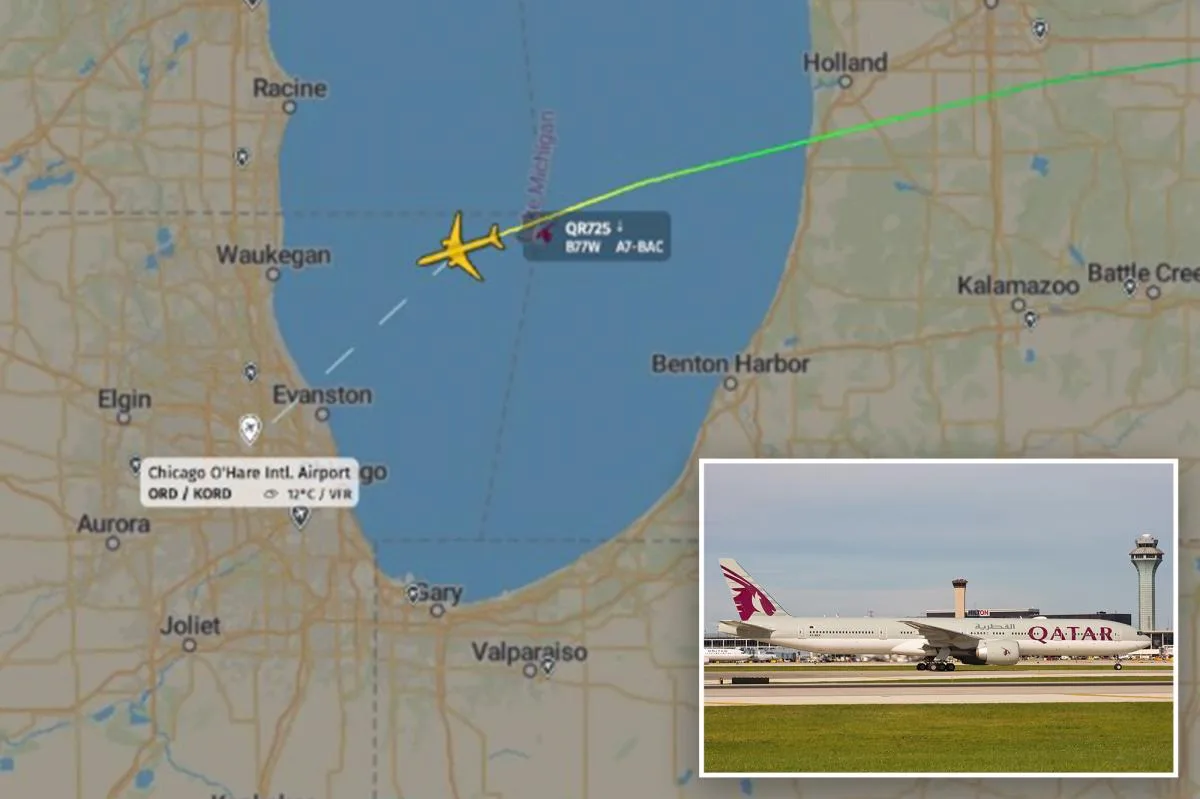
The tranquil veneer of international air travel was shattered this week when a routine Qatar Airways flight from Doha to Chicago O’Hare descended into chaos. Flight QR725, a Boeing 777 carrying hundreds of passengers across thousands of miles, became the stage for a physical altercation that necessitated the intervention of federal authorities upon landing. As the aircraft touched down on the tarmac in Illinois, the presence of waiting FBI agents and local law enforcement served as a stark reminder that the modern cabin, while a marvel of engineering and luxury, remains a fragile ecosystem susceptible to the volatility of human behavior.
While the airline has maintained a posture of professional restraint, confirming only that an "altercation" occurred and that two individuals were handed over to authorities, the incident has sent ripples through the aviation industry. In an era where long-haul travel is more accessible than ever, the sanctity of the cabin environment is increasingly being tested. This event is not merely a localized police matter; it is a symptom of a broader, more systemic challenge facing global carriers as they navigate the complexities of passenger management in confined, high-stress environments.
The Anatomy of an In-Flight Disturbance
The specifics of the QR725 incident, while still under investigation, offer a grim window into the mechanics of in-flight conflict. According to cockpit communications and reports from aviation monitoring outlets, the altercation originated in the rear of the aircraft, specifically involving passengers seated in row 32 and the row immediately preceding it. The physical nature of the assault, witnessed by multiple travelers, forced the flight crew to shift from their primary role of safety and service to that of crisis management, ultimately alerting air traffic control to ensure a swift law enforcement response upon arrival.
For the crew of a Boeing 777, such an event represents a worst-case scenario. Unlike a terrestrial environment where security personnel are seconds away, a flight crew is effectively isolated. The decision to involve the FBI suggests that the incident crossed the threshold from a minor dispute to a potential federal offense. As investigators piece together the timeline, the focus will likely remain on what triggers such outbursts—whether they be rooted in the physiological stressors of long-haul travel, alcohol consumption, or underlying interpersonal friction—and how airlines can better mitigate these risks before they escalate to physical violence.
A Historical Context of Cabin Volatility
The incident aboard QR725 is part of a troubling, multi-year trend that has seen a marked increase in unruly passenger behavior globally. Since the post-pandemic resurgence of air travel, airlines have reported a surge in incidents ranging from verbal abuse to physical assaults on crew and fellow travelers. Historically, the cabin was viewed as a space of mutual cooperation, governed by strict social norms and the authority of the captain. However, the erosion of these norms has left carriers scrambling to implement more robust de-escalation protocols.
Precedents for such behavior have often led to significant legal consequences, including heavy fines and placement on "no-fly" lists. Yet, the international nature of flights like those operated by Qatar Airways adds a layer of jurisdictional complexity. When a crime occurs over international waters, the legal framework is governed by a patchwork of treaties and the laws of the country where the aircraft is registered, as well as the laws of the country where it lands. This legal labyrinth often complicates the prosecution of offenders, leaving the industry to rely heavily on deterrence and the hope that passengers will respect the gravity of their environment.
The Global Ripple Effect on Airline Operations
For a premier carrier like Qatar Airways, which prides itself on the "World’s Best Airline" designation and a reputation for impeccable service, such incidents are particularly damaging. They force a recalibration of how luxury carriers balance the comfort of their passengers with the necessity of stringent security. The economic impact is not just limited to the legal costs or the potential for flight delays; it extends to the brand equity of the airline, which relies on the perception of safety and serenity to justify the premium cost of its long-haul tickets.
Furthermore, the incident highlights the limitations of current cabin security measures. While cockpit doors are fortified and flight attendants are trained in de-escalation, the passenger cabin remains a space where individuals are left largely to their own devices. As the industry looks toward the future, there is a growing conversation about the potential for increased surveillance, stricter alcohol service policies, and perhaps even the deployment of more sophisticated AI-driven behavioral monitoring tools to identify potential agitators before they act. The goal is to ensure that the cabin remains a sanctuary, not a flashpoint.
Institutional Responses and the Path Forward
As the FBI continues its inquiry into the QR725 incident, the aviation community is watching closely. The outcome of this investigation will likely serve as a bellwether for how federal agencies intend to handle the rising tide of mid-air violence. If the perpetrators face significant federal charges, it may serve as a necessary deterrent for future travelers who might otherwise view the cabin as a space where the rules of civil society are suspended. Conversely, a lenient outcome could embolden further disruptions.
Ultimately, the safety of air travel is a collective responsibility. While airlines must continue to invest in training and security, passengers must also recognize that the cabin is a shared space where the actions of one individual can impact the safety and well-being of hundreds. As we look ahead, the industry must prioritize a culture of accountability. Whether through enhanced international cooperation or more rigid enforcement of existing laws, the message must be clear: the sky is not a lawless frontier, and the sanctity of the flight deck and the cabin must be preserved at all costs.
Vẻ ngoài yên bình của các chuyến bay quốc tế đã bị phá vỡ trong tuần này khi chuyến bay thường lệ của Qatar Airways từ Doha đến sân bay O’Hare, Chicago rơi vào cảnh hỗn loạn. Chuyến bay QR725, một chiếc Boeing 777 chở hàng trăm hành khách vượt qua hàng nghìn dặm, đã trở thành sân khấu cho một vụ ẩu đả vật lý đòi hỏi sự can thiệp của các cơ quan liên bang ngay khi hạ cánh. Khi chiếc máy bay chạm đường băng tại Illinois, sự hiện diện của các đặc vụ FBI và cảnh sát địa phương đang chờ sẵn là lời nhắc nhở đanh thép rằng cabin hiện đại, dù là một kỳ quan của kỹ thuật và sự sang trọng, vẫn là một hệ sinh thái mong manh dễ bị tổn thương trước sự biến động của hành vi con người.
Trong khi hãng hàng không vẫn giữ thái độ kiềm chế chuyên nghiệp, chỉ xác nhận rằng một "vụ xô xát" đã xảy ra và hai cá nhân đã được bàn giao cho chính quyền, sự việc này đã gây ra những làn sóng chấn động trong ngành hàng không. Trong thời đại mà việc đi lại đường dài trở nên dễ dàng hơn bao giờ hết, sự tôn nghiêm của môi trường cabin ngày càng bị thử thách. Sự kiện này không chỉ đơn thuần là một vấn đề cảnh sát địa phương; đó là triệu chứng của một thách thức mang tính hệ thống rộng lớn hơn mà các hãng vận tải toàn cầu đang phải đối mặt khi họ điều hướng sự phức tạp của việc quản lý hành khách trong những môi trường khép kín, đầy áp lực.
Giải phẫu một vụ gây rối trên không
Các chi tiết cụ thể của vụ việc QR725, dù vẫn đang trong quá trình điều tra, đã cung cấp một cái nhìn nghiệt ngã về cơ chế của các cuộc xung đột trên chuyến bay. Theo thông tin liên lạc từ buồng lái và các báo cáo từ các đơn vị giám sát hàng không, vụ ẩu đả bắt nguồn từ phía sau máy bay, liên quan cụ thể đến các hành khách ngồi ở hàng ghế 32 và hàng ghế ngay phía trước. Bản chất vật lý của vụ tấn công, được chứng kiến bởi nhiều hành khách, đã buộc phi hành đoàn phải chuyển từ vai trò chính là đảm bảo an toàn và dịch vụ sang quản lý khủng hoảng, cuối cùng phải thông báo cho kiểm soát không lưu để đảm bảo phản ứng nhanh chóng của cơ quan thực thi pháp luật khi máy bay hạ cánh.
Đối với phi hành đoàn của một chiếc Boeing 777, sự kiện như vậy đại diện cho kịch bản tồi tệ nhất. Không giống như môi trường trên mặt đất nơi nhân viên an ninh chỉ cách vài giây, phi hành đoàn trên chuyến bay thực tế bị cô lập. Quyết định liên quan đến FBI cho thấy vụ việc đã vượt qua ngưỡng của một tranh chấp nhỏ để trở thành một tội danh liên bang tiềm tàng. Khi các nhà điều tra xâu chuỗi lại trình tự thời gian, trọng tâm có khả năng vẫn sẽ nằm ở những yếu tố kích hoạt các cơn bùng phát như vậy—cho dù đó là do các tác nhân gây căng thẳng sinh lý của việc đi lại đường dài, tiêu thụ rượu hay những xích mích cá nhân tiềm ẩn—và cách các hãng hàng không có thể giảm thiểu tốt hơn những rủi ro này trước khi chúng leo thang thành bạo lực vật lý.
Bối cảnh lịch sử về sự biến động trong cabin
Sự cố trên chuyến bay QR725 là một phần của xu hướng đáng lo ngại kéo dài nhiều năm, chứng kiến sự gia tăng rõ rệt các hành vi gây rối của hành khách trên toàn cầu. Kể từ khi du lịch hàng không phục hồi sau đại dịch, các hãng hàng không đã báo cáo sự gia tăng đột biến các vụ việc, từ lăng mạ bằng lời nói đến tấn công vật lý vào phi hành đoàn và các hành khách khác. Trong lịch sử, cabin được xem là không gian của sự hợp tác lẫn cơ, được điều chỉnh bởi các chuẩn mực xã hội nghiêm ngặt và quyền hạn của cơ trưởng. Tuy nhiên, sự xói mòn của các chuẩn mực này đã khiến các hãng hàng không phải chật vật triển khai các giao thức giảm leo thang mạnh mẽ hơn.
Các tiền lệ cho hành vi như vậy thường dẫn đến những hậu quả pháp lý đáng kể, bao gồm các khoản tiền phạt nặng và việc bị đưa vào danh sách "cấm bay". Tuy nhiên, tính chất quốc tế của các chuyến bay như của Qatar Airways lại thêm một lớp phức tạp về thẩm quyền. Khi một tội ác xảy ra trên vùng biển quốc tế, khung pháp lý được điều chỉnh bởi một mạng lưới các hiệp ước và luật pháp của quốc gia nơi máy bay đăng ký, cũng như luật pháp của quốc gia nơi máy bay hạ cánh. Mê cung pháp lý này thường làm phức tạp việc truy tố những kẻ vi phạm, khiến ngành hàng không phải dựa nhiều vào sự răn đe và hy vọng rằng hành khách sẽ tôn trọng sự nghiêm trọng của môi trường mà họ đang ở.
Tác động lan tỏa toàn cầu đối với hoạt động hàng không
Đối với một hãng hàng không hàng đầu như Qatar Airways, vốn tự hào với danh hiệu "Hãng hàng không tốt nhất thế giới" và danh tiếng về dịch vụ hoàn hảo, những sự cố như vậy gây tổn hại đặc biệt nghiêm trọng. Chúng buộc các hãng hàng không sang trọng phải hiệu chỉnh lại cách cân bằng giữa sự thoải mái của hành khách với sự cần thiết của an ninh nghiêm ngặt. Tác động kinh tế không chỉ giới hạn ở chi phí pháp lý hay khả năng chậm trễ chuyến bay; nó còn mở rộng đến giá trị thương hiệu của hãng hàng không, vốn dựa vào nhận thức về sự an toàn và thanh bình để biện minh cho chi phí cao của các vé máy bay đường dài.
Hơn nữa, sự cố này làm nổi bật những hạn chế của các biện pháp an ninh cabin hiện tại. Trong khi cửa buồng lái được gia cố và tiếp viên hàng không được đào tạo về kỹ năng giảm leo thang, cabin hành khách vẫn là không gian nơi các cá nhân phần lớn được để mặc cho hành động của chính họ. Khi ngành công nghiệp hướng tới tương lai, đang có một cuộc thảo luận ngày càng tăng về khả năng tăng cường giám sát, các chính sách phục vụ đồ uống có cồn nghiêm ngặt hơn và thậm chí là triển khai các công cụ giám sát hành vi dựa trên AI tinh vi hơn để xác định những kẻ gây rối tiềm năng trước khi họ hành động. Mục tiêu là đảm bảo rằng cabin vẫn là một nơi an toàn, không phải là một điểm nóng bùng phát xung đột.
Phản ứng của các tổ chức và con đường phía trước
Khi FBI tiếp tục cuộc điều tra về vụ việc QR725, cộng đồng hàng không đang theo dõi chặt chẽ. Kết quả của cuộc điều tra này có khả năng đóng vai trò là phong vũ biểu cho cách các cơ quan liên bang dự định xử lý làn sóng bạo lực trên không ngày càng tăng. Nếu những kẻ phạm tội phải đối mặt với các cáo buộc liên bang đáng kể, nó có thể đóng vai trò là sự răn đe cần thiết cho những hành khách tương lai, những người có thể coi cabin là không gian nơi các quy tắc của xã hội dân sự bị đình chỉ. Ngược lại, một kết quả khoan hồng có thể khuyến khích thêm các hành vi gây rối.
Cuối cùng, sự an toàn của du lịch hàng không là trách nhiệm chung. Trong khi các hãng hàng không phải tiếp tục đầu tư vào đào tạo và an ninh, hành khách cũng phải nhận thức rằng cabin là không gian chung nơi hành động của một cá nhân có thể ảnh hưởng đến sự an toàn và hạnh phúc của hàng trăm người. Khi nhìn về phía trước, ngành hàng không phải ưu tiên văn hóa trách nhiệm. Cho dù thông qua tăng cường hợp tác quốc tế hay thực thi nghiêm ngặt hơn các luật hiện hành, thông điệp phải rõ ràng: bầu trời không phải là một biên giới vô luật pháp, và sự tôn nghiêm của buồng lái cũng như cabin phải được bảo vệ bằng mọi giá.
Le vernis de tranquillité propre au transport aérien international s'est fissuré cette semaine lorsqu'un vol de routine de Qatar Airways, reliant Doha à Chicago O’Hare, a sombré dans le chaos. Le vol QR725, un Boeing 777 transportant des centaines de passagers sur des milliers de kilomètres, est devenu le théâtre d'une altercation physique ayant nécessité l'intervention des autorités fédérales dès l'atterrissage. Alors que l'appareil touchait le tarmac de l'Illinois, la présence du FBI et des forces de l'ordre locales est venue rappeler brutalement que la cabine moderne, bien qu'étant une prouesse d'ingénierie et de luxe, demeure un écosystème fragile, vulnérable à la volatilité du comportement humain.
Si la compagnie aérienne a conservé une posture de retenue professionnelle, se contentant de confirmer qu'une "altercation" avait eu lieu et que deux individus avaient été remis aux autorités, l'incident a provoqué une onde de choc dans l'industrie aéronautique. À une époque où les voyages long-courriers sont plus accessibles que jamais, le caractère sacré de l'environnement en cabine est de plus en plus mis à l'épreuve. Cet événement n'est pas seulement une affaire de police locale ; c'est le symptôme d'un défi systémique plus vaste auquel sont confrontés les transporteurs mondiaux, contraints de gérer la complexité des comportements humains dans des espaces confinés et hautement stressants.
Anatomie d'une perturbation en plein vol
Les détails de l'incident du vol QR725, bien qu'encore sous enquête, offrent un aperçu sombre de la mécanique des conflits en vol. Selon les communications du cockpit et les rapports des organismes de surveillance aérienne, l'altercation a pris naissance à l'arrière de l'appareil, impliquant des passagers assis aux rangées 32 et 33. La nature physique de l'agression, dont ont été témoins de nombreux voyageurs, a forcé l'équipage à délaisser ses missions premières de sécurité et de service pour se muer en gestionnaire de crise, alertant finalement le contrôle aérien pour garantir une réponse rapide des forces de l'ordre à l'arrivée.
Pour l'équipage d'un Boeing 777, un tel événement représente le pire des scénarios. Contrairement à un environnement terrestre où le personnel de sécurité est à portée de main, l'équipage en vol est, par essence, isolé. La décision de faire intervenir le FBI suggère que l'incident a franchi le seuil du simple différend pour devenir une infraction fédérale potentielle. Alors que les enquêteurs reconstituent le fil des événements, l'attention restera portée sur les déclencheurs de tels débordements — qu'ils soient liés aux facteurs physiologiques du voyage long-courrier, à la consommation d'alcool ou à des tensions interpersonnelles sous-jacentes — et sur la manière dont les compagnies aériennes peuvent mieux atténuer ces risques avant qu'ils ne dégénèrent en violence physique.
Contexte historique de la volatilité en cabine
L'incident à bord du QR725 s'inscrit dans une tendance préoccupante observée depuis plusieurs années, marquée par une augmentation notable des comportements indisciplinés à l'échelle mondiale. Depuis la reprise du trafic aérien post-pandémie, les compagnies signalent une recrudescence d'incidents allant de l'agression verbale aux violences physiques contre le personnel navigant et les autres passagers. Historiquement, la cabine était perçue comme un espace de coopération mutuelle, régi par des normes sociales strictes et l'autorité du commandant de bord. Cependant, l'érosion de ces codes laisse les transporteurs démunis, les poussant à mettre en place des protocoles de désescalade plus robustes.
Les précédents en la matière ont souvent conduit à des conséquences juridiques lourdes, incluant des amendes salées et l'inscription sur des listes d'interdiction de vol. Pourtant, la nature internationale des vols opérés par des compagnies comme Qatar Airways ajoute une couche de complexité juridictionnelle. Lorsqu'un délit survient au-dessus des eaux internationales, le cadre juridique est régi par un patchwork de traités, les lois du pays d'immatriculation de l'appareil et celles du pays d'atterrissage. Ce labyrinthe juridique complique souvent les poursuites, laissant l'industrie dépendre largement de la dissuasion et de l'espoir que les passagers respecteront la gravité de leur environnement.
L'effet d'entraînement mondial sur les opérations aériennes
Pour un transporteur de premier plan comme Qatar Airways, qui se targue du titre de "meilleure compagnie aérienne au monde" et d'une réputation de service impeccable, de tels incidents sont particulièrement dommageables. Ils imposent une recalibration de la manière dont les compagnies de luxe équilibrent le confort de leurs passagers avec la nécessité d'une sécurité rigoureuse. L'impact économique ne se limite pas aux frais juridiques ou aux retards potentiels ; il s'étend à l'image de marque de la compagnie, qui repose sur la perception de sécurité et de sérénité pour justifier le prix élevé de ses billets long-courriers.
En outre, l'incident souligne les limites des mesures de sécurité actuelles en cabine. Si les portes du cockpit sont fortifiées et que le personnel navigant est formé à la désescalade, la cabine des passagers demeure un espace où les individus sont largement livrés à eux-mêmes. Alors que l'industrie se tourne vers l'avenir, une réflexion s'engage sur le potentiel d'une surveillance accrue, de politiques de service d'alcool plus strictes, voire sur le déploiement d'outils de surveillance comportementale pilotés par l'IA pour identifier les agitateurs potentiels avant qu'ils ne passent à l'acte. L'objectif est de garantir que la cabine reste un sanctuaire, et non un point de rupture.
Réponses institutionnelles et perspectives d'avenir
Alors que le FBI poursuit son enquête sur l'incident du QR725, la communauté aéronautique observe la situation de près. L'issue de cette enquête servira probablement de baromètre sur la manière dont les agences fédérales entendent traiter la vague montante de violence en plein vol. Si les auteurs encourent des poursuites fédérales significatives, cela pourrait servir de mesure dissuasive nécessaire pour les futurs voyageurs qui pourraient autrement considérer la cabine comme un espace où les règles de la société civile sont suspendues. À l'inverse, une issue clémente pourrait encourager de nouvelles perturbations.
En fin de compte, la sécurité du transport aérien est une responsabilité collective. Si les compagnies aériennes doivent continuer à investir dans la formation et la sécurité, les passagers doivent également reconnaître que la cabine est un espace partagé où les actions d'un seul individu peuvent affecter la sécurité et le bien-être de centaines d'autres. À l'avenir, l'industrie doit privilégier une culture de responsabilité. Que ce soit par une coopération internationale renforcée ou par une application plus rigide des lois existantes, le message doit être clair : le ciel n'est pas une zone de non-droit, et le caractère sacré du poste de pilotage comme de la cabine doit être préservé à tout prix.
La tranquilidad característica de los viajes aéreos internacionales se vio truncada esta semana cuando un vuelo rutinario de Qatar Airways, que cubría la ruta de Doha a Chicago O'Hare, se sumió en el caos. El vuelo QR725, un Boeing 777 que transportaba a cientos de pasajeros a lo largo de miles de kilómetros, se convirtió en el escenario de un altercado físico que requirió la intervención de las autoridades federales tras el aterrizaje. A medida que la aeronave tomaba tierra en Illinois, la presencia de agentes del FBI y de las fuerzas del orden locales sirvió como un crudo recordatorio de que la cabina moderna, aunque es una maravilla de la ingeniería y el lujo, sigue siendo un ecosistema frágil y susceptible a la volatilidad del comportamiento humano.
Aunque la aerolínea ha mantenido una postura de discreción profesional, limitándose a confirmar que se produjo un "altercado" y que dos individuos fueron puestos a disposición de las autoridades, el incidente ha causado conmoción en la industria de la aviación. En una era en la que los viajes de larga distancia son más accesibles que nunca, la integridad del entorno de la cabina se ve puesta a prueba constantemente. Este suceso no es meramente un asunto policial local; es el síntoma de un desafío sistémico más amplio al que se enfrentan las compañías aéreas globales mientras gestionan la complejidad del comportamiento de los pasajeros en entornos confinados y de alto estrés.
La anatomía de una perturbación en pleno vuelo
Los detalles del incidente del QR725, aunque todavía bajo investigación, ofrecen una visión sombría de la mecánica de los conflictos a bordo. Según las comunicaciones de cabina y los informes de los organismos de control de la aviación, el altercado se originó en la parte trasera del avión, involucrando específicamente a pasajeros sentados en la fila 32 y en la fila inmediatamente anterior. La naturaleza física de la agresión, presenciada por múltiples viajeros, obligó a la tripulación a abandonar sus funciones principales de seguridad y servicio para centrarse en la gestión de crisis, alertando finalmente al control de tráfico aéreo para garantizar una rápida respuesta policial a la llegada.
Para la tripulación de un Boeing 777, un evento de este tipo representa el peor escenario posible. A diferencia de un entorno terrestre donde el personal de seguridad se encuentra a pocos segundos de distancia, la tripulación de vuelo está prácticamente aislada. La decisión de involucrar al FBI sugiere que el incidente superó el umbral de una disputa menor para convertirse en un posible delito federal. A medida que los investigadores reconstruyen la cronología, el enfoque probablemente seguirá centrándose en qué desencadena tales arrebatos —ya sea por los factores estresantes fisiológicos de los viajes de larga distancia, el consumo de alcohol o fricciones interpersonales subyacentes— y cómo las aerolíneas pueden mitigar mejor estos riesgos antes de que escalen hacia la violencia física.
Un contexto histórico de la volatilidad en cabina
El incidente a bordo del QR725 forma parte de una preocupante tendencia plurianual que ha experimentado un aumento notable en el comportamiento disruptivo de los pasajeros a nivel mundial. Desde el resurgimiento de los viajes aéreos tras la pandemia, las aerolíneas han reportado un incremento de incidentes que van desde el abuso verbal hasta agresiones físicas contra la tripulación y otros viajeros. Históricamente, la cabina era vista como un espacio de cooperación mutua, regido por estrictas normas sociales y la autoridad del capitán. Sin embargo, la erosión de estas normas ha dejado a las compañías aéreas esforzándose por implementar protocolos de desescalada más robustos.
Los precedentes de este tipo de comportamiento a menudo han derivado en consecuencias legales significativas, incluyendo multas cuantiosas y la inclusión en listas de exclusión aérea. No obstante, la naturaleza internacional de vuelos como los operados por Qatar Airways añade una capa de complejidad jurisdiccional. Cuando un delito ocurre sobre aguas internacionales, el marco legal se rige por un conjunto de tratados y las leyes del país donde está registrada la aeronave, así como las leyes del país donde aterriza. Este laberinto jurídico complica a menudo el procesamiento de los infractores, dejando a la industria dependiendo en gran medida de la disuasión y de la esperanza de que los pasajeros respeten la gravedad de su entorno.
El efecto dominó global en las operaciones aéreas
Para una aerolínea de primer nivel como Qatar Airways, que se enorgullece de su designación como la "Mejor Aerolínea del Mundo" y de su reputación de servicio impecable, tales incidentes son particularmente dañinos. Obligan a recalibrar cómo las aerolíneas de lujo equilibran la comodidad de sus pasajeros con la necesidad de una seguridad rigurosa. El impacto económico no se limita solo a los costes legales o a la posibilidad de retrasos en los vuelos; se extiende al valor de marca de la aerolínea, que depende de la percepción de seguridad y serenidad para justificar el coste premium de sus billetes de larga distancia.
Además, el incidente pone de relieve las limitaciones de las medidas de seguridad actuales en cabina. Si bien las puertas de la cabina de mando están fortificadas y los auxiliares de vuelo están formados en técnicas de desescalada, la cabina de pasajeros sigue siendo un espacio donde los individuos quedan, en gran medida, a su propia suerte. A medida que la industria mira hacia el futuro, existe un debate creciente sobre la posibilidad de aumentar la vigilancia, implementar políticas de servicio de alcohol más estrictas e incluso desplegar herramientas de monitoreo conductual más sofisticadas basadas en inteligencia artificial para identificar a posibles agitadores antes de que actúen. El objetivo es garantizar que la cabina siga siendo un santuario, no un punto de conflicto.
Respuestas institucionales y el camino a seguir
Mientras el FBI continúa su investigación sobre el incidente del QR725, la comunidad aeronáutica observa con atención. El resultado de esta investigación servirá probablemente como indicador de cómo las agencias federales pretenden manejar la creciente ola de violencia en pleno vuelo. Si los perpetradores se enfrentan a cargos federales significativos, podría servir como un elemento disuasorio necesario para futuros viajeros que, de otro modo, podrían ver la cabina como un espacio donde las reglas de la sociedad civil quedan suspendidas. Por el contrario, un resultado indulgente podría alentar nuevas interrupciones.
En última instancia, la seguridad del transporte aéreo es una responsabilidad colectiva. Si bien las aerolíneas deben seguir invirtiendo en formación y seguridad, los pasajeros también deben reconocer que la cabina es un espacio compartido donde las acciones de un individuo pueden afectar a la seguridad y el bienestar de cientos. De cara al futuro, la industria debe priorizar una cultura de responsabilidad. Ya sea mediante una mayor cooperación internacional o una aplicación más rígida de las leyes existentes, el mensaje debe ser claro: el cielo no es una frontera sin ley, y la santidad de la cabina de mando y de la cabina de pasajeros debe preservarse a toda costa.
本周,卡塔尔航空一架从多哈飞往芝加哥奥黑尔机场的常规航班在万米高空陷入混乱,打破了国际航空旅行往日的宁静。QR725航班是一架载有数百名乘客、跨越数千英里的波音777客机,机舱内发生的肢体冲突迫使联邦当局在飞机落地后立即介入。当飞机降落在伊利诺伊州的停机坪时,等候在旁的FBI探员和当地执法人员无声地提醒着人们:现代客舱虽是工程学与奢华服务的结晶,但其脆弱的生态系统依然极易受到人类行为波动的影响。
尽管航空公司保持了职业克制,仅确认发生了“冲突”并已将两名当事人移交当局,但该事件已在航空业激起涟漪。在长途旅行比以往任何时候都更加普及的时代,客舱环境的尊严正受到严峻考验。这不仅是一起局部的治安案件,更是全球航空公司在狭窄、高压环境下管理乘客时所面临的更深层、系统性挑战的缩影。
机上骚乱的剖析
QR725航班事件的具体细节虽仍在调查中,但已为我们揭开了机上冲突机制的冰山一角。根据驾驶舱通讯及航空监测机构的报告,冲突源于机舱后部,涉及第32排及其前排的乘客。多名旅客目击了这场肢体冲突,迫使机组人员从安全与服务职能转向危机处理,并最终通知空中交通管制部门,以确保飞机抵达后执法部门能迅速响应。
对于波音777的机组人员而言,此类事件堪称“最坏情况”。与地面上几秒钟内即可获得安保支援的环境不同,机组人员在空中处于相对孤立的状态。FBI的介入表明,该事件已从轻微纠纷升级为潜在的联邦犯罪。随着调查人员梳理时间线,焦点将集中在引发此类爆发的诱因上——无论是长途旅行的生理压力、酒精摄入,还是潜在的人际摩擦——以及航空公司如何在冲突升级为暴力前更好地降低风险。
客舱动荡的历史背景
QR725航班上的事件是全球范围内乘客违规行为多年来持续增长的缩影。自疫情后航空旅行复苏以来,航空公司报告的违规事件激增,从言语辱骂到针对机组人员及其他乘客的肢体攻击不一而足。从历史上看,客舱曾被视为一个基于严格社会规范和机长权威、强调相互协作的空间。然而,这些规范的逐渐瓦解,迫使航空公司不得不仓促制定更强有力的冲突降级协议。
此类行为的先例往往导致严重的法律后果,包括巨额罚款和被列入“禁飞名单”。然而,卡塔尔航空等国际航班的跨国属性增加了司法管辖的复杂性。当犯罪发生在国际水域上空时,法律框架由一系列条约、飞机注册国法律以及降落国法律共同构成。这种法律迷宫往往使违法者的起诉变得复杂,导致行业不得不高度依赖威慑手段,并寄希望于乘客能尊重客舱环境的严肃性。
对航空公司运营的全球连锁反应
对于卡塔尔航空这样以“全球最佳航空公司”称号和卓越服务声誉为傲的顶级航司而言,此类事件的破坏力尤为巨大。它们迫使豪华航司重新审视如何在乘客舒适度与严格安保需求之间取得平衡。经济影响不仅限于法律成本或航班延误,更延伸至航空公司的品牌资产——其品牌价值依赖于乘客对安全与宁静的感知,这也是长途机票高昂溢价的支撑点。
此外,该事件凸显了当前客舱安保措施的局限性。尽管驾驶舱门已加固,空乘人员也接受过冲突降级培训,但客舱仍是一个乘客相对缺乏监管的空间。展望未来,行业内正就增加监控、实施更严格的酒精服务政策,甚至部署更先进的AI驱动行为监测工具以在冲突爆发前识别潜在闹事者展开讨论。其目标是确保客舱始终是避风港,而非冲突的引爆点。
机构响应与未来之路
随着FBI继续对QR725事件进行调查,航空界正密切关注事态发展。此次调查的结果很可能成为联邦机构如何处理日益严重的机上暴力事件的风向标。如果肇事者面临严厉的联邦指控,这或许能对那些将客舱视为“文明社会规则失效地带”的旅客起到必要的威慑作用。反之,如果处理结果过于宽容,则可能助长更多骚乱。
归根结底,航空安全是一项集体责任。航空公司必须持续投入培训与安保,而乘客也必须意识到,客舱是一个共享空间,个人的行为可能影响数百人的安全与福祉。展望未来,行业必须优先建立问责文化。无论是通过加强国际合作,还是更严格地执行现有法律,信息必须明确:天空绝非法外之地,驾驶舱与客舱的尊严必须不惜一切代价予以捍卫。
Editorial Standards & Multi-Language Synthesis: This dispatch was synthesized and fact-checked by the ParisDaily Editorial Desk across 5 global editions (EN, FR, VI, ES, ZH), cross-referencing primary international wire reports and real-time search intelligence.