Bước ngoặt lượng tử: Tại sao năng lượng, chứ không phải dược phẩm, đang dẫn đầu cuộc cách mạng điện toán
As quantum software firms shift focus toward grid stability and material science, the energy sector is emerging as the first true proving ground for next-generation computing power.
Khi các công ty phần mềm lượng tử chuyển trọng tâm sang sự ổn định của lưới điện và khoa học vật liệu, ngành năng lượng đang nổi lên như "thao trường" thực thụ đầu tiên cho sức mạnh điện toán thế hệ mới. Đây là bước chuyển mình chiến lược từ những kỳ vọng xa vời sang các giải pháp hạ tầng cấp thiết cho quá trình chuyển đổi năng lượng toàn cầu.
Alors que les entreprises de logiciels quantiques réorientent leurs efforts vers la stabilité des réseaux et la science des matériaux, le secteur de l'énergie s'impose comme le premier véritable terrain d'essai pour l'informatique de nouvelle génération.
A medida que las empresas de software cuántico centran su atención en la estabilidad de las redes y la ciencia de materiales, el sector energético emerge como el primer banco de pruebas real para la potencia informática de próxima generación.
随着量子软件公司将重心转向电网稳定性和材料科学,能源领域正成为下一代计算能力的首个真正试验场。

- Phasecraft and ORCA Computing are leading the charge in applying quantum algorithms to real-world energy grid optimization and material science.
- Quantum software is currently demonstrating the ability to perform complex grid balancing tasks up to 1,000 times faster than conventional systems.
- Major industrial players including BP, Johnson Matthey, and Oxford PV are actively integrating quantum research to solve critical bottlenecks in hydrogen production and solar efficiency.
- Government bodies like the U.K.'s NQCC and the U.S. ARPA-E are providing institutional backing, signaling that quantum-energy integration is now a matter of national security and economic strategy.
- Phasecraft và ORCA Computing đang tiên phong trong việc ứng dụng các thuật toán lượng tử vào tối ưu hóa lưới điện thực tế và khoa học vật liệu.
- Phần mềm lượng tử hiện đã chứng minh khả năng thực hiện các tác vụ cân bằng lưới điện phức tạp với tốc độ nhanh gấp 1.000 lần so với các hệ thống truyền thống.
- Các tập đoàn công nghiệp lớn như BP, Johnson Matthey và Oxford PV đang tích cực tích hợp nghiên cứu lượng tử để giải quyết các nút thắt trong sản xuất hydro và hiệu suất năng lượng mặt trời.
- Các cơ quan chính phủ như NQCC của Vương quốc Anh và ARPA-E của Hoa Kỳ đang cung cấp sự bảo trợ thể chế, cho thấy sự tích hợp giữa lượng tử và năng lượng hiện đã trở thành vấn đề an ninh quốc gia và chiến lược kinh tế.
- Phasecraft et ORCA Computing sont en première ligne pour appliquer les algorithmes quantiques à l'optimisation des réseaux énergétiques et à la science des matériaux.
- Les logiciels quantiques démontrent actuellement une capacité à effectuer des tâches complexes d'équilibrage de réseau jusqu'à 1 000 fois plus rapidement que les systèmes conventionnels.
- Des acteurs industriels majeurs, dont BP, Johnson Matthey et Oxford PV, intègrent activement la recherche quantique pour lever les verrous technologiques de la production d'hydrogène et du rendement solaire.
- Des organismes gouvernementaux comme le NQCC au Royaume-Uni et l'ARPA-E aux États-Unis apportent un soutien institutionnel, signalant que l'intégration quantique-énergie est désormais une question de stratégie économique et de sécurité nationale.
- Phasecraft y ORCA Computing lideran la aplicación de algoritmos cuánticos a la optimización de redes eléctricas y la ciencia de materiales en el mundo real.
- El software cuántico está demostrando actualmente su capacidad para realizar tareas complejas de equilibrio de red hasta 1.000 veces más rápido que los sistemas convencionales.
- Grandes actores industriales como BP, Johnson Matthey y Oxford PV integran activamente la investigación cuántica para resolver cuellos de botella críticos en la producción de hidrógeno y la eficiencia solar.
- Organismos gubernamentales como el NQCC del Reino Unido y la ARPA-E de EE. UU. brindan respaldo institucional, señalando que la integración cuántico-energética es ahora una cuestión de seguridad nacional y estrategia económica.
- Phasecraft 和 ORCA Computing 等公司正引领将量子算法应用于现实世界的电网优化和材料科学。
- 量子软件目前展现出的能力,在执行复杂的电网平衡任务时,速度比传统系统快达 1,000 倍。
- 包括英国石油公司 (BP)、庄信万丰 (Johnson Matthey) 和 Oxford PV 在内的主要工业巨头,正积极整合量子研究,以解决氢能生产和太阳能效率方面的关键瓶颈。
- 英国国家量子计算中心 (NQCC) 和美国能源部高级研究计划局 (ARPA-E) 等政府机构正提供制度性支持,这标志着量子与能源的融合已上升为国家安全与经济战略议题。
For nearly a decade, the narrative surrounding quantum computing has been dominated by the promise of a "pharmaceutical miracle." The industry’s pitch was seductive: by simulating molecular interactions at an atomic level, quantum machines would unlock cures for incurable diseases and revolutionize drug discovery. Yet, as the hardware matures, a pragmatic pivot is underway. The industry is quietly shifting its focus from the long-term, high-risk horizon of biology to the immediate, high-stakes infrastructure of the global energy transition.
This strategic realignment is not merely a change in target audience; it is a fundamental recalibration of what quantum computing can achieve today. From optimizing the volatile load-balancing of national power grids to discovering the next generation of catalysts for hydrogen fuel cells, quantum software is moving out of the laboratory and into the control rooms of the world’s most critical energy systems. As the demand for renewable integration grows, the ability to solve complex optimization problems at unprecedented speeds is proving to be the "killer app" that the quantum industry has desperately sought.
The Architecture of a Smarter Grid
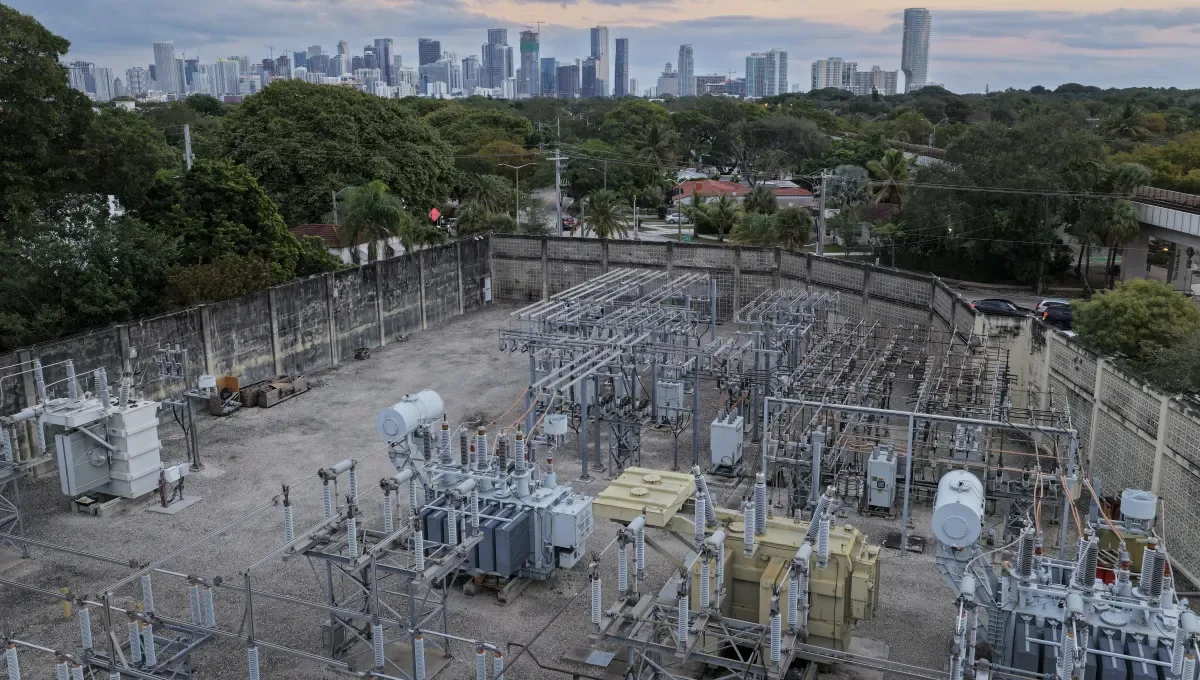
The core challenge of the modern energy grid is complexity. As nations transition away from centralized fossil fuel plants toward decentralized, intermittent sources like wind and solar, the task of balancing supply and demand has become a mathematical nightmare. Conventional supercomputers, while powerful, struggle to process the sheer volume of variables required to manage these networks in real-time. This is where quantum software, such as that developed by the Bristol-based firm Phasecraft, is finding its first major commercial foothold.
Phasecraft’s recent collaboration with the National Energy System Operator (NESO) in the U.K. serves as a blueprint for this new era. By deploying quantum algorithms to manage power exchanges and emergency network isolation, the company claims it can execute tasks up to 1,000 times faster than traditional computing methods. This speed is not just a technical benchmark; it is an economic imperative. In regions like Asia, where rapid electrification is outpacing grid infrastructure, the ability to maintain resilience through quantum-enhanced optimization could prevent catastrophic failures and save billions in operational costs.
The commercial logic is compelling. As Ashley Montanaro, CEO of Phasecraft, has noted, the returns in the energy sector are immediate and tangible. By squeezing greater efficiency out of existing infrastructure, quantum software provides a direct path to lower operating costs—a value proposition that is far easier to quantify than the speculative timelines of drug development.
Material Science and the Hydrogen Frontier
Beyond the grid, quantum computing is tackling the physical limitations of the energy transition. The quest for a sustainable hydrogen economy is currently hampered by the scarcity of precious metals like iridium, which are essential for the catalysts used in hydrogen production. Solving this requires a deep understanding of molecular behavior—a task perfectly suited for quantum systems that can model the quantum mechanical nature of matter itself.
Quantinuum, a major player formed by the merger of Cambridge Quantum and Honeywell Quantum Solutions, is currently modeling materials for hydrogen fuel cells, while simultaneously partnering on carbon capture technologies. Similarly, ORCA Computing, a spinout from the University of Oxford, has engaged with BP to decode the chemical properties of biofuels. By understanding exactly how these molecules burn, researchers can design more efficient fuels, effectively bridging the gap between current carbon-heavy energy and a cleaner future.
This work is being bolstered by high-level institutional support. The involvement of the U.S. government’s Advanced Research Projects Agency–Energy (ARPA-E) in a project involving Johnson Matthey and Harvard University highlights the strategic importance of these efforts. When governments and energy giants like BP begin to treat quantum software as a critical tool for material discovery, it signals that the technology has moved beyond the "hype cycle" and into the realm of industrial necessity.
The Geopolitical and Economic Ripple Effects
The shift toward energy-focused quantum computing carries significant geopolitical weight. As the global race for energy security intensifies, the nation that masters the quantum-grid interface will hold a distinct advantage. The involvement of the National Quantum Computing Centre (NQCC) in the U.K. suggests that governments are beginning to view quantum software not just as a business opportunity, but as a pillar of national infrastructure resilience.
The economic ripple effects are likely to be profound. If quantum software can successfully reduce reliance on rare earth metals for green energy production, it will fundamentally alter the supply chains that currently dictate the pace of the energy transition. Furthermore, the ability to optimize grids will allow utilities to integrate higher percentages of renewable energy without the need for massive, expensive infrastructure overhauls. This is a "software-first" solution to a "hardware-heavy" problem, offering a more capital-efficient path to net-zero targets.
As we look toward the next five years, the focus will likely remain on these high-impact, high-value applications. While the dream of quantum-assisted drug discovery remains a valid long-term goal, the energy sector has provided the industry with a clear, profitable, and necessary mandate. The companies that succeed in this space will not just be software vendors; they will be the architects of the next century’s energy infrastructure, proving that the most powerful computers on earth are best used to keep the lights on.
Trong gần một thập kỷ, câu chuyện xoay quanh điện toán lượng tử bị thống trị bởi lời hứa về một "phép màu dược phẩm". Lời chào hàng của ngành này rất hấp dẫn: bằng cách mô phỏng các tương tác phân tử ở cấp độ nguyên tử, máy tính lượng tử sẽ mở ra phương pháp chữa trị cho những căn bệnh nan y và cách mạng hóa việc phát hiện thuốc mới. Tuy nhiên, khi phần cứng dần hoàn thiện, một bước ngoặt thực dụng đang diễn ra. Ngành công nghiệp này đang âm thầm chuyển dịch trọng tâm từ chân trời sinh học đầy rủi ro và dài hạn sang hạ tầng cấp thiết, đặt cược cao của quá trình chuyển đổi năng lượng toàn cầu.
Sự tái định hướng chiến lược này không chỉ đơn thuần là thay đổi đối tượng khách hàng; đó là một sự hiệu chỉnh cơ bản về những gì điện toán lượng tử có thể đạt được ngay hôm nay. Từ việc tối ưu hóa sự cân bằng tải đầy biến động của lưới điện quốc gia đến việc khám phá thế hệ chất xúc tác mới cho pin nhiên liệu hydro, phần mềm lượng tử đang bước ra khỏi phòng thí nghiệm để tiến vào các phòng điều khiển của những hệ thống năng lượng quan trọng nhất thế giới. Khi nhu cầu tích hợp năng lượng tái tạo ngày càng tăng, khả năng giải quyết các bài toán tối ưu hóa phức tạp với tốc độ chưa từng có đang chứng tỏ là "ứng dụng sát thủ" (killer app) mà ngành công nghiệp lượng tử đã khao khát bấy lâu.
Kiến trúc của một lưới điện thông minh hơn
Thách thức cốt lõi của lưới điện hiện đại chính là sự phức tạp. Khi các quốc gia chuyển dịch từ các nhà máy nhiên liệu hóa thạch tập trung sang các nguồn năng lượng phân tán và không ổn định như điện gió và điện mặt trời, nhiệm vụ cân bằng cung - cầu đã trở thành một cơn ác mộng toán học. Các siêu máy tính truyền thống, dù mạnh mẽ, vẫn chật vật trong việc xử lý khối lượng biến số khổng lồ cần thiết để quản lý các mạng lưới này theo thời gian thực. Đây chính là nơi phần mềm lượng tử, như những gì được phát triển bởi công ty Phasecraft có trụ sở tại Bristol, đang tìm thấy chỗ đứng thương mại quan trọng đầu tiên.
Sự hợp tác gần đây của Phasecraft với Cơ quan Điều hành Hệ thống Năng lượng Quốc gia (NESO) tại Vương quốc Anh đóng vai trò như một bản thiết kế cho kỷ nguyên mới này. Bằng cách triển khai các thuật toán lượng tử để quản lý trao đổi điện năng và cô lập mạng lưới khẩn cấp, công ty tuyên bố có thể thực hiện các tác vụ nhanh gấp 1.000 lần so với các phương pháp điện toán truyền thống. Tốc độ này không chỉ là một cột mốc kỹ thuật; đó là một mệnh lệnh kinh tế. Tại các khu vực như châu Á, nơi tốc độ điện khí hóa đang vượt xa hạ tầng lưới điện, khả năng duy trì sự ổn định thông qua tối ưu hóa tăng cường lượng tử có thể ngăn chặn các sự cố thảm khốc và tiết kiệm hàng tỷ đô la chi phí vận hành.
Logic thương mại ở đây rất thuyết phục. Như Ashley Montanaro, CEO của Phasecraft, đã lưu ý, lợi nhuận trong ngành năng lượng là tức thời và hữu hình. Bằng cách khai thác hiệu suất cao hơn từ hạ tầng hiện có, phần mềm lượng tử cung cấp một con đường trực tiếp để giảm chi phí vận hành—một đề xuất giá trị dễ định lượng hơn nhiều so với các mốc thời gian mang tính suy đoán trong phát triển dược phẩm.
Khoa học vật liệu và biên giới hydro
Vượt ra ngoài lưới điện, điện toán lượng tử đang giải quyết các giới hạn vật lý của quá trình chuyển đổi năng lượng. Cuộc đua hướng tới nền kinh tế hydro bền vững hiện đang bị cản trở bởi sự khan hiếm của các kim loại quý như iridi, vốn là thành phần thiết yếu cho các chất xúc tác trong sản xuất hydro. Giải quyết vấn đề này đòi hỏi sự hiểu biết sâu sắc về hành vi phân tử—một nhiệm vụ hoàn toàn phù hợp với các hệ thống lượng tử có khả năng mô hình hóa bản chất cơ học lượng tử của chính vật chất.
Quantinuum, một "ông lớn" được hình thành từ sự sáp nhập giữa Cambridge Quantum và Honeywell Quantum Solutions, hiện đang mô hình hóa các vật liệu cho pin nhiên liệu hydro, đồng thời hợp tác trong các công nghệ thu giữ carbon. Tương tự, ORCA Computing, một công ty khởi nghiệp từ Đại học Oxford, đã hợp tác với BP để giải mã các đặc tính hóa học của nhiên liệu sinh học. Bằng cách hiểu chính xác cách các phân tử này cháy, các nhà nghiên cứu có thể thiết kế các loại nhiên liệu hiệu quả hơn, thực sự thu hẹp khoảng cách giữa năng lượng thâm dụng carbon hiện tại và một tương lai sạch hơn.
Công việc này đang được củng cố bởi sự hỗ trợ thể chế cấp cao. Sự tham gia của Cơ quan Dự án Nghiên cứu Tiên tiến–Năng lượng (ARPA-E) thuộc chính phủ Hoa Kỳ trong một dự án liên quan đến Johnson Matthey và Đại học Harvard đã làm nổi bật tầm quan trọng chiến lược của những nỗ lực này. Khi các chính phủ và những gã khổng lồ năng lượng như BP bắt đầu coi phần mềm lượng tử là công cụ quan trọng để khám phá vật liệu, điều đó báo hiệu rằng công nghệ này đã vượt qua "chu kỳ cường điệu" để bước vào lĩnh vực của sự cần thiết công nghiệp.
Những hiệu ứng lan tỏa về địa chính trị và kinh tế
Sự chuyển dịch sang điện toán lượng tử tập trung vào năng lượng mang lại sức nặng địa chính trị đáng kể. Khi cuộc đua toàn cầu về an ninh năng lượng ngày càng gay gắt, quốc gia nào làm chủ được giao diện lượng tử - lưới điện sẽ nắm giữ lợi thế khác biệt. Sự tham gia của Trung tâm Điện toán Lượng tử Quốc gia (NQCC) tại Vương quốc Anh cho thấy các chính phủ đang bắt đầu xem phần mềm lượng tử không chỉ là một cơ hội kinh doanh, mà là trụ cột của khả năng phục hồi hạ tầng quốc gia.
Các hiệu ứng lan tỏa về kinh tế có khả năng sẽ rất sâu rộng. Nếu phần mềm lượng tử có thể giảm bớt sự phụ thuộc vào các kim loại đất hiếm trong sản xuất năng lượng xanh, nó sẽ thay đổi căn bản các chuỗi cung ứng vốn đang quyết định tốc độ của quá trình chuyển đổi năng lượng. Hơn nữa, khả năng tối ưu hóa lưới điện sẽ cho phép các đơn vị tiện ích tích hợp tỷ lệ năng lượng tái tạo cao hơn mà không cần phải đại tu hạ tầng quy mô lớn và tốn kém. Đây là giải pháp "ưu tiên phần mềm" cho một vấn đề "nặng về phần cứng", mang lại con đường hiệu quả về vốn hơn để đạt được các mục tiêu phát thải ròng bằng không.
Khi nhìn về 5 năm tới, trọng tâm có thể sẽ vẫn nằm ở các ứng dụng có tác động cao và giá trị cao này. Mặc dù giấc mơ về phát hiện thuốc nhờ hỗ trợ lượng tử vẫn là một mục tiêu dài hạn hợp lệ, nhưng ngành năng lượng đã cung cấp cho ngành công nghiệp này một nhiệm vụ rõ ràng, sinh lời và cần thiết. Những công ty thành công trong không gian này sẽ không chỉ là nhà cung cấp phần mềm; họ sẽ là những kiến trúc sư của hạ tầng năng lượng thế kỷ tới, chứng minh rằng những chiếc máy tính mạnh nhất trên trái đất được sử dụng tốt nhất để duy trì ánh sáng cho nhân loại.
Pendant près d'une décennie, le récit entourant l'informatique quantique a été dominé par la promesse d'un "miracle pharmaceutique". Le discours de l'industrie était séduisant : en simulant les interactions moléculaires au niveau atomique, les machines quantiques permettraient de guérir des maladies incurables et de révolutionner la découverte de médicaments. Pourtant, à mesure que le matériel arrive à maturité, un pivot pragmatique s'opère. L'industrie délaisse discrètement l'horizon lointain et risqué de la biologie pour se concentrer sur l'infrastructure immédiate et cruciale de la transition énergétique mondiale.
Ce réalignement stratégique n'est pas qu'un simple changement de cible ; il s'agit d'une recalibration fondamentale de ce que l'informatique quantique peut accomplir aujourd'hui. De l'optimisation de l'équilibrage volatil des réseaux électriques nationaux à la découverte de la prochaine génération de catalyseurs pour les piles à hydrogène, les logiciels quantiques sortent des laboratoires pour rejoindre les salles de contrôle des systèmes énergétiques les plus critiques au monde. Alors que la demande pour l'intégration des énergies renouvelables croît, la capacité à résoudre des problèmes d'optimisation complexes à des vitesses inédites s'avère être l'"application phare" que l'industrie quantique recherchait désespérément.
L'architecture d'un réseau plus intelligent
Le défi majeur du réseau énergétique moderne est sa complexité. Alors que les nations s'éloignent des centrales à combustibles fossiles centralisées au profit de sources décentralisées et intermittentes comme l'éolien et le solaire, la tâche d'équilibrer l'offre et la demande est devenue un cauchemar mathématique. Les supercalculateurs conventionnels, bien que puissants, peinent à traiter le volume colossal de variables nécessaires à la gestion de ces réseaux en temps réel. C'est ici que les logiciels quantiques, tels que ceux développés par la société Phasecraft basée à Bristol, trouvent leur premier ancrage commercial majeur.
La récente collaboration de Phasecraft avec le National Energy System Operator (NESO) au Royaume-Uni sert de modèle pour cette nouvelle ère. En déployant des algorithmes quantiques pour gérer les échanges d'énergie et l'isolement d'urgence des réseaux, l'entreprise affirme pouvoir exécuter des tâches jusqu'à 1 000 fois plus rapidement que les méthodes informatiques traditionnelles. Cette vitesse n'est pas seulement une prouesse technique ; c'est un impératif économique. Dans des régions comme l'Asie, où l'électrification rapide dépasse les infrastructures de réseau, la capacité à maintenir la résilience grâce à une optimisation améliorée par le quantique pourrait prévenir des pannes catastrophiques et économiser des milliards en coûts opérationnels.
La logique commerciale est implacable. Comme l'a souligné Ashley Montanaro, PDG de Phasecraft, les retours sur investissement dans le secteur de l'énergie sont immédiats et tangibles. En extrayant une meilleure efficacité des infrastructures existantes, le logiciel quantique offre une voie directe vers la réduction des coûts d'exploitation — une proposition de valeur bien plus facile à quantifier que les calendriers spéculatifs du développement pharmaceutique.
La science des matériaux et la frontière de l'hydrogène
Au-delà du réseau, l'informatique quantique s'attaque aux limites physiques de la transition énergétique. La quête d'une économie de l'hydrogène durable est actuellement entravée par la rareté de métaux précieux comme l'iridium, essentiels aux catalyseurs utilisés dans la production d'hydrogène. Résoudre ce problème nécessite une compréhension profonde du comportement moléculaire — une tâche parfaitement adaptée aux systèmes quantiques capables de modéliser la nature mécanique quantique de la matière elle-même.
Quantinuum, acteur majeur né de la fusion entre Cambridge Quantum et Honeywell Quantum Solutions, modélise actuellement des matériaux pour les piles à hydrogène tout en s'associant sur des technologies de capture du carbone. De même, ORCA Computing, une spin-off de l'Université d'Oxford, s'est engagée avec BP pour décoder les propriétés chimiques des biocarburants. En comprenant exactement comment ces molécules brûlent, les chercheurs peuvent concevoir des carburants plus efficaces, comblant ainsi le fossé entre l'énergie actuelle, fortement carbonée, et un avenir plus propre.
Ce travail est soutenu par un appui institutionnel de haut niveau. L'implication de l'Advanced Research Projects Agency–Energy (ARPA-E) du gouvernement américain dans un projet impliquant Johnson Matthey et l'Université Harvard souligne l'importance stratégique de ces efforts. Lorsque les gouvernements et les géants de l'énergie comme BP commencent à traiter le logiciel quantique comme un outil critique pour la découverte de matériaux, cela signale que la technologie a dépassé le "cycle du battage médiatique" pour entrer dans le domaine de la nécessité industrielle.
Les répercussions géopolitiques et économiques
Le virage vers une informatique quantique axée sur l'énergie revêt un poids géopolitique significatif. Alors que la course mondiale à la sécurité énergétique s'intensifie, la nation qui maîtrisera l'interface quantique-réseau détiendra un avantage distinct. L'implication du National Quantum Computing Centre (NQCC) au Royaume-Uni suggère que les gouvernements commencent à considérer le logiciel quantique non seulement comme une opportunité commerciale, mais comme un pilier de la résilience des infrastructures nationales.
Les répercussions économiques seront probablement profondes. Si le logiciel quantique parvient à réduire la dépendance aux terres rares pour la production d'énergie verte, il modifiera fondamentalement les chaînes d'approvisionnement qui dictent actuellement le rythme de la transition énergétique. De plus, la capacité à optimiser les réseaux permettra aux services publics d'intégrer des pourcentages plus élevés d'énergies renouvelables sans avoir besoin de refontes massives et coûteuses des infrastructures. Il s'agit d'une solution "logicielle d'abord" à un problème "matériellement lourd", offrant une voie plus efficace en capital vers les objectifs de neutralité carbone.
À l'horizon des cinq prochaines années, l'accent restera probablement mis sur ces applications à fort impact et à haute valeur ajoutée. Bien que le rêve de la découverte de médicaments assistée par le quantique demeure un objectif à long terme valide, le secteur de l'énergie a fourni à l'industrie un mandat clair, rentable et nécessaire. Les entreprises qui réussiront dans cet espace ne seront pas seulement des éditeurs de logiciels ; elles seront les architectes de l'infrastructure énergétique du siècle prochain, prouvant que les ordinateurs les plus puissants de la planète sont mieux utilisés pour maintenir la lumière allumée.
Durante casi una década, la narrativa en torno a la computación cuántica ha estado dominada por la promesa de un "milagro farmacéutico". El discurso de la industria era seductor: al simular interacciones moleculares a nivel atómico, las máquinas cuánticas desbloquearían curas para enfermedades incurables y revolucionarían el descubrimiento de fármacos. Sin embargo, a medida que el hardware madura, se está produciendo un giro pragmático. La industria está desplazando discretamente su enfoque desde el horizonte de alto riesgo y largo plazo de la biología hacia la infraestructura inmediata y de gran relevancia de la transición energética mundial.
Este realineamiento estratégico no es solo un cambio de público objetivo; es una recalibración fundamental de lo que la computación cuántica puede lograr hoy. Desde la optimización del volátil equilibrio de carga de las redes eléctricas nacionales hasta el descubrimiento de la próxima generación de catalizadores para pilas de combustible de hidrógeno, el software cuántico está saliendo de los laboratorios para entrar en las salas de control de los sistemas energéticos más críticos del mundo. A medida que crece la demanda de integración de energías renovables, la capacidad de resolver problemas complejos de optimización a velocidades sin precedentes está demostrando ser la "aplicación estrella" que la industria cuántica buscaba desesperadamente.
La arquitectura de una red más inteligente
El desafío central de la red energética moderna es su complejidad. A medida que las naciones abandonan las centrales eléctricas centralizadas de combustibles fósiles en favor de fuentes descentralizadas e intermitentes como la eólica y la solar, la tarea de equilibrar la oferta y la demanda se ha convertido en una pesadilla matemática. Los superordenadores convencionales, aunque potentes, tienen dificultades para procesar el enorme volumen de variables necesarias para gestionar estas redes en tiempo real. Aquí es donde el software cuántico, como el desarrollado por la firma Phasecraft, con sede en Bristol, está encontrando su primer gran punto de apoyo comercial.
La reciente colaboración de Phasecraft con el National Energy System Operator (NESO) en el Reino Unido sirve como modelo para esta nueva era. Al desplegar algoritmos cuánticos para gestionar los intercambios de energía y el aislamiento de emergencia de la red, la empresa afirma que puede ejecutar tareas hasta 1.000 veces más rápido que los métodos informáticos tradicionales. Esta velocidad no es solo un punto de referencia técnico; es un imperativo económico. En regiones como Asia, donde la rápida electrificación supera a la infraestructura de red, la capacidad de mantener la resiliencia mediante la optimización cuántica podría evitar fallos catastróficos y ahorrar miles de millones en costes operativos.
La lógica comercial es convincente. Como ha señalado Ashley Montanaro, CEO de Phasecraft, los beneficios en el sector energético son inmediatos y tangibles. Al exprimir una mayor eficiencia de la infraestructura existente, el software cuántico proporciona un camino directo hacia la reducción de los costes operativos, una propuesta de valor mucho más fácil de cuantificar que los plazos especulativos del desarrollo de fármacos.
La ciencia de materiales y la frontera del hidrógeno
Más allá de la red, la computación cuántica está abordando las limitaciones físicas de la transición energética. La búsqueda de una economía sostenible del hidrógeno se ve actualmente obstaculizada por la escasez de metales preciosos como el iridio, esenciales para los catalizadores utilizados en la producción de hidrógeno. Resolver esto requiere una comprensión profunda del comportamiento molecular, una tarea perfectamente adaptada a los sistemas cuánticos que pueden modelar la naturaleza mecánico-cuántica de la materia misma.
Quantinuum, un actor importante formado por la fusión de Cambridge Quantum y Honeywell Quantum Solutions, está modelando actualmente materiales para pilas de combustible de hidrógeno, al tiempo que colabora en tecnologías de captura de carbono. Del mismo modo, ORCA Computing, una empresa derivada de la Universidad de Oxford, se ha asociado con BP para descodificar las propiedades químicas de los biocombustibles. Al comprender exactamente cómo se queman estas moléculas, los investigadores pueden diseñar combustibles más eficientes, tendiendo un puente eficaz entre la energía actual, intensiva en carbono, y un futuro más limpio.
Este trabajo cuenta con el respaldo de un alto nivel institucional. La participación de la Agencia de Proyectos de Investigación Avanzada-Energía (ARPA-E) del gobierno estadounidense en un proyecto que involucra a Johnson Matthey y la Universidad de Harvard subraya la importancia estratégica de estos esfuerzos. Cuando los gobiernos y los gigantes energéticos como BP comienzan a tratar el software cuántico como una herramienta crítica para el descubrimiento de materiales, es señal de que la tecnología ha superado el "ciclo de expectativas" para entrar en el terreno de la necesidad industrial.
Los efectos geopolíticos y económicos
El giro hacia la computación cuántica centrada en la energía conlleva un peso geopolítico significativo. A medida que se intensifica la carrera mundial por la seguridad energética, la nación que domine la interfaz cuántico-red tendrá una ventaja clara. La participación del National Quantum Computing Centre (NQCC) en el Reino Unido sugiere que los gobiernos están empezando a ver el software cuántico no solo como una oportunidad de negocio, sino como un pilar de la resiliencia de la infraestructura nacional.
Es probable que los efectos económicos sean profundos. Si el software cuántico logra reducir la dependencia de las tierras raras para la producción de energía verde, alterará fundamentalmente las cadenas de suministro que actualmente dictan el ritmo de la transición energética. Además, la capacidad de optimizar las redes permitirá a las empresas eléctricas integrar mayores porcentajes de energía renovable sin necesidad de realizar reformas masivas y costosas en la infraestructura. Se trata de una solución de "software primero" para un problema de "hardware pesado", que ofrece un camino más eficiente en términos de capital para alcanzar los objetivos de cero emisiones netas.
De cara a los próximos cinco años, es probable que el enfoque siga centrado en estas aplicaciones de alto impacto y gran valor. Aunque el sueño del descubrimiento de fármacos asistido por computación cuántica sigue siendo un objetivo válido a largo plazo, el sector energético ha proporcionado a la industria un mandato claro, rentable y necesario. Las empresas que tengan éxito en este espacio no serán solo proveedores de software; serán los arquitectos de la infraestructura energética del próximo siglo, demostrando que los ordenadores más potentes de la tierra se utilizan mejor para mantener las luces encendidas.
近十年来,围绕量子计算的叙事一直被“制药奇迹”的愿景所主导。该行业的宣传极具诱惑力:通过在原子层面模拟分子相互作用,量子机器将攻克不治之症并彻底改变药物研发。然而,随着硬件技术的成熟,一场务实的转向正在发生。该行业正悄然将重心从生物学领域长期、高风险的愿景,转移到全球能源转型这一迫在眉睫且影响深远的基建领域。
这种战略调整不仅仅是目标受众的改变,更是对量子计算当下所能实现价值的根本性重新校准。从优化国家电网波动的负载平衡,到发现下一代氢燃料电池催化剂,量子软件正走出实验室,进入全球最关键能源系统的控制室。随着可再生能源整合需求的增长,以空前速度解决复杂优化问题的能力,正成为量子行业苦苦追寻的“杀手级应用”。
更智能电网的架构
现代电网的核心挑战在于其复杂性。随着各国从集中的化石燃料电厂转向风能和太阳能等分散、间歇性的能源,平衡供需的任务已演变成一场数学噩梦。传统的超级计算机虽然强大,但在实时管理这些网络所需的庞大变量处理上显得力不从心。这正是总部位于布里斯托尔的 Phasecraft 等公司开发的量子软件找到其首个重要商业立足点的地方。
Phasecraft 最近与英国国家能源系统运营商 (NESO) 的合作,为这一新时代提供了蓝图。通过部署量子算法来管理电力交换和紧急网络隔离,该公司声称其执行任务的速度比传统计算方法快 1,000 倍。这种速度不仅是一个技术基准,更是一种经济上的必然。在亚洲等电气化进程迅速、电网基础设施建设滞后的地区,通过量子增强优化来维持韧性,可以防止灾难性的故障,并节省数十亿美元的运营成本。
其商业逻辑令人信服。正如 Phasecraft 首席执行官 Ashley Montanaro 所指出的,能源领域的投资回报是直接且切实的。通过挖掘现有基础设施的更高效率,量子软件提供了一条降低运营成本的直接路径——这种价值主张比药物研发中那些推测性的时间表更容易量化。
材料科学与氢能前沿
除了电网,量子计算还在攻克能源转型的物理局限。对可持续氢能经济的追求,目前受限于铱等贵金属的稀缺,而这些金属是氢能生产催化剂的关键材料。解决这一问题需要对分子行为有深刻的理解——这正是量子系统的强项,它们能够模拟物质本身的量子力学特性。
由剑桥量子计算 (Cambridge Quantum) 和霍尼韦尔量子解决方案 (Honeywell Quantum Solutions) 合并而成的行业巨头 Quantinuum,目前正在为氢燃料电池建模材料,同时也在碳捕获技术上开展合作。同样,牛津大学的衍生公司 ORCA Computing 也已与英国石油公司 (BP) 合作,以解码生物燃料的化学性质。通过精确了解这些分子的燃烧方式,研究人员可以设计出更高效的燃料,从而有效地弥合当前高碳能源与清洁未来之间的鸿沟。
这项工作正得到高层制度支持的有力支撑。美国政府能源部高级研究计划局 (ARPA-E) 参与了庄信万丰与哈佛大学的一个项目,凸显了这些努力的战略重要性。当政府和英国石油公司等能源巨头开始将量子软件视为材料发现的关键工具时,这标志着该技术已超越了“炒作周期”,进入了工业必需品的领域。
地缘政治与经济的连锁反应
向能源导向型量子计算的转变具有重大的地缘政治意义。随着全球能源安全竞赛的加剧,掌握量子-电网接口的国家将占据明显的优势。英国国家量子计算中心 (NQCC) 的介入表明,各国政府已开始将量子软件不仅视为商业机会,更视为国家基础设施韧性的支柱。
其经济连锁反应可能是深远的。如果量子软件能够成功减少绿色能源生产对稀土金属的依赖,它将从根本上改变目前决定能源转型步伐的供应链。此外,优化电网的能力将使公用事业公司能够在无需进行大规模、昂贵的基础设施改造的情况下,整合更高比例的可再生能源。这是一种针对“硬件沉重”问题的“软件优先”解决方案,为实现净零排放目标提供了一条更具资本效率的路径。
展望未来五年,重点很可能仍将集中在这些高影响、高价值的应用上。虽然量子辅助药物研发的梦想仍然是一个有效的长期目标,但能源领域已为该行业提供了一个清晰、盈利且必要的使命。在这个领域取得成功的公司将不仅仅是软件供应商,他们将成为下个世纪能源基础设施的架构师,证明地球上最强大的计算机最好的用途,就是确保万家灯火长明。
Editorial Standards & Multi-Language Synthesis: This dispatch was synthesized and fact-checked by the ParisDaily Editorial Desk across 5 global editions (EN, FR, VI, ES, ZH), cross-referencing primary international wire reports and real-time search intelligence.