La nueva ola del cine español: dentro del laboratorio de talento de alto nivel de RECLab 2026
As the 12th edition of REC Lab approaches in Tarragona, a new generation of filmmakers is poised to redefine the landscape of European arthouse cinema. From AI-driven narratives to poignant explorations of autonomy, these works are setting the industry standard.
Khi kỳ thứ 12 của RECLab chuẩn bị diễn ra tại Tarragona, một thế hệ nhà làm phim mới đang sẵn sàng định nghĩa lại diện mạo của dòng phim nghệ thuật châu Âu. Từ những câu chuyện được dẫn dắt bởi trí tuệ nhân tạo (AI) cho đến những cuộc khám phá đầy ám ảnh về quyền tự quyết, các tác phẩm này đang thiết lập nên những tiêu chuẩn mới cho ngành công nghiệp điện ảnh.
Alors que la 12e édition du REC Lab s'apprête à ouvrir ses portes à Tarragone, une nouvelle génération de cinéastes s'apprête à redéfinir les contours du cinéma d'auteur européen. Entre récits nourris par l'intelligence artificielle et explorations poignantes de l'autonomie, ces œuvres imposent déjà les nouveaux standards de l'industrie.
A medida que la 12.ª edición de REC Lab se acerca en Tarragona, una nueva generación de cineastas está preparada para redefinir el panorama del cine de autor europeo. Desde narrativas impulsadas por la inteligencia artificial hasta conmovedoras exploraciones sobre la autonomía, estas obras están marcando el estándar de la industria.
随着第 12 届 REC Lab 即将在塔拉戈纳拉开帷幕,新一代电影人正蓄势待发,准备重新定义欧洲艺术电影的格局。从人工智能驱动的叙事到对自主权的深刻探讨,这些作品正在树立行业新标杆。
- RECLab 2026 features seven high-potential projects, including works from the producers of acclaimed films like 'Alcarràs' and 'Romería'.
- The festival highlights a shift toward diverse storytelling, with women comprising the majority of directors and lead producers in the cohort.
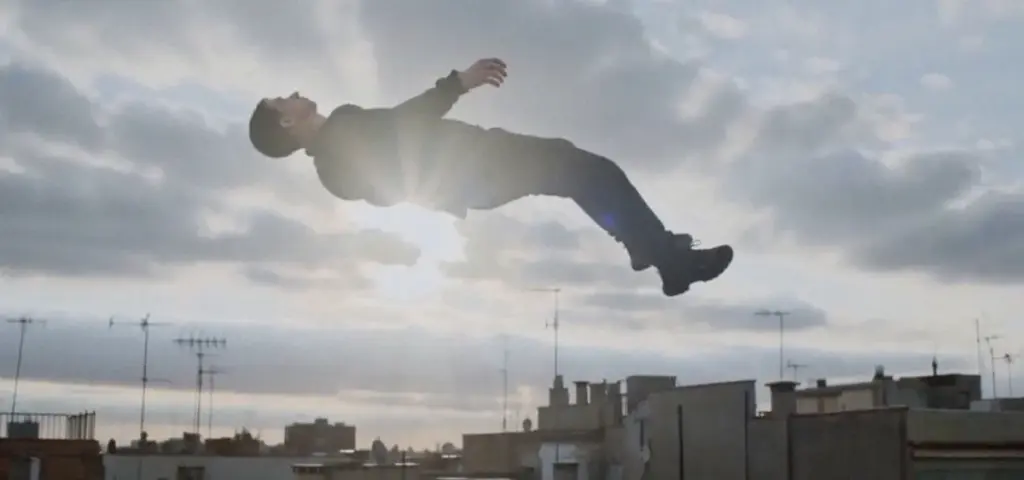
- Technological innovation is at the forefront, notably in Lluis Segura’s 'Electrónica,' which integrates AI as a core cinematic language.
- The lab serves as a critical 'work-in-progress' testing ground, with a proven track record of launching films to major festivals like Cannes, Berlin, and SXSW.
- RECLab 2026 giới thiệu bảy dự án đầy tiềm năng, bao gồm các tác phẩm từ đội ngũ sản xuất của những bộ phim đình đám như 'Alcarràs' và 'Romería'.
- Liên hoan phim làm nổi bật sự chuyển dịch sang lối kể chuyện đa dạng, với phụ nữ chiếm đa số trong vai trò đạo diễn và nhà sản xuất chính của các dự án.
- Đổi mới công nghệ đóng vai trò tiên phong, đặc biệt trong tác phẩm 'Electrónica' của Lluis Segura, nơi AI được tích hợp như một ngôn ngữ điện ảnh cốt lõi.
- Phòng thí nghiệm này đóng vai trò là bệ phóng quan trọng cho các tác phẩm 'đang hoàn thiện' (work-in-progress), với bề dày thành tích đưa phim đến các liên hoan lớn như Cannes, Berlin và SXSW.
- Le RECLab 2026 présente sept projets à fort potentiel, portés notamment par les producteurs de succès critiques tels que "Alcarràs" et "Romería".
- Le festival souligne une mutation vers une narration plus inclusive, les femmes constituant la majorité des réalisatrices et productrices principales de cette promotion.
- L'innovation technologique est au cœur des débats, notamment avec "Electrónica" de Lluis Segura, qui intègre l'IA comme un langage cinématographique à part entière.
- Le laboratoire s'impose comme un banc d'essai "work-in-progress" incontournable, avec un historique solide de films propulsés vers les plus grands festivals comme Cannes, Berlin et SXSW.
- RECLab 2026 presenta siete proyectos de alto potencial, incluyendo trabajos de los productores de películas aclamadas como 'Alcarràs' y 'Romería'.
- El festival destaca un cambio hacia una narrativa diversa, con mujeres que conforman la mayoría de las direcciones y producciones principales en esta cohorte.
- La innovación tecnológica está a la vanguardia, notablemente en 'Electrónica' de Lluis Segura, que integra la IA como un lenguaje cinematográfico central.
- El laboratorio sirve como un campo de pruebas crítico de "work-in-progress", con un historial probado de lanzamiento de películas a festivales importantes como Cannes, Berlín y SXSW.
- RECLab 2026 汇集了七个极具潜力的项目,其中包括曾制作《阿尔卡拉斯》和《朝圣》等广受好评影片的制作团队作品。
- 电影节凸显了叙事多元化的趋势,女性在入选项目的导演和首席制片人中占据多数。
- 技术创新处于前沿地位,特别是在 Lluis Segura 的《电子》(Electrónica)中,人工智能被整合为核心电影语言。
- 该实验室是关键的“制作中”(work-in-progress)测试平台,拥有将影片推向戛纳、柏林和西南偏南(SXSW)等大型电影节的成功记录。
In the quiet, historic coastal city of Tarragona, a quiet revolution in European cinema is taking shape. As the 12th edition of the RECLab—the industry centerpiece of the REC Tarragona Film Festival—prepares to open its doors this December, the global film community is turning its gaze toward a slate of projects that promise to challenge the boundaries of contemporary storytelling. This year’s selection is not merely a collection of films; it is a barometer for the future of Spanish and international arthouse production, featuring works from the same creative powerhouses that brought us the critical darlings Alcarràs and Romería.
The stakes for these filmmakers are exceptionally high. RECLab has cemented its reputation as a vital incubator, having previously nurtured breakout hits like the Cannes-winning Creatura and the Berlin-celebrated 20,000 Species of Bees. By providing a platform for works-in-progress, the lab offers directors the rare opportunity to refine their vision before the final cut. As the industry grapples with the dual pressures of technological disruption and the need for authentic, human-centric narratives, the projects unveiled in Tarragona suggest that the next wave of cinema will be defined by a bold synthesis of personal history and experimental form.
A New Frontier for AI and Human Agency
Perhaps the most provocative entry in this year’s lineup is Electrónica, directed by Lluis Segura. Emerging from the prestigious ESCAC film school—the same institution that produced J.A. Bayona—the film represents a daring leap into the intersection of technology and emotion. Unlike traditional films that use AI merely as a plot device, Electrónica treats artificial intelligence as an aesthetic partner, blending live-action footage with AI-generated environments. It is a high-wire act of filmmaking that seeks to explore the illusion of control in an increasingly digitized world.
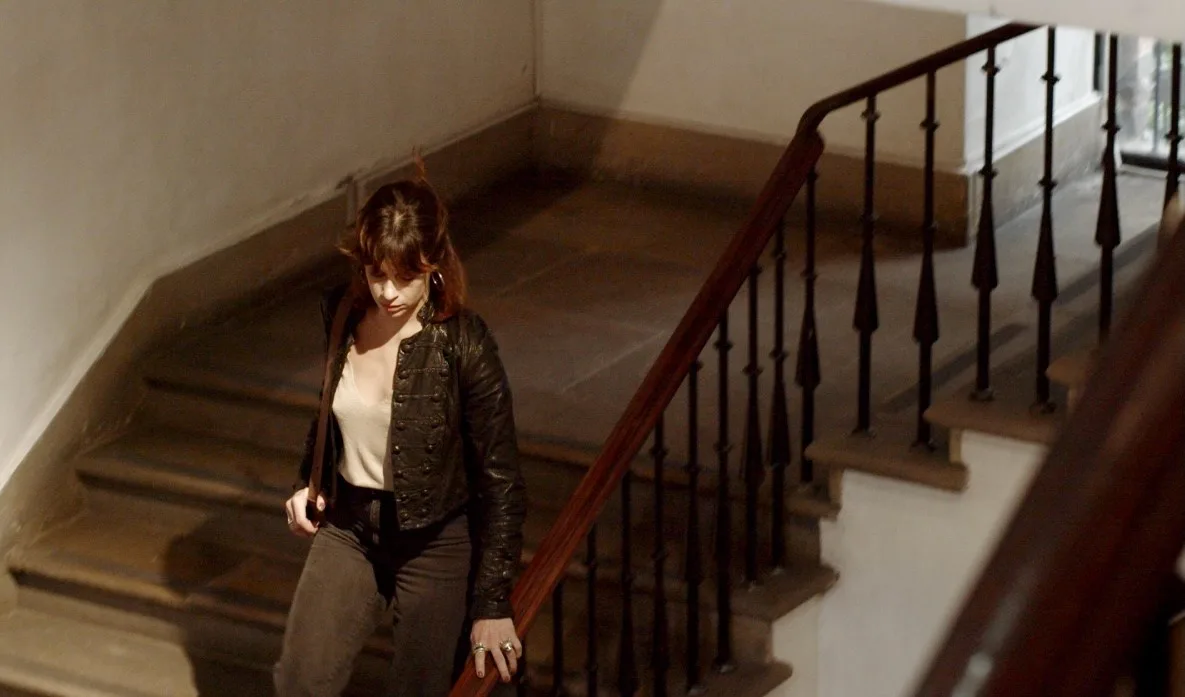
While Electrónica pushes the technical envelope, other projects at RECLab are grounding themselves in the visceral reality of the human experience. Mother of Sugar (Mare de sucre), produced by a coalition of industry veterans including Tono Folguera and Ariadna Dot, stands as a landmark project for Spanish cinema. Led by actress Andrea Álvarez, who lives with an intellectual disability, the film tackles the profound, often overlooked question of bodily autonomy and the right to motherhood. By centering the narrative on a protagonist who refuses to ask for permission to live her own life, the film promises to be one of the most significant social commentaries of the coming year.
The Global Resonance of Local Identity
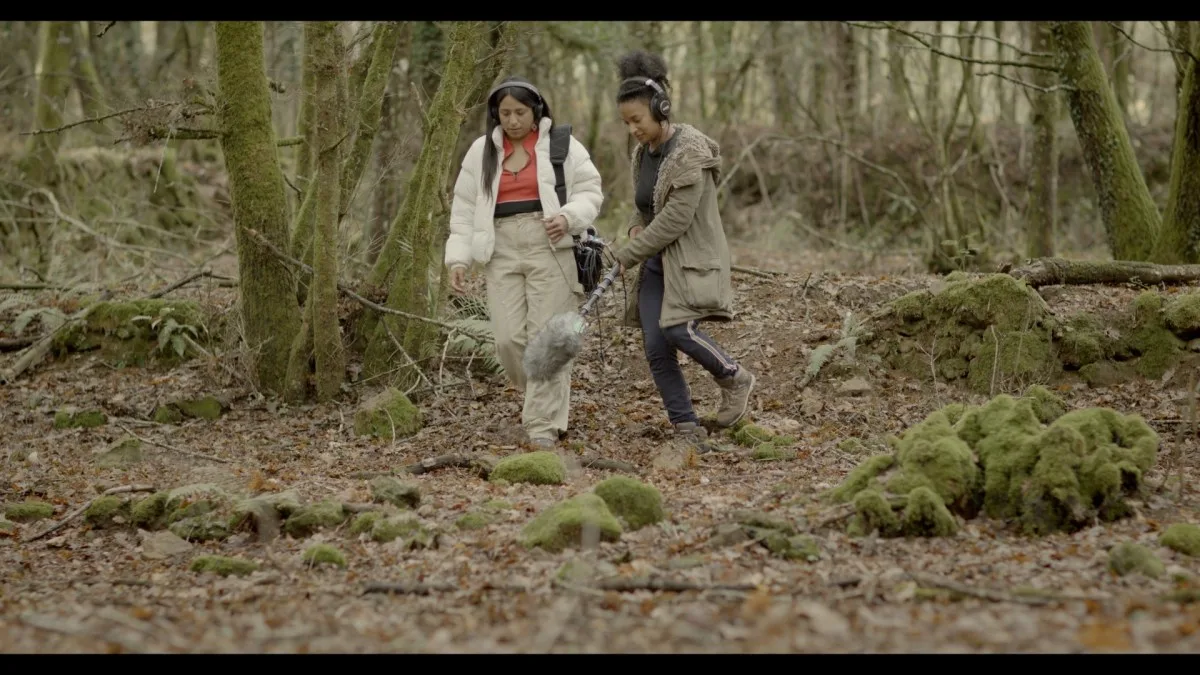
A recurring theme across the RECLab 2026 slate is the search for identity through the lens of migration and family history. In a world defined by movement and displacement, filmmakers are increasingly turning to their own archives to reconstruct the past. La Unión, produced by Àngels Masclans, serves as a poignant example of this trend. Developed across prestigious programs like TorinoFilmLab, the film follows twin sisters returning to their birthplace in Colombia, a journey that mirrors the director’s own attempt to bridge the silence between generations.
Similarly, Mauricio S. Burckhardt’s Another Wreck weaves the director’s personal family archives from World War II into a modern, Nouvelle Vague-inflected romance set in Bogotá. These films do not merely recount history; they interrogate how the past shapes the present. By focusing on the "chosen family" and the search for belonging in a world in flux, these directors are tapping into a universal desire for connection. Whether it is the quiet intimacy of Marta Font’s Off Season or the feverish, dreamlike grief of Pablo Santa Cecilia’s Mirage, the common thread is a commitment to exploring the spaces where reality and fiction blur.
The Institutional Power of the Catalan Arthouse
The success of the RECLab is inextricably linked to the robust ecosystem of Catalan cinema. Over the past decade, producers like Tono Folguera, Ariadna Dot, and Mireia Graells Vivancos have cultivated a filmmaking culture that prioritizes artistic integrity over commercial trends. This is a scene that values the "sense of place"—a grounding in specific, local realities that paradoxically allows these films to resonate on a global stage. The fact that women directors and producers are leading the charge at this year’s Primer Test is not a coincidence; it is a reflection of a structural shift in the industry that has been years in the making.
As these projects move from the lab to the global festival circuit, the industry will be watching closely to see which titles capture the zeitgeist. The history of RECLab shows that the feedback received during these four days in Tarragona can fundamentally alter the trajectory of a film. For instance, the final act of 20,000 Species of Bees was famously recalibrated following its screening at the lab. This iterative process is what makes RECLab an essential stop for international buyers, sales agents, and programmers who are looking for the next great auteur-driven masterpiece.
Looking Toward the 2026 Festival Circuit
As the industry looks ahead to 2026, the projects showcased at RECLab are already positioning themselves for success. The diversity of the slate—ranging from the high-concept visual experimentation of Electrónica to the deeply personal, documentary-inflected narratives of Juliette & Camille—demonstrates a healthy, vibrant industry that is unafraid to take risks. The emphasis on co-production, particularly with Latin American partners, further underscores the international ambition of these Catalan-led projects.
What remains to be seen is how these films will be received by broader audiences. In an era where streaming platforms often dictate the pace of content consumption, the persistence of the arthouse model—focused on theatrical experience, festival prestige, and slow-burn development—is a testament to the enduring power of cinema. As the curtains rise in Tarragona this December, the world will get its first look at the stories that will define the next chapter of European film. For the producers and directors involved, the work is far from over, but the foundation laid at RECLab ensures that when these films finally reach the screen, they will be ready to make an indelible mark.
Tại thành phố ven biển cổ kính và tĩnh lặng Tarragona, một cuộc cách mạng thầm lặng trong điện ảnh châu Âu đang dần hình thành. Khi kỳ thứ 12 của RECLab—trái tim công nghiệp của Liên hoan phim REC Tarragona—chuẩn bị mở màn vào tháng 12 này, cộng đồng điện ảnh toàn cầu đang đổ dồn sự chú ý vào loạt dự án hứa hẹn sẽ thách thức mọi giới hạn của nghệ thuật kể chuyện đương đại. Tuyển tập năm nay không chỉ là một danh sách phim đơn thuần; đó là thước đo cho tương lai của dòng phim nghệ thuật Tây Ban Nha và quốc tế, quy tụ những tác phẩm từ chính các "cỗ máy" sáng tạo đã mang đến những kiệt tác được giới phê bình tán dương như Alcarràs và Romería.
Áp lực đối với các nhà làm phim này là vô cùng lớn. RECLab đã củng cố danh tiếng như một vườn ươm thiết yếu, nơi từng nuôi dưỡng những hiện tượng đột phá như Creatura (thắng giải tại Cannes) và 20,000 Species of Bees (được vinh danh tại Berlin). Bằng cách cung cấp nền tảng cho các tác phẩm đang trong quá trình hoàn thiện, phòng thí nghiệm này mang đến cho các đạo diễn cơ hội hiếm có để tinh chỉnh tầm nhìn trước khi bước vào khâu dựng cuối cùng. Trong bối cảnh ngành công nghiệp đang phải đối mặt với áp lực kép từ sự gián đoạn công nghệ và nhu cầu về những câu chuyện chân thực, lấy con người làm trung tâm, các dự án được công bố tại Tarragona cho thấy làn sóng điện ảnh tiếp theo sẽ được định hình bởi sự kết hợp táo bạo giữa lịch sử cá nhân và hình thức thể nghiệm.
Một biên giới mới cho AI và quyền tự quyết của con người
Có lẽ tác phẩm gây tranh cãi và kích thích tư duy nhất trong danh sách năm nay là Electrónica, dưới sự chỉ đạo của Lluis Segura. Xuất thân từ trường điện ảnh danh giá ESCAC—cùng cái nôi đã đào tạo nên J.A. Bayona—bộ phim đại diện cho một bước nhảy vọt táo bạo vào giao điểm giữa công nghệ và cảm xúc. Không giống như những bộ phim truyền thống chỉ sử dụng AI như một thủ pháp cốt truyện, Electrónica coi trí tuệ nhân tạo là một đối tác thẩm mỹ, hòa quyện giữa cảnh quay thực tế và môi trường do AI tạo ra. Đây là một màn trình diễn điện ảnh đầy mạo hiểm, tìm cách khám phá ảo tưởng về quyền kiểm soát trong một thế giới ngày càng kỹ thuật số hóa.
Trong khi Electrónica đẩy mạnh giới hạn kỹ thuật, các dự án khác tại RECLab lại bám rễ vào thực tế sống động của trải nghiệm con người. Mother of Sugar (Mare de sucre), được sản xuất bởi liên minh các cựu binh trong ngành như Tono Folguera và Ariadna Dot, là một dự án mang tính cột mốc của điện ảnh Tây Ban Nha. Với sự dẫn dắt của nữ diễn viên Andrea Álvarez, người đang sống chung với khuyết tật trí tuệ, bộ phim giải quyết câu hỏi sâu sắc và thường bị bỏ quên về quyền tự chủ cơ thể và quyền làm mẹ. Bằng cách tập trung vào một nhân vật chính từ chối xin phép để được sống cuộc đời của riêng mình, bộ phim hứa hẹn sẽ là một trong những bình luận xã hội quan trọng nhất trong năm tới.
Sự cộng hưởng toàn cầu của bản sắc địa phương
Một chủ đề xuyên suốt trong danh sách RECLab 2026 là hành trình tìm kiếm bản sắc thông qua lăng kính di cư và lịch sử gia đình. Trong một thế giới được định nghĩa bởi sự dịch chuyển và ly tán, các nhà làm phim ngày càng tìm về các kho lưu trữ cá nhân để tái thiết quá khứ. La Unión, do Àngels Masclans sản xuất, là một ví dụ điển hình cho xu hướng này. Được phát triển qua các chương trình danh giá như TorinoFilmLab, bộ phim theo chân hai chị em song sinh trở về quê hương Colombia, một hành trình phản chiếu nỗ lực của chính đạo diễn nhằm hàn gắn sự im lặng giữa các thế hệ.
Tương tự, Another Wreck của Mauricio S. Burckhardt đan xen những tư liệu gia đình cá nhân từ Thế chiến II vào một câu chuyện tình yêu hiện đại mang âm hưởng Nouvelle Vague lấy bối cảnh tại Bogotá. Những bộ phim này không chỉ kể lại lịch sử; chúng chất vấn cách quá khứ định hình hiện tại. Bằng cách tập trung vào "gia đình tự chọn" và khát vọng thuộc về trong một thế giới đầy biến động, các đạo diễn này đang chạm vào khao khát kết nối mang tính phổ quát. Dù là sự thân mật tĩnh lặng trong Off Season của Marta Font hay nỗi đau buồn mơ màng, cuồng nhiệt của Mirage (Pablo Santa Cecilia), sợi dây liên kết chung chính là cam kết khám phá những không gian nơi thực tế và hư cấu hòa làm một.
Sức mạnh thể chế của dòng phim nghệ thuật Catalan
Sự thành công của RECLab gắn liền không thể tách rời với hệ sinh thái mạnh mẽ của điện ảnh Catalan. Trong thập kỷ qua, những nhà sản xuất như Tono Folguera, Ariadna Dot và Mireia Graells Vivancos đã vun đắp một văn hóa làm phim ưu tiên sự chính trực nghệ thuật hơn các xu hướng thương mại. Đây là một nền điện ảnh coi trọng "cảm thức về nơi chốn" (sense of place)—sự bám rễ vào những thực tế địa phương cụ thể, điều nghịch lý thay lại cho phép các bộ phim này gây tiếng vang trên sân khấu toàn cầu. Việc các nữ đạo diễn và nhà sản xuất đang dẫn đầu tại Primer Test năm nay không phải là sự trùng hợp; đó là sự phản ánh của một bước chuyển dịch cấu trúc trong ngành đã được ấp ủ từ nhiều năm.
Khi các dự án này chuyển mình từ phòng thí nghiệm ra mạch liên hoan phim toàn cầu, ngành công nghiệp sẽ theo dõi sát sao để xem những cái tên nào sẽ nắm bắt được tinh thần thời đại. Lịch sử của RECLab cho thấy những phản hồi nhận được trong bốn ngày tại Tarragona có thể thay đổi hoàn toàn quỹ đạo của một bộ phim. Ví dụ, hồi kết của 20,000 Species of Bees đã được điều chỉnh đáng kể sau buổi chiếu tại phòng thí nghiệm này. Quy trình lặp đi lặp lại này chính là điều khiến RECLab trở thành điểm dừng chân thiết yếu cho các nhà mua phim quốc tế, đại lý bán hàng và các nhà lập trình đang tìm kiếm kiệt tác tiếp theo của các tác giả lớn.
Hướng tới lộ trình liên hoan phim 2026
Khi ngành công nghiệp hướng tới năm 2026, các dự án được giới thiệu tại RECLab đã bắt đầu định vị mình để gặt hái thành công. Sự đa dạng của danh sách—từ những thử nghiệm thị giác ý niệm cao của Electrónica đến những câu chuyện mang đậm tính cá nhân và tài liệu của Juliette & Camille—cho thấy một ngành công nghiệp khỏe mạnh, sôi động và không ngại mạo hiểm. Sự chú trọng vào đồng sản xuất, đặc biệt với các đối tác Mỹ Latinh, càng làm nổi bật tham vọng quốc tế của các dự án do Catalan dẫn dắt.
Điều còn lại cần chờ đợi là cách những bộ phim này được đón nhận bởi khán giả đại chúng. Trong kỷ nguyên mà các nền tảng phát trực tuyến thường quyết định tốc độ tiêu thụ nội dung, sự kiên trì của mô hình phim nghệ thuật—tập trung vào trải nghiệm tại rạp, uy tín liên hoan phim và sự phát triển chậm rãi—là minh chứng cho sức mạnh bền bỉ của điện ảnh. Khi bức màn vén lên tại Tarragona vào tháng 12 này, thế giới sẽ có cái nhìn đầu tiên về những câu chuyện sẽ định nghĩa chương tiếp theo của điện ảnh châu Âu. Đối với các nhà sản xuất và đạo diễn tham gia, công việc vẫn còn ở phía trước, nhưng nền tảng được xây dựng tại RECLab đảm bảo rằng khi những bộ phim này cuối cùng chạm đến màn ảnh, chúng sẽ sẵn sàng để lại một dấu ấn không thể phai mờ.
Dans la quiétude de la cité côtière historique de Tarragone, une révolution silencieuse du cinéma européen est en marche. Alors que la 12e édition du RECLab — pilier industriel du Festival de Cinéma REC Tarragone — s'apprête à ouvrir ses portes en décembre, la communauté cinématographique mondiale tourne son regard vers une sélection de projets qui promettent de bousculer les frontières de la narration contemporaine. Cette sélection annuelle n'est pas qu'une simple compilation de films ; c'est un véritable baromètre de l'avenir de la production d'auteur espagnole et internationale, réunissant des œuvres issues des mêmes viviers créatifs qui nous ont offert les pépites Alcarràs et Romería.
Les enjeux pour ces cinéastes sont immenses. Le RECLab a su forger sa réputation en tant qu'incubateur vital, ayant précédemment accompagné des succès retentissants comme Creatura, primé à Cannes, ou 20 000 espèces d'abeilles, célébré à Berlin. En offrant une plateforme aux œuvres en cours de création, le laboratoire permet aux réalisateurs d'affiner leur vision avant le montage final. Alors que l'industrie est confrontée à la double pression de la disruption technologique et du besoin de récits authentiques centrés sur l'humain, les projets dévoilés à Tarragone suggèrent que la prochaine vague cinématographique sera définie par une audacieuse synthèse entre histoire personnelle et forme expérimentale.
Une nouvelle frontière pour l'IA et l'agence humaine
L'entrée la plus provocatrice de cette édition est sans doute Electrónica, réalisé par Lluis Segura. Issu de la prestigieuse école de cinéma ESCAC — la même institution qui a révélé J.A. Bayona — le film représente un saut audacieux à l'intersection de la technologie et de l'émotion. Contrairement aux films traditionnels qui utilisent l'IA comme un simple ressort scénaristique, Electrónica traite l'intelligence artificielle comme un partenaire esthétique, mêlant prises de vues réelles et environnements générés par IA. C'est un exercice d'équilibriste cinématographique qui cherche à explorer l'illusion du contrôle dans un monde de plus en plus numérisé.
Si Electrónica repousse les limites techniques, d'autres projets du RECLab s'ancrent dans la réalité viscérale de l'expérience humaine. Mother of Sugar (Mare de sucre), produit par un collectif de vétérans de l'industrie dont Tono Folguera et Ariadna Dot, s'impose comme un projet phare du cinéma espagnol. Porté par l'actrice Andrea Álvarez, elle-même en situation de handicap intellectuel, le film aborde la question profonde, et souvent occultée, de l'autonomie corporelle et du droit à la maternité. En centrant le récit sur une protagoniste qui refuse de demander la permission de vivre sa propre vie, le film promet d'être l'un des commentaires sociaux les plus marquants de l'année à venir.
La résonance mondiale de l'identité locale
Un thème récurrent dans la sélection du RECLab 2026 est la quête d'identité à travers le prisme de la migration et de l'histoire familiale. Dans un monde défini par le mouvement et le déracinement, les cinéastes se tournent de plus en plus vers leurs propres archives pour reconstruire le passé. La Unión, produit par Àngels Masclans, est un exemple poignant de cette tendance. Développé au sein de programmes prestigieux comme le TorinoFilmLab, le film suit des sœurs jumelles retournant sur leur terre natale en Colombie, un voyage qui fait écho à la tentative de la réalisatrice de combler le silence entre les générations.
De même, Another Wreck de Mauricio S. Burckhardt tisse les archives familiales personnelles du réalisateur datant de la Seconde Guerre mondiale dans une romance moderne aux accents de Nouvelle Vague, située à Bogotá. Ces films ne se contentent pas de raconter l'histoire ; ils interrogent la manière dont le passé façonne le présent. En se concentrant sur la "famille choisie" et la quête d'appartenance dans un monde en mutation, ces réalisateurs touchent à un désir universel de connexion. Qu'il s'agisse de l'intimité feutrée de Off Season de Marta Font ou du deuil fiévreux et onirique de Mirage de Pablo Santa Cecilia, le fil conducteur reste un engagement à explorer les espaces où réalité et fiction se confondent.
La puissance institutionnelle du cinéma d'auteur catalan
Le succès du RECLab est indissociable du robuste écosystème du cinéma catalan. Au cours de la dernière décennie, des producteurs comme Tono Folguera, Ariadna Dot et Mireia Graells Vivancos ont cultivé une culture cinématographique qui privilégie l'intégrité artistique sur les tendances commerciales. C'est une scène qui valorise le "sens du lieu" — un ancrage dans des réalités locales spécifiques qui, paradoxalement, permet à ces films de résonner sur la scène mondiale. Le fait que des réalisatrices et productrices soient aux commandes lors du Primer Test de cette année n'est pas une coïncidence ; c'est le reflet d'une mutation structurelle de l'industrie qui s'opère depuis des années.
À mesure que ces projets passeront du laboratoire au circuit mondial des festivals, l'industrie observera avec attention quels titres captureront l'air du temps. L'histoire du RECLab démontre que les retours reçus durant ces quatre jours à Tarragone peuvent fondamentalement altérer la trajectoire d'un film. Par exemple, l'acte final de 20 000 espèces d'abeilles a été célèbrement recalibré après sa projection au laboratoire. Ce processus itératif est ce qui fait du RECLab une étape essentielle pour les acheteurs internationaux, les agents de vente et les programmateurs en quête du prochain chef-d'œuvre d'auteur.
Cap sur le circuit des festivals 2026
Alors que l'industrie se tourne vers 2026, les projets présentés au RECLab se positionnent déjà pour le succès. La diversité de la sélection — allant de l'expérimentation visuelle conceptuelle d'Electrónica aux récits profondément personnels et teintés de documentaire de Juliette & Camille — témoigne d'une industrie saine et vibrante, qui n'a pas peur de prendre des risques. L'accent mis sur la coproduction, notamment avec des partenaires latino-américains, souligne davantage l'ambition internationale de ces projets menés par des Catalans.
Reste à voir comment ces films seront accueillis par le grand public. À une époque où les plateformes de streaming dictent souvent le rythme de la consommation de contenu, la persistance du modèle d'auteur — axé sur l'expérience en salle, le prestige des festivals et un développement au long cours — témoigne de la puissance durable du cinéma. Lorsque le rideau se lèvera à Tarragone en décembre prochain, le monde découvrira les histoires qui définiront le prochain chapitre du film européen. Pour les producteurs et réalisateurs impliqués, le travail est loin d'être terminé, mais les fondations posées au RECLab garantissent que, lorsque ces films atteindront enfin les écrans, ils seront prêts à laisser une empreinte indélébile.
En la tranquila e histórica ciudad costera de Tarragona, se está gestando una revolución silenciosa en el cine europeo. Mientras la 12.ª edición de RECLab —el eje industrial del Festival de Cine REC Tarragona— se prepara para abrir sus puertas este diciembre, la comunidad cinematográfica global dirige su mirada hacia una selección de proyectos que prometen desafiar los límites de la narrativa contemporánea. La selección de este año no es simplemente una colección de películas; es un barómetro para el futuro de la producción de autor española e internacional, que incluye obras de las mismas potencias creativas que nos trajeron las aclamadas Alcarràs y Romería.
Las apuestas para estos cineastas son excepcionalmente altas. RECLab ha consolidado su reputación como un incubador vital, habiendo nutrido anteriormente éxitos como la premiada en Cannes Creatura y la celebrada en Berlín 20.000 especies de abejas. Al proporcionar una plataforma para obras en proceso, el laboratorio ofrece a los directores la rara oportunidad de refinar su visión antes del montaje final. A medida que la industria lidia con las presiones duales de la disrupción tecnológica y la necesidad de narrativas auténticas y centradas en el ser humano, los proyectos presentados en Tarragona sugieren que la próxima ola del cine estará definida por una audaz síntesis de historia personal y forma experimental.
Una nueva frontera para la IA y la agencia humana
Quizás la propuesta más provocadora de la programación de este año sea Electrónica, dirigida por Lluis Segura. Surgida de la prestigiosa escuela de cine ESCAC —la misma institución que produjo a J.A. Bayona—, la película representa un salto audaz hacia la intersección entre la tecnología y la emoción. A diferencia de las películas tradicionales que utilizan la IA meramente como un recurso de guion, Electrónica trata a la inteligencia artificial como un socio estético, mezclando metraje de acción real con entornos generados por IA. Es un ejercicio cinematográfico de alto riesgo que busca explorar la ilusión de control en un mundo cada vez más digitalizado.
Mientras Electrónica empuja los límites técnicos, otros proyectos en RECLab se basan en la realidad visceral de la experiencia humana. Mare de sucre, producida por una coalición de veteranos de la industria que incluye a Tono Folguera y Ariadna Dot, se erige como un proyecto emblemático para el cine español. Liderada por la actriz Andrea Álvarez, quien vive con una discapacidad intelectual, la película aborda la profunda y a menudo ignorada cuestión de la autonomía corporal y el derecho a la maternidad. Al centrar la narrativa en una protagonista que se niega a pedir permiso para vivir su propia vida, la película promete ser uno de los comentarios sociales más significativos del próximo año.
La resonancia global de la identidad local
Un tema recurrente en la selección de RECLab 2026 es la búsqueda de la identidad a través del lente de la migración y la historia familiar. En un mundo definido por el movimiento y el desplazamiento, los cineastas recurren cada vez más a sus propios archivos para reconstruir el pasado. La Unión, producida por Àngels Masclans, sirve como un ejemplo conmovedor de esta tendencia. Desarrollada en programas prestigiosos como TorinoFilmLab, la película sigue a unas hermanas gemelas que regresan a su lugar de nacimiento en Colombia, un viaje que refleja el propio intento de la directora por cerrar el silencio entre generaciones.
Del mismo modo, Another Wreck de Mauricio S. Burckhardt entrelaza los archivos familiares personales del director de la Segunda Guerra Mundial con un romance moderno, influenciado por la Nouvelle Vague, ambientado en Bogotá. Estas películas no solo relatan la historia; interrogan cómo el pasado moldea el presente. Al centrarse en la "familia elegida" y la búsqueda de pertenencia en un mundo en flujo, estos directores están conectando con un deseo universal de conexión. Ya sea la intimidad silenciosa de Off Season de Marta Font o el duelo febril y onírico de Mirage de Pablo Santa Cecilia, el hilo conductor es un compromiso por explorar los espacios donde la realidad y la ficción se desdibujan.
El poder institucional del cine de autor catalán
El éxito de RECLab está intrínsecamente ligado al robusto ecosistema del cine catalán. Durante la última década, productores como Tono Folguera, Ariadna Dot y Mireia Graells Vivancos han cultivado una cultura cinematográfica que prioriza la integridad artística sobre las tendencias comerciales. Es una escena que valora el "sentido de lugar": una base en realidades locales específicas que, paradójicamente, permite que estas películas resuenen en un escenario global. El hecho de que mujeres directoras y productoras lideren la carga en el Primer Test de este año no es una coincidencia; es un reflejo de un cambio estructural en la industria que se ha gestado durante años.
A medida que estos proyectos se mueven del laboratorio al circuito global de festivales, la industria observará de cerca qué títulos capturan el espíritu de la época. La historia de RECLab demuestra que la retroalimentación recibida durante estos cuatro días en Tarragona puede alterar fundamentalmente la trayectoria de una película. Por ejemplo, el acto final de 20.000 especies de abejas fue famoso por ser recalibrado tras su proyección en el laboratorio. Este proceso iterativo es lo que convierte a RECLab en una parada esencial para compradores internacionales, agentes de ventas y programadores que buscan la próxima gran obra maestra de autor.
Mirando hacia el circuito de festivales de 2026
Mientras la industria mira hacia 2026, los proyectos presentados en RECLab ya se están posicionando para el éxito. La diversidad de la selección —que abarca desde la experimentación visual de alto concepto de Electrónica hasta las narrativas profundamente personales e influenciadas por el documental de Juliette & Camille— demuestra una industria sana y vibrante que no teme asumir riesgos. El énfasis en la coproducción, particularmente con socios latinoamericanos, subraya aún más la ambición internacional de estos proyectos liderados por catalanes.
Lo que queda por ver es cómo serán recibidas estas películas por audiencias más amplias. En una era donde las plataformas de streaming a menudo dictan el ritmo del consumo de contenido, la persistencia del modelo de cine de autor —centrado en la experiencia en salas, el prestigio de los festivales y el desarrollo a fuego lento— es un testimonio del poder duradero del cine. A medida que se levante el telón en Tarragona este diciembre, el mundo obtendrá su primer vistazo a las historias que definirán el próximo capítulo del cine europeo. Para los productores y directores involucrados, el trabajo está lejos de terminar, pero la base establecida en RECLab asegura que, cuando estas películas finalmente lleguen a la pantalla, estarán listas para dejar una huella indeleble.
在宁静而历史悠久的沿海城市塔拉戈纳,一场欧洲电影界的静默革命正在酝酿。随着作为 REC 塔拉戈纳电影节核心产业环节的第 12 届 RECLab 即将于今年 12 月开幕,全球电影界正将目光投向一系列有望挑战当代叙事边界的项目。今年的入选作品不仅是一批电影的集合,更是西班牙及国际艺术电影制作未来的晴雨表,其中不乏曾打造出《阿尔卡拉斯》(Alcarràs)和《朝圣》(Romería)等影评界宠儿的创作中坚力量。
对于这些电影人而言,赌注极高。RECLab 已巩固了其作为重要孵化器的声誉,此前曾培育出戛纳获奖影片《创造》(Creatura)和柏林电影节备受赞誉的《两万种蜜蜂》(20,000 Species of Bees)。通过为“制作中”的作品提供平台,该实验室为导演们提供了在最终剪辑前完善愿景的难得机会。在行业同时面临技术颠覆与对真实、以人为本的叙事需求之双重压力下,塔拉戈纳揭晓的这些项目表明,下一波电影浪潮将由个人历史与实验形式的大胆融合所定义。
人工智能与人类主体性的新前沿
今年阵容中最具挑衅性的作品或许是 Lluis Segura 执导的《电子》(Electrónica)。该片出自久负盛名的 ESCAC 电影学院——即 J.A. 巴亚纳(J.A. Bayona)的母校——代表了技术与情感交汇处的一次大胆飞跃。与仅将人工智能作为情节装置的传统电影不同,《电子》将人工智能视为一种审美伙伴,将实景拍摄与人工智能生成的环境融为一体。这是一场高难度的电影创作,旨在探索在一个日益数字化的世界中,人类对控制权的幻觉。
当《电子》在技术层面挑战极限时,RECLab 的其他项目则扎根于人类体验的感性现实。《糖之母》(Mare de sucre)由包括 Tono Folguera 和 Ariadna Dot 在内的资深行业人士组成的联盟制作,是西班牙电影的一个里程碑式项目。该片由患有智力障碍的女演员 Andrea Álvarez 主演,探讨了身体自主权和生育权这一深刻且常被忽视的问题。通过将叙事重心放在一位拒绝请求许可、坚持自我生活的主人公身上,该片有望成为来年最具社会意义的评论作品之一。
地方身份的全球共鸣
RECLab 2026 议程中一个反复出现的主题是通过移民和家庭历史的视角寻找身份认同。在一个由迁徙和流离失所定义的世界里,电影人正越来越多地转向自己的档案来重构过去。由 Àngels Masclans 制作的《联盟》(La Unión)是这一趋势的典型代表。该片在都灵电影实验室(TorinoFilmLab)等著名项目中开发,讲述了双胞胎姐妹回到出生地哥伦比亚的故事,这一旅程映射了导演本人试图弥合代际沉默的尝试。
同样,毛里西奥·S·伯克哈特(Mauricio S. Burckhardt)的《另一场残骸》(Another Wreck)将导演二战时期的个人家庭档案与设定在波哥大的现代新浪潮风格浪漫故事交织在一起。这些电影不仅仅是在讲述历史,它们还在审视过去如何塑造现在。通过关注“选择的家庭”以及在动荡世界中对归属感的追寻,这些导演正在触及人类对连接的普遍渴望。无论是玛尔塔·丰特(Marta Font)《淡季》(Off Season)中的静谧亲密,还是巴勃罗·圣塔·塞西莉亚(Pablo Santa Cecilia)《海市蜃楼》(Mirage)中狂热而梦幻的悲伤,共同的脉络在于对现实与虚构模糊地带的探索。
加泰罗尼亚艺术电影的机构力量
RECLab 的成功与加泰罗尼亚电影强大的生态系统密不可分。在过去十年中,Tono Folguera、Ariadna Dot 和 Mireia Graells Vivancos 等制片人培育了一种优先考虑艺术完整性而非商业趋势的电影文化。这是一个重视“地方感”的圈子——即扎根于特定的本土现实,而这种扎根反而使这些电影能够在全球舞台上产生共鸣。女性导演和制片人在今年的“初步测试”(Primer Test)中引领潮流并非巧合,这反映了行业内部多年来一直在进行的结构性转变。
随着这些项目从实验室走向全球电影节巡回展,业界将密切关注哪些作品能捕捉到时代精神。RECLab 的历史表明,在塔拉戈纳这四天里收到的反馈可以从根本上改变一部电影的轨迹。例如,《两万种蜜蜂》的最后一幕就是在实验室放映后进行了著名的重新调整。这种迭代过程使 RECLab 成为国际买家、销售代理和节目策划人寻找下一部伟大作者电影杰作的必经之地。
展望 2026 年电影节巡回展
随着行业展望 2026 年,RECLab 展示的项目已经为成功做好了准备。入选作品的多样性——从《电子》的高概念视觉实验到《朱丽叶与卡米尔》(Juliette & Camille)中深具个人色彩的纪录片叙事——展示了一个健康、充满活力且敢于冒险的行业。对联合制作的重视,特别是与拉丁美洲合作伙伴的合作,进一步凸显了这些以加泰罗尼亚为首的项目的国际雄心。
这些电影将如何被更广泛的观众接受,仍有待观察。在一个流媒体平台往往决定内容消费节奏的时代,艺术电影模式的坚持——专注于影院体验、电影节声望和慢节奏开发——证明了电影持久的力量。当今年 12 月塔拉戈纳的帷幕拉开时,世界将首次看到那些定义欧洲电影下一篇章的故事。对于参与其中的制片人和导演来说,工作远未结束,但 RECLab 奠定的基础确保了当这些电影最终登上银幕时,它们已准备好留下不可磨灭的印记。
Editorial Standards & Multi-Language Synthesis: This dispatch was synthesized and fact-checked by the ParisDaily Editorial Desk across 5 global editions (EN, FR, VI, ES, ZH), cross-referencing primary international wire reports and real-time search intelligence.