The Antidote to the Digital Age: How Tech Startups Are Rewriting the Rules for Children's Phones
As global anxiety over youth smartphone addiction and online harm reaches a boiling point, a burgeoning market of specialized hardware startups is offering parents a lifeline through locked-down devices and minimalist landlines.
Giữa lúc nỗi lo toàn cầu về tình trạng nghiện điện thoại thông minh và những hiểm họa trực tuyến ở giới trẻ chạm ngưỡng đỉnh điểm, một thị trường đầy tiềm năng với các thiết bị phần cứng chuyên dụng đang mang lại phao cứu sinh cho các bậc phụ huynh thông qua các dòng điện thoại bị khóa tính năng và điện thoại bàn tối giản.
Alors que l'anxiété mondiale face à l'addiction des jeunes aux smartphones et aux dangers en ligne atteint un point de rupture, un marché florissant de fabricants spécialisés offre une bouée de sauvetage aux parents grâce à des appareils verrouillés et des lignes fixes minimalistes.
Mientras la ansiedad global por la adicción de los jóvenes a los teléfonos inteligentes y los peligros en línea alcanza un punto de ebullición, un floreciente mercado de 'hardware' especializado ofrece a los padres una tabla de salvación a través de dispositivos bloqueados y líneas fijas minimalistas.
随着全球对青少年智能手机成瘾及网络危害的焦虑达到沸点,一个新兴的专业硬件初创市场正通过锁定设备和极简座机,为家长们提供救生索。这些创新企业不仅在重塑儿童通讯方式,更在挑战科技巨头对注意力经济的垄断。

- Bark and Gabb lead the market with contrasting philosophies, balancing aggressive AI-driven content monitoring against total feature elimination.
- Hardware innovators like Pinwheel and Teracube introduce advanced software modifications that allow parents to gradually scale access as children mature.
- A secondary category of retro-styled home phones and voice-only gadgets, including Tin Can and Waffle, is redefining household communication for younger demographics.
- The surge in kid-specific tech reflects a broader cultural reckoning with the mental health tolls of unrestricted social media and web browsing.
- Bark và Gabb dẫn đầu thị trường với hai triết lý đối lập, cân bằng giữa việc giám sát nội dung dựa trên AI và việc loại bỏ hoàn toàn các tính năng gây xao nhãng.
- Các nhà đổi mới phần cứng như Pinwheel và Teracube giới thiệu các bản cập nhật phần mềm tiên tiến, cho phép phụ huynh từng bước mở rộng quyền truy cập khi trẻ lớn lên.
- Một phân khúc thứ hai gồm điện thoại gia đình phong cách cổ điển và các thiết bị chỉ hỗ trợ giọng nói, như Tin Can và Waffle, đang định nghĩa lại cách giao tiếp trong gia đình cho đối tượng nhỏ tuổi.
- Sự bùng nổ của các công nghệ dành riêng cho trẻ em phản ánh một sự thức tỉnh văn hóa rộng lớn hơn đối với những tổn hại về sức khỏe tâm thần do mạng xã hội và việc duyệt web không kiểm soát gây ra.
- Bark et Gabb dominent le marché avec des philosophies contrastées, oscillant entre une surveillance agressive par IA et la suppression totale de fonctionnalités.
- Des pionniers du hardware comme Pinwheel et Teracube introduisent des modifications logicielles avancées permettant aux parents d'adapter progressivement l'accès à mesure que l'enfant grandit.
- Une catégorie secondaire de téléphones fixes au design rétro et de gadgets vocaux, dont Tin Can et Waffle, réinvente la communication domestique pour les plus jeunes.
- Cette explosion de la tech lointaine des dérives reflète une prise de conscience culturelle majeure face aux ravages psychologiques des réseaux sociaux et de la navigation web sans entrave.
- Bark y Gabb lideran el mercado con filosofías contrapuestas, equilibrando una agresiva supervisión de contenidos impulsada por IA frente a la eliminación total de funciones.
- Innovadores de hardware como Pinwheel y Teracube introducen modificaciones de software avanzadas que permiten a los padres ampliar gradualmente el acceso a medida que los niños maduran.
- Una categoría secundaria de teléfonos domésticos de estilo retro y dispositivos exclusivamente de voz, incluidos Tin Can y Waffle, está redefiniendo la comunicación familiar para los sectores demográficos más jóvenes.
- El auge de la tecnología específica para niños refleja un debate cultural más amplio sobre los costes para la salud mental de las redes sociales y la navegación web sin restricciones.
- Bark与Gabb代表了两种截然不同的哲学:前者通过AI驱动的内容监控进行干预,后者则通过彻底剔除功能来规避风险。
- Pinwheel与Teracube等硬件创新者引入了先进的软件定制功能,允许家长随着孩子成长逐步开放权限。
- 以Tin Can和Waffle为代表的复古风格座机及语音设备,正在重新定义年轻一代的家庭通讯方式。
- 儿童专用科技的激增,反映了全球范围内对不受限社交媒体及网页浏览所带来的心理健康代价的深刻反思。
For nearly two decades, the trajectory of personal technology has pointed toward absolute ubiquity and unbridled connectivity. Smartphones have morphed from luxury tools into ubiquitous extensions of the human self, captivating minds across all demographics. Yet, as a generation of "digital natives" comes of age amidst mounting clinical data linking unrestricted screen time to rising rates of adolescent anxiety, depression, and cyberbullying, a profound cultural and commercial counter-movement has taken root. Parents worldwide are no longer asking how early they can introduce their children to the digital ecosystem, but rather how they can heroically rescue them from it.
Into this ideological breach steps a sophisticated vanguard of hardware manufacturers and software developers. Far from peddling crude parental control apps or fragile novelty toys, these companies are engineering robust, purpose-built mobile devices and minimalist home phones designed specifically to bridge the dangerous chasm between the toddler years and full digital autonomy. Featuring everything from AI-powered content surveillance to radical hardware simplification, this burgeoning market represents a fascinating marriage of modern telecommunications and protective stewardship, offering a blueprint for how society might begin to untangle childhood from the algorithmic attention economy.
The Great Philosophical Divide: Monitoring Versus Elimination
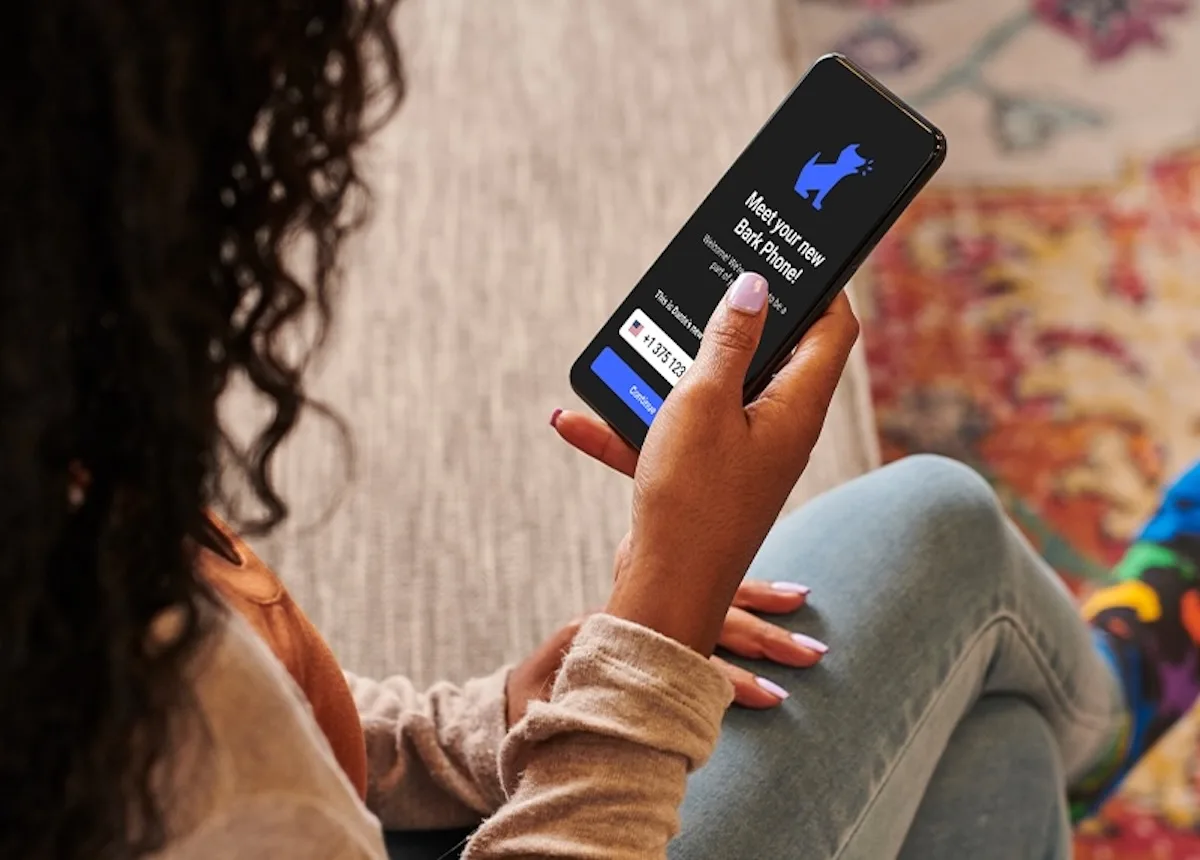
At the bleeding edge of the kid-phone industry, two distinct methodologies have emerged, championed by its most prominent early pioneers: Bark and Gabb. The Bark Phone, built upon Samsung Galaxy hardware and driven by proprietary monitoring software, epitomizes the interventionist approach. Rather than locking down the hardware entirely, Bark acts as an omnipresent digital guardian angel. It continuously scans incoming and outgoing texts, emails, photos, and supported social applications for markers of cyberbullying, grooming, suicidal ideation, and predatory behavior, alerting parents in real-time when red flags wave.
Conversely, Gabb has captured a massive share of the market by advocating for an architecture of absolute subtraction. Rather than policing content, Gabb’s devices eliminate the vectors of risk altogether. Its handsets lack web browsers, social media integration, and conventional app stores. Children are furnished with tools exclusively for calling, texting, and accessing a curated suite of utilitarian tools—such as calculators, calendars, and a monitored music streaming library. This philosophical split forces modern parents to confront a fundamental question: Is it healthier to teach children how to navigate digital perils under a watchful administrative eye, or to construct a pristine sandbox insulated from those perils entirely?
Engineering Developmental Transitions and Graduated Access
Recognizing that childhood is not a static state but a dynamic continuum of growth, newer entrants into the market have focused heavily on modular adaptability. Pinwheel and Teracube have pioneered operating systems that allow parents to dynamically configure device permissions as their children mature. Through sophisticated caregiver portals, adults can curate approved contact lists, toggle app accessibility down to the minute, and enforce geofencing.
Perhaps most innovative is Pinwheel’s implementation of contextual "modes." Parents can program a device to function as a basic utilitarian phone—allowing only navigation and direct calls—during rigorous school hours, while automatically unlocking creative tools and limited messaging once homework is complete. Teracube, operating via its tailored Thrive OS, similarly bridges the gap for older children who require traditional Android capabilities for extracurricular logistics without succumbing to the infinite scroll of social media feeds. These features reflect a nuanced understanding of modern pedagogy: that digital literacy is best acquired through scaffolding rather than sudden, unprotected immersion.
Pricing structures across these platforms demonstrate that child-safe tech has matured from cottage industry experiments into serious commercial ecosystems. With hardware ranging from $100 to $250 and recurring monthly subscription models generally hovering between $15 and $35, these companies have successfully positioned themselves as essential utility providers for the modern household, rivaling traditional cellular carriers in customer loyalty and retention.

The Retro Renaissance: Reimagining the Modern Landline
Even as smartphone alternatives proliferate, a fascinating parallel trend is unfolding at home: the reinvention of the domestic landline for children. Products like Ooma MyPhone, the whimsical Tin Can, and the newly launched Waffle Home and Waffle Go devices reject mobile architecture entirely in favor of stationary or voice-centric communication.
These products strip away the anxiety of portability. Tin Can, utilizing a distinctive physical design inspired by its namesake, connects entirely over Wi-Fi and restricts communications exclusively to pre-approved contacts managed via a companion app. Similarly, Waffle’s voice-only gadgets mimic walkie-talkies, allowing young children to exchange voice notes and direct calls without ever exposing them to typed chat rooms or algorithmic feeds. By deliberately stepping backward in technological complexity, these companies are offering families a quiet sanctuary within the hyper-connected home.
Cultural Aftershocks and the Road Ahead
The explosive demand for kid-friendly communication devices is more than a fleeting consumer trend; it is an unmistakable vote of no confidence in Big Tech’s stewardship of public health. For years, major operating system manufacturers offered rudimentary parental control settings that felt more like afterthoughts than genuine safeguards. By building devices explicitly engineered around the psychological vulnerabilities of youth, startups have forced a reckoning within the broader telecommunications industry.
As regulatory bodies worldwide eye sweeping age-verification laws and social media bans for minors, the market for safe-phone alternatives is poised for exponential expansion. Whether legacy giants like Apple and Google eventually absorb these philosophies into native iOS and Android frameworks remains an open question. For now, however, these nimble challengers are proving that the future of mobile technology doesn't have to be addictive—and that protecting the next generation's attention span is one of the most lucrative and vital business opportunities of the decade.
Gần hai thập kỷ qua, quỹ đạo của công nghệ cá nhân luôn hướng tới sự hiện diện khắp mọi nơi và khả năng kết nối không giới hạn. Điện thoại thông minh đã chuyển hóa từ những công cụ xa xỉ thành phần mở rộng không thể thiếu của con người, chiếm trọn tâm trí của mọi tầng lớp nhân dân. Thế hệ 'người bản địa số' (digital natives) đang trưởng thành giữa lúc dữ liệu lâm sàng ngày càng chồng chất, liên kết thời gian sử dụng màn hình không kiểm soát với tỷ lệ lo âu, trầm cảm và bắt nạt trên mạng ở tuổi vị thành niên ngày một gia tăng. Từ thực tế đó, một phong trào phản kháng sâu sắc về văn hóa và thương mại đã bén rễ. Các bậc phụ huynh trên toàn thế giới không còn bận tâm đến việc nên cho con cái tiếp cận hệ sinh thái kỹ thuật số từ khi nào, mà thay vào đó là làm sao để cứu vớt trẻ em khỏi thế giới ấy một cách ngoạn mục.
Bước vào khoảng trống ý thức hệ này là một đội ngũ tiên phong tinh vi gồm các nhà sản xuất phần cứng và nhà phát triển phần mềm. Không hề bán tháo các ứng dụng kiểm soát của phụ huynh một cách thô sơ hay những món đồ chơi mới lạ dễ hỏng, các công ty này đang thiết kế những thiết bị di động bền bỉ, chuyên dụng cùng điện thoại gia đình tối giản, được tạo ra riêng để thu hẹp khoảng cách nguy hiểm giữa những năm tháng thơ ấu và sự tự chủ kỹ thuật số hoàn toàn. Từ việc giám sát nội dung bằng trí tuệ nhân tạo (AI) cho đến việc đơn giản hóa phần cứng triệt để, thị trường đang bùng nổ này đại diện cho sự kết hợp thú vị giữa viễn thông hiện đại và sự quản lý mang tính bảo vệ, đồng thời đưa ra bản thiết kế về cách xã hội có thể bắt đầu tách biệt tuổi thơ khỏi nền kinh tế chú ý dựa trên thuật toán.
Sự phân chia triết lý lớn: Giám sát hay Loại bỏ
Ở lằn ranh đổi mới của ngành công nghiệp điện thoại trẻ em, hai phương pháp tiếp cận riêng biệt đã xuất hiện, được bảo trợ bởi những cái tên tiên phong nổi bật nhất: Bark và Gabb. Chiếc điện thoại Bark (Bark Phone), được xây dựng trên nền tảng phần cứng Samsung Galaxy và vận hành bởi phần mềm giám sát độc quyền, chính là hình mẫu tiêu biểu cho phương pháp can thiệp. Thay vì khóa cứng phần cứng hoàn toàn, Bark đóng vai trò như một thiên thần hộ mệnh kỹ thuật số hiện diện khắp mọi nơi. Phần mềm này liên tục quét các tin nhắn văn bản, email, ảnh và các ứng dụng mạng xã hội được hỗ trợ để tìm kiếm các dấu hiệu bắt nạt trên mạng, dụ dỗ trẻ em (grooming), ý định tự sát và hành vi săn mồi, đồng thời cảnh báo phụ huynh theo thời gian thực khi xuất hiện các dấu hiệu đáng ngờ.
Ngược lại, Gabb đã chiếm lĩnh thị phần khổng lồ bằng cách ủng hộ kiến trúc loại bỏ tuyệt đối. Thay vì kiểm soát nội dung, các thiết bị của Gabb loại bỏ hoàn toàn các nguồn cơn rủi ro. Thiết bị của họ không có trình duyệt web, không tích hợp mạng xã hội và không có kho ứng dụng thông thường. Trẻ em được cung cấp các công cụ chỉ dành riêng cho việc gọi điện, nhắn tin và truy cập một bộ công cụ tiện ích được tuyển chọn — như máy tính, lịch và thư viện phát nhạc được kiểm duyệt. Sự chia rẽ triết lý này buộc các bậc phụ huynh hiện đại phải đối mặt với một câu hỏi nền tảng: Liệu việc dạy trẻ cách vượt qua các hiểm họa kỹ thuật số dưới một đôi mắt quản lý cảnh giác sẽ lành mạnh hơn, hay việc xây dựng một hộp cát nguyên sơ được cách ly hoàn toàn khỏi những hiểm họa đó mới là lựa chọn đúng đắn?
Thiết kế các giai đoạn chuyển đổi phát triển và quyền truy cập có phân cấp
Nhận thức được rằng tuổi thơ không phải là một trạng thái tĩnh mà là một tiến trình phát triển năng động, những nhà gia nhập thị trường mới hơn đã tập trung mạnh mẽ vào khả năng thích ứng theo mô-đun. Pinwheel và Teracube đã tiên phong phát triển các hệ điều hành cho phép phụ huynh cấu hình linh hoạt các quyền hạn trên thiết bị khi con cái lớn lên. Thông qua các cổng thông tin chăm sóc trẻ tinh vi, người lớn có thể quản lý danh sách liên lạc được phê duyệt, bật/tắt khả năng truy cập ứng dụng đến từng phút và thực thi tính năng thiết lập vùng an toàn (geofencing).
Có lẽ mang tính cách mạng nhất là việc Pinwheel triển khai các 'chế độ' theo ngữ cảnh. Phụ huynh có thể lập trình để thiết bị hoạt động như một chiếc điện thoại tiện ích cơ bản — chỉ cho phép định vị và gọi điện trực tiếp — trong giờ học nghiêm ngặt, đồng thời tự động mở khóa các công cụ sáng tạo và tính năng nhắn tin giới hạn một khi việc nhà hoặc bài tập về nhà đã hoàn thành. Teracube, hoạt động thông qua hệ điều hành Thrive OS được thiết kế riêng, cũng thu hẹp khoảng cách tương tự cho những đứa trẻ lớn hơn, những đối tượng cần các tính năng Android truyền thống cho các hoạt động ngoại khóa mà không rơi vào cạm bẫy cuộn vô tận của các bảng tin mạng xã hội. Những tính năng này phản ánh sự thấu hiểu sâu sắc về nền giáo dục hiện đại: rằng sự hiểu biết kỹ thuật số được tiếp thu tốt nhất thông qua hệ thống giàn giáo hỗ trợ (scaffolding) thay vì sự dấn thân đột ngột, không được bảo vệ.
Cấu trúc giá cả trên các nền tảng này cho thấy công nghệ an toàn cho trẻ em đã trưởng thành, chuyển mình từ những thử nghiệm của ngành công nghiệp gia đình sang các hệ sinh thái thương mại nghiêm túc. Với mức giá phần cứng dao động từ 100 đến 250 USD và các mô hình đăng ký thuê bao định kỳ thường rơi vào khoảng từ 15 đến 35 USD mỗi tháng, các công ty này đã định vị thành công bản thân như những nhà cung cấp dịch vụ thiết yếu cho các hộ gia đình hiện đại, cạnh tranh ngang ngửa với các nhà mạng di động truyền thống về lòng trung thành và tỷ lệ giữ chân khách hàng.
Sự phục hưng hoài cổ: Tái định hình chiếc điện thoại bàn hiện đại
Ngay cả khi các lựa chọn thay thế cho điện thoại thông minh xuất hiện ngày càng nhiều, một xu hướng song song đầy thú vị đang diễn ra ngay tại các gia đình: sự tái phát minh chiếc điện thoại bàn trong nhà dành cho trẻ em. Các sản phẩm như Ooma MyPhone, thiết bị Tin Can đầy ngộ nghĩnh, và các sản phẩm Waffle Home cùng Waffle Go mới ra mắt đã hoàn toàn khước từ kiến trúc di động để ủng hộ hình thức liên lạc cố định hoặc tập trung vào giọng nói.
Những sản phẩm này loại bỏ hoàn toàn sự lo lắng về tính di động. Tin Can, sử dụng thiết kế vật lý đặc trưng lấy cảm hứng từ tên gọi của nó, kết nối hoàn toàn qua Wi-Fi và giới hạn liên lạc độc quyền với các liên hệ đã được phê duyệt trước thông qua một ứng dụng đi kèm. Tương tự, các tiện ích chỉ hỗ trợ giọng nói của Waffle mô phỏng bộ đàm, cho phép trẻ nhỏ trao đổi ghi chú bằng giọng nói và gọi điện trực tiếp mà không bao giờ phải tiếp xúc với các phòng chat dạng văn bản hay các bảng tin chạy bằng thuật toán. Bằng cách chủ động bước lùi về mặt độ phức tạp công nghệ, các công ty này đang mang lại cho các gia đình một không gian trú ẩn yên bình ngay bên trong ngôi nhà siêu kết nối.
Những dư chấn văn hóa và con đường phía trước
Nhu cầu bùng nổ đối với các thiết bị liên lạc thân thiện với trẻ em không chỉ là một xu hướng tiêu dùng nhất thời; đó là một lá phiếu bất tín nhiệm không thể chối cãi đối với cách Big Tech quản lý sức khỏe cộng đồng. Trong nhiều năm, các nhà sản xuất hệ điều hành lớn đã cung cấp các cài đặt kiểm soát của phụ huynh mang tính sơ khai, giống những suy tính muộn màng hơn là những biện pháp bảo vệ thực sự. Bằng cách chế tạo các thiết bị được thiết kế rõ ràng xung quanh các điểm yếu tâm lý của giới trẻ, các startup đã buộc toàn bộ ngành viễn thông phải nhìn nhận lại vấn đề.
Khi các cơ quan quản lý trên toàn thế giới để mắt tới các đạo luật xác minh độ tuổi nghiêm ngặt và lệnh cấm mạng xã hội đối với trẻ vị thành niên, thị trường cho các lựa chọn thay thế điện thoại an toàn đang chuẩn bị bước vào giai đoạn mở rộng theo cấp số nhân. Việc liệu các gã khổng lồ lâu đời như Apple và Google có cuối cùng hấp thụ những triết lý này vào các framework iOS và Android nguyên bản hay không vẫn là một câu hỏi ngỏ. Tuy nhiên, ở thời điểm hiện tại, những kẻ thách thức linh hoạt này đang chứng minh rằng tương lai của công nghệ di động không nhất thiết phải gây nghiện — và việc bảo vệ khoảng thời gian chú ý của thế hệ tiếp theo chính là một trong những cơ hội kinh doanh sinh lời và thiết yếu nhất trong thập kỷ này.
Pendant près de deux décennies, la trajectoire de la technologie personnelle a dicté une exigence d'omniprésence absolue et de connectivité débridée. Les smartphones se sont métamorphosés, passant du statut d'outil de luxe à celui de prolongement incontournable de l'individu, captivant les esprits de toutes les générations. Pourtant, alors qu'une génération de « natifs du numérique » arrive à l'âge adulte sur fond de données cliniques alarmantes — liant temps d'écran illimité et explosion de l'anxiété, de la dépression et du cyberharcèlement chez les adolescents —, une profonde contre-partie culturelle et commerciale a pris racine. Partout dans le monde, les parents ne se demandent plus à quel âge initier leur progéniture à l'écosystème numérique, mais plutôt comment l'en extirper in extremis.
C'est dans cette brèche idéologique que s'engouffre une avant-garde sophistiquée de fabricants de matériel et de développeurs de logiciels. Loin de commercialiser de simples applications de contrôle parental ou des gadgets fragiles, ces entreprises conçoivent des appareils mobiles robustes et spécifiques, ainsi que des téléphones domestiques minimalistes, pensés pour combler le gouffre périlleux qui sépare la petite enfance de l'autonomie numérique totale. Alliant surveillance des contenus par intelligence artificielle et simplification radicale du hardware, ce marché en plein essor offre un fascinant mariage entre télécommunications modernes et protection éclairée, traçant la voie d'une possible émancipation de l'enfance face à l'économie de l'attention algorithmique.
La grande fracture philosophique : surveillance versus élimination
À la pointe de l'industrie des téléphones pour enfants, deux méthodologies distinctes ont émergé, portées par ses pionniers les plus emblématiques : Bark et Gabb. Le téléphone Bark, bâti sur un châssis Samsung Galaxy et propulsé par un logiciel de surveillance propriétaire, incarne l'approche interventionniste. Plutôt que de verrouiller totalement le matériel, Bark joue le rôle d'un ange gardien numérique omniprésent. Il analyse en continu les SMS, e-mails, photos entrants et sortants ainsi que les applications sociales prises en charge, à la recherche de signaux avant-coureurs de cyberharcèlement, de proxénétisme virtuel, d'idéations suicidaires ou de comportements prédateurs, tout en alertant les parents en temps réel.
À l'inverse, Gabb a conquis une part considérable du marché en prônant une architecture de soustraction absolue. Plutôt que de policer les contenus, les appareils Gabb éliminent purement et simplement les vecteurs de risque. Leurs téléphones sont dépourvus de navigateur web, de réseaux sociaux et de magasins d'applications conventionnels. Les enfants disposent d'outils strictement limités aux appels, aux messages et à une suite utilitaire rigoureusement sélectionnée — comme une calculatrice, un calendrier et une bibliothèque musicale en streaming modérée. Cette fracture philosophique force les parents d'aujourd'hui à affronter un dilemme fondamental : est-il plus sain d'apprendre aux enfants à naviguer au milieu des périls numériques sous un œil administratif bienveillant, ou de construire un bac à sable immaculé, totalement isolé de ces menaces ?
Concevoir les transitions développementales et l'accès progressif
Conscients que l'enfance n'est pas un état figé mais un continuum dynamique, de nouveaux acteurs du marché se sont concentrés sur l'adaptabilité modulaire. Pinwheel et Teracube ont ainsi développé des systèmes d'exploitation permettant aux parents de configurer dynamiquement les permissions des appareils à mesure que leurs enfants grandissent. Grâce à des portails de gestion sophistiqués, les adultes peuvent administrer des listes de contacts approuvés, restreindre l'accès aux applications à la minute près et paramétrer du géorepérage (geofencing).
La mise en place de « modes » contextuels par Pinwheel s'avère particulièrement novatrice. Les parents peuvent programmer un appareil pour qu'il fonctionne comme un téléphone basique — n'autorisant que la navigation et les appels directs — pendant les heures de classe, tout en débloquant automatiquement des outils créatifs et une messagerie limitée une fois les devoirs terminés. Teracube, via son OS sur mesure Thrive, comble un vide similaire pour les enfants plus âgés qui nécessitent les fonctionnalités traditionnelles d'Android pour leur logistique extrascolaire, sans pour autant succomber au défilement infini des flux sociaux. Ces fonctionnalités témoignent d'une compréhension affinée de la pédagogie moderne : l'éducation au numérique s'acquiert mieux par un étayage progressif que par une immersion soudaine et non protégée.
La politique tarifaire de ces plateformes démontre que la tech sécurisée pour enfants est passée du stade d'artisanat de niche à celui d'écosystème commercial mature. Avec des appareils oscillant entre 100 et 250 dollars et des abonnements mensuels récurrents compris généralement entre 15 et 35 dollars, ces entreprises se sont imposées comme des services essentiels du foyer moderne, rivalisant avec les opérateurs télécoms traditionnels en matière de fidélisation client.
La renaissance rétro : réinventer le téléphone fixe moderne
Alors même que les alternatives au smartphone se multiplient, une tendance parallèle fascinante émerge au sein des foyers : la réinvention de la ligne fixe domestique pour les enfants. Des produits tels que l'Ooma MyPhone, le fantasque Tin Can, ainsi que les récents Waffle Home et Waffle Go, rejettent totalement l'architecture mobile au profit d'une communication stationnaire ou exclusivement vocale.
Ces produits éliminent l'anxiété liée à la mobilité. Le Tin Can, doté d'un design physique distinctif inspiré de son nom (la boîte de conserve reliée par un fil), fonctionne entièrement en Wi-Fi et restreint les communications aux seuls contacts pré-approuvés et gérés via une application compagnon. De même, les gadgets audio de Waffle rappellent les talkies-walkies, permettant aux jeunes enfants d'échanger des notes vocales et des appels directs sans jamais les exposer à des salons de discussion textuels ou à des fils algorithmiques. En faisant délibérément un pas en arrière sur le plan de la complexité technologique, ces entreprises offrent aux familles un sanctuaire de calme au cœur d'un foyer hyperconnecté.
Répercussions culturelles et perspectives d'avenir
L'explosion de la demande pour des appareils de communication adaptés aux enfants dépasse le simple effet de mode consumériste ; c'est un désaveu cinglant de la gestion de la santé publique par la Silicon Valley. Pendant des années, les principaux fabricants de systèmes d'exploitation se sont contentés de réglages de contrôle parental rudimentaires, perçus davantage comme des options secondaires que comme de véritables garanties. En concevant des appareils explicitement taillés pour répondre aux vulnérabilités psychologiques de la jeunesse, les startups ont forcé toute l'industrie des télécommunications à revoir sa copie.
Alors que les autorités réglementaires du monde entier envisagent des lois d'vérification d'âge drastiques et des interdictions de réseaux sociaux pour les mineurs, le marché des alternatives téléphoniques sécurisées s'apprête à connaître une expansion exponentielle. Reste à savoir si les géants historiques tels qu'Apple et Google finiront par intégrer ces philosophies directement au cœur d'iOS et d'Android. Pour l'heure, ces challengers agiles prouvent que l'avenir de la technologie mobile n'a pas vocation à être addictif — et que la préservation de la capacité d'attention des jeunes générations constitue l'une des opportunités économiques les plus lucratives et vitales de cette décennie.
Durante casi dos décadas, la trayectoria de la tecnología personal ha apuntado hacia la ubicuidad absoluta y la conectividad sin frenos. Los teléfonos inteligentes se han transformado, pasando de ser herramientas de lujo a extensiones omnipresentes del propio individuo, cautivando a mentes de todas las edades. Sin embargo, a medida que una generación de «nativos digitales» llega a la madurez en medio de un volumen creciente de datos clínicos que relacionan el tiempo ilimitado frente a las pantallas con el aumento de las tasas de ansiedad, depresión y ciberacoso en la adolescencia, ha arraigado un profundo movimiento cultural y comercial de resistencia. Los padres de todo el mundo ya no se preguntan cuán temprano pueden introducir a sus hijos en el ecosistema digital, sino cómo pueden rescatarlos heroicamente de él.
En esta brecha ideológica irrumpe una sofisticada vanguardia de fabricantes de hardware y desarrolladores de software. Lejos de comercializar aplicaciones rudimentarias de control parental o juguetes frágiles y anecdóticos, estas empresas diseñan dispositivos móviles robustos y específicos, así como teléfonos fijos minimalistas concebidos precisamente para salvar el peligroso abismo entre la primera infancia y la total autonomía digital. Con prestaciones que van desde la vigilancia de contenidos impulsada por inteligencia artificial hasta una simplificación radical del hardware, este mercado en expansión representa una fascinante combinación de telecomunicaciones modernas y tutela protectora, ofreciendo un modelo sobre cómo la sociedad podría empezar a desvincular la infancia de la economía de la atención algorítmica.
La gran brecha filosófica: monitorización frente a eliminación
En la vanguardia absoluta de la industria de la telefonía infantil han surgido dos metodologías distintas, abanderadas por sus pioneros más destacados: Bark y Gabb. El teléfono Bark, construido sobre un hardware de Samsung Galaxy y gestionado por un software de monitorización propio, encarna el enfoque intervencionista. En lugar de bloquear el hardware por completo, Bark actúa como un ángel de la guarda digital omnipresente. Escanea de forma continua los mensajes de texto, correos electrónicos, fotos y aplicaciones sociales compatibles entrantes y salientes en busca de indicios de ciberacoso, captación de menores, ideación suicida y conductas depredadoras, alertando a los padres en tiempo real cuando se encienden las señales de alarma.
Por el contrario, Gabb se ha asegurado una cuota masiva de mercado al abogar por una arquitectura de sustracción absoluta. En lugar de vigilar el contenido, los dispositivos de Gabb eliminan de raíz los vectores de riesgo. Sus terminales carecen de navegadores web, integración con redes sociales y tiendas de aplicaciones convencionales. A los niños se les proporcionan herramientas exclusivas para llamar, enviar mensajes de texto y acceder a un repertorio seleccionado de utilidades —como calculadoras, calendarios y una biblioteca de reproducción de música controlada—. Esta división filosófica obliga a los padres de hoy a enfrentarse a una pregunta fundamental: ¿es más saludable enseñar a los niños a sortear los peligros digitales bajo una atenta mirada administrativa o construir un sandbox impecable e inmune a dichos peligros?
Diseñando transiciones evolutivas y acceso gradual
Reconociendo que la infancia no es un estado estático, sino un continuo dinámico de crecimiento, los nuevos actores del mercado se han volcado en la adaptabilidad modular. Pinwheel y Teracube han sido pioneros en sistemas operativos que permiten a los padres configurar de forma dinámica los permisos de los dispositivos a medida que sus hijos crecen. A través de sofisticados portales para tutores, los adultos pueden confeccionar listas de contactos aprobadas, alternar la accesibilidad a las aplicaciones al minuto y establecer límites geográficos.
Quizás lo más innovador sea la implementación por parte de Pinwheel de «modos» contextuales. Los padres pueden programar un dispositivo para que funcione como un teléfono básico y utilitario —permitiendo únicamente la navegación y llamadas directas— durante las rigurosas horas lectivas, mientras que desbloquea automáticamente herramientas creativas y una mensajería limitada una vez terminados los deberes. Teracube, que opera a través de su Thrive OS adaptado, tiende de igual modo un puente para los niños más mayores que necesitan las prestaciones tradicionales de Android para la logística extraescolar sin sucumbir al desplazamiento infinito de los flujos de las redes sociales. Estas funciones reflejan una comprensión matizada de la pedagogía moderna: la alfabetización digital se adquiere mejor mediante un andamiaje de apoyo que a través de una inmersión repentina y desprotegida.
Las estructuras de precios de estas plataformas demuestran que la tecnología adaptada a los menores ha madurado, pasando de ser un experimento de economía artesanal a convertirse en ecosistemas comerciales sólidos. Con precios de hardware que oscilan entre los 100 y los 250 dólares y unos modelos de suscripción mensual recurrente situados por lo general entre los 15 y los 35 dólares, estas empresas se han consolidado con éxito como proveedores de servicios esenciales para el hogar moderno, rivalizando con los operadores de telefonía tradicionales en términos de fidelidad y retención de clientes.
El renacimiento retro: reimaginar el teléfono fijo moderno
Al mismo tiempo que proliferan las alternativas a los teléfonos inteligentes, se desarrolla en el hogar una tendencia paralela fascinante: la reinvención de la línea fija doméstica para los niños. Productos como Ooma MyPhone, el original Tin Can y los recién lanzados Waffle Home y Waffle Go rechazan por completo la arquitectura móvil en favor de una comunicación fija o centrada en la voz.
Estos productos eliminan la ansiedad de la portabilidad. Tin Can, con un diseño físico inconfundible inspirado en su homónimo analógico, se conecta enteramente a través de Wi-Fi y restringe las comunicaciones exclusivamente a contactos previamente aprobados y gestionados mediante una aplicación complementaria. Del mismo modo, los dispositivos exclusivamente de voz de Waffle imitan los 'walkie-talkies', permitiendo a los niños pequeños intercambiar notas de voz y llamadas directas sin exponerlos jamás a salas de chat escritas o a canales algorítmicos. Al retroceder deliberadamente en la complejidad tecnológica, estas empresas ofrecen a las familias un santuario de tranquilidad dentro de un hogar hiperconectado.
Repercusiones culturales y el camino a seguir
La fulgurante demanda de dispositivos de comunicación aptos para niños es algo más que una tendencia de consumo pasajera; constituye una inequívoca moción de censura hacia la gestión de la salud pública por parte de las grandes tecnológicas. Durante años, los principales fabricantes de sistemas operativos ofrecieron ajustes de control parental rudimentarios que se asemejaban más a ocurrencias de última hora que a auténticas salvaguardas. Al construir dispositivos diseñados expresamente en torno a las vulnerabilidades psicológicas de la juventud, las 'startups' han forzado una reflexión en el conjunto de la industria de las telecomunicaciones.
Mientras los organismos reguladores de todo el mundo contemplan leyes drásticas de verificación de edad y prohibiciones de las redes sociales para menores, el mercado de las alternativas de teléfonos seguros se prepara para una expansión exponencial. Sigue siendo una incógnita si los gigantes históricos como Apple y Google acabarán absorbiendo estas filosofías en sus entornos nativos de iOS y Android. Por el momento, sin embargo, estos agilísimos competidores están demostrando que el futuro de la tecnología móvil no tiene por qué ser adictivo, y que proteger la capacidad de atención de la próxima generación constituye una de las oportunidades de negocio más lucrativas y vitales de la década.
近二十年来,个人科技的发展轨迹始终指向绝对的普及与无拘无束的连接。智能手机已从奢侈工具演变为人类自我的延伸,俘获了各年龄段用户的心。然而,随着一代“数字原住民”在临床数据不断积累的背景下步入成年——这些数据明确指出不受限的屏幕时间与青少年焦虑、抑郁及网络欺凌的上升存在关联——一场深刻的文化与商业反运动已经扎根。全球的家长们不再询问何时能让孩子接触数字生态,而是在思考如何将他们从这一生态中“英雄式”地拯救出来。
在这场意识形态的缺口中,一批尖端的硬件制造商和软件开发者应运而生。这些公司并非兜售粗糙的家长控制应用或易碎的玩具,而是精心设计了功能强大、目的明确的移动设备和极简家庭电话,旨在弥合幼儿期与完全数字自主权之间的危险鸿沟。从人工智能驱动的内容监控到彻底的硬件简化,这一新兴市场代表了现代电信技术与保护性监管的迷人结合,为社会如何将童年从算法驱动的注意力经济中剥离出来提供了蓝图。
伟大的哲学分歧:监控与剔除
在儿童手机行业的前沿,出现了两种截然不同的方法论,分别由其最著名的先行者Bark和Gabb所倡导。Bark手机基于三星Galaxy硬件,并由专有的监控软件驱动,是干预主义方法的缩影。Bark并未完全锁定硬件,而是充当了一个无处不在的“数字守护天使”。它持续扫描收发的短信、电子邮件、照片及支持的社交应用,识别网络欺凌、诱导、自杀倾向及掠夺性行为的迹象,并在出现危险信号时实时向家长发出警报。
相反,Gabb通过倡导“绝对减法”的架构占据了巨大的市场份额。Gabb的设备不进行内容监管,而是直接消除了风险源。其手机缺乏网页浏览器、社交媒体集成和传统的应用商店。孩子们获得的工具仅限于通话、发短信以及使用一套精选的实用工具——如计算器、日历和受监控的音乐流媒体库。这种哲学上的分歧迫使现代家长面对一个根本性问题:是在行政监管的注视下教导孩子如何应对数字危险更健康,还是构建一个与这些危险完全隔绝的纯净沙盒更明智?
工程化的发展过渡与分级访问
鉴于童年并非静态,而是一个动态的成长过程,市场上的新进入者将重点放在了模块化适应性上。Pinwheel和Teracube率先开发了操作系统,允许家长随着孩子的成长动态配置设备权限。通过复杂的监护人门户,成年人可以管理批准的联系人列表、精确控制应用访问时间,并实施地理围栏。
Pinwheel在情境“模式”上的实现或许最具创新性。家长可以将设备编程为基础实用手机——在严格的上课时间内仅允许导航和直接通话——而一旦完成家庭作业,则自动解锁创意工具和有限的通讯功能。Teracube通过其定制的Thrive OS,同样为需要传统安卓功能以处理课外事务、但又不至于沉溺于社交媒体无限滚动的大龄儿童架起了桥梁。这些功能反映了对现代教育学的细致理解:数字素养最好通过“脚手架”式的引导来习得,而非突然的、无保护的沉浸。
各平台的定价结构表明,儿童安全科技已从家庭作坊式的实验演变为成熟的商业生态系统。硬件价格在100美元至250美元之间,每月订阅费用通常在15美元至35美元之间,这些公司已成功将自己定位为现代家庭不可或缺的公用事业提供商,在客户忠诚度和留存率上足以与传统电信运营商抗衡。
复古文艺复兴:重构现代座机
尽管智能手机替代品层出不穷,但家庭内部正上演着一场迷人的平行趋势:为儿童重塑家用座机。Ooma MyPhone、充满奇趣的Tin Can以及新推出的Waffle Home和Waffle Go设备,完全摒弃了移动架构,转而青睐固定式或以语音为中心的通讯方式。
这些产品消除了便携性带来的焦虑。Tin Can利用受其名称启发的独特物理设计,完全通过Wi-Fi连接,并将通讯严格限制在通过配套应用管理的预批准联系人范围内。同样,Waffle的语音设备模仿对讲机,允许幼儿交换语音留言和直接通话,而无需接触文字聊天室或算法推送。通过在技术复杂性上刻意“后退”,这些公司为家庭在高度互联的家中提供了一处宁静的避风港。
文化余震与前路展望
对儿童友好型通讯设备爆发式的需求,不仅仅是一种短暂的消费趋势,更是对大型科技公司公共卫生监管能力的不信任投票。多年来,主流操作系统制造商提供的家长控制设置粗糙简陋,更像是事后补救而非真正的保障。通过专门针对青少年心理脆弱性进行工程设计,初创公司迫使整个电信行业进行深刻反思。
随着全球监管机构着眼于全面的年龄验证法律和针对未成年人的社交媒体禁令,安全手机替代品的市场有望实现指数级扩张。苹果和谷歌等传统巨头最终是否会将这些理念吸收进原生的iOS和安卓框架中,仍是一个未知数。然而,就目前而言,这些灵活的挑战者正在证明:移动技术的未来不必是令人上瘾的——保护下一代的注意力,正是这个十年中最具商业价值且至关重要的机遇之一。
Editorial Standards & Multi-Language Synthesis: This dispatch was synthesized and fact-checked by the ParisDaily Editorial Desk across 5 global editions (EN, FR, VI, ES, ZH), cross-referencing primary international wire reports and real-time search intelligence.