Kế vị 007: Robert Pattinson và cuộc chiến giành lấy "linh hồn" của Pinewood
As Robert Pattinson steps into the iconic tuxedo, the film industry watches a high-stakes tug-of-war over where the next chapter of the 007 franchise will be lensed. Pinewood Studios is fighting to retain its legacy as the legendary home of Bond.
Khi Robert Pattinson chính thức khoác lên mình bộ tuxedo huyền thoại, ngành công nghiệp điện ảnh đang chứng kiến cuộc giằng co gay gắt về địa điểm ghi hình cho chương tiếp theo của thương hiệu 007. Pinewood Studios đang nỗ lực hết mình để giữ vững di sản, khẳng định vị thế là "mái nhà" biểu tượng của James Bond.
Alors que Robert Pattinson enfile le smoking iconique, l'industrie cinématographique observe un bras de fer à enjeux élevés sur le lieu de tournage du prochain chapitre de la saga 007. Les studios Pinewood se battent pour conserver leur héritage en tant que demeure légendaire de James Bond.
Mientras Robert Pattinson se enfunda el icónico esmoquin, la industria cinematográfica observa un tenso pulso sobre dónde se rodará el próximo capítulo de la franquicia 007. Los estudios Pinewood luchan por retener su legado como el hogar legendario de Bond.
随着罗伯特·帕丁森正式披上标志性的燕尾服,电影界正密切关注这场关于 007 系列下一篇章拍摄地的博弈。作为詹姆斯·邦德的传奇大本营,松林制片厂正竭力捍卫其作为该系列核心基地的历史地位。
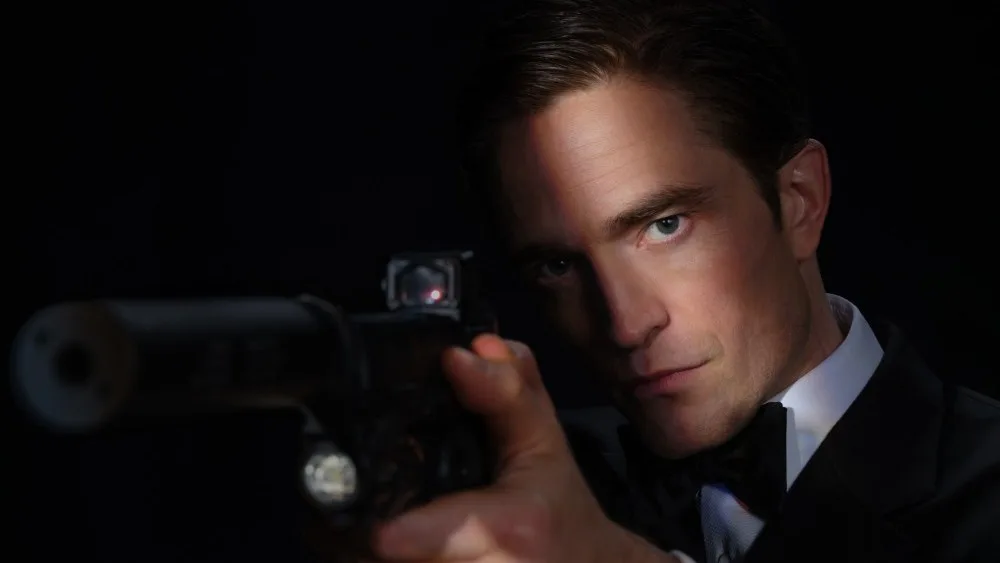
- Robert Pattinson has been officially confirmed as the successor to Daniel Craig in the James Bond franchise.
- Pinewood Studios executive Andrew M. Smith confirmed active discussions regarding hosting the next production.
- The franchise faces a complex logistical shift following Amazon MGM’s acquisition of creative control.
- Economic incentives and tax rebates remain the primary drivers for major U.S. studio productions in the U.K.
- Robert Pattinson đã chính thức được xác nhận là người kế nhiệm Daniel Craig trong loạt phim James Bond.
- Giám đốc điều hành của Pinewood Studios, ông Andrew M. Smith, xác nhận đang có những cuộc thảo luận tích cực về việc đăng cai sản xuất phần phim tiếp theo.
- Thương hiệu này đang đối mặt với sự thay đổi phức tạp về mặt hậu cần sau khi Amazon MGM giành quyền kiểm soát sáng tạo.
- Các ưu đãi kinh tế và chính sách hoàn thuế vẫn là động lực chính thu hút các dự án phim lớn từ Hollywood đến Vương quốc Anh.
- Robert Pattinson a été officiellement confirmé comme le successeur de Daniel Craig dans la franchise James Bond.
- Andrew M. Smith, cadre des studios Pinewood, a confirmé l'existence de discussions actives concernant l'accueil de la prochaine production.
- La franchise fait face à un changement logistique complexe suite au rachat du contrôle créatif par Amazon MGM.
- Les incitations économiques et les crédits d'impôt restent les principaux moteurs des grandes productions de studios américains au Royaume-Uni.
- Robert Pattinson ha sido confirmado oficialmente como el sucesor de Daniel Craig en la franquicia de James Bond.
- El director de asuntos corporativos de Pinewood Studios, Andrew M. Smith, confirmó que existen conversaciones activas para albergar la próxima producción.
- La franquicia se enfrenta a un complejo cambio logístico tras la adquisición del control creativo por parte de Amazon MGM.
- Los incentivos económicos y las deducciones fiscales siguen siendo los principales motores para las grandes producciones de estudios estadounidenses en el Reino Unido.
- 罗伯特·帕丁森已正式确认接替丹尼尔·克雷格,成为詹姆斯·邦德系列的新任主演。
- 松林制片厂高管安德鲁·M·史密斯证实,目前正就承接下一部邦德电影的制作进行积极磋商。
- 在亚马逊米高梅(Amazon MGM)获得创作控制权后,该系列正面临复杂的物流与制作布局调整。
- 经济激励政策与税收抵免仍是吸引美国大型制片厂在英国进行拍摄的核心驱动力。
The cinematic landscape shifted on its axis five days ago when the long-gestating mystery of the next James Bond was finally resolved: Robert Pattinson, the chameleonic star who transitioned from teen idol to an auteur’s muse, has been tapped to inherit the mantle of 007. Following the definitive, explosive conclusion of Daniel Craig’s tenure in 2021’s No Time to Die, the industry has been gripped by a feverish speculation that transcended mere casting rumors, evolving into a debate over the very identity of the British super-spy in a post-Craig world. Now, as the dust settles on the casting announcement, a new, equally critical question has emerged: where will the next iteration of the world’s most famous secret agent be brought to life?
At the center of this logistical drama is Pinewood Studios, the storied U.K. facility that has served as the spiritual and physical home of the Bond franchise since the inception of the series with 1962’s Dr. No. Andrew M. Smith, the corporate affairs director at Pinewood, recently broke the studio’s silence during a panel at the Doha Industry Days, confirming that discussions are underway to secure the next Bond production. While Smith stopped short of a formal confirmation, his sentiment was clear: the studio is banking on its deep historical ties to keep the franchise within its gates, even as the global production landscape undergoes a radical transformation under the new ownership of Amazon MGM Studios.
A Legacy Defined by the 007 Stage
To understand the gravity of the current negotiations, one must look at the symbiotic relationship between Eon Productions and Pinewood. Out of the 25 films in the official Bond canon, only two—1989’s License to Kill and 1995’s GoldenEye—deviated from the Pinewood lot for primary production. This is not merely a matter of convenience; it is a matter of institutional memory. The "007 Stage" at Pinewood is a site of pilgrimage for cinephiles, a space designed specifically to accommodate the massive, elaborate sets that define the Bond aesthetic. For decades, the studio has been the engine room of the franchise, providing the technical infrastructure and the specialized crew base that have allowed the series to maintain its distinct, high-gloss visual identity.
However, the industry is no longer the insular world it was in the mid-20th century. The acquisition of creative control by Amazon MGM for a reported $20 million has introduced new variables into the equation. Amazon has historically favored Shepperton Studios for its U.K. operations, creating a potential conflict of interest that could see the Bond franchise move away from its ancestral home. The tension between tradition and corporate synergy is palpable, as producers Michael G. Wilson and Barbara Broccoli weigh the sentimental value of Pinewood against the logistical mandates of their new parent company. The industry is watching closely, recognizing that where Bond shoots often dictates the tone and scale of the production itself.
The Economics of Global Blockbuster Filmmaking
Beyond the romanticism of film history, the debate over the next Bond location is a masterclass in modern global economics. As Andrew M. Smith candidly noted during his Doha panel, the decision-making process for major U.S. studios is rarely dictated by sentimentality or even the quality of the soundstages alone. Instead, it is a cold, calculated assessment of tax rebates, infrastructure, and the availability of a highly skilled labor force. While Pinewood boasts a legendary status, it exists within a competitive ecosystem where the U.K.’s tax incentives are the primary lever for attracting international capital.
Smith’s admission that "it’s the money" that drives American productions to the U.K. serves as a sobering reminder of the realities of the modern studio system. Even as Pinewood maintains a near-total occupancy rate—with 59 of its 61 stages currently under lease to giants like Disney and Netflix—the studio cannot afford to rest on its laurels. The competition for the next Bond is emblematic of a broader trend: the commodification of production space. For Amazon MGM, the choice of location is a strategic asset, a way to optimize production costs while leveraging the prestige of the Bond brand to anchor their long-term partnership with the Pinewood Group.
Innovation and the Future of the Franchise
As the industry pivots toward the future, Pinewood is attempting to future-proof itself against the inevitable decline of traditional soundstage demand. By investing heavily in the CoSTAR Network—a £75.6 million initiative aimed at fostering creative technology—the studio is signaling that it intends to be more than just a place to build sets. It is positioning itself as a hub for the next generation of content creators, those who might move from short-form digital experiments to the high-stakes world of feature-length blockbusters. This shift in focus is essential, as the "mature markets" for film production become increasingly saturated with empty stages.
For the Bond franchise, this evolution is timely. Robert Pattinson’s casting suggests a desire to modernize the character, to perhaps strip away some of the baggage of the past and lean into a more nuanced, contemporary iteration of the spy. If the production chooses to remain at Pinewood, it will likely be because the studio has successfully demonstrated that it can marry its rich, analog history with the cutting-edge digital infrastructure required for modern filmmaking. The "home of Bond" is fighting to remain relevant in an era where the definition of a "studio" is constantly being rewritten by technology and global market forces. Whether the new 007 will walk the halls of Pinewood remains to be seen, but one thing is certain: the stakes for the future of the franchise have never been higher.
Bản đồ điện ảnh thế giới đã thay đổi trục xoay cách đây năm ngày, khi bí ẩn kéo dài về người kế nhiệm James Bond cuối cùng đã được giải mã: Robert Pattinson, ngôi sao với khả năng biến hóa khôn lường – từ một thần tượng tuổi teen trở thành nàng thơ của các đạo diễn auteur – đã được chọn để kế thừa di sản 007. Sau cái kết đầy bùng nổ và dứt khoát của Daniel Craig trong No Time to Die (2021), ngành công nghiệp điện ảnh đã chìm trong những đồn đoán không chỉ dừng lại ở việc chọn diễn viên, mà còn mở rộng thành cuộc tranh luận về bản sắc của siêu điệp viên Anh quốc trong kỷ nguyên hậu Craig. Giờ đây, khi cơn sốt casting đã tạm lắng, một câu hỏi quan trọng không kém lại nảy sinh: đâu sẽ là nơi khai sinh cho phiên bản tiếp theo của đặc vụ nổi tiếng nhất thế giới?
Tâm điểm của vở kịch hậu cần này chính là Pinewood Studios, phim trường huyền thoại tại Anh vốn được coi là "ngôi nhà" tinh thần và vật chất của thương hiệu Bond kể từ khi loạt phim khởi đầu với Dr. No năm 1962. Andrew M. Smith, Giám đốc đối ngoại của Pinewood, gần đây đã phá vỡ sự im lặng của hãng tại sự kiện Doha Industry Days, xác nhận rằng các cuộc thảo luận đang diễn ra để đảm bảo dự án Bond tiếp theo sẽ được thực hiện tại đây. Dù Smith chưa đưa ra xác nhận chính thức, nhưng thông điệp của ông rất rõ ràng: hãng phim đang đặt cược vào mối liên kết lịch sử sâu sắc để giữ chân thương hiệu này, ngay cả khi bối cảnh sản xuất toàn cầu đang trải qua những biến chuyển triệt để dưới quyền sở hữu mới của Amazon MGM Studios.
Di sản được định hình bởi sân khấu 007
Để hiểu được tầm quan trọng của các cuộc đàm phán hiện tại, cần nhìn vào mối quan hệ cộng sinh giữa Eon Productions và Pinewood. Trong số 25 bộ phim thuộc danh mục chính thức của Bond, chỉ có hai tác phẩm – License to Kill (1989) và GoldenEye (1995) – là được sản xuất chính bên ngoài phim trường Pinewood. Đây không chỉ là vấn đề thuận tiện; mà là vấn đề về ký ức thể chế. "Sân khấu 007" tại Pinewood là điểm hành hương của những người yêu điện ảnh, một không gian được thiết kế riêng để chứa đựng những bối cảnh công phu, đồ sộ vốn định hình nên thẩm mỹ của Bond. Trong nhiều thập kỷ, hãng phim này chính là "phòng máy" của thương hiệu, cung cấp cơ sở hạ tầng kỹ thuật và đội ngũ chuyên gia giúp loạt phim duy trì bản sắc hình ảnh bóng bẩy, đặc trưng.
Tuy nhiên, ngành công nghiệp điện ảnh hiện nay không còn là một thế giới khép kín như giữa thế kỷ 20. Việc Amazon MGM giành quyền kiểm soát sáng tạo với thương vụ trị giá 20 tỷ USD đã đưa vào phương trình những biến số mới. Amazon vốn có truyền thống ưu ái Shepperton Studios cho các hoạt động tại Anh, tạo ra một xung đột lợi ích tiềm tàng có thể khiến thương hiệu Bond rời xa "cội nguồn" của mình. Sự căng thẳng giữa truyền thống và sức mạnh cộng hưởng doanh nghiệp đang hiện hữu rõ rệt, khi các nhà sản xuất Michael G. Wilson và Barbara Broccoli phải cân nhắc giữa giá trị tình cảm của Pinewood và các yêu cầu hậu cần từ công ty mẹ mới. Cả ngành công nghiệp đang dõi theo sát sao, bởi họ hiểu rằng nơi Bond ghi hình thường quyết định cả tông điệu lẫn quy mô của chính bộ phim đó.
Kinh tế học của dòng phim bom tấn toàn cầu
Vượt lên trên sự lãng mạn của lịch sử điện ảnh, cuộc tranh luận về địa điểm quay Bond tiếp theo là một bài học điển hình về kinh tế toàn cầu hiện đại. Như Andrew M. Smith đã thẳng thắn chia sẻ tại Doha, quá trình ra quyết định của các hãng phim lớn tại Mỹ hiếm khi bị chi phối bởi cảm tính hay chỉ riêng chất lượng của các trường quay. Thay vào đó, đó là một sự tính toán lạnh lùng về các khoản hoàn thuế, cơ sở hạ tầng và sự sẵn có của lực lượng lao động tay nghề cao. Dù Pinewood sở hữu vị thế huyền thoại, nó vẫn tồn tại trong một hệ sinh thái cạnh tranh, nơi các ưu đãi thuế của Vương quốc Anh là đòn bẩy chính để thu hút nguồn vốn quốc tế.
Việc Smith thừa nhận rằng "tiền bạc" mới là yếu tố thúc đẩy các dự án Mỹ đến Anh là một lời nhắc nhở tỉnh táo về thực tế của hệ thống studio hiện đại. Ngay cả khi Pinewood duy trì tỷ lệ lấp đầy gần như tuyệt đối – với 59 trên 61 sân khấu hiện đang được các gã khổng lồ như Disney và Netflix thuê – hãng phim cũng không thể ngủ quên trên chiến thắng. Cuộc cạnh tranh giành quyền sản xuất Bond tiếp theo là biểu tượng cho một xu hướng rộng lớn hơn: sự thương mại hóa không gian sản xuất. Đối với Amazon MGM, việc chọn địa điểm là một tài sản chiến lược, một cách để tối ưu hóa chi phí sản xuất trong khi tận dụng uy tín của thương hiệu Bond để củng cố mối quan hệ hợp tác dài hạn với Pinewood Group.
Đổi mới và tương lai của thương hiệu
Khi ngành công nghiệp xoay trục về phía tương lai, Pinewood đang nỗ lực "chống lại sự lỗi thời" trước sự sụt giảm tất yếu về nhu cầu đối với các trường quay truyền thống. Bằng cách đầu tư mạnh mẽ vào Mạng lưới CoSTAR – một sáng kiến trị giá 75,6 triệu bảng Anh nhằm thúc đẩy công nghệ sáng tạo – hãng phim đang phát đi tín hiệu rằng họ muốn trở thành nhiều hơn một nơi để dựng bối cảnh. Họ đang định vị mình là trung tâm cho thế hệ người sáng tạo nội dung tiếp theo, những người có thể chuyển mình từ các thử nghiệm kỹ thuật số ngắn hạn sang thế giới đầy áp lực của những bộ phim bom tấn dài tập. Sự thay đổi trọng tâm này là thiết yếu, khi các "thị trường trưởng thành" cho sản xuất phim ngày càng bão hòa với những sân khấu trống.
Đối với thương hiệu Bond, sự tiến hóa này là vô cùng kịp thời. Việc chọn Robert Pattinson cho thấy mong muốn hiện đại hóa nhân vật, có lẽ là để rũ bỏ bớt những gánh nặng của quá khứ và hướng tới một phiên bản điệp viên đương đại, đa chiều hơn. Nếu dự án chọn ở lại Pinewood, đó có thể là vì hãng phim đã chứng minh thành công rằng họ có thể kết hợp lịch sử analog phong phú với cơ sở hạ tầng kỹ thuật số tiên tiến cần thiết cho điện ảnh hiện đại. "Ngôi nhà của Bond" đang chiến đấu để duy trì sự phù hợp trong kỷ nguyên mà định nghĩa về một "studio" liên tục bị viết lại bởi công nghệ và các lực lượng thị trường toàn cầu. Liệu 007 mới có bước đi trong những hành lang của Pinewood hay không vẫn còn là ẩn số, nhưng có một điều chắc chắn: tương lai của thương hiệu này chưa bao giờ đứng trước những canh bạc lớn đến thế.
Le paysage cinématographique a basculé il y a cinq jours, lorsque le mystère, longtemps entretenu, entourant le prochain James Bond a enfin été résolu : Robert Pattinson, l'acteur caméléon passé du statut d'idole des adolescents à celui de muse des auteurs, a été choisi pour hériter du matricule 007. Après la conclusion définitive et explosive du mandat de Daniel Craig dans Mourir peut attendre (2021), l'industrie a été saisie par une spéculation fiévreuse qui a dépassé le stade des simples rumeurs de casting pour devenir un débat sur l'identité même du super-espion britannique dans un monde post-Craig. Aujourd'hui, alors que la poussière retombe sur cette annonce, une nouvelle question, tout aussi cruciale, a émergé : où la prochaine itération de l'agent secret le plus célèbre au monde prendra-t-elle vie ?
Au cœur de ce drame logistique se trouvent les studios Pinewood, l'emblématique site britannique qui sert de foyer spirituel et physique à la franchise Bond depuis ses débuts avec James Bond 007 contre Dr No en 1962. Andrew M. Smith, directeur des affaires institutionnelles de Pinewood, a récemment rompu le silence des studios lors d'un panel aux Doha Industry Days, confirmant que des discussions sont en cours pour sécuriser la prochaine production de Bond. Bien que Smith se soit abstenu de toute confirmation formelle, son sentiment était clair : le studio mise sur ses liens historiques profonds pour garder la franchise dans ses murs, alors même que le paysage mondial de la production subit une transformation radicale sous la nouvelle direction d'Amazon MGM Studios.
Un héritage défini par le plateau 007
Pour comprendre la gravité des négociations actuelles, il faut se pencher sur la relation symbiotique entre Eon Productions et Pinewood. Sur les 25 films du canon officiel de Bond, seuls deux — Permis de tuer (1989) et GoldenEye (1995) — ont quitté les plateaux de Pinewood pour leur production principale. Il ne s'agit pas seulement d'une question de commodité, mais de mémoire institutionnelle. Le "plateau 007" de Pinewood est un lieu de pèlerinage pour les cinéphiles, un espace conçu spécifiquement pour accueillir les décors massifs et élaborés qui définissent l'esthétique de Bond. Pendant des décennies, le studio a été le moteur de la franchise, fournissant l'infrastructure technique et les équipes spécialisées qui ont permis à la série de maintenir son identité visuelle distincte et haut de gamme.
Cependant, l'industrie n'est plus le monde insulaire qu'elle était au milieu du XXe siècle. L'acquisition du contrôle créatif par Amazon MGM pour un montant rapporté de 20 milliards de dollars a introduit de nouvelles variables dans l'équation. Amazon a historiquement privilégié les studios Shepperton pour ses opérations au Royaume-Uni, créant un conflit d'intérêts potentiel qui pourrait voir la franchise Bond s'éloigner de sa terre ancestrale. La tension entre tradition et synergie d'entreprise est palpable, alors que les producteurs Michael G. Wilson et Barbara Broccoli pèsent la valeur sentimentale de Pinewood face aux impératifs logistiques de leur nouvelle maison mère. L'industrie observe de près, consciente que le lieu de tournage de Bond dicte souvent le ton et l'envergure de la production elle-même.
L'économie des blockbusters mondiaux
Au-delà du romantisme de l'histoire du cinéma, le débat sur le prochain lieu de tournage de Bond est une leçon d'économie mondiale moderne. Comme Andrew M. Smith l'a noté avec franchise lors de son panel à Doha, le processus de décision des grands studios américains est rarement dicté par le sentimentalisme ou même par la seule qualité des plateaux de tournage. Il s'agit plutôt d'une évaluation froide et calculée des crédits d'impôt, des infrastructures et de la disponibilité d'une main-d'œuvre hautement qualifiée. Bien que Pinewood jouisse d'un statut légendaire, il évolue au sein d'un écosystème concurrentiel où les incitations fiscales britanniques constituent le principal levier pour attirer les capitaux internationaux.
L'aveu de Smith selon lequel "c'est l'argent" qui attire les productions américaines au Royaume-Uni sert de rappel sobre aux réalités du système de studio moderne. Même si Pinewood maintient un taux d'occupation quasi total — avec 59 de ses 61 plateaux actuellement loués à des géants comme Disney et Netflix —, le studio ne peut se permettre de se reposer sur ses lauriers. La compétition pour le prochain Bond est emblématique d'une tendance plus large : la marchandisation de l'espace de production. Pour Amazon MGM, le choix du lieu est un atout stratégique, un moyen d'optimiser les coûts de production tout en tirant parti du prestige de la marque Bond pour ancrer leur partenariat à long terme avec le groupe Pinewood.
Innovation et avenir de la franchise
Alors que l'industrie se tourne vers l'avenir, Pinewood tente de se prémunir contre le déclin inévitable de la demande pour les plateaux de tournage traditionnels. En investissant massivement dans le réseau CoSTAR — une initiative de 75,6 millions de livres sterling visant à favoriser les technologies créatives —, le studio signale qu'il entend être bien plus qu'un simple lieu de construction de décors. Il se positionne comme un hub pour la prochaine génération de créateurs de contenu, ceux qui pourraient passer d'expériences numériques courtes au monde à enjeux élevés des blockbusters. Ce changement d'orientation est essentiel, alors que les "marchés matures" de la production cinématographique sont de plus en plus saturés de plateaux vides.
Pour la franchise Bond, cette évolution arrive à point nommé. Le choix de Robert Pattinson suggère une volonté de moderniser le personnage, peut-être pour se débarrasser d'une partie du bagage du passé et s'orienter vers une itération plus nuancée et contemporaine de l'espion. Si la production choisit de rester à Pinewood, ce sera probablement parce que le studio aura démontré avec succès qu'il peut marier sa riche histoire analogique avec l'infrastructure numérique de pointe requise pour le cinéma moderne. La "maison de Bond" se bat pour rester pertinente à une époque où la définition même d'un "studio" est constamment réécrite par la technologie et les forces du marché mondial. Reste à savoir si le nouveau 007 arpentera les couloirs de Pinewood, mais une chose est certaine : les enjeux pour l'avenir de la franchise n'ont jamais été aussi élevés.
El panorama cinematográfico cambió de eje hace cinco días, cuando el misterio largamente gestado sobre el próximo James Bond se resolvió finalmente: Robert Pattinson, el camaleónico actor que pasó de ídolo adolescente a musa de autores, ha sido elegido para heredar el manto de 007. Tras la definitiva y explosiva conclusión del mandato de Daniel Craig en Sin tiempo para morir (2021), la industria se vio presa de una especulación febril que trascendió los simples rumores de casting, convirtiéndose en un debate sobre la propia identidad del superespía británico en un mundo post-Craig. Ahora, mientras se asienta el polvo tras el anuncio, ha surgido una nueva pregunta, igual de crítica: ¿dónde cobrará vida la próxima iteración del agente secreto más famoso del mundo?
En el centro de este drama logístico se encuentran los estudios Pinewood, las históricas instalaciones británicas que han servido como hogar espiritual y físico de la franquicia Bond desde el inicio de la serie con Agente 007 contra el Dr. No en 1962. Andrew M. Smith, director de asuntos corporativos de Pinewood, rompió recientemente el silencio del estudio durante un panel en el Doha Industry Days, confirmando que hay conversaciones en marcha para asegurar la próxima producción de Bond. Aunque Smith no llegó a realizar una confirmación formal, su postura fue clara: el estudio apuesta por sus profundos vínculos históricos para mantener la franquicia dentro de sus muros, incluso cuando el panorama de producción global experimenta una transformación radical bajo la nueva propiedad de Amazon MGM Studios.
Un legado definido por el plató 007
Para comprender la gravedad de las negociaciones actuales, hay que observar la relación simbiótica entre Eon Productions y Pinewood. De las 25 películas del canon oficial de Bond, solo dos —Licencia para matar (1989) y GoldenEye (1995)— se desviaron del lote de Pinewood para su producción principal. Esto no es solo una cuestión de conveniencia; es una cuestión de memoria institucional. El "Plató 007" de Pinewood es un lugar de peregrinaje para los cinéfilos, un espacio diseñado específicamente para albergar los decorados masivos y elaborados que definen la estética de Bond. Durante décadas, el estudio ha sido la sala de máquinas de la franquicia, proporcionando la infraestructura técnica y la base de equipos especializados que han permitido a la serie mantener su identidad visual distintiva y de alto brillo.
Sin embargo, la industria ya no es el mundo insular que era a mediados del siglo XX. La adquisición del control creativo por parte de Amazon MGM por una cifra reportada de 20.000 millones de dólares ha introducido nuevas variables en la ecuación. Amazon ha favorecido históricamente a los estudios Shepperton para sus operaciones en el Reino Unido, creando un posible conflicto de intereses que podría hacer que la franquicia Bond se aleje de su hogar ancestral. La tensión entre la tradición y la sinergia corporativa es palpable, mientras los productores Michael G. Wilson y Barbara Broccoli sopesan el valor sentimental de Pinewood frente a los mandatos logísticos de su nueva empresa matriz. La industria observa de cerca, reconociendo que el lugar donde rueda Bond a menudo dicta el tono y la escala de la propia producción.
La economía del cine de gran éxito global
Más allá del romanticismo de la historia del cine, el debate sobre la próxima ubicación de Bond es una clase magistral de economía global moderna. Como señaló con franqueza Andrew M. Smith durante su panel en Doha, el proceso de toma de decisiones para los grandes estudios estadounidenses rara vez está dictado por el sentimentalismo o incluso solo por la calidad de los platós. Se trata, en cambio, de una evaluación fría y calculada de las deducciones fiscales, la infraestructura y la disponibilidad de una mano de obra altamente cualificada. Aunque Pinewood ostenta un estatus legendario, existe dentro de un ecosistema competitivo donde los incentivos fiscales del Reino Unido son la palanca principal para atraer capital internacional.
La admisión de Smith de que "es el dinero" lo que impulsa a las producciones estadounidenses al Reino Unido sirve como un recordatorio aleccionador de las realidades del sistema de estudios moderno. Incluso cuando Pinewood mantiene una tasa de ocupación casi total —con 59 de sus 61 platós actualmente alquilados a gigantes como Disney y Netflix—, el estudio no puede permitirse dormirse en los laureles. La competencia por el próximo Bond es emblemática de una tendencia más amplia: la mercantilización del espacio de producción. Para Amazon MGM, la elección de la ubicación es un activo estratégico, una forma de optimizar los costes de producción mientras se aprovecha el prestigio de la marca Bond para consolidar su asociación a largo plazo con el Grupo Pinewood.
Innovación y el futuro de la franquicia
A medida que la industria gira hacia el futuro, Pinewood intenta protegerse contra el inevitable descenso de la demanda de platós tradicionales. Al invertir fuertemente en la red CoSTAR —una iniciativa de 75,6 millones de libras destinada a fomentar la tecnología creativa—, el estudio señala que pretende ser algo más que un lugar para construir decorados. Se está posicionando como un centro para la próxima generación de creadores de contenido, aquellos que podrían pasar de experimentos digitales de formato corto al mundo de alto riesgo de los éxitos de taquilla. Este cambio de enfoque es esencial, a medida que los "mercados maduros" para la producción cinematográfica se saturan cada vez más de platós vacíos.
Para la franquicia Bond, esta evolución es oportuna. El casting de Robert Pattinson sugiere un deseo de modernizar el personaje, quizás para despojarse de parte del bagaje del pasado y apoyarse en una iteración más matizada y contemporánea del espía. Si la producción decide permanecer en Pinewood, probablemente será porque el estudio ha demostrado con éxito que puede casar su rica historia analógica con la infraestructura digital de vanguardia necesaria para el cine moderno. El "hogar de Bond" lucha por seguir siendo relevante en una era en la que la definición de "estudio" es reescrita constantemente por la tecnología y las fuerzas del mercado global. Queda por ver si el nuevo 007 recorrerá los pasillos de Pinewood, pero una cosa es segura: lo que está en juego para el futuro de la franquicia nunca ha sido tan importante.
五天前,电影界的格局发生了剧烈震荡:长期以来悬而未决的下一任詹姆斯·邦德人选终于尘埃落定——从青春偶像成功转型为艺术电影缪斯的“变色龙”演员罗伯特·帕丁森,被选中接下 007 的衣钵。自丹尼尔·克雷格在 2021 年的《007:无暇赴死》中完成那场震撼人心的告别演出后,业界便陷入了狂热的猜测。这不仅是关于选角的讨论,更演变成了一场关于“后克雷格时代”这位英国超级间谍身份认同的深度辩论。如今,随着选角尘埃落定,一个同样关键的问题浮出水面:这位全球最著名特工的下一部作品,将在何处诞生?
这场物流博弈的核心是松林制片厂(Pinewood Studios)。这家位于英国的传奇制片基地,自 1962 年《007 之诺博士》开启系列先河以来,便一直是邦德系列的灵魂与物理家园。松林制片厂企业事务总监安德鲁·M·史密斯(Andrew M. Smith)近日在多哈工业日(Doha Industry Days)的座谈会上打破沉默,证实双方正就下一部邦德电影的拍摄地进行磋商。尽管史密斯未给出正式确认,但其立场明确:即便在全球制作格局在亚马逊米高梅(Amazon MGM Studios)新东家主导下发生剧变,松林制片厂仍寄望于深厚的历史纽带,将这一系列留在自己的摄影棚内。
由“007 摄影棚”定义的传奇
要理解当前谈判的严峻性,必须审视 Eon 制片公司与松林制片厂之间共生共荣的关系。在 25 部官方邦德电影中,仅有两部——1989 年的《007 之杀人执照》和 1995 年的《007 之黄金眼》——未在松林制片厂进行主要拍摄。这不仅是出于便利,更是基于一种“机构记忆”。松林制片厂的“007 摄影棚”(007 Stage)是影迷心中的圣地,其设计初衷便是为了容纳那些定义了邦德美学的宏大且精巧的布景。几十年来,该制片厂一直是该系列的动力室,提供了维持其独特、高质感视觉风格所需的专业技术基础设施与资深制作团队。
然而,当下的电影工业已不再是 20 世纪中叶那个封闭的世界。亚马逊米高梅以 200 亿美元收购其创作控制权后,为这一等式引入了新的变量。亚马逊在英国的业务历史上更倾向于谢珀顿制片厂(Shepperton Studios),这可能引发利益冲突,导致邦德系列离开其祖屋。传统与企业协同效应之间的张力显而易见,制片人迈克尔·G·威尔逊(Michael G. Wilson)与芭芭拉·布洛柯里(Barbara Broccoli)正在权衡松林制片厂的情感价值与新母公司的物流指令。业界正密切关注,因为邦德的拍摄地往往决定了作品本身的基调与规模。
全球大片制作的经济学
撇开电影史的浪漫主义色彩,关于下一部邦德拍摄地的辩论,堪称现代全球经济学的教科书。正如安德鲁·M·史密斯在多哈座谈会上坦言,美国大型制片厂的决策过程很少仅仅由情感或摄影棚质量决定。相反,这是一种基于税收抵免、基础设施以及高技能劳动力储备的冷峻计算。尽管松林制片厂拥有传奇地位,但它身处一个竞争激烈的生态系统,英国的税收激励政策才是吸引国际资本的主要杠杆。
史密斯承认“金钱”是驱动美国制作方选择英国的关键,这清醒地提醒了人们现代制片厂体系的现实。即便松林制片厂目前保持着近乎满负荷的运营状态——其 61 个摄影棚中有 59 个正租给迪士尼和 Netflix 等巨头——它也绝不能固步自封。对下一部邦德电影的争夺,象征着一个更广泛的趋势:制作空间的商品化。对于亚马逊米高梅而言,地点的选择是一项战略资产,既能优化制作成本,又能利用邦德品牌的声望,巩固其与松林集团的长期合作伙伴关系。
创新与系列的未来
随着行业向未来转型,松林制片厂正试图通过投资来抵御传统摄影棚需求不可避免的下滑。通过投入 7560 万英镑参与 CoSTAR 网络(一项旨在促进创意技术的倡议),该制片厂释放出信号:它不仅是一个搭建布景的地方。它正将自己定位为下一代内容创作者的枢纽,这些人可能会从短片数字实验转向高风险的长篇大片制作。这种重心的转移至关重要,因为电影制作的“成熟市场”正日益充斥着闲置的摄影棚。
对于邦德系列而言,这种演变恰逢其时。罗伯特·帕丁森的选角暗示了该系列渴望实现角色现代化,或许是为了剥离过去的一些包袱,转向一种更细腻、更具当代感的间谍形象。如果制作方选择留在松林,那很可能是因为该制片厂成功证明了它能将丰富的模拟时代历史与现代电影制作所需的尖端数字基础设施完美结合。“邦德之家”正在努力保持其在当代的意义,而在那个由技术和全球市场力量不断重写“制片厂”定义的时代,一切皆有可能。新任 007 是否会踏入松林制片厂的大门尚待观察,但有一点是肯定的:该系列未来的赌注从未如此之高。
Editorial Standards & Multi-Language Synthesis: This dispatch was synthesized and fact-checked by the ParisDaily Editorial Desk across 5 global editions (EN, FR, VI, ES, ZH), cross-referencing primary international wire reports and real-time search intelligence.