El cortafuegos legal que mantuvo a Katy Perry y a las adicciones fuera del juicio por violación de Russell Brand
As Russell Brand faces a mandatory prison sentence following his conviction for rape and sexual assault, newly unsealed court records reveal the fierce legal battles that kept his marriage to Katy Perry and history of substance addiction away from the jury.
Khi Russell Brand đối mặt với bản án tù giam bắt buộc sau phán quyết tội danh cưỡng hiếp và tấn công tình dục, các hồ sơ tòa án vừa được giải mật đã hé lộ những cuộc đấu trí pháp lý gay cấn nhằm ngăn chặn cuộc hôn nhân của ông với Katy Perry và quá khứ lạm dụng chất kích thích lọt vào mắt xanh của bồi thẩm đoàn.
Alors que Russell Brand fait face à une peine de prison ferme à la suite de sa condamnation pour viol et agressions sexuelles, des documents judiciaires récemment déclassifiés révèlent les féroces batailles juridiques qui ont tenu son mariage avec Katy Perry et son passé d'addictions loin des jurés.
Mientras Russell Brand se enfrenta a una pena de prisión inquebrantable tras su condena por violación y agresión sexual, unos documentos judiciales recientemente desclasificados revelan las intensas batallas legales que apartaron del jurado su matrimonio con Katy Perry y su historial de dependencia química.
As Russell Brand faces a mandatory prison sentence following his conviction for rape and sexual assault, newly unsealed court records reveal the fierce legal battles that kept his marriage to Katy Perry and history of substance addiction away from the jury.
- Russell Brand was convicted at Southwark Crown Court of one count of rape and three counts of sexual assault spanning a decade of his showbusiness career.
- Lead prosecutor Riel Karmy-Jones KC removed pop superstar Katy Perry from the prosecution’s opening statement following aggressive pre-trial objections by Brand’s defense team.
- The Crown Prosecution Service (CPS) confirmed that Perry was never asked to provide a witness statement, as her relationship with Brand began in 2009 around the time of the alleged offenses.
- Jurors were also blocked from considering Brand's historical dependencies on alcohol and drugs, as well as his past sex addiction treatments and recent religious conversions.
- Russell Brand đã bị Tòa án Hình sự Trung ương Southwark kết tội một tội danh cưỡng hiếp và ba tội danh tấn công tình dục diễn ra trong suốt một thập kỷ sự nghiệp showbiz của ông.
- Công tố viên trưởng Riel Karmy-Jones KC đã loại bỏ ngôi sao nhạc pop Katy Perry khỏi bài phát biểu khai mạc của phía công tố sau những phản đối gay gắt trước phiên tòa từ đội ngũ bào chữa của Brand.
- Cơ quan Công tố Hoàng gia (CPS) xác nhận rằng Katy Perry chưa từng được yêu cầu cung cấp lời khai nhân chứng, vì mối quan hệ của cô với Brand bắt đầu từ năm 2009, khoảng thời gian xảy ra các hành vi phạm tội bị cáo buộc.
- Bồi thẩm đoàn cũng không được phép xem xét chứng nghiện rượu và ma túy trong quá khứ của Brand, cũng như các liệu pháp cai nghiện tình dục trước đây và việc cải đạo sang tôn giáo gần đây của ông.
- Russell Brand a été reconnu coupable par la Southwark Crown Court d'un chef d'inculpation pour viol et de trois chefs d'agression sexuelle commis au cours d'une décennie de sa carrière dans le show-business.
- La principale procureure, Riel Karmy-Jones KC, a retiré la superstar de la pop Katy Perry de la déclaration limbrinaire de l'accusation à la suite d'objections musclées de l'équipe de défense de Brand avant le procès.
- Le Crown Prosecution Service (CPS) a confirmé qu'il n'avait jamais été demandé à Perry de fournir une déclaration de témoin, sa relation avec Brand ayant débuté en 2009, soit à l'époque des faits présumés.
- Les jurés ont également eu interdiction de prendre en compte les dépendances historiques de Brand à l'alcool et aux drogues, ainsi que ses traitements passés pour addiction au sexe et ses récentes conversions religieuses.
- Russell Brand fue declarado culpable en el Tribunal de la Corona de Southwark de un cargo de violación y tres de agresión sexual cometidos a lo largo de una década de su carrera en el mundo del espectáculo.
- La fiscal jefe Riel Karmy-Jones KC retiró a la superestrella del pop Katy Perry del alegato inicial de la acusación tras las enérgicas objeciones previas al juicio presentadas por la defensa de Brand.
- La Fiscalía de la Corona (CPS) confirmó que a Perry nunca se le pidió que prestara declaración como testigo, ya que su relación con Brand comenzó en 2009, coincidiendo con el periodo de los presuntos delitos.
- A los miembros del jurado también se les prohibió tener en cuenta las históricas dependencias de Brand al alcohol y las drogas, así como sus pasados tratamientos por adicción al sexo y sus recientes conversiones religiosas.
- Russell Brand was convicted at Southwark Crown Court of one count of rape and three counts of sexual assault spanning a decade of his showbusiness career.
- Lead prosecutor Riel Karmy-Jones KC removed pop superstar Katy Perry from the prosecution’s opening statement following aggressive pre-trial objections by Brand’s defense team.
- The Crown Prosecution Service (CPS) confirmed that Perry was never asked to provide a witness statement, as her relationship with Brand began in 2009 around the time of the alleged offenses.
- Jurors were also blocked from considering Brand's historical dependencies on alcohol and drugs, as well as his past sex addiction treatments and recent religious conversions.
When the curtain finally fell at Southwark Crown Court on Thursday, November 5, the legal reckoning for Russell Brand delivered a seismic shock across the British cultural landscape. A London jury convicted the 51-year-old comedian and podcaster of one count of rape and three counts of sexual assault, cementing the fall of a man once described by senior crown prosecutors as a “ruthless, manipulative, and calculated sexual predator.” Yet, even as Judge Joel Bennathan remanded Brand into custody ahead of a mandatory custodial sentencing, an equally compelling narrative was unfolding in the shadows of the courtroom. Newly unsealed pre-trial transcripts have laid bare the fierce procedural skirmishes that dictated what evidence the twelve jurors were permitted to hear—and, crucially, what high-profile elements were deliberately excised from the record.
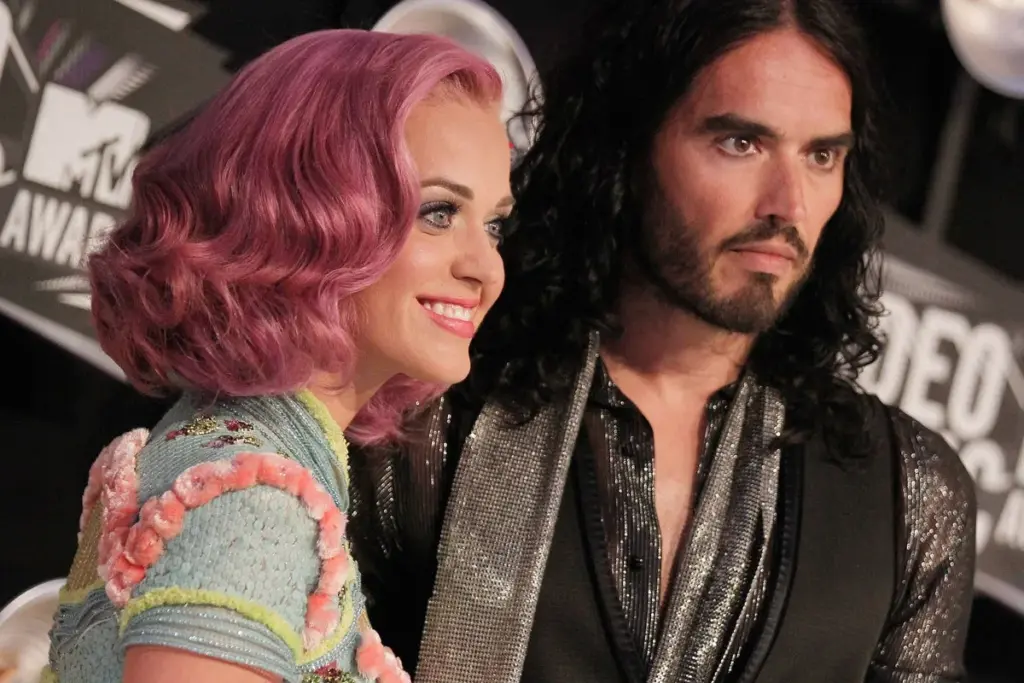
Among the most closely guarded boundaries of the four-week trial was the complete omission of Brand’s high-profile former marriage to global pop icon Katy Perry. Prosecutors had originally intended to reference Perry when outlining the trajectory of Brand's career and personal life during the decade-long window encompassing the offenses. However, following targeted submissions by Brand’s defense counsel, lead prosecutor Riel Karmy-Jones KC formally agreed to scrub the Grammy-nominated singer's name from her opening address. The decision highlighted the delicate balancing act required by British criminal procedure: protecting the integrity of a trial from sensationalist celebrity associations while ensuring that juries remain strictly focused on the narrow legal parameters of the specific charges at hand.
The Anatomy of an Evidentiary Firewall
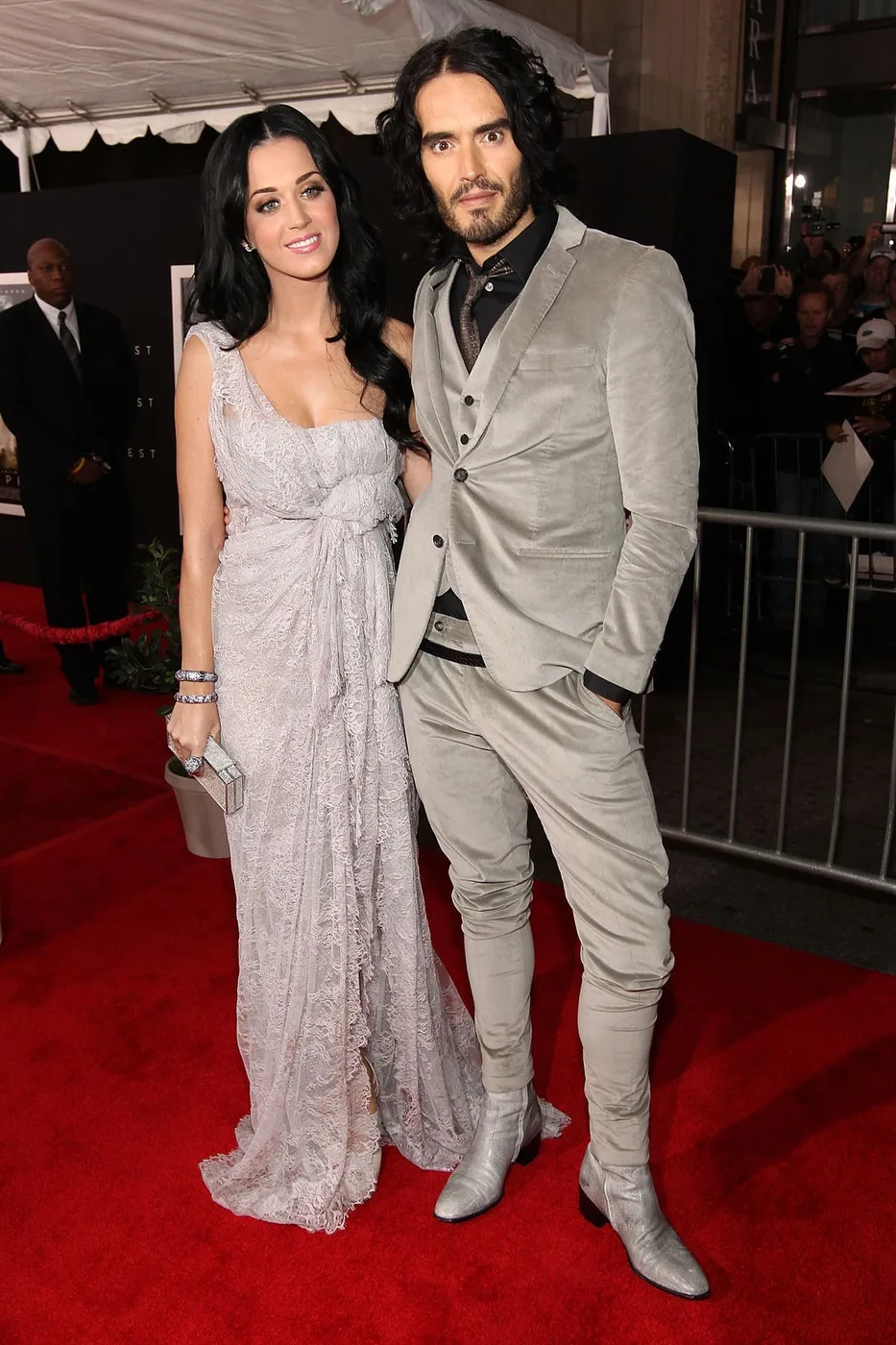
The exclusion of Katy Perry was far from an isolated legal maneuver; it formed part of a comprehensive defensive strategy designed to insulate Brand from collateral character scrutiny. Perry and Brand began dating in 2009 after meeting on the set of the comedy film Get Him To The Greek, marrying the following year in an elaborate traditional Hindu ceremony in Rajasthan, India, before divorcing in 2012. Because two of the offenses for which Brand was convicted occurred in 2009, prosecutors initially viewed the timeline of his burgeoning fame and personal relationships as contextual evidence. Nevertheless, the Crown Prosecution Service ultimately concluded that Perry bore no direct witness to the allegations, confirming that she was never approached for a formal police statement.
“The prosecution recognise that matters post-2009 involving his relationship with Katy Perry may be sensitive, as may his previous faiths, and we are content to remove these from the opening,” Ms. Karmy-Jones submitted to the court during pre-trial arguments. By voluntarily trimming these narrative threads, the prosecution sought to fortify their case against appellate challenges, ensuring that the verdict rested entirely on the testimonies of the complainants rather than the collateral turbulence of Brand's celebrity orbit. Fittingly, while Perry was barred from the prosecution’s opening salvo, Brand himself breached the topic during his own testimony, invoking his marriage to mark the exact epoch in which he achieved what he termed “staggering fame.”
Scrubbing Addiction, Faith, and the Ghosts of Past Decades
Beyond the pop star’s erased presence, the courtroom walls also kept out meticulous volumes of evidence concerning Brand’s documented struggles with chemical dependency and shifting spiritual identities. Prosecutors had sought to introduce arguments regarding Brand’s historical reliance on alcohol and illicit substances to establish a pattern of disinhibited behavior. This effort was aggressively rebuffed by defense barrister Ian Winter KC, who successfully argued that none of the complainants alleged Brand was actively intoxicated during their encounters. The defense successfully maintained that introducing generalized addiction narratives was legally prejudicial rather than probative.
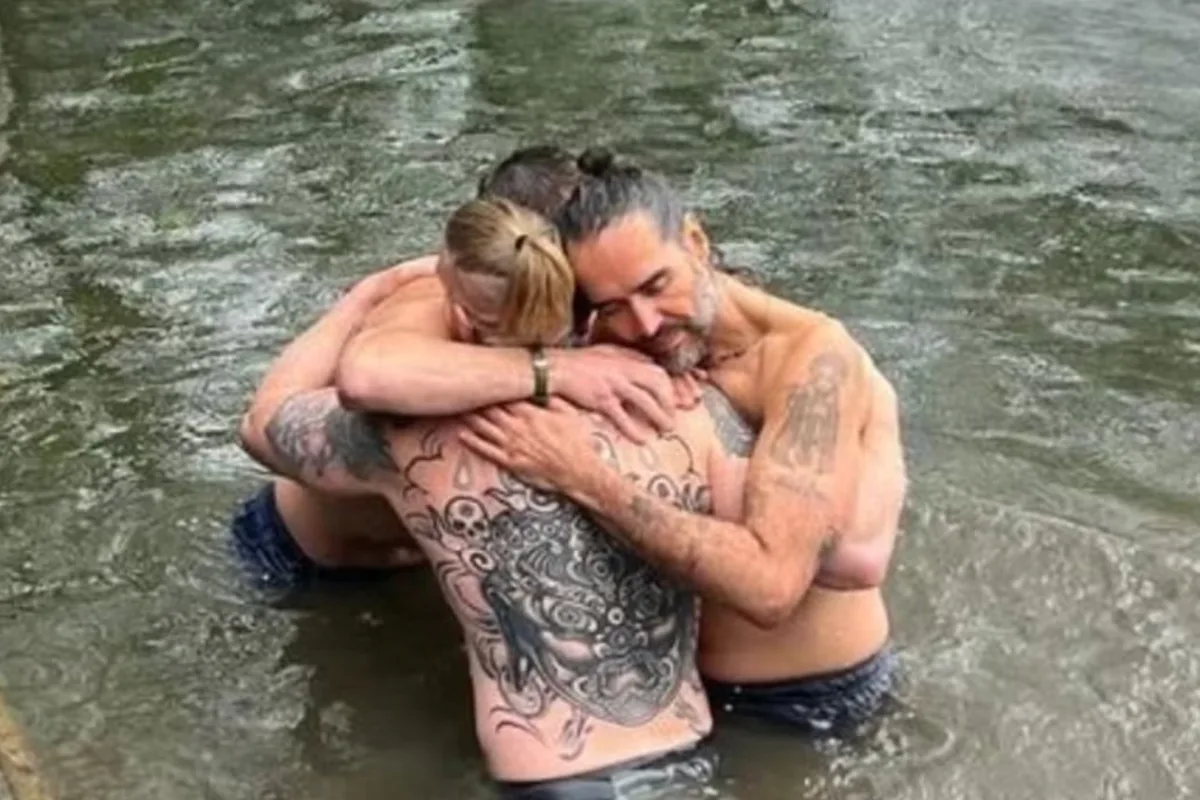
Consequently, testimonies from figures such as Brand’s former assistant Helen Berger and former friend Mark Pinheiro were heavily edited. While Ms. Berger was permitted to describe Brand’s “insane sexual appetite” and his post-coital depressions, references to his historical treatment at specialized sex addiction clinics were struck from the record. Similarly, the prosecution was barred from exploring Brand’s past religious philosophies or his high-profile 2024 baptism in the River Thames—a ceremony attended by television personality Bear Grylls that coincided with Brand’s pivot toward conservative Christian podcasting. By neutralizing these facets, the court effectively severed the defendant's modern, faith-based public reinvention from the historical misconduct adjudicated by the jury.
The Shadow of Modern Media and Institutional Accountability
The trial did not occur in a vacuum; it was inextricably shadowed by the 2023 joint journalistic investigation by The Times, The Sunday Times, and Channel 4’s Dispatches, which first brought the allegations into the public consciousness. While Brand’s defense team repeatedly attempted to frame the prosecution as a byproduct of media-driven hysteria and public vilification, the judiciary maintained strict procedural firewalls. Jurors were specifically vetted to ensure they had never viewed the documentary, and the film itself was never admitted into evidence, safeguarding the sanctity of the courtroom against outside influence.
As legal analysts parse the remnants of a trial that permanently alters the British entertainment landscape, the selective nature of the evidence underscores the rigorous mechanics of the criminal justice system under intense public scrutiny. By stripping away the Hollywood glamour of a Katy Perry marriage, the theatrics of river baptisms, and the complex psychodramas of substance addiction, the Southwark Crown Court jury was left to evaluate raw, unvarnished human testimony. The resulting guilty verdict stands not as a verdict on Brand’s eccentric public persona or his spiritual evolution, but as a definitive legal condemnation of specific, proven abuses of power—leaving a once-untouchable cultural icon facing the sobering reality behind bars.
Khi bức màn cuối cùng hạ xuống tại Tòa án Hình sự Trung ương Southwark vào thứ Năm, ngày 5 tháng 11, phán quyết pháp lý đối với Russell Brand đã tạo ra một chấn động địa chấn trên toàn cảnh quan văn hóa Anh quốc. Bồi thẩm đoàn London đã kết tội nam danh hài kiêm podcaster 51 tuổi với một tội danh cưỡng hiếp và ba tội danh tấn công tình dục, đặt dấu chấm hết cho sự sụp đổ của một người từng được các công tố viên cao cấp miêu tả là “kẻ săn mồi tình dục tàn nhẫn, thao túng và có tính toán.” Tuy nhiên, ngay cả khi Thẩm phán Joel Bennathan ra lệnh tạm giam Brand để chờ mức án tù bắt buộc, một câu chuyện hấp dẫn không kém cũng đang diễn ra ở hậu trường phòng xử án. Các bản ghi chép phiên tòa sơ thẩm vừa được giải mật đã phơi bày những cuộc đụng độ thủ tục khốc liệt nhằm quyết định loại bằng chứng nào mà mười hai bồi thẩm đoàn được phép nghe — và quan trọng hơn hết, những yếu tố nổi tiếng nào đã bị cố tình loại bỏ khỏi hồ sơ vụ án.
Nằm trong số những ranh giới được bảo vệ nghiêm ngặt nhất trong phiên tòa kéo dài bốn tuần là việc hoàn toàn lược bỏ cuộc hôn nhân từng thu hút nhiều chú ý của Brand với biểu tượng nhạc pop toàn cầu Katy Perry. Ban đầu, các công tố viên dự định đề cập đến Perry khi phác thảo quỹ đạo sự nghiệp và đời tư của Brand trong khoảng thời gian một thập kỷ bao gồm các hành vi phạm tội. Tuy nhiên, sau các lập luận nhắm mục tiêu của luật sư bào chữa cho Brand, công tố viên trưởng Riel Karmy-Jones KC đã chính thức đồng ý xóa tên nữ ca sĩ từng được đề cử giải Grammy khỏi bài phát biểu khai mạc của mình. Quyết định này nhấn mạnh sự cân bằng tinh tế đòi hỏi bởi tố tụng hình sự Anh: bảo vệ tính toàn vẹn của một phiên tòa khỏi sự liên hệ với người nổi tiếng mang tính giật gân, đồng thời đảm bảo rằng bồi thẩm đoàn vẫn tập trung nghiêm ngặt vào các giới hạn pháp lý hẹp của các cáo buộc cụ thể đang xét xử.
Giải phẫu một bức tường lửa chứng cứ
Việc loại trừ Katy Perry không hề là một động thái pháp lý đơn lẻ; nó là một phần của chiến lược phòng thủ toàn diện nhằm bảo vệ Brand khỏi sự soi xét về nhân thân có tính chất liên đới. Perry và Brand bắt đầu hẹn hò vào năm 2009 sau khi gặp nhau trên phim trường bộ phim hài Get Him To The Greek, kết hôn vào năm sau đó trong một lễ cưới truyền thống trang trọng tại Rajasthan, Ấn Độ, trước khi ly hôn vào năm 2012. Do hai trong số các tội danh mà Brand bị kết án xảy ra vào năm 2009, các công tố viên ban đầu xem dòng thời gian về danh tiếng đang nổi của ông và các mối quan hệ cá nhân như là bằng chứng ngữ cảnh. Dù vậy, Cơ quan Công tố Hoàng gia cuối cùng đã kết luận rằng Perry không phải là nhân chứng trực tiếp đối với các cáo buộc, đồng thời xác nhận rằng cô chưa từng được tiếp cận để lấy lời khai chính thức của cảnh sát.
“Phía công tố công nhận rằng các vấn đề sau năm 2009 liên quan đến mối quan hệ của ông ta với Katy Perry có thể nhạy cảm, cũng như đức tin trước đây của ông ta, và chúng tôi đồng ý loại bỏ những nội dung này khỏi phần khai mạc,” bà Karmy-Jones trình bày trước tòa trong các tranh luận tiền xét xử. Bằng cách chủ động cắt tỉa những mạch truyện này, phe công tố tìm cách củng cố vụ án của họ trước các thách thức kháng cáo, đảm bảo rằng phán quyết hoàn toàn dựa trên lời khai của các nguyên đơn thay vì sự hỗn loạn hệ quả từ quỹ đạo người nổi tiếng của Brand. Thật phù hợp làm sao, trong khi Perry bị ngăn cấm xuất hiện trong lời mở đầu của công tố viên, chính Brand lại khơi mào chủ đề này trong lời khai của bản thân, viện dẫn cuộc hôn nhân của ông để đánh dấu đúng kỷ nguyên mà ông đạt được cái gọi là “danh tiếng lẫy lừng.”
Xóa bỏ chứng nghiện ngập, đức tin và bóng ma của những thập kỷ qua
Ngoài sự hiện diện đã bị xóa nhòa của ngôi sao nhạc pop, các bức tường phòng xử án cũng giữ lại những tập hồ sơ bằng chứng tỉ mỉ liên quan đến những cuộc chiến đã được ghi chép của Brand với chứng nghiện hóa chất và các bản sắc tâm linh thay đổi liên tục. Các công tố viên đã tìm cách đưa ra các lập luận về sự phụ thuộc lịch sử của Brand vào rượu và các chất cấm nhằm thiết lập một mô hình hành vi mất kiểm soát. Nỗ lực này đã bị bác bỏ một cách quyết liệt bởi luật sư bào chữa Ian Winter KC, người đã biện luận thành công rằng không có nguyên đơn nào cáo buộc Brand đang say xỉn trong các cuộc gặp gỡ của họ. Phía bào chữa đã duy trì thành công lập luận rằng việc đưa ra các câu chuyện nghiện ngập chung chung mang tính định kiến pháp lý hơn là có giá trị chứng minh.
Do đó, lời khai từ các nhân vật như cựu trợ lý của Brand là Helen Berger và người bạn cũ Mark Pinheiro đã bị biên tập rất nhiều. Mặc dù bà Berger được phép mô tả “ham muốn tình dục điên cuồng” của Brand và những cơn trầm cảm sau khi quan hệ tình dục, nhưng các chi tiết tham chiếu đến việc ông điều trị lịch sử tại các phòng khám chuyên khoa nghiện tình dục đã bị xóa khỏi hồ sơ. Tương tự, phía công tố bị cấm khám phá các triết lý tôn giáo trong quá khứ của Brand hoặc lễ báp-têm gây nhiều chú ý vào năm 2024 của ông tại sông Thames — một buổi lễ có sự tham dự của nhân vật truyền hình Bear Grylls trùng hợp với thời điểm Brand chuyển hướng sang podcasting Cơ đốc giáo theo đường lối bảo thủ. Bằng cách vô hiệu hóa các khía cạnh này, tòa án đã thực sự cắt đứt sự tái định hình công khai hiện đại, mang tính đức tin của bị cáo khỏi những hành vi sai trái trong lịch sử đang được bồi thẩm đoàn xét xử.
Bóng đen của truyền thông hiện đại và trách nhiệm giải trình của thể chế
Phiên tòa không diễn ra trong một không gian biệt lập; nó gắn liền với cuộc điều tra báo chí chung năm 2023 bởi The Times, The Sunday Times và chương trình Dispatches của Channel 4, những đơn vị lần đầu tiên đưa các cáo buộc ra trước công chúng. Mặc dù đội ngũ bào chữa của Brand liên tục cố gắng đóng khung vụ kiện là sản phẩm phụ của cơn cuồng nộ do truyền thông điều khiển và sự bêu xấu công khai, hệ thống tư pháp vẫn duy trì các bức tường lửa thủ tục nghiêm ngặt. Các bồi thẩm viên đã được sàng lọc kỹ lưỡng để đảm bảo họ chưa từng xem bộ phim tài liệu đó, và bản thân bộ phim chưa bao giờ được đưa vào làm bằng chứng, qua đó bảo vệ sự tôn nghiêm của phòng xử án khỏi những ảnh hưởng bên ngoài.
Khi các nhà phân tích pháp lý mổ xẻ những tàn tích của một phiên tòa làm thay đổi vĩnh viễn cục diện giải trí Anh quốc, bản chất chọn lọc của bằng chứng đã nhấn mạnh cơ chế khắt khe của hệ thống tư pháp hình sự dưới sự soi xét dữ dội của công luận. Bằng cách lột bỏ lớp hào quang Hollywood của cuộc hôn nhân với Katy Perry, tính sân khấu của các buổi lễ báp-têm trên sông và những vở kịch tâm lý phức tạp của chứng nghiện chất kích thích, bồi thẩm đoàn Tòa án Hình sự Trung ương Southwark đã phải đánh giá những lời khai nguyên bản, không trang hoàng của con người. Phán quyết có tội kết quả không phải là một phán quyết về nhân cách công chúng kỳ quặc hay sự tiến hóa tâm linh của Brand, mà là một sự lên án pháp lý dứt khoát đối với các hành vi lạm dụng quyền lực cụ thể đã được chứng minh — để lại một biểu tượng văn hóa từng không thể chạm tới phải đối mặt với hiện thực phũ phàng sau song sắt.
Lorsque le couperet est enfin tombé à la Southwark Crown Court ce jeudi 5 novembre, la reddition de comptes judiciaire de Russell Brand a provoqué une onde de choc sismique dans le paysage culturel britannique. Un jury londonien a déclaré le comédien et podcasteur de 51 ans coupable d'un chef de viol et de trois chefs d'agression sexuelle, scellant la chute d'un homme autrefois décrit par les hauts procureurs de la Couronne comme un « prédateur sexuel impitoyable, manipulateur et calculateur ». Pourtant, au moment même où le juge Joel Bennathan a placé Brand en détention provisoire dans l'attente d'une peine de prison obligatoire, un récit tout aussi captivant se jouait dans les angles morts de la salle d'audience. Des transcriptions d'avant-procès récemment déclassifiées ont mis à nu les féroces escarmouches procédurales qui ont dicté les éléments de preuve que les douze jurés étaient autorisés à entendre — et, de manière cruciale, quels aspects ultra-médiatisés ont été délibérément gommés du dossier.
Parmi les frontières les plus jalousement gardées de ce procès de quatre semaines figure l'omission totale du mariage très médiatisé de Brand avec l'icône pop mondiale Katy Perry. Les procureurs avaient initialement eu l'intention de mentionner Perry pour situer la trajectoire de la carrière et de la vie personnelle de Brand au cours de la décennie englobant les infractions. Cependant, à la suite d'observations ciblées formulées par le conseil de la défense de Brand, la procureure principale Riel Karmy-Jones KC a formellement accepté de rayer le nom de la chanteuse nommée aux Grammy Awards de sa plaidoirie d'ouverture. Cette décision a mis en lumière le délicat exercice d'équilibrage requis par la procédure pénale britannique : protéger l'intégrité d'un procès contre les associations de célébrités sensationnalistes tout en veillant à ce que les jurés restent strictement concentrés sur les paramètres juridiques étroits des accusations spécifiques en question.
L'anatomie d'un pare-feu probatoire
L'exclusion de Katy Perry est loin d'être une manœuvre juridique isolée ; elle s'inscrivait dans le cadre d'une stratégie défensive globale conçue pour isoler Brand de tout examen collatéral de sa moralité. Perry et Brand avaient commencé à se fréquenter en 2009 après s'être rencontrés sur le tournage de la comédie Get Him To The Greek (« American Trip »), s'unissant l'année suivante lors d'une fastueuse cérémonie hindoue traditionnelle au Rajasthan, en Inde, avant de divorcer en 2012. Étant donné que deux des infractions pour lesquelles Brand a été reconnu coupable se sont produites en 2009, les procureurs avaient initialement considéré la chronologie de sa renommée naissante et de ses relations personnelles comme des éléments de contexte probants. Néanmoins, le Crown Prosecution Service a finalement conclu que Perry n'avait pas été témoin direct des allégations, confirmant qu'elle n'avait jamais été approchée pour une déclaration officielle à la police.
« L'accusation reconnaît que les faits postérieurs à 2009 concernant sa relation avec Katy Perry peuvent s'avérer sensibles, tout comme ses croyances religieuses antérieures, et nous consentons à les retirer de notre déclaration d'ouverture », a soumis Me Karmy-Jones au tribunal lors des plaidoiries préliminaires. En élaguant volontairement ces fils narratifs, l'accusation a cherché à blinder son dossier contre d'éventuels recours en appel, s'assurant que le verdict repose entièrement sur les témoignages des plaignantes plutôt que sur la turbulence collatérale de la constellation médiatique de Brand. De manière assez cocasse, alors que Perry était proscrite du discours d'ouverture de l'accusation, Brand lui-même a abordé le sujet lors de son propre témoignage, invoquant son mariage pour marquer l'époque précise où il a atteint ce qu'il a qualifié de « célébrité fulgurante ».
Effacer l'addiction, la foi et les fantômes des décennies passées
Au-delà de l'effacement de la popstar, les murs du tribunal ont également tenu à l'écart des volumes méticuleux de preuves concernant les luttes documentées de Brand contre sa dépendance chimique et ses identités spirituelles mouvantes. Les procureurs avaient cherché à introduire des arguments concernant la dépendance historique de Brand à l'alcool et aux substances illicites afin d'établir un schéma de comportement désinhibé. Cette tentative a été vertement repoussée par l'avocat de la défense Ian Winter KC, qui a fait valoir avec succès qu'aucun des plaignants ne prétendait que Brand était activement intoxiqué lors de leurs rencontres. La défense a réussi à démontrer que l'introduction de récits généralisés sur l'addiction relevait du préjudice juridique plutôt que de la preuve.
Par conséquent, les témoignages de personnalités telles que l'ancienne assistante de Brand, Helen Berger, et son ancien ami Mark Pinheiro ont été lourdement éédités. Si Mme Berger a été autorisée à décrire « l'appétit sexuel insensé » de Brand et ses dépressions post-coïtales, les références à ses séjours passés dans des cliniques spécialisées dans l'addiction sexuelle ont été rayées du dossier. De même, il a été interdit à l'accusation d'explorer les philosophies religieuses passées de Brand ou son baptême très médiatisé en 2024 dans la Tamise — une cérémonie à laquelle a assisté la personnalité de télévision Bear Grylls, qui a coïncidé avec le virage de Brand vers un podcasting chrétien conservateur. En neutralisant ces facettes, le tribunal a effectivement dissocié la réinvention publique moderne et mystique du prévenu des inconduites historiques jugées par le jury.
L'ombre des médias modernes et de la responsabilité institutionnelle
Le procès ne s'est pas déroulé en vase clos ; il a été indissociablement hanté par l'enquête journalistique conjointe menée en 2023 par The Times, The Sunday Times et Dispatches sur Channel 4, qui avait pour la première fois porté ces allégations sur la place publique. Alors que l'équipe de défense de Brand tentait à maintes reprises de présenter les poursuites comme le sous-produit d'une hystérie médiatique et d'une vindicte publique, la magistrature a maintenu de strictes murailles procédurales. Les jurés ont fait l'objet d'un filtrage minutieux pour s'assurer qu'ils n'avaient jamais visionné le documentaire, et le film lui-même n'a jamais été admis comme preuve, garantissant ainsi la sanctuaire du prétoire face aux influences extérieures.
Alors que les analystes juridiques décortiquent les vestiges d'un procès qui altère durablement le paysage du divertissement britannique, la nature sélective des preuves souligne la mécanique rigoureuse du système de justice pénale soumis à un intense examen public. En dépouillant l'affaire du glamour hollywoodien d'un mariage avec Katy Perry, des théâtralités des baptêmes en rivière et des psychodrames complexes de la toxicomanie, le jury de la Southwark Crown Court a été laissé face à des témoignages humains bruts et sans fard. Le verdict de culpabilité qui en découle ne s'impose pas comme un jugement sur la personnalité publique excentrique de Brand ou sur son évolution spirituelle, mais bien comme une condamnation juridique définitive d'abus de pouvoir spécifiques et avérés — laissant une icône culturelle autrefois intouchable face à la dure réalité derrière les barreaux.
Cuando el telón cayó definitivamente en el Tribunal de la Corona de Southwark el jueves 5 de noviembre, el ajuste de cuentas judicial para Russell Brand sacudió los cimientos del panorama cultural británico. Un jurado de Londres declaró al cómico y podcaster de 51 años culpable de un cargo de violación y tres cargos de agresión sexual, sellando la caída de un hombre al que los fiscales de alto rango describieron en su día como un «depredador sexual despiadado, manipulador y calculador». Sin embargo, incluso mientras el juez Joel Bennathan ordenaba el ingreso de Brand en prisión a la espera de una condena privativa de libertad ineludible, en la sombra de la sala se desarrollaba una trama judicial igualmente fascinante. Las transcripciones preliminares, desclasificadas recientemente, han dejado al descubierto las feroces disputas procesales que dictaron qué pruebas se permitía escuchar a los doce miembros del jurado y, lo que es más crucial, qué elementos de gran repercusión pública fueron excluidos deliberadamente del sumario.
Entre los límites más vigilados del juicio, que se prolongó durante cuatro semanas, destacó la total omisión de su célebre matrimonio anterior con la estrella del pop mundial Katy Perry. La fiscalía tenía previsto inicialmente mencionar a Perry al trazar la trayectoria de la carrera y la vida personal de Brand durante la década en la que se produjeron los delitos. Sin embargo, tras las precisas alegaciones presentadas por los abogados defensores de Brand, la fiscal jefe Riel Karmy-Jones KC acordó formalmente eliminar el nombre de la cantante nominada a los Grammy de su discurso de apertura. Esta decisión puso de relieve el delicado ejercicio de equilibrio que exige el procedimiento penal británico: proteger la integridad de un juicio frente a asociaciones sensacionalistas de celebridades, al tiempo que se garantiza que el jurado se mantenga estrictamente centrado en los estrechos parámetros legales de los cargos específicos que se juzgan.
La anatomía de un cortafuegos probatorio
La exclusión de Katy Perry no constituyó una maniobra jurídica aislada; formaba parte de una estrategia defensiva integral concebida para aislar a Brand de un escrutinio colateral sobre su reputación. Perry y Brand comenzaron a salir en 2009 tras conocerse en el rodaje de la comedia Get Him To The Greek, se casaron al año siguiente en una elaborada ceremonia tradicional hindú en Rajastán (India) y se divorciaron en 2012. Dado que dos de los delitos por los que Brand fue condenado se cometieron en 2009, los fiscales consideraron en un principio que la cronología de su incipiente fama y sus relaciones personales constituía una prueba contextual. No obstante, la Fiscalía de la Corona concluyó en última instancia que Perry no fue testigo directo de las acusaciones, confirmando que nunca se le requirió una declaración policial formal.
«La acusación reconoce que los asuntos posteriores a 2009 relacionados con su matrimonio con Katy Perry pueden ser delicados, al igual que sus anteriores creencias religiosas, y estamos conformes con retirarlos de la apertura», expuso la Sra. Karmy-Jones ante el tribunal durante los argumentos preliminares. Al recortar voluntariamente estos hilos narrativos, la fiscalía pretendía blindar su caso frente a posibles recursos de apelación, garantizando que el veredicto descansara íntegramente en los testimonios de los denunciantes y no en la turbulencia colateral de la órbita de celebridades de Brand. Como era de esperar, mientras que a Perry se le prohibió participar en la ofensiva inicial de la acusación, el propio Brand sacó el tema a relucir durante su declaración, invocando su matrimonio para señalar la época exacta en la que alcanzó lo que denominó «una fama abrumadora».
Borrando adicciones, fe y los fantasmas de décadas pasadas
Más allá de la silenciosa ausencia de la estrella del pop, las paredes del tribunal también mantuvieron al margen un voluminoso archivo de pruebas relativas a los documentados problemas de Brand con la dependencia química y sus cambiantes identidades espirituales. Los fiscales habían intentado introducir argumentos sobre la histórica dependencia de Brand del alcohol y las sustancias ilícitas para establecer un patrón de conducta desinhibida. Este intento fue rechazado con firmeza por el abogado defensor Ian Winter KC, quien argumentó con éxito que ninguna de las denunciantes alegó que Brand estuviera bajo los efectos del alcohol o las drogas durante sus encuentros. La defensa sostuvo con acierto que introducir relatos generalizados sobre la adicción resultaba jurídicamente perjudicial en lugar de probatorio.
En consecuencia, los testimonios de figuras como la antigua asistente de Brand, Helen Berger, y su ex amigo Mark Pinheiro sufrieron profundas modificaciones. Aunque a la Sra. Berger se le permitió describir el «apetito sexual demencial» de Brand y sus depresiones posteriores al coito, las referencias a su tratamiento histórico en clínicas especializadas en adicción al sexo fueron suprimidas del registro. Del mismo modo, se prohibió a la acusación explorar las pasadas filosofías religiosas de Brand o su sonado bautismo de 2024 en el río Támesis —una ceremonia a la que asistió el presentador de televisión Bear Grylls y que coincidió con el giro de Brand hacia la podcastería cristiana de tinte conservador—. Al neutralizar estas facetas, el tribunal desvinculó de manera efectiva la moderna reinvención pública del acusado basada en la fe de la mala conducta histórica juzgada por el jurado.
La sombra de los medios modernos y la rendición de cuentas institucional
El juicio no se celebró en el vacío; estuvo indisolublemente marcado por la investigación periodística conjunta publicada en 2023 por The Times, The Sunday Times y el programa Dispatches de Channel 4, que sacó por primera vez las acusaciones a la luz pública. Si bien el equipo de defensa de Brand intentó repetidamente presentar el proceso como un producto de la histeria mediática y la difamación pública, la judicatura mantuvo estrictos cortafuegos procesales. Los miembros del jurado fueron sometidos a una rigurosa selección para garantizar que nunca habían visto el documental, y la cinta jamás fue admitida como prueba, preservando así la sacralidad de la sala frente a cualquier influencia externa.
Mientras los analistas jurídicos examinan los restos de un juicio que altera de forma permanente el panorama del entretenimiento británico, la naturaleza selectiva de las pruebas subraya la implacable maquinaria del sistema de justicia penal bajo un intenso escrutinio público. Al despojar el proceso del glamour hollywoodiense de un matrimonio con Katy Perry, de la teatralidad de los bautizos en el río y de los complejos psicodramas de la toxicomanía, el jurado del Tribunal de la Corona de Southwark se vio abocado a evaluar testimonios humanos crudos y sin aditivos. El consiguiente veredicto de culpabilidad no se erige como un juicio sobre la excéntrica personalidad pública de Brand o su evolución espiritual, sino como una condena legal definitiva de abusos de poder específicos y demostrados, dejando a un icono cultural otrora intocable frente a la sobria realidad que aguarda tras los barrotes.
When the curtain finally fell at Southwark Crown Court on Thursday, November 5, the legal reckoning for Russell Brand delivered a seismic shock across the British cultural landscape. A London jury convicted the 51-year-old comedian and podcaster of one count of rape and three counts of sexual assault, cementing the fall of a man once described by senior crown prosecutors as a “ruthless, manipulative, and calculated sexual predator.” Yet, even as Judge Joel Bennathan remanded Brand into custody ahead of a mandatory custodial sentencing, an equally compelling narrative was unfolding in the shadows of the courtroom. Newly unsealed pre-trial transcripts have laid bare the fierce procedural skirmishes that dictated what evidence the twelve jurors were permitted to hear—and, crucially, what high-profile elements were deliberately excised from the record.
Among the most closely guarded boundaries of the four-week trial was the complete omission of Brand’s high-profile former marriage to global pop icon Katy Perry. Prosecutors had originally intended to reference Perry when outlining the trajectory of Brand's career and personal life during the decade-long window encompassing the offenses. However, following targeted submissions by Brand’s defense counsel, lead prosecutor Riel Karmy-Jones KC formally agreed to scrub the Grammy-nominated singer's name from her opening address. The decision highlighted the delicate balancing act required by British criminal procedure: protecting the integrity of a trial from sensationalist celebrity associations while ensuring that juries remain strictly focused on the narrow legal parameters of the specific charges at hand.
The Anatomy of an Evidentiary Firewall
The exclusion of Katy Perry was far from an isolated legal maneuver; it formed part of a comprehensive defensive strategy designed to insulate Brand from collateral character scrutiny. Perry and Brand began dating in 2009 after meeting on the set of the comedy film Get Him To The Greek, marrying the following year in an elaborate traditional Hindu ceremony in Rajasthan, India, before divorcing in 2012. Because two of the offenses for which Brand was convicted occurred in 2009, prosecutors initially viewed the timeline of his burgeoning fame and personal relationships as contextual evidence. Nevertheless, the Crown Prosecution Service ultimately concluded that Perry bore no direct witness to the allegations, confirming that she was never approached for a formal police statement.
“The prosecution recognise that matters post-2009 involving his relationship with Katy Perry may be sensitive, as may his previous faiths, and we are content to remove these from the opening,” Ms. Karmy-Jones submitted to the court during pre-trial arguments. By voluntarily trimming these narrative threads, the prosecution sought to fortify their case against appellate challenges, ensuring that the verdict rested entirely on the testimonies of the complainants rather than the collateral turbulence of Brand's celebrity orbit. Fittingly, while Perry was barred from the prosecution’s opening salvo, Brand himself breached the topic during his own testimony, invoking his marriage to mark the exact epoch in which he achieved what he termed “staggering fame.”
Scrubbing Addiction, Faith, and the Ghosts of Past Decades
Beyond the pop star’s erased presence, the courtroom walls also kept out meticulous volumes of evidence concerning Brand’s documented struggles with chemical dependency and shifting spiritual identities. Prosecutors had sought to introduce arguments regarding Brand’s historical reliance on alcohol and illicit substances to establish a pattern of disinhibited behavior. This effort was aggressively rebuffed by defense barrister Ian Winter KC, who successfully argued that none of the complainants alleged Brand was actively intoxicated during their encounters. The defense successfully maintained that introducing generalized addiction narratives was legally prejudicial rather than probative.
Consequently, testimonies from figures such as Brand’s former assistant Helen Berger and former friend Mark Pinheiro were heavily edited. While Ms. Berger was permitted to describe Brand’s “insane sexual appetite” and his post-coital depressions, references to his historical treatment at specialized sex addiction clinics were struck from the record. Similarly, the prosecution was barred from exploring Brand’s past religious philosophies or his high-profile 2024 baptism in the River Thames—a ceremony attended by television personality Bear Grylls that coincided with Brand’s pivot toward conservative Christian podcasting. By neutralizing these facets, the court effectively severed the defendant's modern, faith-based public reinvention from the historical misconduct adjudicated by the jury.
The Shadow of Modern Media and Institutional Accountability
The trial did not occur in a vacuum; it was inextricably shadowed by the 2023 joint journalistic investigation by The Times, The Sunday Times, and Channel 4’s Dispatches, which first brought the allegations into the public consciousness. While Brand’s defense team repeatedly attempted to frame the prosecution as a byproduct of media-driven hysteria and public vilification, the judiciary maintained strict procedural firewalls. Jurors were specifically vetted to ensure they had never viewed the documentary, and the film itself was never admitted into evidence, safeguarding the sanctity of the courtroom against outside influence.
As legal analysts parse the remnants of a trial that permanently alters the British entertainment landscape, the selective nature of the evidence underscores the rigorous mechanics of the criminal justice system under intense public scrutiny. By stripping away the Hollywood glamour of a Katy Perry marriage, the theatrics of river baptisms, and the complex psychodramas of substance addiction, the Southwark Crown Court jury was left to evaluate raw, unvarnished human testimony. The resulting guilty verdict stands not as a verdict on Brand’s eccentric public persona or his spiritual evolution, but as a definitive legal condemnation of specific, proven abuses of power—leaving a once-untouchable cultural icon facing the sobering reality behind bars.
Editorial Standards & Multi-Language Synthesis: This dispatch was synthesized and fact-checked by the ParisDaily Editorial Desk across 5 global editions (EN, FR, VI, ES, ZH), cross-referencing primary international wire reports and real-time search intelligence.