La encrucijada de Columbus: por qué Ryan Day afronta su prueba definitiva en Ohio State
As Ohio State navigates its most turbulent season in over two decades, head coach Ryan Day faces mounting scrutiny over coaching missteps, roster construction, and an increasingly precarious future.
Trong bối cảnh Ohio State trải qua mùa giải bất ổn nhất trong hơn hai thập kỷ, huấn luyện viên trưởng Ryan Day đang phải đối mặt với làn sóng giám sát gay gắt ngày càng gia tăng về những sai lầm trong chiến thuật, công tác xây dựng lực lượng và một tương lai ngày càng bấp bênh.
Alors qu'Ohio State traverse sa saison la plus mouvementée depuis plus de vingt ans, l'entraîneur principal Ryan Day fait face à un scepticisme grandissant concernant ses choix tactiques, la construction de son effectif et un avenir de plus en plus incertain.
Mientras Ohio State atraviesa su temporada más turbulenta en más de dos décadas, el entrenador jefe Ryan Day se enfrenta a un escrutinio cada vez mayor debido a sus errores tácticos, la confección de la plantilla y un futuro que se antoja cada vez más precario.
随着俄亥俄州立大学度过二十多年来最动荡的一个赛季,主教练瑞安·戴伊正因执教失误、阵容构建不当以及日益飘摇的前途而面临越来越严厉的审视。
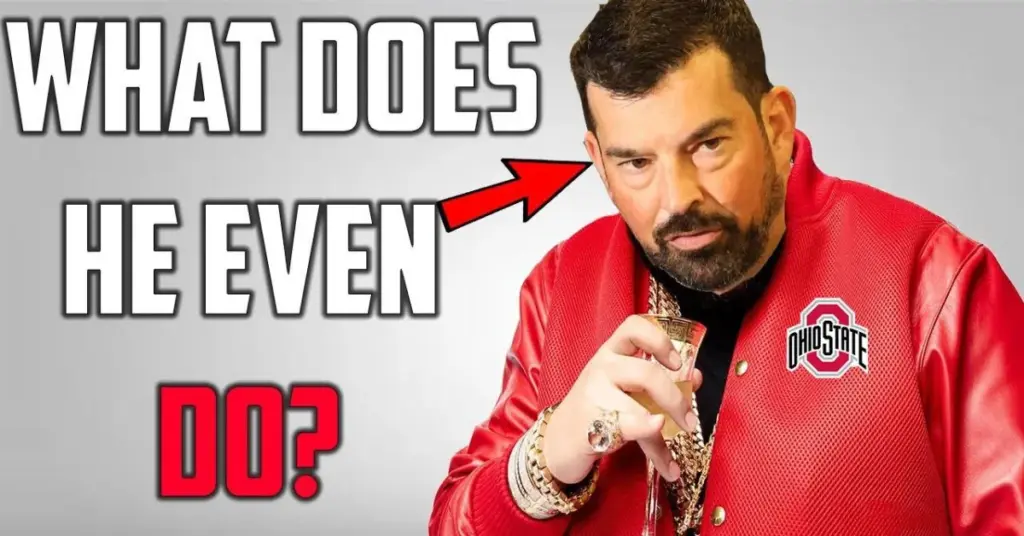
- Ohio State has suffered four losses under a non-interim head coach for the first time since 2004, plunging the program into rare crisis.
- Critique centers heavily on expensive yet underperforming assistant coaching hires, including high-profile coordinators like Matt Patricia.
- The modern landscape of Name, Image, and Likeness (NIL) and transfer portal mismanagement have left the Buckeyes' roster depth severely compromised.
- With the annual clash against Michigan looming, the narrative surrounding Day's tenure has shifted from perennial playoff contention to immediate institutional survival.
- Ohio State đã phải nhận 4 trận thua dưới triều đại của một huấn luyện viên trưởng chính thức (không phải tạm quyền) lần đầu tiên kể từ năm 2004, đẩy chương trình này vào một cuộc khủng hoảng hiếm thấy.
- Những lời chỉ trích tập trung mạnh mẽ vào các bản hợp đồng trợ lý tốn kém nhưng kém hiệu quả, bao gồm cả những điều phối viên tên tuổi lớn như Matt Patricia.
- Bối cảnh hiện đại của luật Bản quyền hình ảnh cá nhân (NIL) và những sai lầm trong việc quản lý cổng chuyển nhượng (transfer portal) đã khiến chiều sâu đội hình của The Buckeyes bị suy giảm nghiêm trọng.
- Khi trận đại chiến thường niên với Michigan đang cận kề, câu chuyện xung quanh nhiệm kỳ của Day đã chuyển từ việc cạnh tranh play-off thường niên sang vấn đề sinh tồn ngay lập tức của cả thể chế.
- Ohio State a concédé quatre défaites sous la houlette d'un entraîneur principal permanent pour la première fois depuis 2004, plongeant l'institution dans une crise rare.
- Les critiques ciblent principalement le recrutement d'entraîneurs assistants onéreux mais aux performances décevantes, à l'image de coordinateurs de renom tels que Matt Patricia.
- La mauvaise gestion du nouveau paysage financier (NIL) et du portail des transferts a sévèrement compromis la profondeur de l'effectif des Buckeyes.
- À l'approche du choc annuel contre Michigan, le discours entourant le mandat de Day est passé d'une course perpétuelle au titre à une lutte immédiate pour la survie institutionnelle.
- Ohio State ha acumulado cuatro derrotas con un entrenador jefe titular por primera vez desde 2004, lo que ha sumido al programa en una crisis excepcional.
- Las críticas se centran en el costoso y decepcionante cuerpo técnico, que incluye a coordinadores de alto perfil como Matt Patricia.
- La mala gestión del nuevo modelo de compensación por Nombre, Imagen y Semblanza (NIL) y del mercado de fichajes ha mermado gravemente la profundidad de la plantilla de los Buckeyes.
- Con el inminente y tradicional enfrentamiento contra Michigan, la narrativa en torno a la etapa de Day ha pasado de aspirar sistemáticamente al título a luchar por la pura supervivencia institucional.
- 自2004年以来,俄亥俄州立大学首次在非临时主教练带领下遭遇四场失利,将项目推入罕见的危机之中。
- 批评的焦点高度集中在昂贵却表现不佳的教练组引援上,其中包括马特·帕特里夏(Matt Patricia)等备受瞩目的协调员。
- “姓名、形象和肖像权”(NIL)及转学窗口(Transfer Portal)管理不善,导致七叶树队的阵容深度严重受损。
- 随着与密歇根大学的年度大战临近,围绕戴伊执教生涯的叙事已从常年争夺季后赛席位转变为生死存亡的机构保卫战。
In the high-stakes theater of elite collegiate athletics, few institutions demand absolute perfection quite like Ohio State University. For generations, the scarlet and gray have cast a long, imposing shadow over the college football landscape, fueled by an insatiable appetite for victories, conference championships, and national titles. Yet, as the calendar winds down toward the annual grudge match against arch-rival Michigan, the atmosphere in Columbus is not one of confident anticipation, but of profound anxiety. Head coach Ryan Day, once heralded as the visionary offensive architect destined to keep the Buckeyes at the absolute summit of the sport, now finds himself fighting to preserve his professional legacy.
The numbers charting the current campaign tell a stark, unvarnished story of decline. With four losses already tarnishing the ledger under a non-interim head coach—a statistical threshold the program has not crossed since 2004—and the looming threat of a fifth defeat against the Wolverines, the baseline of excellence in Columbus has undeniably fractured. For a fan base accustomed to perennial dominance and seamless transitions of power, the struggles of the 2026 season have transformed simmering doubts into an open, systemic interrogation of the program’s executive leadership and strategic direction.
The Anatomy of Staff Miscalculation and Financial Strain
At the very heart of the discontent surrounding Ryan Day is a recurring pattern of personnel misfires within his coaching staff. Despite commanding one of the most substantial financial investments of any athletic department in the country, the Buckeyes' sideline staff has frequently resembled a patchwork assembly rather than a cohesive unit of elite tacticians. Critics point to a series of questionable hires across both the offensive and defensive hierarchies, where pedigree and proven developmental track records appeared secondary to familiarity or convenience.
On the defensive side of the ball, the appointment of high-profile coordinators has yielded diminishing returns. Observers note that without a generational accumulation of first-round NFL talent masking structural flaws, tactical approaches have frequently baffled analysts and supporters alike. Similarly, position groups that were once gold standards for NFL talent production—ranging from the secondary to the tight ends and offensive trenches—have experienced visible regression. When the most expensive coaching apparatus in the nation fails to outperform opponents fundamentally, the ultimate responsibility inevitably rests upon the man steering the enterprise.
NIL Realities and the Transfer Portal Miscalculation
Compounding the technical struggles on the field is a broader, systemic failure to adapt to the modern economics of college football. The advent of Name, Image, and Likeness (NIL) legislation and the unfettered expansion of the NCAA transfer portal have radically rewritten the rules of talent acquisition. For a program boasting the immense financial infrastructure and alumni backing of Ohio State, navigating this new paradigm should have represented a position of supreme strength. Instead, the Buckeyes have found themselves outmaneuvered in high-stakes recruitments and heavily burdened by portal acquisitions that failed to deliver baseline productivity.
Rather than executing a surgical, high-impact strategy to secure elite difference-makers, recent offseasons have seen a volume-driven approach that drained resources without elevating the roster's ceiling. High-profile financial commitments to transfer prospects frequently yielded marginal returns or disciplinary liabilities, while traditional high-school recruiting suffered from an apparent hesitation to compete aggressively against surging SEC rivals for five-star talents. Retention has proven equally erratic, allowing cornerstone contributors to depart while attempting to fill massive shoes with unproven or inadequate replacements. In an era where roster construction requires executive-level precision, these misjudgments have critically eroded the Buckeyes' competitive margin.
Institutional Crossroads and the Michigan Watershed
As the shadows lengthen over the Horseshoe ahead of the Michigan showdown, the overarching question facing the university's administration transcends simple win-loss records. It strikes at the core institutional identity of Ohio State football: can a coach who constructed the current structural vulnerabilities be trusted to dismantle and rebuild them during a single turbulent offseason? Remaking half of a coaching staff while simultaneously overhauling talent evaluation protocols demands a degree of institutional agility that few programs manage successfully under duress.
For Ryan Day, the path forward is narrow and unforgiving. The historic rivalry match against the Wolverines is no longer merely a battle for conference prestige; it is a referendum on the viability of his entire tenure. Whether the administration opts for a radical administrative reset or extends a final, highly conditional vote of confidence for the coming years, the events unfolding in Columbus serve as a cautionary tale about the fragile nature of supremacy in modern collegiate athletics, where yesterday's architect can swiftly become tomorrow's central question.
Trong nhà hát đầy rẫy rủi ro của thể thao đại học đỉnh cao, rất ít cái tên đòi hỏi sự hoàn hảo tuyệt đối như Đại học Ohio State. Trong nhiều thế hệ, sắc đỏ thẫm và xám đã bao trùm một cái bóng dài, uy nghiêm lên toàn cảnh bóng bầu dục đại học, được nuôi dưỡng bởi sự thèm khát chiến thắng, các chức vô địch hội nghị và các danh hiệu quốc gia chưa bao giờ thỏa mãn. Thế nhưng, khi cuốn lịch dần khép lại để hướng tới trận thư hùng thường niên với đại kình địch Michigan, bầu không khí tại Columbus không phải là sự chờ đợi đầy tự tin, mà là nỗi lo âu sâu sắc. Huấn luyện viên trưởng Ryan Day, người từng được ca ngợi là kiến trúc sư thiên tài trên mặt trận tấn công được định sẵn để giữ vững vị thế đỉnh cao tuyệt đối cho The Buckeyes, giờ đây thấy mình phải chật vật bảo vệ di sản sự nghiệp.
Những con số phác họa chiến dịch hiện tại kể câu chuyện trần trụi và rõ rệt về sự suy thoái. Với 4 trận thất bại đã làm vấy bẩn bảng thành tích dưới quyền một huấn luyện viên trưởng chính thức—một ngưỡng thống kê mà chương trình này chưa từng vượt qua kể từ năm 2004—cùng mối đe dọa hiển hiện về thất bại thứ năm trước đối thủ Michigan, nền tảng xuất sắc tại Columbus đã thực sự rạn nứt. Đối với một lượng người hâm mộ đã quen với sự thống trị trường kỳ và các cuộc chuyển giao quyền lực mượt mà, những chật vật của mùa giải 2026 đã biến những hoài nghi âm ỉ thành một cuộc thẩm vấn cở chế mang tính hệ thống đối với quyền lãnh đạo điều hành và định hướng chiến lược của chương trình.
Giải phẫu sự sai lầm về nhân sự và áp lực tài chính
Tâm điểm của sự bất mãn xung quanh Ryan Day là một mô hình lặp đi lặp lại về những tính toán sai lầm về nhân sự trong ban huấn luyện của ông. Mặc dù nắm giữ một trong những khoản đầu tư tài chính lớn nhất của bất kỳ bộ phận thể thao nào trong nước, ban huấn luyện bên lề của The Buckeyes thường giống một mảnh chắp vá hơn là một khối chiến thuật gia ưu tú gắn kết. Các nhà phê bình chỉ ra một loạt các bản hợp đồng đáng ngờ trên cả hệ thống tấn công và phòng ngự, nơi phả hệ và thành tích phát triển đã được chứng minh tỏ ra thứ yếu trước sự quen thuộc hoặc tính tiện lợi.
Ở mặt trận phòng ngự, việc bổ nhiệm các điều phối viên tên tuổi lớn đã mang lại lợi ích giảm dần. Các nhà quan sát lưu ý rằng nếu không có sự tích tụ tài năng NFL vòng một mang tầm thế hệ để che đậy các khiếm khuyết về cấu trúc, các cách tiếp cận chiến thuật thường khiến cả các nhà phân tích lẫn người ủng hộ phải bối rối. Tương tự, các nhóm vị trí từng là tiêu chuẩn vàng cho việc sản xuất tài năng NFL—từ tuyến sau (secondary) cho đến vị trí tight end và tuyến tấn công—đã trải qua sự thụt lùi trông thấy. Khi bộ máy huấn luyện đắt đỏ nhất quốc gia thất bại trong việc vượt trội các đối thủ về mặt nền tảng, trách nhiệm cuối cùng chắc chắn thuộc về người chèo lái con thuyền.
Thực tế về NIL và sai lầm trong tính toán cổng chuyển nhượng
Làm trầm trọng thêm những chật vật chuyên môn trên sân cỏ là một thất bại mang tính hệ thống rộng lớn hơn trong việc thích ứng với nền kinh tế hiện đại của bóng bầu dục đại học. Sự ra đời của luật Bản quyền hình ảnh cá nhân (NIL) và sự mở rộng không giới hạn của cổng chuyển nhượng NCAA đã viết lại hoàn toàn các quy tắc chiêu mộ tài năng. Đối với một chương trình tự hào có cơ sở hạ tầng tài chính khổng lồ và sự hậu thuẫn từ cựu sinh viên như Ohio State, việc điều hướng mô hình mới này đáng lẽ phải đại diện cho một vị thế sức mạnh tối cao. Thay vào đó, The Buckeyes lại thấy mình bị đánh bại trong các cuộc chiêu mộ đặt cược cao và gánh nặng bởi các thương vụ chuyển nhượng từ cổng thông tin không mang lại năng suất cơ bản.
Thay vì thực hiện một chiến lược sắc bén, có tác động cao để đảm bảo những cái tên làm thay đổi cục diện ưu tú, các mùa giải gần đây chứng kiến một cách tiếp cận hướng đến số lượng, làm cạn kiệt nguồn lực mà không nâng cao được trần đội hình. Các cam kết tài chính lớn dành cho các triển vọng chuyển nhượng thường mang lại lợi nhuận biên hoặc những rủi ro về kỷ luật, trong khi việc tuyển dụng học sinh trung học truyền thống lại chịu sự do dự rõ rệt trong việc cạnh tranh quyết liệt với các đối thủ SEC đang trỗi dậy để giành lấy các tài năng năm sao. Sự duy trì nhân sự cũng tỏ ra thất thường không kém, cho phép những trụ cột ra đi trong khi cố gắng trám vào những khoảng trống khổng lồ bằng những nhân tố thay thế chưa được kiểm chứng hoặc không đủ tiêu chuẩn. Trong kỷ nguyên mà việc xây dựng đội hình đòi hỏi độ chính xác cấp độ điều hành, những phán xét sai lầm này đã làm suy giảm nghiêm trọng biên độ cạnh tranh của The Buckeyes.
Ngã ba đường của thể chế và bước ngoặt Michigan
Khi bóng chiều ngả dài trên sân vận động Ohio Stadium trước thềm trận thư hùng với Michigan, câu hỏi bao trùm đặt ra cho ban quản lý trường đại học đã vượt ra ngoài các kỷ lục thắng-thua đơn thuần. Nó đánh trúng cốt lõi bản sắc thể chế của bóng bầu dục Ohio State: liệu một huấn luyện viên đã tạo ra các lỗ hổng cấu trúc hiện tại có thể được tin tưởng để tháo dỡ và xây dựng lại chúng trong một mùa giải bão táp duy nhất? Việc làm lại một nửa ban huấn luyện đồng thời đại tu các nguyên tắc đánh giá tài năng đòi hỏi một mức độ linh hoạt của thể chế mà rất ít chương trình có thể quản lý thành công dưới áp lực.
Đối với Ryan Day, con đường phía trước vô cùng hẹp và không có chỗ cho sự khoan dung. Trận đấu derby lịch sử với The Wolverines không chỉ đơn thuần là một trận chiến vì uy tín hội nghị; đó là một cuộc trưng cầu dân ý về khả năng tồn tại của toàn bộ nhiệm kỳ của ông. Cho dù ban lãnh đạo lựa chọn một cuộc tái thiết hành chính triệt để hay trao một lá phiếu tín nhiệm cuối cùng đầy điều kiện cho những năm tới, các sự kiện diễn ra tại Columbus đóng vai trò như một lời cảnh báo về bản chất mong manh của sự thống trị trong thể thao đại học hiện đại, nơi kiến trúc sư của ngày hôm qua có thể nhanh chóng trở thành dấu hỏi trung tâm của ngày mai.
Dans le théâtre impitoyable du sport universitaire d'élite, rares sont les institutions qui exigent une perfection absolue autant que l'université d'État de l'Ohio. Depuis des générations, l'équipe au écarlate et gris plane comme une ombre monumentale sur le paysage du football américain, nourrie par une soif insatiable de victoires, de titres de conférence et de sacres nationaux. Pourtant, à mesure que le calendrier s'égrène vers le duel fratricide contre le grand rival du Michigan, l'atmosphère à Columbus n'est pas à l'optimisme confiant, mais à une anxiété profonde. L'entraîneur principal Ryan Day, autrefois salué comme l'architecte offensif visionnaire destiné à maintenir les Buckeyes au sommet absolu de la discipline, se bat aujourd'hui pour préserver son héritage professionnel.
Les chiffres qui caractérisent la campagne actuelle dressent le portrait sans fard d'un déclin. Avec quatre défaites venant déjà ternir le bilan sous un entraîneur principal en titre — un seuil statistique que le programme n'avait plus franchi depuis 2004 — et la menace imminente d'un cinquième revers face aux Wolverines, le socle de l'excellence à Columbus s'est incontestablement fissuré. Pour une base de supporters habituée à une domination perpétuelle et à des transitions de pouvoir sans accroc, les difficultés de la saison 2026 ont transformé les doutes latents en un questionnement systémique ouvert sur la direction exécutive et la vision stratégique du programme.
L'anatomie des erreurs de casting et de la tension financière
Au cœur même du mécontentement qui entoure Ryan Day se trouve une récurrence d'erreurs de casting au sein de son encadrement technique. Bien qu'il dispose de l'un des investissements financiers les plus substantiels de tout le sport universitaire national, le staff des Buckeyes a souvent ressemblé à un assemblage de fortune plutôt qu'à un ensemble cohérent de tacticiens d'élite. Les critiques pointent une série de nominations discutables au sein des hiérarchies offensive et défensive, où le pedigree et un historique avéré de formation des jeunes ont semblé relégués au second plan au profit de la familiarité ou de la complaisance.
Sur le plan défensif, la nomination de coordinateurs médiatiques a produit des résultats décroissants. Les observateurs soulignent que, faute d'une génération dorée de talents de premier tour de draft NFL masquant les failles structurelles, les choix tactiques ont fréquemment désarçonné analystes et fidèles du club. De même, les lignes de postes qui constituaient autrefois l'étalon-or de la formation pour la NFL — de la couverture arrière aux tight ends en passant par les tranchées offensives — affichent une régression visible. Lorsque l'appareil d'entraîneurs le plus cher du pays ne parvient pas à surpasser fondamentalement ses adversaires, la responsabilité ultime incombe inévitablement à l'homme qui mène la barque.
Les réalités du NIL et l'impasse du portail des transferts
À ces difficultés tactiques sur le terrain s'ajoute un échec systémique plus vaste : l'incapacité à s'adapter à l'économie moderne du football universitaire. L'avènement de la législation sur le NIL (Nom, Image et Ressemblance) et l'expansion incontrôlée du portail des transferts de la NCAA ont radicalement réécrit les règles du recrutement des talents. Pour un programme doté de l'immense infrastructure financière et du soutien des anciens élèves d'Ohio State, naviguer dans ce nouveau paradigme aurait dû constituer une position de force suprême. Au lieu de cela, les Buckeyes se sont laissés distancer lors de recrutements à fort enjeu et lourdement pénalisés par des arrivées issues du portail qui n'ont pas généré la productivité escomptée.
Plutôt que de mener une stratégie chirurgicale et percutante pour s'attacher les services d'éléments différentiels d'élite, les récentes intersaisons ont vu prévaloir une approche quantitative qui a vidé les ressources sans rehausser le plafond de l'effectif. Les engagements financiers massifs auprès de prospects transférés n'ont souvent donné que des rendements marginaux ou des passifs disciplinaires, tandis que le recrutement traditionnel au lycée a souffert d'une hésitation manifeste à rivaliser agressivement avec des rivaux de la SEC en plein essor pour arracher les talents cinq étoiles. La fidélisation s'est révélée tout aussi erratique, permettant à des contributeurs majeurs de partir tout en tentant de combler des vides abyssaux avec des remplaçants inexpérimentés ou inadéquats. À une époque où la construction d'un effectif exige une précision de dirigeant, ces erreurs de jugement ont érodé de manière critique la marge compétitive des Buckeyes.
Carrefour institutionnel et tournant décisif face au Michigan
Alors que l'ombre s'allonge sur le « Horseshoe » avant la confrontation contre le Michigan, la question primordiale à laquelle fait face l'administration de l'université dépasse le simple bilan comptable. Elle touche à l'identité institutionnelle fondamentale du football d'Ohio State : un entraîneur qui a bâti ces vulnérabilités structurelles peut-il être mandaté pour les démanteler et les rebâtir au cours d'une seule intersaison mouvementée ? Refondre la moitié d'un encadrement technique tout en révisant simultanément les protocoles d'évaluation des talents exige un degré d'agilité institutionnelle que peu de programmes parviennent à maîtriser sous pression.
Pour Ryan Day, la voie est étroite et impitoyable. Le match de rivalité historique contre les Wolverines n'est plus seulement une bataille pour le prestige de la conférence ; c'est un référendum sur la viabilité de l'ensemble de son mandat. Que l'administration opte pour une refonte administrative radicale ou accorde un dernier vote de confiance, hautement conditionnel, pour les années à venir, les événements qui se déroulent à Columbus rappellent avec force la fragilité de la suprématie dans le sport universitaire moderne, où l'architecte de la veille peut rapidement devenir l'inconnue du lendemain.
En el exigente teatro del deporte universitario de élite, pocas instituciones exigen una perfección absoluta tanto como la Universidad Estatal de Ohio. Durante generaciones, los colores escarlata y gris han proyectado una sombra imponente sobre el panorama del fútbol americano universitario, alimentados por un apetito insaciable de victorias, títulos de conferencia y campeonatos nacionales. Sin embargo, a medida que el calendario se agota de cara al tradicional duelo contra su archirrival, Michigan, la atmósfera en Columbus no está teñida de una confianza anticipada, sino de una profunda ansiedad. El entrenador jefe Ryan Day, antaño encumbrado como el arquitecto ofensivo visionario destinado a mantener a los Buckeyes en la absoluta cima de este deporte, se encuentra hoy luchando por preservar su legado profesional.
Las cifras que dibujan la actual campaña trazan una historia descarnada y sin paliativos de declive. Con cuatro derrotas que ya ensombrecen el historial bajo la batuta de un entrenador titular —un umbral estadístico que el programa no cruzaba desde 2004— y la inminente amenaza de un quinto revés ante los Wolverines, el estándar de excelencia en Columbus se ha fracturado de forma indudable. Para una afición acostumbrada a un dominio perpetuo y a unas transiciones de poder fluidas, los tropiezos de la temporada 2026 han transformado las dudas latentes en un interrogante abierto y sistémico sobre el liderazgo ejecutivo y la dirección estratégica del programa.
La anatomía del error técnico y de la tensión financiera
En el epicentro del descontento en torno a Ryan Day se halla un patrón recurrente de fallos de personal dentro de su cuerpo técnico. A pesar de contar con una de las inversiones financieras más cuantiosas de cualquier departamento deportivo del país, el banquillo de los Buckeyes se ha asemejado con demasiada frecuencia a un parche improvisado en lugar de a un bloque cohesionado de tácticos de élite. Los críticos señalan una serie de contrataciones cuestionables tanto en la jerarquía ofensiva como en la defensiva, donde el prestigio y una trayectoria demostrada en el desarrollo de jugadores parecieron quedar supeditados a la familiaridad o a la mera conveniencia.
En el apartado defensivo, la designación de coordinadores de renombre ha ofrecido rendimientos decrecientes. Los analistas observan que, sin una acumulación generacional de talento de primera ronda de la NFL capaz de enmascarar los fallos estructurales, los planteamientos tácticos han desconcertado frecuentemente a expertos y seguidores por igual. De igual modo, parcelas que antaño constituían el patrón oro en la producción de talento para la NFL —desde la secundaria hasta los alas cerradas y la línea ofensiva— han experimentado una regresión visible. Cuando el aparato técnico más costoso de la nación fracasa a la hora de superar a sus rivales en los fundamentos, la responsabilidad última recae inevitablemente sobre la persona que timonea la empresa.
Las realidades del NIL y el error de cálculo en el mercado de fichajes
A las dificultades técnicas sobre el terreno de juego se suma un fallo sistémico y de mayor calado: la incapacidad para adaptarse a la economía moderna del fútbol americano universitario. La llegada de la legislación sobre Nombre, Imagen y Semblanza (NIL) y la expansión desregulada del portal de transferencias de la NCAA han reescrito radicalmente las reglas en la captación de talento. Para un programa que hace gala de una infraestructura financiera colosal y del respaldo incondicional de sus antiguos alumnos, navegar por este nuevo paradigma debería haber supuesto una posición de absoluta fortaleza. En su lugar, los Buckeyes se han visto superados en reclutamientos de alto riesgo y fuertemente lastrados por fichajes procedentes del mercado de traspasos que no lograron aportar la productividad esperada.
En lugar de ejecutar una estrategia quirúrgica y de alto impacto para amarrar a jugadores diferenciales de élite, las últimas pretemporadas han presenciado un enfoque basado en el volumen que ha drenado recursos sin elevar el techo competitivo de la plantilla. Los compromisos económicos de gran calado con jugadores universitarios transferidos se tradujeron a menudo en réditos marginales o en problemas disciplinarios, mientras que el reclutamiento tradicional de instituto sufrió una evidente vacilación a la hora de competir con agresividad frente a los pujantes rivales de la SEC por el talento de cinco estrellas. La retención de jugadores ha demostrado ser igualmente errática, permitiendo la marcha de pilares fundamentales mientras se intentaba cubrir esas vacantes descomunales con sustitutos inescrutables o inadecuados. En una era donde la construcción de plantillas exige una precisión de nivel ejecutivo, estos errores de juicio han erosionado de manera crítica el margen competitivo de los Buckeyes.
Encrucijada institucional y la cita con la historia frente a Michigan
A medida que las sombras se alargan sobre el estadio de Ohio Stadium en la antesala del duelo contra Michigan, la pregunta crucial a la que se enfrenta la administración universitaria trasciende el simple balance de victorias y derrotas. Apunta directamente a la identidad institucional del fútbol americano en Ohio State: ¿puede un entrenador que edificó las actuales vulnerabilidades estructurales ser considerado apto para desmantelarlas y reconstruirlas en el transcurso de un único y turbulento periodo entre temporadas? Modificar la mitad de un cuerpo técnico al tiempo que se renuevan los protocolos de evaluación de talento exige un grado de agilidad institucional que muy pocas marcas logran gestionar con éxito bajo presión.
Para Ryan Day, el camino por delante es estrecho e implacable. El histórico encuentro de rivalidad frente a los Wolverines ya no es meramente una batalla por el prestigio de la conferencia; se trata de un referéndum sobre la viabilidad de toda su etapa en el cargo. Tanto si la dirección opta por un radical reinicio administrativo como si extiende un voto de confianza final y fuertemente condicionado para los próximos años, los acontecimientos que se desarrollan en Columbus sirven como moraleja sobre la frágil naturaleza de la supremacía en el deporte universitario moderno, donde el arquitecto del ayer puede convertirse velozmente en la gran incógnita del mañana.
在高风险的精英大学体育竞技场上,几乎没有哪所高校能像俄亥俄州立大学那样对绝对完美有着近乎苛刻的要求。几代人以来,这抹绯红与灰色在大学橄榄球版图上投下了漫长而雄伟的阴影,这源于对胜利、联盟锦标赛和全国冠军永不满足的渴望。然而,随着日历翻向与死敌密歇根大学的年度宿怨之战,哥伦布市弥漫的氛围并非自信的期盼,而是深深的焦虑。主教练瑞安·戴伊曾被誉为将七叶树队留在该运动绝对巅峰的远见卓识型进攻建筑师,如今却发现自己正在为捍卫其职业遗产而苦战。
记录本赛季的各项数据讲述了一个严峻且毫无粉饰的衰退故事。在一位非临时主教练执教下,球队已吞下四场失利——这一统计门槛是该项目自2004年以来从未触及的——并且面临着对阵狼獾队遭遇第五场败绩的悬顶之灾,哥伦布的卓越基准无疑已经出现裂痕。对于习惯了常年统治和权力无缝交接的球迷基础而言,2026赛季的挣扎已将暗涌的质疑转化为对该项目高层领导与战略方向的公开、系统性审问。
教练组战术计算失误与财务压力的剖析
围绕瑞安·戴伊的不满情绪的核心,是其教练组内部反复出现的人事失误模式。尽管拥有全国任何体育部门中最庞大的资金投入之一,七叶树队的教练席看起来却常常像是一个拼凑的班底,而非一个由精英战术家组成的紧密凝聚的团队。批评人士指出,无论是在进攻还是防守管理层,都存在一系列可疑的引援,其中资历和经过验证的发展记录似乎退居其次,取而代之的是熟稔度或便利性。
在防守端,高调聘请协调员带来的收益却在递减。观察人士指出,如果没有一代代NFL首轮秀人才来掩盖结构性缺陷,其战术方法往往会让分析师和支持者大跌眼镜。同样,曾经作为NFL人才产出黄金标准的位置组——从二线防守到近端锋和进攻前线——也经历了肉眼可见的退步。当全国最昂贵的教练班底在根本上无法压倒对手时,最终的责任不可避免地要由掌舵者来承担。
NIL现实与转学窗口的战略误判
场上技术挣扎之余,是对大学橄榄球现代经济学适应的更广泛、系统性的失败。“姓名、形象和肖像权”(NIL)立法的出台以及NCAA转学窗口不受限制的扩张,从根本上重写了人才获取的规则。对于一个拥有俄亥俄州立大学庞大财政基础设施和校友后盾的项目而言,驾驭这一新范式本应代表着一种绝对强势的地位。然而,七叶树队却发现自己在高风险的招募中被对手智胜,并被未能提供基础产出的转会引援拖得步履维艰。
近几个赛季以来,球队并未执行旨在发掘精英胜负手的精细化高影响力策略,反而采取了一种以牺牲资源却无法提升阵容上限为代价的“量产”方法。对转学潜力新星的高额财务承诺往往带来微乎其微的回报或纪律隐患,而传统的全美高中生招募则由于在同崛起的SEC死敌争夺五星天才时显得畏首畏尾而遭受重创。球员留队率同样飘忽不定,核心贡献者纷纷离去,球队却试图用未经检验或不合格的替代品来填补巨大的空缺。在一个需要高层决策精度的阵容构建时代,这些误判严重侵蚀了七叶树队的竞争优势。
体制十字路口与密歇根分水岭
随着马蹄形球场(The Horseshoe)上空在与密歇根对决前拉长了阴影,摆在大学管理层面前的宏观问题已经超越了简单的胜负纪录。它直击俄亥俄州立橄榄球核心的体制认同:一个一手打造了当前结构性漏洞的主教练,是否还能被信任在动荡的休赛期亲手将其拆除并重建?重组半数教练组的同时全面调整人才评估协议,需要一种极高的体制灵活性,而在重压之下,很少有项目能成功做到这一点。
对于瑞安·戴伊而言,前方的道路狭窄且绝不留情。这场与狼獾队的历史性宿敌之战不再仅仅是争夺联盟声望的战役,更是对其整个执教生涯可行性的全民公决。无论校方选择彻底的行政重组,还是为未来几年送上最后一份带有严苛附加条件的信任票,哥伦布正在上演的一切都成为了现代大学体育中霸权脆弱性的警世寓言——昨天的建筑师,转瞬便会成为明天备受性质拷问的核心疑点。
Editorial Standards & Multi-Language Synthesis: This dispatch was synthesized and fact-checked by the ParisDaily Editorial Desk across 5 global editions (EN, FR, VI, ES, ZH), cross-referencing primary international wire reports and real-time search intelligence.