Bên trong tư duy của Sam Houser: Bộ óc punk-rock đằng sau Grand Theft Auto
Two decades after defining an era, Rockstar Games co-founder Sam Houser remains the elusive architect of modern interactive entertainment as the world braces for Grand Theft Auto VI.
Hai thập kỷ sau khi định hình một thời đại, đồng sáng lập Rockstar Games, Sam Houser, vẫn là kiến trúc sư ẩn dật của ngành giải trí tương tác hiện đại khi thế giới đang nín thở đón chờ Grand Theft Auto VI.
Vingt ans après avoir marqué une époque, Sam Houser, cofondateur de Rockstar Games, demeure l'architecte insaisissable du divertissement interactif moderne alors que le monde retient son souffle avant la sortie de Grand Theft Auto VI. Il reste le maître d'œuvre solitaire d'un empire culturel qui a redéfini les codes de notre ère numérique.
Dos décadas después de definir una era, el cofundador de Rockstar Games, Sam Houser, sigue siendo el esquivo arquitecto del entretenimiento interactivo moderno mientras el mundo se prepara para Grand Theft Auto VI. Su influencia ha transformado la industria, consolidando una franquicia que ha superado cualquier expectativa comercial y cultural.
在定义了一个时代二十年后,随着全球屏息以待《侠盗猎车手 VI》的发布,Rockstar Games 联合创始人山姆·豪瑟(Sam Houser)依然是现代互动娱乐界那位深不可测的建筑师。他不仅重塑了游戏产业,更将这一媒介推向了前所未有的文化高度。
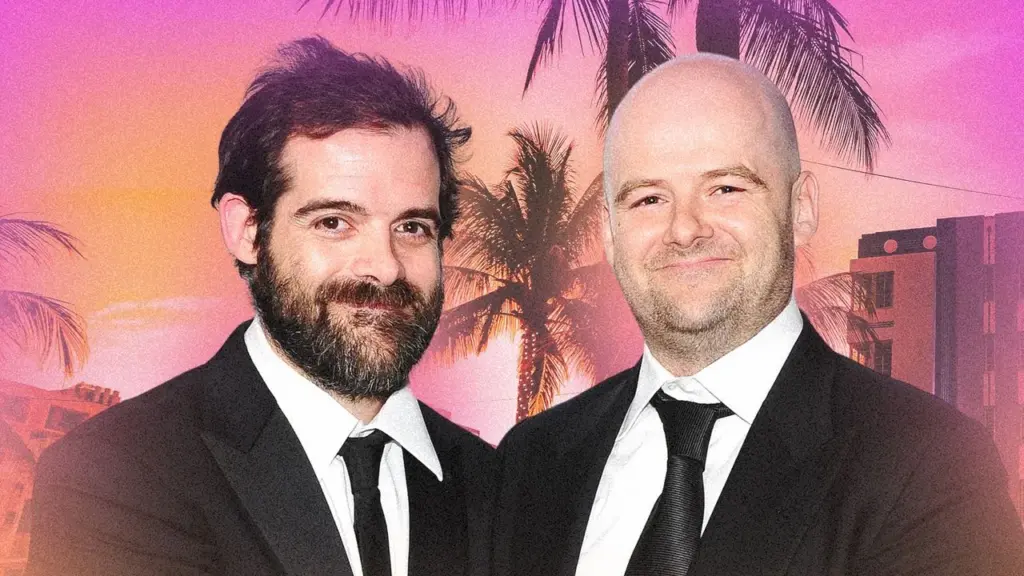
- Sam Houser and his co-founders established Rockstar Games in SoHo with a distinct philosophy borrowed from classic rock rebels rather than traditional software engineers.
- Early titles like Grand Theft Auto shattered industry conventions by prioritizing player freedom and gritty antihero narratives over sterile graphical perfection.
- Despite surviving intense political crossfire in the 2000s, the franchise has outgrown its moral panic to become the most lucrative entertainment property in human history.
- With the departure of key early leaders like Dan Houser, Sam Houser stands alone as the remaining steward of a multibillion-dollar cultural empire.
- Sam Houser và các đồng sáng lập đã thành lập Rockstar Games tại SoHo với một triết lý khác biệt mượn từ những nghệ sĩ nhạc rock phản kháng cổ điển thay vì các kỹ sư phần mềm truyền thống.
- Những tựa game thời kỳ đầu như Grand Theft Auto đã phá vỡ các quy chuẩn ngành bằng cách ưu tiên sự tự do của người chơi và cốt truyện phản anh hùng gai góc thay vì sự hoàn hảo về mặt đồ họa thuần túy.
- Dù vượt qua làn sóng chỉ trích chính trị dữ dội trong thập niên 2000, thương hiệu này đã vượt lên trên mọi hoảng loạn đạo đức để trở thành tài sản giải trí sinh lời cao nhất trong lịch sử nhân loại.
- Với sự ra đi của các nhà lãnh đạo chủ chốt thời kỳ đầu như Dan Houser, Sam Houser đứng một mình với tư cách là ngườièo lái duy nhất của một đế chế văn hóa trị giá hàng tỷ đô la.
- Sam Houser et ses cofondateurs ont établi Rockstar Games à SoHo avec une philosophie distincte, empruntée aux rebelles du rock classique plutôt qu'aux ingénieurs logiciels traditionnels.
- Les premiers titres, comme Grand Theft Auto, ont brisé les conventions de l'industrie en privilégiant la liberté du joueur et des récits d'anti-héros bruts plutôt que la perfection graphique stérile.
- Malgré les intenses tempêtes politiques des années 2000, la franchise a transcendé la panique morale pour devenir la propriété de divertissement la plus lucrative de l'histoire humaine.
- Avec le départ de figures clés comme Dan Houser, Sam Houser demeure le seul gardien de cet empire culturel pesant plusieurs milliards de dollars.
- Sam Houser y sus cofundadores establecieron Rockstar Games en el SoHo con una filosofía distintiva, inspirada más en los rebeldes del rock clásico que en los ingenieros de software tradicionales.
- Títulos tempranos como Grand Theft Auto rompieron las convenciones de la industria al priorizar la libertad del jugador y narrativas de antihéroes crudos sobre la perfección gráfica estéril.
- A pesar de sobrevivir a intensos ataques políticos en la década de los 2000, la franquicia ha superado el pánico moral para convertirse en la propiedad de entretenimiento más lucrativa de la historia.
- Tras la salida de figuras clave como Dan Houser, Sam Houser permanece como el único guardián de un imperio cultural multimillonario.
- 山姆·豪瑟及其联合创始人在苏豪区创立 Rockstar Games 时,借鉴了经典摇滚叛逆者的哲学,而非传统的软件工程思维。
- 《侠盗猎车手》等早期作品通过优先考虑玩家自由度和坚韧的反英雄叙事,而非单纯追求图形完美,彻底打破了行业惯例。
- 尽管在 21 世纪初经历了激烈的政治舆论风暴,该系列已超越了道德恐慌,成为人类历史上最赚钱的娱乐资产。
- 随着丹·豪瑟等早期核心领导者的离去,山姆·豪瑟成为了这一价值数十亿美元文化帝国的最后一位掌舵人。
When Sam Houser looked across his SoHo loft in October 2002, weeks before the launch of Grand Theft Auto: Vice City, he summarized his corporate ethos with characteristic bluntness: “You can’t fuck with Keith Richards.” To Houser, the blueprint for interactive entertainment was not found in sanitized Silicon Valley boardrooms or traditional software handbooks, but in the chaotic, unapologetic mythology of the golden era of rock and roll. Alongside his brother Dan Houser and managing director Terry Donovan, Sam set out to infuse video games with the dangerous, cinematic swagger of punk rock, hip-hop, and gritty street culture. That rebellious cocktail birthed a franchise that would fundamentally alter the global cultural landscape, transforming a boutique studio into an unmatched economic juggernaut.
Today, as the games industry approaches the monumental, highly anticipated rollout of Grand Theft Auto VI—a title backed by an estimated budget stretching past the billion-dollar mark—the legacy of the Houser brothers is undergoing a profound reassessment. Once vilified by US politicians as corrupters of youth and dragged into courtroom battles over simulated violence and hidden adult content, Rockstar Games now finds its core demographic firmly in power across media, technology, and finance. The Reefer Madness moral panics of the mid-2000s have dissolved into mainstream reverence, cementing Grand Theft Auto not merely as a commercial blockbuster, but as the defining cultural artifact of the twenty-first century.
The Genesis of an Antihero Empire
Long before Take-Two Interactive anticipated record fiscal revenues driven by the franchise's upcoming chapter, the foundational architects of Rockstar operated from a gritty, poorly lit first-floor apartment on Water Street in Manhattan's South Street Seaport. In their early thirties, the founding team rejected the prevailing industry archetype of the isolated bedroom coder. Instead, they surrounded themselves with cinematic obsessions, vintage muscle cars, and eclectic musical inspirations spanning from Rick Rubin’s pioneering hip-hop productions to heavy metal icons like Slayer. This cultural curation directly birthed Race n' Chase, which would evolve into the original Grand Theft Auto.
Released initially as a top-down 2D experience, the first installment defied contemporary trends prioritizing polygon counts and graphical showcase pieces like Tomb Raider. Instead, it offered something far more compelling: absolute freedom. As Terry Donovan noted during their formative interviews, the franchise introduced the mainstream gaming public to unashamed antiheroes who required no moral redemption arc at the final credits. Players were handed a dynamic sandbox where consequences mattered—triggering escalating responses from local law enforcement to the FBI and the military—while preserving the autonomy to ignore linear constraints entirely.
Weathering the Storm of Moral Panic
As the franchise scaled through the generations, transitioning into fully rendered 3D open worlds with GTA III, Vice City, and San Andreas, Rockstar’s uncompromising vision inevitably collided with institutional establishment. The discovery of the dormant 'Hot Coffee' minigame code in 2005 ignited an unprecedented political firestorm. High-profile figures, including then-Senator Hillary Clinton, lined up to condemn the studio for allegedly stealing the innocence of children. Yet, unlike traditional media companies that might have folded under political pressure, Houser and his team maintained a defiant distance, operating under the premise that their responsibility was to provide a robust creative toolkit for young adults rather than moral instruction.
This resilience turned out to be commercially bulletproof. The controversy served as free publicity for an audience that increasingly viewed interactive software through the lens of adult artistic expression rather than juvenile pastime. Time magazine compared the narrative scope of their writing to Balzac and Dickens, while millions of players immersed themselves in meticulously researched satirical pastiches of American culture. By embedding players in criminal underworlds that mirrored cinematic touchstones like Scarface and Miami Vice, Rockstar cultivated a fiercely loyal global community that transcended traditional gaming demographics.
The Solo Steward of a Multibillion-Dollar Legacy
As Grand Theft Auto VI prepares to take players back to a modern reimagining of Vice City—following protagonists Jason and Lucia through a sprawling criminal conspiracy—the internal makeup of Rockstar Games has undergone a tectonic shift. Following the departures of Terry Donovan and, crucially, Dan Houser in 2020, Sam Houser stands as the sole remaining founder steering the ship. The departure of the original creative core has naturally sparked intense speculation among industry analysts regarding the studio's long-term creative trajectory, especially given Sam's legendary penchant for keeping a low public profile.
Yet, the astronomical engagement metrics surrounding the franchise—such as teaser trailers pulling hundreds of millions of views within hours—demonstrate that the cultural appetite for Rockstar's universe remains insatiable. Sam Houser’s lifelong obsession with film, fashion, music, and urban chaos has matured into an institutional framework capable of redefining global entertainment economics. Whether navigating the complexities of modern corporate governance under Take-Two or orchestrating the most expensive media launch in history, Houser remains true to the punk-rock ethos that birthed Rockstar in a SoHo loft: unapologetic, fiercely independent, and permanently determined to make games that feel dangerously alive.
Khi Sam Houser phóng tầm mắt nhìn qua căn gác xép ở SoHo vào tháng 10 năm 2002, vài tuần trước thời điểm ra mắt của Grand Theft Auto: Vice City, ông đã đúc kết tinh thần doanh nghiệp của mình bằng sự bộc trực đặc trưng: "Bạn không thể đùa với Keith Richards." Đối với Houser, bản thiết kế cho ngành giải trí tương tác không nằm trong những phòng họp vô trùng ở Thung lũng Silicon hay các cẩm nang phần mềm truyền thống, mà nằm trong thần thoại hỗn loạn, không hối lỗi của thời kỳ hoàng kim nhạc rock and roll. Cùng với người anh em Dan Houser và giám đốc điều hành Terry Donovan, Sam đã bắt đầu thổi hồn vào các trò chơi điện tử sự ngạo nghễ mang đậm chất điện ảnh, pha trộn giữa punk rock, hip-hop và văn hóa đường phố gai góc. Thứ cocktail nổi loạn đó đã khai sinh ra một thương hiệu làm thay đổi hoàn toàn cục diện văn hóa toàn cầu, biến một studio boutique thành một cỗ máy kinh tế khổng lồ không có đối thủ.
Ngày nay, khi ngành công nghiệp trò chơi đang tiến gần đến cột mốc phát hành vô cùng hoành tráng và được mong chờ của Grand Theft Auto VI—một tựa game được hậu thuẫn bởi ngân sách ước tính vượt mốc một tỷ đô la—di sản của anh em nhà Houser đang trải qua một quá trình nhìn nhận lại sâu sắc. Từng bị các chính trị gia Mỹ bôi nhọ là những kẻ làm đồi trụy giới trẻ và bị lôi ra các cuộc chiến pháp lý xoay quanh bạo lực mô phỏng cùng nội dung người lớn ẩn giấu, Rockstar Games giờ đây nhận ra lượng khán giả cốt lõi của họ đang nắm giữ vị trí quyền lực vững chắc trong các lĩnh vực truyền thông, công nghệ và tài chính. Sự hoảng loạn đạo đức theo kiểu "Reef Madness" vào giữa những năm 2000 đã tan biến để nhường chỗ cho sự tôn kính từ dòng chính, củng cố vị thế của Grand Theft Auto không chỉ đơn thuần là một siêu phẩm thương mại, mà là hiện vật văn hóa định hình thế kỷ 21.
Sự khởi đầu của một đế chế phản anh hùng
Từ lâu trước khi Take-Two Interactive kỳ vọng vào doanh thu tài chính kỷ lục từ chương sắp tới của thương hiệu, những kiến trúc sư nền móng của Rockstar đã hoạt động từ một căn hộ tầng trệt nghèo nàn, thiếu ánh sáng trên phố Water tại South Street Seaport của Manhattan. Ở độ tuổi đầu ba mươi, đội ngũ sáng lập đã từ chối hình mẫu phổ biến của ngành là những lập trình viên cô độc trong phòng ngủ. Thay vào đó, họ vây quanh mình bởi những nỗi ám ảnh điện ảnh, những chiếc xe cơ bắp cổ điển và nguồn cảm hứng âm nhạc chiết trung kéo dài từ các sản phẩm hip-hop tiên phong của Rick Rubin cho đến những biểu tượng heavy metal như Slayer. Sự chắt lọc văn hóa này đã trực tiếp khai sinh ra Race n' Chase, trò chơi sau đó tiến hóa thành tựa game Grand Theft Auto nguyên bản.
Được phát hành lần đầu tiên dưới dạng trải nghiệm 2D góc nhìn từ trên xuống, phần đầu tiên này đã thách thức các xu hướng đương thời vốn ưu tiên số lượng đa giác và các sản phẩm trưng bày đồ họa như Tomb Raider. Thay vào đó, nó mang lại một thứ hấp dẫn hơn nhiều: sự tự do tuyệt đối. Như Terry Donovan đã lưu ý trong các cuộc phỏng vấn định hình thời kỳ đầu của họ, thương hiệu này đã giới thiệu công chúng game thủ đại chúng những kẻ phản anh hùng không ngượng ngùng, những kẻ không cần đến một hành trình chuộc lỗi đạo đức ở phần credit cuối cùng. Người chơi được trao một hộp cát năng động nơi các hậu quả đóng vai trò quan trọng—kích hoạt các phản ứng leo thang từ lực lượng hành pháp địa phương cho đến FBI và quân đội—đồng thời vẫn bảo toàn quyền tự chủ để hoàn toàn bỏ qua các ràng buộc tuyến tính.
Vượt qua cơn bão hoảng loạn đạo đức
Khi thương hiệu mở rộng qua các thế hệ, chuyển đổi thành các thế giới mở 3D được kết xuất hoàn toàn với GTA III, Vice City và San Andreas, tầm nhìn không khoan nhượng của Rockstar chắc chắn đã va chạm với hệ thống thiết lập thể chế. Việc phát hiện ra mã trò chơi mini 'Hot Coffee' ngủ quên vào năm 2005 đã châm ngòi cho một cơn bão chính trị chưa từng có. Những nhân vật nổi tiếng, bao gồm cả Thượng nghị sĩ khi đó là Hillary Clinton, đã xếp hàng để lên án studio vì cáo buộc đánh cắp sự trong trắng của trẻ em. Tuy nhiên, không giống như các công ty truyền thông truyền thống có thể đã sụp đổ trước áp lực chính trị, Houser và đội ngũ của ông vẫn giữ khoảng cách đầy thách thức, hoạt động dựa trên tiền đề rằng trách nhiệm của họ là cung cấp một bộ công cụ sáng tạo mạnh mẽ cho thanh thiếu niên thay vì hướng dẫn đạo đức.
Sự kiên cường này hóa ra lại bất khả chiến bại về mặt thương mại. Tranh cãi đã đóng vai trò như một chiến dịch quảng cáo miễn phí đối với lượng khán giả ngày càng nhìn nhận phần mềm tương tác dưới góc độ biểu hiện nghệ thuật dành cho người lớn thay vì trò tiêu khiển tuổi trẻ. Tạp chí Time đã so sánh tầm vóc tường thuật trong các tác phẩm viết của họ với Balzac và Dickens, trong khi hàng triệu người chơi đắm mình trong những bản nhại châm biếm được nghiên cứu kỹ lưỡng về văn hóa Mỹ. Bằng cách đưa người chơi vào thế giới ngầm tội phạm phản ánh các mốc son điện ảnh như Scarface và Miami Vice, Rockstar đã nuôi dưỡng một cộng đồng toàn cầu trung thành dữ dội, vượt qua cả nhân khẩu học chơi game truyền thống.
Ngườièo lái duy nhất của một di sản tỷ đô
Khi Grand Theft Auto VI chuẩn bị đưa người chơi trở lại với bối cảnh Vice City được hình dung lại theo hơi hướng hiện đại—theo chân các nhân vật chính Jason và Lucia qua một âm mưu tội phạm lan rộng—cấu trúc nội bộ của Rockstar Games đã trải qua một sự thay đổi mang tính kiến tạo. Sau sự ra đi của Terry Donovan và quan trọng nhất là Dan Houser vào năm 2020, Sam Houser đứng vững với tư cách là người sáng lập duy nhất còn lại chèo lái con thuyền này. Sự ra đi của cốt lõi sáng tạo ban đầu dĩ nhiên đã châm ngòi cho những suy đoán dữ dội giữa các nhà phân tích trong ngành về quỹ đạo sáng tạo dài hạn của studio, đặc biệt là khi xét đến xu hướng giữ kín đời tư trước công chúng mang tính huyền thoại của Sam.
Tuy nhiên, các số liệu về mức độ tương tác khổng lồ xung quanh thương hiệu này—chẳng hạn như các đoạn trailer giới thiệu thu hút hàng trăm triệu lượt xem trong vòng vài giờ—đã chứng minh rằng sự thèm khát văn hóa đối với vũ trụ của Rockstar vẫn không hề thỏa mãn. Nỗi ám ảnh suốt đời của Sam Houser với phim ảnh, thời trang, âm nhạc và sự hỗn loạn đô thị đã trưởng thành thành một khuôn khổ thể chế có khả năng định hình lại kinh tế giải trí toàn cầu. Cho dù đang điều hướng sự phức tạp của quản trị doanh nghiệp hiện đại dưới trướng Take-Two hay dàn dựng buổi ra mắt truyền thông đắt giá nhất trong lịch sử, Houser vẫn trung thành với tinh thần punk-rock đã khai sinh ra Rockstar trong một căn gác xép ở SoHo: không hối lỗi, độc lập mãnh liệt và luôn quyết tâm tạo ra những trò chơi mang lại cảm giác sống động đầy nguy hiểm.
Lorsque Sam Houser a balayé du regard son loft de SoHo en octobre 2002, quelques semaines avant le lancement de Grand Theft Auto: Vice City, il a résumé son éthique d'entreprise avec une franchise caractéristique : « On ne peut pas emmerder Keith Richards. » Pour Houser, le modèle du divertissement interactif ne se trouvait pas dans les salles de conseil aseptisées de la Silicon Valley ou dans les manuels de logiciels traditionnels, mais dans la mythologie chaotique et sans concession de l'âge d'or du rock and roll. Aux côtés de son frère Dan Houser et du directeur général Terry Donovan, Sam a entrepris d'insuffler aux jeux vidéo l'arrogance cinématographique et dangereuse du punk rock, du hip-hop et de la culture urbaine brute. Ce cocktail rebelle a donné naissance à une franchise qui allait fondamentalement altérer le paysage culturel mondial, transformant un studio de niche en un mastodonte économique sans égal.
Aujourd'hui, alors que l'industrie du jeu vidéo approche du déploiement monumental et très attendu de Grand Theft Auto VI — un titre soutenu par un budget estimé dépassant le milliard de dollars — l'héritage des frères Houser fait l'objet d'une profonde réévaluation. Autrefois vilipendés par les politiciens américains comme des corrupteurs de la jeunesse et traînés dans des batailles judiciaires pour violence simulée et contenu adulte caché, Rockstar Games voit désormais son cœur de cible occuper des positions de pouvoir dans les médias, la technologie et la finance. Les paniques morales façon « Reefer Madness » du milieu des années 2000 se sont dissoutes dans une révérence généralisée, consacrant Grand Theft Auto non seulement comme un blockbuster commercial, mais comme l'artefact culturel déterminant du XXIe siècle.
La genèse d'un empire d'anti-héros
Bien avant que Take-Two Interactive n'anticipe des revenus fiscaux records portés par le prochain chapitre de la franchise, les architectes fondateurs de Rockstar opéraient depuis un appartement sombre et austère au rez-de-chaussée de Water Street, dans le South Street Seaport de Manhattan. À tout juste trente ans, l'équipe fondatrice rejetait l'archétype industriel dominant du codeur solitaire enfermé dans sa chambre. Au lieu de cela, ils s'entouraient d'obsessions cinématographiques, de voitures de collection et d'inspirations musicales éclectiques, allant des productions hip-hop pionnières de Rick Rubin aux icônes du heavy metal comme Slayer. Cette curation culturelle a directement donné naissance à Race n' Chase, qui allait évoluer pour devenir le Grand Theft Auto original.
Sorti initialement comme une expérience 2D en vue de dessus, le premier volet a défié les tendances contemporaines qui privilégiaient le nombre de polygones et les vitrines graphiques comme Tomb Raider. Il offrait quelque chose de bien plus convaincant : une liberté absolue. Comme Terry Donovan l'a noté lors de leurs entretiens fondateurs, la franchise a introduit le grand public aux anti-héros décomplexés qui n'avaient besoin d'aucune rédemption morale au générique de fin. Les joueurs se voyaient offrir un bac à sable dynamique où les conséquences importaient — déclenchant des réponses graduelles allant des forces de l'ordre locales au FBI et à l'armée — tout en préservant l'autonomie d'ignorer totalement les contraintes linéaires.
Traverser la tempête de la panique morale
À mesure que la franchise montait en puissance au fil des générations, passant à des mondes ouverts en 3D avec GTA III, Vice City et San Andreas, la vision intransigeante de Rockstar s'est inévitablement heurtée à l'establishment institutionnel. La découverte du code dormant du mini-jeu "Hot Coffee" en 2005 a déclenché une tempête politique sans précédent. Des personnalités de haut rang, dont la sénatrice de l'époque Hillary Clinton, se sont alignées pour condamner le studio, accusé de voler l'innocence des enfants. Pourtant, contrairement aux entreprises médiatiques traditionnelles qui auraient pu plier sous la pression politique, Houser et son équipe ont maintenu une distance provocante, partant du principe que leur responsabilité était de fournir une boîte à outils créative robuste pour les jeunes adultes plutôt qu'une instruction morale.
Cette résilience s'est avérée commercialement à toute épreuve. La controverse a servi de publicité gratuite auprès d'un public qui percevait de plus en plus le logiciel interactif sous l'angle de l'expression artistique adulte plutôt que comme un passe-temps juvénile. Le magazine Time a comparé la portée narrative de leur écriture à celle de Balzac et Dickens, tandis que des millions de joueurs s'immergeaient dans des pastiches satiriques méticuleusement documentés de la culture américaine. En plongeant les joueurs dans des bas-fonds criminels reflétant des références cinématographiques comme Scarface et Miami Vice, Rockstar a cultivé une communauté mondiale farouchement fidèle qui a transcendé les données démographiques traditionnelles du jeu vidéo.
Le gardien solitaire d'un héritage multimilliardaire
Alors que Grand Theft Auto VI se prépare à ramener les joueurs dans une réimagination moderne de Vice City — en suivant les protagonistes Jason et Lucia à travers une vaste conspiration criminelle — la structure interne de Rockstar Games a subi un changement tectonique. Après les départs de Terry Donovan et, surtout, de Dan Houser en 2020, Sam Houser reste le seul fondateur à tenir la barre. Le départ du noyau créatif original a naturellement suscité d'intenses spéculations parmi les analystes de l'industrie concernant la trajectoire créative à long terme du studio, surtout compte tenu du penchant légendaire de Sam pour la discrétion.
Pourtant, les mesures d'engagement astronomiques entourant la franchise — comme les bandes-annonces cumulant des centaines de millions de vues en quelques heures — démontrent que l'appétit culturel pour l'univers de Rockstar reste insatiable. L'obsession de toute une vie de Sam Houser pour le cinéma, la mode, la musique et le chaos urbain a mûri pour devenir un cadre institutionnel capable de redéfinir l'économie mondiale du divertissement. Qu'il s'agisse de naviguer dans les complexités de la gouvernance d'entreprise moderne sous l'égide de Take-Two ou d'orchestrer le lancement médiatique le plus coûteux de l'histoire, Houser reste fidèle à l'éthique punk-rock qui a vu naître Rockstar dans un loft de SoHo : sans excuses, farouchement indépendant et déterminé à créer des jeux qui semblent dangereusement vivants.
Cuando Sam Houser miró a través de su loft en el SoHo en octubre de 2002, semanas antes del lanzamiento de Grand Theft Auto: Vice City, resumió su ética corporativa con una franqueza característica: "No puedes meterte con Keith Richards". Para Houser, el modelo del entretenimiento interactivo no se encontraba en las higienizadas salas de juntas de Silicon Valley ni en los manuales de software tradicionales, sino en la caótica e impenitente mitología de la era dorada del rock and roll. Junto a su hermano Dan Houser y el director gerente Terry Donovan, Sam se propuso infundir a los videojuegos el peligroso y cinematográfico estilo del punk rock, el hip-hop y la cruda cultura callejera. Ese cóctel rebelde dio a luz a una franquicia que alteraría fundamentalmente el panorama cultural global, transformando un estudio boutique en un gigante económico sin igual.
Hoy, mientras la industria del videojuego se acerca al monumental y esperado lanzamiento de Grand Theft Auto VI —un título respaldado por un presupuesto estimado que supera la marca de los mil millones de dólares—, el legado de los hermanos Houser está siendo objeto de una profunda reevaluación. Tras haber sido vilipendiados por políticos estadounidenses como corruptores de la juventud y arrastrados a batallas judiciales por la violencia simulada y el contenido adulto oculto, Rockstar Games ve ahora cómo su núcleo demográfico ostenta el poder en los sectores de los medios, la tecnología y las finanzas. Los pánicos morales al estilo "Reefer Madness" de mediados de los 2000 se han disuelto en una reverencia generalizada, consolidando a Grand Theft Auto no solo como un éxito de taquilla comercial, sino como el artefacto cultural definitorio del siglo XXI.
La génesis de un imperio de antihéroes
Mucho antes de que Take-Two Interactive anticipara ingresos fiscales récord impulsados por el próximo capítulo de la franquicia, los arquitectos fundadores de Rockstar operaban desde un apartamento crudo y mal iluminado en la planta baja de Water Street, en el South Street Seaport de Manhattan. A sus treinta y pocos años, el equipo fundador rechazó el arquetipo industrial predominante del programador solitario encerrado en su habitación. En su lugar, se rodearon de obsesiones cinematográficas, coches clásicos y una ecléctica inspiración musical que abarcaba desde las producciones pioneras de hip-hop de Rick Rubin hasta iconos del heavy metal como Slayer. Esta curaduría cultural dio origen directamente a Race n' Chase, que evolucionaría hasta convertirse en el Grand Theft Auto original.
Lanzado inicialmente como una experiencia 2D de vista cenital, la primera entrega desafió las tendencias contemporáneas que priorizaban el conteo de polígonos y las piezas de exhibición gráfica como Tomb Raider. En su lugar, ofreció algo mucho más convincente: libertad absoluta. Como señaló Terry Donovan durante sus entrevistas formativas, la franquicia introdujo al público general a antihéroes sin complejos que no necesitaban un arco de redención moral al llegar a los créditos finales. Los jugadores recibían un "sandbox" dinámico donde las consecuencias importaban —desencadenando respuestas crecientes desde las fuerzas del orden locales hasta el FBI y el ejército—, manteniendo al mismo tiempo la autonomía para ignorar por completo las restricciones lineales.
Superando la tormenta del pánico moral
A medida que la franquicia escalaba a través de las generaciones, transitando hacia mundos abiertos en 3D totalmente renderizados con GTA III, Vice City y San Andreas, la visión intransigente de Rockstar chocó inevitablemente con el establishment institucional. El descubrimiento del código inactivo del minijuego "Hot Coffee" en 2005 encendió una tormenta política sin precedentes. Figuras de alto perfil, incluida la entonces senadora Hillary Clinton, se alinearon para condenar al estudio por supuestamente robar la inocencia de los niños. Sin embargo, a diferencia de las compañías de medios tradicionales que podrían haberse plegado ante la presión política, Houser y su equipo mantuvieron una distancia desafiante, operando bajo la premisa de que su responsabilidad era proporcionar un sólido kit de herramientas creativas para adultos jóvenes en lugar de instrucción moral.
Esta resiliencia resultó ser comercialmente a prueba de balas. La controversia sirvió como publicidad gratuita para una audiencia que veía cada vez más el software interactivo a través del prisma de la expresión artística adulta en lugar de como un pasatiempo juvenil. La revista Time comparó el alcance narrativo de sus guiones con Balzac y Dickens, mientras millones de jugadores se sumergían en pastiches satíricos de la cultura estadounidense meticulosamente investigados. Al insertar a los jugadores en bajos fondos criminales que reflejaban referentes cinematográficos como Scarface y Miami Vice, Rockstar cultivó una comunidad global ferozmente leal que trascendió los datos demográficos tradicionales de los videojuegos.
El guardián solitario de un legado multimillonario
Mientras Grand Theft Auto VI se prepara para llevar a los jugadores de vuelta a una reimaginación moderna de Vice City —siguiendo a los protagonistas Jason y Lucia a través de una extensa conspiración criminal—, la composición interna de Rockstar Games ha experimentado un cambio tectónico. Tras las salidas de Terry Donovan y, fundamentalmente, de Dan Houser en 2020, Sam Houser se mantiene como el único fundador que sigue al mando del barco. La partida del núcleo creativo original ha provocado, naturalmente, una intensa especulación entre los analistas de la industria sobre la trayectoria creativa a largo plazo del estudio, especialmente dada la legendaria inclinación de Sam por mantener un perfil público bajo.
Sin embargo, las astronómicas métricas de compromiso que rodean a la franquicia —como los tráilers de avance que alcanzan cientos de millones de visitas en cuestión de horas— demuestran que el apetito cultural por el universo de Rockstar sigue siendo insaciable. La obsesión de toda la vida de Sam Houser por el cine, la moda, la música y el caos urbano ha madurado hasta convertirse en un marco institucional capaz de redefinir la economía del entretenimiento global. Ya sea navegando por las complejidades de la gobernanza corporativa moderna bajo Take-Two o coordinando el lanzamiento mediático más caro de la historia, Houser permanece fiel al espíritu punk-rock que dio origen a Rockstar en un loft del SoHo: sin complejos, ferozmente independiente y permanentemente decidido a crear juegos que se sientan peligrosamente vivos.
2002 年 10 月,在《侠盗猎车手:罪恶都市》(Grand Theft Auto: Vice City)发布前几周,山姆·豪瑟站在他位于苏豪区的阁楼里,以一种标志性的直率总结了他的企业精神:“你不能去招惹基思·理查兹(Keith Richards)。”对豪瑟而言,互动娱乐的蓝图并非来自硅谷那些经过粉饰的董事会会议室或传统的软件手册,而是源于摇滚乐黄金时代那种混乱且不加掩饰的神话色彩。山姆与他的兄弟丹·豪瑟(Dan Houser)以及董事总经理特里·多诺万(Terry Donovan)一道,决心将朋克摇滚、嘻哈音乐和粗粝街头文化的危险与电影般的张力注入电子游戏。正是这种叛逆的“鸡尾酒”,催生了一个彻底改变全球文化景观的系列,将一家精品工作室转型为无可匹敌的经济巨头。
如今,随着游戏产业迎来备受瞩目的《侠盗猎车手 VI》——这一作品的预算估计已超过十亿美元大关——豪瑟兄弟的遗产正在经历一场深刻的重新评估。Rockstar Games 曾被美国政客斥为“青少年的腐蚀者”,并因模拟暴力和隐藏的成人内容而陷入法庭诉讼,但现在,其核心受众已稳稳掌握了媒体、科技和金融领域的话语权。21 世纪中叶那种“大麻疯狂”(Reefer Madness)式的道德恐慌已消散,取而代之的是主流社会的尊崇,这使得《侠盗猎车手》不仅成为商业大片,更成为了 21 世纪最具代表性的文化符号。
反英雄帝国的起源
早在 Take-Two Interactive 预期该系列新作将带来创纪录的财政收入之前,Rockstar 的奠基者们是在曼哈顿南街海港水街一间阴暗、粗粝的公寓里开展工作的。当时三十出头的创始团队拒绝了当时行业中那种“孤独卧室程序员”的典型形象。相反,他们沉浸在电影、复古肌肉车以及从里克·鲁宾(Rick Rubin)的开创性嘻哈制作到 Slayer 等重金属偶像的多元音乐灵感中。这种文化积淀直接催生了《Race n' Chase》,并最终演变成了最初的《侠盗猎车手》。
该系列最初以 2D 俯视角体验发布,它无视了当时优先考虑多边形数量和《古墓丽影》这类图形展示作品的行业趋势。相反,它提供了一种更具吸引力的东西:绝对的自由。正如特里·多诺万在早期的采访中所述,该系列向主流游戏玩家介绍了那些不需要在片尾进行道德救赎的、毫无愧疚感的反英雄。玩家被赋予了一个动态的沙盒,在这里,后果至关重要——从当地执法部门到联邦调查局(FBI)和军队,都会对玩家的行为做出升级式的反应——同时玩家依然保持着完全无视线性约束的自主权。
抵御道德恐慌的风暴
随着该系列通过《GTA III》、《罪恶都市》和《圣安地列斯》过渡到完全渲染的 3D 开放世界,Rockstar 不妥协的愿景不可避免地与建制派发生了碰撞。2005 年,隐藏的“热咖啡”(Hot Coffee)小游戏代码被发现,引发了一场前所未有的政治风暴。包括时任参议员希拉里·克林顿在内的多位重量级人物纷纷站出来,谴责该工作室“窃取了儿童的纯真”。然而,与那些可能在政治压力下屈服的传统媒体公司不同,豪瑟和他的团队保持着一种挑衅的距离感,他们坚持认为自己的职责是为年轻人提供强大的创意工具,而非进行道德说教。
这种韧性在商业上证明是坚不可摧的。争议反而为那些日益将互动软件视为成人艺术表达而非少年消遣的受众提供了免费宣传。《时代》杂志曾将他们的叙事深度与巴尔扎克和狄更斯相提并论,而数百万玩家则沉浸在对美国文化进行精心研究的讽刺模仿中。通过将玩家置身于映射《疤面煞星》和《迈阿密风云》等电影基石的犯罪地下世界,Rockstar 培养了一个超越传统游戏人口统计学的、极其忠诚的全球社区。
数十亿美元遗产的唯一掌舵人
随着《侠盗猎车手 VI》准备带领玩家重返现代版“罪恶都市”——跟随主角杰森(Jason)和露西亚(Lucia)经历一场庞大的犯罪阴谋——Rockstar Games 的内部结构已经发生了地壳运动般的转变。继特里·多诺万离职,特别是 2020 年丹·豪瑟离开后,山姆·豪瑟成为了唯一留下来掌舵的创始人。最初创意核心的离去自然引发了行业分析师对工作室长期创意轨迹的激烈猜测,尤其是考虑到山姆一贯保持低调的传奇作风。
然而,围绕该系列的惊人参与度指标——例如预告片在数小时内获得数亿次观看——证明了全球对 Rockstar 宇宙的文化胃口依然无法满足。山姆·豪瑟对电影、时尚、音乐和城市混乱的终身痴迷,已经成熟为一套能够重新定义全球娱乐经济的制度框架。无论是在 Take-Two 的现代企业治理下应对复杂局势,还是策划历史上最昂贵的媒体发布活动,豪瑟始终忠于那个在苏豪区阁楼里催生 Rockstar 的朋克摇滚精神:不妥协、极度独立,并始终坚定地制作那些感觉“危险而鲜活”的游戏。
Editorial Standards & Multi-Language Synthesis: This dispatch was synthesized and fact-checked by the ParisDaily Editorial Desk across 5 global editions (EN, FR, VI, ES, ZH), cross-referencing primary international wire reports and real-time search intelligence.