绿茵场上的正义:国际体育仲裁法庭裁定塞内加尔重获非洲杯冠军
Ten months of legal limbo conclude as the Court of Arbitration for Sport overturns a controversial CAF decision, restoring Senegal’s 2025 Africa Cup of Nations title.
Mười tháng rơi vào tình trạng tranh chấp pháp lý đã chính thức khép lại khi Tòa án Trọng tài Thể thao (CAS) bác bỏ quyết định gây tranh cãi của CAF, qua đó khôi phục danh hiệu vô địch Cúp bóng đá châu Phi (AFCON) 2025 cho Senegal.
Dix mois d'imbroglio juridique prennent fin avec l'annulation par le Tribunal Arbitral du Sport d'une décision controversée de la CAF. Le Sénégal retrouve officiellement son titre de champion de la Coupe d'Afrique des Nations 2025.
Diez meses de limbo jurídico llegan a su fin después de que el Tribunal de Arbitraje Deportivo anulara una controvertida decisión de la CAF, restituyendo a Senegal como campeón de la Copa Africana de Naciones 2025. El fallo marca un precedente fundamental al priorizar el resultado deportivo sobre las intervenciones administrativas.
历经十个月的法律僵局,国际体育仲裁法庭(CAS)推翻了非洲足联(CAF)的一项争议性决定,正式恢复了塞内加尔的2025年非洲国家杯冠军头衔。这一裁决不仅终结了行政干预带来的混乱,也为非洲足球的治理立下了重要先例。
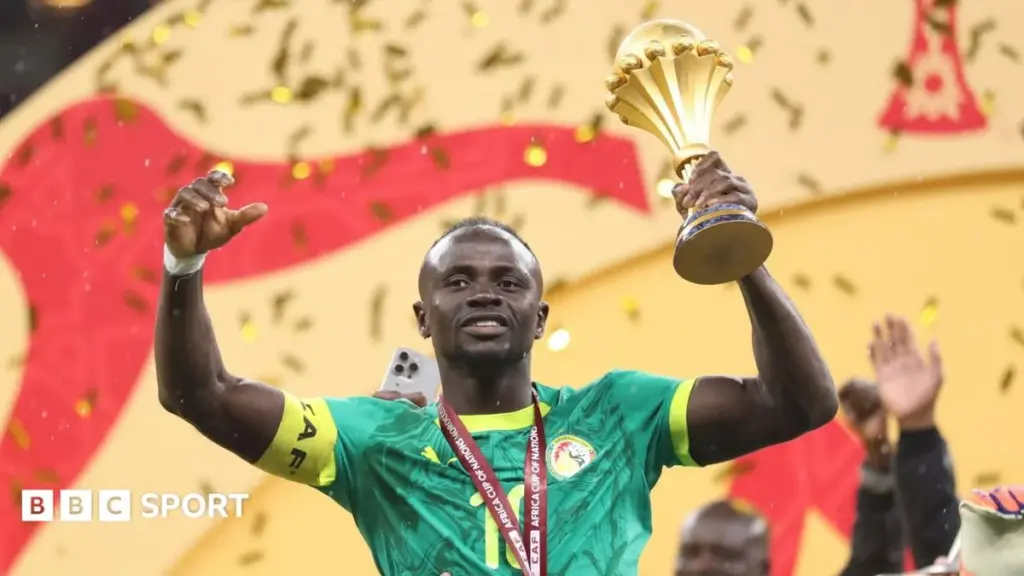
- The Court of Arbitration for Sport (CAS) ruled that the referee’s decision to resume play in the 2025 AFCON final was final, effectively nullifying the CAF appeals board's previous disqualification of Senegal.
- The ruling centers on the principle that the outcome of a match must be decided on the field, limiting the power of administrative bodies to overturn results based on protest-related walk-offs.
- Morocco’s football federation (FRMF) has signaled its intent to challenge the ruling, setting the stage for further legal friction between two of Africa’s footballing powerhouses.
- The incident has already triggered a global rule change by IFAB, which now mandates red cards for players or officials who incite a walk-off in protest of refereeing decisions.
- Tòa án Trọng tài Thể thao (CAS) phán quyết rằng quyết định cho tiếp tục trận đấu của trọng tài trong trận chung kết AFCON 2025 là quyết định cuối cùng, qua đó vô hiệu hóa lệnh tước danh hiệu trước đó của hội đồng kháng cáo CAF.
- Phán quyết nhấn mạnh nguyên tắc kết quả trận đấu phải được định đoạt trên sân cỏ, hạn chế quyền lực của các cơ quan hành chính trong việc lật ngược kết quả dựa trên các cuộc biểu tình bỏ sân.
- Liên đoàn bóng đá Maroc (FRMF) đã tuyên bố ý định thách thức phán quyết này, mở ra khả năng tiếp diễn những căng thẳng pháp lý giữa hai cường quốc bóng đá hàng đầu châu Phi.
- Sự việc đã thúc đẩy IFAB thay đổi luật bóng đá toàn cầu, theo đó quy định thẻ đỏ trực tiếp cho bất kỳ cầu thủ hoặc quan chức nào kích động việc bỏ sân để phản đối quyết định của trọng tài.
- Le Tribunal Arbitral du Sport (TAS) a statué que la décision de l'arbitre de reprendre le jeu lors de la finale de la CAN 2025 était souveraine, annulant de fait la disqualification du Sénégal prononcée par la commission d'appel de la CAF.
- La décision repose sur le principe fondamental que le résultat d'un match doit se décider sur le terrain, limitant ainsi le pouvoir des instances administratives de renverser des résultats en raison de contestations liées à des abandons temporaires.
- La Fédération Royale Marocaine de Football (FRMF) a fait part de son intention de contester cette décision, ouvrant la voie à de nouvelles tensions juridiques entre deux des plus grandes puissances du football africain.
- L'incident a déjà provoqué un changement de règle mondial par l'IFAB, qui impose désormais un carton rouge automatique pour tout joueur ou officiel incitant à quitter le terrain en signe de protestation contre une décision arbitrale.
- El Tribunal de Arbitraje Deportivo (TAS) dictaminó que la decisión del árbitro de reanudar el juego en la final de la AFCON 2025 era definitiva, anulando así la descalificación de Senegal impuesta previamente por el comité de apelación de la CAF.
- El fallo se basa en el principio de que el resultado de un partido debe decidirse en el campo, limitando la capacidad de los órganos administrativos para revocar resultados basándose en abandonos provocados por protestas.
- La Federación Real Marroquí de Fútbol (FRMF) ha manifestado su intención de impugnar la decisión, lo que prepara el terreno para una mayor fricción legal entre dos de las potencias futbolísticas de África.
- El incidente ha provocado un cambio en las reglas globales por parte de la IFAB, que ahora exige tarjetas rojas para los jugadores o técnicos que inciten a abandonar el campo en protesta por las decisiones arbitrales.
- 国际体育仲裁法庭(CAS)裁定,裁判在2025年非洲杯决赛中恢复比赛的决定具有最终效力,从而实质性废除了非洲足联上诉委员会此前取消塞内加尔冠军资格的决定。
- 该裁决的核心原则是:比赛结果必须由赛场表现决定,限制了行政机构基于抗议性罢赛而推翻比赛结果的权力。
- 摩洛哥皇家足球联合会(FRMF)已表示将对该裁决提出异议,这预示着非洲两大足球强国之间将迎来新一轮的法律博弈。
- 此次事件已促使国际足球协会理事会(IFAB)在全球范围内修改规则,明确规定任何因抗议裁判判罚而煽动罢赛的球员或官员将直接被出示红牌。
In a verdict that reverberates far beyond the confines of the Prince Moulay Abdellah Stadium, the Court of Arbitration for Sport (CAS) has delivered a definitive end to ten months of administrative chaos. By reinstating Senegal as the 2025 Africa Cup of Nations champions, the Lausanne-based tribunal has not only restored the Teranga Lions to their rightful place on the continental throne but has also issued a stern rebuke to the bureaucratic overreach that threatened to undermine the integrity of African football.
The decision, reached unanimously by a three-man panel, effectively strips away the legitimacy of the Confederation of African Football (CAF) appeals board’s earlier ruling, which had sought to strip Senegal of their title following a dramatic, protest-filled final against host nation Morocco. For the players, led by Sadio Mane, the ruling is a vindication of their performance on the pitch; for the governing bodies, it serves as a sobering reminder that the finality of a referee’s whistle remains the bedrock of sporting law.
The Anatomy of a Continental Crisis
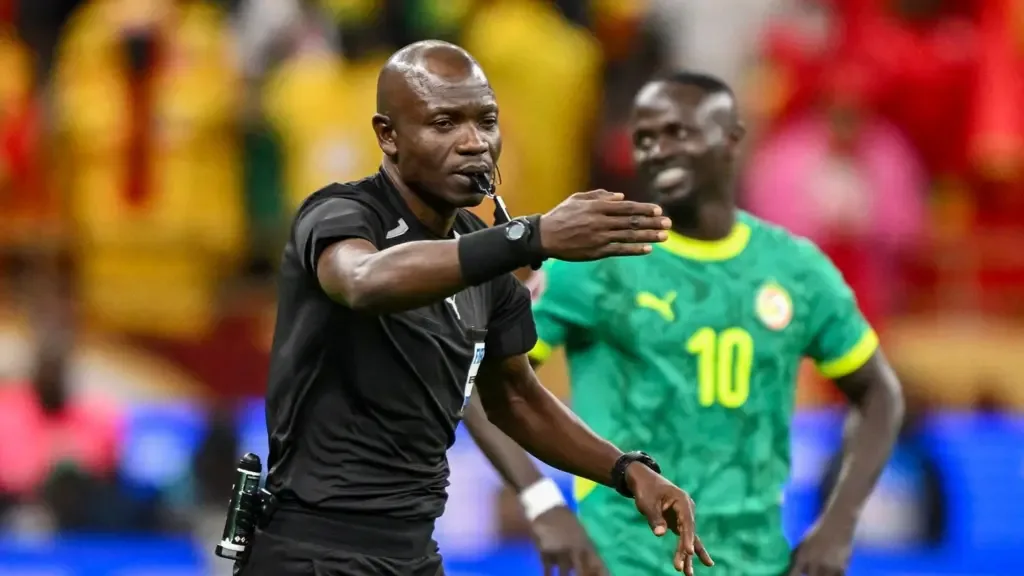
The controversy that engulfed the 2025 final was a perfect storm of high-stakes pressure and officiating volatility. With the scoreline deadlocked in the dying minutes of stoppage time, the match descended into farce. Referee Jean-Jacques Ndala, already under fire for a contentious decision that denied Senegal a goal earlier in the half, awarded a penalty to Morocco following a VAR review of a challenge by El Hadji Malick Diouf on Brahim Diaz. The reaction from the Senegalese bench was immediate and visceral: coach Pape Thiaw led his players off the pitch in a coordinated protest, triggering a 15-minute standoff that threatened to abandon the match entirely.
When the players finally returned, the atmosphere was toxic. Diaz, perhaps rattled by the prolonged delay, saw his Panenka-style spot-kick comfortably saved by Edouard Mendy. Senegal eventually secured the title through a Pape Gueye strike in extra time, but the victory was short-lived. Two months later, the CAF appeals board intervened, citing a breach of competition regulations regarding the temporary abandonment of the match. This administrative intervention turned a sporting triumph into a legal quagmire, setting the stage for the high-stakes battle in Lausanne that would ultimately define the tournament's legacy.
The Legal Precedent and the CAS Intervention
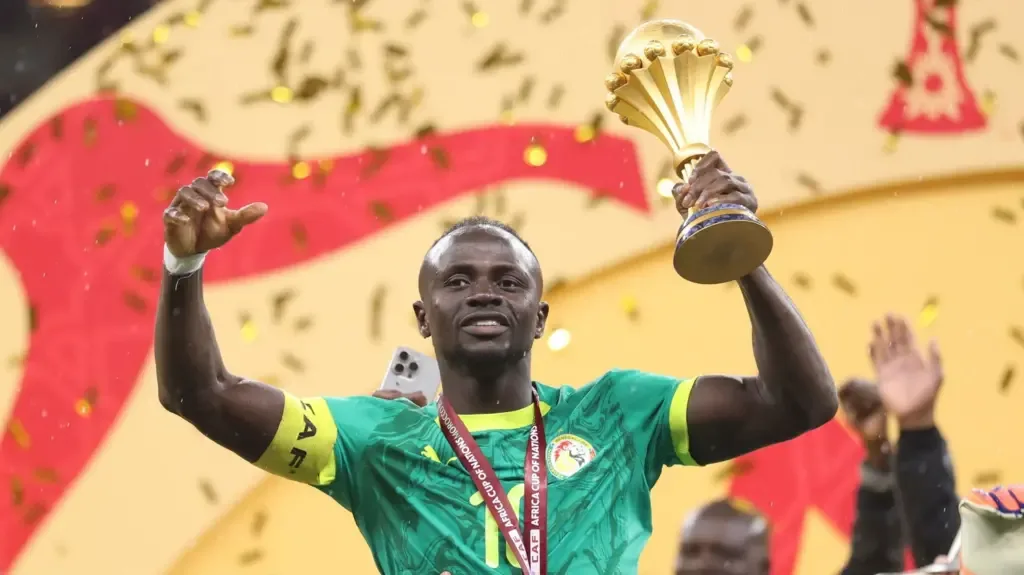
The CAS ruling is a masterclass in the application of the 'field of play' doctrine. In its statement, the court emphasized that the referee’s decision to resume the match was an exercise of his "sole authority." By allowing the game to continue, the officials had implicitly determined that the conditions for play—namely the presence and willingness of both teams—had been met. This effectively rendered the subsequent CAF appeals board decision an exercise in retroactive interference, which the court found untenable.
Historically, sports governing bodies have struggled to balance the need for disciplinary oversight with the sanctity of the match result. The Senegal case now serves as a landmark precedent: administrative boards cannot simply void a match result because they disagree with the conduct of a team during a protest, provided the referee has allowed the game to conclude. This ruling protects the autonomy of the match official, ensuring that the drama of the game remains the primary arbiter of success, rather than the deliberations of lawyers in a boardroom.
Global Ripple Effects and the IFAB Response
The fallout from the 2025 final has already left an indelible mark on the global laws of the game. Recognizing the danger of the "walk-off" tactic, the International Football Association Board (IFAB) moved swiftly in April to codify a new deterrent. The rule change is explicit: any player or official who leaves the field in protest of a refereeing decision now faces an automatic red card, and a team that causes an abandonment will, in principle, forfeit the match. This proactive legislative response highlights how the chaos in Rabat forced the global football community to confront a loophole that threatened the very structure of professional competition.
Beyond the rules, the cultural impact on African football cannot be overstated. The rivalry between Senegal and Morocco, already intense, has been sharpened by this legal battle. While the Senegalese Football Federation (FSF) has celebrated the ruling as a "triumph of sporting fairness," the Moroccan federation (FRMF) remains defiant, signaling its intent to pursue further legal avenues. This ongoing friction suggests that while the 2025 title has been settled, the geopolitical tensions between these two footballing giants are likely to persist, potentially coloring the atmosphere of future continental encounters.
What Lies Ahead for the Teranga Lions and the Continent
As the dust settles, the focus shifts to the future. Both Senegal and Morocco have successfully navigated their qualification campaigns for the 2027 edition of the tournament, proving that their on-field quality remains elite despite the administrative distractions. However, the institutional reputation of CAF remains under the microscope. The fact that a continental final had to be adjudicated by an international court in Switzerland underscores a persistent need for greater transparency and consistency in African football governance.
For fans, the return of the trophy to Dakar is a moment of closure. Yet, the broader lesson for the sport is clear: the intersection of technology, human error, and emotional protest requires a more robust framework for real-time decision-making. As the football world watches to see if Morocco will indeed launch a further challenge, the CAS ruling stands as a testament to the idea that, in the final analysis, the game must be played to its conclusion on the grass, not in the courtroom. The 2025 AFCON will be remembered not just for the goals scored, but for the resilience of the rules that govern them.
Trong một phán quyết có sức ảnh hưởng vượt xa khuôn khổ Sân vận động Prince Moulay Abdellah, Tòa án Trọng tài Thể thao (CAS) đã đặt dấu chấm hết cho mười tháng hỗn loạn về mặt hành chính. Bằng việc khôi phục danh hiệu vô địch Cúp bóng đá châu Phi 2025 cho Senegal, tòa án có trụ sở tại Lausanne không chỉ đưa "Những chú sư tử Teranga" trở lại vị thế xứng đáng trên ngai vàng châu lục mà còn đưa ra lời cảnh báo đanh thép đối với sự can thiệp quan liêu, vốn đe dọa làm xói mòn tính chính trực của bóng đá châu Phi.
Quyết định được đưa ra bởi hội đồng ba thẩm phán đã tước bỏ tính hợp pháp của phán quyết trước đó từ hội đồng kháng cáo của Liên đoàn bóng đá châu Phi (CAF), vốn từng tìm cách tước danh hiệu của Senegal sau trận chung kết đầy kịch tính và những màn phản đối với nước chủ nhà Maroc. Đối với các cầu thủ dưới sự dẫn dắt của Sadio Mane, phán quyết này là sự minh oan cho màn trình diễn của họ trên sân cỏ; đối với các cơ quan quản lý, đây là lời nhắc nhở tỉnh táo rằng tiếng còi của trọng tài vẫn là nền tảng tối thượng của luật thể thao.
Giải phẫu một cuộc khủng hoảng châu lục
Cuộc tranh cãi bao trùm trận chung kết 2025 là một cơn bão hoàn hảo giữa áp lực đỉnh cao và sự bất ổn trong công tác điều hành. Khi tỷ số vẫn đang bế tắc ở những phút bù giờ cuối cùng, trận đấu đã rơi vào tình trạng hỗn loạn. Trọng tài Jean-Jacques Ndala, người vốn đã chịu nhiều chỉ trích vì quyết định từ chối một bàn thắng của Senegal trước đó, đã cho Maroc hưởng phạt đền sau khi tham khảo VAR về pha va chạm giữa El Hadji Malick Diouf và Brahim Diaz. Phản ứng từ băng ghế dự bị của Senegal là tức thì và quyết liệt: huấn luyện viên Pape Thiaw đã dẫn dắt các cầu thủ rời sân trong một cuộc biểu tình có tổ chức, gây ra tình trạng gián đoạn kéo dài 15 phút, đe dọa khiến trận đấu bị hủy bỏ hoàn toàn.
Khi các cầu thủ quay trở lại, bầu không khí đã trở nên vô cùng độc hại. Diaz, có lẽ vì bị ảnh hưởng bởi sự trì hoãn kéo dài, đã thực hiện cú sút kiểu Panenka nhưng bị Edouard Mendy cản phá dễ dàng. Senegal cuối cùng đã giành chiến thắng nhờ bàn thắng của Pape Gueye trong hiệp phụ, nhưng niềm vui ngắn chẳng tày gang. Hai tháng sau, hội đồng kháng cáo CAF can thiệp với lý do vi phạm quy định giải đấu liên quan đến việc tạm dừng trận đấu. Sự can thiệp hành chính này đã biến một chiến thắng thể thao thành một vũng lầy pháp lý, tạo tiền đề cho cuộc chiến căng thẳng tại Lausanne, nơi cuối cùng đã định hình di sản của giải đấu.
Tiền lệ pháp lý và sự can thiệp của CAS
Phán quyết của CAS là một bài học mẫu mực về việc áp dụng học thuyết "sân cỏ". Trong tuyên bố của mình, tòa án nhấn mạnh rằng quyết định cho trận đấu tiếp tục của trọng tài là việc thực thi "thẩm quyền duy nhất" của ông. Bằng cách cho phép trận đấu tiếp tục, các trọng tài đã ngầm xác định rằng các điều kiện thi đấu—cụ thể là sự hiện diện và sẵn sàng của cả hai đội—đã được đáp ứng. Điều này khiến quyết định sau đó của hội đồng kháng cáo CAF trở thành một hành động can thiệp hồi tố, điều mà tòa án cho là không thể chấp nhận được.
Trong lịch sử, các cơ quan quản lý thể thao luôn gặp khó khăn trong việc cân bằng giữa nhu cầu giám sát kỷ luật và tính thiêng liêng của kết quả trận đấu. Vụ việc của Senegal giờ đây trở thành một tiền lệ mang tính bước ngoặt: các hội đồng hành chính không thể đơn phương hủy bỏ kết quả trận đấu chỉ vì họ không đồng tình với hành vi của một đội bóng trong lúc phản đối, miễn là trọng tài đã cho phép trận đấu kết thúc. Phán quyết này bảo vệ quyền tự chủ của trọng tài, đảm bảo rằng kịch tính của trận đấu vẫn là trọng tài chính cho sự thành bại, thay vì những tranh luận của các luật sư trong phòng họp.
Tác động lan tỏa toàn cầu và phản ứng từ IFAB
Hệ quả từ trận chung kết 2025 đã để lại dấu ấn không thể xóa nhòa trong luật bóng đá toàn cầu. Nhận thức được sự nguy hiểm của chiến thuật "bỏ sân", Hội đồng Hiệp hội Bóng đá Quốc tế (IFAB) đã nhanh chóng hành động vào tháng 4 để luật hóa một biện pháp răn đe mới. Sự thay đổi luật rất rõ ràng: bất kỳ cầu thủ hoặc quan chức nào rời sân để phản đối quyết định của trọng tài giờ đây sẽ phải đối mặt với thẻ đỏ trực tiếp, và đội bóng gây ra việc hủy bỏ trận đấu về nguyên tắc sẽ bị xử thua. Phản ứng lập pháp chủ động này cho thấy sự hỗn loạn tại Rabat đã buộc cộng đồng bóng đá thế giới phải đối mặt với một lỗ hổng đe dọa chính cấu trúc của các giải đấu chuyên nghiệp.
Vượt ra ngoài các quy định, tác động văn hóa đối với bóng đá châu Phi là không thể phủ nhận. Sự kình địch giữa Senegal và Maroc, vốn đã gay gắt, nay càng trở nên sắc bén hơn bởi cuộc chiến pháp lý này. Trong khi Liên đoàn bóng đá Senegal (FSF) ăn mừng phán quyết như một "chiến thắng của sự công bằng thể thao", thì liên đoàn Maroc (FRMF) vẫn giữ thái độ thách thức, báo hiệu ý định theo đuổi các con đường pháp lý khác. Sự ma sát này cho thấy dù danh hiệu năm 2025 đã được định đoạt, những căng thẳng địa chính trị giữa hai gã khổng lồ bóng đá này có khả năng sẽ còn kéo dài, có thể ảnh hưởng đến bầu không khí của các cuộc đối đầu trong tương lai.
Tương lai nào cho "Những chú sư tử Teranga" và châu lục?
Khi bụi đã lắng xuống, sự chú ý chuyển sang tương lai. Cả Senegal và Maroc đều đã vượt qua vòng loại giải đấu năm 2027 một cách thuyết phục, chứng minh rằng chất lượng chuyên môn của họ vẫn ở đẳng cấp hàng đầu bất chấp những xao nhãng về mặt hành chính. Tuy nhiên, uy tín của CAF vẫn đang nằm dưới sự giám sát chặt chẽ. Việc một trận chung kết châu lục phải được phân xử bởi một tòa án quốc tế tại Thụy Sĩ nhấn mạnh nhu cầu cấp thiết về sự minh bạch và nhất quán hơn trong công tác quản trị bóng đá châu Phi.
Đối với người hâm mộ, việc chiếc cúp trở lại Dakar là một sự khép lại trọn vẹn. Tuy nhiên, bài học rộng lớn hơn cho môn thể thao này đã rõ ràng: sự giao thoa giữa công nghệ, sai lầm của con người và những phản ứng cảm xúc đòi hỏi một khuôn khổ vững chắc hơn cho việc ra quyết định theo thời gian thực. Khi thế giới bóng đá dõi theo xem liệu Maroc có thực sự khởi động một thách thức pháp lý khác hay không, phán quyết của CAS vẫn là minh chứng cho ý tưởng rằng, suy cho cùng, trận đấu phải được chơi đến khi kết thúc trên sân cỏ, chứ không phải trong phòng xử án. AFCON 2025 sẽ được ghi nhớ không chỉ vì những bàn thắng, mà còn vì sự kiên cường của những quy tắc điều hành chúng.
Dans un verdict qui résonne bien au-delà des murs du stade Prince Moulay Abdellah, le Tribunal Arbitral du Sport (TAS) a mis un terme définitif à dix mois de chaos administratif. En rétablissant le Sénégal dans son titre de champion de la Coupe d'Afrique des Nations 2025, le tribunal lausannois a non seulement rendu aux Lions de la Teranga leur place légitime sur le trône continental, mais a également adressé un rappel à l'ordre cinglant face à l'ingérence bureaucratique qui menaçait l'intégrité du football africain.
La décision, adoptée à l'unanimité par un collège de trois juges, prive de toute légitimité la sentence initiale de la commission d'appel de la Confédération Africaine de Football (CAF), qui cherchait à déchoir le Sénégal de son titre après une finale dramatique et ponctuée de contestations face au pays hôte, le Maroc. Pour les joueurs, emmenés par Sadio Mané, ce jugement est la reconnaissance de leur performance sur le terrain ; pour les instances dirigeantes, il sert de rappel salutaire : le coup de sifflet final de l'arbitre demeure la pierre angulaire du droit sportif.
Anatomie d'une crise continentale
La controverse qui a englouti la finale 2025 fut la tempête parfaite, mêlant enjeux colossaux et volatilité de l'arbitrage. Alors que le score était figé dans les ultimes minutes du temps additionnel, le match a sombré dans la farce. L'arbitre Jean-Jacques Ndala, déjà sous le feu des critiques pour une décision contestée ayant privé le Sénégal d'un but plus tôt dans la rencontre, a accordé un penalty au Maroc après consultation de la VAR pour une faute d'El Hadji Malick Diouf sur Brahim Diaz. La réaction du banc sénégalais fut immédiate et viscérale : le sélectionneur Pape Thiaw a conduit ses joueurs hors du terrain dans une protestation coordonnée, déclenchant un face-à-face de 15 minutes qui a failli mener à l'abandon définitif de la partie.
Lorsque les joueurs ont finalement repris le jeu, l'atmosphère était devenue toxique. Diaz, peut-être déstabilisé par cette longue interruption, a vu son penalty, tiré en panenka, être facilement capté par Édouard Mendy. Le Sénégal a fini par décrocher le titre grâce à un but de Pape Gueye en prolongation, mais la victoire fut de courte durée. Deux mois plus tard, la commission d'appel de la CAF est intervenue, invoquant une violation des règlements de la compétition concernant l'abandon temporaire du match. Cette intervention administrative a transformé un triomphe sportif en un bourbier juridique, préparant le terrain pour la bataille de Lausanne qui allait finalement définir l'héritage du tournoi.
Le précédent juridique et l'intervention du TAS
La décision du TAS est un modèle d'application de la doctrine du "terrain de jeu". Dans son communiqué, la cour a souligné que la décision de l'arbitre de reprendre le match relevait de sa "seule autorité". En autorisant la poursuite du jeu, les officiels avaient implicitement déterminé que les conditions de jeu — à savoir la présence et la volonté des deux équipes — étaient remplies. Cela a rendu la décision ultérieure de la commission d'appel de la CAF caduque, la qualifiant d'ingérence rétroactive inacceptable.
Historiquement, les instances dirigeantes du sport peinent à équilibrer le besoin de contrôle disciplinaire et le caractère sacré du résultat sportif. L'affaire sénégalaise fait désormais jurisprudence : les commissions administratives ne peuvent pas simplement annuler le résultat d'un match parce qu'elles désapprouvent la conduite d'une équipe lors d'une protestation, dès lors que l'arbitre a permis au match d'aller à son terme. Ce jugement protège l'autonomie de l'arbitre, garantissant que le drame du jeu reste le seul juge de la victoire, plutôt que les délibérations d'avocats dans une salle de conférence.
Répercussions mondiales et réponse de l'IFAB
Les retombées de la finale 2025 ont déjà laissé une empreinte indélébile sur les lois du jeu à l'échelle mondiale. Conscient du danger de la tactique du "walk-off", l'International Football Association Board (IFAB) a agi rapidement en avril pour codifier un nouveau moyen de dissuasion. Le changement de règle est explicite : tout joueur ou officiel qui quitte le terrain pour protester contre une décision arbitrale encourt désormais un carton rouge automatique, et toute équipe provoquant un abandon sera, en principe, déclarée perdante par forfait. Cette réponse législative proactive souligne à quel point le chaos de Rabat a forcé la communauté mondiale du football à combler une faille qui menaçait la structure même de la compétition professionnelle.
Au-delà des règles, l'impact culturel sur le football africain est immense. La rivalité entre le Sénégal et le Maroc, déjà intense, a été exacerbée par cette bataille juridique. Si la Fédération Sénégalaise de Football (FSF) a salué la décision comme un "triomphe de l'équité sportive", la fédération marocaine (FRMF) reste sur ses positions, signalant son intention d'explorer d'autres voies de recours. Cette friction persistante suggère que, bien que le titre 2025 soit attribué, les tensions géopolitiques entre ces deux géants du football risquent de perdurer, colorant potentiellement l'atmosphère des futures confrontations continentales.
Quel avenir pour les Lions de la Teranga et le continent ?
Alors que la poussière retombe, le regard se tourne vers l'avenir. Le Sénégal et le Maroc ont tous deux brillamment validé leur qualification pour l'édition 2027 du tournoi, prouvant que leur niveau de jeu reste d'élite malgré les distractions administratives. Cependant, la réputation institutionnelle de la CAF reste sous haute surveillance. Le fait qu'une finale continentale ait dû être tranchée par un tribunal international en Suisse souligne un besoin persistant de transparence et de cohérence dans la gouvernance du football africain.
Pour les supporters, le retour du trophée à Dakar est un moment de clôture. Pourtant, la leçon plus large pour le sport est claire : l'intersection de la technologie, de l'erreur humaine et de la protestation émotionnelle exige un cadre plus robuste pour la prise de décision en temps réel. Alors que le monde du football attend de voir si le Maroc lancera effectivement un nouveau recours, la décision du TAS témoigne de l'idée que, en dernière analyse, le match doit se jouer jusqu'à son terme sur la pelouse, et non dans les tribunaux. La CAN 2025 restera dans les mémoires non seulement pour les buts marqués, mais pour la résilience des règles qui les régissent.
En un veredicto que resuena mucho más allá de los límites del Estadio Príncipe Moulay Abdellah, el Tribunal de Arbitraje Deportivo (TAS) ha puesto un punto final definitivo a diez meses de caos administrativo. Al restituir a Senegal como campeón de la Copa Africana de Naciones 2025, el tribunal con sede en Lausana no solo ha devuelto a los "Leones de la Teranga" al lugar que les corresponde en el trono continental, sino que también ha emitido una severa reprimenda a la extralimitación burocrática que amenazaba con socavar la integridad del fútbol africano.
La decisión, alcanzada por unanimidad por un panel de tres jueces, despoja de legitimidad al fallo anterior del comité de apelación de la Confederación Africana de Fútbol (CAF), que había intentado arrebatarle el título a Senegal tras una final dramática y plagada de protestas contra la nación anfitriona, Marruecos. Para los jugadores, liderados por Sadio Mané, el fallo es una reivindicación de su desempeño en el campo; para los organismos rectores, sirve como un recordatorio aleccionador de que la firmeza del silbato arbitral sigue siendo la piedra angular de la justicia deportiva.
La anatomía de una crisis continental
La controversia que envolvió la final de 2025 fue una tormenta perfecta de presión extrema y volatilidad arbitral. Con el marcador igualado en los últimos minutos del tiempo de descuento, el partido se convirtió en una farsa. El árbitro Jean-Jacques Ndala, ya cuestionado por una decisión polémica que privó a Senegal de un gol al principio de la segunda parte, concedió un penalti a Marruecos tras una revisión del VAR por una falta de El Hadji Malick Diouf sobre Brahim Díaz. La reacción del banquillo senegalés fue inmediata y visceral: el entrenador Pape Thiaw guio a sus jugadores fuera del campo en una protesta coordinada, lo que provocó un enfrentamiento de 15 minutos que amenazó con la suspensión definitiva del encuentro.
Cuando los jugadores finalmente regresaron, el ambiente era tóxico. Díaz, quizás afectado por la prolongada demora, vio cómo su lanzamiento al estilo Panenka era detenido cómodamente por Édouard Mendy. Senegal terminó asegurando el título gracias a un gol de Pape Gueye en la prórroga, pero la victoria fue efímera. Dos meses después, el comité de apelación de la CAF intervino, citando una violación de los reglamentos de la competición respecto al abandono temporal del partido. Esta intervención administrativa convirtió un triunfo deportivo en un atolladero legal, preparando el escenario para la batalla de alto nivel en Lausana que terminaría definiendo el legado del torneo.
El precedente legal y la intervención del TAS
El fallo del TAS es una clase magistral sobre la aplicación de la doctrina del "terreno de juego". En su declaración, el tribunal enfatizó que la decisión del árbitro de reanudar el partido fue un ejercicio de su "autoridad exclusiva". Al permitir que el juego continuara, los oficiales determinaron implícitamente que las condiciones para jugar —es decir, la presencia y disposición de ambos equipos— se habían cumplido. Esto convirtió efectivamente la decisión posterior del comité de apelación de la CAF en un ejercicio de interferencia retroactiva, que el tribunal consideró insostenible.
Históricamente, los organismos rectores del deporte han luchado por equilibrar la necesidad de supervisión disciplinaria con la santidad del resultado del partido. El caso de Senegal sirve ahora como un precedente histórico: las juntas administrativas no pueden simplemente anular el resultado de un partido porque no estén de acuerdo con la conducta de un equipo durante una protesta, siempre que el árbitro haya permitido que el juego concluyera. Este fallo protege la autonomía del árbitro, asegurando que el drama del juego siga siendo el principal árbitro del éxito, en lugar de las deliberaciones de los abogados en una sala de juntas.
Efectos dominó globales y la respuesta de la IFAB
Las consecuencias de la final de 2025 ya han dejado una marca indeleble en las leyes globales del juego. Reconociendo el peligro de la táctica del "abandono del campo", la International Football Association Board (IFAB) actuó rápidamente en abril para codificar un nuevo elemento disuasorio. El cambio de regla es explícito: cualquier jugador o técnico que abandone el campo en protesta por una decisión arbitral se enfrenta ahora a una tarjeta roja automática, y un equipo que provoque un abandono, en principio, perderá el partido. Esta respuesta legislativa proactiva destaca cómo el caos en Rabat obligó a la comunidad futbolística mundial a enfrentarse a una laguna legal que amenazaba la estructura misma de la competición profesional.
Más allá de las reglas, el impacto cultural en el fútbol africano es incalculable. La rivalidad entre Senegal y Marruecos, ya de por sí intensa, se ha visto agudizada por esta batalla legal. Mientras que la Federación Senegalesa de Fútbol (FSF) ha celebrado el fallo como un "triunfo de la justicia deportiva", la federación marroquí (FRMF) se mantiene desafiante, señalando su intención de seguir explorando vías legales. Esta fricción continua sugiere que, si bien el título de 2025 ha sido resuelto, las tensiones geopolíticas entre estos dos gigantes del fútbol probablemente persistirán, lo que podría teñir la atmósfera de futuros encuentros continentales.
¿Qué les espera a los Leones de la Teranga y al continente?
A medida que se asienta el polvo, la atención se desplaza hacia el futuro. Tanto Senegal como Marruecos han superado con éxito sus campañas de clasificación para la edición de 2027 del torneo, demostrando que su calidad en el campo sigue siendo de élite a pesar de las distracciones administrativas. Sin embargo, la reputación institucional de la CAF sigue bajo la lupa. El hecho de que una final continental tuviera que ser adjudicada por un tribunal internacional en Suiza subraya una necesidad persistente de mayor transparencia y coherencia en la gobernanza del fútbol africano.
Para los aficionados, el regreso del trofeo a Dakar es un momento de cierre. Sin embargo, la lección más amplia para el deporte es clara: la intersección de la tecnología, el error humano y la protesta emocional requiere un marco más sólido para la toma de decisiones en tiempo real. Mientras el mundo del fútbol observa si Marruecos lanzará efectivamente un nuevo desafío, el fallo del TAS se erige como un testimonio de la idea de que, en última instancia, el juego debe jugarse hasta su conclusión sobre el césped, no en los tribunales. La AFCON 2025 será recordada no solo por los goles marcados, sino por la resiliencia de las reglas que los gobiernan.
在这一裁决的影响力远超穆莱·阿卜杜拉王子体育场之际,国际体育仲裁法庭(CAS)为长达十个月的行政混乱画上了句号。通过恢复塞内加尔作为2025年非洲国家杯冠军的地位,这家位于洛桑的法庭不仅将“特兰加雄狮”送回了属于他们的洲际王座,更对那些试图破坏非洲足球公正性的官僚主义越权行为发出了严厉谴责。
这项由三名法官组成的小组一致通过的决定,实质上剥夺了非洲足联(CAF)上诉委员会此前裁决的合法性。此前,该委员会曾试图在塞内加尔与东道主摩洛哥那场充满抗议与戏剧性的决赛后,剥夺塞内加尔的冠军头衔。对于以萨迪奥·马内为首的球员们来说,这一裁决是对他们赛场表现的平反;而对于管理机构而言,这则是一个发人深省的提醒:裁判哨声的最终效力始终是体育法律的基石。
洲际危机的剖析
2025年决赛所引发的争议,是一场高风险压力与执法波动共同酿成的“完美风暴”。在伤停补时阶段,比分陷入僵局,比赛演变成了一场闹剧。主裁判让-雅克·恩达拉(Jean-Jacques Ndala)此前因上半场拒绝判给塞内加尔一粒进球而备受抨击,随后在VAR介入审查埃尔·哈吉·马利克·迪乌夫对布拉欣·迪亚斯的犯规后,判给摩洛哥一粒点球。塞内加尔替补席的反应极其强烈:主教练帕普·蒂亚夫带领球员离场进行集体抗议,导致比赛陷入了长达15分钟的僵局,甚至一度面临被腰斩的风险。
当球员们最终回到场上时,气氛已变得剑拔弩张。迪亚斯或许是受到了长时间延误的影响,其勺子点球被爱德华·门迪轻松化解。塞内加尔最终凭借帕普·盖耶在加时赛的进球锁定了冠军,但胜利转瞬即逝。两个月后,非洲足联上诉委员会介入,以违反关于比赛临时中断的竞赛规则为由,试图推翻结果。这种行政干预将一场体育胜利演变成了一场法律泥潭,也为后来在洛桑进行的那场决定赛事遗产的高风险博弈埋下了伏笔。
法律先例与CAS的介入
CAS的裁决是应用“赛场原则”的教科书式案例。法庭在声明中强调,裁判决定恢复比赛是行使“唯一权威”的表现。通过允许比赛继续进行,裁判员已默认比赛条件——即双方球队的在场与参赛意愿——已得到满足。这实际上使得非洲足联上诉委员会随后的决定变成了一种追溯性的干扰,法庭认为这是站不住脚的。
从历史上看,体育管理机构一直在平衡纪律监督与比赛结果神圣性之间挣扎。塞内加尔案现在成为了一个里程碑式的先例:只要裁判允许比赛结束,行政委员会就不能仅仅因为不同意球队在抗议期间的行为而简单地宣布比赛结果无效。这一裁决保护了比赛官员的自主权,确保了比赛的戏剧性依然是决定胜负的主要因素,而不是董事会律师们的审议结果。
全球连锁反应与IFAB的回应
2025年决赛的余波已经在全球足球规则中留下了不可磨灭的印记。国际足球协会理事会(IFAB)意识到“罢赛”策略的危险性,于4月迅速采取行动,制定了新的威慑条款。规则修改非常明确:任何因抗议裁判判罚而离场的球员或官员现在将面临自动红牌处罚,而导致比赛中断的球队原则上将被判负。这种主动的立法回应凸显了拉巴特发生的混乱如何迫使全球足球界去正视一个威胁到职业竞赛结构的漏洞。
除了规则之外,这对非洲足球的文化影响也不容小觑。塞内加尔与摩洛哥之间本已激烈的竞争,因这场法律战而变得更加尖锐。尽管塞内加尔足协(FSF)将该裁决誉为“体育公平的胜利”,但摩洛哥足协(FRMF)仍不服气,并表示将寻求进一步的法律途径。这种持续的摩擦表明,尽管2025年的冠军归属已定,但这两大足球强国之间的地缘政治紧张局势可能会持续存在,并可能影响未来洲际交锋的氛围。
“特兰加雄狮”与非洲足球的未来
随着尘埃落定,焦点转向了未来。塞内加尔和摩洛哥都已成功晋级2027年锦标赛,证明了尽管受到行政干扰,但他们的赛场实力依然处于顶尖水平。然而,非洲足联的机构声誉仍处于显微镜下。一场洲际决赛必须由瑞士的国际法庭来裁决,这凸显了非洲足球治理中对更高透明度和一致性的持续需求。
对于球迷来说,奖杯回归达喀尔是一个了结的时刻。然而,对于这项运动来说,更广泛的教训很明确:技术、人为失误与情绪化抗议的交织,需要一个更稳健的实时决策框架。随着足球界关注摩洛哥是否会发起进一步挑战,CAS的裁决证明了一个理念:归根结底,比赛必须在草坪上踢到终场,而不是在法庭上。2025年非洲杯被人们铭记的,不仅是进球,更是那些约束比赛规则的韧性。
Editorial Standards & Multi-Language Synthesis: This dispatch was synthesized and fact-checked by the ParisDaily Editorial Desk across 5 global editions (EN, FR, VI, ES, ZH), cross-referencing primary international wire reports and real-time search intelligence.