Bản ghi chép đầy xúc cảm về một vùng Amazon đang phai mờ của Sheroanawe Hakihiiwe tại ICA Miami
A landmark retrospective at ICA Miami showcases three decades of work by Yanomami artist Sheroanawe Hakihiiwe, offering an intimate yet urgent cartography of the Amazon basin.
Một triển lãm hồi cố mang tính bước ngoặt tại Viện Nghệ thuật Đương đại Miami (ICA Miami) vinh danh ba thập kỷ sáng tác của nghệ sĩ người Yanomami Sheroanawe Hakihiiwe, mang đến một thứ bản đồ học vừa mang tính thân mật vừa khẩn cấp về lưu vực sông Amazon.
Une rétrospective magistrale à l'ICA Miami célèbre trois décennies de création de l'artiste yanomami Sheroanawe Hakihiiwe, dressant la cartographie intime et urgente d'un bassin amazonien sur le fil du rasoir.
Una histórica retrospectiva en el ICA Miami reúne tres décadas de trayectoria del artista yanomami Sheroanawe Hakihiiwe y ofrece una cartografía tan íntima como urgente de la cuenca amazónica. La exposición consolida la proyección internacional de un creador que traduce la memoria ancestral en un vocabulario visual contemporáneo.
迈阿密当代艺术博物馆(ICA Miami)举办的一场里程碑式回顾展,全面呈现了亚诺马米族艺术家谢罗纳韦·哈基希韦(Sheroanawe Hakihiiwe)长达三十年的创作生涯,为亚马逊流域勾勒出一幅亲密而又刻不容缓的视觉图景。
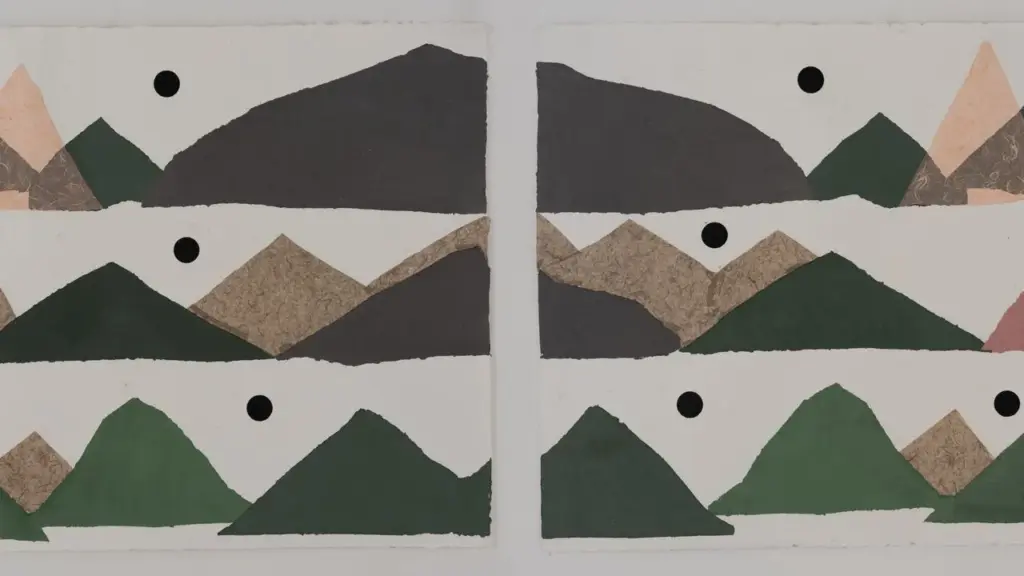
- Sheroanawe Hakihiiwe is presenting his first US museum solo exhibition at the Institute of Contemporary Art, Miami (ICA Miami), through March 28, 2027.
- Organized in partnership with the Fondation Cartier pour l’art contemporain, the show spans over 100 works across three decades of his artistic practice.
- Architectural studio Taller de Arquitectura transformed the galleries into a modern interpretation of the traditional Yanomami communal house, the shapono.
- Recent works reflect Hakihiiwe's 2024 initiation as a shaman, introducing deeply spiritual dimensions, newly commissioned films, and sacred installations.
- Sheroanawe Hakihiiwe đang giới thiệu triển lãm cá nhân bảo tàng đầu tiên tại Hoa Kỳ của mình tại Viện Nghệ thuật Đương đại Miami (ICA Miami), kéo dài đến ngày 28 tháng 3 năm 2027.
- Được tổ chức phối hợp với Fondation Cartier pour l'art contemporain, triển lãm trưng bày hơn 100 tác phẩm trải dài qua ba thập kỷ thực hành nghệ thuật của ông.
- Studio kiến trúc Taller de Arquitectura đã biến đổi các phòng trưng bày thành một phiên bản hiện đại hóa của ngôi nhà cộng đồng truyền thống người Yanomami, gọi là shapono.
- Các tác phẩm gần đây phản ánh cột mốc Hakihiiwe được phong chức pháp sư vào năm 2024, mang đến những chiều kích tâm linh sâu sắc, các bộ phim mới được đặt hàng và những không gian sắp đặt mang tính linh thiêng.
- Sheroanawe Hakihiiwe présente sa première exposition muséale personnelle aux États-Unis à l'Institute of Contemporary Art de Miami (ICA Miami), jusqu'au 28 mars 2027.
- Organisée en partenariat avec la Fondation Cartier pour l'art contemporain, l'exposition rassemble plus de 100 œuvres couvrant trois décennies de pratique artistique.
- Le studio d'architecture Taller de Arquitectura a métamorphosé les salles en une réinterprétation moderne du « shapono », la maison communautaire traditionnelle yanomami.
- Les œuvres récentes témoignent de l'initiation chamanique de l'artiste en 2024, introduisant une dimension profondément spirituelle, des films inédits et des installations sacrées.
- Sheroanawe Hakihiiwe presenta su primera exposición individual en un museo de Estados Unidos en el Institute of Contemporary Art de Miami (ICA Miami) hasta el 28 de marzo de 2027.
- Organizada en colaboración con la Fondation Cartier pour l’art contemporain, la muestra reúne más de 100 obras que abarcan tres décadas de su práctica artística.
- El estudio de arquitectura Taller de Arquitectura transformó las salas en una reinterpretación moderna del shapono, la vivienda comunitaria tradicional yanomami.
- Sus obras recientes reflejan su iniciación como chamán en 2024, incorporando dimensiones profundamente espirituales, películas de reciente encargo e instalaciones sagradas.
- 谢罗纳韦·哈基希韦正在迈阿密当代艺术博物馆(ICA Miami)举办其在美国的首场美术馆个展,展期将持续至2027年3月28日。
- 该展览与卡地亚当代艺术基金会(Fondation Cartier pour l’art contemporain)合作举办,汇集了其三十年艺术实践中的100多件作品。
- 建筑事务所 Taller de Arquitectura 将展厅改造为亚诺马米族传统集体住宅“沙波诺”(shapono)的现代诠释版。
- 最新作品反映了哈基希韦在2024年成为萨满的经历,引入了深刻的精神维度、新委任的影像作品以及神圣的装置艺术。
To reach his home in Mahekoto, a Yanomami community nestled deep within the verdant labyrinth of the Venezuelan Amazon, the artist Sheroanawe Hakihiiwe must embark on a voyage that tests the limits of modern endurance. First comes a flight from the bustling capital of Caracas to the southern frontier town of Puerto Ayacucho, followed by an arduous eight-day journey by motorized canoe along the winding, tea-colored expanses of the Orinoco River. In a village of roughly 300 souls untouched by the hum of electrical grids or the intrusive chime of cellular networks, Hakihiiwe lives in unbroken communion with the primordial ecosystem that sustains him. Days are spent fishing, hunting, and foraging through the dense undergrowth, all while carrying a weathered notebook to record the fleeting details of the natural world. For the past thirty years, this rigorous, meditative daily practice has formed the bedrock of one of the most distinctive and lauded artistic corpuses emerging from South America today—a delicate, near-taxonomic visual vocabulary that captures both the staggering majesty of the rainforest and the microscopic intricacies of an insect's wing.
This month, the global cultural capitals are turning their gaze toward this remote pocket of the Orinoco as ICA Miami stages Hakihiiwe’s first solo museum exhibition in the United States. On view through March 28, 2027, the comprehensive survey brings together more than 100 works spanning his remarkable career, from fragile early experiments on handmade botanical papers in the 1990s to towering monumental installations and a mesmerizing newly commissioned film shaped by his recent initiation into shamanism. Organized in close collaboration with the prestigious Fondation Cartier pour l'art contemporain, the exhibition represents a watershed moment for indigenous contemporary art on the international stage, bridging the chasm between ancient cosmological worldviews and the hyper-mediated realities of twenty-first-century museum spaces.
Architecture as Cosmology and the Shapono Experience
To honor the spatial and cultural integrity of Hakihiiwe’s universe, ICA Miami enlisted the Mexico City-based architectural vanguard Taller de Arquitectura, led by visionary designer Mauricio Rocha Iturbide. The studio undertook a radical reconfiguration of the museum’s second-floor galleries, transforming the pristine white cube into a contemporary abstraction of the shapono—the traditional circular communal house shared by Yanomami families. Visitors navigate modular, partition walls rendered in deep, earthy mineral pigments under a canopy of soft, filtered illumination. Crucially, the gallery windows have been meticulously reframed to open onto the lush tree canopies outside, ensuring that the living, breathing South American flora is not merely represented as an image on a wall, but felt as an active, pulsating presence within the institutional architecture.
This immersive staging frames an artistic journey that began in earnest in 1992, when Mexican artist Laura Anderson Barbata hosted a workshop in Hakihiiwe’s community teaching traditional papermaking techniques. That foundational exchange birthed Shapono (1996), a legendary artist's book constructed entirely from recycled plant fibers and thread spun from pineapple leaves, which now anchors the historical section of the Miami exhibition. Yet Hakihiiwe’s aesthetic lineage stretches back much further, rooted in childhood memories of watching his mother weave and paint intricate baskets. Her parting advice—urging him never to abandon the path of creation—resonates through every minimalist line and charged gesture of his mature practice, transforming local craftsmanship into an enduring global monument.
The Taxonomic Eye and the Cartography of Survival
The profound intimacy of Hakihiiwe’s work belies an undercurrent of urgent environmental reckoning. Across series such as his monumental 2018 grouping Donde yo vivo también viven todos estos animales en el Orinoco, the artist deploys repeating red and black ink motifs that read at first glance like abstract typographic script or ancient glyphs. Upon closer inspection, however, the eye decodes a meticulous inventory of the Orinoco basin's inhabitants: precise rows of crab eyes, heron feet, and forest ticks. Similarly, works like Tarara (Casa de hormigas grandes) (2023) utilize branching networks of crimson acrylic lines across textured cotton paper to mimic cosmic webs or neurological maps, revealing themselves upon translation to chart the complex domestic architecture of large jungle ants.
This taxonomic cataloging carries immense political and ecological gravity. Scientists estimate that roughly twenty percent of the Amazon rainforest has been swallowed by deforestation, illegal gold mining, mercury poisoning, and accelerating climate change over the past half-century. By immortalizing species and ecological structures that face imminent annihilation, Hakihiiwe’s minimalist compositions function as tender yet unyielding archival records. As Michela Alessandrini, curator at the Fondation Cartier, notes, the artist's restrained visual language issues an unavoidable planetary summons, reminding international audiences that the fate of the Amazon is inextricably linked to the survival of the global biosphere.
Shamanic Visions and the Circularity of Form
In recent years, Hakihiiwe’s artistic vocabulary has absorbed an even more transcendent dimension. Following his official initiation as a shaman in 2024, dreams, visions, and the unseen spiritual architecture of the forest have taken center stage in his creative output. This evolution is powerfully documented in the exhibition's new moving-image work, Hekura peni ware puhi aupouhe (The Spirits Wash My Face) (2026), where kaleidoscopic ink drawings pulse in rhythm with field recordings of the artist's own ritual chanting. Flanked by an installation of towering red shamanic poles crafted on-site, these works illuminate the seamless continuum that defines Yanomami ontology—where the geometry of the cosmos mirrors the patterns of ceremonial body paint, and the apex of a feather crown echoes the structural curve of the communal dwelling.
For co-curator Gean Moreno, this interconnectedness dismantles Western hierarchies of originality and representation, substituting a circular movement of forms that continually reinforces a holistic worldview. As Hakihiiwe reflects on his dual role as community elder, artist, and spiritual intermediary, the physical demands of his biannual journeys back to Mahekoto are met with a renewed, transcendent resilience. Describing the profound interior calm brought on by his shamanic calling—likened to a cool breeze passing through his chest—Hakihiiwe offers a quiet defiance against the forces eroding his ancestral home, proving that as long as the spirit and the brush endure, the vanishing Amazon will continue to speak.
Để về đến ngôi nhà của mình ở Mahekoto, một cộng đồng người Yanomami nằm sâu trong mê cung xanh thẳm của vùng Amazon thuộc Venezuela, nghệ sĩ Sheroanawe Hakihiiwe phải dấn thân vào một cuộc hải hành thử thách giới hạn của sức chịu đựng hiện đại. Đầu tiên là chuyến bay từ thủ đô Caracas náo nhiệt đến thị trấn biên giới phía nam Puerto Ayacucho, tiếp nối bằng hành trình gian khổ tám ngày bằng xuồng máy dọc theo những khúc sông Orinoco uốn lượn mang sắc màu của nước trà. Trong một ngôi làng có khoảng 300 nhân khẩu, nơi chưa từng bị vướng bận bởi tiếng ù của lưới điện hay tiếng chuông điện thoại di động phiền nhiễu, Hakihiiwe sống trong sự hòa hợp trọn vẹn với hệ sinh thái nguyên thủy đã nuôi dưỡng ông. Những ngày tháng trôi qua bên việc đánh bắt, săn bắn và hái lượm xuyên qua lớp thảm thực vật rậm rạp, luôn kè kè bên mình một cuốn sổ tay đã sờn cũ để ghi chép lại những chi tiết thoáng qua của thế giới tự nhiên. Trong ba mươi năm qua, thực hành hàng ngày đầy nghiêm ngặt và mang tính chiêm nghiệm này đã tạo nên nền tảng cho một trong những di sản nghệ thuật đặc sắc và được ca ngợi nhất xuất hiện từ Nam Mỹ ngày nay — một thứ từ vựng thị quan tinh tế, gần như mang tính phân loại học, vừa nắm bắt được sự hùng vĩ choáng ngợp của rừng mưa, vừa ghi lại từng chi tiết vi mô trên cánh côn trùng.
Tháng này, các trung tâm văn hóa toàn cầu đang hướng ánh nhìn về góc khuất hẻo lánh của dòng Orinoco khi ICA Miami dàn dựng triển lãm bảo tàng cá nhân đầu tiên của Hakihiiwe tại Hoa Kỳ. Trưng bày đến ngày 28 tháng 3 năm 2027, cuộc khảo sát toàn diện này quy tụ hơn 100 tác phẩm trải dài qua sự nghiệp lẫy lừng của ông, từ những thử nghiệm đầu đời mong manh trên giấy thực vật làm thủ công vào thập niên 1990 cho đến những tác phẩm sắp đặt hoành tráng và một bộ phim mới được ủy quyền đầy mê hoặc, định hình bởi lễ khởi minh bước vào con đường pháp sư gần đây của ông. Được tổ chức với sự cộng tác chặt chẽ cùng quỹ danh tiếng Fondation Cartier pour l'art contemporain, triển lãm đánh dấu một bước ngoặt lịch sử đối với nghệ thuật đương đại bản địa trên sân khấu quốc tế, thu hẹp khoảng cách giữa thế giới quan vũ trụ cổ xưa và thực tại siêu kết nối của không gian bảo tàng thế kỷ 21.
Kiến trúc như Vũ trụ học và Trải nghiệm Shapono
Để tôn vinh tính toàn vẹn về không gian và văn hóa trong vũ trụ của Hakihiiwe, ICA Miami đã mời đơn vị tiên phong kiến trúc có trụ sở tại Thành phố Mexico là Taller de Arquitectura, dưới sự dẫn dắt của nhà thiết kế tầm nhìn Mauricio Rocha Iturbide. Studio này đã thực hiện một cuộc tái cấu trúc triệt để các phòng trưng bày ở tầng hai của bảo tàng, biến khối lập phương trắng tinh khiết thành một sự trừu tượng hóa đương đại của shapono — ngôi nhà cộng đồng hình tròn truyền thống được các gia đình Yanomami chia sẻ chung. Khách tham quan di chuyển qua các bức tường vách ngăn mô-đun mang sắc tố khoáng chất sâu thẳm, đậm chất thổ nhưỡng dưới tán ánh sáng dịu nhẹ được lọc qua. Điểm quan trọng là các ô cửa sổ phòng trưng bày đã được thiết kế lại tỉ mỉ để mở ra những tán cây xanh tươi bên ngoài, đảm bảo rằng hệ thực vật sống động, đầy hơi thở của Nam Mỹ không chỉ đơn thuần được thể hiện như một hình ảnh trên tường, mà còn được cảm nhận như một sự hiện diện sống động và dạt dào bên trong kiến trúc thiết chế.
Việc dàn dựng mang tính nhập vai này làm khung nền cho một hành trình nghệ thuật bắt đầu một cách nghiêm túc vào năm 1992, khi nghệ sĩ người Mexico Laura Anderson Barbata tổ chức một xưởng thực hành tại cộng đồng của Hakihiiwe nhằm giảng dạy các kỹ thuật làm giấy truyền thống. Cuộc trao đổi nền tảng ấy đã sinh ra Shapono (1996), một cuốn sách nghệ sĩ huyền thoại được cấu thành hoàn toàn từ sợi thực vật tái chế và sợi chỉ quay từ lá dứa, hiện đóng vai trò neo giữ phần lịch sử của triển lãm tại Miami. Tuy nhiên, dòng dõi thẩm mỹ của Hakihiiwe còn vươn xa hơn thế rất nhiều, bắt nguồn từ những ký ức tuổi thơ nhìn mẹ dệt và vẽ những chiếc giỏ đan phức tạp. Lời căn dặn lúc chia tay của bà — thôi thúc ông không bao giờ từ bỏ con đường sáng tạo — vang vọng qua từng đường nét tối giản và cử chỉ đầy nội lực trong thực hành chín muồi của ông, biến nghề thủ công bản địa thành một tượng đài toàn cầu trường tồn.
Ánh nhìn Phân loại học và Bản đồ học của Sự sinh tồn
Sự thân mật sâu sắc trong các tác phẩm của Hakihiiwe ẩn giấu một dòng chảy ngầm về cuộc đối đầu môi trường đầy cấp bách. Xuyên suốt các chuỗi tác phẩm như bộ tác phẩm hoành tráng năm 2018 Donde yo vivo también viven todos estos animales en el Orinoco, nghệ sĩ triển khai các mô-típ mực đỏ và đen lặp đi lặp lại thoạt nhìn giống như các ký tự chữ in trừu tượng hoặc các chữ tượng hình cổ đại. Tuy nhiên, khi quan sát kỹ hơn, mắt người có thể giải mã một danh mục tỉ mỉ về cư dân của lưu vực sông Orinoco: những hàng mắt cua, chân diệc và ve rừng chính xác. Tương tự, các tác phẩm như Tarara (Casa de hormigas grandes) (2023) sử dụng mạng lưới các đường acrylic màu đỏ thẫm đan xen trên nền giấy cotton có kết cấu để mô phỏng các mạng lưới vũ trụ hoặc bản đồ thần kinh, tự hé lộ qua quá trình giải mã để phác họa kiến trúc gia đình phức tạp của loài kiến rừng lớn.
Việc lập danh mục phân loại này mang sức nặng chính trị và sinh thái to lớn. Các nhà khoa học ước tính rằng khoảng 20% rừng mưa Amazon đã bị nuốt chửng bởi nạn phá rừng, khai thác vàng trái phép, ô nhiễm thủy ngân và biến đổi khí hậu đang gia tăng trong nửa thế kỷ qua. Bằng cách bất tử hóa các loài và cấu trúc sinh thái đang đối mặt với nguy cơ diệt vong kề cận, các tác phẩm mang phong cách tối giản của Hakihiiwe đóng vai trò như những hồ sơ lưu trữ vừa mềm mỏng vừa kiên định. Như Michela Alessandrini, giám curator tại Fondation Cartier, lưu ý, ngôn ngữ thị giác mang tính kiềm chế của nghệ sĩ đã đưa ra một lời hiệu triệu hành tinh không thể chối cãi, nhắc nhở khán giả quốc tế rằng số phận của Amazon gắn liền không thể tách rời với sự sinh tồn của sinh quyển toàn cầu.
Tầm nhìn Pháp sư và Tính Tuần hoàn của Hình thái
Trong những năm gần đây, từ vựng nghệ thuật của Hakihiiwe đã hấp thụ một chiều kích còn siêu việt hơn nữa. Sau lễ khởi minh chính thức để trở thành một pháp sư vào năm 2024, những giấc mơ, tầm nhìn và kiến trúc tâm linh ẩn khuất của khu rừng đã chiếm vị trí trung tâm trong thành quả sáng tạo của ông. Sự tiến hóa này được ghi lại một cách mạnh mẽ trong tác phẩm hình ảnh động mới của triển lãm, Hekura peni ware puhi aupouhe (The Spirits Wash My Face) (2026), nơi các bản vẽ mực vạn hoa chuyển động theo nhịp điệu với bản ghi âm thực địa về chính những bài tụng nghi lễ của nghệ sĩ. Được bao quanh bởi một dãy cột pháp sư màu đỏ sừng sững được chế tác ngay tại chỗ, những tác phẩm này làm sáng tỏ tính liên tục liền mạch định hình bản thể học Yanomami — nơi hình học của vũ trụ phản chiếu các hoa văn vẽ trên cơ thể trong nghi lễ, và đỉnh của chiếc mũ lông vũ vang vọng đường cong cấu trúc của ngôi nhà cộng đồng.
Đối với đồng giám tuyển Gean Moreno, sự liên kết tương hỗ này đã phá bỏ các hệ thống phân cấp phương Tây về tính nguyên bản và sự biểu đạt, thay thế bằng một chuyển động tuần hoàn của các hình thái nhằm liên tục củng cố một thế giới quan toàn diện. Khi Hakihiiwe ngẫm nghĩ về vai trò kép của mình là bậc cao niên cộng đồng, nghệ sĩ và trung gian tâm linh, những đòi hỏi thể chất từ những chuyến hành trình hai năm một lần trở lại Mahekoto được đáp lại bằng một sức bật kiên cường, siêu việt và được đổi mới. Mô tả sự bình yên nội tâm sâu sắc mang lại từ tiếng gọi pháp sư của mình — được ví như một làn gió mát thổi qua lồng ngực — Hakihiiwe đưa ra một sự thách thức lặng lẽ chống lại các lực lượng đang ăn mòn ngôi nhà tổ tiên của ông, chứng minh rằng chừng nào tinh thần và cây cọ vẽ còn bền bỉ, vùng Amazon đang phai mờ sẽ tiếp tục cất lên tiếng nói.
Pour regagner sa demeure de Mahekoto, communauté yanomami blottie au cœur du labyrinthe luxuriant de l'Amazonie vénézuélienne, l'artiste Sheroanawe Hakihiiwe doit s'engager dans un périple qui met à rude épreuve les limites de l'endurance contemporaine. Il lui faut d'abord prendre un vol depuis la trépidante capitale de Caracas jusqu'à Puerto Ayacucho, ville frontalière du Sud, avant d'entamer une longue remontée de huit jours en pirogue à moteur le long des méandres couleur thé de l'Orénoque. Dans ce village d'environ trois cents âmes, totalement préservé du bourdonnement des réseaux électriques ou de la sonnerie intrusive des téléphones portables, Hakihiiwe vit en communion ininterrompue avec l'écosystème primordial qui le nourrit. Ses journées s'écoulent entre pêche, chasse et cueillette dans l'épaisseur du sous-bois, toujours muni d'un carnet usé pour y consigner les fugaces détails du monde naturel. Depuis trente ans, cette pratique quotidienne, rigoureuse et méditative, constitue le socle de l'une des trajectoires artistiques les plus singulières et saluées d'Amérique du Sud — un vocabulaire visuel délicat, presque taxonomique, qui capture tout à la fois la majesté foudroyante de la forêt tropicale et la complexité microscopique d'une aile d'insecte.
Ce mois-ci, les capitales culturelles mondiales tournent leurs regards vers cette enclave isolée de l'Orénoque alors que l'ICA Miami consacre à Hakihiiwe sa première exposition personnelle dans un musée américain. Visible jusqu'au 28 mars 2027, cette rétrospective d'envergure réunit plus de cent œuvres retraçant son parcours remarquable, depuis ses fragiles expérimentations des années 1990 sur des papiers botaniques faits main jusqu'à ses installations monumentales et un film inédit, hypnotique, façonné par son initiation récente au chamanisme. Organisée en étroite collaboration avec la prestigieuse Fondation Cartier pour l'art contemporain, l'exposition marque un tournant historique pour l'art contemporain autochtone sur la scène internationale, jetant un pont entre les visions du monde cosmologiques ancestrales et les réalités hypermédiatisées des espaces muséaux du XXIe siècle.
L'architecture comme cosmologie et l'expérience du shapono
Pour honorer l'intégrité spatiale et culturelle de l'univers de Hakihiiwe, l'ICA Miami a fait appel au Taller de Arquitectura, avant-garde architecturale basée à Mexico, menée par le designer visionnaire Mauricio Rocha Iturbide. Le studio a entrepris une reconfiguration radicale des salles du deuxième étage du musée, transformant le traditionnel « cube blanc » en une abstraction contemporaine du shapono — la maison communautaire circulaire traditionnellement partagée par les familles yanomami. Les visiteurs déambulent à travers des cloisons modulaires aux teintes minérales profondes et terreuses, sous une canopée de lumières douces et filtrées. Fait capital, les fenêtres de la galerie ont été méticuleusement réorientées pour s'ouvrir sur la verdure luxuriante extérieure, veillant à ce que la flore sud-américaine vivante et vibrante ne soit pas simplement représentée comme une image sur un mur, mais ressentie comme une présence active et palpitante au sein même de l'architecture institutionnelle.
Cette mise en scène immersive sert d'écrin à un parcours artistique amorcé en 1992, lorsque l'artiste mexicaine Laura Anderson Barbata anima un atelier dans la communauté de Hakihiiwe pour y enseigner les techniques traditionnelles de fabrication du papier. De cet échange fondateur est né Shapono (1996), un livre d'artiste légendaire confectionné exclusivement à partir de fibres végétales recyclées et de fil tissé de feuilles d'ananas, qui constitue aujourd'hui la pièce maîtresse de la section historique de l'exposition de Miami. Pourtant, la généalogie esthétique de Hakihiiwe s'enracine bien plus loin, dans les souvenirs d'enfance où il observait sa mère tresser et peindre des vanneries complexes. Les derniers mots de celle-ci — l'exhortant à ne jamais dévier du chemin de la création — résonnent à travers chaque ligne minimaliste et chaque geste empreint de gravité de sa maturité artistique, élevant l'artisanat local au rang de monument universel et pérenne.
Le regard taxonomique et la cartographie de la survie
L'extrême intimité qui se dégage de l'œuvre de Hakihiiwe dissimule une sourde urgence écologique. À travers des séries telles que sa monumentale composition de 2018 Donde yo vivo también viven todos estos animales en el Orinoco, l'artiste déploie des motifs répétitifs à l'encre rouge et noire qui évoquent au premier regard une écriture typographique abstraite ou des glyphes anciens. À y regarder de plus près, cependant, l'œil déchiffre un inventaire méticuleux des habitants du bassin de l'Orénoque : rangées précises d'yeux de crabes, de pattes de hérons et de tiques de la forêt. De même, des œuvres telles que Tarara (Casa de hormigas grandes) (2023) utilisent des réseaux ramifiés de lignes acryliques carmin sur du papier de coton texturé pour imiter des toiles cosmiques ou des cartes neurologiques, avant de révéler, à qui sait les traduire, l'architecture domestique complexe des grandes fourmis de la jungle.
Ce travail de catalogage taxonomique revêt un poids politique et écologique considérable. Les scientifiques estiment qu'environ vingt pour cent de la forêt amazonienne ont été anéantis au cours du dernier demi-siècle par la déforestation, l'orpaillage illégal, la pollution au mercure et l'accélération du changement climatique. En immortalisant des espèces et des structures écologiques menacées d'extinction imminente, les compositions minimalistes de Hakihiiwe s'apparentent à des archives aussi tendres qu'inexorables. Comme le souligne Michela Alessandrini, curatrice à la Fondation Cartier, le langage visuel épuré de l'artiste lance un appel planétaire irréfutable, rappelant aux spectateurs internationaux que le destin de l'Amazonie est indissociable de la survie de la biosphère tout entière.
Visions chamaniques et circularité des formes
Ces dernières années, le vocabulaire artistique de Hakihiiwe s'est enrichi d'une dimension encore plus transcendante. Depuis son intronisation officielle comme chaman en 2024, les songes, les visions et l'architecture spirituelle invisible de la forêt occupent le premier plan de sa création. Cette évolution trouve une puissante illustration dans la nouvelle œuvre filmique de l'exposition, Hekura peni ware puhi aupouhe (Les esprits me lavent le visage) (2026), où des dessins kaléidoscopiques à l'encre pulsent au rythme d'enregistrements de terrain captant les chants rituels de l'artiste. Flanquées d'une installation de grands mâts chamaniques rouges façonnés sur place, ces pièces éclairent le continuum sans rupture qui définit l'ontologie yanomami — un monde où la géométrie du cosmos fait écho aux motifs des peintures corporelles cérémonielles, et où la pointe d'une coiffe de plumes reflète la courbe structurelle de l'habitat collectif.
Pour le co-commissaire Gean Moreno, cette interconnexion démantèle les hiérarchies occidentales de l'originalité et de la représentation au profit d'un mouvement circulaire des formes qui réaffirme sans cesse une vision holistique du monde. Tandis que Hakihiiwe médite sur son double rôle d'aîné de la communauté, d'artiste et d'intermédiaire spirituel, les exigences physiques de ses voyages bimestriels à Mahekoto se heurtant à une résilience renouvelée et transcendante. Évoquant la paix intérieure profonde que lui procure sa vocation chamanique — qu'il compare à une brise fraîche traversant sa poitrine —, Hakihiiwe oppose une résistance silencieuse aux forces qui grignotent sa terre ancestrale, prouvant que tant que vivront l'esprit et le pinceau, l'Amazonie en sursis continuera de porter sa voix.
Para llegar a su hogar en Mahekoto, una comunidad yanomami enclavada en lo más profundo del frondoso laberinto de la Amazonia venezolana, el artista Sheroanawe Hakihiiwe debe emprender un viaje que pone a prueba los límites de la resistencia contemporánea. Primero, un vuelo desde la bulliciosa capital, Caracas, hasta la localidad fronteriza de Puerto Ayacucho, en el sur; después, una ardua travesía de ocho días en canoa motorizada a lo largo de las sinuosas extensiones de color té del río Orinoco. En una aldea de unas 300 almas ajenas al zumbido de las redes eléctricas o al timbre intrusivo de la telefonía móvil, Hakihiiwe vive en una comunión inquebrantable con el ecosistema primordial que lo sustenta. Dedica los días a pescar, cazar y recolectar en la densa maleza, siempre con una libreta ajada a cuestas para registrar los detalles fugaces del mundo natural. Durante los últimos treinta años, esta rigurosa y meditativa práctica cotidiana ha cimentado uno de los corpus artísticos más singulares y aclamados de la Sudamérica actual: un vocabulario visual delicado y casi taxonómico que captura tanto la abrumadora majestuosidad de la selva tropical como la intrincada microscopia del ala de un insecto.
Este mes, las capitales culturales del mundo vuelven su mirada hacia este rincón remoto del Orinoco mientras el ICA Miami acoge la primera exposición individual en un museo estadounidense de Hakihiiwe. Abierta hasta el 28 de marzo de 2027, esta ambiciosa antología reúne más de 100 obras que recorren su notable trayectoria, desde sus frágiles experimentos iniciales sobre papel botánico artesanal en los noventa hasta imponentes instalaciones monumentales y una fascinante película de reciente encargo marcada por su reciente iniciación en el chamanismo. Organizada en estrecha colaboración con la prestigiosa Fondation Cartier pour l'art contemporain, la exposición representa un hito fundamental para el arte contemporáneo indígena en la escena internacional, tendiendo un puente entre las cosmovisiones ancestrales y las hipermediatizadas realidades de los espacios museísticos del siglo XXI.
La arquitectura como cosmología y la experiencia del shapono
Para honrar la integridad espacial y cultural del universo de Hakihiiwe, el ICA Miami recurrió a la vanguardia arquitectónica con sede en Ciudad de México Taller de Arquitectura, liderada por el visionario diseñador Mauricio Rocha Iturbide. El estudio acometió una radical reconfiguración de las galerías de la segunda planta del museo para transformar el inmaculado cubo blanco en una abstracción contemporánea del shapono, la tradicional casa comunitaria circular que comparten las familias yanomami. Los visitantes transitan por tabiques modulares revestidos de pigmentos minerales de tonalidades profundas y terrosas bajo un dosel de iluminación suave y filtrada. Un detalle crucial es que los ventanales de la sala se han reorientado de manera meticulosa para abrirse hacia las frondosas copas de los árboles del exterior, logrando así que la flora sudamericana —viva y palpitante— no se limite a ser una mera imagen colgada en la pared, sino que se perciba como una presencia activa dentro de la arquitectura institucional.
Esta inmersiva puesta en escena enmarca un recorrido artístico que comenzó formalmente en 1992, cuando la artista mexicana Laura Anderson Barbata impartió un taller en la comunidad de Hakihiiwe para enseñar técnicas tradicionales de fabricación de papel. De aquel intercambio fundacional nació Shapono (1996), un legendario libro de artista confeccionado íntegramente con fibras vegetales recicladas e hilo de hojas de piña, que hoy vertebra la sección histórica de la muestra en Miami. Sin embargo, la genealogía estética de Hakihiiwe se remonta mucho más atrás, nutrida por los recuerdos de infancia en los que observaba a su madre tejer y pintar intrincados cestos. El consejo que ella le dio al partir —instándole a no abandonar jamás el camino de la creación— resuena en cada línea minimalista y en cada gesto cargado de intensidad de su madurez artística, elevando la artesanía local a la categoría de monumento universal y perdurable.
La mirada taxonómica y la cartografía de la supervivencia
La profunda intimidad de la obra de Hakihiiwe contrasta con un trasfondo de urgente reivindicación medioambiental. A través de series como su monumental conjunto de 2018 Donde yo vivo también viven todos estos animales en el Orinoco, el artista despliega motivos repetitivos en tinta roja y negra que a primera vista recuerdan a grafías tipográficas abstractas o a antiguos glifos. Sin embargo, al observarlos de cerca, el ojo descifra un inventario meticuloso de los habitantes de la cuenca del Orinoco: hileras precisas de ojos de cangrejo, patas de garza y garrapatas de la selva. Del mismo modo, piezas como Tarara (Casa de hormigas grandes) (2023) emplean redes ramificadas de líneas acrílicas carmesí sobre papel de algodón texturizado para imitar tramas cósmicas o mapas neurológicos, que al ser descifradas revelan la compleja arquitectura doméstica de las grandes hormigas de la selva.
Esta catalogación taxonómica posee un peso político y ecológico inmenso. Los científicos calculan que en el último medio siglo aproximadamente el veinte por ciento de la selva amazónica ha desaparecido a causa de la deforestación, la minería ilegal del oro, la contaminación por mercurio y la aceleración del cambio climático. Al inmortalizar especies y estructuras ecológicas abocadas a una extinción inminente, las composiciones minimalistas de Hakihiiwe actúan a la vez como tiernos e inflexibles registros de archivo. Como señala Michela Alessandrini, comisaria de la Fondation Cartier, el depurado lenguaje visual del artista lanza un llamamiento planetario ineludible que recuerda a la audiencia internacional que el destino de la Amazonia está indisolublemente ligado a la supervivencia de la biosfera global.
Visiones chamánicas y la circularidad de la forma
En los últimos años, el vocabulario artístico de Hakihiiwe ha incorporado una dimensión aún más trascendente. Tras su consagración oficial como chamán en 2024, los sueños, las visiones y la arquitectura espiritual oculta de la selva se han instalado en el centro de su producción creativa. Esta evolución queda documentada con contundencia en la nueva obra audiovisual de la exposición, Hekura peni ware puhi aupouhe (Los espíritus me lavan la cara) (2026), en la que dibujos caleidoscópicos en tinta vibran al ritmo de grabaciones de campo con los cantos rituales del propio artista. Acompañadas por una instalación de imponentes postes chamánicos rojos tallados in situ, estas piezas ilustran la continuidad ininterrumpida que define la ontología yanomami, donde la geometría del cosmos se espeja en los patrones de la pintura corporal ceremonial y la cúspide de un tocado de plumas evoca la curva estructural de la vivienda comunitaria.
Para el co-comisario Gean Moreno, esta interconexión desmantela las jerarquías occidentales de la originalidad y la representación para sustituirlas por un movimiento circular de formas que reafirma permanentemente una visión holística del mundo. Mientras Hakihiiwe reflexiona sobre su doble condición de patriarca de su comunidad, artista e intermediario espiritual, las exigencias físicas de sus viajes semestrales de regreso a Mahekoto se ven compensadas por una renovada y trascendente resiliencia. Al describir la profunda paz interior que le otorga su vocación chamánica —comparada con una brisa fresca que le recorre el pecho—, Hakihiiwe ofrece una serena resistencia frente a las fuerzas que erosionan su territorio ancestral, demostrando que mientras perduren el espíritu y el pincel, la Amazonia desvaneciente seguirá alzando la voz.
为了回到位于委内瑞拉亚马逊绿意盎然的迷宫深处的家乡马赫科托(Mahekoto),艺术家谢罗纳韦·哈基希韦(Sheroanawe Hakihiiwe)必须踏上一场考验现代耐力极限的旅程。首先是从繁华的首都加拉加斯乘机飞往南部边境小镇阿亚库乔港(Puerto Ayacucho),接着是沿着奥里诺科河(Orinoco River)蜿蜒的茶褐色水域,乘坐机动独木舟经历漫长而艰苦的八天航程。在这个拥有大约300名居民、既没有电网嗡嗡声也没有蜂窝网络干扰的村庄里,哈基希韦与维持他生存的原始生态系统保持着不间断的交流。他的白日时光在茂密的下层植被中度过,伴随着捕鱼、狩猎和觅食,手中总是拿着一本饱经风雨的笔记本,用以记录自然世界稍纵即逝的细节。在过去三十年里,这种严谨、冥想般的日常实践构成了南美洲当今最独特、最受赞誉的艺术创作核心之一——一种细腻近乎分类学的视觉词汇,既捕捉了雨林令人惊叹的壮丽,也定格了昆虫翅膀的微观错综复杂。
本月,全球文化之都将目光投向了奥里诺科河畔这处偏远的角落,迈阿密当代艺术博物馆(ICA Miami)正在此举办哈基希韦在美国的首个美术馆个展。这场展期至2027年3月28日的综合回顾展汇集了其非凡职业生涯中的100多件作品,从20世纪90年代在手工植物纸上进行的脆弱早期实验,到高耸的纪念碑式装置,以及因其最近萨满修行而塑造的迷人新委任影像作品。该展览与著名的卡地亚当代艺术基金会(Fondation Cartier pour l'art contemporain)紧密合作,是国际舞台上原住民当代艺术的分水岭时刻,在古老宇宙学世界观与二十一世纪美术馆空间的超媒介现实之间架起了桥梁。
作为宇宙学的建筑与“沙波诺”体验
为了向哈基希韦宇宙的空间和文化完整性致敬,ICA Miami 邀请了总部位于墨西哥城的先锋建筑事务所 Taller de Arquitectura,该事务所由富有远见的建筑师毛里西奥·罗查·伊图尔比德(Mauricio Rocha Iturbide)领导。该工作室对博物馆二楼展厅进行了根本性的重构,将原本纯净的白色立方体转化为亚诺马米族家庭共享的传统圆形集体住宅——shapono(沙波诺)的当代抽象表达。在柔和、过滤后的光线穹顶下,参观者穿梭于采用深沉、大地色矿物颜料渲染的模块化隔墙之间。至关重要的是,展厅的窗户经过精心重新构架,正对着外面郁郁葱葱的树冠,确保这片生生不息的南美植物群不仅作为墙上的图像被表现出来,更作为一种活跃的、脉动的存在融入到机构建筑之中。
这种沉浸式的布景串联起了一段始于1992年的艺术征程,当时墨西哥艺术家劳拉·安德森·巴巴塔(Laura Anderson Barbata)在哈基希韦的社区主持了一场工作坊,教授传统的造纸技术。这一奠基性的交流诞生了《Shapono》(1996年)——一本完全由回收植物纤维和菠萝叶纺织线构成的传奇艺术家书籍,如今它构成了迈阿密展览历史板块的基石。然而,哈基希韦的美学渊源还要追溯到更久远的过去,根植于童年时期看母亲编织和绘制复杂篮子的记忆。母亲临别前的嘱托——敦促他永远不要放弃创造之路——在他的成熟实践的每一条极简线条和充满张力的笔触中回响,将本土手工艺转化为持久的全球丰碑。
分类学之眼与生存的制图学
哈基希韦作品中深沉的亲密感,掩盖了一种迫在眉睫的生态清算暗流。在他2018年的宏大组画《Donde yo vivo también viven todos estos animales en el Orinoco》等系列中,艺术家运用了重复的红黑墨水母题,乍一看像是抽象的印刷体文字或古老的字形。然而,仔细观察后,人们的眼睛会辨认出奥里诺科河流域居民的缜密清单:整齐排列的蟹眼、苍鹭脚和森林壁虱。同样,诸如《Tarara (Casa de hormigas grandes)》(2023年)这样的作品,在肌理丰富的棉纸上利用交织的绯红色丙烯线条网络来模仿宇宙网或神经图谱,翻译过来后才发现它们描绘的是大型丛林蚂蚁复杂的内部建筑。
这种分类学编目具有巨大的政治和生态重力。科学家估计,在过去半个世纪里,大约百分之二十的亚马逊雨林已被森林砍伐、非法金矿开采、汞中毒和加速的气候变化所吞噬。通过将面临迫在眉睫消亡的物种和生态结构永恒化,哈基希韦的极简主义构图发挥了温柔而又坚韧的档案记录作用。正如卡地亚基金会策展人米凯拉·亚历山德里尼(Michela Alessandrini)所指出的那样,艺术家克制的视觉语言发出了一种不可避免的全球警示,提醒国际社会亚马逊的命运与全球生物圈的生存密不可分。
萨满视野与形式的循环性
近年来,哈基希韦的艺术词汇吸收了更加超越维度的内涵。继2024年正式加冕为萨满后,梦境、幻象以及森林中看不见的精神建筑占据了他创作的核心地位。这种演变在该展最新的动态影像作品《Hekura peni ware puhi aupouhe (The Spirits Wash My Face)》(2026年)中得到了强有力的记录,万花筒般的墨水画作伴随着艺术家本人仪式吟唱的田野录音而同频脉动。在现场制作的高耸红色萨满柱装置的簇拥下,这些作品阐明了定义亚诺马米族本体论的无缝连续体——在这里,宇宙的几何形状与仪式彩绘的图案交相辉映,而羽毛冠的顶点则呼应了集体住宅的结构曲线。
对于联合策展人吉安·莫雷诺(Gean Moreno)而言,这种相互联系打破了西方关于原创性和表现形式的等级制度,取而代之的是不断强化整体世界观的形式循环运动。正如哈基希韦反思其作为社区长老、艺术家和精神中介的双重角色时所感受到的那样,他每半年返回马赫科托的旅程在物理上面临种种需求,但迎来的却是焕然一新的超越性韧性。哈基希韦描述了由萨满召唤带来的深刻内心平静——犹如一股凉风穿过胸膛——以此对侵蚀其祖居之地的力量进行了静默的抗争,证明了只要精神与画笔长存,消逝中的亚马逊就将继续发声。
Editorial Standards & Multi-Language Synthesis: This dispatch was synthesized and fact-checked by the ParisDaily Editorial Desk across 5 global editions (EN, FR, VI, ES, ZH), cross-referencing primary international wire reports and real-time search intelligence.