打破刻板印象:波兰导演索尼亚·奥列维奇-扎克热夫斯卡如何以新片《异国风情》为钢管舞正名
With her feature debut ‘Exotic,’ Polish filmmaker Sonja Orlewicz-Zakrzewska dismantles decades of reductive cultural bias, reframing pole-dancing as a rigorous athletic discipline and a radical tool for personal liberation.
Với bộ phim đầu tay ‘Exotic,’ nhà làm phim người Ba Lan Sonja Orlewicz-Zakrzewska đã phá bỏ hàng thập kỷ định kiến văn hóa hẹp hòi, định hình lại nghệ thuật múa cột như một bộ môn thể thao khắt khe và là công cụ giải phóng cá nhân đầy mạnh mẽ.
Avec son premier long-métrage « Exotic », la cinéaste polonaise Sonja Orlewicz-Zakrzewska déconstruit des décennies de préjugés culturels réducteurs. Elle y redéfinit le pole dance non plus comme une pratique sulfureuse, mais comme une discipline athlétique rigoureuse et un vecteur radical d'émancipation personnelle.
Con su ópera prima 'Exotic', la cineasta polaca Sonja Orlewicz-Zakrzewska desmonta décadas de sesgo cultural reduccionista y replantea el pole-dance como una disciplina atlética rigurosa y una herramienta radical de liberación personal.
波兰电影人索尼亚·奥列维奇-扎克热夫斯卡在其长片处女作《异国风情》中,剥离了长达数十年的陈旧文化偏见,将钢管舞重新定义为一项严苛的竞技体育运动和追求个人解放的激进工具。
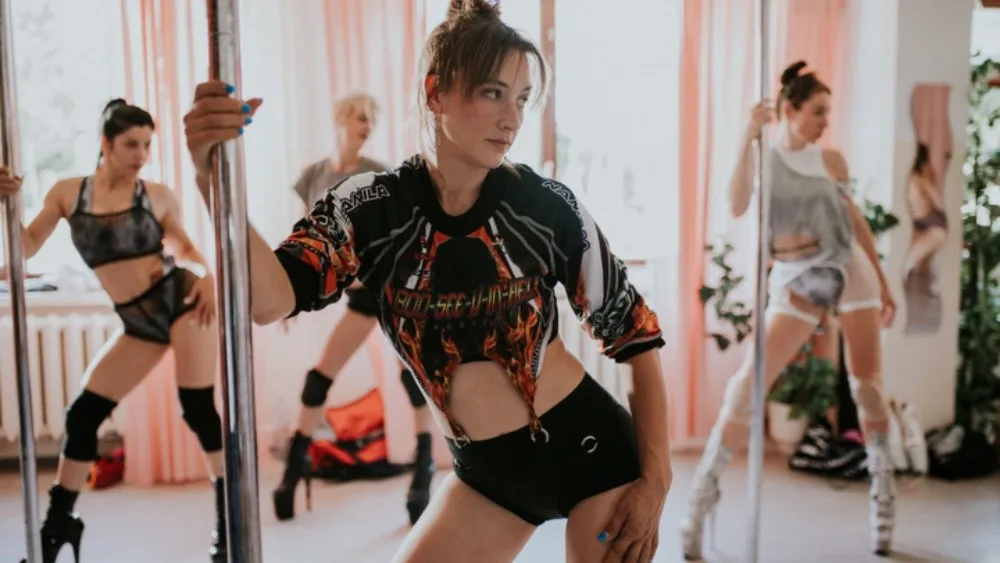
- Director Sonja Orlewicz-Zakrzewska uses her debut feature film, 'Exotic,' to challenge pervasive societal misconceptions surrounding pole-dancing.
- The production merged narrative filmmaking with documentary reality by shooting at an actual training camp with real practitioners and instructors.
- The film stars Jaśmina Polak, Magdalena Koleśnik, and Monika Frajczyk alongside 'Corpus Christi' star Bartosz Bielenia.
- Orlewicz-Zakrzewska argues that overcoming the fear of judgment in high heels and athletic wear is a direct victory against patriarchal conditioning.
- Đạo diễn Sonja Orlewicz-Zakrzewska dùng bộ phim điện ảnh đầu tay 'Exotic' để thách thức những ngộ nhận xã hội sâu xa quanh bộ môn múa cột.
- Quá trình sản xuất kết hợp giữa điện ảnh hư cấu và thực tế tài liệu bằng cách quay tại một trại huấn luyện thực tế với các học viên và huấn luyện viên ngoài đời.
- Phim có sự tham gia của các diễn viên Jaśmina Polak, Magdalena Koleśnik, Monika Frajczyk và ngôi sao phim 'Corpus Christi' Bartosz Bielenia.
- Orlewicz-Zakrzewska lập luận rằng việc vượt qua nỗi sợ bị phán xét trong đôi giày cao gót và trang phục thể thao chính là chiến thắng trực diện trước những khuôn mẫu áp đặt của chế độ phụ quyền.
- La réalisatrice Sonja Orlewicz-Zakrzewska s'attaque aux idées reçues solidement ancrées autour du pole dance à travers son tout premier film, « Exotic ».
- Le tournage a fusionné fiction narrative et réalité documentaire en s'installant dans un véritable camp d'entraînement, parmi de vraies pratiquantes et enseignantes.
- Le long-métrage réunit Jaśmina Polak, Magdalena Koleśnik et Monika Frajczyk, aux côtés de Bartosz Bielenia, révélé dans « La Communion » (Corpus Christi).
- Orlewicz-Zakrzewska soutient que surmonter la peur du regard des autres en talons aiguilles et tenue de sport constitue une victoire directe contre le conditionnement patriarcal.
- La directora Sonja Orlewicz-Zakrzewska utiliza su primer largometraje, 'Exotic', para desafiar los persistentes conceptos erróneos de la sociedad sobre el pole-dance.
- La producción fusionó la ficción narrativa con la realidad documental al rodar en un campamento de entrenamiento real con practicantes e instructores auténticos.
- La película está protagonizada por Jaśmina Polak, Magdalena Koleśnik y Monika Frajczyk, junto con Bartosz Bielenia, estrella de 'Corpus Christi'.
- Orlewicz-Zakrzewska sostiene que superar el miedo al juicio en tacones altos y ropa deportiva constituye una victoria directa frente al condicionamiento patriarcal.
- 导演索尼亚·奥列维奇-扎克热夫斯卡通过其长片处女作《异国风情》,挑战了社会上对钢管舞根深蒂固的误解。
- 该片在真实的训练营中取景,并邀请了真正的钢管舞从业者和教练参与,将叙事电影与纪录片现实完美融合。
- 影片汇聚了雅丝米娜·波拉克、玛格达莱娜·科莱斯尼克、莫妮卡·弗赖奇克,以及曾出演《基督躯体》的男星巴托什·别莱尼亚。
- 奥列维奇-扎克热夫斯卡认为,克服穿着高跟鞋和运动服接受外界审视的恐惧,是对抗父权制规训的直接胜利。
When Polish filmmaker Sonja Orlewicz-Zakrzewska first ventured into the specialized world of competitive pole-dancing, she found herself undergoing an unexpected psychological and physical metamorphosis. Four years into her own training regimen, the director realized that the profound liberation she experienced on the vertical chrome bar was something entirely divorced from the tired, sensationalized clichés that have historically dogged the discipline. Her feature debut, Exotic, which premiered to critical intrigue at the Tallinn Black Nights Film Festival, serves as both a cinematic love letter to this misunderstood global subculture and an incisive interrogation of modern womanhood, bodily autonomy, and patriarchal insecurity.
Produced by Magdalena Sztorc and Anna Zajączkowska of Mozaika Films and handled internationally by Pluto Film, Exotic boldly steps into a linguistic and cultural minefield. In a society where the mere mention of pole-dancing still reflexively conjures up imagery of dimly lit gentlemen's clubs and nocturnal transactions, Orlewicz-Zakrzewska’s work insists on a vital, urgent distinction. By capturing the grueling athletic conditioning, the blisters, the bruises, and the profound camaraderie found in studios across major European cities, the film elevates pole-dancing out of the shadows of erotic entertainment and firmly plants it within the respectable, albeit grueling, pantheon of modern acrobatic sports.
Colliding Universes and the Reality of the Training Camp
To achieve absolute authenticity, Orlewicz-Zakrzewska avoided the sterile confines of a traditional soundstage, opting instead to immerse her cast and crew into the surreal environment of the Exo Stars Camp—a sleepy, unassuming beach resort where international pole-dancing enthusiasts gather to push their bodies to the absolute limit. This deliberate collision of mundane seaside vacation geography with high-octane athletic dedication provided the director with the rich narrative contrasts she craved. Working alongside camp founder Martyna Dominikowska, the production employed a hybrid methodology, dropping professional actors directly into unscripted documentary workshops and live showcases.
This documentary-fiction hybrid approach yielded unexpected moments of cinematic magic, including real-life participants like Gracjan, a ship mechanic who convinced his employer to alter international shipping routes and secure a replacement so he could fly back to Poland to participate in the shoot. The film features standout performances by Jaśmina Polak, Magdalena Koleśnik, and Monika Frajczyk, who portray women grappling with inner demons against the backdrop of glittering heels and towering chrome poles. Meanwhile, Corpus Christi star Bartosz Bielenia steps into the role of an unsupportive partner, a character meticulously constructed from the real-world testimonies of female dancers whose significant others mask their deep-seated insecurities behind feigned indifference.
Dismantling the Male Gaze Through Intentional Filmmaking
One of the most sophisticated intellectual threads running through Exotic is its rigorous interrogation of the male gaze and how female bodies are mediated on screen. Collaborating with cinematographer Adam Suzin—himself an acrobatics sportsman—Orlewicz-Zakrzewska meticulously calibrated every camera angle to ensure that the visualization of the human form remained tethered to empowerment rather than objectification. In a cultural landscape as historically conservative and, in the director's words, laced into a 'Catholic corset' as Poland, portraying women freely inhabiting, celebrating, and owning their physical vessels acts as a quiet act of political defiance.
The director speaks candidly about her own initial reservations, admitting that her fear of being perceived as 'cheap' or overly exposed was an internalized symptom of systemic patriarchal conditioning. Through the fictional journey of her protagonist, Mila—who battles a relentless internal voice whispering that she does not belong—the film explores how social media algorithms have warped contemporary body image. By showcasing diverse body types, awkward stumbles, and the unvarnished realities of athletic strain, Exotic strips away the artifice of perfection, arguing that true magnetism emanates from self-acceptance rather than anatomical symmetry.
Cultural Ripples and the Future of Bodily Autonomy
As Exotic continues its journey across international film festivals, its cultural resonance extends far beyond the borders of Polish cinema. The film arrives at a critical juncture in contemporary discourse regarding women's spaces, artistic expression, and the ongoing struggle to destigmatize non-traditional athletic practices. By framing pole-dancing as an introspective, healing ritual rather than a performance solely calibrated for external validation, Orlewicz-Zakrzewska offers audiences a masterclass in modern reclamation.
Ultimately, the director hopes that films like hers will pave the way for a broader societal normalization of diverse bodies moving freely in public and private spaces alike. Whether viewed as a sporting triumph, an artistic reclamation, or a psychological breakthrough, Exotic challenges viewers to re-examine their own preconceived notions. As Orlewicz-Zakrzewska reminds both her characters and her audiences: the art is not for the spectators lining the periphery—it is about doing it entirely, unapologetically, for oneself.
Khi nữ nhà làm phim người Ba Lan Sonja Orlewicz-Zakrzewska lần đầu bước chân vào thế giới chuyên biệt của môn múa cột thi đấu, cô đã trải qua một cuộc biến hóa tâm lý và thể chất đầy bất ngờ. Sau bốn năm tự rèn luyện, vị đạo diễn nhận ra rằng sự giải phóng sâu sắc mà cô cảm nhận được trên cây cột crôm thẳng đứng hoàn toàn khác biệt với những khuôn sáo giật gân, nhàm chán vốn đeo bám bộ môn này trong suốt lịch sử. Bộ phim đầu tay của cô, Exotic, ra mắt đầy bất ngờ và thu hút sự chú ý tại Liên hoan Phim Tallinn Black Nights, vừa như một bức thư tình điện ảnh gửi đến tiểu văn hóa toàn cầu bị hiểu lầm này, vừa là một cuộc thẩm vấn sắc sảo về nữ tính hiện đại, quyền tự chủ cơ thể và sự bất an của hệ thống phụ quyền.
Do Magdalena Sztorc và Anna Zajączkowska từ Mozaika Films sản xuất và được phân phối quốc tế bởi Pluto Film, Exotic dũng cảm bước vào một bãi mìn ngôn ngữ và văn hóa. Trong một xã hội mà sự nhắc nhở đơn thuần về múa cột vẫn theo phản xạ gợi lên hình ảnh các câu lạc bộ quý ông mờ ảo cùng những giao dịch đêm hôm, tác phẩm của Orlewicz-Zakrzewska kiên quyết khẳng định một sự phân định thiết yếu và cấp bách. Bằng cách ghi lại quá trình rèn luyện thể lực khắc nghiệt, những vết phồng rộp, vết thâm tím và tình bằng hữu sâu sắc được tìm thấy tại các phòng tập khắp các đô thị lớn ở châu Âu, bộ phim đưa nghệ thuật múa cột thoát khỏi bóng tối của hoạt động giải trí khiêu dâm và đặt nó vững chãi vào đền thờ tôn nghiêm nhưng đầy cam go của các môn thể thao nhào lộn hiện đại.
Sự va chạm của các thế giới và thực tế tại trại huấn luyện
Để đạt được tính chân thực tuyệt đối, Orlewicz-Zakrzewska đã tránh xa không gian vô trùng của một trường quay truyền thống, thay vào đó chọn cách đắm chìm dàn diễn viên và đoàn làm phim vào bầu không khí siêu thực của Trại Exo Stars — một khu nghỉ mát bãi biển tĩnh lặng, bình dị, nơi những người đam mê múa cột quốc tế tụ hội để đẩy cơ thể họ đến giới hạn tối đa. Sự va chạm có chủ đích này giữa địa danh kỳ nghỉ miền biển bình thường và sự cống hiến thể thao cường độ cao đã mang lại cho đạo diễn những nét tương phản tường thuật phong phú mà cô khao khát. Làm việc cùng người sáng lập trại Martyna Dominikowska, quá trình sản xuất đã áp dụng phương pháp lai, đưa các diễn viên chuyên nghiệp trực tiếp vào các buổi workshop tài liệu không kịch bản và các màn biểu diễn trực tiếp.
Cách tiếp cận kết hợp giữa tài liệu và hư cấu này đã mang lại những khoảnh khắc kỳ diệu mang tính điện ảnh ngoài mong đợi, bao gồm cả các nhân vật đời thực như Gracjan — một thợ máy tàu thủy đã thuyết phục chủ lao động thay đổi tuyến đường vận chuyển quốc tế và sắp xếp người thay thế để anh có thể bay trở lại Ba Lan tham gia ghi hình. Phim có sự góp mặt của các màn trình diễn xuất sắc từ Jaśmina Polak, Magdalena Koleśnik và Monika Frajczyk, những người hóa thân thành những người phụ nữ vật lộn với những con quỷ nội tâm trên nền bối cảnh những đôi giày cao lấp lánh và những cây cột crôm cao ngất ngưởng. Trong khi đó, ngôi sao của Corpus Christi, Bartosz Bielenia, đảm nhận vai một người bạn đồng hành thiếu sự cảm thông — một nhân vật được xây dựng tỉ mỉ từ những lời chứng thực tế của các vũ công nữ, những người có nửa kia che đậy sự bất an thâm căn cố đế bằng sự thờ ơ giả tạo.
Phá bỏ ánh nhìn nam giới thông qua làm phim có chủ đích
Một trong những mạch tư duy tinh tế nhất xuyên suốt Exotic chính là cuộc thẩm vấn nghiêm ngặt về ánh nhìn nam giới (male gaze) và cách cơ thể phụ nữ được dàn dựng trên màn ảnh. Hợp tác cùng nhà quay phim Adam Suzin — bản thân cũng là một vận động viên nhào lộn — Orlewicz-Zakrzewska đã tính toán tỉ mỉ từng góc máy để đảm bảo rằng việc trực quan hóa hình thể con người vẫn gắn chặt với sự trao quyền thay vì sự vật hóa (objectification). Trong một bối cảnh văn hóa vốn mang tính bảo thủ lịch sử và, theo lời của đạo diễn, bị siết chặt trong một 'chiếc áo nịt ngực Công giáo' như Ba Lan, việc khắc họa những người phụ nữ tự do hiện hữu, tôn vinh và làm chủ thể xác của họ chính là một hành động kháng cự chính trị đầy tĩnh lặng.
Đạo diễn chia sẻ một cách cởi mở về những sự dè dặt ban đầu của chính cô, thừa nhận rằng nỗi sợ bị nhìn nhận là 'rẻ tiền' hay phô bày quá mức chính là một triệu chứng đã được nội tâm hóa từ sự kìm kẹp hệ thống của phụ quyền. Thông qua hành trình hư cấu của nhân vật chính Mila — người chiến đấu với một giọng nói nội tâm không ngừng thì thầm rằng cô không thuộc về nơi này — bộ phim khám phá cách các thuật toán mạng xã hội đã bóp méo hình ảnh cơ thể đương đại. Bằng cách trưng bày những kiểu hình cơ thể đa dạng, những cú vấp ngã vụng về và thực tế trần trụi của sự căng thẳng thể thao, Exotic lột bỏ lớp vỏ bọc hoàn hảo, lập luận rằng sức hút thực sự tỏa ra từ sự tự chấp nhận bản thân chứ không phải từ sự đối xứng về mặt giải phẫu.
Dư âm văn hóa và tương lai của quyền tự chủ cơ thể
Khi Exotic tiếp tục hành trình qua các liên hoan phim quốc tế, sức vang văn hóa của nó vượt xa khỏi biên giới điện ảnh Ba Lan. Bộ phim xuất hiện tại một thời điểm bước ngoặt trong diễn ngôn đương đại về không gian của phụ nữ, biểu đạt nghệ thuật và cuộc đấu tranh không ngừng nhằm phi kỳ thị hóa các thực hành thể thao phi truyền thống. Bằng cách định khung múa cột như một nghi thức nội tâm, chữa lành thay vì một màn trình diễn chỉ được canh chỉnh để lấy sự công nhận từ bên ngoài, Orlewicz-Zakrzewska mang đến cho khán giả một bài học bậc thầy về sự tái chiếm hiện đại.
Cuối cùng, đạo diễn hy vọng rằng những bộ phim như của cô sẽ mở đường cho sự bình thường hóa rộng rãi hơn của xã hội đối với những cơ thể đa dạng tự do chuyển động trong cả không gian công cộng lẫn riêng tư. Dù được nhìn nhận như một chiến thắng thể thao, một sự tái chiếm nghệ thuật hay một bước đột phá tâm lý, Exotic thách thức người xem tự xem xét lại những định kiến của chính họ. Như cách Orlewicz-Zakrzewska nhắc nhở cả nhân vật lẫn khán giả của mình: nghệ thuật không dành cho những khán giả đứng xếp hàng ở ngoại biên — mà là để thực hiện nó một cách trọn vẹn, không hổ thẹn, cho chính bản thân mình.
Lorsque la cinéaste polonaise Sonja Orlewicz-Zakrzewska s'est aventurée pour la première fois dans l'univers exigeant du pole dance de compétition, elle a traversé une métamorphose physique et psychologique inattendue. Après quatre années d'entraînement intensif, la réalisatrice s'est rendue compte que la profonde sensation de liberté ressentie au contact de la barre chromée n'avait absolument rien à voir avec les clichés éculés et sensationnalistes qui collent historiquement à la peau de cette discipline. Son premier long-métrage, Exotic, présenté avec brio en première mondiale au Festival du film Nuits noires de Tallinn, se veut à la fois une déclaration d'amour cinématographique à cette sous-culture mondiale méconnue et une interrogation incisive sur la féminité contemporaine, l'autonomie corporelle et les insécurités patriarcales.
Produit par Magdalena Sztorc et Anna Zajączkowska de Mozaika Films et distribué à l'international par Pluto Film, Exotic s'aventure avec audace sur un terrain glissant, à la fois linguistique et culturel. Dans une société où le simple mot « pole dance » éveille encore machinalement l'imagerie de clubs d'effeuillage tamisés et de transactions nocturnes, le travail d'Orlewicz-Zakrzewska impose une distinction essentielle et urgente. En capturant la préparation physique éreintante, les ampoules, les hématomes, mais aussi la profonde camaraderie qui règne dans les studios des grandes métropoles européennes, le film arrache le pole dance aux ombres du divertissement érotique pour l'inscrire pleinement dans le panthéon respectable — bien qu'éprouvant — des sports acrobatiques modernes.
Télescopage d'univers et réalité du camp d'entraînement
Pour atteindre une authenticité absolue, Sonja Orlewicz-Zakrzewska a délaissé les décors stériles des studios traditionnels. Elle a préféré immerger son équipe et ses comédiens dans l'atmosphère surréaliste de l'Exo Stars Camp, une station balnéaire paisible et sans prétention où des passionnées de pole dance venues du monde entier se rassemblent pour repousser leurs limites physiques. Ce télescopage délibéré entre le cadre banal de vacances au bord de la mer et l'engagement athlétique de haut niveau a offert à la réalisatrice le riche contraste narratif qu'elle recherchait. En collaboration avec la fondatrice du camp, Martyna Dominikowska, la production a adopté une méthodologie hybride, plongeant des acteurs professionnels directement au cœur d'ateliers documentaires non scénarisés et de démonstrations en direct.
Cette démarche à la croisée de la fiction et du documentaire a suscité des moments de grâce inattendus. Elle a notamment mis en lumière de véritables participants comme Gracjan, un mécanicien naval qui a convaincu son employeur de modifier l'itinéraire de son cargo international et d'embaucher un remplaçant afin de pouvoir s'envoler vers la Pologne et participer au tournage. Le film s'appuie sur les interprétations remarquables de Jaśmina Polak, Magdalena Koleśnik et Monika Frajczyk, qui incarnent des femmes aux prises avec leurs démons intérieurs sur fond de talons étincelants et de barres chromées vertigineuses. De son côté, la vedette de La Communion, Bartosz Bielenia, prête ses traits à un compagnon distant, un personnage minutieusement façonné à partir de témoignages réels de danseuses dont les conjoints masquent leurs insécurités profondes sous une indifférence feinte.
Déconstruire le « male gaze » par une mise en scène engagée
L'un des filons intellectuels les plus aboutis d'Exotic réside dans son questionnement rigoureux du « male gaze » — le regard masculin scopophile — et de la manière dont les corps féminins sont représentés à l'écran. En collaboration avec le directeur de la photographie Adam Suzin, lui-même adepte d'acrobaties, Orlewicz-Zakrzewska a minutieusement ajusté chaque axe de caméra pour garantir que la mise en image de l'anatomie demeure ancrée dans l'émancipation plutôt que dans l'objectivation. Dans un paysage culturel aussi historiquement conservateur et, selon les termes de la réalisatrice, enserré dans un « carcan catholique » que la Pologne, donner à voir des femmes investissant, célébrant et revendiquant librement leur corps s'apparente à un acte de défiance politique silencieux mais puissant.
La cinéaste évoque en toute franchise ses propres réticences initiales, avouant que sa crainte d'être perçue comme « vulgaire » ou exagérément exposée était le symptôme internalisé d'un conditionnement patriarcal systémique. À travers le parcours fictif de sa protagoniste, Mila — en proie à une voix intérieure tenace qui lui répète qu'elle n'est pas à sa place —, le film examine la façon dont les algorithmes des réseaux sociaux ont altéré le rapport au corps contemporain. En dévoilant une pluralité de silhouettes, des faux pas sans fard et la réalité brute de l'effort physique, Exotic balaye l'artifice de la perfection pour affirmer que le véritable magnétisme naît de l'acceptation de soi, et non d'une quelconque symétrie anatomique.
Répercussions culturelles et avenir de l'autonomie corporelle
Alors qu'Exotic poursuit sa tournée dans les festivals de cinéma internationaux, sa portée culturelle dépasse largement les frontières du 7e art polonais. Le film survient à un moment charnière des débats contemporains sur la réappropriation des espaces réservés aux femmes, l'expression artistique et la déstigmatisation continue des disciplines sportives marginalisées. En dépeignant le pole dance comme un rituel d'introspection et de guérison plutôt que comme un spectacle destiné au regard extérieur, Sonja Orlewicz-Zakrzewska livre une véritable leçon de réappropriation culturelle et intime.
En définitive, la réalisatrice espère que des œuvres comme la sienne ouvriront la voie à une plus grande normalisation sociale des corps pluriels en mouvement, tant dans l'espace public que privé. Qu'on l'envisage comme une prouesse sportive, une réappropriation artistique ou un déclic psychologique, Exotic invite le spectateur à interroger ses propres préjugés. Comme Sonja Orlewicz-Zakrzewska le rappelle aussi bien à ses personnages qu'à son public : l'art n'existe pas pour satisfaire les voyeurs en périphérie — il s'agit d'une démarche que l'on accomplit entièrement, et sans la moindre excuse, pour soi-même.
Cuando la cineasta polaca Sonja Orlewicz-Zakrzewska se adentró por primera vez en el especializado mundo del pole-dance competitivo, experimentó una metamorfosis psicológica y física tan inesperada como profunda. Tras cuatro años inmersa en su propio régimen de entrenamiento, la directora comprendió que la profunda liberación que sentía sobre la barra cromada vertical distaba enormemente de los tópicos manidos y sensacionalistas que históricamente han perseguido a esta disciplina. Su ópera prima, Exotic, estrenada con gran expectación de la crítica en el Festival de Cine Black Nights de Tallin, funciona tanto como una carta de amor cinematográfica a esta incomprendida subcultura global como un incisivo análisis de la feminidad contemporánea, la autonomía corporal y la inseguridad patriarcal.
Producida por Magdalena Sztorc y Anna Zajączkowska, de Mozaika Films, y con ventas internacionales a cargo de Pluto Film, Exotic se adentra con valentía en un auténtico campo de minas lingüístico y cultural. En una sociedad donde la mera mención del pole-dance sigue evocando de forma refleja la imagen de clubes nocturnos de iluminación tenue y transacciones crepusculares, la obra de Orlewicz-Zakrzewska insiste en establecer una distinción vital y urgente. Al capturar el agotador acondicionamiento físico, las ampollas, los hematomas y la profunda camaradería que se respira en estudios de las grandes ciudades europeas, la película rescata el pole-dance de las sombras del entretenimiento erótico para situarlo firmemente dentro del respetable —aunque extenuante— panteón de los deportes acrobáticos modernos.
Universos en colisión y la realidad del campamento de entrenamiento
Para lograr una autenticidad absoluta, Orlewicz-Zakrzewska evitó los confines estériles de un plató tradicional y optó por sumergir a su reparto y equipo técnico en el entorno surrealista del Exo Stars Camp: un tranquilo y modesto complejo vacacional de playa donde entusiastas internacionales del pole-dance se reúnen para llevar sus cuerpos al límite absoluto. Esta calculada colisión entre la geografía mundana de unas vacaciones costeras y la dedicación atlética de alto voltaje proporcionó a la directora los ricos contrastes narrativos que anhelaba. Trabajando codo con codo con la fundadora del campamento, Martyna Dominikowska, la producción empleó una metodología híbrida, integrando a actores profesionales directamente en talleres documentales sin guion y exhibiciones en directo.
Este enfoque híbrido entre el documental y la ficción propició momentos de magia cinematográfica inesperados, como la participación de Gracjan, un mecánico naval que convenció a su empresa para alterar las rutas internacionales de navegación y conseguir un reemplazo que le permitiera volar de regreso a Polonia para unirse al rodaje. La película cuenta con destacadas interpretaciones de Jaśmina Polak, Magdalena Koleśnik y Monika Frajczyk, quienes encarnan a mujeres que lidian con sus demonios internos con el telón de fondo de tacones relucientes y altísimas barras cromadas. Por su parte, Bartosz Bielenia —estrella de Corpus Christi— se mete en la piel de una pareja poco comprensiva, un personaje meticulosamente construido a partir de testimonios reales de bailarinas cuyas parejas enmascaran sus profundas inseguridades bajo una fachada de fingida indiferencia.
Desmontar la mirada masculina a través de un cine consciente
Uno de los hilos intelectuales más sofisticados de Exotic es su riguroso examen de la mirada masculina y de cómo el cuerpo femenino es mediatizado en la gran pantalla. En colaboración con el director de fotografía Adam Suzin —que también es deportista de acrobacias—, Orlewicz-Zakrzewska calibró minuciosamente cada plano para garantizar que la representación de la forma humana estuviera vinculada al empoderamiento y no a la cosificación. En un panorama cultural tan históricamente conservador y, en palabras de la directora, envuelto en un "corsé católico" como el de Polonia, retratar a mujeres que habitan, celebran y se apropian libremente de sus propios cuerpos constituye un silencioso acto de desafío político.
La directora habla con absoluta franqueza sobre sus propias reservas iniciales y admite que el miedo a ser juzgada como "barata" o demasiado expuesta era un síntoma interiorizado del condicionamiento sistémico patriarcal. A través del viaje ficticio de su protagonista, Mila —que lucha contra una incesante voz interior que le susurra que no encaja—, la película indaga en cómo los algoritmos de las redes sociales han distorsionado la imagen corporal contemporánea. Al mostrar diversos tipos de cuerpos, tropiezos torpes y la cruda realidad del esfuerzo atlético, Exotic despoja a la obra de cualquier artificio de perfección para argumentar que el verdadero magnetismo emana de la autoaceptación y no de la simetría anatómica.
Ecos culturales y el futuro de la autonomía corporal
A medida que Exotic prosigue su recorrido por festivales internacionales de cine, su resonancia cultural se extiende mucho más allá de las fronteras de la cinematografía polaca. La película llega en un momento crítico para el debate contemporáneo sobre los espacios destinados a las mujeres, la expresión artística y la incesante lucha por desestigmatizar las prácticas atléticas no tradicionales. Al plantear el pole-dance como un ritual introspectivo y sanador, más allá de una actuación concebida únicamente para obtener validación externa, Orlewicz-Zakrzewska ofrece al público una auténtica clase magistral sobre la reivindicación moderna.
En última instancia, la cineasta confía en que obras como la suya allanen el camino hacia una mayor normalización social de los cuerpos diversos moviéndose con total libertad tanto en espacios públicos como privados. Ya sea vista como un triunfo deportivo, una reivindicación artística o una catarsis psicológica, Exotic desafía al espectador a reexaminar sus propias ideas preconcebidas. Tal y como Orlewicz-Zakrzewska recuerda tanto a sus personajes como a su audiencia: el arte no está destinado a los espectadores que flanquean la periferia; consiste en hacerlo de manera íntegra, sin pedir disculpas y exclusivamente para uno mismo.
当波兰电影人索尼亚·奥列维奇-扎克热夫斯卡(Sonja Orlewicz-Zakrzewska)首次涉足竞技钢管舞这一垂直且专业的领域时,她发现自己正在经历一场意料之外的心理与身体蜕变。在经历了四年的日常训练后,这位导演意识到,她在垂直的镀铬钢管上所体会到的那种深刻的解放感,与长期以来一直困扰着这一运动的陈旧、哗众取宠的刻板印象有着天壤之别。她的长片处女作《异国风情》(Exotic)在塔林黑夜电影节上首映并引发了影评界的浓厚兴趣。这部电影既是对这一被误解的全球亚文化的一封电影情书,也是对现代女性气质、身体自主权以及父权制不安全感的一次深刻审视。
《异国风情》由 Mozaika 电影公司的玛格达莱娜·斯托尔茨(Magdalena Sztorc)和安娜·扎容奇科夫斯卡(Anna Zajączkowska)制片,国际发行则由 Pluto Film 负责,它勇敢地踏入了一个充满语言和文化雷区的领域。在一个只要提及钢管舞就会条件反射般让人联想到昏暗绅士俱乐部和夜间交易的社会里,奥列维奇-扎克热夫斯卡的作品坚持划出了一条至关重要且刻不容缓的界限。通过捕捉欧洲各大城市工作室中那些艰苦的体能训练、水泡、瘀伤以及深厚的同事情谊,该电影将钢管舞从情色娱乐的阴影中提升出来,坚定地将其归入现代杂技运动这个虽充满磨炼却令人尊敬的殿堂之中。
交织的世界与训练营的现实
为了达到绝对的真实感,奥列维奇-扎克热夫斯卡避开了传统摄影棚那令人窒息的密闭空间,转而将演员和剧组沉浸在“Exo Stars 营地”这个超现实的环境中——这是一个平静、不起眼的滨海度假胜地,世界各地的钢管舞爱好者聚集在这里,将身体的潜能推向极致。这种世俗的海滨度假地地理风貌与高强度运动奉献精神的刻意碰撞,为导演提供了她梦寐以求的丰富叙事对比。在与营地创始人玛蒂娜·多米尼科夫斯卡(Martyna Dominikowska)的合作下,制作团队采用了混合方法,将专业演员直接投入到无剧本的纪录片工作坊和现场展演中。
这种纪录片与剧情片相结合的混合方法催生了许多意想不到的电影高光时刻,其中包括现实生活中的参与者格拉西亚恩(Gracjan)——他曾说服雇主更改国际航线并安排替补,以便自己能够飞回波兰参与拍摄。影片中表现亮眼的演员包括雅丝米娜·波拉克(Jaśmina Polak)、玛格达莱娜·科莱斯尼克(Magdalena Koleśnik)和莫妮卡·弗赖奇克(Monika Frajczyk),她们在闪亮的高跟鞋和高耸的镀铬钢管背景下,刻画了与内心恶魔搏斗的女性群像。与此同时,《基督躯体》(Corpus Christi)的主演巴托什·别莱尼亚(Bartosz Bielenia)则饰演了一位不支持伴侣的伴侣,这个角色是通过现实生活中女性舞者的真实证词精心构建的——她们的伴侣往往用假装的冷漠来掩饰自己内心深处的不安。
通过有意识的电影语言解构男性凝视
贯穿《异国风情》的最深层的知识分子脉络之一,是对男性凝视及其如何在银幕上呈现女性身体的严厉质问。奥列维奇-扎克热夫斯卡与摄影师亚当·苏津(Adam Suzin——他本人也是一名杂技运动员)合作,精心调整了每一个摄像机角度,以确保人类形态的视觉呈现始终与赋权相连,而非沦为物化。在波兰这样一个历史保守且用导演的话说套着“天主教束胸”的文化土壤中,刻画女性自由地栖息、庆祝并掌控自己的身体容器,本身就是一种无声的政治抗争。
导演坦诚地谈到了她最初的保留意见,承认她害怕被视为“低级”或过度暴露,这是系统性父权制规训的内在症状。通过主角米拉(Mila)的虚构心路历程——她与一个不断在她耳边低语“你不属于这里”的内心声音作斗争——影片探讨了社交媒体算法如何扭曲了当代的身体形象。通过展示多元的体型、笨拙的跌跌撞撞以及运动压力的真实面貌,《异国风情》剥去了完美的虚伪外衣,论证了真正的吸引力源于自我接纳,而非解剖学上的对称。
文化涟漪与身体自主权的未来
随着《异国风情》继续其国际电影节之旅,其文化共鸣已远远超出了波兰电影的边界。这部电影诞生于当代关于女性空间、艺术表达以及为非传统运动去污名化之抗争的关键转折点。通过将钢管舞构建为一种内省的、治愈的仪式,而非仅仅为了迎合外部认可的表演,奥列维奇-扎克热夫斯卡为观众上了一堂关于现代自我重塑的大师课。
归根结底,导演希望像她这样的电影能够为实现更广泛的社会正常化铺平道路,让多元的身体能够在公共和私人空间中同样自由地移动。无论《异国风情》被视为一场体育的胜利、一次艺术的回归,还是心理上的突破,它都挑战着观众去重新审视自己先入为主的观念。正如奥列维奇-扎克热夫斯卡向她的角色和观众所传达的那样:这种艺术不是为了迎合围观的看客——而是完全、毫不掩饰地为了自己而做。
Editorial Standards & Multi-Language Synthesis: This dispatch was synthesized and fact-checked by the ParisDaily Editorial Desk across 5 global editions (EN, FR, VI, ES, ZH), cross-referencing primary international wire reports and real-time search intelligence.