Chìa khóa của sự bất mãn: Cuộc khủng hoảng nhà ở đã làm đảo lộn tương lai chính trị Tây Ban Nha như thế nào
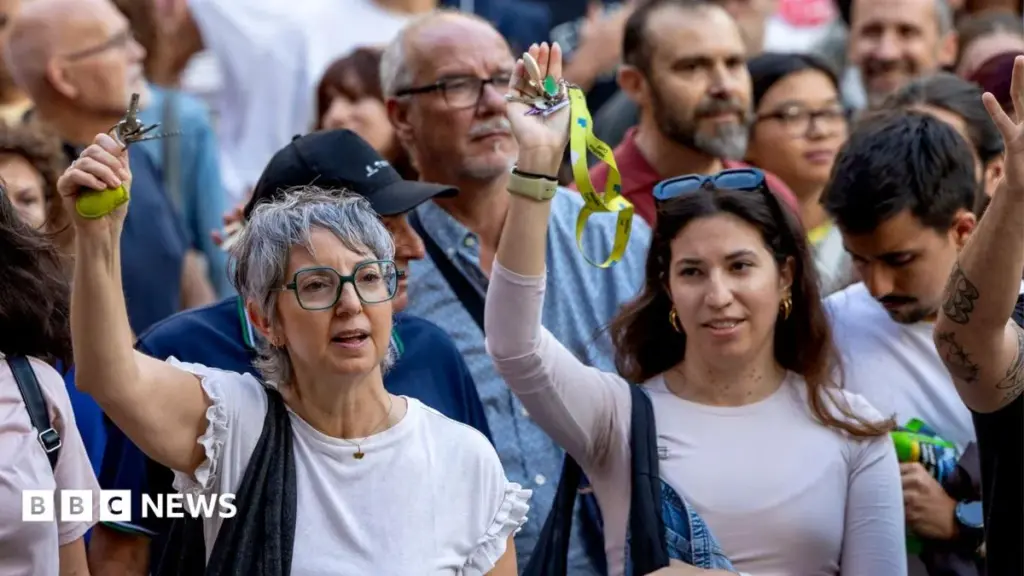
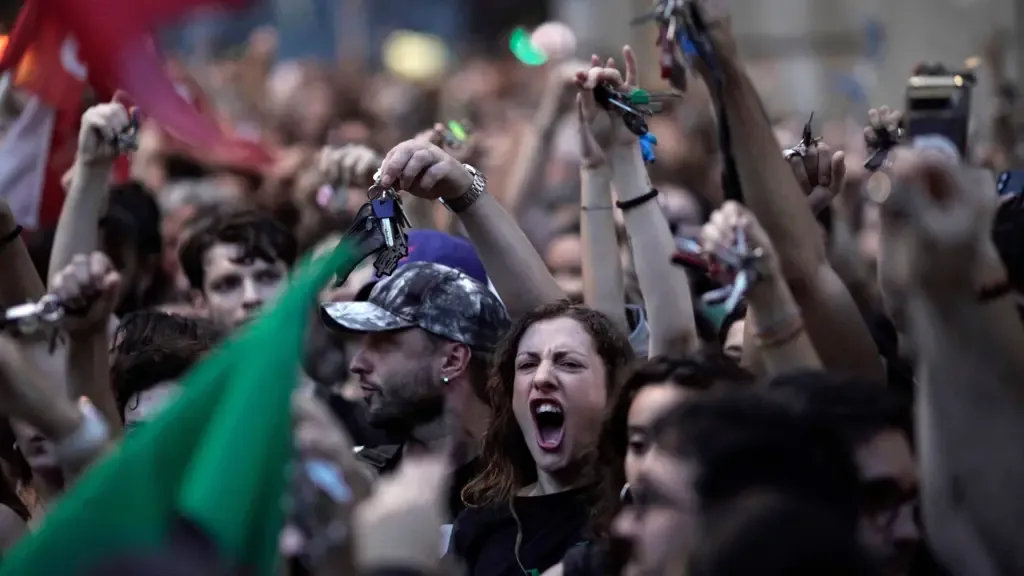
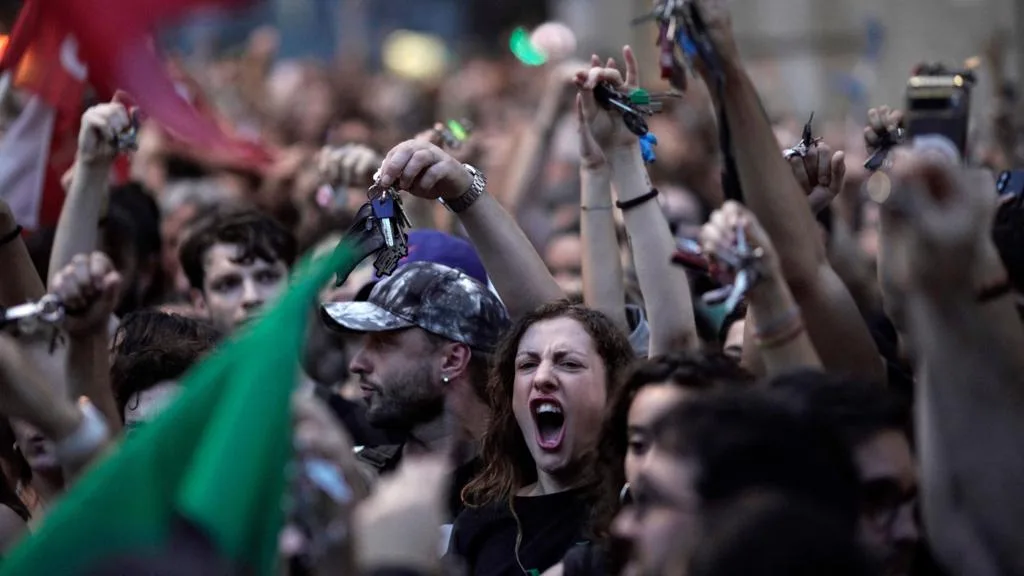
As Spain heads to the ballot box, a bitter national campaign has been defined not by lofty rhetoric, but by the relentless jangling of house keys in public protest.
Khi Tây Ban Nha bước vào kỳ bầu cử, một chiến dịch quốc gia đầy gay gắt không còn được định hình bởi những lời lẽ hoa mỹ, mà bởi tiếng chìa khóa nhà lanh lảnh vang lên trong các cuộc biểu tình công cộng. Đây là cuộc khủng hoảng đã biến một cuộc đua nghị viện thông thường thành cuộc trưng cầu dân ý về quyền cơ bản đối với nơi ở.
Alors que l'Espagne se dirige vers les urnes, une campagne nationale âpre ne s'est pas définie par une rhétorique élevée, mais par le tintement incessant des clés de maison lors de manifestations publiques.
Mientras España se dirige a las urnas, una amarga campaña nacional no ha estado definida por la retórica grandilocuente, sino por el incesante tintineo de las llaves de casa en las protestas públicas. Este gesto visceral se ha convertido en el símbolo de una generación que siente que las puertas de su propio futuro permanecen cerradas.
随着西班牙大选临近,一场激烈的全国性竞选不再由高谈阔论所定义,而是被公共广场上此起彼伏的钥匙碰撞声所主导。这不仅是一场政党间的博弈,更是一场关于生存权利的社会公投。
- Incumbent Socialist Prime Minister Pedro Sánchez faces steep opposition after eight years in office, with polls pointing to conservative leader Alberto Núñez Feijóo.
- The central flashpoint of the campaign is an acute national housing crisis, highlighted by skyrocketing rents in cities like Valencia and Madrid.
- A conservative victory could bring the far-right Vox party into national government for the first time since the fall of the Franco dictatorship.
- Structural economic disconnects—whereby robust GDP growth fails to translate into accessible wages and housing—have left young Spaniards putting their futures on hold.
- Thủ tướng đương nhiệm Pedro Sánchez đối mặt với sự phản đối mạnh mẽ sau tám năm cầm quyền, với các cuộc thăm dò nghiêng về phía lãnh đạo phe bảo thủ Alberto Núñez Feijóo.
- Tâm điểm của chiến dịch là cuộc khủng hoảng nhà ở quốc gia trầm trọng, nổi bật là giá thuê nhà tăng vọt tại các thành phố như Valencia và Madrid.
- Một chiến thắng của phe bảo thủ có thể đưa đảng cực hữu Vox vào chính phủ quốc gia lần đầu tiên kể từ khi chế độ độc tài Franco sụp đổ.
- Sự đứt gãy về cấu trúc kinh tế—khi tăng trưởng GDP mạnh mẽ không chuyển hóa thành tiền lương và nhà ở dễ tiếp cận—đã khiến giới trẻ Tây Ban Nha phải tạm hoãn tương lai của mình.
- Le Premier ministre socialiste sortant, Pedro Sánchez, fait face à une opposition farouche après huit ans au pouvoir, les sondages donnant l'avantage au leader conservateur Alberto Núñez Feijóo.
- Le point de rupture de la campagne est une crise nationale aiguë du logement, marquée par une envolée des loyers dans des villes comme Valence et Madrid.
- Une victoire conservatrice pourrait faire entrer le parti d'extrême droite Vox au gouvernement national pour la première fois depuis la chute de la dictature franquiste.
- Les décalages économiques structurels — où une croissance robuste du PIB ne se traduit pas par des salaires et des logements accessibles — ont contraint les jeunes Espagnols à mettre leur avenir entre parenthèses.
- El actual presidente del Gobierno, el socialista Pedro Sánchez, se enfrenta a una fuerte oposición tras ocho años en el poder, con las encuestas señalando al líder conservador Alberto Núñez Feijóo.
- El punto crítico de la campaña es una aguda crisis nacional de vivienda, subrayada por el aumento vertiginoso de los alquileres en ciudades como Valencia y Madrid.
- Una victoria conservadora podría llevar al partido de extrema derecha Vox al Gobierno nacional por primera vez desde la caída de la dictadura franquista.
- Las desconexiones económicas estructurales —donde el sólido crecimiento del PIB no se traduce en salarios ni viviendas accesibles— han dejado a los jóvenes españoles con sus proyectos de vida en suspenso.
- 现任社会党首相佩德罗·桑切斯在执政八年后面临巨大阻力,民调显示保守派领袖阿尔韦托·努涅斯·费霍处于领先地位。
- 竞选的核心焦点是严峻的全国性住房危机,瓦伦西亚和马德里等城市的租金飙升成为民众愤怒的导火索。
- 保守派的胜利可能促成极右翼政党“呼声党”(Vox)自佛朗哥独裁统治结束以来首次进入国家政府。
- 宏观经济增长与工资水平、住房可负担性之间的结构性脱节,导致西班牙年轻人被迫搁置人生规划。
For months, the soundscape of Spanish political life has not been defined by the carefully manicured talking points of campaign managers or the soaring rhetoric of parliamentary debates. Instead, across sun-baked plazas from Madrid to Valencia, the soundtrack of the nation has been the metallic, rhythmic jangling of house keys. This visceral act of protest has become the ultimate symbol of a generation locked out of its own future, turning what might have been a standard parliamentary contest into a referendum on the fundamental right to shelter. As the country’s main political leaders clashed in a fractious, high-stakes television debate on Thursday night, the underlying anxiety was palpable: Spain is bracing for a political earthquake born of concrete, mortar, and unbearable rental yields.
At the center of this existential storm is Socialist Prime Minister Pedro Sánchez, whose eight-year tenure is drawing to a close under a heavy cloud of voter fatigue. Opinion polls heading into Sunday's ballot suggest that Sánchez will likely fail to extend his mandate, paving the way for Alberto Núñez Feijóo, leader of the conservative People's Party (PP). Yet Feijóo’s path to the Moncloa Palace is fraught with profound institutional implications. To secure a governing majority, the conservative leader is poised to form a coalition with Vox, the surging nationalist party led by Santiago Abascal. Should Vox enter national government, it would mark a watershed moment for Spain’s modern democracy, returning the far right to executive power for the first time since the death of dictator Francisco Franco fifty years ago.
The Anatomy of a Broken Market and the Valencia Epicenter
While political analysts focus on the high-stakes arithmetic of coalition-building, the roots of this electoral reckoning lie in the everyday indignities suffered by ordinary Spaniards. The breaking point for public fury arrived in September, sparked by the tragic eviction and subsequent hospital death of Maricarmen Abascal, an 87-year-old Madrid resident who could no longer afford a tripling of her rent. Her plight laid bare the predatory dynamics of an unregulated rental market that has left millions of citizens vulnerable to sudden displacement.
Nowhere is this emergency more acute than in Valencia, Spain’s third-largest city, which has transformed into the crucible of the national housing crisis. Along its coastal avenues, framed by the futuristic, whale-skeleton architecture of the City of Arts and Sciences, rental prices have surged by an astronomical 78 percent between 2020 and 2025, according to data from the Polytechnic University. For young professionals like 25-year-old sports journalists Nuria Cifuentes and Miguel Martínez, the dream of domestic independence remains permanently deferred. Despite holding full-time jobs, half of their combined monthly income would be swallowed by a basic one-bedroom flat exceeding €1,000. For Nuria, Miguel, and countless peers across the Iberian Peninsula, soaring living costs mean that life itself is suspended in an anxious holding pattern, devoid of financial security or the possibility of family planning.
Clashing Ideologies and Divergent Remedies
Faced with mounting public rage, the political factions offer starkly contrasting visions for economic rescue. During Thursday’s final showdown, Prime Minister Sánchez defended his administration's record by pointing to emergency legislative interventions designed to protect tenants, cap rent increases, and restrict forced evictions. Sánchez called the snap election after conservative opposition in Congress initially blocked his comprehensive housing reform package, though a revised framework was ultimately salvaged through parliamentary maneuvering.
Critics, however, argue that the Socialists' measures are too little, too late. Alberto Núñez Feijóo has campaigned aggressively on a pledge to construct one million new homes and implement tax cuts for buyers under the age of forty purchasing their first property, while explicitly vowing to dismantle the current government's housing legislation. Meanwhile, the far-right Vox has staked out an even more aggressive populist ground. In addition to calling for sweeping welfare and social housing prioritization for native Spaniards over foreign nationals, Vox has doubled down on hardline immigration policies, advocating for the deportation of foreign criminals and the controversial 'remigration' of non-contributory foreign residents.
Macroeconomic Paradoxes and the European Ripple Effect
The broader tragedy of Spain’s political crisis lies in a perplexing macroeconomic paradox. On paper, the nation's economy is outperforming its heavy-hitting continental peers, with GDP growth outpacing Germany, France, and Italy. Yet this aggregate expansion masks a profound structural failure: wages have utterly failed to keep pace with inflation and soaring property valuations. Spaniards are working harder and producing more, yet their purchasing power continues to erode in real-time, fueling a pervasive sense of social injustice.
As voters cast their ballots this Sunday, the implications extend far beyond Madrid's borders. The potential integration of Vox into a national conservative government would send shockwaves across the European Union, further normalizing far-right executive power in a founding Western European democracy. For the millions of citizens who spent the campaign rattling their keys in public plazas, the election is not merely a contest between left and right, but a desperate demand for a functional social contract. Whether the incoming administration can translate political promises into affordable roofs and stable livelihoods will determine not only the longevity of the next government, but the social cohesion of modern Spain.
Trong nhiều tháng qua, bức tranh âm thanh của đời sống chính trị Tây Ban Nha không còn được định hình bởi những luận điểm được trau chuốt kỹ lưỡng của các nhà quản lý chiến dịch hay những lời lẽ hùng hồn trong các cuộc tranh luận tại nghị viện. Thay vào đó, trên khắp các quảng trường đầy nắng từ Madrid đến Valencia, nhạc nền của quốc gia lại là tiếng chìa khóa nhà va vào nhau đầy nhịp điệu. Hành động biểu tình đầy cảm xúc này đã trở thành biểu tượng tối thượng của một thế hệ bị khóa chặt khỏi tương lai của chính mình, biến điều lẽ ra là một cuộc tranh cử nghị viện tiêu chuẩn thành một cuộc trưng cầu dân ý về quyền cơ bản đối với nơi ở. Khi các nhà lãnh đạo chính trị hàng đầu của đất nước đối đầu trong một cuộc tranh luận truyền hình đầy căng thẳng vào tối thứ Năm, sự lo âu tiềm ẩn là điều có thể cảm nhận rõ rệt: Tây Ban Nha đang chuẩn bị cho một trận động đất chính trị được sinh ra từ bê tông, vữa và lợi nhuận cho thuê nhà không thể chịu đựng nổi.
Tại trung tâm của cơn bão hiện sinh này là Thủ tướng thuộc Đảng Xã hội Pedro Sánchez, người có nhiệm kỳ tám năm đang dần khép lại dưới bóng đen của sự mệt mỏi từ cử tri. Các cuộc thăm dò dư luận trước ngày bỏ phiếu Chủ nhật cho thấy ông Sánchez khó có khả năng kéo dài nhiệm kỳ, mở đường cho Alberto Núñez Feijóo, lãnh đạo Đảng Nhân dân (PP) theo đường lối bảo thủ. Tuy nhiên, con đường dẫn đến Cung điện Moncloa của ông Feijóo lại đầy rẫy những hàm ý sâu sắc về thể chế. Để đảm bảo đa số cầm quyền, nhà lãnh đạo bảo thủ này sẵn sàng thành lập liên minh với Vox, đảng dân tộc chủ nghĩa đang trỗi dậy do Santiago Abascal dẫn đầu. Nếu Vox tham gia chính phủ quốc gia, đó sẽ là một cột mốc quan trọng đối với nền dân chủ hiện đại của Tây Ban Nha, đưa phe cực hữu trở lại nắm quyền hành pháp lần đầu tiên kể từ sau cái chết của nhà độc tài Francisco Franco cách đây 50 năm.
Giải phẫu một thị trường đổ vỡ và tâm chấn Valencia
Trong khi các nhà phân tích chính trị tập trung vào những phép tính toán học đầy rủi ro của việc xây dựng liên minh, thì nguồn gốc của cuộc thanh trừng bầu cử này lại nằm ở những nỗi nhục nhã thường nhật mà người dân Tây Ban Nha phải gánh chịu. Điểm bùng phát của cơn thịnh nộ công chúng đến vào tháng 9, bắt nguồn từ vụ trục xuất bi thảm và cái chết sau đó tại bệnh viện của Maricarmen Abascal, một cư dân 87 tuổi ở Madrid, người không còn đủ khả năng chi trả khi tiền thuê nhà tăng gấp ba lần. Hoàn cảnh của bà đã phơi bày động lực săn mồi của một thị trường cho thuê không được kiểm soát, khiến hàng triệu công dân dễ bị tổn thương trước tình trạng mất nhà cửa đột ngột.
Không nơi nào tình trạng khẩn cấp này trở nên trầm trọng hơn ở Valencia, thành phố lớn thứ ba của Tây Ban Nha, nơi đã biến thành lò luyện của cuộc khủng hoảng nhà ở quốc gia. Dọc theo các đại lộ ven biển, được bao quanh bởi kiến trúc bộ xương cá voi đầy tính tương lai của Thành phố Nghệ thuật và Khoa học, giá thuê nhà đã tăng vọt 78% trong giai đoạn từ 2020 đến 2025, theo dữ liệu từ Đại học Bách khoa. Đối với những chuyên gia trẻ như nhà báo thể thao 25 tuổi Nuria Cifuentes và Miguel Martínez, giấc mơ về sự độc lập trong cuộc sống vẫn mãi bị trì hoãn. Mặc dù có công việc toàn thời gian, một nửa thu nhập hàng tháng của họ vẫn bị "nuốt chửng" bởi một căn hộ một phòng ngủ cơ bản có giá vượt quá 1.000 euro. Đối với Nuria, Miguel và vô số đồng nghiệp trên khắp bán đảo Iberia, chi phí sinh hoạt tăng cao đồng nghĩa với việc cuộc sống bị đình trệ trong một trạng thái lo âu, thiếu vắng sự an toàn tài chính hay khả năng lập kế hoạch gia đình.
Xung đột tư tưởng và những giải pháp khác biệt
Đối mặt với sự giận dữ ngày càng tăng của công chúng, các phe phái chính trị đưa ra những tầm nhìn hoàn toàn trái ngược nhau để giải cứu nền kinh tế. Trong cuộc đối đầu cuối cùng vào thứ Năm, Thủ tướng Sánchez đã bảo vệ thành tích của chính quyền mình bằng cách chỉ ra các biện pháp can thiệp lập pháp khẩn cấp được thiết kế để bảo vệ người thuê nhà, giới hạn mức tăng giá thuê và hạn chế các vụ trục xuất cưỡng bức. Ông Sánchez đã kêu gọi tổ chức bầu cử sớm sau khi phe đối lập bảo thủ tại Quốc hội ban đầu ngăn chặn gói cải cách nhà ở toàn diện của ông, mặc dù một khung pháp lý sửa đổi cuối cùng đã được cứu vãn thông qua các thủ thuật nghị viện.
Tuy nhiên, những người chỉ trích cho rằng các biện pháp của Đảng Xã hội là quá ít và quá muộn. Alberto Núñez Feijóo đã vận động mạnh mẽ với cam kết xây dựng một triệu ngôi nhà mới và thực hiện cắt giảm thuế cho người mua dưới 40 tuổi khi mua bất động sản đầu tiên, đồng thời tuyên bố rõ ràng sẽ dỡ bỏ luật nhà ở của chính phủ hiện tại. Trong khi đó, đảng cực hữu Vox đã đặt ra một nền tảng dân túy thậm chí còn quyết liệt hơn. Ngoài việc kêu gọi ưu tiên phúc lợi và nhà ở xã hội cho người Tây Ban Nha bản địa thay vì người nước ngoài, Vox còn tăng cường các chính sách nhập cư cứng rắn, ủng hộ việc trục xuất tội phạm nước ngoài và chính sách "tái di cư" gây tranh cãi đối với những cư dân nước ngoài không đóng góp cho an sinh xã hội.
Nghịch lý kinh tế vĩ mô và hiệu ứng lan tỏa tại châu Âu
Bi kịch rộng lớn hơn trong cuộc khủng hoảng chính trị của Tây Ban Nha nằm ở một nghịch lý kinh tế vĩ mô khó hiểu. Trên giấy tờ, nền kinh tế của quốc gia này đang vượt trội so với các đối tác lớn trong khu vực, với tốc độ tăng trưởng GDP vượt xa Đức, Pháp và Ý. Tuy nhiên, sự mở rộng tổng thể này che đậy một thất bại mang tính cấu trúc sâu sắc: tiền lương hoàn toàn không theo kịp lạm phát và định giá bất động sản tăng vọt. Người Tây Ban Nha đang làm việc chăm chỉ hơn và sản xuất nhiều hơn, nhưng sức mua của họ vẫn tiếp tục xói mòn trong thời gian thực, thúc đẩy cảm giác bất công xã hội lan rộng.
Khi cử tri đi bỏ phiếu vào Chủ nhật này, những tác động sẽ vượt xa biên giới Madrid. Việc Vox có khả năng tham gia vào một chính phủ bảo thủ quốc gia sẽ tạo ra những làn sóng chấn động khắp Liên minh châu Âu, tiếp tục bình thường hóa quyền lực hành pháp của phe cực hữu trong một nền dân chủ phương Tây lâu đời. Đối với hàng triệu công dân đã dành cả chiến dịch để lắc chìa khóa tại các quảng trường công cộng, cuộc bầu cử không chỉ là cuộc tranh giành giữa cánh tả và cánh hữu, mà là một yêu cầu tuyệt vọng về một khế ước xã hội có chức năng. Liệu chính quyền sắp tới có thể chuyển hóa những lời hứa chính trị thành những mái nhà giá cả phải chăng và sinh kế ổn định hay không, điều đó sẽ quyết định không chỉ tuổi thọ của chính phủ tiếp theo mà còn cả sự gắn kết xã hội của Tây Ban Nha hiện đại.
Depuis des mois, le paysage sonore de la vie politique espagnole n'est plus dicté par les éléments de langage soigneusement calibrés des directeurs de campagne ou par la rhétorique lyrique des débats parlementaires. Au contraire, sur les places baignées de soleil, de Madrid à Valence, la bande-son de la nation est devenue le tintement métallique et rythmé des clés de maison. Cet acte de protestation viscéral est devenu le symbole ultime d'une génération exclue de son propre avenir, transformant ce qui aurait pu être une joute parlementaire classique en un référendum sur le droit fondamental au logement. Alors que les principaux dirigeants politiques du pays s'affrontaient lors d'un débat télévisé tendu et crucial jeudi soir, l'anxiété sous-jacente était palpable : l'Espagne se prépare à un séisme politique né du béton, du mortier et de rendements locatifs insupportables.
Au cœur de cette tempête existentielle se trouve le Premier ministre socialiste Pedro Sánchez, dont le mandat de huit ans touche à sa fin sous le poids d'une lassitude électorale manifeste. Les sondages à l'approche du scrutin de dimanche suggèrent que Sánchez ne parviendra probablement pas à renouveler son mandat, ouvrant la voie à Alberto Núñez Feijóo, leader du Parti populaire (PP) conservateur. Pourtant, le chemin de Feijóo vers le palais de la Moncloa est lourd d'implications institutionnelles. Pour obtenir une majorité de gouvernement, le leader conservateur est prêt à former une coalition avec Vox, le parti nationaliste en pleine ascension dirigé par Santiago Abascal. Si Vox entrait au gouvernement national, cela marquerait un tournant historique pour la démocratie espagnole moderne, ramenant l'extrême droite au pouvoir exécutif pour la première fois depuis la mort du dictateur Francisco Franco il y a cinquante ans.
L'anatomie d'un marché brisé et l'épicentre de Valence
Alors que les analystes politiques se concentrent sur l'arithmétique complexe de la formation d'une coalition, les racines de ce règlement de comptes électoral résident dans les indignités quotidiennes subies par les Espagnols ordinaires. Le point de rupture de la colère publique a été atteint en septembre, déclenché par l'expulsion tragique et le décès à l'hôpital de Maricarmen Abascal, une habitante de Madrid de 87 ans qui ne pouvait plus faire face au triplement de son loyer. Son sort a mis à nu les dynamiques prédatrices d'un marché locatif dérégulé qui a laissé des millions de citoyens vulnérables face à une éviction soudaine.
Nulle part cette urgence n'est plus aiguë qu'à Valence, troisième ville d'Espagne, devenue le creuset de la crise nationale du logement. Le long de ses avenues côtières, encadrées par l'architecture futuriste en forme de squelette de baleine de la Cité des arts et des sciences, les prix des loyers ont bondi de 78 % entre 2020 et 2025, selon les données de l'Université polytechnique. Pour les jeunes professionnels comme Nuria Cifuentes et Miguel Martínez, journalistes sportifs de 25 ans, le rêve d'indépendance domestique reste indéfiniment reporté. Malgré des emplois à temps plein, la moitié de leur revenu mensuel combiné serait engloutie par un appartement basique d'une chambre dépassant les 1 000 euros. Pour Nuria, Miguel et d'innombrables pairs à travers la péninsule ibérique, la flambée du coût de la vie signifie que la vie elle-même est suspendue dans une attente anxieuse, dépourvue de sécurité financière ou de possibilité de fonder une famille.
Idéologies divergentes et remèdes opposés
Face à la montée de la colère publique, les factions politiques proposent des visions radicalement contrastées pour le redressement économique. Lors de l'ultime confrontation de jeudi, le Premier ministre Sánchez a défendu le bilan de son administration en soulignant les interventions législatives d'urgence conçues pour protéger les locataires, plafonner les augmentations de loyer et restreindre les expulsions forcées. Sánchez a convoqué ces élections anticipées après que l'opposition conservatrice au Congrès a initialement bloqué son projet de réforme globale du logement, bien qu'un cadre révisé ait finalement été sauvé grâce à des manœuvres parlementaires.
Les critiques, cependant, soutiennent que les mesures des socialistes sont trop limitées et arrivent trop tard. Alberto Núñez Feijóo a fait campagne avec agressivité, promettant la construction d'un million de nouveaux logements et des réductions d'impôts pour les acheteurs de moins de quarante ans acquérant leur premier bien, tout en jurant explicitement de démanteler la législation sur le logement du gouvernement actuel. Pendant ce temps, le parti d'extrême droite Vox a adopté une posture populiste encore plus radicale. En plus d'appeler à une priorité nationale pour les Espagnols de souche en matière de protection sociale et de logement social, Vox a durci ses positions sur l'immigration, prônant l'expulsion des criminels étrangers et la controversée « remigration » des résidents étrangers ne cotisant pas.
Paradoxes macroéconomiques et effet d'entraînement européen
La tragédie plus large de la crise politique espagnole réside dans un paradoxe macroéconomique déconcertant. Sur le papier, l'économie nationale surpasse celle de ses puissants voisins continentaux, avec une croissance du PIB supérieure à celle de l'Allemagne, de la France et de l'Italie. Pourtant, cette expansion globale masque un échec structurel profond : les salaires n'ont absolument pas réussi à suivre le rythme de l'inflation et de la flambée de la valeur des biens immobiliers. Les Espagnols travaillent plus dur et produisent davantage, mais leur pouvoir d'achat continue de s'éroder en temps réel, alimentant un sentiment omniprésent d'injustice sociale.
Alors que les électeurs se rendent aux urnes ce dimanche, les implications dépassent largement les frontières de Madrid. L'intégration potentielle de Vox dans un gouvernement conservateur national provoquerait une onde de choc à travers l'Union européenne, normalisant davantage le pouvoir exécutif d'extrême droite au sein d'une démocratie fondatrice d'Europe occidentale. Pour les millions de citoyens qui ont passé la campagne à agiter leurs clés sur les places publiques, l'élection n'est pas seulement une lutte entre la gauche et la droite, mais une exigence désespérée pour un contrat social fonctionnel. La capacité de la future administration à traduire les promesses politiques en toits abordables et en moyens de subsistance stables déterminera non seulement la longévité du prochain gouvernement, mais aussi la cohésion sociale de l'Espagne moderne.
Durante meses, el paisaje sonoro de la vida política española no ha estado definido por los puntos de vista cuidadosamente pulidos de los directores de campaña ni por la retórica elevada de los debates parlamentarios. En su lugar, a través de plazas bañadas por el sol, desde Madrid hasta Valencia, la banda sonora de la nación ha sido el tintineo metálico y rítmico de las llaves de casa. Este acto visceral de protesta se ha convertido en el símbolo definitivo de una generación excluida de su propio futuro, convirtiendo lo que podría haber sido una contienda parlamentaria estándar en un referéndum sobre el derecho fundamental a la vivienda. Mientras los principales líderes políticos del país se enfrentaban en un tenso y decisivo debate televisivo el jueves por la noche, la ansiedad subyacente era palpable: España se prepara para un terremoto político nacido del hormigón, el mortero y unos rendimientos de alquiler insoportables.
En el centro de esta tormenta existencial se encuentra el presidente del Gobierno, el socialista Pedro Sánchez, cuyo mandato de ocho años llega a su fin bajo una densa nube de fatiga electoral. Los sondeos de opinión de cara a la votación del domingo sugieren que es poco probable que Sánchez logre renovar su mandato, allanando el camino para Alberto Núñez Feijóo, líder del Partido Popular (PP). Sin embargo, el camino de Feijóo hacia el Palacio de la Moncloa está plagado de profundas implicaciones institucionales. Para asegurar una mayoría de gobierno, el líder conservador está dispuesto a formar una coalición con Vox, el partido nacionalista liderado por Santiago Abascal. Si Vox entrara en el Gobierno nacional, marcaría un momento decisivo para la democracia moderna de España, devolviendo a la extrema derecha al poder ejecutivo por primera vez desde la muerte del dictador Francisco Franco hace cincuenta años.
La anatomía de un mercado roto y el epicentro de Valencia
Mientras los analistas políticos se centran en la compleja aritmética de la formación de coaliciones, las raíces de este ajuste de cuentas electoral residen en las indignidades cotidianas que sufren los españoles de a pie. El punto de ruptura de la furia pública llegó en septiembre, provocado por el trágico desahucio y posterior fallecimiento en el hospital de Maricarmen Abascal, una residente de Madrid de 87 años que ya no podía permitirse una triplicación de su alquiler. Su situación dejó al descubierto la dinámica depredadora de un mercado de alquiler desregulado que ha dejado a millones de ciudadanos vulnerables ante un desplazamiento repentino.
En ninguna parte es esta emergencia más aguda que en Valencia, la tercera ciudad más grande de España, que se ha transformado en el crisol de la crisis nacional de la vivienda. A lo largo de sus avenidas costeras, enmarcadas por la arquitectura futurista de la Ciudad de las Artes y las Ciencias, los precios de los alquileres se han disparado un astronómico 78 por ciento entre 2020 y 2025, según datos de la Universidad Politécnica. Para jóvenes profesionales como los periodistas deportivos Nuria Cifuentes y Miguel Martínez, de 25 años, el sueño de la independencia doméstica sigue permanentemente aplazado. A pesar de tener empleos a tiempo completo, la mitad de sus ingresos mensuales combinados se verían absorbidos por un piso básico de un dormitorio que supera los 1.000 euros. Para Nuria, Miguel y un sinfín de compañeros en toda la península ibérica, el aumento de los costes de vida significa que la vida misma está suspendida en un ansioso compás de espera, carente de seguridad financiera o de la posibilidad de planificar una familia.
Ideologías enfrentadas y remedios divergentes
Ante la creciente indignación pública, las facciones políticas ofrecen visiones marcadamente contrastadas para el rescate económico. Durante el enfrentamiento final del jueves, el presidente Sánchez defendió la gestión de su administración señalando las intervenciones legislativas de emergencia diseñadas para proteger a los inquilinos, limitar los aumentos de alquiler y restringir los desahucios forzosos. Sánchez convocó las elecciones anticipadas después de que la oposición conservadora en el Congreso bloqueara inicialmente su paquete integral de reforma de la vivienda, aunque finalmente se salvó un marco revisado mediante maniobras parlamentarias.
Los críticos, sin embargo, argumentan que las medidas de los socialistas son insuficientes y llegan tarde. Alberto Núñez Feijóo ha hecho campaña agresivamente con la promesa de construir un millón de nuevas viviendas e implementar recortes fiscales para los compradores menores de cuarenta años que adquieran su primera propiedad, mientras promete explícitamente desmantelar la legislación de vivienda del actual Gobierno. Mientras tanto, el partido de extrema derecha Vox ha adoptado una postura populista aún más agresiva. Además de pedir una priorización generalizada del bienestar y la vivienda social para los españoles nativos sobre los extranjeros, Vox ha redoblado su apuesta por políticas de inmigración de línea dura, abogando por la deportación de extranjeros delincuentes y la controvertida "remigración" de residentes extranjeros no contributivos.
Paradojas macroeconómicas y el efecto dominó europeo
La tragedia más amplia de la crisis política española reside en una desconcertante paradoja macroeconómica. Sobre el papel, la economía de la nación está superando a sus potentes pares continentales, con un crecimiento del PIB superior al de Alemania, Francia e Italia. Sin embargo, esta expansión agregada oculta un profundo fallo estructural: los salarios no han logrado seguir el ritmo de la inflación y la creciente valoración de las propiedades. Los españoles trabajan más y producen más, pero su poder adquisitivo sigue erosionándose en tiempo real, alimentando una sensación generalizada de injusticia social.
A medida que los votantes depositan sus papeletas este domingo, las implicaciones se extienden mucho más allá de las fronteras de Madrid. La posible integración de Vox en un gobierno conservador nacional enviaría ondas de choque a través de la Unión Europea, normalizando aún más el poder ejecutivo de extrema derecha en una democracia fundadora de Europa Occidental. Para los millones de ciudadanos que pasaron la campaña haciendo sonar sus llaves en las plazas públicas, las elecciones no son simplemente una contienda entre izquierda y derecha, sino una demanda desesperada de un contrato social funcional. Si la próxima administración logra traducir las promesas políticas en techos asequibles y medios de vida estables determinará no solo la longevidad del próximo Gobierno, sino la cohesión social de la España moderna.
数月以来,西班牙政治生活的声景不再是竞选经理精心修饰的谈话要点,也不是议会辩论中慷慨激昂的陈词。相反,从马德里到瓦伦西亚,在阳光炙烤的广场上,这个国家的主旋律变成了金属钥匙清脆而有节奏的碰撞声。这种发自肺腑的抗议行为,已成为整整一代人被挡在未来门外后的终极象征,将一场本应平淡无奇的议会选举,转变为一场关于“居住权”这一基本权利的公投。周四晚间,当国家主要政治领袖在电视辩论中激烈交锋时,那种潜在的焦虑感显而易见:西班牙正准备迎接一场由混凝土、砂浆和难以承受的租金收益所引发的政治地震。
这场生存风暴的中心是社会党首相佩德罗·桑切斯(Pedro Sánchez),他在执政八年后,正处于选民疲劳感的重压之下。周日投票前的民调显示,桑切斯很可能无法延续其任期,这为保守派人民党(PP)领袖阿尔韦托·努涅斯·费霍(Alberto Núñez Feijóo)入主蒙克洛亚宫铺平了道路。然而,费霍的执政之路充满了深刻的制度性隐忧。为了获得执政多数席位,这位保守派领袖极有可能与圣地亚哥·阿巴斯卡尔(Santiago Abascal)领导的民族主义政党“呼声党”(Vox)结盟。如果“呼声党”进入国家政府,这将是西班牙现代民主史上的一个分水岭,标志着极右翼自佛朗哥独裁者去世五十年来首次重返行政权力核心。
破碎的市场与瓦伦西亚震中
当政治分析人士聚焦于组阁的算术博弈时,这场选举清算的根源在于普通西班牙人每天所遭受的屈辱。公众愤怒的临界点出现在九月,当时87岁的马德里居民玛丽卡门·阿巴斯卡尔(Maricarmen Abascal)因无力承担租金翻三倍的压力,在被驱逐后不幸在医院离世。她的悲剧揭露了不受监管的租赁市场中掠夺性的运作逻辑,使得数百万公民在突如其来的流离失所面前毫无招架之力。
这种紧急状态在西班牙第三大城市瓦伦西亚表现得尤为突出,这里已成为全国住房危机的“熔炉”。据理工大学数据显示,在艺术科学城那充满未来感的鲸鱼骨架建筑映衬下,2020年至2025年间,当地租金飙升了惊人的78%。对于25岁的体育记者努里亚·西富恩特斯(Nuria Cifuentes)和米格尔·马丁内斯(Miguel Martínez)等年轻专业人士来说,独立生活的梦想依然遥不可及。尽管他们都有全职工作,但一套基础的一居室公寓租金超过1000欧元,将吞噬他们两人每月收入的一半。对于努里亚、米格尔以及伊比利亚半岛上无数同龄人而言,高昂的生活成本意味着生活本身被悬置在焦虑的等待中,既无财务安全感,也无法规划家庭。
意识形态的碰撞与不同的补救方案
面对日益高涨的公众怒火,各政治派别提出了截然不同的经济拯救愿景。在周四的最后一场辩论中,桑切斯首相通过强调其政府旨在保护租户、限制租金上涨和禁止强制驱逐的紧急立法干预措施,为自己的执政记录辩护。此前,由于保守派在国会阻挠其全面的住房改革方案,桑切斯才提前举行了大选,尽管最终通过议会运作挽救了一个修订后的框架。
然而,批评者认为社会党的措施“力度太小,且为时已晚”。阿尔韦托·努涅斯·费霍在竞选中大打“建设一百万套新房”的旗号,并承诺为40岁以下首次购房者减税,同时明确誓言要废除现政府的住房立法。与此同时,极右翼的“呼声党”则采取了更具民粹主义色彩的立场。除了呼吁在福利和社会住房分配上优先考虑西班牙本土公民而非外籍人士外,“呼声党”还加大了强硬移民政策的力度,主张驱逐外国罪犯,并推行极具争议的针对非缴税外籍居民的“再移民”政策。
宏观经济悖论与欧洲的涟漪效应
西班牙政治危机的更深层悲剧在于一个令人困惑的宏观经济悖论。从纸面上看,西班牙经济的表现优于德国、法国和意大利等欧洲大国,GDP增速领先。然而,这种总量扩张掩盖了一个深刻的结构性失败:工资水平完全未能跟上通货膨胀和房价飙升的步伐。西班牙人工作更努力、产出更多,但他们的购买力却在实时缩水,这加剧了一种普遍的社会不公感。
随着选民在本周日投下选票,其影响已远远超出了马德里的边界。如果“呼声党”进入保守派政府,将在欧盟内部引发震荡,进一步使极右翼在西方民主国家的行政权力正常化。对于那些在竞选期间在广场上摇晃钥匙的数百万公民来说,这场选举不仅仅是左右翼之间的较量,更是一场对功能性社会契约的迫切诉求。新政府能否将政治承诺转化为可负担的住房和稳定的生计,不仅将决定下一届政府的寿命,更将决定现代西班牙的社会凝聚力。
Editorial Standards & Multi-Language Synthesis: This dispatch was synthesized and fact-checked by the ParisDaily Editorial Desk across 5 global editions (EN, FR, VI, ES, ZH), cross-referencing primary international wire reports and real-time search intelligence.