De Ladakh a los Oscar: 'The Dragon Letter' de Stanzin Jigmet conquista el respaldo internacional
Student Academy Award winner Stanzin Jigmet is expanding his poignant short film into a feature, bolstered by executive producers J.A. Bayona, Guneet Monga Kapoor, and Vikas Khanna.
Đạo diễn từng đoạt giải Student Academy Award, Stanzin Jigmet, đang phát triển bộ phim ngắn đầy cảm xúc của mình thành một tác phẩm điện ảnh dài hơi, với sự hậu thuẫn từ các nhà sản xuất điều hành danh tiếng như J.A. Bayona, Guneet Monga Kapoor và Vikas Khanna. Dự án này đánh dấu một bước tiến quan trọng trong sự nghiệp của nhà làm phim trẻ đến từ vùng Himalaya xa xôi.
Lauréat des Student Academy Awards, le réalisateur Stanzin Jigmet transforme son court-métrage poignant en long-métrage, soutenu par un trio de producteurs exécutifs prestigieux : J.A. Bayona, Guneet Monga Kapoor et Vikas Khanna. Ce projet ambitieux marque une étape décisive pour le cinéaste originaire de l'Himalaya.
El cineasta Stanzin Jigmet, ganador de un Student Academy Award, está transformando su conmovedor cortometraje en un largometraje, respaldado por los productores ejecutivos J.A. Bayona, Guneet Monga Kapoor y Vikas Khanna. Este proyecto representa una colaboración única entre la escuela ESCAC de España y la productora india Sikhya Entertainment.
凭借短片荣获学生奥斯卡奖的导演斯坦津·吉格梅特,正将其感人至深的短片作品扩展为长片。该项目已获得J.A.巴亚纳、古尼特·蒙加·卡普尔及维卡斯·卡纳等重量级制片人的联合加持。
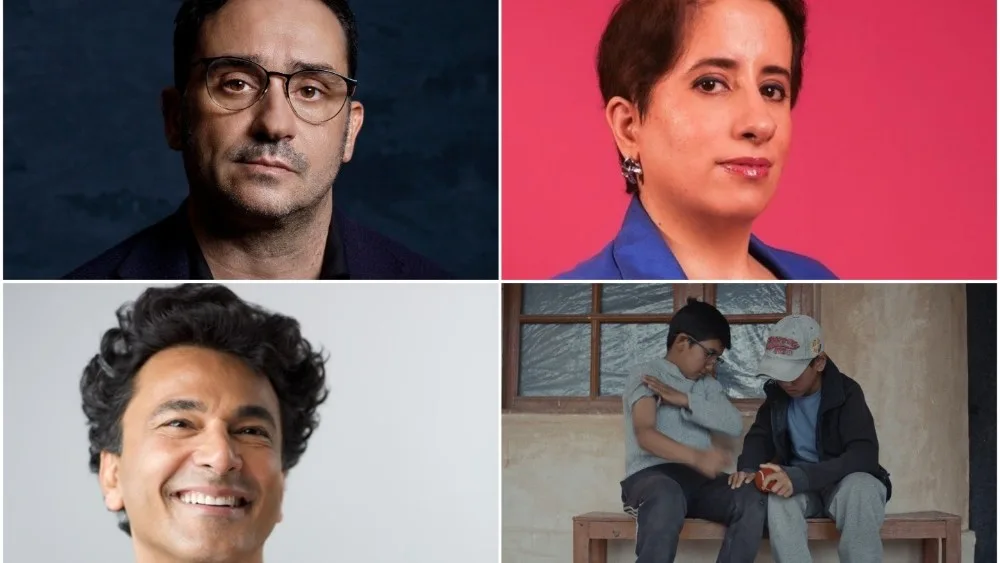
- Ladakhi director Stanzin Jigmet is developing a feature-length version of his award-winning short, 'The Dragon Letter'.
- J.A. Bayona, Guneet Monga Kapoor, and Vikas Khanna have joined the project as executive producers.
- The film, which draws on Jigmet’s childhood in the Himalayas, is currently in the running for the 99th Academy Awards.
- The production represents a unique cross-cultural collaboration between Spain’s ESCAC Films and India’s Sikhya Entertainment.
- Đạo diễn người Ladakh, Stanzin Jigmet, đang phát triển phiên bản phim dài cho tác phẩm ngắn từng đoạt giải thưởng của mình, 'The Dragon Letter'.
- J.A. Bayona, Guneet Monga Kapoor và Vikas Khanna đã tham gia dự án với vai trò nhà sản xuất điều hành.
- Bộ phim, lấy cảm hứng từ tuổi thơ của Jigmet tại dãy Himalaya, hiện đang trong cuộc đua tại giải Oscar lần thứ 99.
- Tác phẩm là sự hợp tác văn hóa độc đáo giữa ESCAC Films của Tây Ban Nha và Sikhya Entertainment của Ấn Độ.
- Le réalisateur ladakhi Stanzin Jigmet développe actuellement une version long-métrage de son court-métrage primé, « The Dragon Letter ».
- J.A. Bayona, Guneet Monga Kapoor et Vikas Khanna ont rejoint le projet en tant que producteurs exécutifs.
- Le film, inspiré par l'enfance de Jigmet dans l'Himalaya, est en lice pour la 99e cérémonie des Oscars.
- La production illustre une collaboration interculturelle inédite entre ESCAC Films en Espagne et Sikhya Entertainment en Inde.
- El director ladakhi Stanzin Jigmet está desarrollando una versión en largometraje de su premiado corto, 'The Dragon Letter'.
- J.A. Bayona, Guneet Monga Kapoor y Vikas Khanna se han unido al proyecto como productores ejecutivos.
- La película, inspirada en la infancia de Jigmet en el Himalaya, compite actualmente en la carrera hacia la 99.ª edición de los Premios de la Academia.
- La producción supone una colaboración transcultural inédita entre ESCAC Films de España y Sikhya Entertainment de la India.
- 拉达克导演斯坦津·吉格梅特正在将其获奖短片《龙信》(The Dragon Letter)开发为长篇电影。
- J.A.巴亚纳、古尼特·蒙加·卡普尔和维卡斯·卡纳已加入该项目担任执行制片人。
- 该片取材于吉格梅特在喜马拉雅山区的童年经历,目前正角逐第99届奥斯卡金像奖。
- 该制作代表了西班牙ESCAC电影学院与印度Sikhya娱乐公司之间独特的跨文化合作。
In the rarefied air of the Himalayas, where cinema was once a distant, YouTube-taught curiosity, a singular voice has emerged to capture the global imagination. Stanzin Jigmet, a filmmaker from the remote village of Mulbekh, has seen his short film The Dragon Letter transcend its humble origins to become a centerpiece of the current awards season. Having secured the narrative Gold at the 53rd Student Academy Awards, the film is now poised for a broader evolution, with Jigmet confirming he is actively developing a feature-length expansion of the project.
The project’s momentum has been significantly accelerated by the arrival of a powerhouse trio of executive producers: Spanish visionary J.A. Bayona, Oscar-winning producer Guneet Monga Kapoor, and acclaimed filmmaker-chef Vikas Khanna. This coalition of creative heavyweights not only underscores the film’s narrative resonance but also signals a growing institutional appetite for stories that bridge the gap between hyper-local Himalayan experiences and universal human truths. As the film moves through the rigorous gauntlet of the 99th Academy Awards’ live-action short race, it stands as a testament to the power of authentic, personal storytelling in an increasingly globalized film market.
A Convergence of Global Creative Forces
The involvement of J.A. Bayona, the director behind Society of the Snow and Jurassic World: Fallen Kingdom, provides a bridge between the film’s production roots in Barcelona and its spiritual home in Ladakh. Bayona’s endorsement is rooted in the film’s ability to articulate the courage required to find one’s own voice—a theme that resonates deeply with his own cinematic sensibilities. For Jigmet, who trained at Barcelona’s ESCAC, having a mentor of Bayona’s stature is a validation of the rigorous, cross-continental training that shaped the film’s aesthetic.
Equally pivotal is the inclusion of Guneet Monga Kapoor, whose Sikhya Entertainment has become a beacon for independent Indian cinema. Having secured Oscars for The Elephant Whisperers and Period. End of Sentence., Monga Kapoor brings more than just prestige; she provides the strategic infrastructure necessary for a high-stakes awards campaign. Her expertise in navigating the international festival circuit and the Academy’s voting body is a critical asset for an independent filmmaker transitioning from the student circuit to the professional feature landscape. Rounding out the team is Vikas Khanna, whose own directorial work, such as The Last Color, mirrors Jigmet’s interest in the tender, often overlooked dynamics of childhood and intergenerational connection.
The Anatomy of a Universal Narrative
At its core, The Dragon Letter is a story of quiet defiance. It follows Skarma, a 10-year-old student tasked with writing a standardized thank-you note to a European sponsor. While his peers conform to the expected script and sketches, Skarma grapples with the desire to express his own truth. This narrative is drawn directly from Jigmet’s own upbringing in a Himalayan boarding school, where the annual ritual of writing to sponsors was a defining, if restrictive, experience. By transforming this specific cultural memory into a cinematic narrative, Jigmet taps into the universal anxiety of the child trying to assert individuality within a rigid system.
The production process itself was a study in contrasts. Filming in Barcelona offered the luxury of professional crews and established infrastructure, while the Ladakh shoot required the resourcefulness that has defined Jigmet’s career. Working with non-actors and a minimal team, he leveraged his deep cultural knowledge to elicit performances that feel startlingly naturalistic. This duality—the technical polish of European film school training combined with the raw, lived-in reality of the Himalayas—is precisely what has captured the attention of his new executive producers. It is a rare synthesis that allows the film to feel both technically accomplished and emotionally unvarnished.
Strategic Implications for Independent Cinema
The transition from a student short to a feature-length production is a notoriously difficult threshold to cross. However, the backing of Sikhya Entertainment and the guidance of figures like Monga Kapoor suggest a clear strategic path forward. For the Indian film industry, this partnership represents a continued push toward international recognition, moving beyond the traditional boundaries of Bollywood to embrace stories that are regional in setting but global in theme. The success of The Dragon Letter serves as a blueprint for how emerging filmmakers from underrepresented regions can leverage international film school networks to gain a foothold in the global market.
Furthermore, the project highlights the shifting landscape of film distribution and production, where the lines between "local" and "global" content are increasingly blurred. As platforms and audiences show a growing appetite for authentic, diverse narratives, the success of a film like The Dragon Letter—which began as a student pitch—demonstrates that the most compelling stories are often those that remain true to their specific cultural roots. As Jigmet continues to develop the feature version, the industry will be watching to see how he scales his intimate, delicate storytelling style to meet the demands of a feature-length narrative without losing the raw, personal honesty that made the short a success.
What Lies Ahead for the Ladakh-Barcelona Connection
As the 99th Academy Awards approach, the immediate focus remains on the short film’s campaign. Yet, the long-term vision for The Dragon Letter is already taking shape. Jigmet’s commitment to the feature version, coupled with the mentorship of his executive producers, suggests that the project will likely maintain its cross-cultural DNA, potentially continuing the collaboration between Spanish and Indian production entities. This model of international co-production is becoming increasingly vital for independent filmmakers who lack the backing of major studio conglomerates.
For the audience, the promise of a feature-length Dragon Letter is the prospect of spending more time in the world Jigmet has so carefully constructed. It is a world where the act of drawing a dragon or writing a letter becomes a profound statement of identity. Whether the feature will expand on the lives of the children in the boarding school or explore the broader implications of the sponsorship system remains to be seen. Regardless, the trajectory of Stanzin Jigmet—from a village without a cinema to the global stage—is a compelling reminder that the most powerful stories are those that refuse to be silenced by the limitations of their environment.
Giữa bầu không khí loãng của dãy Himalaya, nơi điện ảnh từng là một khái niệm xa vời được học qua YouTube, một tiếng nói độc bản đã trỗi dậy để chinh phục trí tưởng tượng của khán giả toàn cầu. Stanzin Jigmet, một nhà làm phim đến từ ngôi làng hẻo lánh Mulbekh, đã chứng kiến bộ phim ngắn The Dragon Letter của mình vượt xa khỏi những khởi đầu khiêm tốn để trở thành tâm điểm của mùa giải thưởng năm nay. Sau khi giành giải Vàng tại hạng mục Phim tự sự của giải thưởng Student Academy Awards lần thứ 53, bộ phim hiện đang sẵn sàng cho một bước tiến lớn hơn, khi Jigmet xác nhận anh đang tích cực phát triển dự án này thành một bộ phim điện ảnh dài.
Đà tiến của dự án đã được đẩy mạnh đáng kể nhờ sự tham gia của bộ ba nhà sản xuất điều hành quyền lực: nhà làm phim tầm nhìn người Tây Ban Nha J.A. Bayona, nhà sản xuất từng đoạt giải Oscar Guneet Monga Kapoor, và đạo diễn kiêm đầu bếp nổi tiếng Vikas Khanna. Liên minh của những tên tuổi lớn này không chỉ nhấn mạnh sức nặng tự sự của bộ phim mà còn cho thấy sự quan tâm ngày càng tăng của các tổ chức đối với những câu chuyện kết nối trải nghiệm địa phương đặc thù tại vùng Himalaya với những chân lý nhân sinh phổ quát. Khi bộ phim bước vào cuộc đua khốc liệt tại hạng mục Phim ngắn người đóng của giải Oscar lần thứ 99, nó đã trở thành minh chứng cho sức mạnh của lối kể chuyện chân thực, cá nhân trong một thị trường điện ảnh ngày càng toàn cầu hóa.
Sự hội tụ của các nguồn lực sáng tạo toàn cầu
Sự tham gia của J.A. Bayona, đạo diễn đứng sau Society of the Snow và Jurassic World: Fallen Kingdom, đã tạo ra nhịp cầu kết nối giữa cội nguồn sản xuất của bộ phim tại Barcelona và quê hương tinh thần của nó tại Ladakh. Sự bảo trợ của Bayona bắt nguồn từ khả năng của bộ phim trong việc diễn đạt lòng can đảm cần thiết để tìm thấy tiếng nói của chính mình—một chủ đề cộng hưởng sâu sắc với tư duy điện ảnh của ông. Đối với Jigmet, người từng được đào tạo tại ESCAC ở Barcelona, việc có một người cố vấn tầm cỡ như Bayona là sự khẳng định cho quá trình đào tạo khắt khe, xuyên lục địa đã định hình nên thẩm mỹ của bộ phim.
Một nhân tố quan trọng không kém là Guneet Monga Kapoor, người có công ty Sikhya Entertainment đã trở thành ngọn hải đăng cho dòng phim độc lập Ấn Độ. Từng giành giải Oscar với The Elephant Whisperers và Period. End of Sentence., Monga Kapoor không chỉ mang đến uy tín; bà cung cấp cơ sở hạ tầng chiến lược cần thiết cho một chiến dịch tranh giải tầm cỡ. Kinh nghiệm của bà trong việc điều hướng các liên hoan phim quốc tế và hội đồng bình chọn của Viện Hàn lâm là tài sản quý giá cho một nhà làm phim độc lập đang chuyển mình từ môi trường sinh viên sang bối cảnh điện ảnh chuyên nghiệp. Hoàn thiện đội ngũ là Vikas Khanna, người có các tác phẩm đạo diễn như The Last Color, phản ánh sự quan tâm của Jigmet đối với những rung động tinh tế, thường bị bỏ quên của tuổi thơ và sự kết nối giữa các thế hệ.
Giải phẫu một câu chuyện phổ quát
Về cốt lõi, The Dragon Letter là một câu chuyện về sự phản kháng thầm lặng. Phim theo chân Skarma, một học sinh 10 tuổi được giao nhiệm vụ viết một lá thư cảm ơn theo mẫu cho một nhà tài trợ người châu Âu. Trong khi các bạn cùng lớp tuân thủ kịch bản và hình vẽ theo khuôn mẫu, Skarma lại đấu tranh với mong muốn được bày tỏ sự thật của chính mình. Câu chuyện này được rút ra trực tiếp từ quá trình trưởng thành của Jigmet tại một trường nội trú ở Himalaya, nơi nghi thức viết thư cho nhà tài trợ hàng năm là một trải nghiệm định hình, dù đầy gò bó. Bằng cách biến ký ức văn hóa cụ thể này thành một tự sự điện ảnh, Jigmet đã chạm đến nỗi lo âu phổ quát của một đứa trẻ đang cố gắng khẳng định cá tính trong một hệ thống cứng nhắc.
Bản thân quá trình sản xuất là một nghiên cứu về sự tương phản. Việc quay phim tại Barcelona mang lại sự xa hoa của các ê-kíp chuyên nghiệp và cơ sở hạ tầng sẵn có, trong khi quá trình quay tại Ladakh đòi hỏi sự tháo vát đã định hình nên sự nghiệp của Jigmet. Làm việc với những người không chuyên và một đội ngũ tối giản, anh đã tận dụng kiến thức văn hóa sâu sắc của mình để khơi gợi những màn trình diễn mang tính tự nhiên đến kinh ngạc. Sự nhị nguyên này—giữa kỹ thuật điêu luyện từ trường điện ảnh châu Âu kết hợp với thực tế sống động, thô ráp của vùng Himalaya—chính là điều đã thu hút sự chú ý của các nhà sản xuất điều hành mới của anh. Đó là một sự tổng hòa hiếm có cho phép bộ phim vừa đạt được sự chỉn chu về kỹ thuật, vừa giữ được vẻ chân thực đầy cảm xúc.
Hệ quả chiến lược đối với điện ảnh độc lập
Việc chuyển đổi từ một bộ phim ngắn sinh viên sang một tác phẩm điện ảnh dài là một ngưỡng cửa khó khăn. Tuy nhiên, sự hậu thuẫn của Sikhya Entertainment và sự dẫn dắt của những nhân vật như Monga Kapoor cho thấy một lộ trình chiến lược rõ ràng. Đối với ngành công nghiệp điện ảnh Ấn Độ, sự hợp tác này đại diện cho nỗ lực không ngừng hướng tới sự công nhận quốc tế, vượt ra ngoài ranh giới truyền thống của Bollywood để đón nhận những câu chuyện có bối cảnh khu vực nhưng mang chủ đề toàn cầu. Thành công của The Dragon Letter đóng vai trò như một bản thiết kế cho cách các nhà làm phim mới nổi từ những khu vực ít được đại diện có thể tận dụng mạng lưới trường điện ảnh quốc tế để giành chỗ đứng trên thị trường toàn cầu.
Hơn nữa, dự án làm nổi bật bối cảnh thay đổi của việc phân phối và sản xuất phim, nơi ranh giới giữa nội dung "địa phương" và "toàn cầu" ngày càng mờ nhạt. Khi các nền tảng và khán giả thể hiện sự khao khát ngày càng lớn đối với những câu chuyện chân thực, đa dạng, thành công của một bộ phim như The Dragon Letter—vốn bắt đầu từ một ý tưởng sinh viên—chứng minh rằng những câu chuyện hấp dẫn nhất thường là những câu chuyện giữ được sự trung thành với cội nguồn văn hóa đặc thù của chúng. Khi Jigmet tiếp tục phát triển phiên bản phim dài, ngành công nghiệp sẽ theo dõi cách anh mở rộng phong cách kể chuyện tinh tế, gần gũi của mình để đáp ứng các yêu cầu của một bộ phim điện ảnh mà không làm mất đi sự trung thực, thô ráp đã tạo nên thành công của bản phim ngắn.
Tương lai nào cho kết nối Ladakh-Barcelona
Khi giải Oscar lần thứ 99 đến gần, trọng tâm trước mắt vẫn là chiến dịch cho bộ phim ngắn. Tuy nhiên, tầm nhìn dài hạn cho The Dragon Letter đã bắt đầu thành hình. Cam kết của Jigmet đối với phiên bản phim dài, cùng với sự cố vấn từ các nhà sản xuất điều hành, cho thấy dự án có khả năng duy trì DNA đa văn hóa của mình, có thể tiếp tục sự hợp tác giữa các đơn vị sản xuất Tây Ban Nha và Ấn Độ. Mô hình đồng sản xuất quốc tế này đang trở nên ngày càng quan trọng đối với các nhà làm phim độc lập, những người thiếu sự bảo trợ từ các tập đoàn studio lớn.
Đối với khán giả, lời hứa về một phiên bản The Dragon Letter dài hơi là viễn cảnh được đắm mình lâu hơn trong thế giới mà Jigmet đã xây dựng một cách tỉ mỉ. Đó là một thế giới nơi hành động vẽ một con rồng hay viết một lá thư trở thành một tuyên ngôn sâu sắc về bản sắc. Liệu bộ phim dài sẽ mở rộng cuộc đời của những đứa trẻ trong trường nội trú hay khám phá những hàm ý rộng lớn hơn của hệ thống tài trợ vẫn còn là một ẩn số. Dẫu vậy, quỹ đạo của Stanzin Jigmet—từ một ngôi làng không có rạp chiếu phim đến sân khấu toàn cầu—là một lời nhắc nhở đầy thuyết phục rằng những câu chuyện mạnh mẽ nhất là những câu chuyện từ chối bị dập tắt bởi những giới hạn của môi trường xung quanh.
Dans l'air raréfié de l'Himalaya, là où le cinéma n'était autrefois qu'une curiosité lointaine apprise sur YouTube, une voix singulière a émergé pour captiver l'imaginaire mondial. Stanzin Jigmet, cinéaste originaire du village reculé de Mulbekh, a vu son court-métrage The Dragon Letter transcender ses humbles origines pour devenir l'une des pièces maîtresses de la saison des prix. Après avoir décroché l'or lors de la 53e édition des Student Academy Awards, le film s'apprête à évoluer, Jigmet ayant confirmé qu'il travaillait activement sur une adaptation en long-métrage.
La dynamique du projet a été considérablement accélérée par l'arrivée d'un trio de producteurs exécutifs de haut vol : le visionnaire espagnol J.A. Bayona, la productrice oscarisée Guneet Monga Kapoor et le célèbre chef-réalisateur Vikas Khanna. Cette coalition de poids lourds créatifs souligne non seulement la résonance narrative du film, mais témoigne également d'un appétit institutionnel croissant pour des histoires qui font le pont entre les expériences himalayennes hyper-locales et les vérités humaines universelles. Alors que le film poursuit son parcours exigeant dans la course aux Oscars du meilleur court-métrage de fiction, il s'impose comme un témoignage de la puissance d'une narration authentique et personnelle sur un marché cinématographique de plus en plus globalisé.
Une convergence de forces créatives mondiales
L'implication de J.A. Bayona, réalisateur de Le Cercle des neiges et de Jurassic World: Fallen Kingdom, crée un trait d'union entre les racines de production du film à Barcelone et son ancrage spirituel au Ladakh. L'aval de Bayona s'appuie sur la capacité du film à exprimer le courage nécessaire pour trouver sa propre voix, un thème qui résonne profondément avec sa propre sensibilité cinématographique. Pour Jigmet, formé à l'ESCAC de Barcelone, bénéficier du mentorat d'une stature telle que celle de Bayona valide la rigueur de la formation transcontinentale qui a façonné l'esthétique du film.
L'inclusion de Guneet Monga Kapoor, dont la société Sikhya Entertainment est devenue un phare du cinéma indépendant indien, est tout aussi cruciale. Forte de ses Oscars pour The Elephant Whisperers et Period. End of Sentence., Monga Kapoor apporte bien plus que du prestige ; elle fournit l'infrastructure stratégique nécessaire à une campagne de prix de haut niveau. Son expertise dans la navigation sur le circuit des festivals internationaux et auprès du corps électoral de l'Académie est un atout majeur pour un cinéaste indépendant passant du circuit étudiant au paysage professionnel du long-métrage. L'équipe est complétée par Vikas Khanna, dont le travail de réalisateur, notamment sur The Last Color, reflète l'intérêt de Jigmet pour la tendresse et les dynamiques souvent négligées de l'enfance et des liens intergénérationnels.
L'anatomie d'un récit universel
Au cœur de The Dragon Letter se trouve une histoire de défi silencieux. Le film suit Skarma, un élève de 10 ans chargé d'écrire une lettre de remerciement standardisée à un parrain européen. Alors que ses camarades se conforment au script et aux dessins attendus, Skarma lutte avec le désir d'exprimer sa propre vérité. Ce récit est directement inspiré de l'éducation de Jigmet dans un internat himalayen, où le rituel annuel d'écriture aux parrains était une expérience déterminante, bien que restrictive. En transformant ce souvenir culturel spécifique en récit cinématographique, Jigmet touche à l'anxiété universelle de l'enfant cherchant à affirmer son individualité au sein d'un système rigide.
Le processus de production lui-même fut une étude de contrastes. Le tournage à Barcelone offrait le luxe d'équipes professionnelles et d'infrastructures établies, tandis que celui du Ladakh exigeait l'ingéniosité qui a défini la carrière de Jigmet. Travaillant avec des non-acteurs et une équipe minimale, il a tiré parti de sa connaissance culturelle profonde pour susciter des performances d'un naturalisme saisissant. Cette dualité — le vernis technique de l'école de cinéma européenne combiné à la réalité brute et vécue de l'Himalaya — est précisément ce qui a captivé ses nouveaux producteurs exécutifs. C'est une synthèse rare qui permet au film d'être à la fois techniquement accompli et émotionnellement intact.
Implications stratégiques pour le cinéma indépendant
Le passage d'un court-métrage étudiant à une production de long-métrage est un seuil notoirement difficile à franchir. Cependant, le soutien de Sikhya Entertainment et les conseils de personnalités comme Monga Kapoor suggèrent une voie stratégique claire. Pour l'industrie cinématographique indienne, ce partenariat représente une poussée continue vers la reconnaissance internationale, dépassant les frontières traditionnelles de Bollywood pour embrasser des histoires régionales dans leur décor mais mondiales dans leurs thèmes. Le succès de The Dragon Letter sert de modèle sur la manière dont les cinéastes émergents issus de régions sous-représentées peuvent tirer parti des réseaux internationaux d'écoles de cinéma pour s'implanter sur le marché mondial.
En outre, le projet met en lumière l'évolution du paysage de la distribution et de la production cinématographiques, où les frontières entre contenu « local » et « global » sont de plus en plus floues. Alors que les plateformes et le public manifestent un appétit croissant pour des récits authentiques et diversifiés, le succès d'un film comme The Dragon Letter — qui a débuté comme un projet étudiant — démontre que les histoires les plus captivantes sont souvent celles qui restent fidèles à leurs racines culturelles spécifiques. Alors que Jigmet continue de développer la version longue, l'industrie observera comment il adaptera son style narratif intime et délicat aux exigences d'un long-métrage sans perdre l'honnêteté brute et personnelle qui a fait le succès du court-métrage.
Quel avenir pour la connexion Ladakh-Barcelone ?
À l'approche de la 99e cérémonie des Oscars, l'attention immédiate reste concentrée sur la campagne du court-métrage. Pourtant, la vision à long terme pour The Dragon Letter prend déjà forme. L'engagement de Jigmet envers la version longue, couplé au mentorat de ses producteurs exécutifs, suggère que le projet conservera probablement son ADN interculturel, poursuivant potentiellement la collaboration entre les entités de production espagnoles et indiennes. Ce modèle de coproduction internationale devient de plus en plus vital pour les cinéastes indépendants qui ne bénéficient pas du soutien des grands conglomérats de studios.
Pour le public, la promesse d'un long-métrage The Dragon Letter est la perspective de passer plus de temps dans l'univers que Jigmet a si soigneusement construit. C'est un monde où l'acte de dessiner un dragon ou d'écrire une lettre devient une déclaration profonde d'identité. Reste à savoir si le long-métrage approfondira la vie des enfants de l'internat ou explorera les implications plus larges du système de parrainage. Quoi qu'il en soit, la trajectoire de Stanzin Jigmet — d'un village sans cinéma à la scène mondiale — est un rappel convaincant que les histoires les plus puissantes sont celles qui refusent d'être réduites au silence par les limites de leur environnement.
En el aire enrarecido del Himalaya, donde el cine fue en su día una curiosidad lejana aprendida a través de YouTube, ha surgido una voz singular capaz de cautivar la imaginación global. Stanzin Jigmet, cineasta originario del remoto pueblo de Mulbekh, ha visto cómo su cortometraje The Dragon Letter trascendía sus humildes orígenes para convertirse en una pieza central de la actual temporada de premios. Tras alzarse con el oro en la 53.ª edición de los Student Academy Awards, la película se prepara ahora para una evolución mayor, con Jigmet confirmando que se encuentra desarrollando activamente una versión en largometraje del proyecto.
El impulso del proyecto se ha visto significativamente acelerado por la incorporación de un trío de productores ejecutivos de primer nivel: el visionario español J.A. Bayona, la productora ganadora del Oscar Guneet Monga Kapoor y el aclamado cineasta y chef Vikas Khanna. Esta coalición de pesos pesados creativos no solo subraya la resonancia narrativa del filme, sino que también señala un creciente apetito institucional por historias que tienden puentes entre las experiencias hiperlocales del Himalaya y las verdades humanas universales. Mientras la película avanza por el riguroso proceso de selección de los cortometrajes de acción real para la 99.ª edición de los Oscar, se erige como un testimonio del poder de la narrativa auténtica y personal en un mercado cinematográfico cada vez más globalizado.
Una convergencia de fuerzas creativas globales
La participación de J.A. Bayona, director de La sociedad de la nieve y Jurassic World: El reino caído, sirve de puente entre las raíces de producción de la película en Barcelona y su hogar espiritual en Ladakh. El respaldo de Bayona se basa en la capacidad del filme para articular el valor necesario para encontrar la propia voz, un tema que resuena profundamente con su propia sensibilidad cinematográfica. Para Jigmet, formado en la ESCAC de Barcelona, contar con un mentor de la talla de Bayona es una validación de la rigurosa formación transcontinental que dio forma a la estética de la obra.
Igualmente fundamental es la inclusión de Guneet Monga Kapoor, cuya productora Sikhya Entertainment se ha convertido en un faro para el cine independiente indio. Tras haber obtenido premios Oscar por El susurro de los elefantes y Period. End of Sentence., Monga Kapoor aporta algo más que prestigio; proporciona la infraestructura estratégica necesaria para una campaña de premios de alto nivel. Su experiencia en el circuito de festivales internacionales y en el cuerpo de votantes de la Academia es un activo crítico para un cineasta independiente que transita del circuito estudiantil al panorama profesional de los largometrajes. Completa el equipo Vikas Khanna, cuyo trabajo como director, como en The Last Color, refleja el interés de Jigmet por las dinámicas tiernas y a menudo ignoradas de la infancia y la conexión intergeneracional.
La anatomía de una narrativa universal
En esencia, The Dragon Letter es una historia de silenciosa rebeldía. Sigue a Skarma, un estudiante de 10 años al que se le encarga escribir una nota de agradecimiento estandarizada para un patrocinador europeo. Mientras sus compañeros se ajustan al guion y los dibujos esperados, Skarma lucha con el deseo de expresar su propia verdad. Esta narrativa se extrae directamente de la propia crianza de Jigmet en un internado del Himalaya, donde el ritual anual de escribir a los patrocinadores era una experiencia definitoria, aunque restrictiva. Al transformar este recuerdo cultural específico en una narrativa cinematográfica, Jigmet conecta con la ansiedad universal del niño que intenta afirmar su individualidad dentro de un sistema rígido.
El proceso de producción fue, en sí mismo, un estudio de contrastes. Rodar en Barcelona ofreció el lujo de contar con equipos profesionales e infraestructuras establecidas, mientras que el rodaje en Ladakh requirió el ingenio que ha definido la carrera de Jigmet. Trabajando con actores no profesionales y un equipo mínimo, aprovechó su profundo conocimiento cultural para extraer interpretaciones que resultan sorprendentemente naturalistas. Esta dualidad —el pulido técnico de la formación en una escuela de cine europea combinado con la realidad cruda y vivida del Himalaya— es precisamente lo que ha captado la atención de sus nuevos productores ejecutivos. Es una síntesis poco común que permite que la película se sienta técnicamente lograda y, a la vez, emocionalmente honesta.
Implicaciones estratégicas para el cine independiente
La transición de un corto estudiantil a una producción de largometraje es un umbral notoriamente difícil de cruzar. Sin embargo, el respaldo de Sikhya Entertainment y la guía de figuras como Monga Kapoor sugieren un camino estratégico claro. Para la industria cinematográfica india, esta asociación representa un impulso continuo hacia el reconocimiento internacional, yendo más allá de las fronteras tradicionales de Bollywood para abrazar historias que son regionales en su ambientación pero globales en su temática. El éxito de The Dragon Letter sirve como modelo de cómo los cineastas emergentes de regiones subrepresentadas pueden aprovechar las redes de escuelas de cine internacionales para ganar terreno en el mercado global.
Además, el proyecto pone de relieve el cambiante panorama de la distribución y producción cinematográfica, donde las líneas entre el contenido "local" y "global" están cada vez más difusas. A medida que las plataformas y el público muestran un creciente apetito por narrativas auténticas y diversas, el éxito de una película como The Dragon Letter —que comenzó como un proyecto de estudiante— demuestra que las historias más convincentes son a menudo aquellas que permanecen fieles a sus raíces culturales específicas. A medida que Jigmet continúa desarrollando la versión en largometraje, la industria observará cómo escala su estilo narrativo íntimo y delicado para satisfacer las exigencias de un largometraje sin perder la honestidad cruda y personal que convirtió al corto en un éxito.
Lo que depara el futuro para la conexión Ladakh-Barcelona
A medida que se acerca la 99.ª edición de los Oscar, el foco inmediato sigue puesto en la campaña del cortometraje. Sin embargo, la visión a largo plazo para The Dragon Letter ya está tomando forma. El compromiso de Jigmet con la versión en largometraje, junto con la mentoría de sus productores ejecutivos, sugiere que el proyecto probablemente mantendrá su ADN transcultural, continuando potencialmente la colaboración entre entidades de producción españolas e indias. Este modelo de coproducción internacional se está volviendo cada vez más vital para los cineastas independientes que carecen del respaldo de los grandes conglomerados de estudios.
Para el público, la promesa de un largometraje de The Dragon Letter es la posibilidad de pasar más tiempo en el mundo que Jigmet ha construido con tanto cuidado. Es un mundo donde el acto de dibujar un dragón o escribir una carta se convierte en una profunda declaración de identidad. Queda por ver si el largometraje profundizará en las vidas de los niños del internado o explorará las implicaciones más amplias del sistema de patrocinio. Independientemente de ello, la trayectoria de Stanzin Jigmet —desde un pueblo sin cine hasta el escenario mundial— es un recordatorio convincente de que las historias más poderosas son aquellas que se niegan a ser silenciadas por las limitaciones de su entorno.
在喜马拉雅山脉稀薄的空气中,电影曾是遥不可及、仅能通过YouTube自学的奇观,而如今,一个独特的声音已然崛起,并俘获了全球观众的想象力。来自穆尔贝克(Mulbekh)偏远村庄的电影人斯坦津·吉格梅特(Stanzin Jigmet),凭借其短片《龙信》(The Dragon Letter),成功跨越了出身的局限,成为当前颁奖季的核心焦点。在斩获第53届学生奥斯卡奖叙事类金奖后,该片正迈向更广阔的进化之路,吉格梅特已确认正在积极开发该项目的长片版本。
随着三位重量级执行制片人的加入,该项目的推进速度显著加快:西班牙电影大师J.A.巴亚纳(J.A. Bayona)、奥斯卡获奖制片人古尼特·蒙加·卡普尔(Guneet Monga Kapoor)以及知名电影人兼名厨维卡斯·卡纳(Vikas Khanna)。这一创意巨头联盟不仅凸显了该片叙事的共鸣力,也标志着业界对于那些能够连接“超本土”喜马拉雅体验与人类普世真理的故事,正展现出日益浓厚的兴趣。随着该片在第99届奥斯卡最佳真人短片奖的激烈角逐中稳步前行,它已成为在全球化电影市场中,真实、个人化叙事力量的有力证明。
全球创意力量的汇聚
曾执导《绝地盟约》(Society of the Snow)和《侏罗纪世界2》(Jurassic World: Fallen Kingdom)的J.A.巴亚纳的加入,在影片巴塞罗那的制作根基与拉达克的精神家园之间架起了一座桥梁。巴亚纳的背书源于影片展现出的那种寻找自我声音的勇气——这一主题与他个人的电影美学深度契合。对于曾在巴塞罗那ESCAC电影学院深造的吉格梅特而言,拥有巴亚纳这样量级的导师,是对其塑造影片美学的那段严苛、跨洲训练经历的最佳认可。
同样关键的是古尼特·蒙加·卡普尔的加入,她的Sikhya娱乐公司已成为印度独立电影的灯塔。凭借《小象守护者》(The Elephant Whisperers)和《月事革命》(Period. End of Sentence.)两度摘得奥斯卡奖,蒙加·卡普尔带来的不仅是声望,更是高规格颁奖季公关所需的战略基础设施。她在国际电影节巡回展映及奥斯卡评委运作方面的专业知识,对于一名从学生影展迈向专业长片领域的独立电影人来说,是至关重要的资产。团队的最后一位成员是维卡斯·卡纳,他个人的导演作品(如《最后的色彩》(The Last Color))与吉格梅特关注童年及代际连接中那些细腻、常被忽视的动态不谋而合。
普世叙事的解构
《龙信》的核心是一个关于“静默反抗”的故事。影片讲述了10岁学生斯卡玛(Skarma)的故事,他被要求给一位欧洲赞助人写一封标准化的感谢信。当同龄人都在遵循预设的脚本和画作时,斯卡玛却在挣扎着表达属于自己的真实想法。这一叙事直接取材于吉格梅特在喜马拉雅寄宿学校的成长经历,在那里,每年给赞助人写信的仪式是一段定义性、却又充满束缚的体验。通过将这种特定的文化记忆转化为电影叙事,吉格梅特触及了每个孩子在僵化体制下试图主张个性的普遍焦虑。
制作过程本身就是一场对比的实验。在巴塞罗那拍摄提供了专业剧组和成熟基础设施的便利,而拉达克的拍摄则需要吉格梅特职业生涯中一贯坚持的“资源整合力”。他与非职业演员及精简团队合作,利用自己深厚的文化积淀,引导出令人惊叹的自然表演。这种二元性——欧洲电影学院的技术打磨与喜马拉雅真实生活的粗粝质感相结合——正是吸引其新任执行制片人的关键所在。这是一种罕见的融合,使影片既具备技术上的精湛,又保留了情感上的纯粹。
独立电影的战略启示
从学生短片转型为长片制作是一个众所周知的艰难门槛。然而,Sikhya娱乐公司的支持以及蒙加·卡普尔等人的指导,预示了一条清晰的战略发展路径。对于印度电影产业而言,这种合作代表了其向国际认可迈进的持续努力,超越了宝莱坞的传统边界,拥抱那些地域背景独特但主题全球化的故事。《龙信》的成功为新兴地区的电影人提供了一个蓝图:如何利用国际电影学院网络,在全球市场中站稳脚跟。
此外,该项目凸显了电影发行与制作格局的转变,“本土”与“全球”内容的界限日益模糊。随着平台和观众对真实、多元叙事的需求增长,像《龙信》这样从学生提案起步的作品的成功,证明了最引人入胜的故事往往是那些忠于其特定文化根源的作品。随着吉格梅特继续开发长片版本,业界将拭目以待,看他如何将细腻的叙事风格扩展至长片体量,同时又不失那份使其短片脱颖而出的原始与真诚。
拉达克与巴塞罗那连接的未来
随着第99届奥斯卡颁奖典礼的临近,目前的焦点依然是短片的竞选工作。然而,《龙信》的长远愿景已初具雏形。吉格梅特对长片版本的承诺,加上执行制片人的指导,表明该项目很可能会保持其跨文化的基因,并可能延续西班牙与印度制作实体之间的合作。这种国际联合制作模式,对于缺乏大型制片厂支持的独立电影人来说,正变得愈发重要。
对于观众而言,长片版《龙信》的承诺意味着可以在吉格梅特精心构建的世界中停留更久。那是一个画龙或写信都能成为深刻身份宣言的世界。无论长片是会扩展寄宿学校孩子们的生活,还是探讨赞助体系的更深层影响,都有待观察。无论如何,斯坦津·吉格梅特的轨迹——从一个没有电影院的村庄走向全球舞台——是一个强有力的提醒:最强大的故事,往往是那些拒绝被环境局限所淹没的声音。
Editorial Standards & Multi-Language Synthesis: This dispatch was synthesized and fact-checked by the ParisDaily Editorial Desk across 5 global editions (EN, FR, VI, ES, ZH), cross-referencing primary international wire reports and real-time search intelligence.