Nghịch lý Tarantino-Fincher: Khi quá khứ Hollywood va chạm với tương lai AI
The release of 'The Further Mis-Adventures of Cliff Booth' marks a seismic shift in auteur cinema, pitting Quentin Tarantino’s script against David Fincher’s controversial embrace of Generative AI.
Sự ra mắt của "The Further Mis-Adventures of Cliff Booth" đánh dấu một bước ngoặt chấn động trong dòng phim tác giả, đặt kịch bản của Quentin Tarantino đối đầu với việc David Fincher mạnh dạn ứng dụng AI tạo sinh đầy tranh cãi. Tác phẩm không chỉ là một bộ phim, mà còn là một bản tuyên ngôn về sự lỗi thời của đạo diễn con người trong kỷ nguyên số.
La sortie de « The Further Mis-Adventures of Cliff Booth » marque un tournant sismique dans le cinéma d'auteur, opposant le scénario de Quentin Tarantino à l'usage controversé de l'IA générative par David Fincher. Ce projet hybride interroge la place de l'humain face à la précision algorithmique dans la création cinématographique.
El estreno de 'The Further Mis-Adventures of Cliff Booth' marca un cambio sísmico en el cine de autor, enfrentando el guion de Quentin Tarantino con la controvertida apuesta de David Fincher por la IA generativa. Esta colaboración redefine los límites entre la visión humana y la precisión algorítmica en la gran pantalla.
《克里夫·布斯的进一步冒险》的上映标志着作者电影领域的一次剧烈震荡,昆汀·塔伦蒂诺的剧本与大卫·芬奇对生成式AI的争议性拥抱在此交锋。这部作品不仅是电影续集,更是一场关于人类导演是否正在走向消亡的深刻宣言。
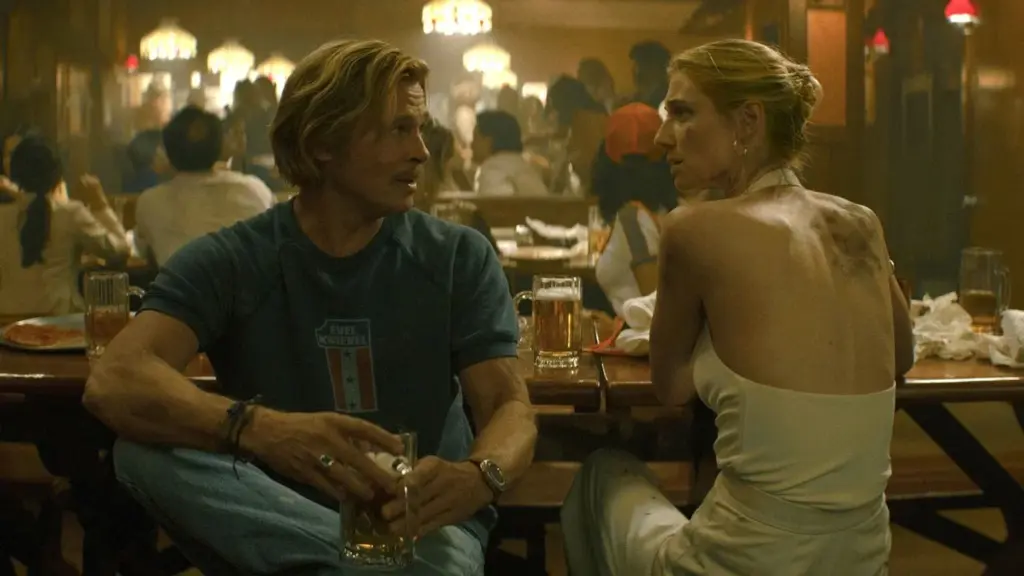
- Quentin Tarantino has transitioned into a 'showrunner' role, writing the script for the Cliff Booth sequel while delegating direction to David Fincher.
- David Fincher has publicly defended the use of Generative AI in the film, challenging the industry's traditionalist attachment to celluloid.
- The film, set in 1977, serves as a meta-commentary on the nature of storytelling, featuring Elizabeth Debicki as a critic-turned-agent.
- Audience backlash regarding the 'absurd' use of AI highlights a growing tension between technological efficiency and the sanctity of the cinematic image.
- Quentin Tarantino đã chuyển mình sang vai trò "showrunner", chấp bút kịch bản cho phần hậu truyện về Cliff Booth trong khi nhường ghế đạo diễn cho David Fincher.
- David Fincher công khai bảo vệ việc sử dụng AI tạo sinh trong phim, thách thức sự gắn bó truyền thống của ngành công nghiệp điện ảnh với phim nhựa.
- Lấy bối cảnh năm 1977, bộ phim đóng vai trò như một tác phẩm siêu hư cấu về bản chất của việc kể chuyện, với Elizabeth Debicki trong vai một nhà phê bình chuyển nghề làm đại diện.
- Phản ứng dữ dội của khán giả về việc sử dụng AI "phi lý" đã làm nổi bật sự căng thẳng ngày càng tăng giữa hiệu suất công nghệ và sự thiêng liêng của hình ảnh điện ảnh.
- Quentin Tarantino a endossé un rôle de « showrunner », écrivant le scénario de la suite de Cliff Booth tout en déléguant la réalisation à David Fincher.
- David Fincher a publiquement défendu l'utilisation de l'IA générative dans le film, défiant l'attachement traditionaliste de l'industrie à la pellicule.
- Le film, situé en 1977, fait office de méta-commentaire sur la narration, avec Elizabeth Debicki dans le rôle d'une critique devenue agent.
- La levée de boucliers du public face à l'usage « absurde » de l'IA souligne une tension croissante entre efficacité technologique et sacralité de l'image cinématographique.
- Quentin Tarantino ha asumido un rol de 'showrunner', escribiendo el guion de la secuela de Cliff Booth mientras delega la dirección en David Fincher.
- David Fincher ha defendido públicamente el uso de IA generativa en el filme, desafiando el tradicionalismo de la industria hacia el celuloide.
- La película, ambientada en 1977, funciona como un metarrelato sobre la naturaleza de la narrativa, con Elizabeth Debicki en el papel de una crítica convertida en agente.
- El rechazo del público ante el uso "absurdo" de la IA subraya la creciente tensión entre la eficiencia tecnológica y la sacralidad de la imagen cinematográfica.
- 昆汀·塔伦蒂诺已转型为“剧集统筹”角色,负责撰写《克里夫·布斯》续集剧本,并将导演权全权委托给大卫·芬奇。
- 大卫·芬奇公开为电影中生成式AI的使用进行辩护,挑战了电影工业对胶片传统的执念。
- 影片背景设定在1977年,通过伊丽莎白·德比齐饰演的影评人转型的经纪人角色,对叙事本质进行了元叙事式的探讨。
- 观众对AI“荒谬”运用的强烈抵触,凸显了技术效率与电影影像神圣性之间日益加剧的张力。
In the high-stakes ecosystem of modern Hollywood, few collaborations carry the weight of a Tarantino-penned, Fincher-directed feature. The Further Mis-Adventures of Cliff Booth, the long-awaited sequel to 2019’s Once Upon a Time… in Hollywood, has arrived not merely as a film, but as a lightning rod for the industry’s most existential debates. By reuniting Brad Pitt with his iconic stuntman persona, the project promised a return to the tactile, sun-drenched nostalgia of 1969 Los Angeles. Instead, it has delivered a 1977-set odyssey that feels less like a traditional sequel and more like a manifesto on the obsolescence of the human director.
The film’s central conceit—that Quentin Tarantino would pen the screenplay but cede the director’s chair to David Fincher—has sparked a firestorm of critical analysis. While the narrative follows the titular Cliff Booth as he navigates the criminal underbelly of a fading Hollywood, the real drama is occurring behind the scenes. As Fincher experiments with the boundaries of digital manipulation, the film has become a battleground for the soul of cinema, forcing audiences to confront whether the "art" of filmmaking is found in the director’s singular vision or in the algorithmic precision of the tools they now wield.
The Anatomy of a Cinematic Hand-Off
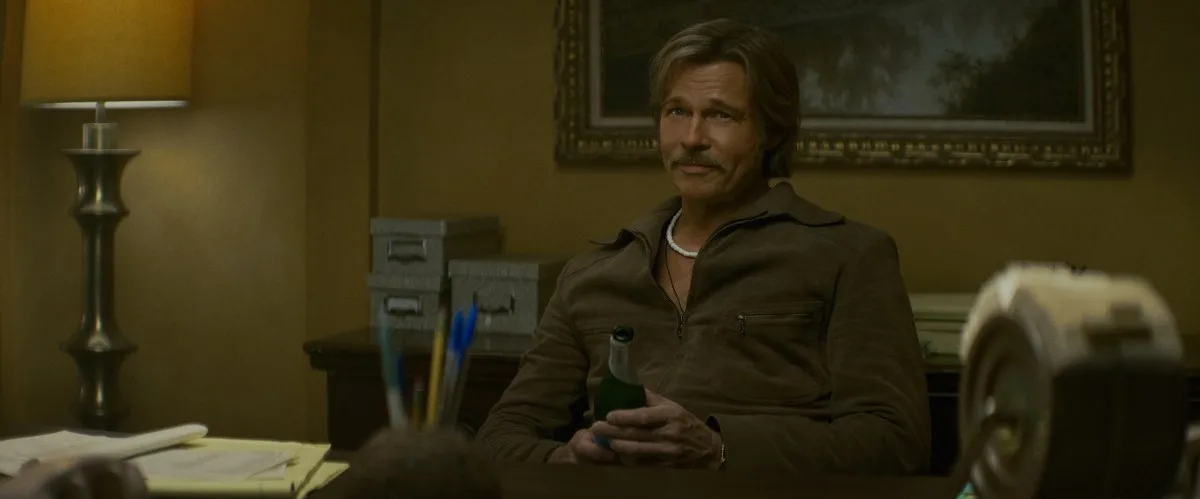
The narrative structure of The Further Mis-Adventures is pure Tarantino: a digressive, Rube Goldberg-esque plot involving a stolen Oscar, a desperate TV actor played by Scott Caan, and a dangerous entanglement with a local gang. Yet, the execution is unmistakably Fincher. Where Tarantino’s original film was defined by a visceral, lived-in physicality, this sequel operates with a clinical, almost detached precision. Cliff Booth, once a man of action defined by his quiet, rugged competence, is now a projectionist at the New Beverly Theatre, a role that serves as a meta-textual nod to Tarantino’s own stewardship of the legendary cinema.
The film’s supporting cast, led by the formidable Elizabeth Debicki as a former film critic turned high-powered agent, provides the intellectual scaffolding for the movie’s central thesis. Through her character, the film engages in a biting critique of the "art vs. hamburger" debate, echoing the anti-auteurist sentiments of Pauline Kael. It is a film about the stories we tell ourselves to justify the industry we inhabit. By handing the reins to Fincher, Tarantino has effectively signaled a shift in his own career trajectory—moving away from the "proscenium" style of The Hateful Eight and toward a model where he acts as the architect of a world, leaving the construction to a master of digital craft.
The AI Fault Line: Fincher’s Digital Gambit
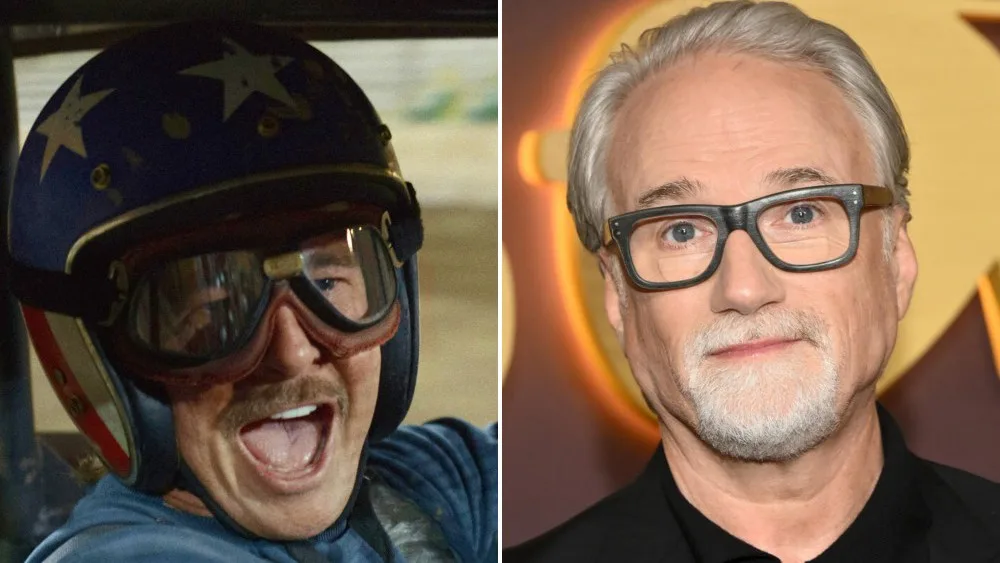
The most explosive element of the film’s release is not its plot, but its production methodology. In the wake of reports regarding the "absurd" use of Generative AI to manipulate onscreen elements—ranging from subtle facial adjustments to environmental textures—David Fincher has emerged as an unlikely, yet vocal, proponent of the technology. His defense, articulated in recent interviews, strikes at the heart of the Luddite-versus-technologist divide that currently plagues the creative arts.
"Is everyone satisfied that we have figured this art form out enough that what we really need to do is go back to celluloid?" Fincher remarked to the press, framing the use of AI not as a threat, but as an inevitable evolution of the painter’s brush. For Fincher, the ability to tweak a performance or alter a background in post-production is simply the latest iteration of a hundred-year-old tradition of manipulation. However, for the audience, the effect has been jarring. Reports of viewers walking out of screenings, "gutted" by the perceived artificiality of the image, suggest that the "uncanny valley" remains a formidable barrier to the seamless integration of AI in prestige drama.
The Cultural Ripple Effect
The implications of this collaboration extend far beyond the box office. By utilizing AI to refine the performance of a star like Brad Pitt—whose portrayal of Cliff Booth has been a cornerstone of his recent career—the production has set a precedent that will undoubtedly haunt contract negotiations and creative rights discussions for years to come. If a director of Fincher’s stature, working from a script by a titan like Tarantino, can justify the use of synthetic imagery, the "pencils down" approach to traditional filmmaking may soon be a relic of the past.
Furthermore, the film highlights a growing disconnect between the "showrunner" model of filmmaking and the audience’s desire for human-centric storytelling. The film is undeniably clever, filled with the snappy dialogue and whimsical twists that define the Tarantino brand, yet it lacks the "soul" that many critics argue is the byproduct of human error and organic imperfection. By smoothing out the edges, Fincher has created a product that is technically flawless but emotionally distant, leaving the viewer to wonder if the "art" of the film has been sacrificed at the altar of technological efficiency.
What Lies Ahead for the Auteur
As the dust settles on the Thanksgiving premiere, the industry is left to grapple with a new reality. The Further Mis-Adventures of Cliff Booth is a success in terms of its ability to generate discourse, but it serves as a cautionary tale for the future of the medium. The film is a "story of stories," as the characters themselves admit, but it leaves the viewer questioning whether a story can survive the transition from the human imagination to an AI-assisted rendering.
Looking forward, the success of this project will likely determine whether other legendary filmmakers follow suit. If audiences ultimately embrace the "Fincher-Tarantino" model, we may see a wave of legacy sequels that rely heavily on synthetic enhancement to maintain the "youth" and "verve" of their stars. However, if the backlash continues to grow, the industry may find itself forced to reckon with a public that values the "hamburger" of human-made, flawed, and authentic cinema over the "gourmet" but sterile output of the machine. One thing is certain: the era of the pure auteur is evolving, and the future of Hollywood will be defined by how we choose to balance the tools of tomorrow with the ghosts of yesterday.
Trong hệ sinh thái đầy rủi ro của Hollywood hiện đại, hiếm có sự hợp tác nào mang sức nặng như một dự án do Tarantino viết kịch bản và Fincher đạo diễn. The Further Mis-Adventures of Cliff Booth, phần hậu truyện được mong đợi từ lâu của Once Upon a Time… in Hollywood (2019), không chỉ xuất hiện như một bộ phim, mà còn là tâm điểm cho những tranh luận hiện sinh gay gắt nhất của ngành công nghiệp này. Bằng cách tái hợp Brad Pitt với nhân vật đóng thế mang tính biểu tượng của anh, dự án từng hứa hẹn một sự trở lại với vẻ hoài cổ đầy xúc cảm và ngập tràn ánh nắng của Los Angeles năm 1969. Thay vào đó, nó mang đến một hành trình lấy bối cảnh năm 1977, mang cảm giác giống một bản tuyên ngôn về sự lỗi thời của đạo diễn con người hơn là một phần hậu truyện truyền thống.
Ý tưởng chủ đạo của bộ phim—rằng Quentin Tarantino sẽ viết kịch bản nhưng nhường ghế đạo diễn cho David Fincher—đã châm ngòi cho một cơn bão phân tích từ giới phê bình. Trong khi câu chuyện theo chân Cliff Booth khi anh điều hướng thế giới ngầm tội phạm của một Hollywood đang lụi tàn, thì kịch tính thực sự lại diễn ra ở hậu trường. Khi Fincher thử nghiệm các giới hạn của thao tác kỹ thuật số, bộ phim đã trở thành chiến trường cho linh hồn của điện ảnh, buộc khán giả phải đối mặt với câu hỏi liệu "nghệ thuật" làm phim nằm ở tầm nhìn độc bản của đạo diễn hay ở sự chính xác thuật toán của các công cụ mà họ đang nắm giữ.
Giải phẫu một cuộc chuyển giao điện ảnh
Cấu trúc tự sự của The Further Mis-Adventures mang đậm chất Tarantino: một cốt truyện lan man, phức tạp kiểu Rube Goldberg với một giải Oscar bị đánh cắp, một diễn viên truyền hình tuyệt vọng do Scott Caan thủ vai và mối liên hệ nguy hiểm với một băng đảng địa phương. Tuy nhiên, cách thực hiện lại mang dấu ấn không thể nhầm lẫn của Fincher. Nếu bộ phim gốc của Tarantino được định nghĩa bởi tính vật lý sống động, chân thực, thì phần hậu truyện này vận hành với sự chính xác lạnh lùng, gần như tách biệt. Cliff Booth, từng là một người đàn ông hành động được định nghĩa bởi sự điềm tĩnh và năng lực thô ráp, giờ đây là một người vận hành máy chiếu tại rạp New Beverly, một vai diễn đóng vai trò như một cái gật đầu siêu văn bản đối với sự quản lý của chính Tarantino đối với rạp chiếu huyền thoại này.
Dàn diễn viên phụ, dẫn đầu bởi Elizabeth Debicki đầy uy lực trong vai một cựu phê bình điện ảnh chuyển sang làm đại diện quyền lực, cung cấp khung trí tuệ cho luận điểm chính của bộ phim. Thông qua nhân vật của cô, bộ phim tham gia vào một cuộc phê bình sắc bén về cuộc tranh luận "nghệ thuật hay bánh mì kẹp thịt", vang vọng những quan điểm chống tác giả của Pauline Kael. Đây là bộ phim về những câu chuyện chúng ta tự kể cho chính mình để biện minh cho ngành công nghiệp mà chúng ta đang sống. Bằng cách trao quyền cho Fincher, Tarantino đã thực sự báo hiệu một sự thay đổi trong quỹ đạo sự nghiệp của chính mình—rời xa phong cách "sân khấu" của The Hateful Eight và hướng tới một mô hình nơi ông đóng vai trò kiến trúc sư của một thế giới, để lại việc xây dựng cho một bậc thầy về kỹ thuật số.
Đường đứt gãy AI: Nước cờ kỹ thuật số của Fincher
Yếu tố bùng nổ nhất trong sự ra mắt của bộ phim không phải là cốt truyện, mà là phương pháp sản xuất. Sau những báo cáo về việc sử dụng "phi lý" AI tạo sinh để thao túng các yếu tố trên màn ảnh—từ những điều chỉnh tinh tế trên khuôn mặt đến các kết cấu môi trường—David Fincher đã nổi lên như một người ủng hộ công nghệ này một cách bất ngờ nhưng đầy mạnh mẽ. Lời biện hộ của ông, được trình bày trong các cuộc phỏng vấn gần đây, đánh thẳng vào trung tâm của sự chia rẽ giữa những người bài trừ công nghệ và những người ủng hộ công nghệ đang ám ảnh các ngành nghệ thuật sáng tạo hiện nay.
"Liệu mọi người đã hài lòng rằng chúng ta đã hiểu đủ về loại hình nghệ thuật này đến mức điều thực sự cần làm là quay lại với phim nhựa?" Fincher nhận xét với báo giới, coi việc sử dụng AI không phải là một mối đe dọa, mà là một sự tiến hóa tất yếu của cây cọ vẽ. Đối với Fincher, khả năng tinh chỉnh một màn trình diễn hoặc thay đổi hậu cảnh trong khâu hậu kỳ chỉ đơn giản là phiên bản mới nhất của truyền thống thao túng đã có hàng trăm năm tuổi. Tuy nhiên, đối với khán giả, hiệu ứng này lại gây khó chịu. Những báo cáo về việc người xem bỏ về giữa chừng, cảm thấy "tan nát" bởi sự giả tạo của hình ảnh, cho thấy "thung lũng kỳ lạ" (uncanny valley) vẫn là một rào cản đáng gờm đối với việc tích hợp liền mạch AI vào các bộ phim chính kịch cao cấp.
Hiệu ứng lan tỏa văn hóa
Hệ quả của sự hợp tác này vượt xa doanh thu phòng vé. Bằng cách sử dụng AI để tinh chỉnh màn trình diễn của một ngôi sao như Brad Pitt—người mà vai diễn Cliff Booth đã trở thành nền tảng trong sự nghiệp gần đây của anh—quản lý sản xuất đã tạo ra một tiền lệ chắc chắn sẽ ám ảnh các cuộc đàm phán hợp đồng và thảo luận về quyền sáng tạo trong nhiều năm tới. Nếu một đạo diễn tầm cỡ như Fincher, làm việc dựa trên kịch bản của một tượng đài như Tarantino, có thể biện minh cho việc sử dụng hình ảnh tổng hợp, thì cách tiếp cận "đặt bút xuống" đối với làm phim truyền thống có thể sớm trở thành di tích của quá khứ.
Hơn nữa, bộ phim làm nổi bật sự ngắt kết nối ngày càng tăng giữa mô hình "showrunner" trong làm phim và mong muốn của khán giả về những câu chuyện lấy con người làm trung tâm. Bộ phim không thể phủ nhận là rất thông minh, đầy ắp những lời thoại sắc sảo và những cú ngoặt kỳ quặc định hình thương hiệu Tarantino, nhưng nó lại thiếu đi "linh hồn" mà nhiều nhà phê bình cho rằng là sản phẩm phụ của sai lầm con người và sự không hoàn hảo hữu cơ. Bằng cách làm phẳng các góc cạnh, Fincher đã tạo ra một sản phẩm hoàn hảo về mặt kỹ thuật nhưng xa cách về mặt cảm xúc, khiến người xem tự hỏi liệu "nghệ thuật" của bộ phim đã bị hy sinh trên bàn thờ của hiệu suất công nghệ hay chưa.
Điều gì đang chờ đợi các tác giả?
Khi bụi bặm lắng xuống sau buổi công chiếu dịp Lễ Tạ ơn, ngành công nghiệp còn lại phải vật lộn với một thực tế mới. The Further Mis-Adventures of Cliff Booth là một thành công về khả năng tạo ra diễn ngôn, nhưng nó đóng vai trò như một lời cảnh báo cho tương lai của phương tiện này. Bộ phim là một "câu chuyện của những câu chuyện", như chính các nhân vật thừa nhận, nhưng nó khiến người xem đặt câu hỏi liệu một câu chuyện có thể tồn tại sau quá trình chuyển đổi từ trí tưởng tượng của con người sang bản dựng có sự hỗ trợ của AI hay không.
Nhìn về phía trước, sự thành công của dự án này có khả năng sẽ quyết định liệu các nhà làm phim huyền thoại khác có làm theo hay không. Nếu khán giả cuối cùng chấp nhận mô hình "Fincher-Tarantino", chúng ta có thể thấy một làn sóng các phần hậu truyện di sản dựa nhiều vào sự tăng cường tổng hợp để duy trì "sự trẻ trung" và "sức sống" của các ngôi sao. Tuy nhiên, nếu phản ứng dữ dội tiếp tục gia tăng, ngành công nghiệp có thể buộc phải đối mặt với một công chúng coi trọng "chiếc bánh mì kẹp thịt" của điện ảnh do con người tạo ra, đầy khiếm khuyết và chân thực hơn là sản phẩm "thượng hạng" nhưng vô hồn của máy móc. Một điều chắc chắn là: kỷ nguyên của tác giả thuần túy đang tiến hóa, và tương lai của Hollywood sẽ được định nghĩa bởi cách chúng ta chọn cân bằng giữa các công cụ của ngày mai và những bóng ma của ngày hôm qua.
Dans l'écosystème impitoyable du Hollywood moderne, rares sont les collaborations qui portent autant de poids qu'un long-métrage écrit par Tarantino et réalisé par Fincher. The Further Mis-Adventures of Cliff Booth, suite tant attendue de Once Upon a Time… in Hollywood (2019), ne se présente pas seulement comme un film, mais comme un paratonnerre pour les débats les plus existentiels de l'industrie. En réunissant Brad Pitt et son personnage iconique de cascadeur, le projet promettait un retour à la nostalgie tactile et baignée de soleil du Los Angeles de 1969. Au lieu de cela, il nous livre une odyssée située en 1977 qui ressemble moins à une suite traditionnelle qu'à un manifeste sur l'obsolescence du réalisateur humain.
Le concept central du film — que Quentin Tarantino écrive le scénario tout en cédant le fauteuil de réalisateur à David Fincher — a déclenché une tempête d'analyses critiques. Si le récit suit Cliff Booth alors qu'il navigue dans les bas-fonds criminels d'un Hollywood sur le déclin, le véritable drame se joue en coulisses. Tandis que Fincher repousse les limites de la manipulation numérique, le film est devenu un champ de bataille pour l'âme du cinéma, forçant le public à se demander si « l'art » cinématographique réside dans la vision singulière du réalisateur ou dans la précision algorithmique des outils qu'il manie désormais.
L'anatomie d'une passation cinématographique
La structure narrative de The Further Mis-Adventures est du pur Tarantino : une intrigue digressive, façon machine de Rube Goldberg, impliquant un Oscar volé, un acteur de télévision désespéré incarné par Scott Caan, et une dangereuse implication avec un gang local. Pourtant, l'exécution est indéniablement celle de Fincher. Là où le film original de Tarantino se définissait par une physicalité viscérale et incarnée, cette suite opère avec une précision clinique, presque détachée. Cliff Booth, autrefois homme d'action défini par sa compétence tranquille et rugueuse, est désormais projectionniste au New Beverly Theatre, un rôle qui sert de clin d'œil méta-textuel à la gestion par Tarantino de ce cinéma légendaire.
La distribution, menée par une Elizabeth Debicki impériale en ancienne critique de cinéma devenue agent de haut vol, fournit l'échafaudage intellectuel de la thèse centrale du film. À travers son personnage, le film s'engage dans une critique mordante du débat « art contre hamburger », faisant écho aux sentiments anti-auteuristes de Pauline Kael. C'est un film sur les histoires que nous nous racontons pour justifier l'industrie que nous habitons. En passant les rênes à Fincher, Tarantino a effectivement signalé un changement dans sa propre trajectoire de carrière : il s'éloigne du style « proscénium » de The Hateful Eight pour adopter un modèle où il agit comme l'architecte d'un monde, laissant la construction à un maître de l'artisanat numérique.
La ligne de faille de l'IA : le pari numérique de Fincher
L'élément le plus explosif de la sortie du film n'est pas son intrigue, mais sa méthodologie de production. À la suite de rapports concernant l'usage « absurde » de l'IA générative pour manipuler des éléments à l'écran — allant de subtils ajustements faciaux aux textures environnementales — David Fincher s'est imposé comme un partisan inattendu, mais vocal, de cette technologie. Sa défense, articulée dans des interviews récentes, frappe au cœur du clivage entre luddites et technophiles qui tourmente actuellement les arts créatifs.
« Tout le monde est-il convaincu que nous avons suffisamment compris cette forme d'art pour qu'il soit nécessaire de revenir à la pellicule ? » a fait remarquer Fincher à la presse, présentant l'usage de l'IA non comme une menace, mais comme une évolution inévitable du pinceau du peintre. Pour Fincher, la capacité de modifier une performance ou de retoucher un arrière-plan en post-production n'est que la dernière itération d'une tradition de manipulation vieille de cent ans. Cependant, pour le public, l'effet a été déconcertant. Les témoignages de spectateurs quittant les salles, « dévastés » par l'artificialité perçue de l'image, suggèrent que la « vallée de l'étrange » demeure un obstacle redoutable à l'intégration fluide de l'IA dans les drames de prestige.
L'onde de choc culturelle
Les implications de cette collaboration s'étendent bien au-delà du box-office. En utilisant l'IA pour affiner la performance d'une star comme Brad Pitt — dont l'incarnation de Cliff Booth a été une pierre angulaire de sa carrière récente — la production a créé un précédent qui hantera sans aucun doute les négociations contractuelles et les discussions sur les droits créatifs pour les années à venir. Si un réalisateur de la stature de Fincher, travaillant à partir d'un scénario d'un titan comme Tarantino, peut justifier l'usage d'imagerie synthétique, l'approche artisanale du cinéma traditionnel pourrait bientôt devenir une relique du passé.
De plus, le film met en lumière un décalage croissant entre le modèle de « showrunner » et le désir du public pour une narration centrée sur l'humain. Le film est indéniablement intelligent, rempli de dialogues percutants et de rebondissements fantaisistes qui définissent la marque Tarantino, mais il lui manque cette « âme » que beaucoup de critiques considèrent comme le sous-produit de l'erreur humaine et de l'imperfection organique. En lissant les aspérités, Fincher a créé un produit techniquement irréprochable mais émotionnellement distant, laissant le spectateur se demander si « l'art » du film n'a pas été sacrifié sur l'autel de l'efficacité technologique.
Quel avenir pour l'auteur ?
Alors que la poussière retombe après la première, l'industrie doit faire face à une nouvelle réalité. The Further Mis-Adventures of Cliff Booth est un succès en termes de capacité à générer du discours, mais il sert de mise en garde pour l'avenir du médium. Le film est une « histoire d'histoires », comme l'admettent les personnages eux-mêmes, mais il laisse le spectateur se demander si un récit peut survivre à la transition de l'imagination humaine vers un rendu assisté par IA.
À l'avenir, le succès de ce projet déterminera probablement si d'autres cinéastes légendaires suivront le mouvement. Si le public finit par adopter le modèle « Fincher-Tarantino », nous pourrions voir une vague de suites héritées du passé qui s'appuient lourdement sur l'amélioration synthétique pour maintenir la « jeunesse » et la « verve » de leurs stars. Cependant, si la réaction négative persiste, l'industrie pourrait se voir forcée de compter avec un public qui valorise le « hamburger » d'un cinéma humain, imparfait et authentique, plutôt que la production « gastronomique » mais stérile de la machine. Une chose est sûre : l'ère de l'auteur pur est en mutation, et le futur d'Hollywood sera défini par la manière dont nous choisirons d'équilibrer les outils de demain avec les fantômes d'hier.
En el ecosistema de alto riesgo del Hollywood moderno, pocas colaboraciones poseen el peso de un largometraje escrito por Tarantino y dirigido por Fincher. The Further Mis-Adventures of Cliff Booth, la esperada secuela de Once Upon a Time… in Hollywood (2019), no ha llegado solo como una película, sino como un pararrayos para los debates más existenciales de la industria. Al reunir a Brad Pitt con su icónico personaje de doble de acción, el proyecto prometía un regreso a la nostalgia táctil y bañada por el sol del Los Ángeles de 1969. En su lugar, nos ha entregado una odisea ambientada en 1977 que se siente menos como una secuela tradicional y más como un manifiesto sobre la obsolescencia del director humano.
La premisa central del filme —que Quentin Tarantino escribiría el guion pero cedería la silla de director a David Fincher— ha desatado una tormenta de análisis crítico. Mientras que la narrativa sigue al titular Cliff Booth navegando por los bajos fondos criminales de un Hollywood en decadencia, el verdadero drama ocurre tras las cámaras. A medida que Fincher experimenta con los límites de la manipulación digital, la película se ha convertido en un campo de batalla por el alma del cine, obligando a la audiencia a cuestionarse si el "arte" cinematográfico reside en la visión singular del director o en la precisión algorítmica de las herramientas que ahora maneja.
La anatomía de un relevo cinematográfico
La estructura narrativa de The Further Mis-Adventures es puro Tarantino: una trama digresiva al estilo Rube Goldberg que involucra un Óscar robado, un actor de televisión desesperado interpretado por Scott Caan y un peligroso enredo con una banda local. Sin embargo, la ejecución es inequívocamente Fincher. Donde la película original de Tarantino se definía por una fisicidad visceral y vivida, esta secuela opera con una precisión clínica, casi distante. Cliff Booth, antaño un hombre de acción definido por su competencia silenciosa y ruda, es ahora proyeccionista en el New Beverly Theatre, un papel que sirve como guiño metatextual a la propia gestión de Tarantino sobre el legendario cine.
El reparto secundario, liderado por la formidable Elizabeth Debicki como una antigua crítica de cine convertida en una poderosa agente, proporciona el andamiaje intelectual para la tesis central de la película. A través de su personaje, el filme se involucra en una mordaz crítica al debate entre "arte frente a hamburguesa", haciéndose eco de los sentimientos antiautorales de Pauline Kael. Es una película sobre las historias que nos contamos para justificar la industria que habitamos. Al ceder las riendas a Fincher, Tarantino ha señalado efectivamente un cambio en su propia trayectoria profesional: alejándose del estilo de "proscenio" de The Hateful Eight hacia un modelo donde actúa como arquitecto de un mundo, dejando la construcción a un maestro de la artesanía digital.
La línea de falla de la IA: la apuesta digital de Fincher
El elemento más explosivo del estreno no es su trama, sino su metodología de producción. Tras los informes sobre el uso "absurdo" de IA generativa para manipular elementos en pantalla —desde sutiles ajustes faciales hasta texturas ambientales—, David Fincher ha emergido como un inesperado, aunque vocal, defensor de la tecnología. Su defensa, articulada en entrevistas recientes, golpea el corazón de la división entre luditas y tecnólogos que actualmente aqueja a las artes creativas.
"¿Está todo el mundo satisfecho con que hayamos descifrado esta forma de arte lo suficiente como para que lo que realmente necesitemos hacer sea volver al celuloide?", comentó Fincher a la prensa, planteando el uso de la IA no como una amenaza, sino como una evolución inevitable del pincel del pintor. Para Fincher, la capacidad de ajustar una interpretación o alterar un fondo en la posproducción es simplemente la última iteración de una tradición de manipulación centenaria. Sin embargo, para el público, el efecto ha sido discordante. Los informes de espectadores abandonando las salas, "desconcertados" por la artificialidad percibida de la imagen, sugieren que el "valle inquietante" sigue siendo una barrera formidable para la integración fluida de la IA en el drama de prestigio.
El efecto dominó cultural
Las implicaciones de esta colaboración se extienden mucho más allá de la taquilla. Al utilizar IA para refinar la interpretación de una estrella como Brad Pitt —cuya encarnación de Cliff Booth ha sido una piedra angular de su carrera reciente—, la producción ha sentado un precedente que sin duda perseguirá las negociaciones de contratos y las discusiones sobre derechos creativos durante años. Si un director de la talla de Fincher, trabajando sobre un guion de un titán como Tarantino, puede justificar el uso de imágenes sintéticas, el enfoque artesanal tradicional podría convertirse pronto en una reliquia del pasado.
Además, la película destaca una creciente desconexión entre el modelo de "showrunner" en el cine y el deseo del público por una narrativa centrada en lo humano. El filme es innegablemente inteligente, lleno de diálogos ingeniosos y giros caprichosos que definen la marca Tarantino, pero carece del "alma" que muchos críticos argumentan es el subproducto del error humano y la imperfección orgánica. Al suavizar las aristas, Fincher ha creado un producto técnicamente impecable pero emocionalmente distante, dejando al espectador preguntándose si el "arte" de la película ha sido sacrificado en el altar de la eficiencia tecnológica.
Lo que le espera al autor
A medida que el polvo se asienta tras el estreno, la industria se queda lidiando con una nueva realidad. The Further Mis-Adventures of Cliff Booth es un éxito en cuanto a su capacidad para generar discurso, pero sirve como advertencia para el futuro del medio. La película es una "historia de historias", como admiten los propios personajes, pero deja al espectador cuestionándose si una historia puede sobrevivir a la transición de la imaginación humana a una representación asistida por IA.
Mirando hacia el futuro, el éxito de este proyecto probablemente determinará si otros cineastas legendarios siguen su ejemplo. Si el público termina abrazando el modelo "Fincher-Tarantino", podríamos ver una ola de secuelas de legado que dependan en gran medida de la mejora sintética para mantener la "juventud" y el "brío" de sus estrellas. Sin embargo, si el rechazo continúa creciendo, la industria podría verse obligada a enfrentarse a un público que valora la "hamburguesa" del cine humano, imperfecto y auténtico, por encima del producto "gourmet" pero estéril de la máquina. Una cosa es segura: la era del autor puro está evolucionando, y el futuro de Hollywood se definirá por cómo elijamos equilibrar las herramientas del mañana con los fantasmas del ayer.
在现代好莱坞高风险的生态系统中,很少有合作能像“塔伦蒂诺编剧、芬奇执导”这样承载如此沉重的分量。《克里夫·布斯的进一步冒险》作为2019年《好莱坞往事》备受期待的续作,其问世不仅是一部电影,更成为了行业内最核心存在主义辩论的避雷针。该项目通过让布拉德·皮特重拾其标志性的替身演员形象,原以为会带来对1969年洛杉矶那种触手可及、阳光明媚的怀旧回归。然而,它最终呈现出的却是一部设定在1977年的奥德赛,与其说是一部传统续集,不如说是一份关于人类导演过时论的宣言。
影片的核心构思——由昆汀·塔伦蒂诺撰写剧本,却将导演椅让给大卫·芬奇——引发了评论界的轩然大波。尽管叙事跟随主角克里夫·布斯在好莱坞日渐衰落的犯罪暗面中穿行,但真正的戏剧冲突却发生在幕后。随着芬奇不断试探数字操纵的边界,这部电影已成为电影灵魂的战场,迫使观众直面一个问题:电影的“艺术性”究竟源于导演独特的个人视野,还是源于他们手中所掌控的算法工具的精确度?
电影交接的解剖学
《克里夫·布斯的进一步冒险》的叙事结构带有纯粹的塔伦蒂诺印记:一个离题万里的、鲁布·戈德堡机械式的情节,涉及一枚被盗的奥斯卡奖杯、由斯科特·卡恩饰演的绝望电视演员,以及与当地帮派的危险纠葛。然而,其执行过程却带有鲜明的芬奇风格。塔伦蒂诺的原作以一种生动、真实且充满质感的物理性为特征,而这部续集则以一种临床般的、近乎疏离的精确感运作。克里夫·布斯,这位曾经以沉默、粗犷的专业能力著称的动作硬汉,如今成了新贝弗利剧院的一名放映员——这一角色设定是对塔伦蒂诺本人作为传奇影院守护者身份的元文本致敬。
由伊丽莎白·德比齐饰演的、从影评人转型为顶级经纪人的强力配角,为影片的核心论点提供了智力支撑。通过她的角色,影片对“艺术与汉堡”的辩论进行了尖锐的批判,呼应了宝琳·凯尔的反作者论观点。这是一部关于我们如何通过编造故事来为自己所处的行业辩护的电影。通过将指挥权交给芬奇,塔伦蒂诺实际上标志着他职业生涯轨迹的转变——从《八恶人》式的“镜框式”风格,转向了一种他作为世界架构师、而将具体构建留给数字工艺大师的模式。
AI分界线:芬奇的数字博弈
影片上映中最具爆炸性的元素并非剧情,而是其制作方法。在有关使用生成式AI来操纵屏幕元素(从细微的面部调整到环境纹理)的“荒谬”报道传出后,大卫·芬奇成为了该技术意想不到但直言不讳的拥护者。他在近期采访中的辩护,直击当前困扰创意艺术界的“卢德主义者与技术主义者”之争的核心。
“难道大家真的满足于我们已经完全参透了这种艺术形式,以至于我们现在唯一需要做的就是回归胶片吗?”芬奇在面对媒体时反问道,他将AI的使用视为画家画笔的必然进化,而非威胁。对芬奇而言,在后期制作中调整表演或改变背景的能力,不过是百年操纵传统中的最新迭代。然而,对于观众来说,这种效果却令人不安。有报道称观众在观影中途离场,被影像中显而易见的虚假感所“重创”,这表明“恐怖谷”效应依然是AI融入高端剧情片的一道难以逾越的障碍。
文化的涟漪效应
这次合作的影响远不止于票房。通过利用AI来精修像布拉德·皮特这样明星的表演——皮特对克里夫·布斯的塑造一直是他近期职业生涯的基石——该制作开创了一个先例,无疑将在未来数年内困扰合同谈判和创意权利的讨论。如果像芬奇这样地位的导演,在塔伦蒂诺这样巨匠的剧本基础上,都能为合成影像的使用辩护,那么传统电影制作中“放下画笔”的纯手工方式,或许很快就会成为历史遗迹。
此外,这部电影凸显了电影制作的“统筹模式”与观众对以人为本的叙事渴望之间日益增长的脱节。这部电影无疑是聪明的,充满了定义塔伦蒂诺品牌的俏皮对话和奇思妙想,但它缺乏许多评论家所认为的、源于人类错误和有机不完美性的“灵魂”。通过抹平所有的棱角,芬奇创造了一个技术上无懈可击但情感上疏离的产品,让观众不禁怀疑,电影的“艺术”是否已经在技术效率的祭坛上被牺牲了。
作者电影的未来何在
随着感恩节首映的热度逐渐平息,整个行业不得不面对一个新的现实。《克里夫·布斯的进一步冒险》在引发讨论方面无疑是成功的,但它也为该媒介的未来敲响了警钟。正如角色们自己所承认的,这是一部“关于故事的故事”,但它让观众质疑,一个故事在从人类想象力向AI辅助渲染的过渡中,是否还能保持其生命力。
展望未来,该项目的成功很可能会决定其他传奇电影人是否会效仿。如果观众最终接受了“芬奇-塔伦蒂诺”模式,我们可能会看到一波依赖合成增强技术来维持明星“青春”与“活力”的经典续集浪潮。然而,如果抵制声浪持续高涨,行业可能会被迫面对一个更看重人类制造的、充满瑕疵且真实的“汉堡”电影,而非机器生产的、虽精致却冰冷的“美食”的公众。有一点是肯定的:纯粹作者电影的时代正在演变,好莱坞的未来将取决于我们如何选择平衡明日的工具与昨日的幽灵。
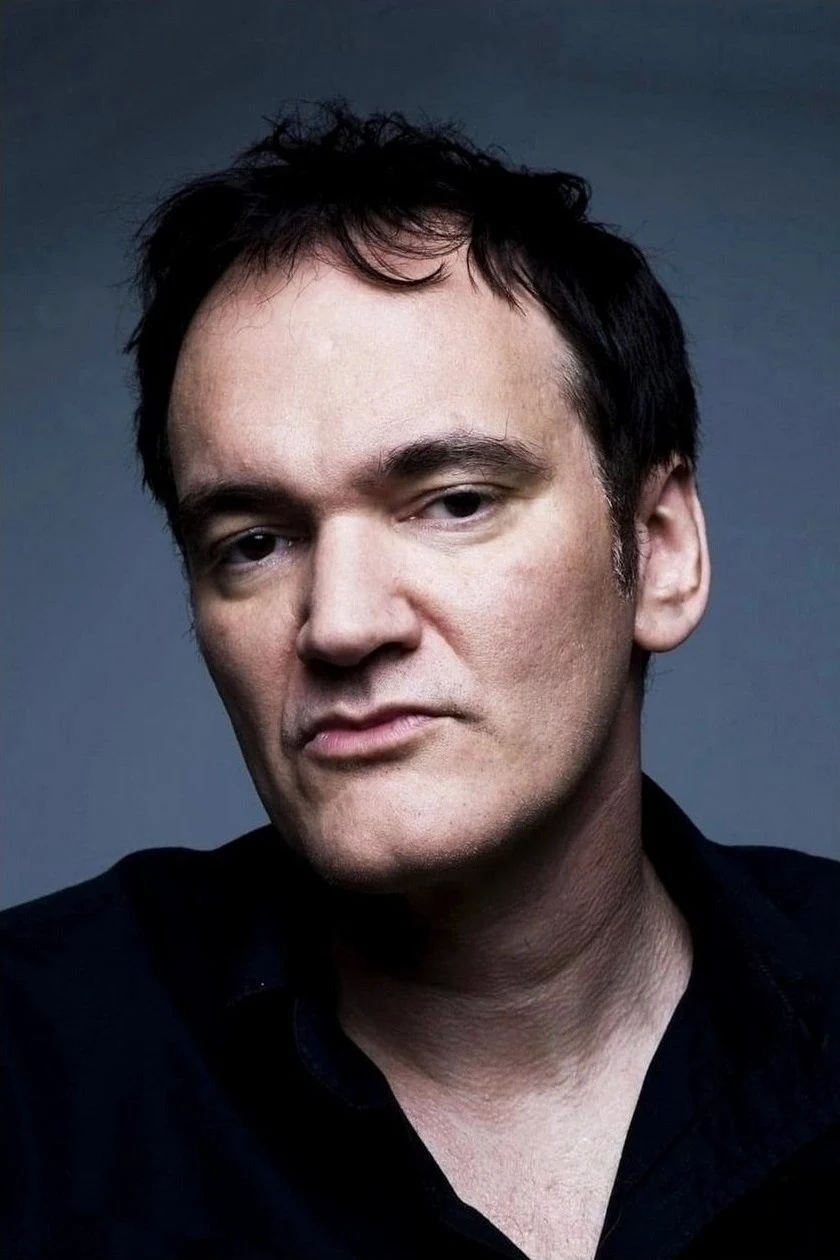
Cultural Icons Featured in This Dispatch
Editorial Standards & Multi-Language Synthesis: This dispatch was synthesized and fact-checked by the ParisDaily Editorial Desk across 5 global editions (EN, FR, VI, ES, ZH), cross-referencing primary international wire reports and real-time search intelligence.