Tatami to Élysée: Teddy Riner’s 2027 Presidential Bid Upends French Politics
Five-time Olympic judo champion Teddy Riner has announced a surprise 2027 presidential bid, throwing the French political establishment into disarray amidst surging far-right momentum.
Vận động viên judo năm lần vô địch Olympic Teddy Riner đã bất ngờ tuyên bố tranh cử tổng thống năm 2027, đẩy giới cầm quyền chính trị Pháp vào tình thế hỗn loạn giữa lúc đà trỗi dậy của phe cực hữu đang tăng mạnh.
Le quintuple champion olympique de judo Teddy Riner a annoncé de manière inattendue sa candidature à l’élection présidentielle de 2027, plongeant l’establishment politique français dans la perplexité alors que l’extrême droite caracole en tête des sondages.
El pentacampeón olímpico de yudo Teddy Riner ha anunciado por sorpresa su candidatura a las elecciones presidenciales de 2027, sembrando el desconcierto en el establishment político francés en un contexto de auge de la extrema derecha.
五次奥运柔道冠军特迪·里内意外宣布参加2027年总统大选,在极右翼政党势头强劲之际,令法国政治建制派陷入一片混乱。这一充满戏剧性的跨界参选,打破了传统政治格局,为充满不确定性的欧洲政坛投下了一枚超级震撼弹。
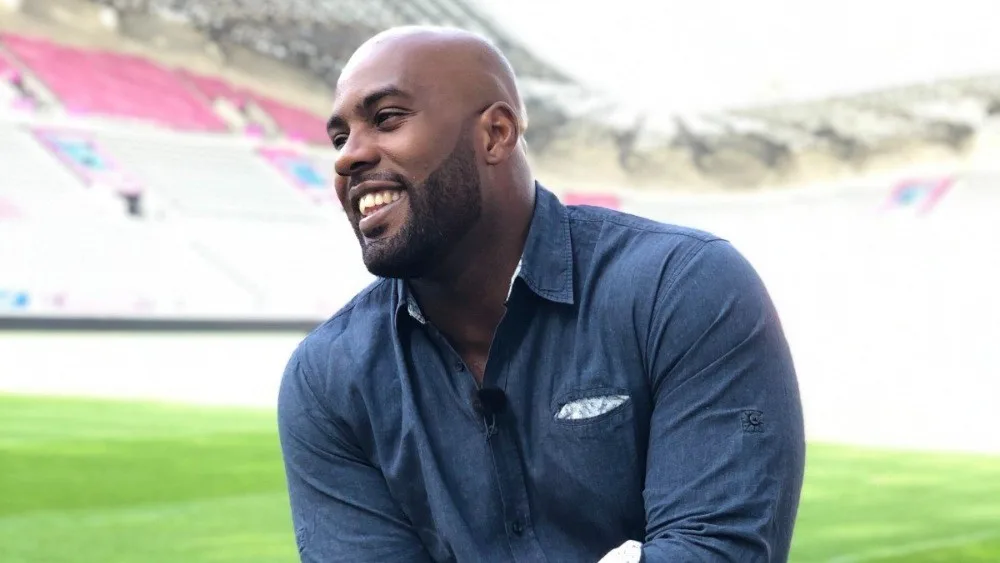
- Teddy Riner announced his 2027 French presidential candidacy via a viral social media broadcast, positioning himself as a political outsider.
- Outgoing President Emmanuel Macron warmly welcomed Riner's entry, praising the athlete's civic dedication and commitment to national renewal.
- Riner's announcement arrives as Marine Le Pen's Rassemblement National dominates polls amid widespread social and economic unrest.
- Political analysts are scrutinizing whether Riner's towering athletic prestige can translate into a viable governance platform against seasoned political parties.
- Teddy Riner đã công bố chiến dịch tranh cử tổng thống Pháp năm 2027 thông qua một video phát trực tuyến gây sốt trên mạng xã hội, định vị bản thân là một nhân vật ngoại đạo chính trị.
- Tổng thống sắp mãn nhiệm Emmanuel Macron đã nhiệt liệt chào đón bước chân vào chính trường của Riner, ca ngợi tinh thần tận hiến vì cộng đồng và cam kết đổi mới đất nước của nam vận động viên.
- Tuyên bố của Riner diễn ra trong bối cảnh đảng Tập hợp Quốc gia (Rassemblement National) của Marine Le Pen đang thống trị các cuộc thăm dò giữa làn sóng bất ổn xã hội và kinh tế lan rộng.
- Các nhà phân tích chính trị đang mổ xẻ liệu uy tín thể thao đỉnh cao của Riner có thể chuyển hóa thành một nền tảng quản trị khả thi để đối đầu với các đảng phái chính trị kỳ cựu hay không.
- Teddy Riner a officialisé sa candidature à l'élection présidentielle française de 2027 via une allocution virale sur les réseaux sociaux, se positionnant en « outsider » de la vie politique.
- Le président sortant Emmanuel Macron a salué l'entrée en lice de l'athlète, louant son dévouement civique et son attachement au renouveau national.
- Cette annonce intervient alors que le Rassemblement National de Marine Le Pen domine les intentions de vote dans un climat d'agitation sociale et économique.
- Les analystes politiques s'interrogent : l'aura exceptionnelle du champion pourra-t-elle se muer en un projet de gouvernement crédible face aux partis traditionnels ?
- Teddy Riner anunció su candidatura a la presidencia de Francia para 2027 a través de una retransmisión viral en redes sociales, presentándose como un verso libre de la política.
- El presidente saliente, Emmanuel Macron, acogió con entusiasmo la entrada de Riner y alabó la dedicación cívica y el compromiso del deportista con la renovación nacional.
- El anuncio de Riner llega en un momento en que el Rassemblement National de Marine Le Pen domina los sondeos en medio de un profundo malestar social y económico.
- Los analistas políticos debaten si el inmenso prestigio deportivo de Riner podrá traducirse en un programa de gobierno viable frente a los partidos tradicionales.
- 特迪·里内通过一段病毒式传播的社交媒体视频宣布参加2027年法国总统大选,将自己定位为政治局外人。
- 卸任总统埃马纽埃尔·马克龙对里内的参选表示了热烈欢迎,赞扬这位运动员的公民奉献精神和对国家复兴的承诺。
- 里内宣布参选之际,正值玛丽娜·勒庞国民联盟在民调中因广泛的社会和经济动乱而占据主导地位。
- 政治分析人士正在密切审视,里内崇高的体育声望能否转化为对抗经验丰富的传统政党的有效执政纲领。
In a development that has sent seismic tremors through the corridors of Parisian power, French judo legend Teddy Riner has officially announced his candidacy for the 2027 French presidential election. Broadcasting a meticulously staged video featuring the tricolor flag and classical presidential framing, the five-time Olympic gold medalist and multiple world champion bypassed traditional party machinery to deliver a fiery direct-to-camera appeal. Riner, widely regarded as one of the greatest athletes in the history of combat sports, confronts a deeply fractured political landscape defined by public fatigue, escalating economic anxieties, and a rapidly shifting European geopolitical order.
The entry of a beloved national icon into the highest stakes of electoral politics immediately alters the calculus for traditional parties across the spectrum. With President Emmanuel Macron constitutionally barred from seeking a third consecutive term, the center-left and center-right have struggled to project a unified vision capable of capturing the public imagination. Riner’s arrival injects an unprecedented level of populist curiosity and star power into the race, forcing seasoned politicians to reckon with a candidate whose authority stems not from ministerial portfolios or legislative maneuverings, but from monumental athletic achievement and unblemished national pride earned on the global stage.
Challenging the Establishment From the Tatami
Riner’s campaign declaration was characterized by a sharp critique of the current political status quo, directly addressing anticipated criticisms regarding his lack of administrative experience. Sitting behind a formal desk with bookshelves framing his background, the heavyweight champion leaned into his outsider status with characteristic bluntness. He questioned the conventional wisdom of career politicians, asking viewers what was truly absurd: a decorated sporting champion seeking to reform the republic, or a system allowing the nation's economic foundations and social cohesion to steadily erode under the weight of mounting public debt and institutional fatigue.
“I know what people are going to say about me: ‘He’s crazy,’ ‘He’s not part of the establishment,’ ‘He doesn’t know the rules,’ ‘He’s never been involved in politics,’” Riner declared in his address. By framing his lack of partisan baggage as a profound asset rather than a liability, he is deliberately appealing to millions of French citizens who feel alienated by mainstream political discourse. His rhetoric targeted the perceived hypocrisy of an overburdened tax system that squeezes working-class families who wake up early, follow the rules, and sustain the republic while feeling abandoned by institutional leaders.
This populist framing is designed to resonate beyond traditional demographic divides, drawing on Riner’s unique status as a unifying cultural figure. Unlike traditional party candidates weighed down by legislative voting records or past policy failures, Riner commands an emotional reservoir of goodwill cultivated over two decades of athletic excellence, representing a form of meritocratic achievement that transcends standard partisan loyalties.
The Shadow of the Far Right and a Fragmented Republic
Riner’s presidential plunge occurs against a volatile backdrop of widespread social unrest and shifting electoral alignments across France. Recent months have witnessed intense mass protests over the soaring cost of living, deteriorating public services, and educational infrastructure strains—demonstrations that have occasionally boiled over into urban riots. These pressures have created fertile ground for anti-establishment sentiment, which has primarily benefited Marine Le Pen and her far-right Rassemblement National party, currently commanding comfortable leads in first-round polling projections.
Simultaneously, the radical left, spearheaded by Jean-Luc Mélenchon and La France Insoumise, has consolidated support among younger and urban voters disillusioned with centrist governance. The traditional political center, which powered Emmanuel Macron to consecutive victories in 2017 and 2022, remains deeply fragmented and searching for a viable successor. In this polarized environment, Riner’s entry acts as a potential wild card that could redraw coalition boundaries, siphon protest votes away from both extremes, and rewrite the strategic playbooks of seasoned campaign managers.
Observers note that while athletic celebrity provides unmatched initial visibility, transitioning from martial arts dominance to the intricate mechanics of statecraft presents monumental hurdles. Riner will be expected to rapidly articulate coherent, comprehensive policies on foreign affairs, European Union integration, fiscal austerity, and national security—areas where inspirational rhetoric must eventually yield to rigorous legislative execution.
President Emmanuel Macron offered a surprisingly warm endorsement of Riner’s political ambitions during a broadcast interview with France 5, signaling a philosophical alignment with the concept of citizen-politicians. Drawing a parallel to his own improbable rise a decade prior from investment banking to the presidency, Macron lauded the judo champion's sense of civic duty and commitment to national renewal.
“Political life, the life of the nation, does not belong to professionals,” Macron remarked, welcoming the influx of fresh talent into the democratic arena. This endorsement from the outgoing head of state underscores a broader institutional recognition that conventional political parties are losing their monopoly on public trust, necessitating new conduits for civic engagement.
As the campaign season accelerates toward 2027, all eyes will be on how Riner transitions from viral announcements to grassroots organizing. Whether the titan of the tatami can successfully translate his legendary discipline and fighting spirit into an electoral machine capable of outmaneuvering deeply entrenched political machines remains the most fascinating unanswered question in contemporary European politics. For France, and for the broader continent watching closely from Brussels and beyond, the upcoming electoral cycle has just transformed from a predictable contest into an unpredictable historical drama.
Trong một diễn biến gây chấn động mạnh mẽ qua các hành lang quyền lực tại Paris, huyền thoại judo người Pháp Teddy Riner đã chính thức tuyên bố tranh cử tổng thống Pháp năm 2027. Phát sóng một đoạn video được dàn dựng công phu có hình ảnh quốc kỳ ba màu cùng phong cách đóng khung tổng thống kinh điển, nhà vô địch năm lần huy động vàng Olympic và nhiều lần vô địch thế giới đã vượt qua cỗ máy đảng phái truyền thống để đưa ra lời kêu gọi trực diện đầy nhiệt huyết. Riner, người được rộng rãi nhìn nhận là một trong những vận động viên vĩ đại nhất lịch sử các môn thể thao đối kháng, đang bước vào một bối cảnh chính trị bị chia rẽ sâu sắc — nơi nổi bật bởi sự mệt mỏi của công chúng, những lo lắng kinh tế leo thang và một trật tự địa chính trị châu Âu đang biến đổi nhanh chóng.
Sự gia nhập của một biểu tượng quốc gia được mến mộ vào ván cờ chính trị bầu cử có rủi ro cao nhất lập tức làm thay đổi bài toán chiến lược đối với các đảng phái truyền thống trên mọi phổ hệ tư tưởng. Với việc Tổng thống Emmanuel Macron bị hiến pháp ngăn cản không được tìm kiếm nhiệm kỳ thứ ba liên tiếp, phe trung tả và trung hữu đã chật vật trong việc phác thảo một tầm nhìn thống nhất có sức thu hút trí tưởng tượng của công chúng. Sự xuất hiện của Riner bơm một lượng chưa từng có sự tò mò mang tính dân túy và sức hút ngôi sao vào cuộc đua, buộc các chính trị gia kỳ cựu phải đối mặt với một ứng viên có uy quyền không xuất phát từ các danh mục bộ trưởng hay thủ đoạn lập pháp, mà từ những thành tựu thể thao vĩ đại cùng niềm tự hào dân tộc trong sáng được tôi luyện trên đấu trường toàn cầu.
Thách thức tầng lớp cầm quyền từ thảm đấu Tatami
Tuyên bố tranh cử của Riner mang dấu ấn của một sự chỉ trích sắc bén đối với hiện trạng chính trị đương thời, khi ông trực tiếp giải quyết những hoài nghi được dự báo trước về việc thiếu kinh nghiệm hành chính. Ngồi sau chiếc bàn làm việc trang trọng với những kệ sách làm khung nền phía sau, nhà vô địch hạng nặng đã tựa người vào tư thế ngoại đạo của mình bằng sự thẳng thắn đặc trưng. Ông đặt câu hỏi trước lẽ thường của các chính trị gia chuyên nghiệp, chất vấn người xem điều gì mới thực sự vô lý: một nhà vô địch thể thao huy chương đầy mình đang tìm cách cải cách nền cộng hòa, hay một hệ thống cho phép nền tảng kinh tế và sự gắn kết xã hội của quốc gia dần xói mòn dưới sức nặng của nợ công gia tăng và sự mệt mỏi mang tính thể chế.
“Tôi biết mọi người sẽ nói gì về tôi: ‘Anh ta điên rồi,’ ‘Anh ta không thuộc giới cầm quyền,’ ‘Anh ta không biết luật chơi,’ ‘Anh ta chưa từng dấn thân vào chính trị,’” Riner tuyên bố trong bài phát biểu của mình. Bằng cách định hình việc thiếu vắng gánh nặng đảng phái của mình là một lợi thế sâu sắc chứ không phải là điểm yếu, ông đang chủ trương thu hút hàng triệu công dân Pháp cảm thấy xa lánh với diễn ngôn chính trị của dòng chính. Hướng đi hùng biện của ông nhằm vào sự đạo đức giả vốn được nhìn nhận của một hệ thống thuế quá tải đang bóp nghẹt các gia đình lao động — những người thức dậy từ sớm, tuân thủ luật lệ và duy trì nền cộng hòa nhưng lại cảm thấy bị bỏ rơi bởi các nhà lãnh đạo thể chế.
Cách đóng khung dân túy này được thiết kế để tạo tiếng vang vượt ra khỏi các ranh giới nhân khẩu học truyền thống, dựa trên vị thế độc nhất của Riner như một nhân vật văn hóa mang tính đoàn kết. Không giống như các ứng viên đảng phái truyền thống bị đè nặng bởi hồ sơ bỏ phiếu lập pháp hoặc những thất bại chính sách trong quá khứ, Riner nắm giữ một nguồn dự trữ cảm xúc về thiện chí được vun đắp qua hai thập kỷ xuất sắc trong thể thao, đại diện cho một hình thức thành tựu dựa trên năng lực vượt lên trên mọi lòng trung thành đảng phái tiêu chuẩn.
Bóng tối của phe cực hữu và một nền cộng hòa bị chia rẽ
Bước nhảy vọt vào chính trường của tổng thống Riner diễn ra trong bối cảnh đầy biến động với tình trạng bất ổn xã hội lan rộng và sự dịch chuyển liên minh cử tri trên khắp nước Pháp. Những tháng gần đây chứng kiến các cuộc biểu tình quần chúng dữ dội phản đối chi phí sinh hoạt tăng vọt, các dịch vụ công suy thoái và những căng thẳng trong cơ sở hạ tầng giáo dục — những cuộc biểu tình thỉnh thoảng bùng phát thành bạo loạn đô thị. Những áp lực này đã tạo ra một mảnh đất màu mỡ cho tâm lý chống giới cầm quyền, vốn chủ yếu mang lại lợi ích cho Marine Le Pen cùng đảng Tập hợp Quốc gia cực hữu của bà, hiện đang dẫn đầu với khoảng cách thoải mái trong các dự báo thăm dò vòng đầu tiên.
Đồng thời, cánh tả cực đoan, do Jean-Luc Mélenchon và đảng Nước Pháp Bất khuất (La France Insoumise) dẫn đầu, đã củng cố được sự ủng hộ từ các cử tri trẻ tuổi và đô thị — những người đã vỡ mộng với nền quản trị theo đường lối trung dung. Trung tâm chính trị truyền thống, lực lượng đã đưa Emmanuel Macron đến các chiến thắng liên tiếp vào các năm 2017 và 2022, vẫn bị chia rẽ sâu sắc và đang tìm kiếm một người kế nhiệm khả thi. Trong môi trường phân cực này, sự xuất hiện của Riner đóng vai trò như một ẩn số tiềm tàng có thể vẽ lại các ranh giới liên minh, hút đi các phiếu bầu phản kháng từ cả hai thái cực, và viết lại các cẩm nang chiến lược của các giám đốc chiến dịch kỳ cựu.
Các nhà quan sát lưu ý rằng mặc dù sự nổi tiếng trong thể thao mang lại độ nhận diện ban đầu chưa từng có, nhưng việc chuyển đổi từ vị thế thống trị trong võ thuật sang cơ chế phức tạp của nghệ thuật quản trị nhà nước lại đặt ra những rào cản vô cùng to lớn. Riner sẽ phải nhanh chóng nêu bật các chính sách mạch lạc, toàn diện về đối ngoại, hội nhập Liên minh Châu Âu, thắt lưng buộc bụng về tài chính và an ninh quốc gia — những lĩnh vực mà lời lẽ truyền cảm hứng cuối cùng phải nhường chỗ cho việc thực thi lập pháp một cách chặt chẽ.
Tổng thống Emmanuel Macron đã đưa ra một sự ủng hộ ấm áp đến ngạc nhiên đối với tham vọng chính trị của Riner trong một cuộc phỏng vấn phát sóng trên kênh France 5, báo hiệu sự đồng điệu về triết lý với khái niệm chính trị gia xuất thân từ công dân. Vẽ ra sự tương đồng với hành trình vươn lên bất ngờ của chính ông một thập kỷ trước từ ngân hàng đầu tư lên chiếc ghế tổng thống, ông Macron ca ngợi ý thức công dân và cam kết đổi mới đất nước của nhà vô địch judo.
“Đời sống chính trị, đời sống của quốc gia, không thuộc về những người chuyên nghiệp,” ông Macron nhận xét, hoan nghênh dòng chảy nhân tài mới vào đấu trường dân chủ. Sự ủng hộ này từ người đứng đầu nhà nước sắp mãn nhiệm nhấn mạnh một sự công nhận mang tính thể chế rộng lớn hơn rằng các đảng phái chính trị thông thường đang đánh mất thế độc quyền đối với lòng tin của công chúng, đòi hỏi phải có những kênh mới cho sự tham gia của công dân.
Khi mùa tranh cử đang tăng tốc hướng tới năm 2027, mọi ánh mắt sẽ đổ dồn vào cách Riner chuyển đổi từ những lời thông báo lan truyền trên mạng sang công tác tổ chức cơ sở. Liệu người khổng lồ trên thảm đấu tatami có thể chuyển hóa thành công kỷ luật huyền thoại và tinh thần chiến đấu của mình thành một cỗ máy bầu cử đủ sức vượt qua các cỗ máy chính trị đã bám rễ sâu xa hay không vẫn là câu hỏi chưa có lời giải hấp dẫn nhất trong chính trị châu Âu đương đại. Đối với nước Pháp, và cho cả lục địa rộng lớn hơn đang dõi theo sát sao từ Brussels và những nơi khác, chu kỳ bầu cử sắp tới vừa chuyển đổi từ một cuộc đua có thể đoán trước thành một vở kịch lịch sử đầy bất ngờ.
C’est un séisme qui ébranle les couloirs du pouvoir parisien : la légende française du judo, Teddy Riner, a officiellement annoncé sa candidature à l'élection présidentielle de 2027. Dans une vidéo minutieusement mise en scène — drapeau tricolore en toile de fond et codes visuels institutionnels —, le quintuple champion olympique et multiple champion du monde a court-circuité les appareils partisans traditionnels pour s'adresser directement aux Français. Face à une lassitude citoyenne généralisée, à des anxiétés économiques grandissantes et à un ordre géopolitique européen en pleine mutation, l'athlète, considéré comme l'un des plus grands combattants de l'histoire du sport, entre dans l'arène politique.
L'arrivée d'une telle icône nationale dans la course suprême redessine immédiatement les calculs de l'ensemble de l'échiquier politique. Alors qu'Emmanuel Macron ne peut constitutionnellement briguer un troisième mandat consécutif, le centre gauche et le centre droit peinent à incarner une vision unificatrice capable de captiver l'opinion. L'irruption de Teddy Riner insuffle une curiosité populiste et un « star-power » inédits dans la campagne, contraignant les politiciens aguerri·e·s à compter avec un candidat dont l'autorité ne découle ni de portefeuilles ministériels ni de manœuvres parlementaires, mais de victoires monumentales et d’un patriotisme salué sur la scène internationale.
Défier l'establishment depuis le tatami
La déclaration de candidature du champion a été marquée par une critique acerbe du statu quo politique, répondant par anticipation aux réserves sur son absence d'expérience administrative. Assis derrière un bureau de facture classique, ses livres en arrière-plan, le poids lourd a assumé son statut d'outsider avec sa franchise coutumière. Il a interrogé la sagesse conventionnelle des politicien·ne·s de carrière, demandant aux spectateurs ce qui était le plus absurde : qu'un champion décoré cherche à réformer la République, ou qu'un système laisse s'effriter les fondations économiques et la cohésion sociale du pays sous le poids de la dette publique et de l'usure institutionnelle.
« Je sais ce qu'on va dire de moi : “Il est fou”, “Il n'est pas du sérail”, “Il ne connaît pas les codes”, “Il n'a jamais fait de politique” », a lancé Teddy Riner lors de son allocution. En transformant son absence de passif partisan en atout majeur plutôt qu'en handicap, il s'adresse directement à des millions de Français et de Françaises qui se sentent tenus à l'écart du discours politique dominant. Sa rhétorique a pris pour cible l'hypocrisie perçue d'un système fiscal écrasant, qui essore les classes laborieuses — celles qui se lèvent tôt, respectent les règles et font vivre la nation — tout en leur donnant le sentiment d'être abandonnées par leurs dirigeants.
Cette posture populiste est taillée pour dépasser les clivages sociologiques traditionnels, portée par le statut unique de Teddy Riner, figure culturelle fédératrice. Contrairement aux candidats traditionnels lestés par leurs bilans de vote ou leurs promesses non tenues, le judoka dispose d’un capital de sympathie accumulé au fil de deux décennies d'excellence sportive, incarnant une méritocratie qui transcende les allégeances partisanes classiques.
L’ombre de l’extrême droite et une République fragmentée
Le saut de Teddy Riner dans le grand bain présidentiel intervient dans un climat particulièrement inflammable, marqué par des mouvements sociaux et des recompositions électorales profondes. Ces derniers mois ont vu se multiplier les manifestations contre la vie chère, la dégradation des services publics et la crise de l'éducation — un mégr Mécontentement qui a parfois débouché sur des heurts urbains. Un terreau fertile pour un sentiment anti-système qui profite en premier lieu à Marine Le Pen et à son Rassemblement National, solidement en tête des projections pour le premier tour.
Dans le même temps, la gauche radicale, emmenée par Jean-Luc Mélenchon et La France Insoumise, consolide son électorat auprès des jeunes et des urbains désabusés par la gouvernance centriste. Le centre traditionnel, qui a porté Emmanuel Macron au pouvoir en 2017 puis en 2022, demeure profondément fracturé et en quête d'un successeur crédible. Dans ce paysage polarisé, la candidature de Teddy Riner fait figure de électron libre : elle pourrait redistribuer les cartes des alliances, siphonner les votes contestataires aux deux extrêmes et obliger les stratèges de campagne à revoir entièrement leurs manuels.
Plusieurs observateurs rappellent toutefois que si la notoriété sportive offre une visibilité instantanée sans égale, le passage de la domination sur les tatamis à la mécanique complexe de l'État s'annonce ardu. On attendra de Riner qu'il formule rapidement des propositions politiques cohérentes et globales sur la diplomatie, l'intégration européenne, la rigueur budgétaire et la sécurité nationale — des domaines où l'inspiration lyrique doit nécessairement céder le pas à l'exercice législatif.
Interrogé sur France 5, le président Emmanuel Macron a livré un commentaire pour le moins bienveillant sur les ambitions de l'athlète, esquissant une proximité philosophique avec le concept de citoyen-candidat. Faisant écho à sa propre ascension fulgurante, dix ans plus tôt, de la banque d'affaires à l'Élysée, le chef de l'État a salué le sens civique du judoka et sa volonté de participer au renouveau national.
« La vie politique, la vie de la cité, n’appartient pas qu'aux professionnels », a déclaré Emmanuel Macron, se félicitant de l'arrivée de sang neuf dans l'arène démocratique. Un satisfecit présidentiel qui souligne une prise de conscience institutionnelle : les partis traditionnels perdent leur monopole de la confiance citoyenne, ouvrant la voie à de nouveaux vecteurs d'engagement.
À l'approche de l'échéance 2027, tous les regards sont désormais tournés vers la capacité de Teddy Riner à transformer un coup médiatique viral en une véritable machine militante. La question de savoir si le titan des tatamis saura mettre sa légendaire discipline au service d'une stratégie électorale capable de damer le pion à des appareils politiques aguerris reste, sans conteste, la plus fascinante énigme de la vie politique européenne contemporaine. Pour la France, et pour un continent tout entier qui observe de Bruxelles et d'ailleurs, la prochaine séquence électorale vient de basculer d'une chronique prévisible à un véritable drame historique.
En un acontecimiento que ha provocado temblores sísmicos en los pasillos del poder parisino, la leyenda francesa del yudo Teddy Riner ha anunciado oficialmente su candidatura a las elecciones presidenciales de Francia de 2027. Mediante la emisión de un vídeo meticulosamente preparado, con la bandera tricolor y una puesta en escena de corte presidencial, el pentacampeón olímpico y múltiple campeón mundial eludió la maquinaria tradicional de los partidos para lanzar un llamamiento directo y apasionado a cámara. Riner, considerado de forma generalizada como uno de los más grandes deportistas en la historia de los deportes de combate, se adentra en un panorama político profundamente fragmentado y marcado por el agotamiento ciudadano, las crecientes tensiones económicas y un orden geopolítico europeo en rápida transformación.
La irrupción de un icono nacional muy querido en el tablero de la alta política altera de inmediato los cálculos de las formaciones tradicionales de todo el espectro. Con el presidente Emmanuel Macron inhabilitado constitucionalmente para aspirar a un tercer mandato consecutivo, el centroizquierda y el centroderecha han batallado para proyectar una visión unificada capaz de cautivar a la opinión pública. La llegada de Riner inyecta una dosis sin precedentes de curiosidad populista y magnetismo a la carrera, obligando a los políticos avezados a medirse con un candidato cuya autoridad no emana de carteras ministeriales ni de maniobras legislativas, sino de una trayectoria deportiva monumental y de un orgullo nacional intachable forjado en la escena mundial.
Un pulso al establishment desde el tatami
La declaración de intenciones de Riner estuvo marcada por una crítica incisiva al statu quo político actual, abordando sin tapujos las dudas previsibles sobre su falta de experiencia administrativa. Sentado ante un escritorio formal y con unas estanterías de fondo, el campeón de los pesos pesados hizo gala de su característico desparpajo para abrazar su condición de ajeno a la política profesional. Cuestionó el sentido común de los políticos de carrera y preguntó a los espectadores qué resultaba verdaderamente absurdo: si un condecorado campeón deportivo que busca reformar la república o un sistema que permite que los cimientos económicos de la nación y la cohesión social se erosionen de manera constante bajo el peso de la creciente deuda pública y la fatiga institucional.
«Sé lo que la gente va a decir de mí: “Está loco”, “No pertenece al establishment”, “No conoce las reglas”, “Jamás se ha metido en política”», declaró Riner en su alocución. Al presentar su ausencia de equipaje partidista como una ventaja capital y no como un lastre, apela deliberadamente a millones de ciudadanos franceses que se sienten alienados por el discurso político tradicional. Su retórica apuntó directamente a la supuesta hipocresía de un sistema fiscal sobrecargado que exprime a las familias de clase trabajadora que madrugan, cumplen las normas y sostienen la república mientras se sienten abandonadas por los líderes institucionales.
Este enfoque populista busca resonar más allá de las divisiones demográficas clásicas, apoyándose en la condición única de Riner como figura cultural aglutinadora. A diferencia de los candidatos convencionales, cargados con historiales de votación parlamentaria o estrepitosos fracasos políticos del pasado, Riner atesora un capital emocional de simpatía cultivado a lo largo de dos décadas de excelencia deportiva, encarnando una forma de éxito meritocrático que trasciende las lealtades partidistas tradicionales.
La sombra de la extrema derecha y una república fragmentada
El salto de Riner a la arena presidencial se produce en un telón de fondo volátil, caracterizado por una marcada agitación social y cambios en las alineariones electorales en toda Francia. En los últimos meses se han sucedido intensas protestas masivas contra el encarecimiento del coste de la vida, el deterioro de los servicios públicos y los problemas en las infraestructuras educativas, manifestaciones que en ocasiones han derivado en disturbios urbanos. Estas presiones han abonado el terreno para el sentimiento antisistema, que ha beneficiado principalmente a Marine Le Pen y a su partido de extrema derecha, el Rassemblement National, que actualmente encabeza con holgura las proyecciones de voto para la primera vuelta.
De forma paralela, la izquierda radical, encabezada por Jean-Luc Mélenchon y La France Insoumise, ha consolidado sus apoyos entre los votantes más jóvenes y urbanos, hastiados de la gestión centrista. El centro político tradicional, que aupó a Emmanuel Macron a sendas victorias consecutivas en 2017 y 2022, continúa profundamente fragmentado y en busca de un sucesor con opciones reales. En este entorno polarizado, la entrada de Riner actúa como un comodín potencial capaz de rediseñar las fronteras de las alianzas, desviar el voto de protesta de ambos extremos y reescribir las estrategias de los directores de campaña más experimentados.
Los analistas señalan que, si bien la celebridad deportiva proporciona una visibilidad inicial inigualable, el tránsito desde el dominio de las artes marciales hasta la compleja maquinaria de la gobernanza entraña obstáculos monumentales. Se espera que Riner articule con rapidez propuestas coherentes y exhaustivas en materia de política exterior, integración en la Unión Europea, austeridad fiscal y seguridad nacional, ámbitos donde la retórica inspiradora debe ceder el paso inexorablemente a la rigurosidad en la gestión.
El presidente Emmanuel Macron expresó un apoyo sorprendentemente cálido hacia las ambiciones políticas de Riner durante una entrevista concedida a la cadena France 5, lo que evidencia una sintonía filosófica con el concepto de ciudadano-político. Al trazar un paralelismo con su propio e improbable ascenso una década atrás desde la banca de inversión hasta la presidencia, Macron aplaudió el sentido del deber cívico y el compromiso con la renovación nacional del yudoca.
«La vida política, la vida de la nación, no pertenece a los profesionales», apuntó Macron, dando la bienvenida a la llegada de sangre nueva al ágora democrática. Este espaldarazo del jefe de Estado saliente subraya el reconocimiento institucional de que los partidos políticos convencionales están perdiendo el monopolio de la confianza ciudadana, lo que exige nuevos cauces para la participación pública.
A medida que la precampaña se acelera de cara a 2027, todas las miradas se centran en cómo Riner gestionará el paso del anuncio viral a la movilización sobre el terreno. Que el titán del tatami logre o no traducir su legendaria disciplina y su espíritu de combate en una maquinaria electoral capaz de doblegar a aparatos políticos profundamente arraigados sigue siendo la incógnita más fascinante de la política europea contemporánea. Para Francia, y para el conjunto del continente que observa con atención desde Bruselas y más allá, el próximo ciclo electoral acaba de transformarse de un certamen previsible en un impredecible drama histórico.
在巴黎权力走廊引发强烈政治地震的事件中,法国柔道传奇人物特迪·里内(Teddy Riner)正式宣布参加2027年法国总统大选。这位五次奥运会金牌得主兼多届世界冠军通过一段精心策划的视频——背景中伴随着三色旗和经典的总统式构图——绕过了传统政党机器,直接面向镜头发表了慷慨激昂的参选呼吁。里内被广泛视为格斗运动史上最伟大的运动员之一,他如今正迎向一个由公众疲劳、经济焦虑加剧以及欧洲地缘政治秩序迅速演变而深度撕裂的政治版图。
一位备受爱戴的国家级偶像涉足选举政治的最高风险领域,立即改变了全谱系传统政党的政治算盘。由于现任总统埃马纽埃尔·马克龙在宪法上被禁止竞选连续第三任期,中左翼和中右翼一直难以勾勒出能够捕捉公众想象力的统一愿景。里内的到来为这场竞选注入了前所未有的民粹主义好奇心和巨星魅力,迫使资深政客们不得不认真面对这样一位候选人:他的权威并非来自内阁部长资历或立法操弄,而是在全球舞台上赢得的丰功伟绩和无瑕的国家荣誉。
从榻榻米挑战建制派
里内的竞选宣言以对当前政治现状的犀利批判为特征,并直接回应了外界对其缺乏行政经验的预判。这位重量级冠军坐在摆满书架的正式书桌后,以其特有的直率姿态切入了局外人的身份。他质疑了职业政客的传统智慧,反问观众究竟什么才是真正的荒诞:是一位获得过无数荣誉的体育冠军试图改革共和国,还是一个任由国家经济基石和社会凝聚力在不断攀升的公共债务和体制疲劳重压下不断侵蚀的系统?
里内在演讲中宣称:“我知道人们会怎么说我:‘他疯了’、‘他不是建制派’、‘他不懂规则’、‘他从没涉足过政治’。”通过将自己缺乏党派包袱视为巨大的资产而非负债,他正在刻意吸引数百万对主流政治话语感到疏离的法国公民。他的言辞直指超载税收体系的虚伪性——该体系榨取着那些早起、守规矩、支撑着共和国却又感到被体制领袖抛弃的工薪阶层家庭。
这种民粹主义构图旨在超越传统的民主人口划分,利用里内作为团结性文化人物的独特地位。与背负着立法投票记录或过去政策失败的传统党派候选人不同,里内掌握着在二十年卓越体育生涯中培育出的情感资产,代表着一种超越标准党派忠诚的精英主义成就形式。
极右翼的阴影与破碎的共和国
里内投身总统大选的背景,是法国全国范围内普遍存在的社会动荡和不断变化的选举联盟所构成的动荡局势。最近几个月,围绕生活成本飙升、公共服务恶化以及教育基础设施紧张等问题爆发了激烈的群众抗议——这些示威活动有时甚至演变成城市骚动。这些压力为反建制情绪创造了肥沃的土壤,而这种情绪主要惠及了玛丽娜·勒庞(Marine Le Pen)及其极右翼政党“国民联盟”(Rassemblement National),该党目前在首轮民调预测中占据明显领先地位。
与此同时,由让-吕克·梅朗雄(Jean-Luc Mélenchon)及其所在的“不屈法国”(La France Insoumise)党领衔的激进左翼,巩固了对中产治理感到幻灭的年轻和城市选民的支持。在2017年和2022年助力埃马纽埃尔·马克龙连续获胜的传统政治中心,依然深陷分裂,并正在艰难寻找可行的继任者。在这种极化的环境中,里内的参选成了一个潜在的变数,它可能会重绘政治同盟的边界、分流两极的抗议选票,并重写资深竞选经理们的战略手册。
观察人士指出,虽然体育界名人的身份提供了无与伦比的初始曝光度,但从武术统治力向复杂的国家治理机制过渡,仍面临着巨大的障碍。外界将期望里内迅速阐明关于外交事务、欧盟一体化、财政紧缩和国家安全的连贯且全面的政策——在这些领域,富有启发性的言辞最终必须屈服于严谨的立法执行。
在法国五台(France 5)的广播采访中,总统埃马纽埃尔·马克龙对里内的政治雄心给予了出人意料的热烈背书,这释放出他对“公民政治家”这一概念的哲学认同。马克龙将里内的参选与自己十年前从投资银行界跃升至总统宝座的不可思议崛起进行了对比,赞扬了这位柔道冠军的公民责任感和对国家复兴的承诺。
马克龙在评论中指出:“政治生活,国家的生活,不属于职业政客。”他欢迎新鲜血液流入民主竞技场。现任国家元首的这种背书凸显了一个更广泛的体制共识:传统的政党正在失去对公众信任的垄断,亟需开辟新的公民参与渠道。
随着竞选季加速迈向2027年,所有人的目光都将聚焦于里内如何从病毒式的视频宣布过渡到基层组织建设。这位榻榻米上的泰坦能否成功将其传奇的纪律性和战斗精神转化为能够智胜根深蒂固政党机器的选举机器,依然是当代欧洲政治中最引人入胜、尚未揭晓的悬念。对于法国,以及对于从布鲁塞尔及其他地区密切关注的整个欧洲大陆而言,即将到来的选举周期刚刚从一场可预测的竞赛转变成了一部不可预测的历史大剧。
Editorial Standards & Multi-Language Synthesis: This dispatch was synthesized and fact-checked by the ParisDaily Editorial Desk across 5 global editions (EN, FR, VI, ES, ZH), cross-referencing primary international wire reports and real-time search intelligence.