The Metamorphosis of Jihad: From Global Terror to Localized Governance
As jihadist groups pivot from international insurgency to pragmatic local governance, the global security landscape faces a complex, shifting paradigm of radicalism.
Khi các nhóm thánh chiến chuyển dịch từ nổi dậy quốc tế sang quản trị địa phương thực dụng, cục diện an ninh toàn cầu đang đối mặt với một mô hình cực đoan hóa phức tạp và đầy biến động.
Alors que les groupes djihadistes délaissent l'insurrection internationale pour une gouvernance pragmatique, le paysage sécuritaire mondial se heurte à un nouveau paradigme radical. Cette mutation complexe redéfinit les enjeux de la lutte contre l'extrémisme.
A medida que los grupos yihadistas transitan de la insurgencia internacional hacia una gobernanza pragmática y local, el panorama de seguridad global se enfrenta a un paradigma de radicalismo complejo y cambiante. Esta evolución plantea interrogantes críticos sobre la legitimidad, la estabilidad y la naturaleza misma de la insurgencia en el siglo XXI.
随着圣战组织从国际叛乱转向务实的本土治理,全球安全格局正面临一种复杂且不断演变的激进主义范式。这种战略转型不仅重塑了武装组织的生存逻辑,也对国际社会的应对策略提出了严峻挑战。
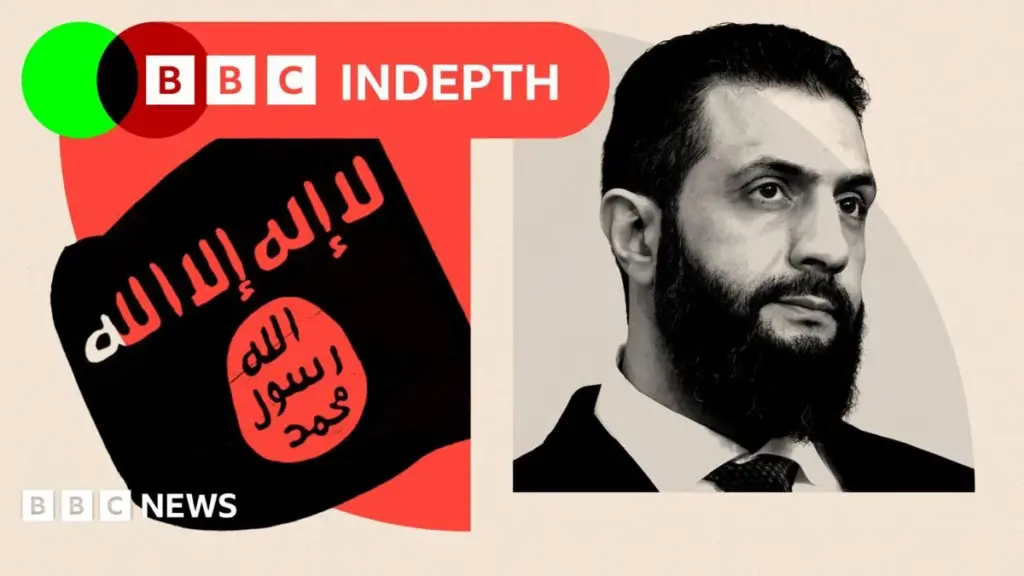
- Jihadist groups like al-Shabab and JNIM are increasingly prioritizing local humanitarian aid and governance over global terror campaigns.
- The rise of Ahmed al-Sharaa in Syria serves as a controversial blueprint for militant leaders seeking international legitimacy through pragmatism.
- A deep ideological schism has emerged between 'pragmatists' who seek state power and 'hardliners' who view such compromises as apostasy.
- The shift in propaganda—away from global slogans toward local nationalist grievances—suggests a long-term strategy of embedding within local populations.
- Các nhóm thánh chiến như al-Shabab và JNIM đang ngày càng ưu tiên viện trợ nhân đạo và quản trị địa phương hơn là các chiến dịch khủng bố toàn cầu.
- Sự trỗi dậy của Ahmed al-Sharaa tại Syria đóng vai trò là một bản thiết kế gây tranh cãi cho các thủ lĩnh quân sự đang tìm kiếm sự chính danh quốc tế thông qua chủ nghĩa thực dụng.
- Một sự rạn nứt tư tưởng sâu sắc đã xuất hiện giữa phe "thực dụng" (những người tìm kiếm quyền lực nhà nước) và phe "cứng rắn" (những người coi sự thỏa hiệp là bội giáo).
- Sự thay đổi trong tuyên truyền—từ các khẩu hiệu toàn cầu sang những bất bình dân tộc tại địa phương—cho thấy một chiến lược dài hạn nhằm cắm rễ sâu vào cộng đồng dân cư.
- Des organisations comme al-Shabab et le JNIM privilégient désormais l'aide humanitaire et l'administration locale au détriment des campagnes terroristes mondiales.
- L'ascension d'Ahmed al-Sharaa en Syrie fait figure de modèle controversé pour les chefs militants en quête de légitimité internationale par le pragmatisme.
- Une fracture idéologique profonde oppose les « pragmatiques », visant le pouvoir étatique, aux « jusqu'au-boutistes » qui considèrent ces compromis comme une apostasie.
- Le virage de la propagande, désormais axée sur les griefs nationalistes plutôt que sur les slogans globaux, témoigne d'une stratégie d'enracinement durable au sein des populations locales.
- Grupos yihadistas como al-Shabab y JNIM priorizan cada vez más la ayuda humanitaria y la gobernanza local sobre las campañas de terror global.
- El ascenso de Ahmed al-Sharaa en Siria sirve como un controvertido modelo para líderes militantes que buscan legitimidad internacional mediante el pragmatismo.
- Ha surgido una profunda escisión ideológica entre los "pragmáticos", que buscan el poder estatal, y los "de línea dura", que ven tales compromisos como apostasía.
- El cambio en la propaganda —alejándose de los eslóganes globales hacia agravios nacionalistas locales— sugiere una estrategia a largo plazo de arraigo en las poblaciones locales.
- 索马里青年党(al-Shabab)和“支持伊斯兰与穆斯林阵线”(JNIM)等组织正日益将本土人道主义援助和治理置于全球恐怖活动之上。
- 叙利亚的艾哈迈德·沙拉(Ahmed al-Sharaa)的崛起,为那些试图通过务实主义寻求国际合法性的武装组织领导人提供了一个备受争议的蓝图。
- 圣战运动内部已出现深刻的意识形态裂痕:一方是寻求国家权力的“务实派”,另一方则是将此类妥协视为叛教的“强硬派”。
- 宣传策略的转变——从全球性口号转向本土民族主义诉求——表明这些组织正采取长期战略,试图深植于当地民众之中。
Twenty-five years after the cataclysmic events of 9/11, the architecture of global jihadism is undergoing a profound, perhaps permanent, structural transformation. Where once the movement was defined by spectacular, transnational violence aimed at the heart of Western hegemony, a new, more insidious iteration is taking root: the jihadist-as-governor. From the arid plains of the Sahel to the war-torn provinces of Somalia, militant organizations are trading the rhetoric of global revolution for the mundane, yet potent, tools of local administration, social welfare, and nationalist populism.
This pivot is not merely a tactical retreat; it is a calculated evolution. By distributing food aid, mediating local disputes, and positioning themselves as defenders against corrupt central regimes, groups like al-Shabab and JNIM are attempting to solve the one problem that has historically plagued jihadist movements: the lack of a sustainable, domestic base. As these groups shed the branding of global terror in favor of localized, pragmatic governance, the international community faces a daunting question: Is this the decline of global jihad, or is it simply a more effective, entrenched form of the same ideology?
The Syrian Blueprint and the Politics of Pragmatism
The most striking manifestation of this shift is the ascent of Ahmed al-Sharaa, the former militant commander once known as Abu Mohammed al-Jolani. His trajectory from a wanted jihadist figurehead to the internationally recognized leader of Syria represents a watershed moment in the history of non-state actors. By systematically distancing himself from the toxic brand of al-Qaeda and the Islamic State, and by engaging in a delicate dance of diplomacy with both regional powers and Western interlocutors, al-Sharaa has provided a roadmap for others to follow.
The spectacle of al-Sharaa at the White House, engaging in diplomatic theater with President Donald Trump, underscores the sheer fluidity of contemporary geopolitics. For the pragmatists within the jihadist sphere, this is the ultimate validation: that survival and power are not found in the martyrdom of global jihad, but in the patient, incremental capture of the state. However, this success has come at a steep price, triggering a vitriolic internal debate that threatens to fracture the movement. Hardliners, who view any compromise with "infidel" powers or the adoption of "man-made" laws as a betrayal of divine mandate, have declared open season on these new, pragmatic regimes, branding them as apostates.
From Global Insurgents to Local Populists
In the Sahel, the group known as JNIM (Jama'at Nusrat al-Islam wal-Muslimin) offers a masterclass in this new, localized approach. By forming alliances with nationalist Tuareg separatists—groups they previously fought—JNIM has effectively rebranded itself as a patriotic force. Their propaganda has undergone a surgical scrub; the familiar, ominous calls for a global caliphate have been replaced by appeals to "sincere patriots" and promises of security, justice, and prosperity for a "new Mali."
This strategy mirrors the Taliban’s long game in Afghanistan, where patience and the exploitation of local grievances eventually yielded total control. By positioning themselves as the only viable alternative to corrupt military juntas and their foreign backers, these groups are effectively weaponizing the failures of the state. They are no longer just fighting the government; they are attempting to replace it. This shift toward "governance-by-militancy" creates a complex challenge for international observers, as these groups increasingly mirror the rhetoric of legitimate political opposition, making it harder for foreign powers to intervene without appearing to be the aggressors against a local population.

The Great Schism: Ideology Versus Utility
The tension between the pragmatic wing and the ideological purists is now the defining fault line of the jihadist movement. The internet has become a battlefield of competing manifestos, where rival clerics and strategists debate the legitimacy of participating in elections or forming ties with secular governments. For the hardliners, the "Syrian model" is a cautionary tale of corruption and moral decay. For the pragmatists, the hardliners are relics of a failed era of maximalist violence that only served to unite the world against them.
This divide is not merely academic; it has real-world consequences for security. As the pragmatists seek to stabilize their territories to avoid external intervention, they may inadvertently create pockets of relative order that are harder to dismantle than the chaotic, terror-focused enclaves of the past. Conversely, the hardliners, feeling marginalized and betrayed, may double down on spectacular, high-profile violence to assert their relevance, leading to a fragmented, unpredictable, and highly volatile landscape of splinter groups and competing factions.
Looking Ahead: The New Security Paradigm
As we look toward the future, the international community must recalibrate its response to this evolving threat. The old playbook—focused on decapitation strikes and global counter-terrorism coalitions—may be ill-equipped to deal with groups that are successfully embedding themselves into the social fabric of the regions they occupy. If these organizations can provide the basic services that states fail to deliver, they will gain a level of legitimacy that no amount of military force can easily erase.
The challenge for global powers is to address the underlying conditions of governance, corruption, and economic despair that allow these groups to thrive. Ignoring the shift toward localism risks ceding entire regions to a new, more durable form of radical rule. Whether this metamorphosis represents the final, gasping breath of global jihad or the birth of a more resilient, localized, and dangerous political force, one thing is certain: the era of the "global caliphate" as a singular, unified threat is over, replaced by a fragmented, localized, and far more complex struggle for the soul of the state.
Hai mươi lăm năm sau những sự kiện chấn động ngày 11/9, cấu trúc của chủ nghĩa thánh chiến toàn cầu đang trải qua một cuộc chuyển đổi sâu sắc, có lẽ là vĩnh viễn. Nơi mà phong trào từng được định nghĩa bằng bạo lực xuyên quốc gia đầy phô trương nhắm vào trái tim của quyền bá chủ phương Tây, thì một hình thái mới, thâm độc hơn đang bén rễ: thánh chiến dưới tư cách nhà quản trị. Từ những vùng bình nguyên khô cằn ở Sahel đến các tỉnh thành bị chiến tranh tàn phá ở Somalia, các tổ chức quân sự đang đánh đổi những lời lẽ về cuộc cách mạng toàn cầu để lấy những công cụ trần tục nhưng đầy quyền năng của quản trị địa phương, phúc lợi xã hội và chủ nghĩa dân túy dân tộc.
Sự xoay trục này không đơn thuần là một cuộc rút lui chiến thuật; đó là một sự tiến hóa có tính toán. Bằng cách phân phát viện trợ lương thực, hòa giải các tranh chấp địa phương và tự định vị mình là những người bảo vệ chống lại các chế độ trung ương tham nhũng, các nhóm như al-Shabab và JNIM đang cố gắng giải quyết vấn đề từng gây nhức nhối cho các phong trào thánh chiến trong lịch sử: sự thiếu hụt một cơ sở nội địa bền vững. Khi các nhóm này rũ bỏ thương hiệu khủng bố toàn cầu để ủng hộ quản trị địa phương thực dụng, cộng đồng quốc tế phải đối mặt với một câu hỏi hóc búa: Đây là sự suy tàn của thánh chiến toàn cầu, hay chỉ đơn giản là một hình thái hiệu quả hơn, thâm căn cố đế hơn của cùng một hệ tư tưởng?
Bản thiết kế Syria và chính trị của chủ nghĩa thực dụng
Biểu hiện rõ nét nhất của sự thay đổi này là sự trỗi dậy của Ahmed al-Sharaa, cựu chỉ huy quân sự từng được biết đến với cái tên Abu Mohammed al-Jolani. Quỹ đạo từ một nhân vật thánh chiến bị truy nã trở thành nhà lãnh đạo được quốc tế công nhận của Syria đại diện cho một thời điểm bước ngoặt trong lịch sử của các chủ thể phi nhà nước. Bằng cách tách biệt một cách có hệ thống khỏi thương hiệu độc hại của al-Qaeda và Nhà nước Hồi giáo (IS), đồng thời tham gia vào một vũ điệu ngoại giao tinh tế với cả các cường quốc khu vực và các bên đối thoại phương Tây, al-Sharaa đã cung cấp một lộ trình cho những người khác noi theo.
Cảnh tượng al-Sharaa tại Nhà Trắng, tham gia vào màn kịch ngoại giao với Tổng thống Donald Trump, nhấn mạnh sự linh hoạt tuyệt đối của địa chính trị đương đại. Đối với những người thực dụng trong giới thánh chiến, đây là sự xác nhận tối thượng: rằng sự sống còn và quyền lực không nằm ở sự tử vì đạo của thánh chiến toàn cầu, mà nằm ở sự chiếm lĩnh nhà nước một cách kiên nhẫn và dần dần. Tuy nhiên, thành công này phải trả giá đắt, châm ngòi cho một cuộc tranh luận nội bộ gay gắt đe dọa làm rạn nứt phong trào. Những người cứng rắn, những kẻ coi bất kỳ sự thỏa hiệp nào với các thế lực "ngoại đạo" hoặc việc áp dụng các luật lệ "do con người tạo ra" là sự phản bội lại mệnh lệnh thần thánh, đã tuyên bố mở chiến dịch chống lại các chế độ thực dụng mới này, gắn mác họ là những kẻ bội giáo.
Từ những kẻ nổi dậy toàn cầu đến những người dân túy địa phương
Tại Sahel, nhóm được gọi là JNIM (Jama'at Nusrat al-Islam wal-Muslimin) cung cấp một bài học mẫu mực về cách tiếp cận địa phương hóa mới này. Bằng cách hình thành liên minh với những người ly khai dân tộc Tuareg—những nhóm mà họ từng chiến đấu trước đây—JNIM đã tái định vị hiệu quả thành một lực lượng yêu nước. Tuyên truyền của họ đã trải qua một cuộc "phẫu thuật" triệt để; những lời kêu gọi đầy đe dọa về một vương quốc Hồi giáo toàn cầu đã được thay thế bằng những lời kêu gọi gửi tới "những người yêu nước chân chính" cùng lời hứa về an ninh, công lý và sự thịnh vượng cho một "Mali mới".
Chiến lược này phản chiếu ván cờ dài của Taliban ở Afghanistan, nơi sự kiên nhẫn và việc khai thác những bất bình tại địa phương cuối cùng đã mang lại quyền kiểm soát hoàn toàn. Bằng cách tự đặt mình vào vị thế là giải pháp thay thế khả thi duy nhất cho các chính quyền quân sự tham nhũng và những người bảo trợ nước ngoài của họ, các nhóm này đang vũ khí hóa hiệu quả những thất bại của nhà nước. Họ không còn chỉ chiến đấu với chính phủ; họ đang cố gắng thay thế nó. Sự chuyển dịch sang "quản trị bằng quân sự" này tạo ra một thách thức phức tạp cho các nhà quan sát quốc tế, khi các nhóm này ngày càng phản chiếu những luận điệu của phe đối lập chính trị hợp pháp, khiến các cường quốc nước ngoài khó can thiệp mà không bị coi là những kẻ xâm lược chống lại người dân địa phương.
Sự ly giáo vĩ đại: Hệ tư tưởng đối đầu với tính hữu dụng
Sự căng thẳng giữa phe thực dụng và những người thuần túy về tư tưởng hiện là đường đứt gãy định hình phong trào thánh chiến. Internet đã trở thành chiến trường của các bản tuyên ngôn cạnh tranh, nơi các giáo sĩ và chiến lược gia đối lập tranh luận về tính chính danh của việc tham gia bầu cử hoặc thiết lập quan hệ với các chính phủ thế tục. Đối với phe cứng rắn, "mô hình Syria" là một câu chuyện cảnh báo về sự tham nhũng và suy đồi đạo đức. Đối với phe thực dụng, phe cứng rắn là những tàn tích của một kỷ nguyên bạo lực tối đa hóa đã thất bại, chỉ phục vụ mục đích đoàn kết thế giới chống lại họ.
Sự chia rẽ này không chỉ mang tính học thuật; nó có những hậu quả thực tế đối với an ninh. Khi phe thực dụng tìm cách ổn định lãnh thổ của họ để tránh sự can thiệp từ bên ngoài, họ có thể vô tình tạo ra những vùng trật tự tương đối khó bị phá bỏ hơn so với các vùng đất hỗn loạn, tập trung vào khủng bố trong quá khứ. Ngược lại, phe cứng rắn, cảm thấy bị gạt ra ngoài lề và bị phản bội, có thể tăng cường bạo lực phô trương, cấp độ cao để khẳng định sự tồn tại của mình, dẫn đến một cục diện phân mảnh, khó đoán và cực kỳ bất ổn với các nhóm nhỏ và các phe phái cạnh tranh.
Hướng tới tương lai: Mô hình an ninh mới
Khi nhìn về tương lai, cộng đồng quốc tế phải hiệu chỉnh lại phản ứng của mình đối với mối đe dọa đang tiến hóa này. Sách lược cũ—tập trung vào các cuộc tấn công tiêu diệt thủ lĩnh và các liên minh chống khủng bố toàn cầu—có thể không đủ khả năng đối phó với các nhóm đang cắm rễ thành công vào cấu trúc xã hội của các khu vực mà họ chiếm đóng. Nếu các tổ chức này có thể cung cấp các dịch vụ cơ bản mà nhà nước không thực hiện được, họ sẽ đạt được mức độ chính danh mà không sức mạnh quân sự nào có thể dễ dàng xóa bỏ.
Thách thức đối với các cường quốc toàn cầu là giải quyết các điều kiện cơ bản về quản trị, tham nhũng và tuyệt vọng kinh tế vốn cho phép các nhóm này phát triển mạnh. Việc phớt lờ sự chuyển dịch sang chủ nghĩa địa phương có nguy cơ nhường toàn bộ các khu vực cho một hình thái cai trị cực đoan mới, bền bỉ hơn. Cho dù sự biến hình này đại diện cho hơi thở cuối cùng của thánh chiến toàn cầu hay là sự ra đời của một lực lượng chính trị kiên cường, địa phương hóa và nguy hiểm hơn, thì có một điều chắc chắn: kỷ nguyên của "vương quốc Hồi giáo toàn cầu" như một mối đe dọa đơn nhất, thống nhất đã kết thúc, thay vào đó là một cuộc đấu tranh phân mảnh, cục bộ và phức tạp hơn nhiều vì linh hồn của quốc gia.
Vingt-cinq ans après le cataclysme du 11 septembre, l'architecture du djihadisme mondial traverse une transformation structurelle profonde, peut-être irréversible. Là où le mouvement se définissait autrefois par une violence spectaculaire et transnationale visant le cœur de l'hégémonie occidentale, une itération nouvelle et plus insidieuse s'installe : le djihadiste-gouverneur. Des plaines arides du Sahel aux provinces somaliennes déchirées par la guerre, les organisations militantes troquent la rhétorique de la révolution mondiale contre les outils, plus banals mais redoutables, de l'administration locale, de la protection sociale et du populisme nationaliste.
Ce pivot n'est pas qu'un simple repli tactique ; c'est une évolution calculée. En distribuant de l'aide alimentaire, en arbitrant les litiges locaux et en se posant en remparts contre des régimes centraux corrompus, des groupes comme al-Shabab et le JNIM tentent de résoudre le problème qui a historiquement miné les mouvements djihadistes : l'absence de base domestique durable. À mesure que ces entités abandonnent l'étiquette du terrorisme global au profit d'une gouvernance pragmatique et ancrée, la communauté internationale fait face à une question vertigineuse : assiste-t-on au déclin du djihad mondial, ou à l'émergence d'une forme plus efficace et mieux enracinée de la même idéologie ?
Le modèle syrien et la politique du pragmatisme
La manifestation la plus frappante de ce basculement est l'ascension d'Ahmed al-Sharaa, l'ancien chef militant connu sous le nom d'Abou Mohammed al-Jolani. Sa trajectoire, passant du statut de figure de proue djihadiste recherchée à celui de dirigeant syrien reconnu internationalement, marque un tournant historique pour les acteurs non étatiques. En se distanciant systématiquement de l'image toxique d'al-Qaïda et de l'État islamique, et en engageant un jeu diplomatique délicat avec les puissances régionales comme avec les interlocuteurs occidentaux, al-Sharaa a tracé une feuille de route que d'autres s'empressent de suivre.
Le spectacle d'al-Sharaa à la Maison Blanche, se prêtant au théâtre diplomatique avec le président Donald Trump, souligne la fluidité extrême de la géopolitique contemporaine. Pour les pragmatiques de la mouvance djihadiste, c'est la validation ultime : la survie et le pouvoir ne résident pas dans le martyre du djihad global, mais dans la conquête patiente et graduelle de l'État. Toutefois, ce succès a un prix élevé, déclenchant un débat interne virulent qui menace de fracturer le mouvement. Les jusqu'au-boutistes, qui voient dans tout compromis avec les puissances « infidèles » ou l'adoption de lois « humaines » une trahison du mandat divin, ont déclaré la guerre ouverte à ces nouveaux régimes pragmatiques, les qualifiant d'apostats.
Des insurgés mondiaux aux populistes locaux
Au Sahel, le groupe connu sous le nom de JNIM (Jama'at Nusrat al-Islam wal-Muslimin) offre une leçon magistrale de cette approche localisée. En nouant des alliances avec les séparatistes touaregs nationalistes — des groupes qu'ils combattaient autrefois —, le JNIM s'est efficacement rebaptisé en force patriotique. Leur propagande a subi un nettoyage chirurgical ; les appels sinistres et familiers au califat mondial ont été remplacés par des discours adressés aux « patriotes sincères », promettant sécurité, justice et prospérité pour un « nouveau Mali ».
Cette stratégie rappelle la patience des talibans en Afghanistan, où l'exploitation des griefs locaux a fini par leur offrir le contrôle total. En se positionnant comme la seule alternative viable aux juntes militaires corrompues et à leurs soutiens étrangers, ces groupes instrumentalisent les échecs de l'État. Ils ne se contentent plus de combattre le gouvernement ; ils tentent de le remplacer. Ce glissement vers une « gouvernance par la militance » pose un défi complexe aux observateurs internationaux, car ces groupes adoptent de plus en plus la rhétorique d'une opposition politique légitime, rendant toute intervention étrangère périlleuse, sous peine de passer pour des agresseurs face à la population locale.
Le grand schisme : idéologie contre utilité
La tension entre l'aile pragmatique et les puristes idéologiques constitue désormais la ligne de fracture majeure du mouvement djihadiste. Internet est devenu le champ de bataille de manifestes concurrents, où théologiens et stratèges débattent de la légitimité de participer à des élections ou de nouer des liens avec des gouvernements laïcs. Pour les jusqu'au-boutistes, le « modèle syrien » est un conte édifiant sur la corruption et la déchéance morale. Pour les pragmatiques, les jusqu'au-boutistes sont les reliques d'une ère révolue de violence maximaliste qui n'a servi qu'à coaliser le monde contre eux.
Ce clivage n'est pas seulement académique ; il a des conséquences concrètes sur la sécurité. Alors que les pragmatiques cherchent à stabiliser leurs territoires pour éviter toute intervention extérieure, ils pourraient créer, par inadvertance, des poches d'ordre relatif plus difficiles à démanteler que les enclaves chaotiques et terroristes du passé. À l'inverse, les jusqu'au-boutistes, se sentant marginalisés et trahis, pourraient redoubler de violence spectaculaire pour affirmer leur pertinence, menant à un paysage fragmenté, imprévisible et hautement volatil, peuplé de factions rivales.
Perspectives : le nouveau paradigme sécuritaire
À l'avenir, la communauté internationale doit recalibrer sa réponse face à cette menace évolutive. Le vieux manuel — axé sur les frappes chirurgicales et les coalitions antiterroristes mondiales — pourrait s'avérer inadapté face à des groupes qui s'insèrent avec succès dans le tissu social des régions qu'ils occupent. Si ces organisations parviennent à fournir les services de base que les États ne délivrent plus, elles acquerront une légitimité qu'aucune force militaire ne pourra facilement effacer.
Le défi pour les puissances mondiales est de s'attaquer aux conditions sous-jacentes de gouvernance, de corruption et de désespoir économique qui permettent à ces groupes de prospérer. Ignorer ce basculement vers le localisme, c'est risquer de céder des régions entières à une forme nouvelle et plus durable de domination radicale. Que cette métamorphose représente le dernier souffle du djihad mondial ou la naissance d'une force politique plus résiliente, localisée et dangereuse, une chose est certaine : l'ère du « califat mondial » en tant que menace unique et unifiée est révolue, remplacée par une lutte fragmentée, locale et bien plus complexe pour l'âme de l'État.
Veinticinco años después de los eventos cataclísmicos del 11-S, la arquitectura del yihadismo global está experimentando una transformación estructural profunda, quizás permanente. Donde antes el movimiento se definía por una violencia transnacional espectacular dirigida al corazón de la hegemonía occidental, está echando raíces una nueva iteración, más insidiosa: el yihadista como gobernante. Desde las áridas llanuras del Sahel hasta las provincias devastadas por la guerra en Somalia, las organizaciones militantes están intercambiando la retórica de la revolución global por las herramientas mundanas, aunque potentes, de la administración local, el bienestar social y el populismo nacionalista.
Este giro no es simplemente una retirada táctica; es una evolución calculada. Al distribuir ayuda alimentaria, mediar en disputas locales y posicionarse como defensores frente a regímenes centrales corruptos, grupos como al-Shabab y JNIM intentan resolver el problema que históricamente ha lastrado a los movimientos yihadistas: la falta de una base doméstica sostenible. A medida que estos grupos abandonan la marca del terror global en favor de una gobernanza pragmática y localizada, la comunidad internacional se enfrenta a una pregunta desalentadora: ¿es este el declive de la yihad global o es simplemente una forma más eficaz y arraigada de la misma ideología?
El modelo sirio y la política del pragmatismo
La manifestación más llamativa de este cambio es el ascenso de Ahmed al-Sharaa, el antiguo comandante militante conocido como Abu Mohammed al-Jolani. Su trayectoria, desde ser una figura yihadista buscada hasta convertirse en el líder reconocido internacionalmente en Siria, representa un momento decisivo en la historia de los actores no estatales. Al distanciarse sistemáticamente de la marca tóxica de al-Qaeda y el Estado Islámico, y al participar en un delicado baile diplomático tanto con potencias regionales como con interlocutores occidentales, al-Sharaa ha proporcionado una hoja de ruta para que otros la sigan.
El espectáculo de al-Sharaa en la Casa Blanca, participando en un teatro diplomático con el presidente Donald Trump, subraya la fluidez absoluta de la geopolítica contemporánea. Para los pragmáticos dentro de la esfera yihadista, esta es la validación definitiva: que la supervivencia y el poder no se encuentran en el martirio de la yihad global, sino en la captura paciente e incremental del Estado. Sin embargo, este éxito ha tenido un precio elevado, desencadenando un debate interno vitriólico que amenaza con fracturar el movimiento. Los partidarios de la línea dura, que ven cualquier compromiso con potencias "infieles" o la adopción de leyes "hechas por el hombre" como una traición al mandato divino, han declarado la guerra abierta a estos nuevos regímenes pragmáticos, calificándolos de apóstatas.
De insurgentes globales a populistas locales
En el Sahel, el grupo conocido como JNIM (Jama'at Nusrat al-Islam wal-Muslimin) ofrece una clase magistral sobre este nuevo enfoque localizado. Al formar alianzas con separatistas nacionalistas tuareg —grupos contra los que lucharon anteriormente—, el JNIM se ha rebautizado eficazmente como una fuerza patriótica. Su propaganda ha sido sometida a una limpieza quirúrgica; los familiares y ominosos llamamientos a un califato global han sido reemplazados por apelaciones a "patriotas sinceros" y promesas de seguridad, justicia y prosperidad para un "nuevo Malí".
Esta estrategia refleja el juego a largo plazo de los talibanes en Afganistán, donde la paciencia y la explotación de los agravios locales terminaron por rendir un control total. Al posicionarse como la única alternativa viable frente a juntas militares corruptas y sus patrocinadores extranjeros, estos grupos están convirtiendo en armas los fracasos del Estado. Ya no solo luchan contra el gobierno; intentan reemplazarlo. Este giro hacia la "gobernanza mediante la militancia" crea un desafío complejo para los observadores internacionales, ya que estos grupos reflejan cada vez más la retórica de una oposición política legítima, lo que dificulta que las potencias extranjeras intervengan sin parecer agresores contra una población local.
El gran cisma: ideología frente a utilidad
La tensión entre el ala pragmática y los puristas ideológicos es ahora la línea divisoria que define al movimiento yihadista. Internet se ha convertido en un campo de batalla de manifiestos contrapuestos, donde clérigos y estrategas rivales debaten la legitimidad de participar en elecciones o establecer vínculos con gobiernos seculares. Para los de línea dura, el "modelo sirio" es una advertencia sobre la corrupción y la decadencia moral. Para los pragmáticos, los radicales son reliquias de una era fallida de violencia maximalista que solo sirvió para unir al mundo en su contra.
Esta división no es meramente académica; tiene consecuencias reales para la seguridad. A medida que los pragmáticos buscan estabilizar sus territorios para evitar la intervención externa, pueden crear inadvertidamente focos de orden relativo que son más difíciles de desmantelar que los enclaves caóticos y centrados en el terror del pasado. Por el contrario, los de línea dura, al sentirse marginados y traicionados, pueden redoblar su apuesta por la violencia espectacular y de alto perfil para afirmar su relevancia, lo que conduce a un panorama fragmentado, impredecible y altamente volátil de grupos escindidos y facciones en competencia.
Mirando al futuro: el nuevo paradigma de seguridad
De cara al futuro, la comunidad internacional debe recalibrar su respuesta ante esta amenaza en evolución. El viejo manual —centrado en ataques de decapitación y coaliciones globales antiterroristas— puede estar mal equipado para lidiar con grupos que se están integrando con éxito en el tejido social de las regiones que ocupan. Si estas organizaciones pueden proporcionar los servicios básicos que los Estados no logran ofrecer, obtendrán un nivel de legitimidad que ninguna fuerza militar podrá borrar fácilmente.
El desafío para las potencias globales es abordar las condiciones subyacentes de gobernanza, corrupción y desesperación económica que permiten que estos grupos prosperen. Ignorar el giro hacia el localismo conlleva el riesgo de ceder regiones enteras a una forma nueva y más duradera de gobierno radical. Tanto si esta metamorfosis representa el último aliento de la yihad global como si es el nacimiento de una fuerza política más resistente, localizada y peligrosa, una cosa es segura: la era del "califato global" como una amenaza singular y unificada ha terminado, reemplazada por una lucha fragmentada, local y mucho más compleja por el alma del Estado.
在“9·11”事件发生二十五年后,全球圣战主义的架构正在经历一场深刻且或许是永久性的结构性变革。曾经,该运动以针对西方霸权核心的、具有轰动效应的跨国暴力为特征;而如今,一种更隐蔽的迭代正在扎根:即“圣战者作为治理者”。从萨赫勒地区的干旱平原到索马里饱受战争蹂躏的省份,武装组织正在用世俗却有效的本土行政、社会福利和民族主义民粹主义工具,取代全球革命的宏大叙事。
这种转向并非单纯的战术撤退,而是一场经过深思熟虑的演变。通过分发粮食援助、调解地方纠纷,并将自己定位为抵御腐败中央政权的捍卫者,像索马里青年党和JNIM这样的组织正试图解决长期困扰圣战运动的难题:缺乏可持续的本土根基。随着这些组织剥离全球恐怖主义的标签,转而追求本土化的务实治理,国际社会面临着一个令人望而生畏的问题:这究竟是全球圣战的衰落,还是同一种意识形态以更有效、更根深蒂固的形式在延续?
叙利亚蓝图与务实主义政治
这种转变最显著的体现是艾哈迈德·沙拉(Ahmed al-Sharaa)的崛起,他曾是被称为“阿布·穆罕默德·约拉尼”(Abu Mohammed al-Jolani)的武装指挥官。他从一名被通缉的圣战头目转变为叙利亚国际公认的领导人,代表了非国家行为体历史上的一个分水岭。通过系统性地与“基地”组织和“伊斯兰国”等有毒品牌保持距离,并与地区大国及西方对话者进行微妙的外交博弈,沙拉为他人提供了一份可效仿的路线图。
沙拉在白宫与唐纳德·特朗普总统进行外交表演的场景,凸显了当代地缘政治的极度流动性。对于圣战领域内的务实派而言,这是终极的验证:生存与权力不在于全球圣战的殉道,而在于对国家权力的耐心、渐进式攫取。然而,这种成功付出了高昂的代价,引发了一场激烈的内部辩论,威胁着运动的分裂。强硬派认为,任何与“异教徒”大国的妥协或采纳“人为”法律的行为都是对神圣使命的背叛,他们已公开向这些新的务实政权宣战,并将其斥为叛教者。
从全球叛乱者到本土民粹主义者
在萨赫勒地区,被称为JNIM(支持伊斯兰与穆斯林阵线)的组织为这种新的本土化路径提供了教科书式的案例。通过与曾经的对手——民族主义图阿雷格分离主义者结盟,JNIM有效地将自己重塑为一支爱国力量。他们的宣传经过了外科手术式的清洗;那些熟悉的、不祥的全球哈里发呼吁,已被对“真诚爱国者”的诉求以及为“新马里”提供安全、正义与繁荣的承诺所取代。
这一战略反映了塔利班在阿富汗的长期博弈,即通过耐心和利用当地不满情绪最终获得全面控制。通过将自己定位为腐败军政府及其外国支持者之外唯一可行的替代方案,这些组织正在有效地将国家失败“武器化”。他们不再仅仅是与政府作战,而是在试图取代政府。这种向“武装治理”的转变给国际观察家带来了复杂的挑战,因为这些组织日益模仿合法政治反对派的言论,使得外国势力在不被视为侵略当地民众的情况下进行干预变得更加困难。
大分裂:意识形态与功利主义
务实派与意识形态纯粹主义者之间的紧张关系,现在已成为圣战运动的分界线。互联网已成为相互竞争的宣言战场,敌对的教士和战略家们在此争论参与选举或与世俗政府建立联系的合法性。对于强硬派来说,“叙利亚模式”是一个关于腐败和道德沦丧的警示故事。而对于务实派来说,强硬派只是一个失败的、最大化暴力时代的遗物,这种暴力只会让全世界团结起来反对他们。
这种分歧不仅仅是学术性的,它对安全有着现实的影响。当务实派试图稳定其领土以避免外部干预时,他们可能会无意中创造出相对有序的区域,这些区域比过去混乱的、以恐怖为中心的飞地更难拆除。相反,感到被边缘化和背叛的强硬派可能会加倍进行引人注目的高调暴力活动以宣示其存在感,从而导致一个由分裂组织和相互竞争的派系组成的、支离破碎且高度不稳定的局面。
展望未来:新的安全范式
展望未来,国际社会必须重新校准其对这一演变中威胁的应对方式。旧的剧本——侧重于斩首行动和全球反恐联盟——可能已无法应对那些成功将自己嵌入所占领地区社会结构的组织。如果这些组织能够提供国家无法提供的基本服务,他们将获得任何军事力量都难以轻易抹去的合法性。
全球大国面临的挑战是解决导致这些组织得以滋生的治理、腐败和经济绝望等根本性条件。忽视向本土主义的转变,可能会导致整个地区被一种新的、更持久的激进统治所占据。无论这种蜕变代表了全球圣战的最后喘息,还是一个更具韧性、更本土化且更危险的政治力量的诞生,有一点是肯定的:作为单一、统一威胁的“全球哈里发”时代已经结束,取而代之的是一场支离破碎、本土化且更为复杂的国家灵魂争夺战。
Cultural Icons Featured in This Dispatch

Editorial Standards & Multi-Language Synthesis: This dispatch was synthesized and fact-checked by the ParisDaily Editorial Desk across 5 global editions (EN, FR, VI, ES, ZH), cross-referencing primary international wire reports and real-time search intelligence.