
The Art of Dry Brushing: Inside the Ancient Wellness Ritual Conquering Modern Morning Routines
Nghệ thuật chải khô cơ thể: Khám phá nghi thức chăm sóc sức khỏe cổ xưa đang chinh phục nhịp sống buổi sáng hiện đại
L'art du brossage à sec : plongée au cœur de ce rituel bien-être ancestral qui conquête nos matins
El arte del cepillado en seco: así es el milenario ritual de bienestar que conquista las rutinas matutinas
The Art of Dry Brushing: Inside the Ancient Wellness Ritual Conquering Modern Morning Routines
From Ayurvedic roots to Gwyneth Paltrow's daily routine, dry body brushing has established itself as the pre-shower ritual of choice for modern wellness enthusiasts seeking a sensory and circulatory reset.
Bắt nguồn từ truyền thống Ayurveda và trở thành một phần trong thói quen hằng ngày của các nhân vật nổi tiếng như Gwyneth Paltrow, liệu pháp chải khô cơ thể đang khẳng định vị thế là nghi thức chuẩn bị trước khi tắm được giới mộ điệu sức khỏe hiện đại ưa chuộng để tái thiết lập các giác quan và hệ tuần hoàn.
De ses racines ayurvédiques au rituel matinal de Gwyneth Paltrow, le brossage corporel à sec s'impose comme le geste incontournable d'avant-douche pour les adeptes du bien-être en quête d'un réveil sensoriel et circulatoire. Entre tradition millénaire et science dermatologique, décryptage d'une tendance incontournable.
Desde sus raíces en la medicina ayurvédica hasta la rutina diaria de Gwyneth Paltrow, el cepillado corporal en seco se ha consolidado como el ritual previo a la ducha preferido por los entusiastas del bienestar contemporáneo que buscan un reseteo sensorial y circulatorio.
From Ayurvedic roots to Gwyneth Paltrow's daily routine, dry body brushing has established itself as the pre-shower ritual of choice for modern wellness enthusiasts seeking a sensory and circulatory reset.
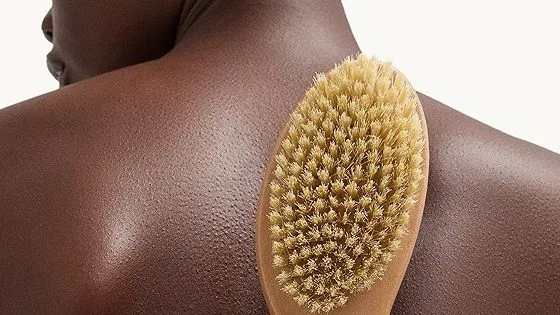
- Dry brushing involves running a natural-bristled brush over dry skin toward the torso to stimulate the lymphatic system and remove dead skin cells.
- Experts emphasize that lymphatic vessels lack a natural pump, meaning manual stimulation through brushing or light massage is essential for flow.
- Dermatologists warn against over-application, advising those with eczema, psoriasis, or sensitive skin to limit the practice to avoid micro-tears.
- Tool selection ranges from traditional boar-hair bristles for daily exfoliation to ionic-copper brushes designed to deliver negative ions.
- Chải khô cơ thể liên quan đến việc dùng bàn chải lông tự nhiên lướt nhẹ trên làn da khô hướng về phía thân người nhằm kích thích hệ thống bạch huyết và loại bỏ các tế bào da chết.
- Các chuyên gia nhấn mạnh rằng các mạch bạch huyết không có cơ chế bơm tự nhiên, đồng nghĩa với việc kích thích thủ công thông qua chải hoặc mát-xa nhẹ là yếu tố cốt lõi để duy trì lưu lượng tuần hoàn.
- Các bác sĩ da liễu cảnh báo không nên lạm dụng phương pháp này, đồng thời khuyến cáo những người mắc bệnh chàm (eczema), vẩy nến hoặc có làn da nhạy cảm nên hạn chế thực hiện để tránh gây ra các tổn thương vi mô.
- Các dụng cụ chải da rất đa dạng, từ loại lông bờm ngựa truyền thống dùng để tẩy tế bào chết hằng ngày cho đến bàn chải đồng ion hóa được thiết kế để giải phóng các ion âm.
- Le brossage à sec consiste à faire glisser une brosse à poils naturels sur la peau sèche en direction du torse pour stimuler le système lymphatique et éliminer les cellules mortes.
- Les experts soulignent que les vaisseaux lymphatiques ne disposent pas de pompe naturelle : la stimulation manuelle par le brossage ou un massage léger est donc essentielle pour relancer le flux.
- Les dermatologues mettent en garde contre une application excessive et conseillent aux personnes souffrant d'eczéma, de psoriasis ou de peau sensible de limiter la pratique afin d'éviter les micro-lésions.
- Le choix des outils varie, allant des brosses traditionnelles en poils de sanglier pour une exfoliation quotidienne aux brosses en cuivre ionique conçues pour libérer des ions négatifs.
- El cepillado en seco consiste en deslizar un cepillo de cerdas naturales sobre la piel seca en dirección al torso para estimular el sistema linfático y eliminar las células muertas.
- Los expertos señalan que los vasos linfáticos carecen de una bomba natural, por lo que la estimulación manual mediante cepillado o masajes suaves es esencial para favorecer el flujo.
- Los dermatólogos advierten sobre una aplicación excesiva y aconsejan a quienes padecen eccemas, psoriasis o piel sensible limitar la práctica para evitar microlesiones.
- La selección de herramientas abarca desde los tradicionales cepillos de pelo de jabalí para una exfoliación diaria hasta los cepillos de cobre iónico diseñados para aportar iones negativos.
- Dry brushing involves running a natural-bristled brush over dry skin toward the torso to stimulate the lymphatic system and remove dead skin cells.
- Experts emphasize that lymphatic vessels lack a natural pump, meaning manual stimulation through brushing or light massage is essential for flow.
- Dermatologists warn against over-application, advising those with eczema, psoriasis, or sensitive skin to limit the practice to avoid micro-tears.
- Tool selection ranges from traditional boar-hair bristles for daily exfoliation to ionic-copper brushes designed to deliver negative ions.
In the meticulously curated digital ecosystems of modern wellness culture, few pre-shower rituals have achieved the quiet ubiquity of dry body brushing. Once relegated to the margins of holistic health shops and traditional apothecary shelves, the practice of running a stiff-bristled brush across unmoisturized skin has surged back into the global consciousness. Favored by wellness pioneers like Gwyneth Paltrow and Tracee Ellis Ross, and frequently spotlighted in morning routine broadcasts across social media platforms, dry brushing presents a compelling paradox: it is an ancient, low-tech intervention thriving within a hyper-modernized self-care economy. Yet beyond the aesthetic appeal of an Instagram-ready wooden tool resting on a marble vanity lies a deeply layered practice drawing from centuries of traditional medicine and contemporary dermatological science.
At its core, dry brushing is remarkably straightforward. Practitioners sweep a bristled brush across the skin using firm, rhythmic strokes directed deliberately toward the torso—always working upward against gravity on the limbs to align with the body's natural anatomical architecture. This mechanical action serves a dual purpose: it acts as a powerful physical exfoliant, instantly sloughing away the dull layer of dead skin cells that accumulates during seasonal transitions, while simultaneously engaging the body's intricate lymphatic network. Unlike the cardiovascular system, which relies on the tireless pumping action of the heart to circulate blood, the lymphatic system possesses no central pump of its own. It depends entirely on physical movement, muscle contraction, or manual external stimulation to clear cellular waste and support immune function.
The roots of this tactile ritual stretch deep into historical traditions that long predated contemporary wellness trends. In both Ayurvedic healing from the Indian subcontinent and traditional Chinese medicine (TCM), stimulating the skin has long been viewed as a vital mechanism for opening detox pathways, boosting vitality, and invigorating both mind and body. Lauren Berlingeri, co-founder of HigherDose, notes that the practice acts as a powerful bridge between ancient preventative care and modern somatic awareness. When executed correctly before a morning shower, the brisk friction creates an immediate sensory reset, waking up nerve endings, increasing peripheral blood flow, and leaving the skin visibly polished and flushed with renewed vitality.
1. Breaking Context & Core Developments
The contemporary resurgence of dry brushing is fueled not merely by celebrity endorsement, but by a broader cultural shift toward tactile, screen-free wellness interventions that promise immediate sensory feedback. Across global metropolitan markets, consumers are increasingly seeking out low-cost, high-efficacy rituals that can be seamlessly integrated into restricted morning timelines. A standard dry brushing session requires as little as three minutes, making it an accessible entry point for individuals overwhelmed by multi-step chemical skincare regimens. Furthermore, the market for the tools themselves has evolved dramatically, moving away from generic wooden brushes toward specialized implements crafted from boar hair, sustainable plant fibers, and ionic-copper threads.
The technical execution of the ritual requires precision to yield optimal results. Practitioners typically begin at the soles of the feet, sweeping upward along the legs, moving across the abdomen in clockwise circles, and finishing with the arms stroked toward the heart. This targeted pathway directly mirrors the physiological drainage routes of major lymph nodes located in the groin, armpits, and neck. When paired with a contrast shower—alternating between warm and cold water—the physiological impact is magnified, triggering vasoconstriction and vasodilation that leaves the body feeling intensely invigorated and mentally alert.
However, industry experts caution that the practice is not a universal cure-all. While popular culture frequently attributes miraculous cellulite-reduction and hangover-curing properties to the ritual, medical professionals emphasize that its primary benefits remain mechanical and circulatory. Sophie Bolvary, a licensed massage therapist at Sanara, points out that the rhythmic motion functions primarily as a grounding exercise that sharpens mental clarity. “The brisk rhythmic motion creates a sensory reset that I find both grounding and energizing,” Bolvary explains, highlighting how the psychological benefits often rival the physical transformations.
2. Historical Background & Industry Context
The historical lineage of skin-brushing spans disparate civilizations that intuitively recognized the skin as an active excretory and sensory organ. In ancient Ayurvedic texts, dry friction massage—known as *Garshana*—was traditionally performed using raw silk gloves or natural brushes to stimulate *Agni* (digestive fire) and encourage the elimination of *ama* (toxins) trapped beneath the dermal layers. Similarly, various European hydrotherapy traditions developed during the 19th century incorporated skin friction as a cornerstone of vitalist health philosophies, asserting that invigorating the skin promoted systemic vigor and resilience against seasonal illness.
In the modern commercial landscape, dry brushing has transitioned from a niche naturopathic recommendation into a thriving sector of the luxury beauty and wellness economy. High-end brands have elevated the humble body brush into an artisanal object d'art. Companies such as HigherDose, Goop, and Joanna Czech have introduced specialized iterations featuring ergonomic handles, detachable heads, and advanced material science—such as ionic-copper bristles designed to release negative ions, which possess traditional antibacterial and antiviral properties.
This commercial expansion reflects a broader maturation within the global wellness industry, which increasingly values sustainable, non-invasive tools over synthetic chemical solutions. Consumers are voting with their wallets for durable, natural materials like beechwood, sisal, and copper, aligning their personal care routines with ecological consciousness. The shift underscores a growing sophistication among buyers who demand transparency regarding material sourcing and manufacturing provenance in their daily wellness accessories.
3. Strategic, Economic, or Cultural Impact
The widespread adoption of dry brushing has generated notable ripple effects across the beauty and lifestyle sectors, influencing product development, retail merchandising, and digital content creation. Beauty retailers now frequently merchandise dry brushes alongside premium body oils, organic scrubs, and exfoliating mitts, creating cohesive "body care as skincare" merchandising displays that mirror the complexity of facial skincare routines. This strategic shift has unlocked significant new revenue streams for independent wellness brands and legacy cosmetics houses alike, as consumers expand their beauty budgets downward past the jawline.
Culturally, the practice mirrors our contemporary obsession with somatic health and nervous system regulation. In an era dominated by sedentary desk jobs and digital fatigue, tactile rituals that reconnect individuals to their physical bodies have assumed profound psychological value. The sensation of bristles moving across the epidermis forces a momentary suspension of cognitive distraction, anchoring the practitioner firmly in the present moment. This intersection of physical grooming and mindfulness has turned the pre-shower routine into a sacred micro-ritual of self-preservation.
Economically, the barrier to entry remains remarkably democratized, allowing independent artisans and direct-to-consumer startups to compete effectively against multinational conglomerates. A well-crafted natural bristle brush represents an affordable, long-term investment compared to recurring purchases of consumable skincare liquids. Yet, this durability necessitates careful consumer education regarding maintenance; brushes require regular cleansing with natural antimicrobials like tea tree oil and proper air-drying to prevent bacterial accumulation—a secondary maintenance economy that has spurred the sale of specialized brush cleaners and care kits.
4. Global Reaction & Expert Perspectives
While enthusiastic consumers and wellness influencers celebrate dry brushing as an indispensable daily tonic, medical professionals offer a more nuanced, scientifically grounded perspective. Dermatologists generally praise the practice for its mechanical exfoliating efficacy, noting that it provides a superior, non-abrasive alternative to harsh synthetic microbeads and chemical scrubs that burden wastewater ecosystems. However, institutional medical consensus urges caution regarding application technique and frequency.
Dr. Marisa Garshick, a board-certified dermatologist at MDCS Dermatology, emphasizes that excessive pressure or overly aggressive bristles can easily result in micro-tears across the epidermal barrier. Furthermore, Dr. Garshick explicitly warns against dry brushing for individuals managing sensitive, compromised, or inflammatory skin conditions such as eczema, psoriasis, or active dermatitis. For these populations, the friction can exacerbate irritation and trigger inflammatory flare-ups. Dermatological guidelines suggest scaling back the practice to once or twice a week for sensitive skin types, or consulting a professional esthetician to learn proper pressure calibration.
Estheticians also stress the importance of hygiene. Because brushes collect significant quantities of shed skin debris during each session, improper cleaning can transform the tool from a cleansing instrument into a bacterial vector. Experts recommend a bi-weekly soak in warm water infused with tea tree oil, followed by thorough air-drying in a well-ventilated space rather than a humid shower enclosure. These professional safeguards help ensure that the pursuit of radiant skin does not inadvertently compromise the skin barrier's integrity.
5. Forward Outlook: What to Watch Next
As the wellness landscape continues to evolve, the future of dry brushing will likely be shaped by advancements in sustainable material science and personalized dermatology. Industry analysts anticipate an increased focus on zero-waste manufacturing, with brands exploring biodegradable binding agents, ethically harvested plant fibers, and antimicrobial metals that extend the lifespan of the tool while minimizing environmental impact. Additionally, as consumers become more educated on skin barrier health, the market is expected to pivot toward customizable brush heads with interchangeable bristle textures, allowing users to tailor their exfoliation intensity to seasonal skin fluctuations.
Long-term, dry brushing is poised to cement its place as a permanent fixture in the modern holistic health canon rather than fading away as a fleeting social media fad. Its enduring appeal lies in its fundamental simplicity: it requires no electricity, no digital interface, and no recurring chemical purchases. As modern life grows increasingly automated and virtual, the demand for tactile, grounding rituals that honor the body's physiological architecture will only intensify. For those willing to invest three mindful minutes before the morning shower, dry brushing offers a timeless reminder that the most profound wellness transformations are often rooted in the simplest human touch.
Trong các hệ sinh thái kỹ thuật số được tuyển chọn tỉ mỉ của văn hóa chăm sóc sức khỏe hiện đại, ít có nghi thức trước khi tắm nào đạt được độ phổ biến thầm lặng như chải khô cơ thể. Từng bị đẩy lùi về ranh giới của các cửa hàng sức khỏe toàn diện và các hiệu thuốc cổ truyền, thực hành dùng bàn chải có lông cứng lướt qua làn da chưa thoa kem dưỡng ẩm đang trỗi dậy mạnh mẽ trong ý thức toàn cầu. Được ưa chuộng bởi những người tiên phong trong lĩnh vực chăm sóc sức khỏe như Gwyneth Paltrow và Tracee Ellis Ross, đồng thời thường xuyên xuất hiện trong các chương trình phát sóng về thói quen buổi sáng trên các nền tảng mạng xã hội, phương pháp chải khô mang đến một nghịch lý hấp dẫn: đây là một liệu pháp cổ xưa, công nghệ thấp đang phát triển mạnh mẽ trong một nền kinh tế tự chăm sóc siêu hiện đại. Thế nhưng, đợt sóng hấp dẫn mang tính thẩm mỹ của một dụng cụ bằng gỗ sẵn sàng lên hình Instagram đặt trên chiếc bàn trang điểm bằng đá cẩm thạch ẩn giấu bên dưới là một thực hành có chiều sâu, đúc kết từ nhiều thế kỷ y học cổ truyền và khoa học da liễu đương đại.
Về cốt lõi, chải khô cơ thể cực kỳ đơn giản. Các học viên lướt bàn chải có lông qua da bằng các chuyển động dứt khoát, nhịp nhàng được định hướng một cách có chủ đích về phía thân người — luôn di chuyển hướng lên trên chống lại trọng lực trên các chi để phù hợp với kiến trúc giải phẫu tự nhiên của cơ thể. Hành động cơ học này phục vụ một mục đích kép: nó đóng vai trò là chất tẩy tế bào chết vật lý mạnh mẽ, ngay lập tức loại bỏ lớp tế bào da chết xỉn màu tích tụ trong các chuyển đổi theo mùa, đồng thời tương tác sâu sắc với mạng lưới bạch huyết phức tạp của cơ thể. Không giống như hệ thống tim mạch, vốn phụ thuộc vào hoạt động bơm không mệt mỏi của trái tim để lưu thông máu, hệ thống bạch huyết hoàn toàn không có máy bơm trung tâm riêng. Nó phụ thuộc hoàn toàn vào chuyển động thể chất, sự co cơ hoặc kích thích thủ công bên ngoài để đào thải chất thải tế bào và hỗ trợ chức năng miễn dịch.
Gốc rễ của nghi thức xúc giác này kéo dài sâu vào các truyền thống lịch sử có từ lâu đời trước các xu hướng chăm sóc sức khỏe đương đại. Cả trong phương pháp chữa bệnh Ayurveda từ tiểu lục địa Ấn Độ và y học cổ truyền Trung TQ (TCM), kích thích da từ lâu đã được coi là cơ chế quan trọng để mở ra các con đường giải độc, thúc đẩy sức sống và làm sảng khoái cả tinh thần lẫn thể xác. Lauren Berlingeri, đồng sáng lập của HigherDose, lưu ý rằng thực hành này đóng vai trò là cầu nối mạnh mẽ giữa chăm sóc phòng ngừa cổ xưa và nhận thức soma hiện đại. Khi được thực hiện đúng cách trước khi tắm buổi sáng, ma sát nhanh tạo ra sự tái thiết lập cảm giác ngay lập tức, đánh thức các đầu dây thần kinh, làm tăng lưu lượng máu ngoại vi và mang lại làn da bóng bẩy rõ rệt, ửng hồng với sức sống mới.
1. Phá vỡ bối cảnh & Những phát triển cốt lõi
Sự trỗi dậy đương đại của phương pháp chải khô không chỉ được thúc đẩy bởi sự chứng thực của người nổi tiếng, mà còn bởi sự chuyển dịch văn hóa rộng lớn hơn hướng tới các can thiệp chăm sóc sức khỏe mang tính xúc giác, không có màn hình, mang lại phản hồi cảm giác tức thì. Trên khắp các thị trường đô thị toàn cầu, người tiêu dùng ngày càng tìm kiếm các nghi thức chi phí thấp, hiệu quả cao có thể được tích hợp liền mạch vào thời gian biểu buổi sáng hạn chế. Một buổi chải khô tiêu chuẩn chỉ mất từ ba phút, biến nó thành một điểm khởi đầu dễ tiếp cận cho những cá nhân cảm thấy quá tải bởi các chế độ chăm sóc da bằng hóa chất nhiều bước. Hơn nữa, thị trường cho chính các dụng cụ này đã tiến hóa đáng kể, dịch chuyển khỏi các loại bàn chải gỗ thông thường sang các dụng cụ chuyên dụng được chế tác từ lông bờm ngựa, sợi thực vật bền vững và các sợi đồng ion hóa.
Việc thực hiện kỹ thuật của nghi thức đòi hỏi sự chính xác để mang lại kết quả tối ưu. Các học viên thường bắt đầu từ lòng bàn chân, quét ngược lên dọc theo chân, di chuyển khắp vùng bụng theo vòng tròn chiều kim đồng hồ và kết thúc bằng các cánh tay được vuốt về phía trái tim. Con đường nhắm mục tiêu này phản ánh trực tiếp các tuyến dẫn lưu sinh lý của các hạch bạch huyết chính nằm ở bẹn, nách và cổ. Khi kết hợp với một vòi sen đối lưu — luân phiên giữa nước ấm và nước lạnh — tác động sinh lý được phóng đại, kích hoạt hiện tượng co mạch và giãn mạch khiến cơ thể cảm thấy vô cùng sảng khoái và tỉnh táo về mặt tinh thần.
Tuy nhiên, các chuyên gia trong ngành cảnh báo rằng phương pháp này không phải là liều thuốc chữa bách bệnh phổ quát. Trong khi văn hóa đại chúng thường gán cho nghi thức này các đặc tính giảm mỡ thừa và chữa nôn nao kỳ diệu, các chuyên gia y tế nhấn mạnh rằng lợi ích chính của nó vẫn mang tính cơ học và tuần hoàn. Sophie Bolvary, một nhà trị liệu mát-xa được cấp phép tại Sanara, chỉ ra rằng chuyển động nhịp nhàng hoạt động chủ yếu như một bài tập giữ cân bằng giúp rèn giũa sự minh mẫn của tâm trí. “Chuyển động nhịp nhàng nhanh chóng tạo ra một sự tái thiết lập cảm giác mà tôi thấy vừa mang tính nền tảng vừa tràn đầy năng lượng,” Bolvary giải thích, nhấn mạnh cách mà các lợi ích tâm lý thường cạnh tranh với những biến đổi về thể chát.
2. Bối cảnh lịch sử & Bối cảnh ngành
Dòng lịch sử của việc chải da bao trùm các nền văn minh khác nhau, những nơi trực giác nhận ra da là một cơ quan bài tiết và cảm giác hoạt động. Trong các văn bản Ayurveda cổ xưa, mát-xa ma sát khô — được gọi là *Garshana* — truyền thống được thực hiện bằng găng tay lụa thô hoặc bàn chải tự nhiên để kích thích *Agni* (lửa tiêu hóa) và khuyến khích loại bỏ *ama* (độc tố) bị mắc kẹt bên dưới các lớp da. Tương tự, các truyền thống thủy trị liệu khác nhau của châu Âu phát triển trong thế kỷ 19 đã kết hợp ma sát da như một nền tảng của triết lý sức khỏe sinh lực, khẳng định rằng việc kích thích da thúc đẩy sinh lực toàn thân và khả năng phục hồi chống lại bệnh tật theo mùa.
Trong bối cảnh thương mại hiện đại, chải khô đã chuyển từ một khuyến nghị naturopathic chuyên biệt thành một lĩnh vực thịnh hành của ngành kinh tế làm đẹp và chăm sóc sức khỏe cao cấp. Các thương hiệu cao cấp đã nâng tầm chiếc bàn chải cơ thể khiêm tốn thành một tác phẩm nghệ thuật thủ công. Các công ty như HigherDose, Goop và Joanna Czech đã giới thiệu các phiên bản chuyên biệt có tay cầm công thái học, đầu có thể tháo rời và khoa học vật liệu tiên tiến — chẳng hạn như lông bàn chải bằng đồng ion hóa được thiết kế để giải phóng các ion âm, vốn có các đặc tính kháng khuẩn và kháng vi-rút truyền thống.
Sự mở rộng thương mại này phản ánh một sự trưởng thành rộng lớn hơn trong ngành công nghiệp chăm sóc sức khỏe toàn cầu, nơi ngày càng coi trọng các công cụ bền vững, không xâm lấn hơn các giải pháp hóa chất tổng hợp. Người tiêu dùng đang bỏ phiếu bằng ví tiền của mình cho các vật liệu bền, tự nhiên như gỗ sồi, sợi cây thùa và đồng, đồng bộ hóa thói quen chăm sóc cá nhân của họ với ý thức sinh thái. Sự chuyển dịch này nhấn mạnh sự tinh tế ngày càng tăng của những người mua đòi hỏi tính minh bạch liên quan đến nguồn gốc vật liệu và xuất xứ sản xuất trong các phụ kiện chăm sóc sức khỏe hằng ngày của họ.
3. Tác động chiến lược, kinh tế hoặc văn hóa
Việc áp dụng rộng rãi phương pháp chải khô đã tạo ra những tác động lan tỏa đáng chú ý trên các lĩnh vực làm đẹp và phong cách sống, ảnh hưởng đến việc phát triển sản phẩm, kinh doanh bán lẻ và sáng tạo nội dung kỹ thuật số. Các nhà bán lẻ làm đẹp hiện nay thường xuyên trưng bày bàn chải khô bên cạnh các loại dầu dưỡng thể cao cấp, tẩy tế bào chết hữu cơ và găng tay tẩy tế bào chết, tạo ra các khu vực trưng bày “chăm sóc cơ thể như chăm sóc da” gắn kết, phản ánh sự phức tạp của các thói quen chăm sóc da mặt. Sự chuyển dịch chiến lược này đã mở ra các nguồn doanh thu mới đáng kể cho cả các thương hiệu chăm sóc sức khỏe độc lập lẫn các nhà mốt mỹ phẩm lâu đời, khi người tiêu dùng mở rộng ngân sách làm đẹp của họ xuống phía dưới đường viền hàm.
Về mặt văn hóa, thực hành này phản ánh nỗi ám ảnh đương đại của chúng ta đối với sức khỏe soma và sự điều hòa hệ thần kinh. Trong kỷ nguyên bị thống trị bởi các công việc bàn giấy tĩnh tại và sự mệt mỏi kỹ thuật số, các nghi thức xúc giác kết nối lại các cá nhân với cơ thể vật lý của họ đã mang lại giá trị tâm lý sâu sắc. Cảm giác lông bàn chải di chuyển qua lớp biểu bì buộc phải tạm dừng sự phân tâm nhận thức, neo giữ người thực hành vững chắc trong khoảnh khắc hiện tại. Sự giao thoa giữa chải chuốt thể chất và chánh niệm này đã biến thói quen trước khi tắm thành một nghi thức vi mô linh thiêng để tự bảo vệ mình.
Về mặt kinh tế, rào cản gia nhập vẫn được dân chủ hóa đáng kể, cho phép các nghệ nhân độc lập và các công ty khởi nghiệp trực tiếp đến người tiêu dùng cạnh tranh hiệu quả với các tập đoàn đa quốc gia. Một chiếc bàn chải lông tự nhiên được chế tác tốt đại diện cho một khoản đầu tư dài hạn, giá cả phải chăng so với các lần mua sắm định kỳ các chất lỏng chăm sóc da tiêu hao. Tuy nhiên, độ bền này đòi hỏi người tiêu dùng phải cẩn trọng giáo dục về việc bảo dưỡng; bàn chải đòi hỏi phải làm sạch thường xuyên với các chất kháng khuẩn tự nhiên như dầu cây trà và phơi khô đúng cách để ngăn ngừa sự tích tụ vi khuẩn — một nền kinh tế bảo dưỡng phụ đã thúc đẩy việc bán các chất tẩy rửa bàn chải chuyên dụng và bộ dụng cụ chăm sóc.
4. Phản ứng toàn cầu & Quan điểm chuyên gia
Trong khi người tiêu dùng nhiệt tình và những người có ảnh hưởng đến sức khỏe ca ngợi việc chải khô như một loại thuốc bổ hàng ngày không thể thiếu, các chuyên gia y tế đưa ra một góc nhìn tinh tế hơn, có cơ sở khoa học hơn. Các bác sĩ da liễu thường ca ngợi thực hành này vì hiệu quả tẩy tế bào chết cơ học của nó, lưu ý rằng nó cung cấp một sự thay thế cao cấp, không mài mòn cho các hạt vi nhựa tổng hợp khắc nghiệt và tẩy tế bào chết hóa học gây gánh nặng cho hệ sinh thái nước thải. Tuy nhiên, sự đồng thuận y tế của thể chế thúc đẩy sự thận trọng liên quan đến kỹ thuật ứng dụng và tần suất.
Tiến sĩ Marisa Garshick, một bác sĩ da liễu được hội đồng chứng nhận tại MDCS Dermatology, nhấn mạnh rằng áp lực quá mức hoặc lông bàn chải quá hung hăng có thể dễ dàng dẫn đến các vết rách vi mô trên hàng rào biểu bì. Hơn nữa, Tiến sĩ Garshick cảnh báo rõ ràng chống lại việc chải khô đối với những cá nhân đang quản lý các tình trạng da nhạy cảm, bị tổn thương hoặc viêm nhiễm như chàm, vẩy nến hoặc viêm da hoạt động. Đối với những nhóm dân số này, ma sát có thể làm trầm trọng thêm sự kích ứng và kích hoạt các đợt bùng phát viêm. Các hướng dẫn da liễu đề xuất thu hẹp thực hành xuống một hoặc hai lần một tuần đối với các loại da nhạy cảm, hoặc tham khảo ý kiến của một chuyên gia thẩm mỹ chuyên nghiệp để học cách hiệu chỉnh áp lực thích hợp.
Các chuyên gia thẩm mỹ cũng nhấn mạnh tầm quan trọng của vệ sinh. Bởi vì bàn chải thu thập một lượng đáng kể mảnh vụn da bong ra trong mỗi buổi, việc vệ sinh không đúng cách có thể biến công cụ từ một dụng cụ làm sạch thành một vật mang vi khuẩn. Các chuyên gia khuyên bạn nên ngâm hai tuần một lần trong nước ấm pha với dầu cây trà, sau đó phơi khô kỹ lưỡng ở nơi thông thoáng thay vì không gian phòng tắm ẩm ướt. Những biện pháp bảo vệ chuyên nghiệp này giúp đảm bảo rằng việc theo đuổi làn da rạng rỡ không vô tình làm tổn hại đến tính toàn vẹn của hàng rào bảo vệ da.
5. Triển vọng tương lai: Những điều cần theo dõi tiếp theo
Khi bối cảnh chăm sóc sức khỏe tiếp tục tiến hóa, tương lai của việc chải khô sẽ có khả năng được định hình bởi những tiến bộ trong khoa học vật liệu bền vững và da liễu cá nhân hóa. Các nhà phân tích trong ngành dự đoán sự tập trung gia tăng vào sản xuất không rác thải, với các thương hiệu khám phá các chất kết dính sinh học phân hủy, sợi thực vật được thu hoạch có đạo đức và kim loại kháng khuẩn kéo dài tuổi thọ của công cụ đồng thời giảm thiểu tác động đến môi trường. Ngoài ra, khi người tiêu dùng ngày càng có học thức hơn về sức khỏe hàng rào bảo vệ da, thị trường dự kiến sẽ chuyển dịch sang các đầu bàn chải có thể tùy chỉnh với kết cấu lông bàn chải có thể hoán đổi cho nhau, cho phép người dùng điều chỉnh cường độ tẩy tế bào chết của họ phù hợp với sự biến động của da theo mùa.
Về lâu dài, chải khô sẵn sàng củng cố vị trí của mình như một vật cố định vĩnh viễn trong giáo lý sức khỏe toàn diện hiện đại thay vì phai nhạt như một mốt thời trang mạng xã hội phù du. Sức hấp dẫn lâu dài của nó nằm ở sự đơn giản cơ bản của nó: nó không cần điện, không có giao diện kỹ thuật số và không có giao dịch mua hóa chất định kỳ. Khi cuộc sống hiện đại ngày càng trở nên tự động và ảo hóa, nhu cầu về các nghi thức xúc giác, nối đất tôn vinh kiến trúc sinh lý của cơ thể sẽ chỉ tăng lên. Đối với những người sẵn sàng đầu tư ba phút chánh niệm trước khi tắm buổi sáng, chải khô mang đến một lời nhắc nhở vượt thời gian rằng những biến đổi sức khỏe sâu sắc nhất thường bắt nguồn từ sự chạm của con người đơn giản nhất.
Dans les écosystèmes numériques méticuleusement orchestrés de la culture wellness moderne, rares sont les rituels pré-douche à avoir atteint l'omniprésence silencieuse du brossage corporel à sec. Autrefois relégué aux marges des boutiques de santé holistique et des étagères d'apothicaires traditionnels, le geste consistant à faire glisser une brosse aux poils fermes sur une peau non hydratée a fait un retour fulgurant sur le devant de la scène mondiale. Plébiscité par des pionnières du bien-être telles que Gwyneth Paltrow et Tracee Ellis Ross, et régulièrement mis en avant dans les capsules de routine matinale sur les réseaux sociaux, le brossage à sec présente un paradoxe saisissant : c'est une intervention ancienne et low-tech qui prospère au sein d'une économie du soin de soi hyper-modernisée. Pourtant, au-delà de l'attrait esthétique d'un accessoire en bois prêt pour Instagram posé sur un meuble de salle de bain en marbre, se cache une pratique aux strates profondes, nourrie par des siècles de médecine traditionnelle et de science dermatologique contemporaine.
À sa base, le brossage à sec est d'une simplicité remarquable. Les adeptes effectuent de longs mouvements fermes et rythmés avec une brosse à poils, orientés délibérément vers le torse — en remontant toujours à contresens de la gravité sur les membres pour épouser l'architecture anatomique naturelle du corps. Cette action mécanique remplit un double objectif : elle agit comme un puissant exfoliant physique, éliminant instantanément la couche terne de cellules mortes qui s'accumule lors des transitions saisonnières, tout en sollicitant le réseau lymphatique complexe du corps. Contrairement au système cardiovasculaire, qui s'appuie sur l'infatigable mouvement de pompe du cœur pour faire circuler le sang, le système lymphatique ne possède aucune pompe centrale. Il dépend entièrement du mouvement physique, de la contrariété musculaire ou d'une stimulation extérieure manuelle pour évacuer les déchets cellulaires et soutenir la fonction immunitaire.
Les racines de ce rituel tactile plongent profondément dans des traditions historiques bien antérieures aux tendances contemporaines du bien-être. Qu'il s'agisse de la médecine ayurvédique issue du sous-continent indien ou de la médecine traditionnelle chinoise (MTC), la stimulation de la peau est depuis longtemps considérée comme un mécanisme vital pour ouvrir les voies de détoxification, stimuler la vitalité et dynamiser à la fois l'esprit et le corps. Lauren Berlingeri, cofondatrice de HigherDose, note que la pratique sert de pont puissant entre les soins préventifs ancestraux et la conscience somatique moderne. Lorsqu'il est exécuté correctement avant la douche du matin, le frottement vif crée un réveil sensoriel immédiat, stimule les terminaisons nerveuses, accroît le flux sanguin périphérique et laisse la peau visiblement polie, irriguée d'une vitalité retrouvée.
1. Contexte et évolutions majeures
Le regain d'intérêt contemporain pour le brossage à sec n'est pas seulement alimenté par les recommandations de célébrités, mais par un virage culturel plus large vers des rituels bien-être tactiles et déconnectés des écrans, porteurs de retours sensoriels immédiats. Sur les marchés métropolitains mondiaux, les consommateurs recherchent de plus en plus des rituels peu coûteux et hautement efficaces qui s'intègrent harmonieusement dans des emplois du temps matinaux contraints. Une séance classique de brossage à sec ne prend que trois minutes, ce qui en fait un point d'entrée accessible pour les personnes submergées par les routines de soins cutanés chimiques en plusieurs étapes. En outre, le marché des accessoires eux-mêmes a considérablement évolué, s'éloignant des brosses en bois génériques au profit d'outils spécialisés façonnés à partir de poils de sanglier, de fibres végétales durables et de fils de cuivre ionique.
L'exécution technique du rituel exige de la précision pour produire des résultats optimaux. On commence généralement par la plante des pieds, en remontant le long des jambes, en dessinant des cercles dans le sens des aiguilles d'une montre sur l'abdomen, pour finir par les bras en direction du cœur. Ce tracé ciblé épouse directement les voies de drainage physiologiques des principaux ganglions lymphatiques situés dans l'aine, les aisselles et le cou. Associé à une douche écossaise (alternant eau chaude et eau froide), l'impact physiologique est décuplé, provoquant une vasoconstriction et une vasodilatation qui procurent au corps une sensation intense de dynamisme et d'alerte mentale.
Cependant, les experts de l'industrie rappellent que la pratique n'a rien d'une panacée universelle. Alors que la culture populaire prête fréquemment au rituel des vertus miraculeuses de réduction de la cellulite ou d'élimination des lendemains de fête, les professionnels de la santé soulignent que ses bienfaits premiers restent d'ordre mécanique et circulatoire. Sophie Bolvary, massothérapeute diplômée chez Sanara, souligne que le mouvement rythmé fonctionne avant tout comme un exercice d'ancrage qui aiguise la clarté mentale. « Le mouvement rythmé et vif crée un répeil sensoriel que je trouve à la fois ancrant et énergisant », explique-t-elle, mettant en lumière la façon dont les bienfaits psychologiques rivalisent souvent avec les transformations physiques.
2. Contexte historique et industriel
La lignée historique du brossage de la peau traverse des civilisations disparates qui ont intuitivement reconnu la peau comme un organe excréteur et sensoriel actif. Dans les textes ayurvédiques anciens, le massage par friction à sec — connu sous le nom de *Garshana* — était traditionnellement pratiqué à l'aide de gants en soie brute ou de brosses naturelles pour stimuler l' *Agni* (le feu digestif) et favoriser l'élimination de l'*ama* (les toxines) piégées sous les couches dermiques. De même, diverses traditions européennes d'hydrothérapie développées au XIXe siècle intégraient la friction de la peau comme pierre angulaire des philosophies de santé vitalistes, affirmant que stimuler l'épiderme favorisait la vigueur systémique et la résistance face aux maladies saisonnières.
Dans le paysage commercial moderne, le brossage à sec est passé d'une recommandation naturopathique de niche à un secteur florissant de l'économie de la beauté et du bien-être de luxe. Les marques haut de gamme ont élevé l'humble brosse corporelle au rang d'objet d'art artisanal. Des entreprises telles que HigherDose, Goop et Joanna Czech ont introduit des versions spécialisées dotées de manches ergonomiques, de têtes amovibles et d'une science des matériaux avancée — à l'instar des poils en cuivre ionique conçus pour libérer des ions négatifs, reconnus pour leurs propriétés antibactériennes et antivirales traditionnelles.
Cette expansion commerciale reflète une maturation plus large de l'industrie mondiale du bien-être, qui privilégie de plus en plus les outils durables et non invasifs aux solutions chimiques de synthèse. Les consommateurs votent avec leur portefeuille pour des matériaux durables et naturels tels que le hêtre, le sisal et le cuivre, alignant leurs routines de soins personnels sur une conscience écologique. Cette évolution souligne la sophistication croissante d'acheteurs qui exigent la transparence sur l'origine des matériaux et la provenance de fabrication de leurs accessoires de bien-être quotidiens.
3. Impact stratégique, économique ou culturel
L'adoption généralisée du brossage à sec a engendré des répercussions notables dans les secteurs de la beauté et du style de vie, influençant le développement de produits, le merchandising en magasin et la création de contenus numériques. Les détaillants de beauté associent désormais fréquemment les brosses sèches à des huiles corporelles haut de gamme, des gommages bio et des gants exfoliants, créant des présentoirs cohérents sous le signe du « body care as skincare » qui reflètent la complexité des routines de soins du visage. Ce virage stratégique a ouvert de nouvelles sources de revenus significatives tant pour les marques de bien-être indépendantes que pour les maisons de cosmétiques historiques, alors que les budgets beauté des consommateurs s'étendent désormais bien au-delà de la mâchoire.
Sur le plan culturel, cette pratique fait écho à notre obsession contemporaine pour la santé somatique et la régulation du système nerveux. À une époque dominée par les emplois de bureau sédentaires et la fatigue numérique, les rituels tactiles qui reconnectent les individus à leur corps physique revêtent une valeur psychologique profonde. La sensation des poils glissant sur l'épiderme force une suspension momentanée de la distraction cognitive, ancrant fermement l'adepte dans le moment présent. Cette intersection entre hygiène corporelle et pleine conscience a transformé le rituel pré-douche en un micro-culte sacré d'autosoin.
Sur le plan économique, la barrière à l'entrée reste remarquablement démocratisée, permettant aux artisans indépendants et aux start-ups en vente directe de rivaliser efficacement avec les conglomérats multinationaux. Une brosse à poils naturels bien façonnée représente un investissement abordable et à long terme par rapport aux achats récurrents de liquides cosmétiques consommables. Pourtant, cette durabilité nécessite une éducation attentive du consommateur en matière d'entretien : les brosses exigent un nettoyage régulier avec des agents antibactériens naturels tels que l'huile d'arbre à thé et un séchage à l'air libre adéquat pour prévenir l'accumulation bactérienne — une économie secondaire de maintenance qui a stimulé la vente de nettoyants pour brosses et de kits de soin spécialisés.
4. Réaction mondiale et avis d'experts
Alors que les consommateurs enthousiastes et les influenceurs du bien-être célèbrent le brossage à sec comme un tonique quotidien indispensable, les professionnels de la santé offrent une perspective plus nuancée et scientifiquement fondée. Les dermatologues saluent généralement la pratique pour son efficacité exfoliante mécanique, notant qu'elle constitue une alternative supérieure et non abrasive aux microbilles synthétiques agressives et aux gommages chimiques qui pèsent sur les écosystèmes des eaux usées. Cependant, le consensus médical institutionnel appelle à la prudence quant à la technique d'application et à la fréquence.
Le Dr Marisa Garshick, dermatologue certifiée chez MDCS Dermatology, souligne qu'une pression excessive ou des poils trop agressifs peuvent facilement provoquer des micro-lésions de la barrière épidermique. De plus, le Dr Garshick met explicitement en garde contre le brossage à sec pour les personnes souffrant de conditions cutanées sensibles, compromises ou inflammatoires telles que l'eczéma, le psoriasis ou une dermatite active. Pour ces publics, la friction peut exacerber l'irritation et déclencher des poussées inflammatoires. Les directives dermatologiques suggèrent de réduire la pratique à une ou deux fois par semaine pour les peaux sensibles, ou de consulter un esthéticien professionnel pour apprendre le bon étalonnage de la pression.
Les esthéticiens insistent également sur l'importance de l'hygiène. Les brosses recueillant des quantités importantes de débris de peaux mortes à chaque séance, un nettoyage inadéquat peut transformer l'outil de nettoyage en vecteur bactérien. Les experts recommandent un trempage bi-hebdomadaire dans de l'eau tiède infusée d'huile d'arbre à thé, suivi d'un séchage minutieux à l'air libre dans un espace bien ventilé plutôt que dans une cabine de douche humide. Ces précautions professionnelles garantissent que la quête d'une peau éclatante ne compromet pas par inadvertance l'intégrité de la barrière cutanée.
5. Perspectives d'avenir : ce qu'il faut surveiller
Alors que le paysage du bien-être continue d'évoluer, l'avenir du brossage à sec sera vraisemblablement façonné par les progrès de la science des matériaux durables et de la dermatologie personnalisée. Les analystes du secteur anticipent un accent accru sur la fabrication zéro déchet, avec des marques explorant des agents liants biodégradables, des fibres végétales récoltées de manière éthique et des métaux antimicrobiens qui prolongent la durée de vie de l'outil tout en minimisant l'impact environnemental. De plus, à mesure que les consommateurs s'éduquent sur la santé de la barrière cutanée, le marché devrait s'orienter vers des têtes de brosse personnalisables dotées de textures de poils interchangeables, permettant aux utilisateurs d'adapter l'intensité de leur exfoliation aux fluctuations saisonnières de la peau.
À long terme, le brossage à sec est en passe de s'imposer comme un élément permanent du canon de la santé holistique moderne plutôt que de s'effacer comme une lubie passagère des réseaux sociaux. Son attrait durable réside dans sa simplicité fondamentale : il ne nécessite ni électricité, ni interface numérique, ni achats chimiques récurrences. À mesure que la vie moderne devient de plus en plus automatisée et virtuelle, la demande de rituels tactiles et ancrés qui honorent l'architecture physiologique du corps ne fera que s'intensifier. Pour ceux qui sont disposés à investir trois minutes de pleine conscience avant la douche du matin, le brossage à sec offre un rappel intemporel que les transformations de bien-être les plus profondes trouvent souvent leur source dans le plus simple des touchers humains.
En los ecosistemas digitales meticulosamente cuidados de la cultura del bienestar moderna, pocos rituales previos a la ducha han alcanzado la silenciosa omnipresencia del cepillado corporal en seco. Antaño relegada a los márgenes de las tiendas de salud holística y los estantes de las boticas tradicionales, la práctica de deslizar un cepillo de cerdas firmes sobre la piel sin hidratar ha regresado con fuerza a la conciencia global. Abrazado por pioneras del bienestar como Gwyneth Paltrow y Tracee Ellis Ross, y protagonista habitual en las transmisiones de rutinas matutinas a través de las plataformas sociales, el cepillado en seco presenta una paradoja fascinante: se trata de una intervención milenaria y de baja tecnología que prospera en el seno de una economía del autocuidado hipermodernizada. Sin embargo, más allá del atractivo estético de una herramienta de madera digna de Instagram sobre una encimera de mármol, se esconde una práctica de profundas capas que bebe de siglos de medicina tradicional y de la ciencia dermatológica contemporánea.
En esencia, el cepillado en seco es extraordinariamente sencillo. Quienes lo practican barren la piel con un cepillo de cerdas mediante movimientos firmes y rítmicos dirigidos deliberadamente hacia el torso, trabajando siempre de manera ascendente contra la gravedad en las extremidades para alinearse con la arquitectura anatómica natural del cuerpo. Esta acción mecánica cumple una doble función: actúa como un potente exfoliante físico que elimina al instante la capa opaca de células muertas que se acumula durante las transiciones estacionales, al tiempo que activa la compleja red linfática del cuerpo. A diferencia del sistema cardiovascular, que depende de la infatigable acción de bombeo del corazón para hacer circular la sangre, el sistema linfático no posee una bomba central propia; depende enteramente del movimiento físico, de la contracción muscular o de la estimulación externa manual para eliminar los residuos celulares y respaldar la función inmunológica.
Las raíces de este ritual táctil se hunden profundamente en tradiciones históricas muy anteriores a las tendencias actuales de bienestar. Tanto en la sanación ayurvédica del subcontinente indio como en la medicina tradicional china (MTC), estimular la piel se ha considerado desde antiguo un mecanismo vital para abrir las vías de desintoxicación, potenciar la vitalidad y vigorizar tanto la mente como el cuerpo. Lauren Berlingeri, cofundadora de HigherDose, señala que esta práctica actúa como un potente puente entre la atención preventiva ancestral y la conciencia somática moderna. Cuando se ejecuta correctamente antes de la ducha matutina, la fricción enérgica genera un reseteo sensorial inmediato que despierta las terminaciones nerviosas, incrementa el flujo sanguíneo periférico y deja la piel visiblemente pulida y sonrosada con una vitalidad renovada.
1. Contexto actual y evoluciones clave
El resurgimiento contemporáneo del cepillado en seco no se alimenta meramente del respaldo de las celebridades, sino de un cambio cultural más amplio hacia intervenciones de bienestar táctiles y libres de pantallas que prometen una respuesta sensorial inmediata. En los mercados metropolitanos de todo el mundo, los consumidores buscan cada vez más rituales de bajo coste y alta eficacia que puedan integrarse sin fricciones en unas agendas matutinas restringidas. Una sesión estándar de cepillado en seco apenas requiere tres minutos, lo que la convierte en un punto de entrada accesible para las personas abrumadas por los regímenes de cuidado cutáneo químico de múltiples pasos. Asimismo, el mercado de las propias herramientas ha evolucionado de forma drástica, alejándose de los cepillos de madera genéricos en favor de utensilios especializados elaborados con pelo de jabalí, fibras vegetales sostenibles e hilos de cobre iónico.
La ejecución técnica del ritual requiere precisión para arrojar resultados óptimos. Lo habitual es comenzar por la planta de los pies, ascendiendo por las piernas, recorriendo el abdomen en círculos en el sentido de las agujas del reloj y concluyendo con los brazos mediante pasadas dirigidas hacia el corazón. Esta trayectoria específica refleja de manera directa las rutas de drenaje fisiológico de los principales ganglios linfáticos ubicados en las ingles, las axilas y el cuello. Cuando se combina con una ducha de contraste —alternando agua templada y fría—, el impacto fisiológico se magnifica y desencadena una vasoconstricción y vasodilatación que deja el cuerpo profundamente vigorizado y con la mente despejada.
Sin embargo, los expertos de la industria advierten que la práctica no es una panacea universal. Aunque la cultura popular suele atribuir propiedades milagrosas de reducción de la celulitis y eliminación de resacas a este ritual, los profesionales médicos enfatizan que sus beneficios principales siguen siendo de naturaleza mecánica y circulatoria. Sophie Bolvary, masajista titulada en Sanara, señala que el movimiento rítmico funciona principalmente como un ejercicio de conexión a tierra que agudiza la claridad mental. «El movimiento rítmico y enérgico crea un reseteo sensorial que encuentro tanto reconfortante como energizante», explica Bolvary, subrayando cómo los beneficios psicológicos a menudo rivalizan con las transformaciones físicas.
2. Antecedentes históricos y contexto de la industria
El linaje histórico del cepillado de la piel abarca civilizaciones dispares que reconocieron intuitivamente la piel como un órgano excretor y sensorial activo. En los textos ayurvédicos antiguos, el masaje de fricción en seco —conocido como *Garshana*— se realizaba tradicionalmente con guantes de seda cruda o cepillos naturales para estimular el *Agni* (el fuego digestivo) y favorecer la eliminación del *ama* (toxinas) atrapadas bajo las capas dérmicas. Del mismo modo, diversas tradiciones europeas de hidroterapia desarrolladas durante el siglo XIX incorporaron la fricción cutánea como piedra angular de las filosofías de la salud vitalista, afirmando que vigorizar la piel promovía el vigor sistémico y la resistencia frente a las enfermedades estacionales.
En el panorama comercial moderno, el cepillado en seco ha dejado de ser una recomendación naturopática de nicho para convertirse en un sector floreciente dentro de la economía del lujo y el bienestar. Las marcas de alta gama han elevado el humilde cepillo corporal a la categoría de objeto artístico artesanal. Compañías como HigherDose, Goop y Joanna Czech han introducido versiones especializadas provistas de mangos ergonómicos, cabezales desmontables y una ciencia de materiales avanzada, como las cerdas de cobre iónico diseñadas para liberar iones negativos, los cuales poseen propiedades antibacterianas y antivirales tradicionales.
Esta expansión comercial refleja una maduración más profunda dentro de la industria global del bienestar, que valora cada vez más las herramientas sostenibles y no invasivas frente a las soluciones químicas sintéticas. Con sus carteras, los consumidores están votando a favor de materiales duraderos y naturales como la madera de haya, el sisal y el cobre, alineando sus rutinas de cuidado personal con la conciencia ecológica. Este cambio subraya una creciente sofisticación entre los compradores, que exigen transparencia en cuanto al origen de los materiales y la procedencia de la fabricación en sus accesorios diarios de bienestar.
3. Impacto estratégico, económico o cultural
La adopción generalizada del cepillado en seco ha generado notables efectos colaterales en los sectores de la belleza y el estilo de vida, influyendo en el desarrollo de productos, el diseño de escaparates y la creación de contenidos digitales. Hoy en día, los minoristas de productos de belleza suelen exponer los cepillos en seco junto a aceites corporales prémium, exfoliantes orgánicos y manoplas exfoliantes, creando atractivos expositores de «cuidado corporal como cuidado facial» que reflejan la complejidad de las rutinas de belleza para el rostro. Este giro estratégico ha abierto nuevas e importantes fuentes de ingresos tanto para las marcas de bienestar independientes como para las casas de cosmética tradicionales, a medida que los consumidores amplían sus presupuestos de belleza más allá de la línea de la mandíbula.
A nivel cultural, la práctica refleja nuestra obsesión contemporánea por la salud somática y la regulación del sistema nervioso. En una época dominada por los trabajos sedentarios de oficina y la fatiga digital, los rituales táctiles que reconectan a los individuos con sus cuerpos físicos han adquirido un valor psicológico profundo. La sensación de las cerdas deslizándose sobre la epidermis obliga a una suspensión momentánea de la distracción cognitiva, anclando firmemente a quien lo practica en el momento presente. Esta intersección entre la higiene física y la atención plena ha convertido la rutina previa a la ducha en un microrritual sagrado de autopreservación.
En el plano económico, la barrera de entrada sigue estando extraordinariamente democratizada, lo que permite a los artesanos independientes y a las marcas emergentes de venta directa al consumidor competir de manera eficaz contra los conglomerados multinacionales. Un cepillo de cerdas naturales bien fabricado representa una inversión asequible y a largo plazo si se compara con las compras recurrentes de líquidos exfoliantes de consumo. No obstante, esta durabilidad exige una cuidadosa educación del consumidor en materia de mantenimiento: los cepillos requieren limpiezas periódicas con antimicrobianos naturales como el aceite de árbol de té y un secado al aire adecuado para evitar la acumulación de bacterias, una economía de mantenimiento secundaria que ha impulsado la venta de limpiadores de cepillos y kits de cuidados especializados.
4. Reacción global y perspectivas de expertos
Mientras que los consumidores entusiastas y los *influencers* del bienestar celebran el cepillado en seco como un tónico diario indispensable, los profesionales de la medicina ofrecen una perspectiva más matizada y científicamente fundamentada. Los dermatólogos suelen elogiar la práctica por su eficacia exfoliante mecánica, señalando que constituye una alternativa superior y no abrasiva a las ásperas microesferas sintéticas y a los exfoliantes químicos que sobrecargan los ecosistemas de aguas residuales. Sin embargo, el consenso médico institucional insta a la prudencia en lo que respecta a la técnica de aplicación y a su frecuencia.
La doctora Marisa Garshick, dermatóloga certificada en MDCS Dermatology, subraya que una presión excesiva o unas cerdas demasiado agresivas pueden provocar fácilmente microlesiones en la barrera epidérmica. Asimismo, la doctora Garshick advierte explícitamente en contra del cepillado en seco en aquellas personas que padecen afecciones cutáneas sensibles, comprometidas o inflamatorias, tales como eccemas, psoriasis o dermatitis activa. En estos colectivos, la fricción puede exacerbar la irritación y desencadenar brotes inflamatorios. Las directrices dermatológicas sugieren reducir la práctica a una o dos veces por semana en pieles sensibles, o bien consultar a un esteticista profesional para aprender a calibrar la presión adecuada.
Los esteticistas también recalcan la importancia de la higiene. Dado que los cepillos acumulan importantes cantidades de restos de piel desprendida en cada sesión, una limpieza inadecuada puede transformar la herramienta de instrumento de limpieza en vector bacteriano. Los expertos recomiendan un remojo quincenal en agua templada infundida con aceite de árbol de té, seguido de un meticuloso secado al aire en un espacio bien ventilado en lugar de dejarlo en el recinto húmedo de la ducha. Estas precauciones profesionales ayudan a garantizar que la búsqueda de una piel radiante no comprometa de manera involuntaria la integridad de la barrera cutánea.
5. Perspectivas de futuro: qué vigilar próximamente
A medida que el panorama del bienestar continúe evolucionando, el futuro del cepillado en seco vendrá probablemente determinado por los avances en la ciencia de los materiales sostenibles y la dermatología personalizada. Los analistas de la industria prevén un mayor enfoque hacia la fabricación sin residuos (*zero-waste*), con marcas que exploran aglutinantes biodegradables, fibras vegetales recolectadas de forma ética y metales antimicrobianos capaces de prolongar la vida útil de la herramienta al tiempo que minimizan el impacto ambiental. Además, a medida que los consumidores adquieran mayor educación sobre la salud de la barrera cutánea, se espera que el mercado pivote hacia cabezales de cepillo personalizables con texturas de cerdas intercambiables, permitiendo a los usuarios adaptar la intensidad de su exfoliación a las fluctuaciones estacionales de la piel.
A largo plazo, el cepillado en seco está llamado a consolidarse como un elemento fijo y permanente dentro del canon de la salud holística moderna, en lugar de desvanecerse como una moda pasajera en las redes sociales. Su atractivo perdurable reside en su sencillez fundamental: no requiere electricidad, ni interfaz digital, ni compras químicas recurrentes. A medida que la vida moderna se vuelve cada vez más automatizada y virtual, la demanda de rituales táctiles y de conexión a tierra que honren la arquitectura fisiológica del cuerpo no hará sino intensificarse. Para aquellos dispuestos a invertir tres minutos conscientes antes de la ducha matutina, el cepillado en seco ofrece un recordatorio atemporal de que las transformaciones de bienestar más profundas suelen tener sus raíces en el más simple tacto humano.
In the meticulously curated digital ecosystems of modern wellness culture, few pre-shower rituals have achieved the quiet ubiquity of dry body brushing. Once relegated to the margins of holistic health shops and traditional apothecary shelves, the practice of running a stiff-bristled brush across unmoisturized skin has surged back into the global consciousness. Favored by wellness pioneers like Gwyneth Paltrow and Tracee Ellis Ross, and frequently spotlighted in morning routine broadcasts across social media platforms, dry brushing presents a compelling paradox: it is an ancient, low-tech intervention thriving within a hyper-modernized self-care economy. Yet beyond the aesthetic appeal of an Instagram-ready wooden tool resting on a marble vanity lies a deeply layered practice drawing from centuries of traditional medicine and contemporary dermatological science.
At its core, dry brushing is remarkably straightforward. Practitioners sweep a bristled brush across the skin using firm, rhythmic strokes directed deliberately toward the torso—always working upward against gravity on the limbs to align with the body's natural anatomical architecture. This mechanical action serves a dual purpose: it acts as a powerful physical exfoliant, instantly sloughing away the dull layer of dead skin cells that accumulates during seasonal transitions, while simultaneously engaging the body's intricate lymphatic network. Unlike the cardiovascular system, which relies on the tireless pumping action of the heart to circulate blood, the lymphatic system possesses no central pump of its own. It depends entirely on physical movement, muscle contraction, or manual external stimulation to clear cellular waste and support immune function.
The roots of this tactile ritual stretch deep into historical traditions that long predated contemporary wellness trends. In both Ayurvedic healing from the Indian subcontinent and traditional Chinese medicine (TCM), stimulating the skin has long been viewed as a vital mechanism for opening detox pathways, boosting vitality, and invigorating both mind and body. Lauren Berlingeri, co-founder of HigherDose, notes that the practice acts as a powerful bridge between ancient preventative care and modern somatic awareness. When executed correctly before a morning shower, the brisk friction creates an immediate sensory reset, waking up nerve endings, increasing peripheral blood flow, and leaving the skin visibly polished and flushed with renewed vitality.
1. Breaking Context & Core Developments
The contemporary resurgence of dry brushing is fueled not merely by celebrity endorsement, but by a broader cultural shift toward tactile, screen-free wellness interventions that promise immediate sensory feedback. Across global metropolitan markets, consumers are increasingly seeking out low-cost, high-efficacy rituals that can be seamlessly integrated into restricted morning timelines. A standard dry brushing session requires as little as three minutes, making it an accessible entry point for individuals overwhelmed by multi-step chemical skincare regimens. Furthermore, the market for the tools themselves has evolved dramatically, moving away from generic wooden brushes toward specialized implements crafted from boar hair, sustainable plant fibers, and ionic-copper threads.
The technical execution of the ritual requires precision to yield optimal results. Practitioners typically begin at the soles of the feet, sweeping upward along the legs, moving across the abdomen in clockwise circles, and finishing with the arms stroked toward the heart. This targeted pathway directly mirrors the physiological drainage routes of major lymph nodes located in the groin, armpits, and neck. When paired with a contrast shower—alternating between warm and cold water—the physiological impact is magnified, triggering vasoconstriction and vasodilation that leaves the body feeling intensely invigorated and mentally alert.
However, industry experts caution that the practice is not a universal cure-all. While popular culture frequently attributes miraculous cellulite-reduction and hangover-curing properties to the ritual, medical professionals emphasize that its primary benefits remain mechanical and circulatory. Sophie Bolvary, a licensed massage therapist at Sanara, points out that the rhythmic motion functions primarily as a grounding exercise that sharpens mental clarity. “The brisk rhythmic motion creates a sensory reset that I find both grounding and energizing,” Bolvary explains, highlighting how the psychological benefits often rival the physical transformations.
2. Historical Background & Industry Context
The historical lineage of skin-brushing spans disparate civilizations that intuitively recognized the skin as an active excretory and sensory organ. In ancient Ayurvedic texts, dry friction massage—known as *Garshana*—was traditionally performed using raw silk gloves or natural brushes to stimulate *Agni* (digestive fire) and encourage the elimination of *ama* (toxins) trapped beneath the dermal layers. Similarly, various European hydrotherapy traditions developed during the 19th century incorporated skin friction as a cornerstone of vitalist health philosophies, asserting that invigorating the skin promoted systemic vigor and resilience against seasonal illness.
In the modern commercial landscape, dry brushing has transitioned from a niche naturopathic recommendation into a thriving sector of the luxury beauty and wellness economy. High-end brands have elevated the humble body brush into an artisanal object d'art. Companies such as HigherDose, Goop, and Joanna Czech have introduced specialized iterations featuring ergonomic handles, detachable heads, and advanced material science—such as ionic-copper bristles designed to release negative ions, which possess traditional antibacterial and antiviral properties.
This commercial expansion reflects a broader maturation within the global wellness industry, which increasingly values sustainable, non-invasive tools over synthetic chemical solutions. Consumers are voting with their wallets for durable, natural materials like beechwood, sisal, and copper, aligning their personal care routines with ecological consciousness. The shift underscores a growing sophistication among buyers who demand transparency regarding material sourcing and manufacturing provenance in their daily wellness accessories.
3. Strategic, Economic, or Cultural Impact
The widespread adoption of dry brushing has generated notable ripple effects across the beauty and lifestyle sectors, influencing product development, retail merchandising, and digital content creation. Beauty retailers now frequently merchandise dry brushes alongside premium body oils, organic scrubs, and exfoliating mitts, creating cohesive "body care as skincare" merchandising displays that mirror the complexity of facial skincare routines. This strategic shift has unlocked significant new revenue streams for independent wellness brands and legacy cosmetics houses alike, as consumers expand their beauty budgets downward past the jawline.
Culturally, the practice mirrors our contemporary obsession with somatic health and nervous system regulation. In an era dominated by sedentary desk jobs and digital fatigue, tactile rituals that reconnect individuals to their physical bodies have assumed profound psychological value. The sensation of bristles moving across the epidermis forces a momentary suspension of cognitive distraction, anchoring the practitioner firmly in the present moment. This intersection of physical grooming and mindfulness has turned the pre-shower routine into a sacred micro-ritual of self-preservation.
Economically, the barrier to entry remains remarkably democratized, allowing independent artisans and direct-to-consumer startups to compete effectively against multinational conglomerates. A well-crafted natural bristle brush represents an affordable, long-term investment compared to recurring purchases of consumable skincare liquids. Yet, this durability necessitates careful consumer education regarding maintenance; brushes require regular cleansing with natural antimicrobials like tea tree oil and proper air-drying to prevent bacterial accumulation—a secondary maintenance economy that has spurred the sale of specialized brush cleaners and care kits.
4. Global Reaction & Expert Perspectives
While enthusiastic consumers and wellness influencers celebrate dry brushing as an indispensable daily tonic, medical professionals offer a more nuanced, scientifically grounded perspective. Dermatologists generally praise the practice for its mechanical exfoliating efficacy, noting that it provides a superior, non-abrasive alternative to harsh synthetic microbeads and chemical scrubs that burden wastewater ecosystems. However, institutional medical consensus urges caution regarding application technique and frequency.
Dr. Marisa Garshick, a board-certified dermatologist at MDCS Dermatology, emphasizes that excessive pressure or overly aggressive bristles can easily result in micro-tears across the epidermal barrier. Furthermore, Dr. Garshick explicitly warns against dry brushing for individuals managing sensitive, compromised, or inflammatory skin conditions such as eczema, psoriasis, or active dermatitis. For these populations, the friction can exacerbate irritation and trigger inflammatory flare-ups. Dermatological guidelines suggest scaling back the practice to once or twice a week for sensitive skin types, or consulting a professional esthetician to learn proper pressure calibration.
Estheticians also stress the importance of hygiene. Because brushes collect significant quantities of shed skin debris during each session, improper cleaning can transform the tool from a cleansing instrument into a bacterial vector. Experts recommend a bi-weekly soak in warm water infused with tea tree oil, followed by thorough air-drying in a well-ventilated space rather than a humid shower enclosure. These professional safeguards help ensure that the pursuit of radiant skin does not inadvertently compromise the skin barrier's integrity.
5. Forward Outlook: What to Watch Next
As the wellness landscape continues to evolve, the future of dry brushing will likely be shaped by advancements in sustainable material science and personalized dermatology. Industry analysts anticipate an increased focus on zero-waste manufacturing, with brands exploring biodegradable binding agents, ethically harvested plant fibers, and antimicrobial metals that extend the lifespan of the tool while minimizing environmental impact. Additionally, as consumers become more educated on skin barrier health, the market is expected to pivot toward customizable brush heads with interchangeable bristle textures, allowing users to tailor their exfoliation intensity to seasonal skin fluctuations.
Long-term, dry brushing is poised to cement its place as a permanent fixture in the modern holistic health canon rather than fading away as a fleeting social media fad. Its enduring appeal lies in its fundamental simplicity: it requires no electricity, no digital interface, and no recurring chemical purchases. As modern life grows increasingly automated and virtual, the demand for tactile, grounding rituals that honor the body's physiological architecture will only intensify. For those willing to invest three mindful minutes before the morning shower, dry brushing offers a timeless reminder that the most profound wellness transformations are often rooted in the simplest human touch.
Editorial Standards & Multi-Language Synthesis: This dispatch was synthesized and fact-checked by the ParisDaily Editorial Desk across 5 global editions (EN, FR, VI, ES, ZH), cross-referencing primary international wire reports and real-time search intelligence.