Le retour de l'opulence : comment le maximalisme du tapis rouge redéfinit le luxe moderne
As the industry pivots away from the muted tones of 'stealth wealth,' a new wave of high-octane glamour is dominating the global stage. From Dior to Vivienne Westwood, stars are embracing a bold, unapologetic aesthetic.
Khi ngành công nghiệp thời trang dần rời xa những tông màu trung tính của trào lưu "stealth wealth", một làn sóng quyến rũ đầy năng lượng đang thống trị sân khấu toàn cầu. Từ Dior đến Vivienne Westwood, các ngôi sao đang đón nhận một thẩm mỹ táo bạo và đầy kiêu hãnh.
Alors que l'industrie délaisse les tons feutrés du « stealth wealth », une nouvelle vague de glamour à haute intensité s'empare de la scène mondiale. De Dior à Vivienne Westwood, les stars adoptent désormais une esthétique audacieuse et sans complexe.
Mientras la industria se aleja de los tonos neutros del "lujo silencioso", una nueva ola de glamour de alto voltaje domina la escena global. Desde Dior hasta Vivienne Westwood, las estrellas abrazan una estética audaz y sin complejos.
随着时尚界从“静奢风”的低调色系中抽离,一股高能量的魅力浪潮正席卷全球舞台。从迪奥(Dior)到薇薇安·威斯特伍德(Vivienne Westwood),明星们正拥抱一种大胆且不加掩饰的审美风格。
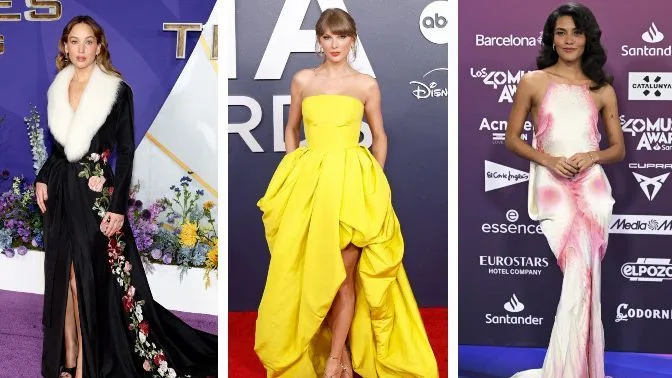
- The fashion industry is witnessing a definitive shift from 'quiet luxury' to high-octane maximalism.
- Jennifer Lawrence and Taylor Swift are leading the charge by utilizing voluminous silhouettes and vibrant palettes.
- Archival fashion, exemplified by Hunter Schafer’s Prada look, remains a critical currency for cultural relevance.
- The resurgence of opulence aligns with the seasonal transition toward holiday-centric, high-visibility event dressing.
- Ngành công nghiệp thời trang đang chứng kiến sự chuyển dịch rõ rệt từ "quiet luxury" (xa xỉ thầm lặng) sang chủ nghĩa tối đa (maximalism) đầy ấn tượng.
- Jennifer Lawrence và Taylor Swift đang dẫn đầu xu hướng này bằng cách tận dụng các phom dáng đồ sộ và bảng màu rực rỡ.
- Thời trang lưu trữ (archival fashion), điển hình là bộ trang phục Prada của Hunter Schafer, vẫn là thước đo quan trọng cho tầm ảnh hưởng văn hóa.
- Sự trỗi dậy của chủ nghĩa xa hoa gắn liền với sự chuyển dịch theo mùa, hướng tới phong cách ăn mặc nổi bật cho các sự kiện lễ hội.
- L'industrie de la mode opère un virage définitif du « luxe discret » vers un maximalisme flamboyant.
- Jennifer Lawrence et Taylor Swift mènent la danse en privilégiant des silhouettes volumineuses et des palettes vibrantes.
- La mode d'archives, illustrée par le look Prada d'Hunter Schafer, demeure une monnaie d'échange essentielle pour la pertinence culturelle.
- La résurgence de l'opulence s'aligne sur la transition saisonnière vers des tenues de soirée festives et hautement visibles.
- La industria de la moda vive un cambio definitivo del "lujo silencioso" al maximalismo de alto impacto.
- Jennifer Lawrence y Taylor Swift lideran esta tendencia apostando por siluetas voluminosas y paletas vibrantes.
- La moda de archivo, ejemplificada por el look de Prada de Hunter Schafer, se consolida como un activo crítico de relevancia cultural.
- El resurgir de la opulencia se alinea con la transición estacional hacia un estilo de eventos festivos y de alta visibilidad.
- 时尚界正经历从“静奢风”向高能量“极繁主义”的决定性转变。
- 詹妮弗·劳伦斯(Jennifer Lawrence)与泰勒·斯威夫特(Taylor Swift)通过蓬松廓形与鲜艳色彩引领了这一潮流。
- 以亨特·莎弗(Hunter Schafer)的普拉达(Prada)造型为例,档案级时尚已成为衡量文化影响力的关键货币。
- 奢华的复兴与季节性趋势相吻合,正转向以节日为中心、高曝光度的盛装打扮。
The red carpet, once a bastion of safe, monochromatic minimalism, has undergone a seismic aesthetic shift. In a world that has spent the better part of three years obsessing over the hushed tones of 'stealth wealth' and the disciplined restraint of capsule wardrobes, the latest cycle of global premieres and award ceremonies has signaled a loud, unapologetic return to opulence. This is not merely a trend; it is a cultural recalibration, where volume, texture, and historical reverence have replaced the sanitized aesthetics of the early 2020s.
From the sweeping, embroidered trains of Dior to the structural audacity of archival Prada, the current fashion landscape is prioritizing the 'moment' over the 'staple.' As we enter the final quarter of the year, the visual language of the red carpet has moved toward the theatrical, suggesting that the public—and the stylists who dress them—are craving an escapism that only high-octane glamour can provide. This transition marks a departure from the functional, and a return to the performative power of the garment.
The Architecture of Excess: Dior and the New Silhouette
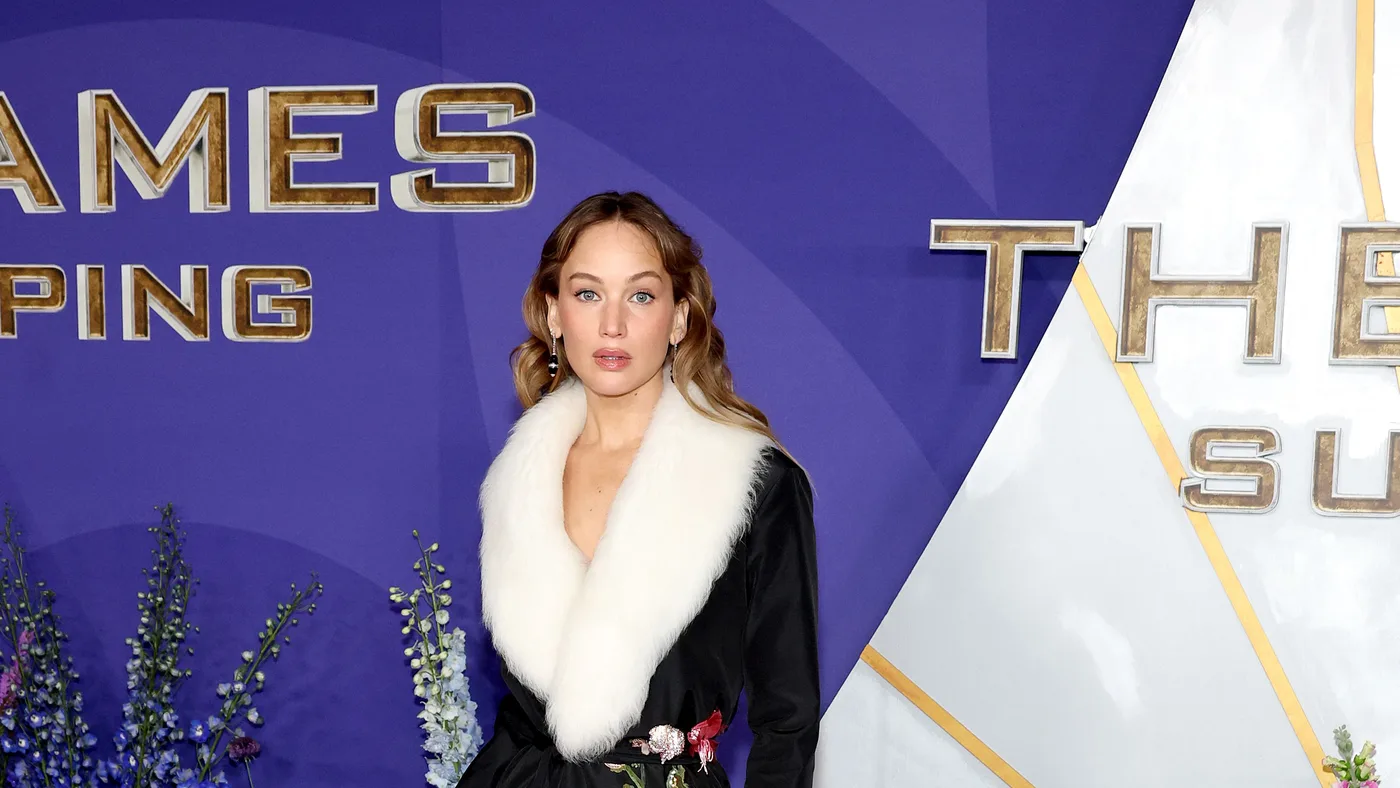
The recent premiere of The Hunger Games: Sunrise On The Reaping in New York City served as a masterclass in this new maximalist philosophy. Jennifer Lawrence’s appearance in a full look from the Dior pre-fall 2026 collection was a definitive statement. The embroidered black robe coat, characterized by its sweeping train and intricate craftsmanship, moved beyond the simple act of 'dressing up.' It functioned as a piece of architectural sculpture, demanding space and attention.
This is a significant departure from the lean, body-conscious silhouettes that defined the previous decade. By leaning into volume, designers like Maria Grazia Chiuri are challenging the wearer to inhabit their space with greater presence. The use of heavy embroidery and dramatic proportions suggests a return to the 'grand dame' era of red carpet dressing, where the dress is not merely an accessory to the star, but a co-protagonist in the narrative of the film or event. It is a bold rejection of the 'less is more' mantra that has dominated the industry’s discourse since the pandemic.
Archival Currency and the Power of the Past
While new collections are pushing boundaries, the most potent fashion statements of the week were rooted in the past. Hunter Schafer’s appearance at a Blade Runner 2099 screening in London—sporting a combination of Prada’s spring 2027 bra top and a fall 2002 Velcro skirt—highlights the growing importance of 'archival intelligence.' In the modern luxury market, the ability to curate a look that spans decades is the ultimate signifier of taste and cultural capital.
This trend toward archival curation is not just about nostalgia; it is about establishing a lineage. When stars like Ariana Grande opt for vintage Vivienne Westwood, they are participating in a dialogue with fashion history. These pieces carry a weight that contemporary, mass-produced luxury often lacks. By pairing a vintage gown with a modern styling sensibility, celebrities are effectively curating their own personal museums, turning the red carpet into a space for historical preservation and stylistic evolution.
The Global Ripple Effect: From Nashville to Marrakech
The shift toward opulence is not confined to the traditional fashion capitals of Paris or New York. From Taylor Swift’s vibrant, strapless Oscar de la Renta gown at the 2026 CMA Awards in Nashville to Marion Cotillard’s refined Chanel ensemble at the Marrakech International Film Festival, the trend is global in its reach. This indicates a synchronized movement within the industry, where the demand for high-visibility fashion is being met with a renewed focus on color, texture, and craftsmanship.
The economic implications of this shift are significant. Luxury houses are increasingly investing in 'event-ready' pieces that prioritize visual impact for social media consumption. The 'Instagrammability' of a voluminous gown or a crystal-encrusted bodice is a primary driver of brand value in the current market. As luxury brands look to capture the attention of a younger, digitally-native demographic, the move toward maximalism serves as a strategic tool to cut through the noise of the digital feed, ensuring that the brand remains at the center of the cultural conversation.
The Future of Red Carpet Narratives
As we look toward the upcoming awards season, the question remains: is this a fleeting reaction to the austerity of the past, or a permanent shift in the luxury paradigm? The public reaction to these recent looks suggests a strong appetite for the spectacular. When stars lean into the 'extra,' they provide a sense of wonder that the industry has been lacking. The audience is clearly signaling that they are tired of the beige, the neutral, and the understated.
Moving forward, we should expect to see a continued emphasis on craftsmanship and theatricality. The 'quiet luxury' era may have provided a necessary foundation of quality, but the current moment is about the expression of personality through excess. Whether it is through the revival of archival silhouettes or the embrace of bold, saturated colors, the red carpet is once again becoming a place where fashion is allowed to be fun, dramatic, and entirely, unapologetically opulent. For the fashion industry, the message is clear: the season of subtlety is over; the season of the spectacle has begun.
Thảm đỏ, vốn từng là thành trì của chủ nghĩa tối giản đơn sắc an toàn, đã trải qua một cuộc chấn động thẩm mỹ. Trong một thế giới đã dành phần lớn ba năm qua để đắm chìm trong những tông màu trầm mặc của "stealth wealth" và sự tiết chế kỷ luật của tủ đồ tối giản, chuỗi sự kiện ra mắt phim và lễ trao giải toàn cầu gần đây đã phát đi tín hiệu về một sự trở lại đầy ồn ào và kiêu hãnh của chủ nghĩa xa hoa. Đây không chỉ đơn thuần là một xu hướng; đó là một sự tái định chuẩn văn hóa, nơi khối lượng, kết cấu và sự tôn kính lịch sử đã thay thế cho thẩm mỹ tinh giản của đầu thập niên 2020.
Từ những tà váy thêu dài quét đất của Dior cho đến sự táo bạo trong cấu trúc của các thiết kế Prada lưu trữ, bối cảnh thời trang hiện tại đang ưu tiên "khoảnh khắc" hơn là "sự bền vững". Khi bước vào quý cuối cùng của năm, ngôn ngữ thị giác trên thảm đỏ đã chuyển hướng sang tính kịch nghệ, cho thấy công chúng—và cả những stylist đứng sau họ—đang khao khát một sự thoát ly mà chỉ có vẻ quyến rũ đỉnh cao mới có thể mang lại. Sự chuyển dịch này đánh dấu bước ngoặt rời xa tính công năng để trở về với sức mạnh trình diễn của trang phục.
Kiến trúc của sự dư thừa: Dior và phom dáng mới
Buổi ra mắt gần đây của bộ phim The Hunger Games: Sunrise On The Reaping tại New York đã trở thành một bài học mẫu mực về triết lý tối đa mới này. Sự xuất hiện của Jennifer Lawrence trong một thiết kế trọn bộ từ bộ sưu tập Dior pre-fall 2026 là một tuyên ngôn dứt khoát. Chiếc áo khoác choàng đen thêu tỉ mỉ, nổi bật với tà váy dài quét đất và kỹ nghệ thủ công tinh xảo, đã vượt xa hành động "ăn diện" thông thường. Nó vận hành như một tác phẩm điêu khắc kiến trúc, đòi hỏi không gian và sự chú ý tuyệt đối.
Đây là một sự khác biệt đáng kể so với những phom dáng ôm sát, tôn dáng đã định hình thập kỷ trước. Bằng cách tận dụng khối lượng, các nhà thiết kế như Maria Grazia Chiuri đang thách thức người mặc phải chiếm lĩnh không gian của họ với sự hiện diện mạnh mẽ hơn. Việc sử dụng các chi tiết thêu dày đặc và tỷ lệ kịch tính gợi nhắc về kỷ nguyên "grand dame" của thời trang thảm đỏ, nơi chiếc váy không chỉ là phụ kiện cho ngôi sao, mà là một đồng tác giả trong câu chuyện của bộ phim hoặc sự kiện. Đó là sự khước từ táo bạo đối với phương châm "less is more" (ít hơn là nhiều hơn) vốn đã thống trị diễn ngôn của ngành thời trang kể từ đại dịch.
Giá trị lưu trữ và sức mạnh của quá khứ
Trong khi các bộ sưu tập mới đang phá vỡ những giới hạn, những tuyên ngôn thời trang mạnh mẽ nhất trong tuần lại bắt nguồn từ quá khứ. Sự xuất hiện của Hunter Schafer tại buổi chiếu phim Blade Runner 2099 ở London—khi cô diện kết hợp giữa chiếc bra top từ bộ sưu tập Prada xuân 2027 và chân váy Velcro từ mùa thu 2002—đã làm nổi bật tầm quan trọng ngày càng tăng của "trí tuệ lưu trữ". Trong thị trường xa xỉ hiện đại, khả năng tuyển chọn một diện mạo trải dài qua nhiều thập kỷ chính là biểu tượng tối thượng của gu thẩm mỹ và vốn văn hóa.
Xu hướng tuyển chọn đồ lưu trữ này không chỉ dừng lại ở sự hoài cổ; đó là việc thiết lập một dòng chảy di sản. Khi những ngôi sao như Ariana Grande lựa chọn các thiết kế vintage của Vivienne Westwood, họ đang tham gia vào một cuộc đối thoại với lịch sử thời trang. Những món đồ này mang sức nặng mà các sản phẩm xa xỉ sản xuất hàng loạt đương đại thường thiếu vắng. Bằng cách kết hợp một chiếc váy cổ điển với tư duy tạo kiểu hiện đại, các ngôi sao đang thực sự tự xây dựng những bảo tàng cá nhân, biến thảm đỏ thành không gian cho việc bảo tồn lịch sử và tiến hóa phong cách.
Hiệu ứng lan tỏa toàn cầu: Từ Nashville đến Marrakech
Sự chuyển dịch sang chủ nghĩa xa hoa không chỉ giới hạn ở các kinh đô thời trang truyền thống như Paris hay New York. Từ chiếc váy Oscar de la Renta cúp ngực rực rỡ của Taylor Swift tại lễ trao giải CMA 2026 ở Nashville cho đến bộ trang phục Chanel tinh tế của Marion Cotillard tại Liên hoan phim quốc tế Marrakech, xu hướng này đã lan tỏa toàn cầu. Điều này cho thấy một sự vận động đồng bộ trong ngành, nơi nhu cầu về thời trang có tính hiển thị cao đang được đáp ứng bằng sự tập trung đổi mới vào màu sắc, kết cấu và kỹ nghệ thủ công.
Hệ quả kinh tế của sự chuyển dịch này là rất đáng kể. Các nhà mốt xa xỉ đang ngày càng đầu tư vào những thiết kế "sẵn sàng cho sự kiện", ưu tiên tác động thị giác để phục vụ tiêu thụ trên mạng xã hội. Khả năng "Instagrammable" của một chiếc váy bồng bềnh hay một thân áo đính pha lê là động lực chính thúc đẩy giá trị thương hiệu trong thị trường hiện nay. Khi các thương hiệu xa xỉ tìm cách thu hút sự chú ý của thế hệ trẻ, những người bản địa kỹ thuật số, thì việc chuyển sang chủ nghĩa tối đa đóng vai trò như một công cụ chiến lược để cắt ngang sự nhiễu loạn của các luồng tin kỹ thuật số, đảm bảo rằng thương hiệu luôn nằm ở trung tâm của các cuộc đối thoại văn hóa.
Tương lai của những câu chuyện trên thảm đỏ
Khi hướng tới mùa giải thưởng sắp tới, câu hỏi đặt ra là: đây chỉ là phản ứng nhất thời trước sự khắc khổ của quá khứ, hay là một sự thay đổi vĩnh viễn trong mô hình xa xỉ? Phản ứng của công chúng đối với những diện mạo gần đây cho thấy một sự khao khát mạnh mẽ đối với những điều ngoạn mục. Khi các ngôi sao hướng tới sự "thái quá", họ mang lại cảm giác kỳ diệu mà ngành công nghiệp này đã thiếu vắng. Khán giả đang gửi đi tín hiệu rõ ràng rằng họ đã mệt mỏi với những gam màu be, trung tính và sự khiêm nhường.
Trong thời gian tới, chúng ta nên kỳ vọng vào sự nhấn mạnh liên tục vào kỹ nghệ thủ công và tính kịch nghệ. Kỷ nguyên "quiet luxury" có thể đã cung cấp một nền tảng cần thiết về chất lượng, nhưng thời điểm hiện tại là về sự thể hiện cá tính thông qua sự dư thừa. Dù là thông qua việc hồi sinh các phom dáng lưu trữ hay đón nhận những màu sắc bão hòa táo bạo, thảm đỏ một lần nữa trở thành nơi mà thời trang được phép vui vẻ, kịch tính và hoàn toàn, không chút hối lỗi, đầy xa hoa. Đối với ngành thời trang, thông điệp đã rõ ràng: mùa của sự tinh tế đã kết thúc; mùa của những màn trình diễn ngoạn mục đã bắt đầu.
Le tapis rouge, autrefois bastion d'un minimalisme monochrome et prudent, a connu un séisme esthétique. Dans un monde qui a passé la majeure partie de ces trois dernières années à s'obséder pour les tons feutrés du « luxe discret » et la retenue disciplinée des garde-robes capsules, le dernier cycle de premières mondiales et de cérémonies de remise de prix a sonné le glas d'un retour bruyant et sans complexe à l'opulence. Il ne s'agit pas simplement d'une tendance, mais d'un recalibrage culturel où le volume, la texture et la révérence historique ont remplacé l'esthétique aseptisée du début des années 2020.
Des traînes brodées et spectaculaires de Dior à l'audace structurelle des archives Prada, le paysage actuel de la mode privilégie le « moment » au « basique ». À l'aube du dernier trimestre de l'année, le langage visuel du tapis rouge s'est orienté vers le théâtral, suggérant que le public — et les stylistes qui le façonnent — aspire à une évasion que seul un glamour à haute intensité peut offrir. Cette transition marque un départ du fonctionnel pour un retour à la puissance performative du vêtement.
L'architecture de l'excès : Dior et la nouvelle silhouette
La récente première de The Hunger Games: Sunrise On The Reaping à New York a servi de masterclass à cette nouvelle philosophie maximaliste. L'apparition de Jennifer Lawrence dans un look complet issu de la collection pré-automne 2026 de Dior fut une déclaration définitive. Le manteau-robe noir brodé, caractérisé par sa traîne balayant le sol et son artisanat complexe, dépassait le simple acte de « s'habiller ». Il fonctionnait comme une sculpture architecturale, exigeant de l'espace et de l'attention.
Il s'agit d'une rupture significative avec les silhouettes fines et près du corps qui ont défini la décennie précédente. En misant sur le volume, des créateurs comme Maria Grazia Chiuri mettent au défi celle qui porte la pièce d'habiter son espace avec une présence accrue. L'utilisation de broderies lourdes et de proportions dramatiques suggère un retour à l'ère des « grandes dames » du tapis rouge, où la robe n'est pas seulement un accessoire de la star, mais une co-protagoniste dans la narration du film ou de l'événement. C'est un rejet audacieux du mantra « moins, c'est mieux » qui a dominé le discours de l'industrie depuis la pandémie.
La monnaie d'échange des archives et le pouvoir du passé
Si les nouvelles collections repoussent les limites, les déclarations de mode les plus puissantes de la semaine étaient ancrées dans le passé. L'apparition d'Hunter Schafer lors d'une projection de Blade Runner 2099 à Londres — arborant une combinaison composée d'un haut soutien-gorge Prada du printemps 2027 et d'une jupe à velcro de l'automne 2002 — souligne l'importance croissante de « l'intelligence archivistique ». Sur le marché du luxe moderne, la capacité à organiser un look qui traverse les décennies est le signe ultime du goût et du capital culturel.
Cette tendance à la curation d'archives ne relève pas seulement de la nostalgie ; il s'agit d'établir une lignée. Lorsque des stars comme Ariana Grande optent pour du Vivienne Westwood vintage, elles participent à un dialogue avec l'histoire de la mode. Ces pièces portent un poids que le luxe contemporain, produit en masse, manque souvent. En associant une robe vintage à une sensibilité stylistique moderne, les célébrités deviennent les conservatrices de leurs propres musées personnels, transformant le tapis rouge en un espace de préservation historique et d'évolution stylistique.
L'effet d'entraînement mondial : de Nashville à Marrakech
Le virage vers l'opulence ne se limite pas aux capitales traditionnelles de la mode que sont Paris ou New York. De la robe bustier vibrante Oscar de la Renta de Taylor Swift aux CMA Awards 2026 à Nashville, à l'ensemble Chanel raffiné de Marion Cotillard au Festival International du Film de Marrakech, la tendance est mondiale. Cela indique un mouvement synchronisé au sein de l'industrie, où la demande pour une mode à haute visibilité est satisfaite par une attention renouvelée portée à la couleur, à la texture et au savoir-faire.
Les implications économiques de ce changement sont significatives. Les maisons de luxe investissent de plus en plus dans des pièces « prêtes pour l'événement » qui privilégient l'impact visuel pour la consommation sur les réseaux sociaux. « L'instagrammabilité » d'une robe volumineuse ou d'un corsage incrusté de cristaux est un moteur principal de la valeur de la marque sur le marché actuel. Alors que les marques de luxe cherchent à capter l'attention d'une démographie plus jeune et native du numérique, le passage au maximalisme sert d'outil stratégique pour percer le bruit des flux numériques, garantissant que la marque reste au centre de la conversation culturelle.
L'avenir des récits sur tapis rouge
Alors que nous nous tournons vers la prochaine saison des prix, la question demeure : s'agit-il d'une réaction passagère à l'austérité du passé, ou d'un changement permanent dans le paradigme du luxe ? La réaction du public à ces récents looks suggère un appétit marqué pour le spectaculaire. Lorsque les stars penchent vers « l'extra », elles procurent un sentiment d'émerveillement qui manquait à l'industrie. Le public signale clairement qu'il est fatigué du beige, du neutre et du sobre.
À l'avenir, nous devrions nous attendre à une insistance continue sur l'artisanat et la théâtralité. L'ère du « luxe discret » a peut-être fourni une base nécessaire de qualité, mais le moment présent est à l'expression de la personnalité par l'excès. Qu'il s'agisse de la renaissance de silhouettes d'archives ou de l'adoption de couleurs audacieuses et saturées, le tapis rouge redevient un lieu où la mode est autorisée à être amusante, dramatique et totalement, sans complexe, opulente. Pour l'industrie de la mode, le message est clair : la saison de la subtilité est terminée ; la saison du spectacle a commencé.
La alfombra roja, antaño bastión de un minimalismo monocromático y seguro, ha experimentado un cambio estético sísmico. En un mundo que ha pasado gran parte de los últimos tres años obsesionado con los tonos apagados del "lujo silencioso" y la disciplina austera de los armarios cápsula, el último ciclo de estrenos globales y ceremonias de premios ha marcado un retorno sonoro y sin complejos a la opulencia. No se trata simplemente de una tendencia; es una recalibración cultural donde el volumen, la textura y la reverencia histórica han reemplazado a la estética higienizada de principios de la década de 2020.
Desde las amplias colas bordadas de Dior hasta la audacia estructural de la Prada de archivo, el panorama actual de la moda prioriza el "momento" sobre el "básico". Al entrar en el último trimestre del año, el lenguaje visual de la alfombra roja se ha desplazado hacia lo teatral, sugiriendo que el público —y los estilistas que los visten— anhelan un escapismo que solo el glamour de alto voltaje puede proporcionar. Esta transición marca un alejamiento de lo funcional y un retorno al poder performativo de la prenda.
La arquitectura del exceso: Dior y la nueva silueta
El reciente estreno de The Hunger Games: Sunrise On The Reaping en Nueva York sirvió como clase magistral de esta nueva filosofía maximalista. La aparición de Jennifer Lawrence con un look completo de la colección pre-fall 2026 de Dior fue una declaración definitiva. El abrigo tipo túnica bordado en negro, caracterizado por su cola envolvente y su intrincada artesanía, trascendió el simple acto de "vestirse". Funcionó como una pieza de escultura arquitectónica que reclamaba espacio y atención.
Esto supone un alejamiento significativo de las siluetas esbeltas y ceñidas al cuerpo que definieron la década anterior. Al inclinarse por el volumen, diseñadoras como Maria Grazia Chiuri desafían a quien viste la prenda a habitar su espacio con mayor presencia. El uso de bordados pesados y proporciones dramáticas sugiere un retorno a la era de las "grandes damas" de la alfombra roja, donde el vestido no es solo un accesorio de la estrella, sino un coprotagonista en la narrativa de la película o el evento. Es un rechazo audaz al mantra de "menos es más" que ha dominado el discurso de la industria desde la pandemia.
La moneda de cambio del archivo y el poder del pasado
Aunque las nuevas colecciones están rompiendo moldes, las declaraciones de moda más potentes de la semana tienen sus raíces en el pasado. La aparición de Hunter Schafer en una proyección de Blade Runner 2099 en Londres —luciendo una combinación del top de sujetador de la primavera de 2027 de Prada y una falda de velcro del otoño de 2002— subraya la creciente importancia de la "inteligencia de archivo". En el mercado del lujo moderno, la capacidad de comisariar un look que abarque décadas es el máximo distintivo de gusto y capital cultural.
Esta tendencia hacia la curaduría de archivo no es solo nostalgia; se trata de establecer un linaje. Cuando estrellas como Ariana Grande optan por piezas vintage de Vivienne Westwood, participan en un diálogo con la historia de la moda. Estas prendas poseen un peso del que a menudo carece el lujo contemporáneo producido en masa. Al combinar un vestido vintage con una sensibilidad de estilismo moderna, las celebridades están creando efectivamente sus propios museos personales, convirtiendo la alfombra roja en un espacio para la preservación histórica y la evolución estilística.
El efecto dominó global: de Nashville a Marrakech
El giro hacia la opulencia no se limita a las capitales tradicionales de la moda como París o Nueva York. Desde el vibrante vestido palabra de honor de Oscar de la Renta que lució Taylor Swift en los premios CMA 2026 en Nashville, hasta el refinado conjunto de Chanel de Marion Cotillard en el Festival Internacional de Cine de Marrakech, la tendencia tiene un alcance global. Esto indica un movimiento sincronizado dentro de la industria, donde la demanda de moda de alta visibilidad se satisface con un enfoque renovado en el color, la textura y la artesanía.
Las implicaciones económicas de este cambio son significativas. Las casas de lujo invierten cada vez más en piezas "listas para el evento" que priorizan el impacto visual para el consumo en redes sociales. La "instagramabilidad" de un vestido voluminoso o un corpiño incrustado de cristales es un motor principal del valor de marca en el mercado actual. A medida que las marcas de lujo buscan captar la atención de un grupo demográfico más joven y nativo digital, el giro hacia el maximalismo sirve como herramienta estratégica para destacar en el ruido del feed digital, asegurando que la marca permanezca en el centro de la conversación cultural.
El futuro de las narrativas en la alfombra roja
Mientras miramos hacia la próxima temporada de premios, la pregunta persiste: ¿es esto una reacción pasajera a la austeridad del pasado o un cambio permanente en el paradigma del lujo? La reacción del público ante estos looks recientes sugiere un fuerte apetito por lo espectacular. Cuando las estrellas apuestan por el "más es más", proporcionan una sensación de asombro que la industria echaba en falta. La audiencia señala claramente que está cansada del beige, lo neutro y lo discreto.
De cara al futuro, debemos esperar un énfasis continuo en la artesanía y la teatralidad. La era del "lujo silencioso" pudo haber proporcionado una base necesaria de calidad, pero el momento actual trata sobre la expresión de la personalidad a través del exceso. Ya sea mediante la recuperación de siluetas de archivo o la adopción de colores audaces y saturados, la alfombra roja vuelve a ser un lugar donde la moda puede permitirse ser divertida, dramática y, en última instancia, opulenta sin complejos. Para la industria de la moda, el mensaje es claro: la temporada de la sutileza ha terminado; ha comenzado la temporada del espectáculo.
红毯曾是安全、单色极简主义的堡垒,如今却经历了一场审美上的剧烈震荡。在过去三年里,世界沉迷于“静奢风”(stealth wealth)的低调色调和胶囊衣橱的严谨克制,而近期全球首映礼与颁奖典礼的循环,则标志着一种喧嚣、不加掩饰的奢华回归。这不仅仅是一种趋势,更是一次文化上的重新校准——体积感、质感以及对历史的敬畏,已取代了2020年代初那种经过“消毒”的审美。
从迪奥(Dior)飘逸的刺绣拖尾,到普拉达(Prada)档案款式的结构性大胆设计,当前的时尚景观正将“时刻”置于“基础款”之上。随着我们进入第四季度,红毯的视觉语言已转向戏剧化,这表明公众——以及为他们打造造型的造型师们——正渴望一种只有高能量魅力才能提供的逃避现实感。这种转变标志着从功能性向服装表演力量的回归。
过度之建筑学:迪奥与新廓形
近期在纽约举行的《饥饿游戏:鸣鸟与蛇之歌》(The Hunger Games: Sunrise On The Reaping)首映礼,堪称这一新极繁主义哲学的教科书。詹妮弗·劳伦斯身着迪奥2026早秋系列全套造型亮相,发表了一份决定性的宣言。那件刺绣黑色长袍大衣以其扫地拖尾和精湛工艺为特色,超越了简单的“盛装打扮”。它更像是一件建筑雕塑,占据了空间并吸引了所有目光。
这与过去十年定义了时尚的修身、贴合身体的廓形形成了鲜明对比。通过倾向于体积感,像玛丽亚·嘉茜娅·蔻丽(Maria Grazia Chiuri)这样的设计师正在挑战穿着者以更强的存在感去驾驭空间。厚重的刺绣和戏剧性的比例运用,暗示着红毯着装回归了“大女主”时代,礼服不再仅仅是明星的配饰,而是电影或活动叙事中的共同主角。这是对疫情以来主导行业话语的“少即是多”准则的大胆反叛。
档案货币与过去的力量
尽管新系列正在突破界限,但本周最具影响力的时尚宣言却植根于过去。亨特·莎弗在伦敦出席《银翼杀手2099》(Blade Runner 2099)放映会时,身着普拉达2027春季款胸衣搭配2002秋季款魔术贴半裙,凸显了“档案智慧”日益增长的重要性。在现代奢侈品市场中,策划一套跨越数十年的造型,是品味与文化资本的终极象征。
这种向档案策划的趋势不仅仅关乎怀旧,更关乎建立血统。当像爱莉安娜·格兰德(Ariana Grande)这样的明星选择复古的薇薇安·威斯特伍德时,她们是在与时尚史进行对话。这些单品承载着当代量产奢侈品往往缺乏的分量。通过将复古礼服与现代造型感相结合,名人们实际上是在策划自己的私人博物馆,将红毯变成了一个历史保护与风格演变的场所。
全球连锁反应:从纳什维尔到马拉喀什
向奢华的转变并未局限于巴黎或纽约等传统时尚之都。从泰勒·斯威夫特在纳什维尔2026年CMA颁奖典礼上身着的鲜艳露肩奥斯卡·德拉伦塔(Oscar de la Renta)礼服,到玛丽昂·歌迪亚(Marion Cotillard)在马拉喀什国际电影节上的精致香奈儿(Chanel)套装,这一趋势的影响力是全球性的。这表明行业内部存在一种同步运动,即对高曝光度时尚的需求,正通过对色彩、质地和工艺的重新关注得到满足。
这种转变的经济影响是深远的。奢侈品牌正越来越多地投资于“活动就绪”的单品,优先考虑社交媒体传播的视觉冲击力。蓬松礼服或镶嵌水晶的胸衣所具备的“Instagram属性”,是当前市场品牌价值的主要驱动力。随着奢侈品牌寻求捕捉年轻、数字原住民群体的注意力,向极繁主义的转变成为了一种战略工具,旨在穿透数字信息流的噪音,确保品牌始终处于文化对话的中心。
红毯叙事的未来
当我们展望即将到来的颁奖季时,问题依然存在:这仅仅是对过去苦行僧式生活的一种短暂反应,还是奢侈品范式的永久性转变?公众对这些近期造型的反应表明,人们对壮观场面有着强烈的胃口。当明星们倾向于“过度”时,他们提供了一种行业所缺失的奇迹感。观众显然在发出信号:他们已经厌倦了米色、中性色和低调。
展望未来,我们应该期待看到对工艺和戏剧性的持续强调。“静奢风”时代可能提供了一个必要的质量基础,但当下的时刻在于通过过度来表达个性。无论是通过复古廓形的复兴,还是对大胆饱和色彩的拥抱,红毯正再次成为时尚可以变得有趣、戏剧化,且完全、不加掩饰地奢华的地方。对于时尚界而言,信息很明确:低调的季节已经结束,奇观的季节已经开启。
Editorial Standards & Multi-Language Synthesis: This dispatch was synthesized and fact-checked by the ParisDaily Editorial Desk across 5 global editions (EN, FR, VI, ES, ZH), cross-referencing primary international wire reports and real-time search intelligence.