Thessaloniki Film Festival Awards Spotlight Balkan and Mediterranean Cinema Renaissance
The Thessaloniki Film Festival’s industry awards have crowned a new generation of filmmakers, signaling a shift toward politically charged narratives and female-centric storytelling in the region.
Các giải thưởng công nghiệp tại Liên hoan phim Thessaloniki vừa vinh danh một thế hệ nhà làm phim mới, đánh dấu bước chuyển mình mạnh mẽ sang các tựa phim mang tính chính trị và đề cao tiếng nói của phụ nữ trong khu vực. Sự kiện này khẳng định vị thế của Thessaloniki như một bệ phóng quan trọng cho những dự án điện ảnh táo bạo và đầy tính nhân văn.
Les prix industriels du Festival du film de Thessalonique ont couronné une nouvelle génération de cinéastes, actrice d'un basculement vers des récits éminemment politiques et des points de vue féminins au cœur de la région.
Los premios de la industria del Festival de Cine de Tesalónica han coronado a una nueva generación de cineastas, señalando un cambio hacia narrativas de carga política y centradas en la mujer en la región. Este reconocimiento consolida al certamen como un epicentro vital para el desarrollo de voces emergentes con una visión audaz y comprometida.
塞萨洛尼基电影节的行业奖项近日揭晓,一批新锐电影人脱颖而出,标志着该地区电影创作正向政治叙事与女性视角深度转型。这些作品不仅展现了极高的艺术野心,更深刻地探讨了当代社会面临的复杂议题。
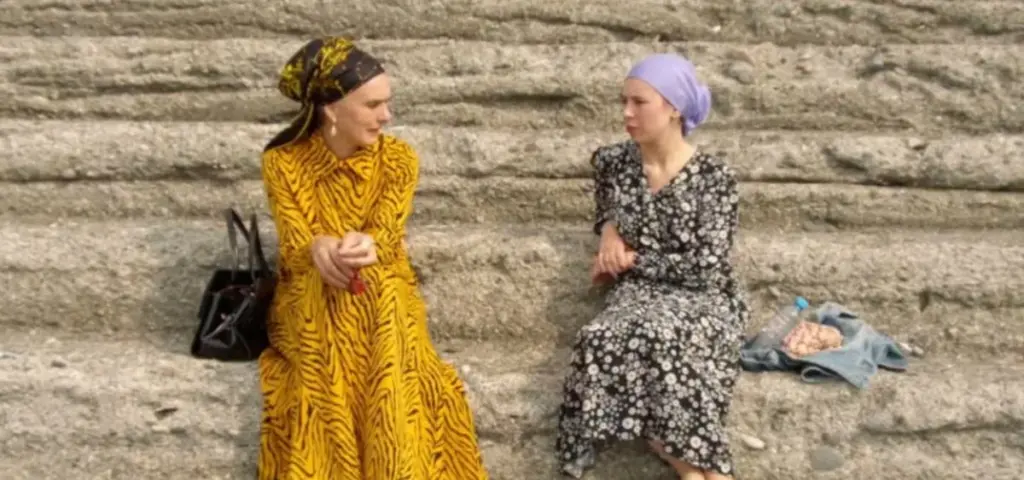
- Mari Gulbiani’s 'The Crossroad' won the top prize in the Works in Progress section for its poignant look at the human cost of extremism.
- Angela Dimeska’s 'They Bloom at Dawn' secured the Frenel Post-Lab award, highlighting the growing influence of North Macedonian cinema.
- Sofia Georgovassili’s 'Mignon' dominated the Greek category, winning both the Onassis Film Award and the EKKOMED prize.
- The festival’s Agora platform continues to serve as a critical bridge for financing and development for emerging directors across the Mediterranean.
- Tác phẩm 'The Crossroad' của Mari Gulbiani giành giải cao nhất tại hạng mục Works in Progress nhờ cái nhìn sâu sắc về cái giá của chủ nghĩa cực đoan.
- Phim 'They Bloom at Dawn' của Angela Dimeska nhận giải Frenel Post-Lab, khẳng định tầm ảnh hưởng ngày càng lớn của điện ảnh Bắc Macedonia.
- Dự án 'Mignon' của Sofia Georgovassili thống trị hạng mục phim Hy Lạp với cú đúp giải thưởng Onassis Film và EKKOMED.
- Nền tảng Agora của liên hoan tiếp tục đóng vai trò là cầu nối thiết yếu trong việc tài trợ và phát triển cho các đạo diễn mới nổi trên khắp khu vực Địa Trung Hải.
- « The Crossroad » de Mari Gulbiani a remporté le premier prix de la section Works in Progress pour son regard poignant sur le coût humain de l'extrémisme.
- « They Bloom at Dawn » d'Angela Dimeska a décroché le prix Frenel Post-Lab, illustrant l'influence croissante du cinéma nord-macédonien.
- « Mignon » de Sofia Georgovassili a dominé la catégorie grecque en raflant à la fois le prix du film Onassis et le prix EKKOMED.
- La plateforme Agora du festival s'affirme comme un tremplin incontournable pour le financement et le développement de réalisateurs émergents à travers toute la Méditerranée.
- "The Crossroad", de Mari Gulbiani, obtuvo el máximo galardón en la sección Works in Progress por su conmovedora mirada al coste humano del extremismo.
- "They Bloom at Dawn", de Angela Dimeska, se alzó con el premio Frenel Post-Lab, destacando la creciente influencia del cine de Macedonia del Norte.
- "Mignon", de Sofia Georgovassili, dominó la categoría griega al ganar tanto el Premio de Cine Onassis como el galardón EKKOMED.
- La plataforma Agora del festival continúa siendo un puente crítico para la financiación y el desarrollo de directores emergentes en todo el Mediterráneo.
- 玛丽·古尔比亚尼(Mari Gulbiani)的《十字路口》(The Crossroad)凭借对极端主义下人性代价的深刻剖析,斩获“进行中项目”(Works in Progress)单元最高奖。
- 安吉拉·迪梅斯卡(Angela Dimeska)的《黎明绽放》(They Bloom at Dawn)荣获Frenel后期实验室奖,彰显了北马其顿电影日益增长的国际影响力。
- 索菲亚·乔治瓦西里(Sofia Georgovassili)的《米尼翁》(Mignon)横扫希腊本土单元,同时摘得奥纳西斯电影奖与EKKOMED奖。
- 电影节的Agora平台持续发挥关键作用,为地中海地区的新兴导演提供了至关重要的融资与开发桥梁。
The Thessaloniki Film Festival, long regarded as the heartbeat of Balkan and Mediterranean cinema, has once again proven its role as a vital incubator for global storytelling. At this year’s industry awards, the Agora platform—the festival’s professional hub—spotlighted a collection of projects that eschew traditional genre tropes in favor of raw, socially conscious narratives. From the arid landscapes of Georgia to the lakeside villages of North Macedonia, the winning projects reflect a profound shift in regional filmmaking, where the personal is increasingly intertwined with the political, and the resilience of women serves as a recurring, powerful motif.
The centerpiece of the evening was the recognition of Mari Gulbiani’s The Crossroad and Angela Dimeska’s They Bloom at Dawn. These two projects, while distinct in their geography and tone, share a common thread: they center on the agency of women navigating landscapes—both physical and emotional—fractured by war, religion, and generational trauma. As the industry continues to grapple with the complexities of global migration and the erosion of traditional social structures, these filmmakers are stepping into the void, offering stories that are as visually ambitious as they are narratively urgent.
The Rise of Politically Charged Realism
Mari Gulbiani’s The Crossroad, which took home the prestigious Two Thirty-Five Award, is a testament to the power of the road movie as a vehicle for social commentary. The film follows a young Muslim woman’s harrowing journey to find her husband, only to discover he has been radicalized and has joined ISIS. By grounding the narrative in the perspective of the women left behind, Gulbiani avoids the sensationalism often associated with conflict-zone dramas. Instead, she crafts a documentary-inspired meditation on resilience.
The jury’s decision to honor this project underscores a broader trend in European festival circuits: a move toward films that challenge the viewer to confront the human cost of geopolitical instability. The Crossroad is not merely a story about a missing husband; it is a critique of the closed systems—religious and patriarchal—that dictate the lives of those on the periphery. By utilizing the vast, hostile landscapes of the region as a backdrop, Gulbiani emphasizes the isolation of her protagonists, turning their journey into a universal struggle for identity and survival.
This focus on the "left behind" is a recurring theme in contemporary Balkan cinema. It reflects a region that is still processing the aftershocks of the 20th century while simultaneously navigating the pressures of 21st-century globalization. The Agora jury’s praise for the film’s "embrace of imagination as their most powerful weapon" suggests that the industry is hungry for narratives that offer hope without resorting to simplistic, happy endings.
Intergenerational Healing and Female Agency
In contrast to the stark, arid intensity of The Crossroad, Angela Dimeska’s They Bloom at Dawn offers a more intimate, though no less complex, look at the female experience. Winning the Frenel Post-Lab Post-Production Award, the film explores the fractured relationships between three generations of women in a North Macedonian lakeside village. As they unite to save their threatened environment, the film serves as a metaphor for the renewal of ancestral bonds in the face of ecological and social decay.
The success of Dimeska’s project highlights the growing sophistication of the North Macedonian film industry. Dream Factory, the production house behind the film, has managed to cultivate a project that is both hyper-local and broadly resonant. The jury’s citation, which noted the film’s "strong visual potential" and "perfect pitch," points to a growing confidence among regional producers to push their stories beyond national borders. In a market often dominated by Western European sensibilities, these voices are carving out a distinct space, proving that stories rooted in specific cultural contexts can speak to universal human truths.
The film’s focus on the intersection of environmentalism and family dynamics is particularly timely. By linking the survival of the lake to the survival of the family unit, Dimeska creates a narrative that is both urgent and poetic. It is a reminder that the "walls" being broken in these films are not just physical, but psychological—the barriers that keep generations from understanding one another and that keep communities from addressing the crises that threaten their future.
The Greek New Wave and the Agora Engine
No discussion of the Thessaloniki Film Festival would be complete without acknowledging the strength of the local Greek contingent. Sofia Georgovassili’s Mignon emerged as the clear favorite, securing both the Onassis Film Award and the EKKOMED prize. Set in the 1990s, the film is a sharp, psychological exploration of the end of innocence, told through the eyes of two teenage girls in an Athens department store. The film’s "suffocating atmosphere" and its unflinching look at the abuse inherent in closed social systems have positioned it as one of the most anticipated Greek releases of the coming year.
The success of Mignon, alongside other winners like Panagiotis Charamis’s Avanos, demonstrates that the Greek film industry is in the midst of a creative renaissance. The Agora platform acts as the engine for this growth, providing the necessary financial and professional scaffolding to turn bold, risky ideas into finished films. By offering cash prizes, post-production services, and marketing scholarships, the festival ensures that these projects do not languish in the development stage.
The diversity of the winners—ranging from dark comedies like Ayman El Amir’s A Pair of Shoes in the Dark Corner of the Moon to the sound-focused artistry of The Law of the Flies—illustrates the breadth of the Agora’s impact. It is a marketplace that values risk-taking, rewarding projects that challenge the status quo rather than those that seek to replicate existing commercial successes. As the industry looks toward the next festival cycle, the Thessaloniki awards serve as a barometer for the health of independent cinema, proving that even in an era of streaming dominance, the hunger for authentic, auteur-driven storytelling remains as potent as ever.
Liên hoan phim Thessaloniki, từ lâu được coi là nhịp đập của điện ảnh Balkan và Địa Trung Hải, một lần nữa khẳng định vai trò là "vườn ươm" thiết yếu cho những câu chuyện toàn cầu. Tại các giải thưởng công nghiệp năm nay, nền tảng Agora—trung tâm chuyên môn của liên hoan—đã làm nổi bật một loạt các dự án từ bỏ những khuôn mẫu thể loại truyền thống để hướng tới những câu chuyện thô mộc, giàu ý thức xã hội. Từ những vùng đất khô cằn của Georgia đến các ngôi làng ven hồ ở Bắc Macedonia, các dự án chiến thắng phản ánh một sự thay đổi sâu sắc trong tư duy làm phim khu vực, nơi cái tôi cá nhân ngày càng đan xen với các vấn đề chính trị, và sự kiên cường của phụ nữ trở thành một mô-típ lặp đi lặp lại đầy quyền năng.
Tâm điểm của đêm trao giải là sự công nhận dành cho The Crossroad của Mari Gulbiani và They Bloom at Dawn của Angela Dimeska. Dù khác biệt về địa lý và sắc thái, hai dự án này có chung một sợi dây liên kết: chúng tập trung vào quyền tự quyết của phụ nữ khi phải điều hướng qua những cảnh quan—cả về vật lý lẫn cảm xúc—đang bị rạn nứt bởi chiến tranh, tôn giáo và chấn thương thế hệ. Khi ngành công nghiệp điện ảnh tiếp tục vật lộn với những phức tạp của làn sóng di cư toàn cầu và sự xói mòn của các cấu trúc xã hội truyền thống, những nhà làm phim này đang bước vào khoảng trống đó, mang đến những câu chuyện đầy tham vọng về mặt hình ảnh cũng như cấp thiết về mặt tự sự.
Sự trỗi dậy của chủ nghĩa hiện thực mang tính chính trị
Tác phẩm The Crossroad của Mari Gulbiani, bộ phim đã mang về giải thưởng danh giá Two Thirty-Five, là minh chứng cho sức mạnh của dòng phim hành trình (road movie) như một phương tiện bình luận xã hội. Phim theo chân hành trình đầy đau đớn của một phụ nữ Hồi giáo trẻ tuổi đi tìm chồng, để rồi phát hiện ra anh ta đã bị cực đoan hóa và gia nhập ISIS. Bằng cách đặt câu chuyện vào góc nhìn của những người phụ nữ bị bỏ lại phía sau, Gulbiani tránh được sự giật gân thường thấy trong các bộ phim về vùng chiến sự. Thay vào đó, cô tạo nên một tác phẩm mang hơi hướng tài liệu, một sự chiêm nghiệm về lòng kiên cường.
Quyết định của ban giám khảo khi vinh danh dự án này nhấn mạnh một xu hướng rộng lớn hơn trong các liên hoan phim châu Âu: sự chuyển dịch sang những bộ phim thách thức khán giả đối diện với cái giá nhân đạo của sự bất ổn địa chính trị. The Crossroad không chỉ là câu chuyện về một người chồng mất tích; đó là lời phê phán các hệ thống khép kín—tôn giáo và gia trưởng—đang chi phối cuộc sống của những người ở bên lề xã hội. Bằng cách sử dụng những cảnh quan rộng lớn, khắc nghiệt của khu vực làm bối cảnh, Gulbiani nhấn mạnh sự cô lập của các nhân vật chính, biến hành trình của họ thành một cuộc đấu tranh phổ quát vì bản sắc và sự sinh tồn.
Sự tập trung vào những "người bị bỏ lại" là một chủ đề lặp đi lặp lại trong điện ảnh Balkan đương đại. Nó phản ánh một khu vực vẫn đang xử lý những dư chấn của thế kỷ 20 trong khi đồng thời phải điều hướng áp lực của toàn cầu hóa thế kỷ 21. Lời khen ngợi của ban giám khảo Agora dành cho "việc sử dụng trí tưởng tượng như vũ khí mạnh mẽ nhất" của bộ phim cho thấy ngành công nghiệp đang khao khát những câu chuyện mang lại hy vọng mà không cần dựa vào những cái kết có hậu đơn giản.
Chữa lành liên thế hệ và quyền tự quyết của phụ nữ
Đối lập với sự khắc nghiệt, khô cằn của The Crossroad, They Bloom at Dawn của Angela Dimeska mang đến một cái nhìn gần gũi hơn, dù không kém phần phức tạp, về trải nghiệm của phụ nữ. Giành giải Frenel Post-Lab cho hậu kỳ, bộ phim khám phá những mối quan hệ rạn nứt giữa ba thế hệ phụ nữ trong một ngôi làng ven hồ ở Bắc Macedonia. Khi họ đoàn kết để bảo vệ môi trường sống đang bị đe dọa, bộ phim đóng vai trò như một ẩn dụ cho sự hàn gắn các sợi dây liên kết tổ tiên trước sự suy tàn về sinh thái và xã hội.
Sự thành công của dự án của Dimeska làm nổi bật sự tinh tế ngày càng tăng của ngành công nghiệp điện ảnh Bắc Macedonia. Dream Factory, đơn vị sản xuất bộ phim, đã thành công trong việc nuôi dưỡng một dự án vừa mang tính địa phương cao độ, vừa có sức lan tỏa rộng rãi. Lời nhận xét của ban giám khảo về "tiềm năng hình ảnh mạnh mẽ" và "nhịp điệu hoàn hảo" của bộ phim cho thấy sự tự tin ngày càng lớn của các nhà sản xuất khu vực trong việc đưa câu chuyện của họ vượt ra khỏi biên giới quốc gia. Trong một thị trường thường bị thống trị bởi tư duy Tây Âu, những tiếng nói này đang tạo ra một không gian riêng biệt, chứng minh rằng những câu chuyện bắt nguồn từ bối cảnh văn hóa cụ thể vẫn có thể nói lên những chân lý nhân sinh phổ quát.
Việc bộ phim tập trung vào sự giao thoa giữa chủ nghĩa môi trường và động lực gia đình đặc biệt mang tính thời sự. Bằng cách liên kết sự sống còn của hồ nước với sự sống còn của gia đình, Dimeska tạo ra một câu chuyện vừa cấp thiết vừa đầy chất thơ. Đó là lời nhắc nhở rằng những "bức tường" bị phá vỡ trong các bộ phim này không chỉ là vật lý, mà còn là tâm lý—những rào cản ngăn cách các thế hệ thấu hiểu lẫn nhau và ngăn cản cộng đồng giải quyết các cuộc khủng hoảng đe dọa tương lai của họ.
Làn sóng mới Hy Lạp và động cơ Agora
Sẽ là thiếu sót nếu không nhắc đến sức mạnh của điện ảnh Hy Lạp tại Liên hoan phim Thessaloniki. Mignon của Sofia Georgovassili nổi lên như ứng cử viên sáng giá nhất, giành cả giải Onassis Film và giải EKKOMED. Lấy bối cảnh những năm 1990, bộ phim là một cuộc khám phá tâm lý sắc bén về sự kết thúc của sự ngây thơ, được kể qua đôi mắt của hai cô gái tuổi teen trong một cửa hàng bách hóa ở Athens. "Bầu không khí ngột ngạt" và cái nhìn không khoan nhượng về sự lạm dụng vốn có trong các hệ thống xã hội khép kín đã đưa bộ phim trở thành một trong những tác phẩm Hy Lạp được mong đợi nhất trong năm tới.
Sự thành công của Mignon, cùng với những người chiến thắng khác như Avanos của Panagiotis Charamis, cho thấy ngành công nghiệp điện ảnh Hy Lạp đang ở giữa một cuộc phục hưng sáng tạo. Nền tảng Agora đóng vai trò là động cơ cho sự tăng trưởng này, cung cấp giàn giáo tài chính và chuyên môn cần thiết để biến những ý tưởng táo bạo, rủi ro thành những bộ phim hoàn chỉnh. Bằng cách cung cấp các giải thưởng tiền mặt, dịch vụ hậu kỳ và học bổng tiếp thị, liên hoan đảm bảo rằng các dự án này không bị đình trệ ở giai đoạn phát triển.
Sự đa dạng của những người chiến thắng—từ những bộ phim hài đen như A Pair of Shoes in the Dark Corner of the Moon của Ayman El Amir đến nghệ thuật tập trung vào âm thanh của The Law of the Flies—minh họa cho tầm ảnh hưởng sâu rộng của Agora. Đây là một thị trường coi trọng việc chấp nhận rủi ro, khen thưởng những dự án thách thức hiện trạng thay vì những dự án tìm cách sao chép các thành công thương mại hiện có. Khi ngành công nghiệp hướng tới chu kỳ liên hoan tiếp theo, các giải thưởng tại Thessaloniki đóng vai trò như một thước đo sức khỏe của điện ảnh độc lập, chứng minh rằng ngay cả trong kỷ nguyên thống trị của các nền tảng trực tuyến, cơn khát những câu chuyện chân thực, đậm dấu ấn tác giả vẫn mạnh mẽ hơn bao giờ hết.
Le Festival du film de Thessalonique, perçu de longue date comme le cœur battant du cinéma balkanique et méditerranéen, a une fois de plus démontré son rôle d'incubateur indispensable pour la création mondiale. Lors des remises de prix industriels de cette édition, la plateforme Agora — le carrefour professionnel du festival — a mis en lumière une série de projets qui s'affranchissent des codes traditionnels du genre au profit de récits bruts et conscients des enjeux sociétaux. Des paysages arides de la Géorgie aux villages lacustres de Macédoine du Nord, les œuvres récompensées traduisent une mutation profonde du cinéma régional, où l'intime se mêle toujours plus étroitement au politique, et où la résilience des femmes s'impose comme un motif récurrent et d'une grande puissance.
Le point d'orgue de cette soirée fut indéniablement la consécration de The Crossroad de Mari Gulbiani et de They Bloom at Dawn d'Angela Dimeska. Bien que distincts par leur géographie et leur tonalité, ces deux projets partagent un fil conducteur : ils placent au centre de leur intrigue l'agentivité de femmes naviguant dans des décors — physiques autant qu'émotionnels — meurtris par la guerre, la religion et les traumatismes générationnels. Alors que l'industrie continue de se confronter à la complexité des flux migratoires mondiaux et à l'effritement des structures sociales traditionnelles, ces cinéastes comblent le vide en proposant des œuvres aussi ambitieuses sur le plan visuel qu'urgentes sur le plan narratif.
L'essor d'un réalisme politisé
The Crossroad de Mari Gulbiani, qui a décroché le prestigieux prix Two Thirty-Five, témoigne de la force du film de route comme vecteur de commentaire social. Le long-métrage suit le périple éprouvant d'une jeune femme musulmane partie à la recherche de son mari, avant de découvrir que celui-ci a été radicalisé et a rejoint l'EI. En ancrant son récit dans la perspective de celles qui restent, Gulbiani évite le sensationnalisme trop souvent associé aux drames en zones de conflit. Elle signe au contraire une méditation d'inspiration documentaire sur la résilience.
Le choix du jury de primer ce projet souligne une tendance de fond au sein du circuit des festivals européens : un penchant marqué pour des œuvres qui mettent le spectateur face au coût humain de l'instabilité géopolitique. The Crossroad ne se résume pas à l'histoire d'un mari porté disparu ; c'est une critique en règle des systèmes verrouillés — religieux et patriarcaux — qui régissent l'existence des marginaux. En exploitant les paysages immenses et hostiles de la région en guise de toile de fond, Gulbiani accentue l'isolement de ses protagonistes et métamorphose leur quête en une lutte universelle pour l'identité et la survie.
Cette attention portée aux « laissés-pour-compte » constitue un leitmotiv du cinéma balkanique contemporain. Elle reflète une région qui tente encore de panser les plaies du XXe siècle tout en subissant les pressions de la mondialisation du XXIe. Les éloges du jury de l'Agora saluant « l'usage de l'imagination comme arme absolue » suggèrent que la profession aspire à des récits porteurs d'espoir, loin des fins heureuses simplistes.
Guérison intergénérationnelle et émancipation féminine
À l'opposé de la dureté aride et incisive de The Crossroad, They Bloom at Dawn d'Angela Dimeska offre une plongée plus intime, mais non moins complexe, dans l'expérience féminine. Récompensé par le prix de post-production Frenel Post-Lab, le film explore les relations complexes unissant trois générations de femmes dans un village lacustre de Macédoine du Nord. En s'unissant pour sauver leur environnement menacé, les héroïnes incarnent la métaphore d'une reconnexion aux liens ancestraux face au dépérissement écologique et social.
Le succès du projet de Dimeska met en lumière la maturité grandissante de l'industrie cinématographique nord-macédonienne. Dream Factory, la société de production à l'œuvre, est parvenue à façonner un projet à la fois profondément ancré dans son territoire et à portée universelle. La mention du jury, qui a relevé « le fort potentiel visuel » et la « justesse de ton » du film, témoigne de l'assurance croissante des producteurs de la région, désormais prompts à exporter leurs histoires au-delà des frontières nationales. Sur un marché traditionnellement dominé par les sensibilités ouest-européennes, ces voix se taillent une place de choix, prouvant que des récits ancrés dans des contextes culturels précis peuvent résonner avec les aspirations universelles de l'humanité.
L'articulation entre préoccupations écologiques et dynamiques familiales résonne avec une acuité toute particulière. En associant la survie du lac à celle du noyau familial, Dimeska tisse un canevas à la fois urgent et poétique. Une façon de rappeler que les « murs » qui volent en éclats dans ces œuvres ne sont pas seulement physiques, mais bien psychologiques — ces barrières invisibles qui empêchent les générations de se comprendre et les communautés de faire face aux crises qui hypothèquent leur avenir.
La Nouvelle Vague grecque et la machine Agora
Aucun panorama du Festival du film de Thessalonique ne saurait être complet sans saluer la vitalité de la filière hellénique locale. Mignon de Sofia Georgovassili s'est imposé comme le grand favori, raflant le prix du film Onassis et le prix EKKOMED. Situé dans les années 1990, le film déploie une exploration psychologique incisive de la fin de l'innocence, vue à travers les yeux de deux adolescentes dans un grand magasin athénien. L'« atmosphère étouffante » de l'œuvre et son regard implacable sur la toxicité des huis clos sociaux en font l'une des sorties grecques les plus attendues de l'année à venir.
Le triomphe de Mignon, aux côtés d'autres vainqueurs tels que Avanos de Panagiotis Charamis, atteste de la renaissance créative que traverse le cinéma grec. La plateforme Agora fait office de catalyseur dans cette dynamique, en fournissant les appuis financiers et professionnels indispensables pour transformer des paris audacieux en longs-métrages achevés. En octroyant des prix en numéraire, des prestations de post-production et des bourses de commercialisation, le festival veille à ce que ces projets ne s'étiolent pas au stade de l'écriture.
La diversité du palmarès — allant des comédies noires comme A Pair of Shoes in the Dark Corner of the Moon d'Ayman El Amir jusqu'à l'art sonore et sensoriel de The Law of the Flies — illustre l'ampleur de l'impact de l'Agora. C'est un marché qui valorise la prise de risque, récompensant les propositions qui bousculent le statu quo plutôt que celles qui cherchent à singer les standards commerciaux établis. Alors que la profession se tourne vers la prochaine saison des festivals, les prix de Thessalonique agissent comme un thermomètre de la bonne santé du cinéma indépendant, démontrant que, même à l'ère du tout-streaming, l'appétit pour un cinéma d'auteur authentique demeure intact.
El Festival de Cine de Tesalónica, considerado desde hace mucho tiempo el corazón del cine balcánico y mediterráneo, ha vuelto a demostrar su papel como incubadora vital para la narrativa global. En los premios de la industria de este año, la plataforma Agora —el centro profesional del festival— puso el foco en una colección de proyectos que evitan los tropos de género tradicionales en favor de narrativas crudas y socialmente conscientes. Desde los áridos paisajes de Georgia hasta los pueblos lacustres de Macedonia del Norte, los proyectos ganadores reflejan un cambio profundo en el cine regional, donde lo personal se entrelaza cada vez más con lo político, y la resiliencia de las mujeres sirve como un motivo recurrente y poderoso.
El eje central de la velada fue el reconocimiento a The Crossroad, de Mari Gulbiani, y They Bloom at Dawn, de Angela Dimeska. Estos dos proyectos, aunque distintos en su geografía y tono, comparten un hilo conductor: se centran en la capacidad de acción de mujeres que navegan por paisajes —tanto físicos como emocionales— fracturados por la guerra, la religión y el trauma generacional. A medida que la industria sigue lidiando con las complejidades de la migración global y la erosión de las estructuras sociales tradicionales, estos cineastas ocupan ese vacío, ofreciendo historias tan ambiciosas visualmente como narrativamente urgentes.
El auge del realismo de carga política
The Crossroad, de Mari Gulbiani, que se llevó a casa el prestigioso premio Two Thirty-Five, es un testimonio del poder del "road movie" como vehículo para el comentario social. La película sigue el desgarrador viaje de una joven musulmana en busca de su marido, solo para descubrir que ha sido radicalizado y se ha unido al ISIS. Al basar la narrativa en la perspectiva de las mujeres que se quedan atrás, Gulbiani evita el sensacionalismo a menudo asociado con los dramas en zonas de conflicto. En su lugar, elabora una meditación inspirada en el documental sobre la resiliencia.
La decisión del jurado de honrar este proyecto subraya una tendencia más amplia en los circuitos de festivales europeos: un movimiento hacia películas que desafían al espectador a enfrentarse al coste humano de la inestabilidad geopolítica. The Crossroad no es simplemente una historia sobre un marido desaparecido; es una crítica a los sistemas cerrados —religiosos y patriarcales— que dictan la vida de quienes viven en la periferia. Al utilizar los vastos y hostiles paisajes de la región como telón de fondo, Gulbiani enfatiza el aislamiento de sus protagonistas, convirtiendo su viaje en una lucha universal por la identidad y la supervivencia.
Este enfoque en los "dejados atrás" es un tema recurrente en el cine balcánico contemporáneo. Refleja una región que todavía está procesando las réplicas del siglo XX mientras navega simultáneamente por las presiones de la globalización del siglo XXI. El elogio del jurado de Agora por la "apuesta por la imaginación como su arma más poderosa" sugiere que la industria está ávida de narrativas que ofrezcan esperanza sin recurrir a finales felices simplistas.
Sanación intergeneracional y agencia femenina
En contraste con la intensidad árida y cruda de The Crossroad, They Bloom at Dawn, de Angela Dimeska, ofrece una mirada más íntima, aunque no menos compleja, a la experiencia femenina. Ganadora del premio de postproducción Frenel Post-Lab, la película explora las relaciones fracturadas entre tres generaciones de mujeres en un pueblo lacustre de Macedonia del Norte. A medida que se unen para salvar su entorno amenazado, la película sirve como metáfora de la renovación de los vínculos ancestrales frente a la decadencia ecológica y social.
El éxito del proyecto de Dimeska destaca la creciente sofisticación de la industria cinematográfica de Macedonia del Norte. Dream Factory, la productora detrás de la película, ha logrado cultivar un proyecto que es a la vez hiperlocal y de amplia resonancia. La mención del jurado, que destacó el "fuerte potencial visual" y el "tono perfecto" de la película, apunta a una creciente confianza entre los productores regionales para llevar sus historias más allá de las fronteras nacionales. En un mercado a menudo dominado por las sensibilidades de Europa Occidental, estas voces se están labrando un espacio distintivo, demostrando que las historias arraigadas en contextos culturales específicos pueden hablar de verdades humanas universales.
El enfoque de la película en la intersección del ecologismo y la dinámica familiar es particularmente oportuno. Al vincular la supervivencia del lago con la supervivencia de la unidad familiar, Dimeska crea una narrativa que es a la vez urgente y poética. Es un recordatorio de que los "muros" que se rompen en estas películas no son solo físicos, sino psicológicos: las barreras que impiden que las generaciones se comprendan entre sí y que evitan que las comunidades aborden las crisis que amenazan su futuro.
La nueva ola griega y el motor de Agora
Ninguna discusión sobre el Festival de Cine de Tesalónica estaría completa sin reconocer la fuerza del contingente local griego. Mignon, de Sofia Georgovassili, emergió como la clara favorita, asegurando tanto el Premio de Cine Onassis como el galardón EKKOMED. Ambientada en la década de 1990, la película es una exploración psicológica aguda del fin de la inocencia, contada a través de los ojos de dos adolescentes en unos grandes almacenes de Atenas. La "atmósfera asfixiante" de la película y su mirada inquebrantable sobre el abuso inherente a los sistemas sociales cerrados la han posicionado como uno de los estrenos griegos más esperados del próximo año.
El éxito de Mignon, junto con otros ganadores como Avanos de Panagiotis Charamis, demuestra que la industria cinematográfica griega se encuentra en medio de un renacimiento creativo. La plataforma Agora actúa como motor de este crecimiento, proporcionando el andamiaje financiero y profesional necesario para convertir ideas audaces y arriesgadas en películas terminadas. Al ofrecer premios en efectivo, servicios de postproducción y becas de marketing, el festival garantiza que estos proyectos no languidezcan en la fase de desarrollo.
La diversidad de los ganadores —que abarca desde comedias negras como A Pair of Shoes in the Dark Corner of the Moon, de Ayman El Amir, hasta el arte centrado en el sonido de The Law of the Flies— ilustra la amplitud del impacto de Agora. Es un mercado que valora la asunción de riesgos, recompensando los proyectos que desafían el statu quo en lugar de aquellos que buscan replicar éxitos comerciales existentes. Mientras la industria mira hacia el próximo ciclo de festivales, los premios de Tesalónica sirven como barómetro de la salud del cine independiente, demostrando que, incluso en una era de dominio del streaming, el hambre de una narrativa auténtica y dirigida por autores sigue siendo tan potente como siempre.
塞萨洛尼基电影节长期以来被视为巴尔干与地中海电影的脉搏,今年它再次证明了其作为全球叙事孵化器的核心地位。在今年的行业颁奖礼上,作为电影节专业枢纽的Agora平台重点推介了一系列项目,这些作品摒弃了传统的类型套路,转而拥抱原始、具有社会意识的叙事。从格鲁吉亚的干旱地带到北马其顿的湖畔村庄,获奖项目反映了区域电影制作的深刻转变:个人命运与政治现实日益交织,而女性的坚韧则成为反复出现且极具力量的母题。
当晚的焦点是玛丽·古尔比亚尼的《十字路口》与安吉拉·迪梅斯卡的《黎明绽放》。尽管这两部作品在地理背景与叙事基调上各异,但它们共享一个核心主题:聚焦女性在被战争、宗教和代际创伤撕裂的物理与情感景观中如何行使主体性。随着电影行业不断应对全球移民潮与传统社会结构瓦解的复杂挑战,这些电影人正填补叙事空白,呈现出既具视觉野心又具叙事紧迫感的作品。
政治现实主义的崛起
玛丽·古尔比亚尼的《十字路口》摘得了久负盛名的“235奖”(Two Thirty-Five Award),这是公路电影作为社会评论载体的有力证明。影片讲述了一名年轻穆斯林女性寻找丈夫的艰辛旅程,却最终发现丈夫已激进化并加入了ISIS。通过将叙事锚定在被遗留女性的视角上,古尔比亚尼避免了冲突地区题材常见的煽情,转而创作了一部充满纪录片质感的坚韧沉思录。
评审团授予该项目奖项,凸显了欧洲电影节圈内的一个更广泛趋势:电影正趋向于挑战观众,直面地缘政治动荡带来的人性代价。《十字路口》不仅仅是一个关于失踪丈夫的故事,更是对那些支配边缘群体生活的封闭系统——无论是宗教还是父权制——的批判。通过利用该地区广袤而充满敌意的景观作为背景,古尔比亚尼强调了主角的孤立感,将她们的旅程转化为一场关于身份与生存的普遍斗争。
这种对“被遗忘者”的关注是当代巴尔干电影的常态。它反映了一个仍在消化20世纪余震,同时又在应对21世纪全球化压力的地区。Agora评审团称赞该片“将想象力作为最强大的武器”,这表明行业正渴望那些提供希望,却又不诉诸简单化、大团圆结局的叙事。
代际疗愈与女性主体性
与《十字路口》那种冷峻、干旱的强度形成对比,安吉拉·迪梅斯卡的《黎明绽放》以更亲密、同样复杂的视角审视了女性经验。该片荣获Frenel后期实验室奖,探讨了北马其顿湖畔村庄三代女性之间破碎的关系。当她们团结起来拯救受威胁的环境时,影片成为了在生态与社会衰退面前重塑祖辈纽带的隐喻。
迪梅斯卡项目的成功突显了北马其顿电影工业日益成熟的制作水平。该片的制作公司Dream Factory成功培育了一个既具有高度本土特色又具备广泛共鸣的项目。评审团在评语中提到了该片“强大的视觉潜力”和“完美的叙事节奏”,这指向了区域制片人将故事推向国界之外的自信心正在增强。在一个常被西欧审美主导的市场中,这些声音正在开辟独特的空间,证明植根于特定文化背景的故事同样能触及普遍的人性真理。
影片对环保主义与家庭动力学交汇点的关注尤为及时。通过将湖泊的生存与家庭单位的生存联系起来,迪梅斯卡创造了一种既紧迫又充满诗意的叙事。它提醒人们,这些电影中被打破的“墙”不仅仅是物理上的,更是心理上的——那些阻碍代际理解、阻碍社区应对未来危机的屏障。
希腊新浪潮与Agora引擎
谈及塞萨洛尼基电影节,不可不提希腊本土电影的强劲表现。索菲亚·乔治瓦西里的《米尼翁》成为当之无愧的宠儿,一举拿下奥纳西斯电影奖与EKKOMED奖。影片设定在90年代,通过雅典百货公司两名少女的视角,尖锐地探索了纯真终结的心理过程。影片那“令人窒息的氛围”及其对封闭社会系统中固有虐待行为的无畏审视,使其成为来年最受期待的希腊电影之一。
《米尼翁》的成功,连同帕纳吉奥蒂斯·查拉米斯的《阿瓦诺斯》等其他获奖作品,证明了希腊电影业正处于一场创意复兴之中。Agora平台正是这一增长的引擎,为将大胆、冒险的创意转化为成品电影提供了必要的财务与专业脚手架。通过提供现金奖励、后期制作服务和营销奖学金,电影节确保了这些项目不会在开发阶段夭折。
获奖者的多样性——从艾曼·埃尔·阿米尔的黑色喜剧《月亮暗角的鞋子》到注重声音艺术的《苍蝇法则》——展示了Agora影响力的广度。这是一个重视冒险的市场,奖励那些挑战现状而非试图复制现有商业成功的项目。随着行业展望下一个电影节周期,塞萨洛尼基的奖项成为了独立电影健康状况的晴雨表,证明即便在流媒体主导的时代,对真实、作者驱动型叙事的渴望依然如故。
Editorial Standards & Multi-Language Synthesis: This dispatch was synthesized and fact-checked by the ParisDaily Editorial Desk across 5 global editions (EN, FR, VI, ES, ZH), cross-referencing primary international wire reports and real-time search intelligence.