El giro proteccionista: análisis de las consecuencias globales del nuevo régimen arancelario de Trump
President Trump has unveiled a sweeping new tariff strategy targeting China, the EU, and twelve other nations, signaling a volatile new chapter in global trade relations.
Tổng thống Trump vừa công bố chiến lược thuế quan mới đầy tham vọng nhắm vào Trung Quốc, EU và mười hai quốc gia khác, mở ra một chương đầy biến động trong quan hệ thương mại quốc tế. Động thái này đánh dấu sự thay đổi căn bản trong chính sách đối ngoại của Mỹ, gây ra những lo ngại sâu sắc về sự ổn định của chuỗi cung ứng toàn cầu.
Le président Trump a dévoilé une stratégie tarifaire radicale ciblant la Chine, l'Union européenne et douze autres nations, marquant le début d'un chapitre volatil dans les relations commerciales internationales. Cette offensive protectionniste promet de redéfinir les équilibres économiques mondiaux tout en soulevant des inquiétudes majeures quant à l'inflation et aux représailles diplomatiques.
El presidente Trump ha desvelado una ambiciosa estrategia arancelaria que afecta a China, la Unión Europea y otros doce países, marcando el inicio de un capítulo volátil en las relaciones comerciales internacionales. Esta medida supone un desafío directo al orden económico global y augura una etapa de incertidumbre en los mercados.
特朗普总统近日公布了一项针对中国、欧盟及其他十二个国家的全面关税战略,标志着全球贸易关系进入了一个充满动荡的新篇章。此举不仅重塑了美国经济政策的底色,更引发了国际社会对贸易保护主义抬头及其连锁反应的深切忧虑。
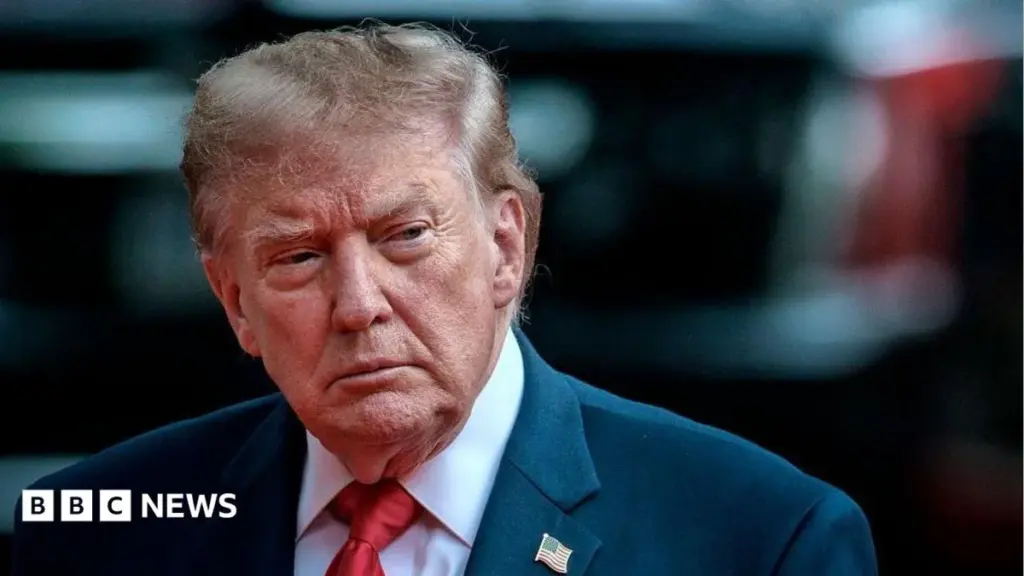
- China faces the highest tariff rates at 40%, with Vietnam at 35% and other major partners facing 20-25%.
- The policy aims to address alleged labor suppression and market-distorting industrial strategies.
- Economists warn of inflationary pressures, though some suggest the net impact may be smaller than initial market fears.
- The European Commission has signaled a formal investigation, setting the stage for potential retaliatory trade disputes.
- Trung Quốc chịu mức thuế cao nhất là 40%, Việt Nam ở mức 35%, trong khi các đối tác lớn khác đối mặt với mức thuế từ 20-25%.
- Chính sách này nhằm giải quyết các cáo buộc về việc đàn áp lao động và các chiến lược công nghiệp gây méo mó thị trường.
- Các nhà kinh tế cảnh báo về áp lực lạm phát, mặc dù một số ý kiến cho rằng tác động thực tế có thể thấp hơn so với những lo ngại ban đầu của thị trường.
- Ủy ban châu Âu đã phát tín hiệu về một cuộc điều tra chính thức, tạo tiền đề cho các tranh chấp thương mại trả đũa tiềm tàng.
- La Chine est la cible principale avec des droits de douane de 40 %, suivie du Vietnam à 35 % et d'autres partenaires majeurs taxés entre 20 et 25 %.
- La politique vise officiellement à contrer les pratiques de dumping social et les stratégies industrielles jugées déloyales sur le marché mondial.
- Si les économistes redoutent des pressions inflationnistes, certains nuancent l'impact réel, estimant que ces mesures remplacent des dispositifs existants plutôt qu'elles ne s'y ajoutent.
- La Commission européenne a déjà annoncé l'ouverture d'une enquête formelle, ouvrant la voie à une escalade de mesures de rétorsion commerciale.
- China afronta los aranceles más elevados, con un 40%, seguida de Vietnam con un 35% y otros socios estratégicos con tasas de entre el 20% y el 25%.
- La política busca combatir la supuesta represión laboral y las estrategias industriales que distorsionan el mercado global.
- Aunque los economistas advierten sobre presiones inflacionistas, algunos sugieren que el impacto neto podría ser menor de lo que temían inicialmente los mercados.
- La Comisión Europea ha anunciado una investigación formal, preparando el terreno para posibles disputas comerciales y medidas de represalia.
- 中国面临高达40%的最高关税税率,越南为35%,其他主要贸易伙伴则面临20%至25%的关税。
- 该政策旨在应对美方所指控的“劳工压制”及“扭曲市场的产业战略”。
- 经济学家警告称此举可能引发通胀压力,但也有观点认为其净影响可能小于市场最初的担忧。
- 欧盟委员会已表示将启动正式调查,这为未来潜在的报复性贸易争端埋下了伏笔。
In a move that reverberates from the manufacturing hubs of Shenzhen to the industrial heartlands of Germany, the White House has announced a rigorous new schedule of import tariffs. This latest policy iteration, designed to reshape the American economic landscape, targets a broad coalition of the nation’s most significant trading partners, including China, the European Union, and twelve other jurisdictions. By imposing levies reaching as high as 40% on Chinese goods, President Trump is doubling down on his protectionist mandate, framing the initiative as a necessary correction to decades of perceived trade imbalances and the erosion of the domestic manufacturing base.
The announcement serves as a strategic pivot following the legal invalidation of the administration’s previous "Liberation Day" tariffs by the US Supreme Court. By recalibrating the framework to withstand judicial scrutiny, the White House is attempting to institutionalize a more aggressive trade posture. While the administration characterizes these measures as a tool to "level the playing field" for American workers, the global market reaction has been one of cautious apprehension. As the world’s two largest economies remain locked in a fragile trade truce—set to expire in early January—this escalation threatens to reignite a tit-for-tat cycle that could fundamentally alter the trajectory of global commerce.
The Anatomy of a Protectionist Strategy
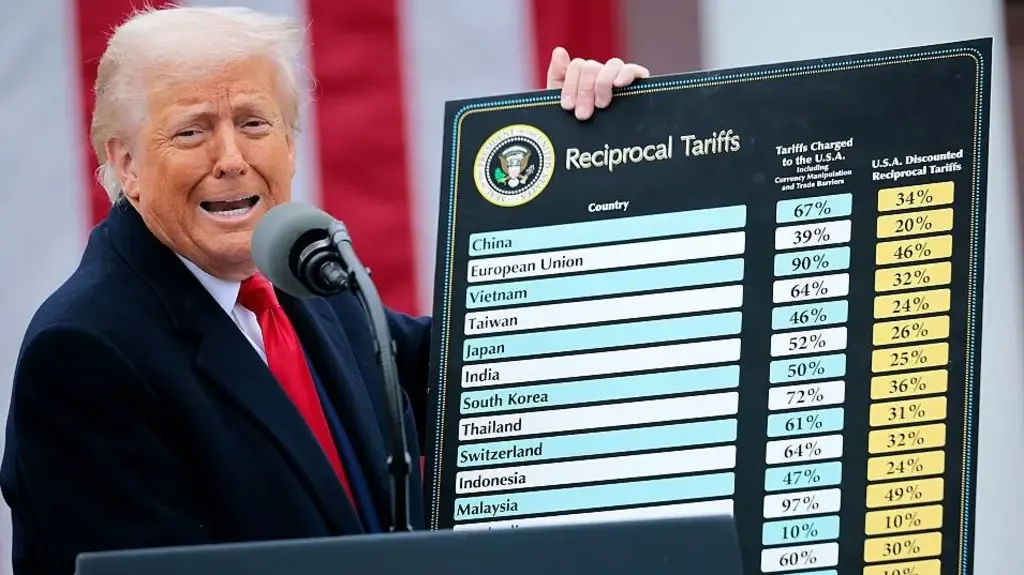
The mechanics of the new tariff regime are as complex as they are far-reaching. China finds itself at the epicenter of the policy, facing a 40% levy, while Vietnam—a rising beneficiary of supply chain diversification—is hit with a 35% rate. Other key partners, ranging from Japan and South Korea to India and the EU, face a tiered structure of 20% to 25%. US Trade Representative Jamieson Greer has articulated the administration’s rationale with stark clarity, pointing to "decades" of industrial strategies abroad that have allegedly relied on labor suppression and market-distorting practices to undercut American competitiveness.
Historically, this approach marks a departure from the post-Cold War consensus of globalized, frictionless trade. The administration’s focus on the trade deficit—the gap between imports and exports—reflects a belief that the US has been a passive participant in a rigged global system. By forcing businesses to pay these duties, the White House aims to incentivize domestic production and reduce reliance on foreign supply chains. However, the precedent of the "Liberation Day" tariffs, which were ultimately struck down by the courts, suggests that the administration is operating in a high-stakes legal and political environment where every executive action is subject to intense scrutiny.
Economic Ripples and the Inflationary Question
The immediate concern for global markets is the inflationary impact of these duties. Tariffs are, by definition, taxes on imports, and when businesses are forced to absorb these costs, they are frequently passed on to the end consumer. Economists are currently debating the severity of this "tariff tax." Stephen Brown, chief North America economist for Capital Economics, has offered a nuanced perspective, suggesting that the latest announcement may be "not as alarming as it looks" because the new levies are essentially replacing previous measures rather than adding a massive layer of new costs on top of existing ones.
Despite this, the psychological impact on global trade cannot be ignored. The uncertainty surrounding the upcoming expiration of the US-China trade truce on January 10th creates a volatile environment for multinational corporations. If the two superpowers fail to reach a long-term agreement, the resulting instability could dampen capital expenditure and disrupt the delicate AI and technology supply chains that define the modern global economy. For the European Union, the situation is equally fraught; the European Commission has already signaled its intent to investigate the legal basis for these tariffs, hinting that a diplomatic standoff may be on the horizon.
Institutional Reactions and the Path Forward
The global response has been swift, characterized by a mix of diplomatic protest and strategic preparation. While the US administration maintains that these tariffs are a path toward a "more sustainable" global economy, the European Commission’s decision to challenge the move underscores the growing friction between Washington and its traditional allies. The EU has pointedly noted that tariffs should remain within previously agreed-upon limits, suggesting that they view the US move as a breach of established international trade norms.
Looking ahead, the focus will shift to the January 10th deadline. The meeting between President Trump and President Xi Jinping last week provided a platform for dialogue, yet the lack of a concrete announcement regarding the trade war truce suggests that both sides are digging in for a protracted struggle. For investors and policymakers, the coming months will be defined by how these tariffs are implemented and whether the US can successfully navigate the legal and economic challenges inherent in such a radical shift in policy. As the global economy braces for a period of heightened protectionism, the question remains whether these measures will truly revitalize American industry or merely accelerate the fragmentation of the global trade order.
Trong một động thái gây chấn động từ các trung tâm sản xuất tại Thâm Quyến đến những vùng công nghiệp trọng điểm của Đức, Nhà Trắng đã công bố một lộ trình thuế quan nhập khẩu mới đầy khắt khe. Phiên bản chính sách mới nhất này, được thiết kế để định hình lại cục diện kinh tế Mỹ, nhắm vào một liên minh rộng lớn gồm các đối tác thương mại quan trọng nhất của quốc gia, bao gồm Trung Quốc, Liên minh châu Âu và mười hai khu vực pháp lý khác. Bằng cách áp đặt các loại thuế lên tới 40% đối với hàng hóa Trung Quốc, Tổng thống Trump đang củng cố lập trường bảo hộ của mình, coi đây là một sự điều chỉnh cần thiết sau nhiều thập kỷ mất cân bằng thương mại và sự suy yếu của nền tảng sản xuất nội địa.
Thông báo này đóng vai trò là một cú xoay trục chiến lược sau khi các loại thuế quan "Ngày Giải phóng" trước đó của chính quyền bị Tòa án Tối cao Mỹ tuyên bố vô hiệu. Bằng cách hiệu chỉnh lại khung pháp lý để vượt qua sự giám sát của tòa án, Nhà Trắng đang nỗ lực thể chế hóa một tư thế thương mại quyết liệt hơn. Trong khi chính quyền mô tả các biện pháp này là công cụ để "tạo sân chơi bình đẳng" cho người lao động Mỹ, phản ứng của thị trường toàn cầu lại mang đầy vẻ thận trọng và lo âu. Khi hai nền kinh tế lớn nhất thế giới vẫn đang bị mắc kẹt trong một thỏa thuận đình chiến thương mại mong manh—dự kiến sẽ hết hạn vào đầu tháng 1—sự leo thang này đe dọa sẽ làm bùng phát trở lại một chu kỳ "ăn miếng trả miếng" có thể làm thay đổi căn bản quỹ đạo của thương mại toàn cầu.
Giải phẫu chiến lược bảo hộ
Cơ chế của chế độ thuế quan mới phức tạp và có tầm ảnh hưởng sâu rộng. Trung Quốc đang ở tâm điểm của chính sách này với mức thuế 40%, trong khi Việt Nam—một quốc gia đang nổi lên như một điểm đến hưởng lợi từ việc đa dạng hóa chuỗi cung ứng—phải chịu mức thuế 35%. Các đối tác chủ chốt khác, từ Nhật Bản, Hàn Quốc đến Ấn Độ và EU, phải đối mặt với cấu trúc thuế phân tầng từ 20% đến 25%. Đại diện Thương mại Mỹ Jamieson Greer đã trình bày lý do của chính quyền một cách rõ ràng, chỉ ra "nhiều thập kỷ" các chiến lược công nghiệp ở nước ngoài dựa vào việc đàn áp lao động và các hành vi gây méo mó thị trường để làm suy yếu khả năng cạnh tranh của Mỹ.
Về mặt lịch sử, cách tiếp cận này đánh dấu sự rời bỏ đồng thuận thời hậu Chiến tranh Lạnh về một nền thương mại toàn cầu hóa, không ma sát. Sự tập trung của chính quyền vào thâm hụt thương mại—khoảng cách giữa nhập khẩu và xuất khẩu—phản ánh niềm tin rằng Mỹ đã trở thành một bên tham gia thụ động trong một hệ thống toàn cầu bị thao túng. Bằng cách buộc các doanh nghiệp phải trả các loại thuế này, Nhà Trắng nhắm đến việc khuyến khích sản xuất trong nước và giảm sự phụ thuộc vào chuỗi cung ứng nước ngoài. Tuy nhiên, tiền lệ từ các loại thuế "Ngày Giải phóng", vốn đã bị tòa án bác bỏ, cho thấy chính quyền đang hoạt động trong một môi trường pháp lý và chính trị đầy rủi ro, nơi mọi hành động hành pháp đều phải chịu sự giám sát gắt gao.
Những gợn sóng kinh tế và câu hỏi về lạm phát
Mối quan tâm tức thời của các thị trường toàn cầu là tác động lạm phát từ các loại thuế này. Về bản chất, thuế quan là thuế đánh vào hàng nhập khẩu, và khi các doanh nghiệp buộc phải hấp thụ những chi phí này, chúng thường được chuyển sang người tiêu dùng cuối cùng. Các nhà kinh tế hiện đang tranh luận về mức độ nghiêm trọng của "thuế quan này". Stephen Brown, chuyên gia kinh tế trưởng khu vực Bắc Mỹ tại Capital Economics, đã đưa ra một góc nhìn đa chiều, cho rằng thông báo mới nhất có thể "không đáng báo động như vẻ ngoài của nó" vì các loại thuế mới về cơ bản đang thay thế các biện pháp trước đó thay vì bổ sung một lớp chi phí khổng lồ lên trên những chi phí hiện có.
Mặc dù vậy, tác động tâm lý đối với thương mại toàn cầu là không thể xem thường. Sự không chắc chắn xung quanh việc thỏa thuận đình chiến thương mại Mỹ-Trung sẽ hết hạn vào ngày 10 tháng 1 tạo ra một môi trường đầy biến động cho các tập đoàn đa quốc gia. Nếu hai siêu cường không đạt được thỏa thuận dài hạn, sự bất ổn kéo theo có thể làm giảm chi tiêu vốn và làm gián đoạn các chuỗi cung ứng công nghệ và AI vốn là nền tảng của nền kinh tế toàn cầu hiện đại. Đối với Liên minh châu Âu, tình hình cũng đầy căng thẳng; Ủy ban châu Âu đã phát tín hiệu về ý định điều tra cơ sở pháp lý của các loại thuế này, ám chỉ rằng một cuộc đối đầu ngoại giao có thể đang ở phía trước.
Phản ứng của các thể chế và lộ trình phía trước
Phản ứng của thế giới diễn ra rất nhanh chóng, đặc trưng bởi sự pha trộn giữa phản đối ngoại giao và chuẩn bị chiến lược. Trong khi chính quyền Mỹ khẳng định rằng các loại thuế này là con đường hướng tới một nền kinh tế toàn cầu "bền vững hơn", quyết định thách thức động thái này của Ủy ban châu Âu nhấn mạnh sự rạn nứt ngày càng tăng giữa Washington và các đồng minh truyền thống. EU đã lưu ý một cách sắc bén rằng thuế quan nên nằm trong giới hạn đã thỏa thuận trước đó, cho thấy họ coi động thái của Mỹ là sự vi phạm các chuẩn mực thương mại quốc tế đã được thiết lập.
Nhìn về phía trước, trọng tâm sẽ chuyển sang thời hạn ngày 10 tháng 1. Cuộc gặp giữa Tổng thống Trump và Chủ tịch Tập Cận Bình tuần trước đã cung cấp một nền tảng cho đối thoại, tuy nhiên việc thiếu một thông báo cụ thể về thỏa thuận đình chiến thương mại cho thấy cả hai bên đang chuẩn bị cho một cuộc đấu tranh kéo dài. Đối với các nhà đầu tư và các nhà hoạch định chính sách, những tháng tới sẽ được định hình bởi cách thức các loại thuế này được thực thi và liệu Mỹ có thể vượt qua những thách thức pháp lý và kinh tế vốn có trong một sự thay đổi chính sách triệt để như vậy hay không. Khi nền kinh tế toàn cầu chuẩn bị cho một thời kỳ bảo hộ gia tăng, câu hỏi đặt ra là liệu các biện pháp này có thực sự vực dậy nền công nghiệp Mỹ hay chỉ đơn thuần đẩy nhanh sự phân mảnh của trật tự thương mại toàn cầu.
Dans un mouvement qui résonne des hubs manufacturiers de Shenzhen jusqu'aux bastions industriels allemands, la Maison-Blanche a annoncé un nouveau calendrier rigoureux de droits de douane à l'importation. Cette dernière itération politique, conçue pour remodeler le paysage économique américain, cible une large coalition des partenaires commerciaux les plus significatifs du pays, incluant la Chine, l'Union européenne et douze autres juridictions. En imposant des taxes atteignant jusqu'à 40 % sur les produits chinois, le président Trump renforce son mandat protectionniste, présentant l'initiative comme une correction nécessaire face à des décennies de déséquilibres commerciaux perçus et à l'érosion de la base manufacturière nationale.
Cette annonce constitue un pivot stratégique après l'invalidation juridique des précédentes taxes "Liberation Day" par la Cour suprême des États-Unis. En recalibrant le cadre pour résister à l'examen judiciaire, la Maison-Blanche tente d'institutionnaliser une posture commerciale plus agressive. Bien que l'administration qualifie ces mesures d'outil visant à "équilibrer les règles du jeu" pour les travailleurs américains, la réaction du marché mondial est empreinte d'une appréhension prudente. Alors que les deux plus grandes économies mondiales restent enfermées dans une fragile trêve commerciale — dont l'expiration est prévue début janvier — cette escalade menace de raviver un cycle de représailles susceptible de modifier fondamentalement la trajectoire du commerce mondial.
L'anatomie d'une stratégie protectionniste
La mécanique du nouveau régime tarifaire est aussi complexe qu'elle est vaste. La Chine se retrouve à l'épicentre de la politique, confrontée à une taxe de 40 %, tandis que le Vietnam — bénéficiaire croissant de la diversification des chaînes d'approvisionnement — est frappé d'un taux de 35 %. D'autres partenaires clés, du Japon et de la Corée du Sud à l'Inde et à l'UE, font face à une structure échelonnée allant de 20 % à 25 %. Le représentant américain au commerce, Jamieson Greer, a articulé la logique de l'administration avec une clarté brutale, pointant du doigt des "décennies" de stratégies industrielles étrangères qui auraient reposé sur la répression salariale et des pratiques faussant le marché pour miner la compétitivité américaine.
Historiquement, cette approche marque une rupture avec le consensus post-Guerre froide d'un commerce mondialisé et fluide. L'accent mis par l'administration sur le déficit commercial — l'écart entre les importations et les exportations — reflète la conviction que les États-Unis ont été des participants passifs dans un système mondial truqué. En forçant les entreprises à payer ces droits, la Maison-Blanche vise à inciter la production nationale et à réduire la dépendance aux chaînes d'approvisionnement étrangères. Cependant, le précédent des taxes "Liberation Day", finalement annulées par les tribunaux, suggère que l'administration opère dans un environnement juridique et politique à haut risque où chaque action exécutive est soumise à un examen minutieux.
Ondes de choc économiques et question inflationniste
La préoccupation immédiate des marchés mondiaux concerne l'impact inflationniste de ces droits. Les tarifs douaniers sont, par définition, des taxes sur les importations, et lorsque les entreprises sont contraintes d'absorber ces coûts, elles les répercutent fréquemment sur le consommateur final. Les économistes débattent actuellement de la gravité de cette "taxe tarifaire". Stephen Brown, économiste en chef pour l'Amérique du Nord chez Capital Economics, a offert une perspective nuancée, suggérant que la dernière annonce pourrait être "moins alarmante qu'il n'y paraît", car les nouvelles taxes remplacent essentiellement des mesures précédentes plutôt que d'ajouter une couche massive de coûts supplémentaires sur celles déjà existantes.
Malgré cela, l'impact psychologique sur le commerce mondial ne peut être ignoré. L'incertitude entourant l'expiration prochaine de la trêve commerciale sino-américaine le 10 janvier crée un environnement volatil pour les multinationales. Si les deux superpuissances ne parviennent pas à un accord à long terme, l'instabilité qui en résulterait pourrait freiner les dépenses d'investissement et perturber les fragiles chaînes d'approvisionnement technologiques et liées à l'IA qui définissent l'économie mondiale moderne. Pour l'Union européenne, la situation est tout aussi tendue ; la Commission européenne a déjà signalé son intention d'enquêter sur la base juridique de ces tarifs, laissant entendre qu'une impasse diplomatique pourrait se profiler à l'horizon.
Réactions institutionnelles et perspectives d'avenir
La réponse mondiale a été rapide, caractérisée par un mélange de protestations diplomatiques et de préparation stratégique. Alors que l'administration américaine soutient que ces tarifs sont la voie vers une économie mondiale "plus durable", la décision de la Commission européenne de contester cette mesure souligne la friction croissante entre Washington et ses alliés traditionnels. L'UE a noté avec insistance que les tarifs devraient rester dans les limites précédemment convenues, suggérant qu'elle perçoit le mouvement américain comme une violation des normes commerciales internationales établies.
À l'avenir, l'attention se portera sur l'échéance du 10 janvier. La rencontre entre le président Trump et le président Xi Jinping la semaine dernière a offert une plateforme de dialogue, mais l'absence d'annonce concrète concernant la trêve de la guerre commerciale suggère que les deux parties se préparent à une lutte prolongée. Pour les investisseurs et les décideurs politiques, les mois à venir seront définis par la manière dont ces tarifs seront mis en œuvre et par la capacité des États-Unis à naviguer dans les défis juridiques et économiques inhérents à un changement de politique aussi radical. Alors que l'économie mondiale se prépare à une période de protectionnisme accru, la question demeure de savoir si ces mesures revitaliseront véritablement l'industrie américaine ou si elles ne feront qu'accélérer la fragmentation de l'ordre commercial mondial.
En una maniobra que resuena desde los centros de fabricación de Shenzhen hasta el corazón industrial de Alemania, la Casa Blanca ha anunciado un riguroso nuevo calendario de aranceles a la importación. Esta última iteración política, diseñada para remodelar el panorama económico estadounidense, tiene como objetivo a una amplia coalición de los socios comerciales más importantes del país, incluidos China, la Unión Europea y otras doce jurisdicciones. Al imponer gravámenes que alcanzan hasta el 40% sobre los productos chinos, el presidente Trump redobla su apuesta por el mandato proteccionista, enmarcando la iniciativa como una corrección necesaria ante décadas de supuestos desequilibrios comerciales y la erosión de la base manufacturera nacional.
El anuncio supone un giro estratégico tras la invalidación legal de los anteriores aranceles del "Día de la Liberación" por parte del Tribunal Supremo de EE. UU. Al recalibrar el marco para resistir el escrutinio judicial, la Casa Blanca intenta institucionalizar una postura comercial más agresiva. Aunque la administración caracteriza estas medidas como una herramienta para "equilibrar el terreno de juego" en favor de los trabajadores estadounidenses, la reacción del mercado global ha sido de cautelosa aprensión. Mientras las dos mayores economías del mundo permanecen atrapadas en una frágil tregua comercial —que expira a principios de enero—, esta escalada amenaza con reactivar un ciclo de represalias que podría alterar fundamentalmente la trayectoria del comercio mundial.
La anatomía de una estrategia proteccionista
La mecánica del nuevo régimen arancelario es tan compleja como trascendental. China se encuentra en el epicentro de la política, enfrentándose a un gravamen del 40%, mientras que Vietnam —un beneficiario emergente de la diversificación de las cadenas de suministro— se ve afectado por una tasa del 35%. Otros socios clave, desde Japón y Corea del Sur hasta la India y la UE, se enfrentan a una estructura escalonada de entre el 20% y el 25%. El representante de Comercio de EE. UU., Jamieson Greer, ha articulado la lógica de la administración con meridiana claridad, señalando "décadas" de estrategias industriales en el extranjero que, presuntamente, se han basado en la represión laboral y prácticas de distorsión del mercado para socavar la competitividad estadounidense.
Históricamente, este enfoque marca una ruptura con el consenso de la posguerra fría de un comercio globalizado y sin fricciones. El enfoque de la administración en el déficit comercial —la brecha entre importaciones y exportaciones— refleja la convicción de que EE. UU. ha sido un participante pasivo en un sistema global amañado. Al obligar a las empresas a pagar estos aranceles, la Casa Blanca pretende incentivar la producción nacional y reducir la dependencia de las cadenas de suministro extranjeras. Sin embargo, el precedente de los aranceles del "Día de la Liberación", que fueron finalmente anulados por los tribunales, sugiere que la administración opera en un entorno legal y político de alto riesgo, donde cada acción ejecutiva está sujeta a un intenso escrutinio.
Ondas económicas y la cuestión inflacionista
La preocupación inmediata para los mercados globales es el impacto inflacionista de estos derechos. Los aranceles son, por definición, impuestos a las importaciones, y cuando las empresas se ven obligadas a absorber estos costes, a menudo los trasladan al consumidor final. Los economistas debaten actualmente la gravedad de este "impuesto arancelario". Stephen Brown, economista jefe para Norteamérica de Capital Economics, ha ofrecido una perspectiva matizada, sugiriendo que el último anuncio podría "no ser tan alarmante como parece", ya que los nuevos gravámenes sustituyen esencialmente a las medidas anteriores en lugar de añadir una capa masiva de costes adicionales sobre los ya existentes.
A pesar de ello, el impacto psicológico en el comercio mundial no puede ignorarse. La incertidumbre que rodea la próxima expiración de la tregua comercial entre EE. UU. y China el 10 de enero crea un entorno volátil para las corporaciones multinacionales. Si las dos superpotencias no logran alcanzar un acuerdo a largo plazo, la inestabilidad resultante podría frenar el gasto de capital y perturbar las delicadas cadenas de suministro de inteligencia artificial y tecnología que definen la economía global moderna. Para la Unión Europea, la situación es igualmente tensa; la Comisión Europea ya ha señalado su intención de investigar la base legal de estos aranceles, sugiriendo que podría avecinarse un enfrentamiento diplomático.
Reacciones institucionales y el camino a seguir
La respuesta global ha sido rápida, caracterizada por una mezcla de protesta diplomática y preparación estratégica. Aunque la administración estadounidense sostiene que estos aranceles son el camino hacia una economía global "más sostenible", la decisión de la Comisión Europea de impugnar la medida subraya la creciente fricción entre Washington y sus aliados tradicionales. La UE ha señalado puntualmente que los aranceles deberían mantenerse dentro de los límites previamente acordados, lo que sugiere que consideran la medida de EE. UU. como una violación de las normas comerciales internacionales establecidas.
De cara al futuro, el foco se desplazará hacia la fecha límite del 10 de enero. La reunión entre el presidente Trump y el presidente Xi Jinping la semana pasada proporcionó una plataforma para el diálogo, pero la ausencia de un anuncio concreto sobre la tregua en la guerra comercial sugiere que ambas partes se están atrincherando para una lucha prolongada. Para los inversores y los responsables políticos, los próximos meses vendrán definidos por cómo se implementen estos aranceles y si EE. UU. puede superar con éxito los desafíos legales y económicos inherentes a un cambio de política tan radical. Mientras la economía mundial se prepara para un periodo de mayor proteccionismo, queda la duda de si estas medidas revitalizarán realmente la industria estadounidense o simplemente acelerarán la fragmentación del orden comercial global.
从深圳的制造业中心到德国的工业腹地,白宫宣布的一系列严苛进口关税计划正引发全球震荡。这一旨在重塑美国经济版图的最新政策,将矛头对准了包括中国、欧盟及其他十二个司法管辖区在内的庞大贸易伙伴阵营。通过对中国商品征收高达40%的关税,特朗普总统正进一步强化其保护主义执政纲领,并将其定义为对数十年来所谓“贸易失衡”及国内制造业基础流失的必要纠偏。
此次宣布是继美国最高法院裁定该政府此前的“解放日”关税无效后,白宫采取的一次战略性转向。通过重新校准框架以经受司法审查,白宫正试图将其激进的贸易立场制度化。尽管政府将这些措施标榜为为美国工人“创造公平竞争环境”的工具,但全球市场的反应却充满了谨慎的忧虑。随着全球两大经济体之间脆弱的贸易休战协议即将于1月初到期,这种升级态势恐将重新点燃报复性循环,从而从根本上改变全球贸易的运行轨迹。
保护主义战略的剖析
新关税体制的运作机制既复杂又深远。中国处于该政策的震中,面临40%的关税税率;而作为供应链多元化受益者的越南,则被征收35%的关税。包括日本、韩国、印度及欧盟在内的其他关键伙伴,则面临20%至25%的分级关税结构。美国贸易代表杰米森·格里尔(Jamieson Greer)明确阐述了政府的逻辑,指出国外“数十年来”的产业战略依赖于劳工压制和扭曲市场的做法,从而削弱了美国的竞争力。
从历史维度看,这一方针标志着对冷战后全球化、无摩擦贸易共识的背离。政府对贸易逆差(即进出口差额)的关注,反映出其认为美国在这一被“操纵”的全球体系中一直处于被动地位。通过迫使企业承担这些关税,白宫旨在激励国内生产并减少对外国供应链的依赖。然而,“解放日”关税被法院推翻的先例表明,政府正处于一个高风险的法律与政治环境中,每一项行政命令都面临着严苛的审视。
经济涟漪与通胀疑云
全球市场最直接的担忧在于这些关税带来的通胀影响。关税本质上是对进口商品征税,当企业被迫承担这些成本时,往往会将其转嫁给终端消费者。经济学家们目前正在争论这种“关税税”的严重程度。凯投宏观(Capital Economics)首席北美经济学家斯蒂芬·布朗(Stephen Brown)提出了一个细致的观点,认为最新的公告“或许并不像看起来那样令人担忧”,因为新的关税本质上是在替代之前的措施,而非在现有成本之上叠加巨额负担。
尽管如此,其对全球贸易的心理冲击不容忽视。美中贸易休战协议将于1月10日到期,这种不确定性为跨国公司创造了一个动荡的环境。如果两大超级大国未能达成长期协议,由此产生的动荡可能会抑制资本支出,并扰乱定义现代全球经济的人工智能及科技供应链。对于欧盟而言,局势同样严峻;欧盟委员会已表示打算调查这些关税的法律依据,暗示外交僵局可能一触即发。
机构反应与未来路径
全球的反应迅速且强烈,表现为外交抗议与战略准备的结合。尽管美国政府坚称这些关税是通往“更可持续”全球经济的途径,但欧盟委员会决定挑战这一举措,凸显了华盛顿与其传统盟友之间日益加剧的摩擦。欧盟明确指出,关税应保持在先前商定的限度内,这表明他们将美方的举动视为对既定国际贸易准则的破坏。
展望未来,焦点将转向1月10日的最后期限。特朗普总统与习近平主席上周的会晤虽然提供了一个对话平台,但缺乏关于贸易战休战的具体声明,表明双方都在为一场持久战做准备。对于投资者和决策者而言,未来几个月将取决于这些关税如何实施,以及美国能否成功应对这种激进政策调整所带来的法律与经济挑战。随着全球经济进入一个保护主义加剧的时期,人们不禁要问:这些措施究竟能否真正振兴美国工业,还是仅仅加速了全球贸易秩序的碎片化?
Cultural Icons Featured in This Dispatch

Editorial Standards & Multi-Language Synthesis: This dispatch was synthesized and fact-checked by the ParisDaily Editorial Desk across 5 global editions (EN, FR, VI, ES, ZH), cross-referencing primary international wire reports and real-time search intelligence.