Cú xoay trục chiến lược: Trump từ bỏ ngoại giao với Iran, tập trung mũi nhọn vào đối thủ chính trị trong nước
President Trump has officially declared an end to diplomatic efforts with Tehran, signaling a hardline shift as he redirects Vice President Vance toward domestic investigations.
Tổng thống Trump chính thức tuyên bố chấm dứt các nỗ lực ngoại giao với Tehran, phát đi tín hiệu về một sự chuyển hướng cứng rắn khi ông điều chuyển Phó Tổng thống Vance sang dẫn dắt các cuộc điều tra nội bộ.
Le président Trump a officiellement mis fin aux efforts diplomatiques avec Téhéran, marquant un virage radical alors qu'il réoriente le vice-président Vance vers des enquêtes sur le front intérieur. Ce changement de cap stratégique souligne une volonté de la Maison-Blanche de reprendre l'initiative après des revers électoraux majeurs.
El presidente Trump ha declarado oficialmente el fin de los esfuerzos diplomáticos con Teherán, señalando un giro hacia la línea dura mientras redirige al vicepresidente Vance hacia investigaciones internas. Este cambio de estrategia busca consolidar su base electoral tras los reveses sufridos en las elecciones de mitad de mandato.
特朗普总统正式宣布终止与德黑兰的外交努力,标志着其政策向强硬立场转变,并将副总统万斯重新部署至针对国内的调查工作中。
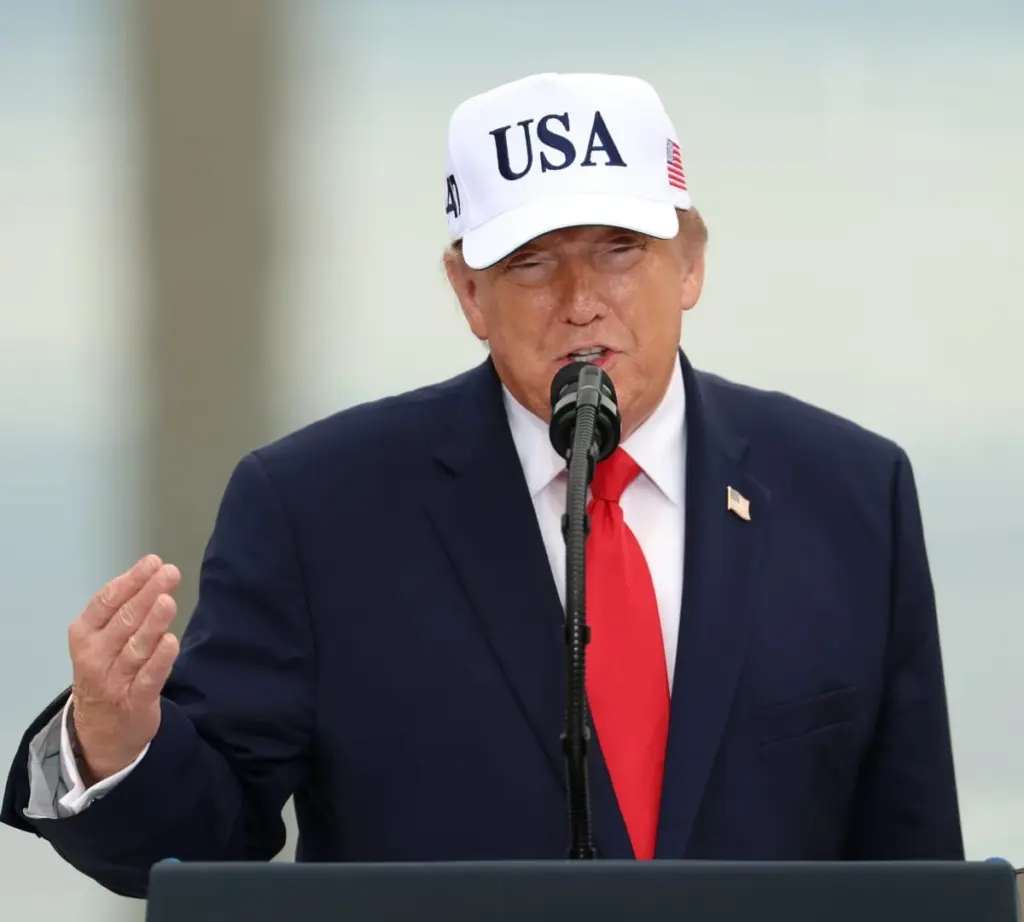
- President Trump explicitly rejected further negotiations with Iran, citing control over the Strait of Hormuz and frozen assets.
- Vice President JD Vance has been reassigned from Middle East diplomacy to lead a federal crackdown on corruption in Democratic-led states.
- The ongoing nine-month conflict in the Middle East remains a primary driver of global energy price volatility and domestic inflation.
- The policy pivot follows significant Republican midterm losses, which analysts attribute to voter fatigue over the protracted military engagement.
- Tổng thống Trump bác bỏ hoàn toàn các cuộc đàm phán tiếp theo với Iran, viện dẫn lợi thế kiểm soát eo biển Hormuz và các tài sản bị phong tỏa.
- Phó Tổng thống JD Vance được tái bổ nhiệm từ vai trò đặc phái viên ngoại giao Trung Đông sang dẫn đầu chiến dịch trấn áp tham nhũng tại các bang do Đảng Dân chủ kiểm soát.
- Cuộc xung đột kéo dài 9 tháng tại Trung Đông vẫn là nhân tố chính gây bất ổn giá năng lượng toàn cầu và lạm phát trong nước.
- Sự thay đổi chính sách diễn ra sau những thất bại đáng kể của Đảng Cộng hòa trong cuộc bầu cử giữa kỳ, điều mà các nhà phân tích cho là do cử tri mệt mỏi với các cuộc can thiệp quân sự kéo dài.
- Le président Trump a explicitement rejeté toute nouvelle négociation avec l'Iran, invoquant le contrôle du détroit d'Ormuz et le gel des avoirs iraniens.
- Le vice-président JD Vance a été déchargé de la diplomatie au Moyen-Orient pour diriger une offensive fédérale contre la corruption dans les États dirigés par les Démocrates.
- Le conflit au Moyen-Orient, qui dure depuis neuf mois, reste le principal moteur de la volatilité des prix de l'énergie et de l'inflation domestique.
- Ce pivot politique fait suite à des pertes significatives des Républicains lors des élections de mi-mandat, attribuées par les analystes à la lassitude des électeurs face à un engagement militaire prolongé.
- El presidente Trump rechazó explícitamente nuevas negociaciones con Irán, citando el control sobre el estrecho de Ormuz y la congelación de activos como sus principales bazas.
- El vicepresidente JD Vance ha sido reasignado de la diplomacia en Oriente Medio para liderar una ofensiva federal contra la corrupción en estados gobernados por demócratas.
- El conflicto en Oriente Medio, que ya dura nueve meses, sigue siendo el principal motor de la volatilidad de los precios energéticos globales y de la inflación interna en EE. UU.
- Este giro político se produce tras las importantes derrotas republicanas en las elecciones de mitad de mandato, que los analistas atribuyen al cansancio de los votantes ante el prolongado compromiso militar.
- 特朗普总统明确拒绝与伊朗进行进一步谈判,理由是美国已掌控霍尔木兹海峡并冻结了伊朗资产。
- 副总统万斯已从负责中东外交的岗位调离,转而领导联邦政府对民主党执政州进行腐败调查。
- 持续九个月的中东冲突仍是全球能源价格波动和国内通胀的主要驱动因素。
- 此次政策转向发生在中期选举共和党惨败之后,分析人士认为这是选民对长期军事介入感到疲惫的结果。
In a move that has sent shockwaves through global markets and diplomatic circles, President Donald Trump declared on Thursday that the United States has no further need for a negotiated settlement with Iran. The pronouncement, delivered via social media, marks a definitive end to the administration's previous attempts at back-channel diplomacy, effectively cementing the U.S. stance in a conflict that has now entered its ninth month with no clear resolution in sight.
Simultaneously, the President announced a radical reallocation of executive priorities, tasking Vice President JD Vance with shifting his focus away from the Middle Eastern theater and toward an aggressive investigation into alleged corruption and crime within Democratic-controlled cities and states. This dual-pronged strategy—abandoning the pursuit of a regional peace deal while launching a domestic political offensive—suggests a White House attempting to regain its footing after a bruising midterm election cycle that saw the administration’s popularity wane under the weight of an unpopular war and persistent economic anxiety.
The Strategic Calculus of a Frozen Conflict
The declaration that the U.S. no longer requires a deal with Tehran is rooted in a belief that the administration has already achieved its primary leverage objectives. By asserting control over the Strait of Hormuz—the world’s most critical maritime chokepoint for oil transit—and maintaining a freeze on hundreds of billions of dollars in Iranian assets, the President is signaling a shift toward a policy of permanent containment rather than reconciliation. This rhetoric reflects a departure from the initial optimism that characterized the start of the conflict in late February, when the administration projected a swift military victory.
However, the reality on the ground remains a tense, grinding stalemate. What was once framed as a short-term military intervention has metastasized into a protracted struggle that has fundamentally altered the global energy landscape. The resulting volatility in oil prices has acted as a persistent inflationary force, eroding the purchasing power of American households and providing the primary fuel for the political backlash that culminated in the recent midterm losses. By closing the door on diplomacy, the administration is essentially doubling down on a strategy of economic strangulation, betting that the current status quo is sustainable despite the mounting costs.
For the international community, this stance introduces a new layer of uncertainty. The Strait of Hormuz remains a fragile artery for the global economy, and the absence of a diplomatic framework increases the risk of miscalculation. As the conflict drags into its ninth month, the lack of an exit strategy or a path toward de-escalation suggests that the administration is prepared to accept a long-term, high-stakes military presence in the region, regardless of the impact on global stability or domestic sentiment.
The Domestic Pivot: A New Front in the Culture War
The reassignment of Vice President JD Vance from his role as the administration’s chief diplomatic envoy to Iran to a domestic investigator of "Blue State" corruption represents a significant tactical pivot. By framing the investigation of Democratic-led cities—specifically naming California, Illinois, and Minnesota—as a means to balance the federal budget, the administration is attempting to shift the national narrative away from the failures of the Iran war and toward a populist crusade against perceived internal enemies.
This strategy is clearly designed to appeal to the administration's core base, which has grown increasingly frustrated with the economic fallout of the war. By labeling Democratic leadership as inherently corrupt, the White House is seeking to deflect blame for the current economic climate, suggesting that the nation's financial woes are not the result of foreign policy missteps, but rather the consequence of domestic mismanagement. It is a high-risk maneuver that seeks to weaponize the machinery of the federal government against political opponents, potentially deepening the partisan divide at a time when national unity is arguably at its lowest point.
Whether this pivot will succeed in reversing the political tide remains to be seen. While the rhetoric is designed to energize voters who feel alienated by the current administration’s policies, it also risks further alienating moderate voters who are primarily concerned with inflation and the stability of the global order. The shift suggests that the White House is less interested in consensus-building than in solidifying its hold on its base, setting the stage for an increasingly polarized political environment in the months leading up to the next election cycle.
Market Volatility and the Global Ripple Effect
The immediate reaction from the financial sector was one of apprehension, with stock futures declining sharply following the President’s announcement. Investors, who had been cautiously optimistic that a diplomatic breakthrough might lead to a stabilization of energy prices, now face a future defined by prolonged uncertainty. The link between the Iran conflict and global inflation is direct and undeniable; as long as the Strait of Hormuz remains a flashpoint, energy markets will continue to price in a risk premium that keeps costs elevated for consumers and businesses alike.
Beyond the immediate market impact, the administration’s decision to abandon diplomacy creates a vacuum in regional governance. With the U.S. no longer seeking a deal, the burden of managing the fallout of the war falls on regional allies and international institutions, many of which have already expressed concern over the lack of a coherent long-term strategy. The potential for further escalation is high, and the lack of a diplomatic "off-ramp" means that any minor incident in the region could quickly spiral into a broader confrontation.
As the administration turns its gaze inward, the global community is left to navigate the consequences of a U.S. foreign policy that appears increasingly detached from the realities of international diplomacy. The coming months will be a critical test of whether the administration’s domestic pivot can provide the political cover it seeks, or if the unresolved issues of the Iran war will continue to haunt the White House, both on the global stage and at the ballot box. The world will be watching closely to see if this new, more aggressive posture leads to the stability the President promises, or if it merely invites further chaos.
Trong một động thái gây chấn động thị trường toàn cầu và giới ngoại giao, Tổng thống Donald Trump hôm thứ Năm tuyên bố rằng Hoa Kỳ không còn nhu cầu đạt được một thỏa thuận đàm phán với Iran. Tuyên bố được đưa ra qua mạng xã hội này đánh dấu sự chấm dứt dứt khoát đối với các nỗ lực ngoại giao hậu trường trước đây của chính quyền, đồng thời củng cố lập trường của Mỹ trong một cuộc xung đột đã bước sang tháng thứ chín mà chưa có hồi kết rõ ràng.
Đồng thời, Tổng thống cũng thông báo về việc tái phân bổ các ưu tiên hành pháp, giao cho Phó Tổng thống JD Vance chuyển trọng tâm từ chiến trường Trung Đông sang một cuộc điều tra quyết liệt về các cáo buộc tham nhũng và tội phạm tại các thành phố và bang do Đảng Dân chủ kiểm soát. Chiến lược "hai mũi nhọn" này—từ bỏ việc theo đuổi thỏa thuận hòa bình khu vực để phát động một cuộc tấn công chính trị trong nước—cho thấy một Nhà Trắng đang nỗ lực lấy lại vị thế sau chu kỳ bầu cử giữa kỳ đầy khó khăn, nơi sự ủng hộ dành cho chính quyền suy giảm dưới sức nặng của một cuộc chiến không được lòng dân và nỗi lo kinh tế dai dẳng.
Tính toán chiến lược của một cuộc xung đột đóng băng
Tuyên bố rằng Mỹ không còn cần một thỏa thuận với Tehran bắt nguồn từ niềm tin rằng chính quyền đã đạt được các mục tiêu đòn bẩy chính. Bằng cách khẳng định quyền kiểm soát eo biển Hormuz—điểm nghẽn hàng hải quan trọng nhất thế giới đối với vận chuyển dầu mỏ—và duy trì việc phong tỏa hàng trăm tỷ đô la tài sản của Iran, Tổng thống đang phát đi tín hiệu chuyển sang chính sách kiềm chế vĩnh viễn thay vì hòa giải. Luận điệu này phản ánh sự rời bỏ thái độ lạc quan ban đầu vốn đặc trưng cho giai đoạn đầu của cuộc xung đột vào cuối tháng Hai, khi chính quyền dự báo về một chiến thắng quân sự nhanh chóng.
Tuy nhiên, thực tế trên thực địa vẫn là một thế bế tắc căng thẳng và dai dẳng. Những gì từng được mô tả là một cuộc can thiệp quân sự ngắn hạn đã biến thành một cuộc đấu tranh kéo dài, làm thay đổi căn bản cục diện năng lượng toàn cầu. Sự biến động của giá dầu đã trở thành một lực đẩy lạm phát dai dẳng, làm xói mòn sức mua của các hộ gia đình Mỹ và là nguồn cơn chính cho phản ứng dữ dội về chính trị, đỉnh điểm là những thất bại trong cuộc bầu cử giữa kỳ vừa qua. Bằng cách đóng cánh cửa ngoại giao, chính quyền về cơ bản đang nhân đôi chiến lược bóp nghẹt kinh tế, đánh cược rằng hiện trạng hiện tại là bền vững bất chấp những chi phí ngày càng tăng.
Đối với cộng đồng quốc tế, lập trường này tạo ra một tầng nấc bất ổn mới. Eo biển Hormuz vẫn là huyết mạch mong manh của nền kinh tế toàn cầu, và việc thiếu vắng một khuôn khổ ngoại giao làm tăng nguy cơ tính toán sai lầm. Khi cuộc xung đột kéo dài sang tháng thứ chín, việc thiếu một chiến lược rút lui hoặc lộ trình giảm leo thang cho thấy chính quyền đã sẵn sàng chấp nhận sự hiện diện quân sự lâu dài, rủi ro cao trong khu vực, bất kể tác động đến sự ổn định toàn cầu hay tâm lý trong nước.
Cú xoay trục trong nước: Mặt trận mới trong cuộc chiến văn hóa
Việc tái bổ nhiệm Phó Tổng thống JD Vance từ vai trò đặc phái viên ngoại giao sang điều tra tham nhũng tại các "Bang Xanh" đại diện cho một bước ngoặt chiến thuật đáng kể. Bằng cách đóng khung việc điều tra các thành phố do Đảng Dân chủ lãnh đạo—cụ thể là California, Illinois và Minnesota—như một phương tiện để cân bằng ngân sách liên bang, chính quyền đang cố gắng chuyển hướng dư luận quốc gia khỏi những thất bại trong cuộc chiến Iran sang một cuộc thập tự chinh dân túy chống lại những kẻ thù nội bộ.
Chiến lược này rõ ràng được thiết kế để thu hút cơ sở cử tri cốt lõi của chính quyền, những người ngày càng thất vọng với hậu quả kinh tế của cuộc chiến. Bằng cách gắn nhãn giới lãnh đạo Đảng Dân chủ là tham nhũng, Nhà Trắng đang tìm cách đổ lỗi cho tình hình kinh tế hiện tại, gợi ý rằng những khó khăn tài chính của quốc gia không phải là kết quả của những sai lầm trong chính sách đối ngoại, mà là hậu quả của sự quản lý yếu kém trong nước. Đây là một nước đi rủi ro cao nhằm vũ khí hóa bộ máy chính phủ liên bang để chống lại các đối thủ chính trị, có khả năng làm sâu sắc thêm sự chia rẽ đảng phái vào thời điểm mà sự đoàn kết quốc gia đang ở mức thấp nhất.
Liệu cú xoay trục này có thành công trong việc đảo ngược làn sóng chính trị hay không vẫn còn là dấu hỏi. Mặc dù luận điệu này được thiết kế để tiếp thêm sinh lực cho những cử tri cảm thấy bị xa lánh bởi các chính sách hiện tại, nó cũng có nguy cơ làm xa lánh thêm những cử tri ôn hòa vốn quan tâm chủ yếu đến lạm phát và sự ổn định của trật tự toàn cầu. Sự thay đổi này cho thấy Nhà Trắng ít quan tâm đến việc xây dựng sự đồng thuận hơn là củng cố quyền kiểm soát đối với cơ sở cử tri của mình, tạo tiền đề cho một môi trường chính trị ngày càng phân cực trong những tháng dẫn đến chu kỳ bầu cử tiếp theo.
Biến động thị trường và hiệu ứng lan tỏa toàn cầu
Phản ứng tức thì từ lĩnh vực tài chính là sự lo ngại, với hợp đồng tương lai chứng khoán giảm mạnh sau tuyên bố của Tổng thống. Các nhà đầu tư, những người từng thận trọng lạc quan rằng một bước đột phá ngoại giao có thể dẫn đến sự ổn định của giá năng lượng, giờ đây phải đối mặt với một tương lai được định nghĩa bởi sự bất định kéo dài. Mối liên hệ giữa cuộc xung đột Iran và lạm phát toàn cầu là trực tiếp và không thể phủ nhận; chừng nào eo biển Hormuz còn là điểm nóng, thị trường năng lượng sẽ tiếp tục tính đến phí rủi ro, giữ cho chi phí ở mức cao đối với cả người tiêu dùng và doanh nghiệp.
Ngoài tác động tức thời đến thị trường, quyết định từ bỏ ngoại giao của chính quyền tạo ra một khoảng trống trong quản trị khu vực. Với việc Mỹ không còn tìm kiếm một thỏa thuận, gánh nặng quản lý hậu quả của cuộc chiến đổ dồn lên các đồng minh khu vực và các tổ chức quốc tế, nhiều trong số đó đã bày tỏ lo ngại về việc thiếu một chiến lược dài hạn mạch lạc. Khả năng leo thang hơn nữa là rất cao, và việc thiếu một "lối thoát" ngoại giao đồng nghĩa với việc bất kỳ sự cố nhỏ nào trong khu vực cũng có thể nhanh chóng xoáy sâu thành một cuộc đối đầu rộng lớn hơn.
Khi chính quyền hướng cái nhìn vào bên trong, cộng đồng toàn cầu bị bỏ lại để điều hướng những hậu quả của một chính sách đối ngoại Hoa Kỳ dường như ngày càng tách rời khỏi thực tế ngoại giao quốc tế. Những tháng tới sẽ là bài kiểm tra quan trọng về việc liệu cú xoay trục trong nước của chính quyền có thể cung cấp lá chắn chính trị mà họ tìm kiếm hay không, hay liệu những vấn đề chưa được giải quyết của cuộc chiến Iran sẽ tiếp tục ám ảnh Nhà Trắng, cả trên trường quốc tế và tại thùng phiếu. Thế giới sẽ theo dõi sát sao để xem liệu tư thế mới, quyết liệt hơn này có dẫn đến sự ổn định mà Tổng thống hứa hẹn, hay nó chỉ đơn thuần mời gọi thêm sự hỗn loạn.
Dans une manœuvre qui a fait trembler les marchés mondiaux et les cercles diplomatiques, le président Donald Trump a déclaré jeudi que les États-Unis n'avaient plus besoin d'un règlement négocié avec l'Iran. Cette annonce, faite via les réseaux sociaux, marque la fin définitive des tentatives de diplomatie parallèle de l'administration, cristallisant la position américaine dans un conflit qui entre désormais dans son neuvième mois sans issue claire en vue.
Parallèlement, le président a annoncé une réallocation radicale des priorités exécutives, chargeant le vice-président JD Vance de détourner son attention du théâtre moyen-oriental pour se concentrer sur une enquête agressive concernant des allégations de corruption et de criminalité au sein des villes et États contrôlés par les Démocrates. Cette stratégie à double détente — abandonner la quête d'un accord de paix régional tout en lançant une offensive politique intérieure — suggère une Maison-Blanche cherchant à reprendre pied après un cycle électoral de mi-mandat éprouvant, où la popularité de l'administration a décliné sous le poids d'une guerre impopulaire et d'une anxiété économique persistante.
Le calcul stratégique d'un conflit gelé
La déclaration selon laquelle les États-Unis n'ont plus besoin d'un accord avec Téhéran repose sur la conviction que l'administration a déjà atteint ses objectifs de levier principaux. En affirmant son contrôle sur le détroit d'Ormuz — le point de passage maritime le plus critique au monde pour le transit pétrolier — et en maintenant le gel de centaines de milliards de dollars d'avoirs iraniens, le président signale un passage vers une politique de confinement permanent plutôt que de réconciliation. Cette rhétorique marque une rupture avec l'optimisme initial qui caractérisait le début du conflit fin février, lorsque l'administration projetait une victoire militaire rapide.
Cependant, la réalité sur le terrain reste celle d'une impasse tendue et épuisante. Ce qui était présenté comme une intervention militaire de courte durée s'est métastasé en une lutte prolongée qui a fondamentalement altéré le paysage énergétique mondial. La volatilité des prix du pétrole qui en résulte a agi comme une force inflationniste persistante, érodant le pouvoir d'achat des ménages américains et fournissant le carburant principal du retour de bâton politique qui a culminé lors des récentes pertes aux élections de mi-mandat. En fermant la porte à la diplomatie, l'administration mise tout sur une stratégie d'étranglement économique, pariant que le statu quo actuel est tenable malgré les coûts croissants.
Pour la communauté internationale, cette posture introduit une nouvelle strate d'incertitude. Le détroit d'Ormuz demeure une artère fragile pour l'économie mondiale, et l'absence de cadre diplomatique accroît le risque d'erreur de calcul. Alors que le conflit s'étire dans son neuvième mois, l'absence de stratégie de sortie ou de voie vers une désescalade suggère que l'administration est prête à accepter une présence militaire à long terme et à haut risque dans la région, indépendamment de l'impact sur la stabilité mondiale ou le sentiment intérieur.
Le pivot intérieur : un nouveau front dans la guerre culturelle
La réaffectation du vice-président JD Vance, passant de son rôle d'envoyé diplomatique en chef auprès de l'Iran à celui d'enquêteur intérieur sur la corruption des « États bleus », représente un pivot tactique significatif. En présentant l'enquête sur les villes dirigées par les Démocrates — citant spécifiquement la Californie, l'Illinois et le Minnesota — comme un moyen d'équilibrer le budget fédéral, l'administration tente de détourner le récit national des échecs de la guerre en Iran vers une croisade populiste contre des ennemis internes perçus.
Cette stratégie est clairement conçue pour séduire la base électorale de l'administration, de plus en plus frustrée par les retombées économiques de la guerre. En qualifiant la direction démocrate d'intrinsèquement corrompue, la Maison-Blanche cherche à rejeter la responsabilité du climat économique actuel, suggérant que les malheurs financiers de la nation ne sont pas le résultat de faux pas en politique étrangère, mais plutôt la conséquence d'une mauvaise gestion intérieure. C'est une manœuvre à haut risque qui cherche à transformer l'appareil du gouvernement fédéral en arme contre les opposants politiques, creusant potentiellement le fossé partisan à un moment où l'unité nationale est sans doute à son point le plus bas.
Reste à voir si ce pivot réussira à inverser la tendance politique. Bien que la rhétorique soit conçue pour dynamiser les électeurs qui se sentent aliénés par les politiques de l'administration actuelle, elle risque également d'aliéner davantage les électeurs modérés, principalement préoccupés par l'inflation et la stabilité de l'ordre mondial. Ce changement suggère que la Maison-Blanche s'intéresse moins à la recherche d'un consensus qu'à la consolidation de sa base, préparant le terrain pour un environnement politique de plus en plus polarisé dans les mois précédant le prochain cycle électoral.
Volatilité des marchés et effet d'entraînement mondial
La réaction immédiate du secteur financier a été empreinte d'appréhension, les contrats à terme sur actions chutant brutalement après l'annonce du président. Les investisseurs, qui avaient été prudemment optimistes quant à une percée diplomatique susceptible de stabiliser les prix de l'énergie, font désormais face à un avenir défini par une incertitude prolongée. Le lien entre le conflit iranien et l'inflation mondiale est direct et indéniable ; tant que le détroit d'Ormuz restera un point chaud, les marchés de l'énergie continueront d'intégrer une prime de risque qui maintient les coûts élevés pour les consommateurs comme pour les entreprises.
Au-delà de l'impact immédiat sur les marchés, la décision de l'administration d'abandonner la diplomatie crée un vide dans la gouvernance régionale. Les États-Unis ne cherchant plus d'accord, le fardeau de la gestion des retombées de la guerre incombe aux alliés régionaux et aux institutions internationales, dont beaucoup ont déjà exprimé leur inquiétude face à l'absence de stratégie cohérente à long terme. Le potentiel d'escalade supplémentaire est élevé, et l'absence de « porte de sortie » diplomatique signifie que tout incident mineur dans la région pourrait rapidement dégénérer en une confrontation plus large.
Alors que l'administration tourne son regard vers l'intérieur, la communauté mondiale est laissée à elle-même pour naviguer dans les conséquences d'une politique étrangère américaine qui semble de plus en plus détachée des réalités de la diplomatie internationale. Les mois à venir seront un test critique pour déterminer si le pivot intérieur de l'administration peut offrir la couverture politique recherchée, ou si les problèmes non résolus de la guerre en Iran continueront de hanter la Maison-Blanche, tant sur la scène mondiale que dans les urnes. Le monde observera attentivement si cette nouvelle posture, plus agressive, mène à la stabilité promise par le président, ou si elle ne fait qu'inviter davantage au chaos.
En un movimiento que ha sacudido los mercados globales y los círculos diplomáticos, el presidente Donald Trump declaró el jueves que Estados Unidos no tiene necesidad alguna de alcanzar un acuerdo negociado con Irán. El anuncio, realizado a través de las redes sociales, marca el fin definitivo de los intentos previos de la administración por establecer una diplomacia paralela, consolidando de facto la postura estadounidense en un conflicto que ha entrado ya en su noveno mes sin una resolución clara a la vista.
Simultáneamente, el presidente anunció una reasignación radical de las prioridades ejecutivas, encargando al vicepresidente JD Vance que desvíe su atención del escenario de Oriente Medio para centrarse en una investigación agresiva sobre la supuesta corrupción y criminalidad en ciudades y estados controlados por los demócratas. Esta estrategia de doble frente —abandonar la búsqueda de un acuerdo de paz regional mientras se lanza una ofensiva política interna— sugiere una Casa Blanca que intenta recuperar el terreno perdido tras un ciclo electoral de mitad de mandato demoledor, en el que la popularidad de la administración se vio mermada por el peso de una guerra impopular y una persistente ansiedad económica.
El cálculo estratégico de un conflicto congelado
La declaración de que Estados Unidos ya no requiere un acuerdo con Teherán se basa en la convicción de que la administración ha alcanzado sus objetivos de influencia primordiales. Al asegurar el control sobre el estrecho de Ormuz —el punto de estrangulamiento marítimo más crítico del mundo para el tránsito de petróleo— y mantener congelados cientos de miles de millones de dólares en activos iraníes, el presidente señala un cambio hacia una política de contención permanente en lugar de reconciliación. Esta retórica supone un alejamiento del optimismo inicial que caracterizó el comienzo del conflicto a finales de febrero, cuando la administración proyectaba una victoria militar rápida.
Sin embargo, la realidad sobre el terreno sigue siendo un estancamiento tenso y agotador. Lo que en su día se presentó como una intervención militar a corto plazo se ha convertido en una lucha prolongada que ha alterado fundamentalmente el panorama energético mundial. La volatilidad resultante en los precios del petróleo ha actuado como una fuerza inflacionista persistente, erosionando el poder adquisitivo de los hogares estadounidenses y proporcionando el combustible principal para la reacción política que culminó en las recientes derrotas de mitad de mandato. Al cerrar la puerta a la diplomacia, la administración apuesta todo a una estrategia de estrangulamiento económico, confiando en que el statu quo actual es sostenible a pesar de los costes crecientes.
Para la comunidad internacional, esta postura introduce una nueva capa de incertidumbre. El estrecho de Ormuz sigue siendo una arteria frágil para la economía global, y la ausencia de un marco diplomático aumenta el riesgo de errores de cálculo. A medida que el conflicto se prolonga hacia su noveno mes, la falta de una estrategia de salida o de una vía hacia la desescalada sugiere que la administración está dispuesta a aceptar una presencia militar a largo plazo y de alto riesgo en la región, independientemente del impacto en la estabilidad global o en el sentimiento nacional.
El giro interno: un nuevo frente en la guerra cultural
La reasignación del vicepresidente JD Vance, de su papel como principal enviado diplomático de la administración ante Irán a investigador interno de la corrupción en los "estados azules", representa un giro táctico significativo. Al presentar la investigación de las ciudades gobernadas por demócratas —mencionando específicamente a California, Illinois y Minnesota— como un medio para equilibrar el presupuesto federal, la administración intenta desviar la narrativa nacional de los fracasos de la guerra en Irán hacia una cruzada populista contra supuestos enemigos internos.
Esta estrategia está claramente diseñada para atraer a la base central de la administración, que se ha mostrado cada vez más frustrada por las consecuencias económicas de la guerra. Al etiquetar a los líderes demócratas como intrínsecamente corruptos, la Casa Blanca busca desviar la culpa por el clima económico actual, sugiriendo que los problemas financieros de la nación no son el resultado de errores en la política exterior, sino la consecuencia de una mala gestión interna. Es una maniobra de alto riesgo que pretende utilizar la maquinaria del gobierno federal contra los opositores políticos, profundizando potencialmente la brecha partidista en un momento en que la unidad nacional se encuentra, posiblemente, en su punto más bajo.
Queda por ver si este giro logrará revertir la marea política. Si bien la retórica está diseñada para energizar a los votantes que se sienten alienados por las políticas de la actual administración, también corre el riesgo de alejar aún más a los votantes moderados, cuya principal preocupación es la inflación y la estabilidad del orden global. El cambio sugiere que la Casa Blanca está menos interesada en la construcción de consensos que en consolidar su control sobre su base, preparando el terreno para un entorno político cada vez más polarizado en los meses previos al próximo ciclo electoral.
Volatilidad del mercado y el efecto dominó global
La reacción inmediata del sector financiero fue de aprensión, con una caída pronunciada de los futuros bursátiles tras el anuncio del presidente. Los inversores, que habían mantenido un optimismo cauteloso ante la posibilidad de que un avance diplomático condujera a la estabilización de los precios de la energía, se enfrentan ahora a un futuro definido por una incertidumbre prolongada. El vínculo entre el conflicto de Irán y la inflación global es directo e innegable; mientras el estrecho de Ormuz siga siendo un punto crítico, los mercados energéticos continuarán aplicando una prima de riesgo que mantendrá los costes elevados tanto para los consumidores como para las empresas.
Más allá del impacto inmediato en el mercado, la decisión de la administración de abandonar la diplomacia crea un vacío en la gobernanza regional. Al no buscar ya un acuerdo, la carga de gestionar las consecuencias de la guerra recae sobre los aliados regionales y las instituciones internacionales, muchas de las cuales ya han expresado su preocupación por la falta de una estrategia coherente a largo plazo. El potencial de una mayor escalada es alto, y la ausencia de una "vía de salida" diplomática significa que cualquier incidente menor en la región podría convertirse rápidamente en una confrontación más amplia.
Mientras la administración vuelve su mirada hacia el interior, la comunidad internacional debe navegar las consecuencias de una política exterior estadounidense que parece cada vez más desconectada de las realidades de la diplomacia internacional. Los próximos meses serán una prueba crítica para determinar si el giro interno de la administración puede proporcionar la cobertura política que busca, o si los problemas no resueltos de la guerra en Irán seguirán acechando a la Casa Blanca, tanto en el escenario mundial como en las urnas. El mundo observará con atención si esta nueva postura, más agresiva, conduce a la estabilidad que promete el presidente o si simplemente invita a un mayor caos.
在一项令全球市场和外交界感到震惊的举措中,唐纳德·特朗普总统周四宣布,美国不再需要与伊朗达成任何谈判协议。这一通过社交媒体发布的声明,标志着本届政府此前尝试的幕后外交努力彻底终结,并实际上巩固了美国在这一冲突中的立场——这场冲突现已进入第九个月,且仍未见明确的解决方案。
与此同时,总统宣布了一项激进的行政优先事项重新分配,指派副总统万斯(JD Vance)将工作重心从中东战场转移,转而对民主党控制的城市和州进行针对所谓腐败和犯罪的强力调查。这种“双管齐下”的策略——即放弃寻求地区和平协议,同时发动国内政治攻势——表明白宫正试图在惨淡的中期选举周期后重整旗鼓,此前该政府的民意支持率因一场不受欢迎的战争和持续的经济焦虑而大幅下滑。
冻结冲突的战略算计
美国不再需要与德黑兰达成协议的声明,植根于一种信念,即本届政府已经实现了其主要的杠杆目标。通过确立对霍尔木兹海峡(全球最重要的石油运输海上咽喉)的控制,并维持对数千亿美元伊朗资产的冻结,总统正在发出信号,表明政策已转向永久性的“遏制”而非“和解”。这种言论与冲突初期(去年2月底)的乐观情绪形成了鲜明对比,当时政府曾预计会取得迅速的军事胜利。
然而,现实情况依然是紧张且令人煎熬的僵局。曾经被描述为短期军事干预的行动,如今已演变成一场从根本上改变全球能源格局的长期斗争。由此产生的油价波动已成为持续的通胀推手,侵蚀了美国家庭的购买力,并为导致近期中期选举失利的政治反弹提供了主要燃料。通过关闭外交大门,政府本质上是在加倍下注于经济绞杀策略,押注当前的现状尽管代价高昂,但仍是可持续的。
对于国际社会而言,这一立场引入了新的不确定性。霍尔木兹海峡仍然是全球经济脆弱的动脉,缺乏外交框架增加了误判的风险。随着冲突拖入第九个月,缺乏退出战略或缓和局势的路径,表明本届政府已准备好接受在该地区进行长期、高风险的军事存在,而不顾这对全球稳定或国内情绪的影响。
国内转向:文化战争的新前线
将副总统万斯从负责伊朗事务的首席外交特使,重新分配为针对“蓝州”腐败问题的国内调查员,代表了一次重大的战术转向。通过将对民主党执政城市(特别是加利福尼亚州、伊利诺伊州和明尼苏达州)的调查描述为平衡联邦预算的手段,政府正试图将国家叙事从伊朗战争的失败中转移出来,转向一场针对所谓“内部敌人”的民粹主义运动。
这一策略显然旨在吸引政府的核心选民基础,他们对战争带来的经济后果日益感到沮丧。通过将民主党领导层贴上“本质腐败”的标签,白宫正试图推卸对当前经济环境的责任,暗示国家的财政困境并非外交政策失误的结果,而是国内管理不善的后果。这是一场高风险的博弈,试图利用联邦政府的机器来对付政治对手,这可能会在国家团结处于历史最低点之际,进一步加深党派分歧。
这种转向能否成功扭转政治颓势尚待观察。虽然这些言论旨在激励那些对现政府政策感到疏离的选民,但它也冒着进一步疏远温和派选民的风险,因为后者主要关心的是通胀和全球秩序的稳定。这一转变表明,白宫对建立共识的兴趣远低于巩固其基本盘,这为下一次选举周期前几个月日益极化的政治环境奠定了基础。
市场波动与全球连锁反应
金融部门的即时反应是忧虑,在总统发表声明后,股票期货大幅下跌。投资者此前曾谨慎乐观地认为,外交突破可能导致能源价格趋于稳定,但现在他们面临的是一个由长期不确定性定义的未来。伊朗冲突与全球通胀之间的联系是直接且不可否认的;只要霍尔木兹海峡仍然是一个爆发点,能源市场就会继续计入风险溢价,从而使消费者和企业的成本保持在高位。
除了直接的市场影响外,政府放弃外交的决定在区域治理中造成了真空。由于美国不再寻求协议,管理战争后果的重担落在了地区盟友和国际机构身上,其中许多机构已经对缺乏连贯的长期战略表示担忧。局势进一步升级的可能性很高,缺乏外交“出口”意味着该地区的任何小规模事件都可能迅速演变成更广泛的对抗。
随着政府将目光转向国内,全球社会不得不应对美国外交政策带来的后果,这些政策似乎与国际外交的现实愈发脱节。未来几个月将是对本届政府的严峻考验:其国内转向能否提供所需的政治掩护,还是说伊朗战争遗留的问题将继续困扰白宫,无论是在全球舞台还是在投票箱前。世界将密切关注这种更具侵略性的新姿态是否会带来总统所承诺的稳定,还是仅仅会招致更多的混乱。
Cultural Icons Featured in This Dispatch

Editorial Standards & Multi-Language Synthesis: This dispatch was synthesized and fact-checked by the ParisDaily Editorial Desk across 5 global editions (EN, FR, VI, ES, ZH), cross-referencing primary international wire reports and real-time search intelligence.