Ván cờ tại Thâm Quyến: Hội nghị thượng đỉnh ba bên Trump - Tập - Putin gây chấn động các đồng minh toàn cầu
In a move that has sent shockwaves through Western capitals, President Trump has convened a historic trilateral summit with Xi Jinping and Vladimir Putin in Shenzhen. The meeting marks a radical departure from traditional US diplomatic doctrine.
Trong một động thái gây chấn động các thủ đô phương Tây, Tổng thống Trump đã triệu tập một hội nghị thượng đỉnh ba bên lịch sử với Tập Cận Bình và Vladimir Putin tại Thâm Quyến. Cuộc gặp đánh dấu sự đoạn tuyệt triệt để với học thuyết ngoại giao truyền thống của Hoa Kỳ.
Dans une manœuvre qui a provoqué une onde de choc dans les capitales occidentales, le président Trump a convoqué un sommet trilatéral historique avec Xi Jinping et Vladimir Poutine à Shenzhen. Cette rencontre marque une rupture radicale avec la doctrine diplomatique traditionnelle des États-Unis.
En un movimiento que ha provocado un terremoto en las capitales occidentales, el presidente Trump ha convocado una histórica cumbre trilateral con Xi Jinping y Vladímir Putin en Shenzhen. El encuentro marca una ruptura radical con la doctrina diplomática tradicional de Estados Unidos.
特朗普总统在深圳召集了与习近平和普京的历史性三方峰会,此举在西方各国首都引发了强烈震动。这次会晤标志着美国外交原则的彻底背离。
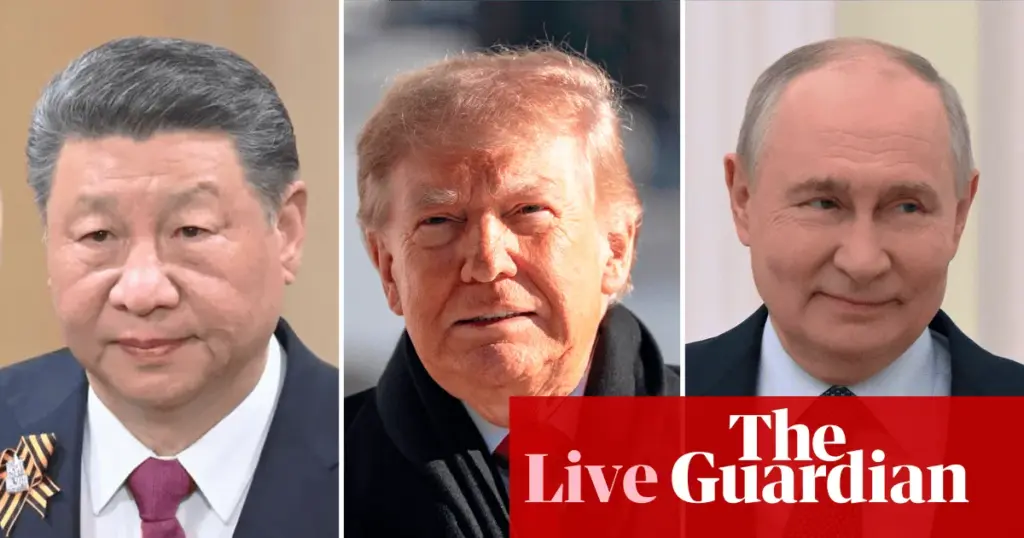
- President Trump is prioritizing personal rapport with Xi and Putin over traditional alliance-building.
- The summit in Shenzhen signals a shift toward a 'great power' framework that excludes smaller nations.
- Critics warn the meeting provides a diplomatic lifeline to Putin while emboldening China’s regional ambitions.
- The trilateral format aims to address nuclear arms, Ukraine, and AI, though observers remain skeptical of substantive outcomes.
- Tổng thống Trump đang ưu tiên mối quan hệ cá nhân với Tập Cận Bình và Putin hơn là việc xây dựng các liên minh truyền thống.
- Hội nghị tại Thâm Quyến báo hiệu sự chuyển dịch sang khuôn khổ "cường quyền" loại trừ các quốc gia nhỏ hơn.
- Các nhà phê bình cảnh báo cuộc gặp này mang lại "phao cứu sinh" ngoại giao cho Putin, đồng thời củng cố tham vọng khu vực của Trung Quốc.
- Thể thức ba bên nhằm giải quyết các vấn đề về vũ khí hạt nhân, Ukraine và AI, dù giới quan sát vẫn hoài nghi về những kết quả thực chất.
- Le président Trump privilégie désormais ses relations personnelles avec Xi et Poutine au détriment des alliances traditionnelles.
- Le sommet de Shenzhen signale une transition vers un cadre de "grandes puissances" qui exclut les nations plus modestes.
- Les critiques avertissent que cette rencontre offre une bouée de sauvetage diplomatique à Poutine tout en renforçant les ambitions régionales de la Chine.
- Le format trilatéral vise à aborder le nucléaire, l'Ukraine et l'IA, bien que les observateurs restent sceptiques quant à des résultats concrets.
- El presidente Trump prioriza la sintonía personal con Xi y Putin por encima de la construcción de alianzas tradicionales.
- La cumbre en Shenzhen señala un giro hacia un marco de "grandes potencias" que excluye a las naciones más pequeñas.
- Los críticos advierten que la reunión ofrece un salvavidas diplomático a Putin mientras refuerza las ambiciones regionales de China.
- El formato trilateral pretende abordar el armamento nuclear, Ucrania y la IA, aunque los observadores mantienen su escepticismo sobre resultados sustanciales.
- 特朗普总统将与习近平和普京的个人关系置于传统的盟友体系构建之上。
- 深圳峰会标志着向一种排斥小国的“大国框架”转变。
- 批评人士警告称,此次会晤为普京提供了外交生命线,同时助长了中国的地区野心。
- 三方会晤旨在解决核武器、乌克兰和人工智能等问题,但观察人士对实质性成果持怀疑态度。
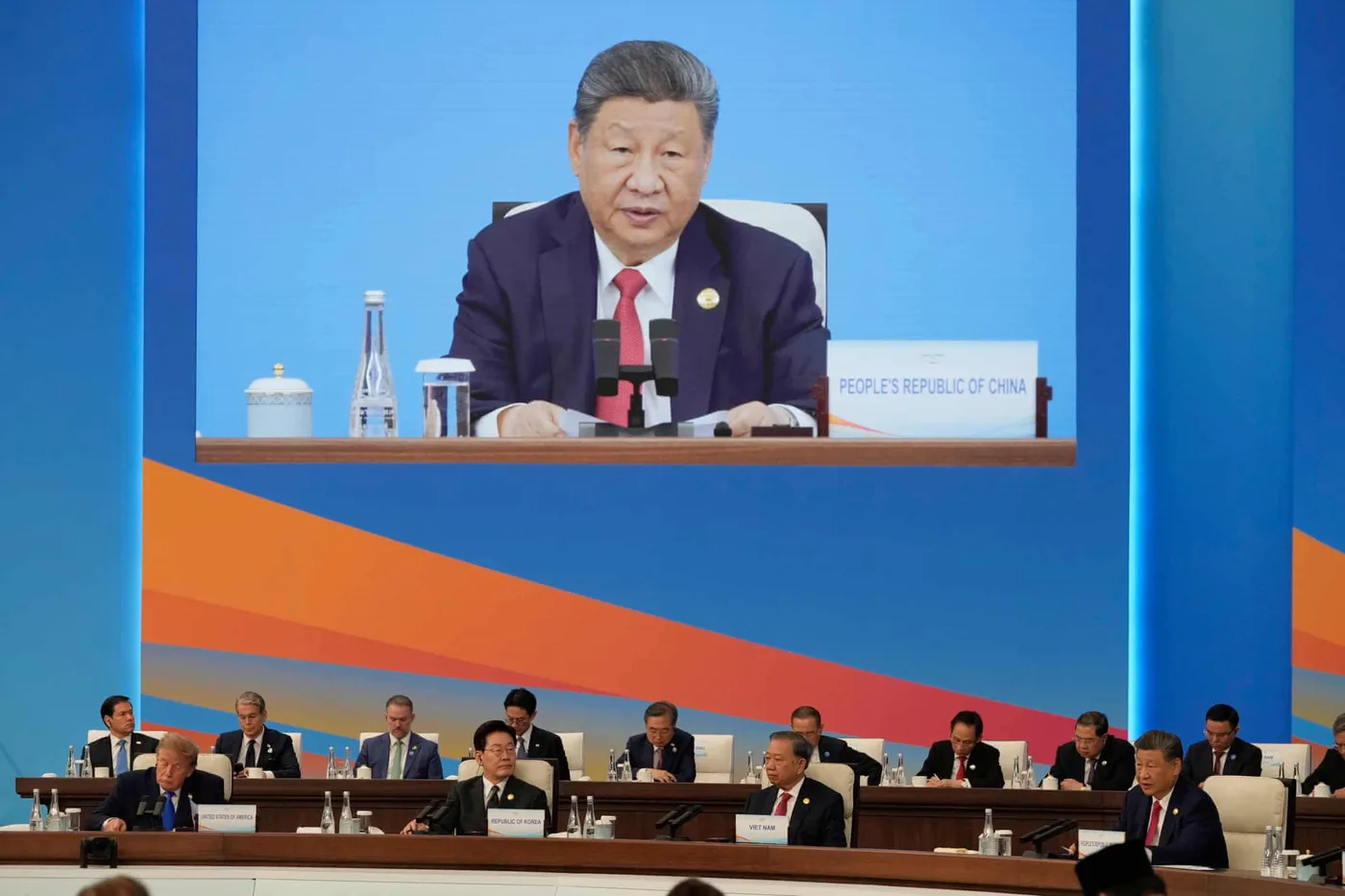
The optics of the APEC summit in Shenzhen have shifted from the mundane mechanics of trade policy to a spectacle of raw, high-stakes power projection. As President Donald Trump sits down with Chinese leader Xi Jinping and Russian President Vladimir Putin, the international order finds itself at a precarious inflection point. This trilateral meeting—the first of its kind between these three specific heads of state—represents a tectonic shift in the American approach to global governance, favoring the personal, transactional diplomacy of a 'strongman' triumvirate over the painstaking, consensus-driven multilateralism that has defined the post-WWII era.
For the White House, the summit is framed as a necessary exercise in pragmatism. By opening direct channels with the world’s most formidable nuclear powers, the administration argues it is creating a vital safety valve for regional flashpoints in Ukraine, the South China Sea, and the Middle East. Yet, for the traditional security establishment and US allies across Europe and the Pacific, the gathering is viewed with profound alarm. The fear is not merely that the summit will fail to produce concrete results, but that it fundamentally undermines the moral and strategic standing of the United States by elevating its primary adversaries to the status of equal partners in a new, exclusive global directorate.
The Architecture of a New Geopolitical Order
The selection of Shenzhen as the backdrop for this meeting is no accident. As China’s technological hub, the city serves as a potent symbol of Beijing’s aspirations for dominance in the digital and artificial intelligence sectors. President Xi, acting as the host, has utilized the APEC platform to position China as the indispensable architect of Asia-Pacific cooperation, pledging $20 million in funding for regional initiatives and calling for a unified front against the 'waves' of global instability. For Xi, the summit is a masterclass in soft power, allowing him to project an image of stability and leadership while the American president navigates the domestic fallout of recent midterm electoral losses.
The inclusion of Vladimir Putin adds a layer of complexity that has left many in Washington deeply unsettled. While the Russian leader has been largely isolated by the West for his ongoing aggression in Ukraine, this summit offers him a seat at the table of the world’s most powerful nations. Critics, including former US ambassador to China Nicholas Burns, argue that the meeting serves as a lifeline for a weakened Russian state, granting Putin the international legitimacy he has been denied for nearly five years. By treating the Russian president as a peer rather than a pariah, Trump is effectively rewriting the rules of engagement, prioritizing personal chemistry over the institutional constraints that have historically governed US-Russia relations.
The Risks of Transactional Diplomacy
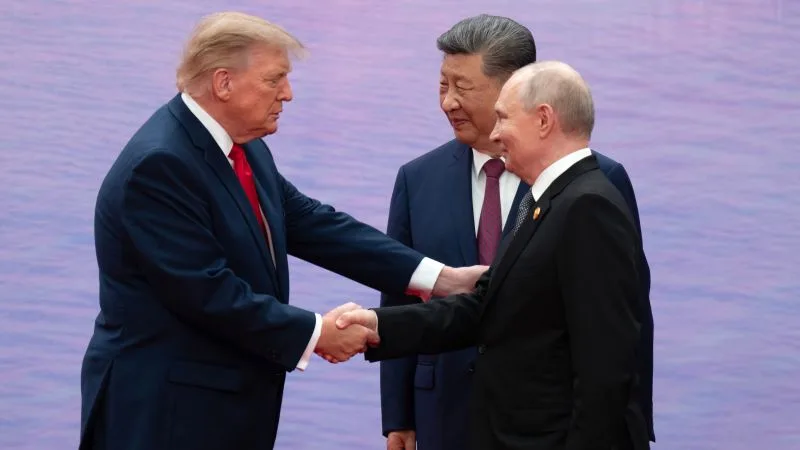
The central tension of the Shenzhen summit lies in the nature of the relationships being cultivated. President Trump has long championed a 'personalist' approach to foreign policy, believing that his unique rapport with leaders like Xi and Kim Jong Un can bypass the gridlock of traditional diplomacy. However, history suggests that such summits often prioritize pomp over substance. In his first term, Trump’s high-profile meetings with authoritarian leaders frequently resulted in striking photo opportunities but yielded little in the way of verifiable policy breakthroughs, particularly regarding nuclear non-proliferation or trade imbalances.
Furthermore, the timing of this summit is particularly fraught. The US-China relationship is currently strained by intense competition in the semiconductor industry and allegations of technological espionage. Rather than adopting a confrontational stance, Trump has opted for a strategy of conciliation, explicitly stating his reluctance to 'insult' Beijing ahead of the summit. This approach has drawn sharp criticism from within his own political circle, including former Vice President Mike Pence, who has urged the administration to speak forthrightly about the consequences of Chinese behavior. The risk is that by projecting a desire for friendship, the US may inadvertently signal weakness, emboldening adversaries who are already adept at playing the 'long game' of geopolitical attrition.
The View from the Global Stage
As the trilateral talks unfold, the global ripple effects are already being felt. For smaller nations in the Asia-Pacific region, the sight of three great powers carving out a private space for negotiation is a chilling reminder of their own vulnerability. The exclusion of traditional allies from these deliberations has sparked a quiet but intense panic in capitals from Tokyo to Brussels. If the United States is no longer the reliable anchor of the liberal international order, these nations must now recalibrate their own security strategies, potentially leading to a more fragmented and volatile global landscape.
Looking ahead, the success of the Shenzhen summit will be measured not by the warmth of the handshakes, but by the tangible outcomes regarding the world’s most pressing crises. Can this trio actually reach an accord on nuclear arms control? Is there a path to de-escalation in Ukraine that does not involve the total capitulation of Western interests? The answers remain elusive. As the summit concludes, the world will be watching to see if this 'trifecta of tyrant check-ins' serves as a genuine breakthrough for global stability or merely as a stage-managed performance that leaves the United States more isolated and its adversaries more entrenched than ever before.
Hình ảnh tại hội nghị APEC ở Thâm Quyến đã chuyển dịch từ những cơ chế vận hành thông thường của chính sách thương mại sang một màn trình diễn phô trương quyền lực đầy kịch tính. Khi Tổng thống Donald Trump ngồi vào bàn đàm phán với nhà lãnh đạo Trung Quốc Tập Cận Bình và Tổng thống Nga Vladimir Putin, trật tự quốc tế đang đứng trước một điểm bùng phát đầy bấp bênh. Cuộc gặp ba bên này—lần đầu tiên giữa ba nguyên thủ quốc gia cụ thể này—đại diện cho một sự thay đổi mang tính kiến tạo trong cách tiếp cận của Mỹ đối với quản trị toàn cầu, ưu tiên lối ngoại giao mang tính giao dịch cá nhân của một "bộ ba quyền lực" hơn là chủ nghĩa đa phương dựa trên sự đồng thuận đầy nhọc nhằn vốn đã định hình kỷ nguyên hậu Thế chiến II.
Đối với Nhà Trắng, hội nghị thượng đỉnh được đóng khung như một bài tập cần thiết của chủ nghĩa thực dụng. Bằng cách mở các kênh trực tiếp với những cường quốc hạt nhân đáng gờm nhất thế giới, chính quyền lập luận rằng họ đang tạo ra một van an toàn quan trọng cho các điểm nóng khu vực tại Ukraine, Biển Đông và Trung Đông. Tuy nhiên, đối với giới an ninh truyền thống và các đồng minh của Mỹ trên khắp châu Âu và Thái Bình Dương, cuộc gặp này được nhìn nhận với sự báo động sâu sắc. Nỗi lo ngại không chỉ nằm ở việc hội nghị sẽ thất bại trong việc tạo ra kết quả cụ thể, mà còn ở chỗ nó làm suy yếu căn bản vị thế đạo đức và chiến lược của Hoa Kỳ bằng cách nâng tầm các đối thủ chính lên vị thế đối tác ngang hàng trong một cơ quan điều hành toàn cầu mới và độc quyền.
Kiến trúc của một trật tự địa chính trị mới
Việc lựa chọn Thâm Quyến làm bối cảnh cho cuộc gặp này không phải là ngẫu nhiên. Là trung tâm công nghệ của Trung Quốc, thành phố này đóng vai trò như một biểu tượng mạnh mẽ cho khát vọng thống trị của Bắc Kinh trong lĩnh vực kỹ thuật số và trí tuệ nhân tạo. Chủ tịch Tập Cận Bình, với tư cách là chủ nhà, đã tận dụng nền tảng APEC để định vị Trung Quốc như một kiến trúc sư không thể thiếu của hợp tác châu Á - Thái Bình Dương, cam kết tài trợ 20 triệu USD cho các sáng kiến khu vực và kêu gọi một mặt trận thống nhất chống lại "những làn sóng" bất ổn toàn cầu. Đối với ông Tập, hội nghị thượng đỉnh là một bài học bậc thầy về quyền lực mềm, cho phép ông phác họa hình ảnh của sự ổn định và khả năng lãnh đạo trong khi Tổng thống Mỹ đang phải chật vật với những hệ lụy nội bộ từ các thất bại bầu cử giữa kỳ gần đây.
Sự góp mặt của Vladimir Putin tạo thêm một lớp phức tạp khiến nhiều người ở Washington cảm thấy bất an sâu sắc. Trong khi nhà lãnh đạo Nga phần lớn bị phương Tây cô lập vì cuộc xung đột đang diễn ra tại Ukraine, hội nghị thượng đỉnh này mang đến cho ông một vị trí tại bàn đàm phán của những quốc gia quyền lực nhất thế giới. Các nhà phê bình, bao gồm cựu đại sứ Mỹ tại Trung Quốc Nicholas Burns, lập luận rằng cuộc gặp đóng vai trò như một phao cứu sinh cho một nhà nước Nga đang suy yếu, mang lại cho Putin sự chính danh quốc tế mà ông đã bị từ chối trong gần 5 năm qua. Bằng cách đối xử với Tổng thống Nga như một người đồng cấp thay vì một kẻ bị ruồng bỏ, Trump đang thực sự viết lại các quy tắc giao tiếp, ưu tiên sự kết nối cá nhân hơn là những ràng buộc thể chế vốn đã điều chỉnh quan hệ Mỹ - Nga trong lịch sử.
Những rủi ro của ngoại giao giao dịch
Căng thẳng trung tâm của hội nghị thượng đỉnh Thâm Quyến nằm ở bản chất của các mối quan hệ đang được vun đắp. Tổng thống Trump từ lâu đã ủng hộ cách tiếp cận "cá nhân hóa" đối với chính sách đối ngoại, tin rằng mối quan hệ độc đáo của ông với các nhà lãnh đạo như Tập Cận Bình và Kim Jong Un có thể vượt qua sự bế tắc của ngoại giao truyền thống. Tuy nhiên, lịch sử cho thấy những hội nghị thượng đỉnh như vậy thường ưu tiên hình thức hơn nội dung. Trong nhiệm kỳ đầu tiên, các cuộc gặp cấp cao của Trump với các nhà lãnh đạo độc tài thường tạo ra những cơ hội chụp ảnh ấn tượng nhưng mang lại rất ít đột phá chính sách có thể kiểm chứng, đặc biệt là về vấn đề không phổ biến vũ khí hạt nhân hoặc mất cân bằng thương mại.
Hơn nữa, thời điểm diễn ra hội nghị thượng đỉnh này đặc biệt nhạy cảm. Quan hệ Mỹ - Trung hiện đang căng thẳng bởi sự cạnh tranh khốc liệt trong ngành công nghiệp bán dẫn và các cáo buộc gián điệp công nghệ. Thay vì áp dụng lập trường đối đầu, Trump đã chọn chiến lược hòa giải, tuyên bố rõ ràng sự miễn cưỡng trong việc "xúc phạm" Bắc Kinh trước thềm hội nghị. Cách tiếp cận này đã vấp phải sự chỉ trích gay gắt từ chính vòng tròn chính trị của ông, bao gồm cả cựu Phó Tổng thống Mike Pence, người đã thúc giục chính quyền cần thẳng thắn về những hậu quả từ hành vi của Trung Quốc. Rủi ro là bằng cách thể hiện mong muốn hữu nghị, Mỹ có thể vô tình phát đi tín hiệu yếu thế, khuyến khích các đối thủ vốn đã rất thành thạo trong việc chơi "trò chơi dài hơi" của sự tiêu hao địa chính trị.
Góc nhìn từ sân khấu toàn cầu
Khi các cuộc đàm phán ba bên diễn ra, những tác động lan tỏa toàn cầu đã bắt đầu được cảm nhận. Đối với các quốc gia nhỏ hơn ở khu vực châu Á - Thái Bình Dương, cảnh tượng ba cường quốc tự tạo ra một không gian riêng tư để đàm phán là một lời nhắc nhở lạnh lùng về sự dễ bị tổn thương của chính họ. Việc loại trừ các đồng minh truyền thống khỏi các cuộc thảo luận này đã gây ra một sự hoảng loạn thầm lặng nhưng dữ dội tại các thủ đô từ Tokyo đến Brussels. Nếu Hoa Kỳ không còn là điểm tựa đáng tin cậy của trật tự quốc tế tự do, các quốc gia này giờ đây phải điều chỉnh lại chiến lược an ninh của riêng mình, có khả năng dẫn đến một bối cảnh toàn cầu phân mảnh và biến động hơn.
Nhìn về phía trước, sự thành công của hội nghị thượng đỉnh Thâm Quyến sẽ không được đo bằng sự nồng ấm của những cái bắt tay, mà bằng những kết quả hữu hình liên quan đến các cuộc khủng hoảng cấp bách nhất thế giới. Liệu bộ ba này có thực sự đạt được thỏa thuận về kiểm soát vũ khí hạt nhân? Liệu có con đường nào để giảm leo thang tại Ukraine mà không liên quan đến sự đầu hàng hoàn toàn các lợi ích của phương Tây? Câu trả lời vẫn còn là ẩn số. Khi hội nghị kết thúc, thế giới sẽ dõi theo để xem liệu "bộ ba kiểm soát bạo chúa" này có tạo ra một bước đột phá thực sự cho sự ổn định toàn cầu hay chỉ đơn thuần là một màn trình diễn được dàn dựng kỹ lưỡng, khiến Hoa Kỳ bị cô lập hơn và các đối thủ của họ trở nên kiên cố hơn bao giờ hết.
L'optique du sommet de l'APEC à Shenzhen a glissé de la mécanique banale de la politique commerciale vers un spectacle de projection de puissance brute et à haut risque. Alors que le président Donald Trump s'assoit aux côtés du dirigeant chinois Xi Jinping et du président russe Vladimir Poutine, l'ordre international se retrouve à un point d'inflexion précaire. Cette réunion trilatérale — la première du genre entre ces trois chefs d'État spécifiques — représente un basculement tectonique dans l'approche américaine de la gouvernance mondiale, privilégiant la diplomatie transactionnelle et personnelle d'un triumvirat d'"hommes forts" au détriment du multilatéralisme patient et consensuel qui a défini l'ère de l'après-guerre.
Pour la Maison-Blanche, le sommet est présenté comme un exercice nécessaire de pragmatisme. En ouvrant des canaux directs avec les puissances nucléaires les plus redoutables du globe, l'administration soutient qu'elle crée une soupape de sécurité vitale pour les points de tension régionaux en Ukraine, en mer de Chine méridionale et au Moyen-Orient. Pourtant, pour l'establishment de la sécurité traditionnelle et les alliés des États-Unis à travers l'Europe et le Pacifique, ce rassemblement est perçu avec une profonde inquiétude. La crainte n'est pas seulement que le sommet échoue à produire des résultats concrets, mais qu'il sape fondamentalement la stature morale et stratégique des États-Unis en élevant ses principaux adversaires au rang de partenaires égaux au sein d'un nouveau directoire mondial exclusif.
L'architecture d'un nouvel ordre géopolitique
Le choix de Shenzhen comme toile de fond pour cette rencontre n'est pas le fruit du hasard. En tant que hub technologique de la Chine, la ville sert de symbole puissant aux aspirations de Pékin à dominer les secteurs du numérique et de l'intelligence artificielle. Le président Xi, agissant en tant qu'hôte, a utilisé la plateforme de l'APEC pour positionner la Chine comme l'architecte indispensable de la coopération Asie-Pacifique, promettant 20 millions de dollars de financement pour des initiatives régionales et appelant à un front uni contre les "vagues" d'instabilité mondiale. Pour Xi, le sommet est une leçon magistrale de soft power, lui permettant de projeter une image de stabilité et de leadership pendant que le président américain navigue dans les retombées nationales de ses récentes pertes électorales de mi-mandat.
L'inclusion de Vladimir Poutine ajoute une couche de complexité qui a laissé beaucoup de monde à Washington profondément déstabilisé. Alors que le dirigeant russe a été largement isolé par l'Occident en raison de son agression persistante en Ukraine, ce sommet lui offre une place à la table des nations les plus puissantes du monde. Les critiques, dont l'ancien ambassadeur des États-Unis en Chine, Nicholas Burns, soutiennent que la réunion sert de bouée de sauvetage à un État russe affaibli, accordant à Poutine la légitimité internationale qui lui a été refusée pendant près de cinq ans. En traitant le président russe comme un pair plutôt que comme un paria, Trump réécrit effectivement les règles de l'engagement, privilégiant la chimie personnelle sur les contraintes institutionnelles qui ont historiquement régi les relations américano-russes.
Les risques de la diplomatie transactionnelle
La tension centrale du sommet de Shenzhen réside dans la nature des relations cultivées. Le président Trump a longtemps prôné une approche "personnaliste" de la politique étrangère, convaincu que son rapport unique avec des dirigeants comme Xi et Kim Jong Un peut contourner l'impasse de la diplomatie traditionnelle. Cependant, l'histoire suggère que de tels sommets privilégient souvent le faste à la substance. Lors de son premier mandat, les rencontres très médiatisées de Trump avec des dirigeants autoritaires ont fréquemment abouti à des opportunités de photos marquantes, mais ont peu produit en termes de percées politiques vérifiables, notamment en ce qui concerne la non-prolifération nucléaire ou les déséquilibres commerciaux.
De plus, le timing de ce sommet est particulièrement tendu. La relation sino-américaine est actuellement mise à mal par une concurrence intense dans l'industrie des semi-conducteurs et des allégations d'espionnage technologique. Plutôt que d'adopter une posture de confrontation, Trump a opté pour une stratégie de conciliation, déclarant explicitement sa réticence à "insulter" Pékin avant le sommet. Cette approche a suscité de vives critiques au sein même de son cercle politique, notamment de la part de l'ancien vice-président Mike Pence, qui a exhorté l'administration à parler franchement des conséquences du comportement chinois. Le risque est qu'en projetant un désir d'amitié, les États-Unis puissent involontairement signaler une faiblesse, enhardissant des adversaires déjà experts dans le "jeu de longue haleine" de l'usure géopolitique.
Le regard depuis la scène mondiale
Alors que les pourparlers trilatéraux se déroulent, les effets d'entraînement mondiaux se font déjà sentir. Pour les nations plus petites de la région Asie-Pacifique, la vision de trois grandes puissances se taillant un espace privé pour négocier est un rappel glaçant de leur propre vulnérabilité. L'exclusion des alliés traditionnels de ces délibérations a déclenché une panique silencieuse mais intense dans les capitales, de Tokyo à Bruxelles. Si les États-Unis ne sont plus l'ancre fiable de l'ordre libéral international, ces nations doivent désormais recalibrer leurs propres stratégies de sécurité, menant potentiellement à un paysage mondial plus fragmenté et volatil.
À l'avenir, le succès du sommet de Shenzhen ne sera pas mesuré par la chaleur des poignées de main, mais par les résultats tangibles concernant les crises les plus pressantes du monde. Ce trio peut-il réellement parvenir à un accord sur le contrôle des armements nucléaires ? Existe-t-il une voie vers une désescalade en Ukraine qui n'implique pas la capitulation totale des intérêts occidentaux ? Les réponses restent insaisissables. À la conclusion du sommet, le monde observera si ce "trio de contrôle des tyrans" sert de véritable percée pour la stabilité mondiale ou simplement de performance mise en scène qui laisse les États-Unis plus isolés et ses adversaires plus retranchés que jamais.
La puesta en escena de la cumbre de la APEC en Shenzhen ha pasado de la mecánica mundana de la política comercial a un espectáculo de proyección de poder crudo y de alto riesgo. Mientras el presidente Donald Trump se sienta con el líder chino Xi Jinping y el presidente ruso Vladímir Putin, el orden internacional se encuentra en un punto de inflexión precario. Esta reunión trilateral —la primera de su clase entre estos tres jefes de Estado en concreto— representa un cambio tectónico en el enfoque estadounidense de la gobernanza global, favoreciendo la diplomacia personal y transaccional de un triunvirato de "hombres fuertes" sobre el multilateralismo minucioso y basado en el consenso que definió la era posterior a la Segunda Guerra Mundial.
Para la Casa Blanca, la cumbre se presenta como un ejercicio necesario de pragmatismo. Al abrir canales directos con las potencias nucleares más formidables del mundo, la administración argumenta que está creando una válvula de seguridad vital para los puntos de conflicto regionales en Ucrania, el mar de China Meridional y Oriente Próximo. Sin embargo, para el estamento de seguridad tradicional y los aliados de Estados Unidos en Europa y el Pacífico, el encuentro se contempla con profunda alarma. El temor no es solo que la cumbre no produzca resultados concretos, sino que socava fundamentalmente la posición moral y estratégica de Estados Unidos al elevar a sus principales adversarios al estatus de socios iguales en un nuevo y exclusivo directorio global.
La arquitectura de un nuevo orden geopolítico
La elección de Shenzhen como telón de fondo para esta reunión no es casual. Como centro tecnológico de China, la ciudad sirve como un potente símbolo de las aspiraciones de Pekín por dominar los sectores digital y de inteligencia artificial. El presidente Xi, en calidad de anfitrión, ha utilizado la plataforma de la APEC para posicionar a China como el arquitecto indispensable de la cooperación en Asia-Pacífico, comprometiendo 20 millones de dólares en financiación para iniciativas regionales y haciendo un llamamiento a un frente unido contra las "olas" de inestabilidad global. Para Xi, la cumbre es una clase magistral de poder blando, que le permite proyectar una imagen de estabilidad y liderazgo mientras el presidente estadounidense navega por las consecuencias internas de sus recientes pérdidas en las elecciones de mitad de mandato.
La inclusión de Vladímir Putin añade una capa de complejidad que ha dejado a muchos en Washington profundamente inquietos. Aunque el líder ruso ha sido ampliamente aislado por Occidente debido a su continua agresión en Ucrania, esta cumbre le ofrece un asiento en la mesa de las naciones más poderosas del mundo. Los críticos, incluido el exembajador de Estados Unidos en China, Nicholas Burns, argumentan que la reunión sirve como un salvavidas para un Estado ruso debilitado, otorgando a Putin la legitimidad internacional que se le ha negado durante casi cinco años. Al tratar al presidente ruso como un igual en lugar de como un paria, Trump está reescribiendo efectivamente las reglas de compromiso, priorizando la química personal sobre las restricciones institucionales que históricamente han regido las relaciones entre Estados Unidos y Rusia.
Los riesgos de la diplomacia transaccional
La tensión central de la cumbre de Shenzhen reside en la naturaleza de las relaciones que se están cultivando. El presidente Trump ha defendido durante mucho tiempo un enfoque "personalista" de la política exterior, creyendo que su sintonía única con líderes como Xi y Kim Jong Un puede sortear el bloqueo de la diplomacia tradicional. Sin embargo, la historia sugiere que este tipo de cumbres suelen priorizar la pompa sobre el fondo. En su primer mandato, las reuniones de alto nivel de Trump con líderes autoritarios resultaron con frecuencia en llamativas oportunidades fotográficas, pero produjeron pocos avances políticos verificables, particularmente en lo que respecta a la no proliferación nuclear o los desequilibrios comerciales.
Además, el momento en que se celebra esta cumbre es especialmente delicado. La relación entre Estados Unidos y China está actualmente tensa debido a la intensa competencia en la industria de los semiconductores y a las acusaciones de espionaje tecnológico. En lugar de adoptar una postura de confrontación, Trump ha optado por una estrategia de conciliación, declarando explícitamente su reticencia a "insultar" a Pekín antes de la cumbre. Este enfoque ha suscitado duras críticas dentro de su propio círculo político, incluido el exvicepresidente Mike Pence, quien ha instado a la administración a hablar con franqueza sobre las consecuencias del comportamiento chino. El riesgo es que, al proyectar un deseo de amistad, Estados Unidos pueda señalar inadvertidamente debilidad, envalentonando a adversarios que ya son expertos en jugar al "juego largo" del desgaste geopolítico.
La perspectiva desde el escenario global
A medida que se desarrollan las conversaciones trilaterales, los efectos dominó globales ya se están dejando sentir. Para las naciones más pequeñas de la región de Asia-Pacífico, ver a tres grandes potencias reservándose un espacio privado para la negociación es un recordatorio escalofriante de su propia vulnerabilidad. La exclusión de los aliados tradicionales de estas deliberaciones ha provocado un pánico silencioso pero intenso en capitales desde Tokio hasta Bruselas. Si Estados Unidos ya no es el ancla fiable del orden internacional liberal, estas naciones deben recalibrar ahora sus propias estrategias de seguridad, lo que podría conducir a un panorama global más fragmentado y volátil.
De cara al futuro, el éxito de la cumbre de Shenzhen no se medirá por la calidez de los apretones de manos, sino por los resultados tangibles en relación con las crisis más acuciantes del mundo. ¿Puede este trío alcanzar realmente un acuerdo sobre el control de armas nucleares? ¿Existe un camino hacia la desescalada en Ucrania que no implique la capitulación total de los intereses occidentales? Las respuestas siguen siendo esquivas. Al concluir la cumbre, el mundo estará atento para ver si este "triunvirato de control de tiranos" sirve como un avance genuino para la estabilidad global o simplemente como una representación escenificada que deja a Estados Unidos más aislado y a sus adversarios más arraigados que nunca.
深圳APEC峰会的焦点已从枯燥的贸易政策机制,转变为一场赤裸裸的高风险权力博弈。随着唐纳德·特朗普总统与中国领导人习近平及俄罗斯总统普京坐到一起,国际秩序发现自己正处于一个危险的转折点。这次三方会晤——这三位国家元首之间的首次此类会晤——代表了美国全球治理方式的结构性转变,即倾向于“强人”三人组的个人化、交易型外交,而非二战后所确立的、以共识为基础的艰苦多边主义。
对于白宫而言,此次峰会被定义为一种必要的务实举措。政府辩称,通过与世界上最强大的核大国建立直接沟通渠道,正在为乌克兰、南海和中东等地区的冲突点建立一个至关重要的安全阀。然而,对于传统的安全机构以及美国在欧洲和太平洋地区的盟友来说,这次聚会引起了极大的不安。人们担心的不仅是峰会无法产生具体成果,而是它通过将主要对手提升为新的排他性全球董事会的平等伙伴,从根本上削弱了美国的道德和战略地位。
新地缘政治秩序的架构
选择深圳作为此次会晤的背景绝非偶然。作为中国的科技中心,这座城市是北京在数字和人工智能领域追求主导地位的有力象征。作为东道主,习近平主席利用APEC平台将中国定位为亚太合作不可或缺的架构师,承诺为区域倡议提供2000万美元资金,并呼吁建立统一战线以抵御全球不稳定的“浪潮”。对习近平而言,这次峰会是一场软实力的杰作,使他能够在特朗普总统应对国内中期选举失利带来的余波时,投射出稳定与领导者的形象。
普京的加入增加了一层令华盛顿许多人深感不安的复杂性。尽管这位俄罗斯领导人因在乌克兰的持续侵略行为而受到西方的广泛孤立,但此次峰会却为他提供了一个与世界上最强大国家平起平坐的机会。包括前美国驻华大使尼古拉斯·伯恩斯在内的批评人士认为,这次会晤为虚弱的俄罗斯国家提供了生命线,赋予了普京近五年来一直被剥夺的国际合法性。通过将俄罗斯总统视为同僚而非贱民,特朗普实际上正在重写交往规则,将个人化学反应置于历史上制约美俄关系的制度性约束之上。
交易型外交的风险
深圳峰会的核心张力在于所培养关系的本质。特朗普总统长期以来推崇“个人化”的外交政策,认为他与习近平和金正恩等领导人独特的交情可以绕过传统外交的僵局。然而,历史表明,此类峰会往往重排场而轻实质。在特朗普的第一任期内,他与威权领导人的高调会晤往往只带来了引人注目的照片机会,但在核不扩散或贸易失衡等问题上却鲜有可验证的政策突破。
此外,此次峰会的时间节点尤其令人担忧。美中关系目前因半导体行业的激烈竞争和技术间谍指控而陷入紧张。特朗普没有采取对抗姿态,而是选择了和解策略,明确表示不愿在峰会前“羞辱”北京。这种做法遭到了其政治圈内人士的严厉批评,包括前副总统迈克·彭斯,他敦促政府直言不讳地指出中国行为的后果。风险在于,通过表现出友好的愿望,美国可能会无意中释放出软弱的信号,从而助长那些已经擅长玩地缘政治消耗战的对手的野心。
全球舞台的视角
随着三方会谈的展开,全球连锁反应已经显现。对于亚太地区的小国而言,看到三个大国开辟私人谈判空间,是对其自身脆弱性的冷酷提醒。将传统盟友排除在这些审议之外,已在从东京到布鲁塞尔的各国首都引发了安静但强烈的恐慌。如果美国不再是自由国际秩序的可靠锚点,这些国家现在必须重新校准自己的安全战略,这可能导致一个更加碎片化和动荡的全球格局。
展望未来,深圳峰会的成功与否,将不取决于握手的温度,而取决于在世界最紧迫危机上的具体成果。这三方真的能就核军控达成协议吗?是否存在一条不涉及西方利益彻底投降的乌克兰局势降温之路?答案仍然难以捉摸。随着峰会结束,全世界都在观察,这场“强人聚会”究竟是全球稳定的真正突破,还是仅仅是一场精心策划的表演,最终只会让美国更加孤立,让其对手比以往任何时候都更加根深蒂固。
Cultural Icons Featured in This Dispatch
Editorial Standards & Multi-Language Synthesis: This dispatch was synthesized and fact-checked by the ParisDaily Editorial Desk across 5 global editions (EN, FR, VI, ES, ZH), cross-referencing primary international wire reports and real-time search intelligence.