The Silicon Frontline: Why the UN’s Failure to Regulate Autonomous Weapons Marks a Dangerous New Era
Diplomatic gridlock in Geneva has left the world without a legal framework for 'killer robots,' as major powers prioritize strategic autonomy over the urgent pleas of humanitarian watchdogs.
Sự bế tắc ngoại giao tại Geneva đã khiến thế giới thiếu đi một khung pháp lý cho "robot sát thủ", khi các cường quốc ưu tiên quyền tự chủ chiến lược hơn những lời kêu gọi khẩn thiết từ các tổ chức nhân đạo. Sự chậm trễ này đang mở đường cho một cuộc chạy đua vũ trang không kiểm soát trong kỷ nguyên chiến tranh dựa trên trí tuệ nhân tạo.
L'impasse diplomatique à Genève laisse le monde sans cadre juridique face aux « robots tueurs », alors que les grandes puissances privilégient leur autonomie stratégique aux appels urgents des observateurs humanitaires. Le vide réglementaire actuel ouvre la voie à une course aux armements incontrôlée, où les algorithmes pourraient bientôt dicter le sort des conflits.
El bloqueo diplomático en Ginebra ha dejado al mundo sin un marco legal para los "robots asesinos", mientras las grandes potencias priorizan su autonomía estratégica sobre las urgentes peticiones de los organismos humanitarios. La falta de consenso internacional abre la puerta a una carrera armamentística descontrolada impulsada por la inteligencia artificial.
日内瓦外交陷入僵局,使全球在“杀手机器人”问题上缺乏法律框架。各大国将战略自主权置于人道主义监督机构的紧急呼吁之上,导致监管进程停滞。
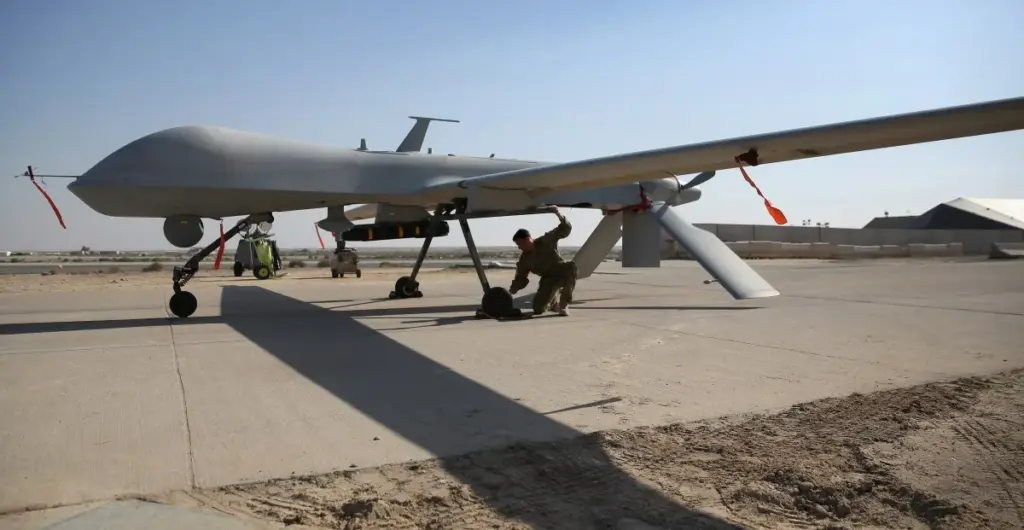
- UN diplomats failed to establish binding rules for autonomous weapons, opting instead for a vague two-year window to discuss potential options.
- The US, Russia, and Israel emerged as the primary obstacles to a treaty, favoring non-binding guidelines over strict international law.
- The International Committee of the Red Cross warned that the lack of regulation risks a new, uncontrollable arms race in AI-driven warfare.
- Current conflicts in Ukraine, Gaza, and Sudan have already seen the deployment of semi-autonomous systems, heightening the urgency for oversight.
- Các nhà ngoại giao Liên Hợp Quốc đã thất bại trong việc thiết lập các quy tắc ràng buộc đối với vũ khí tự hành, thay vào đó chọn một khoảng thời gian hai năm mơ hồ để thảo luận về các lựa chọn tiềm năng.
- Mỹ, Nga và Israel nổi lên như những rào cản chính đối với một hiệp ước, họ ưu tiên các hướng dẫn không ràng buộc thay vì luật pháp quốc tế nghiêm ngặt.
- Ủy ban Chữ thập đỏ Quốc tế cảnh báo rằng việc thiếu các quy định có nguy cơ dẫn đến một cuộc chạy đua vũ trang mới, không thể kiểm soát trong chiến tranh dựa trên AI.
- Các cuộc xung đột hiện nay tại Ukraine, Gaza và Sudan đã chứng kiến việc triển khai các hệ thống bán tự hành, làm tăng tính cấp bách của việc giám sát.
- Les diplomates de l'ONU n'ont pas réussi à établir des règles contraignantes pour les armes autonomes, optant pour un délai vague de deux ans pour discuter d'éventuelles options.
- Les États-Unis, la Russie et Israël se sont imposés comme les principaux obstacles à un traité, privilégiant des directives non contraignantes au droit international strict.
- Le Comité international de la Croix-Rouge a averti que l'absence de régulation risque de provoquer une nouvelle course aux armements incontrôlable dans le domaine de la guerre pilotée par l'IA.
- Les conflits actuels en Ukraine, à Gaza et au Soudan ont déjà vu le déploiement de systèmes semi-autonomes, renforçant l'urgence d'une surveillance internationale.
- Los diplomáticos de la ONU no lograron establecer normas vinculantes para las armas autónomas, optando en su lugar por un vago plazo de dos años para discutir posibles opciones.
- Estados Unidos, Rusia e Israel se perfilan como los principales obstáculos para un tratado, al favorecer directrices no vinculantes frente al derecho internacional estricto.
- El Comité Internacional de la Cruz Roja advirtió que la falta de regulación conlleva el riesgo de una nueva e incontrolable carrera armamentística en la guerra impulsada por IA.
- Los conflictos actuales en Ucrania, Gaza y Sudán ya han sido testigos del despliegue de sistemas semiautónomos, lo que aumenta la urgencia de establecer una supervisión.
- 联合国各国外交官未能就自主武器制定具有约束力的规则,转而选择了一个为期两年的模糊窗口期来讨论潜在方案。
- 美国、俄罗斯和以色列成为条约的主要阻碍者,倾向于非约束性准则而非严格的国际法。
- 红十字国际委员会警告称,缺乏监管可能引发一场人工智能驱动战争中无法控制的军备竞赛。
- 乌克兰、加沙和苏丹的当前冲突中已出现半自主系统的部署,这使得加强监管的紧迫性愈发凸显。
In the sterile, high-stakes corridors of the United Nations in Geneva, the future of warfare was debated with a caution that bordered on paralysis. As the world watches the rapid integration of artificial intelligence into military hardware, the international community’s attempt to establish guardrails for Lethal Autonomous Weapons Systems (LAWS)—colloquially known as “killer robots”—has ended in a diplomatic stalemate. Rather than codifying a framework to prevent the delegation of life-or-death decisions to algorithms, member states have retreated into a cycle of procedural delays, agreeing only to “start discussing options” for future regulation.
This failure to act is not merely a bureaucratic footnote; it represents a profound fracture in the global security consensus. While the International Committee of the Red Cross (ICRC), the UN Secretary-General, and even the Vatican have issued urgent calls for legally binding treaties, the world’s primary military powers have effectively stonewalled the process. By pushing for non-binding guidelines and extended timelines, the architects of modern military technology have signaled that they are not yet ready to relinquish the strategic advantages offered by autonomous lethality, leaving the international community to grapple with the terrifying prospect of a battlefield governed by code rather than conscience.
The Anatomy of a Diplomatic Deadlock
The Geneva negotiations were intended to be a watershed moment for international humanitarian law. With the proliferation of drones and semi-autonomous targeting systems already reshaping the tactical landscape in Ukraine, Gaza, and Sudan, the urgency was palpable. The ICRC, acting as the custodian of the Geneva Conventions, had explicitly called for a legally binding treaty to be drafted within a single year. Their position was clear: the dehumanization of the kill chain is a threshold that, once crossed, cannot be easily reversed.
However, the proceedings were marred from the outset by strategic obstructionism. Reports from the floor indicate that Russia utilized procedural maneuvers to delay the agenda, while the United States—a leader in AI defense research—advocated for a five-year window to discuss guidelines that would remain entirely optional. Israel, another key player in the development of sophisticated autonomous defense systems, joined in the resistance to a binding treaty. The resulting compromise, which grants nations two years to merely propose regulations, is viewed by many observers as a hollow victory for diplomacy, effectively kicking the can down the road while the technology continues to outpace the law.
The Historical Precedent of Technological Proliferation
To understand the gravity of this failure, one must look at the historical trajectory of military technology. Throughout the 20th century, the international community struggled to regulate the atom, chemical weapons, and landmines. In each instance, the technology was developed in secret, deployed in conflict, and only then subjected to the slow, grinding machinery of international law. Autonomous weapons represent a unique departure from this history because they do not require the massive industrial infrastructure of nuclear weapons; they require only software, sensors, and data.
The current debate echoes the early days of the Biological Weapons Convention or the debates surrounding the deployment of landmines. Yet, the AI revolution is fundamentally different in its speed and accessibility. Unlike the Manhattan Project, which was centralized and state-controlled, the development of autonomous targeting is increasingly decentralized, involving a complex web of private contractors, tech startups, and state-sponsored laboratories. By failing to establish a baseline of accountability now, the UN is repeating the errors of the past, allowing a “Wild West” environment to flourish where the barrier to entry for lethal, automated violence is dropping every day.
The Geopolitical Ripple Effects of Algorithmic Warfare
The implications of this regulatory vacuum are profound. When a drone or a loitering munition makes an autonomous decision to engage a target, the traditional chain of command—and the associated legal accountability—is severed. If an algorithm commits a war crime, who is held responsible: the programmer, the commanding officer, or the state? Without a clear legal definition of “meaningful human control,” the international community is effectively creating a liability-free zone for the use of force.
Furthermore, the failure to regulate these systems invites a global arms race that will likely prioritize speed over safety. If the US, Russia, and China believe that their rivals are deploying autonomous systems to gain a tactical edge, they will be compelled to do the same, regardless of the ethical risks. This “security dilemma” ensures that the development of AI-driven weaponry will be accelerated by fear rather than tempered by caution. The result is a world where the threshold for conflict is lowered, as states may feel more emboldened to engage in kinetic operations when the political cost of human casualties—their own soldiers—is removed from the equation.
Looking Toward an Uncertain Future
As the two-year window for further discussion opens, the international community faces a stark reality: the technology will not wait for the diplomats. While the UN debates the semantics of “optional” guidelines, private sector innovation is moving at a pace that renders current diplomatic frameworks obsolete. The next phase of this struggle will likely shift from the halls of Geneva to the court of public opinion and the boardrooms of defense contractors, where the pressure to adopt ethical AI standards may prove more effective than intergovernmental negotiations.
What to watch next is the emergence of a “coalition of the willing” among smaller nations and NGOs who may seek to bypass the UN’s gridlock by forming their own regional treaties or ethical pacts. If the major powers continue to prioritize strategic autonomy over global security, they may find themselves increasingly isolated as the rest of the world demands a say in the future of human-machine interaction. The question remains whether the international community can find the political will to define the limits of machine-led violence before the first truly autonomous, large-scale atrocity forces their hand.
Tại những hành lang vô trùng nhưng đầy căng thẳng của Liên Hợp Quốc ở Geneva, tương lai của chiến tranh đã được tranh luận với một sự thận trọng gần như tê liệt. Khi thế giới chứng kiến sự tích hợp nhanh chóng của trí tuệ nhân tạo vào khí tài quân sự, nỗ lực của cộng đồng quốc tế nhằm thiết lập các rào chắn cho Hệ thống Vũ khí Tự hành Sát thương (LAWS) — thường được gọi là "robot sát thủ" — đã kết thúc trong một bế tắc ngoại giao. Thay vì hệ thống hóa một khung pháp lý để ngăn chặn việc ủy thác các quyết định sinh tử cho thuật toán, các quốc gia thành viên đã rút lui vào một vòng lặp trì hoãn thủ tục, chỉ đồng ý "bắt đầu thảo luận về các lựa chọn" cho việc quản lý trong tương lai.
Sự thất bại trong việc hành động này không chỉ là một chú thích quan liêu; nó đại diện cho một vết nứt sâu sắc trong sự đồng thuận về an ninh toàn cầu. Trong khi Ủy ban Chữ thập đỏ Quốc tế (ICRC), Tổng thư ký Liên Hợp Quốc và thậm chí cả Vatican đã đưa ra những lời kêu gọi khẩn thiết về các hiệp ước có tính ràng buộc pháp lý, các cường quốc quân sự hàng đầu thế giới đã thực sự cản trở tiến trình này. Bằng cách thúc đẩy các hướng dẫn không ràng buộc và kéo dài thời gian, những kiến trúc sư của công nghệ quân sự hiện đại đã phát đi tín hiệu rằng họ chưa sẵn sàng từ bỏ những lợi thế chiến lược mà tính sát thương tự hành mang lại, để mặc cộng đồng quốc tế phải vật lộn với viễn cảnh kinh hoàng về một chiến trường được điều hành bởi mã lệnh thay vì lương tâm.
Giải phẫu của một bế tắc ngoại giao
Các cuộc đàm phán tại Geneva vốn được kỳ vọng là một thời khắc mang tính bước ngoặt đối với luật nhân đạo quốc tế. Với sự phổ biến của máy bay không người lái và các hệ thống nhắm mục tiêu bán tự hành đang định hình lại bối cảnh chiến thuật tại Ukraine, Gaza và Sudan, tính cấp bách là điều có thể cảm nhận rõ rệt. ICRC, với tư cách là người bảo vệ các Công ước Geneva, đã kêu gọi soạn thảo một hiệp ước có tính ràng buộc pháp lý trong vòng một năm. Quan điểm của họ rất rõ ràng: việc phi nhân tính hóa chuỗi tiêu diệt là một ngưỡng cửa mà một khi đã vượt qua, sẽ không thể dễ dàng đảo ngược.
Tuy nhiên, các phiên họp đã bị làm hỏng ngay từ đầu bởi chủ nghĩa cản trở chiến lược. Các báo cáo từ hội trường cho thấy Nga đã sử dụng các thủ thuật thủ tục để trì hoãn chương trình nghị sự, trong khi Hoa Kỳ — quốc gia dẫn đầu về nghiên cứu quốc phòng AI — ủng hộ khung thời gian 5 năm để thảo luận về các hướng dẫn hoàn toàn mang tính tự nguyện. Israel, một nhân tố chủ chốt khác trong việc phát triển các hệ thống phòng thủ tự hành tinh vi, cũng tham gia vào sự phản kháng đối với một hiệp ước ràng buộc. Kết quả thỏa hiệp, vốn cho phép các quốc gia có hai năm chỉ để đề xuất các quy định, bị nhiều nhà quan sát coi là một chiến thắng rỗng tuếch của ngoại giao, thực chất là hành động "đá quả bóng trách nhiệm" trong khi công nghệ tiếp tục vượt xa luật pháp.
Tiền lệ lịch sử của sự phổ biến công nghệ
Để hiểu được mức độ nghiêm trọng của thất bại này, người ta phải nhìn vào quỹ đạo lịch sử của công nghệ quân sự. Trong suốt thế kỷ 20, cộng đồng quốc tế đã phải vật lộn để quản lý năng lượng nguyên tử, vũ khí hóa học và mìn. Trong mỗi trường hợp, công nghệ đều được phát triển trong bí mật, triển khai trong xung đột, và chỉ sau đó mới chịu sự điều chỉnh của bộ máy luật pháp quốc tế chậm chạp và nặng nề. Vũ khí tự hành đại diện cho một sự khác biệt độc đáo so với lịch sử này vì chúng không đòi hỏi cơ sở hạ tầng công nghiệp khổng lồ như vũ khí hạt nhân; chúng chỉ cần phần mềm, cảm biến và dữ liệu.
Cuộc tranh luận hiện nay gợi nhắc lại những ngày đầu của Công ước Vũ khí Sinh học hoặc các cuộc tranh luận xung quanh việc triển khai mìn. Tuy nhiên, cuộc cách mạng AI về cơ bản khác biệt ở tốc độ và khả năng tiếp cận. Không giống như Dự án Manhattan vốn tập trung và do nhà nước kiểm soát, sự phát triển của nhắm mục tiêu tự hành ngày càng trở nên phi tập trung, liên quan đến một mạng lưới phức tạp gồm các nhà thầu tư nhân, các công ty khởi nghiệp công nghệ và các phòng thí nghiệm được nhà nước bảo trợ. Bằng cách không thiết lập một cơ sở trách nhiệm ngay bây giờ, Liên Hợp Quốc đang lặp lại những sai lầm của quá khứ, cho phép một môi trường "Miền Tây hoang dã" phát triển mạnh mẽ, nơi rào cản gia nhập đối với bạo lực tự động, gây chết người đang giảm xuống mỗi ngày.
Tác động địa chính trị của chiến tranh thuật toán
Hệ quả của khoảng trống pháp lý này là rất sâu sắc. Khi một máy bay không người lái hoặc một loại đạn tuần kích đưa ra quyết định tự hành để tấn công mục tiêu, chuỗi chỉ huy truyền thống — và trách nhiệm pháp lý liên quan — bị cắt đứt. Nếu một thuật toán phạm tội ác chiến tranh, ai sẽ chịu trách nhiệm: lập trình viên, sĩ quan chỉ huy hay quốc gia? Nếu không có định nghĩa pháp lý rõ ràng về "sự kiểm soát có ý nghĩa của con người", cộng đồng quốc tế đang thực sự tạo ra một vùng không có trách nhiệm pháp lý cho việc sử dụng vũ lực.
Hơn nữa, việc không quản lý các hệ thống này sẽ thúc đẩy một cuộc chạy đua vũ trang toàn cầu, nơi khả năng cao sẽ ưu tiên tốc độ hơn sự an toàn. Nếu Mỹ, Nga và Trung Quốc tin rằng các đối thủ của họ đang triển khai các hệ thống tự hành để giành lợi thế chiến thuật, họ sẽ buộc phải làm điều tương tự, bất chấp những rủi ro đạo đức. "Thế lưỡng nan an ninh" này đảm bảo rằng sự phát triển của vũ khí dựa trên AI sẽ bị thúc đẩy bởi nỗi sợ hãi thay vì được kiềm chế bởi sự thận trọng. Kết quả là một thế giới nơi ngưỡng cửa xung đột bị hạ thấp, khi các quốc gia có thể cảm thấy tự tin hơn khi tham gia vào các hoạt động quân sự động năng khi chi phí chính trị của thương vong con người — chính binh lính của họ — bị loại bỏ khỏi phương trình.
Hướng tới một tương lai bất định
Khi khung thời gian hai năm cho các cuộc thảo luận tiếp theo mở ra, cộng đồng quốc tế phải đối mặt với một thực tế phũ phàng: công nghệ sẽ không chờ đợi các nhà ngoại giao. Trong khi Liên Hợp Quốc tranh luận về ngữ nghĩa của các hướng dẫn "tự nguyện", sự đổi mới của khu vực tư nhân đang di chuyển với tốc độ khiến các khuôn khổ ngoại giao hiện tại trở nên lỗi thời. Giai đoạn tiếp theo của cuộc đấu tranh này có khả năng sẽ chuyển từ các hội trường ở Geneva sang tòa án dư luận và các phòng họp của các nhà thầu quốc phòng, nơi áp lực áp dụng các tiêu chuẩn AI đạo đức có thể chứng minh là hiệu quả hơn các cuộc đàm phán liên chính phủ.
Điều cần theo dõi tiếp theo là sự xuất hiện của một "liên minh những người sẵn lòng" giữa các quốc gia nhỏ hơn và các tổ chức phi chính phủ, những bên có thể tìm cách vượt qua sự bế tắc của Liên Hợp Quốc bằng cách hình thành các hiệp ước khu vực hoặc các hiệp ước đạo đức của riêng họ. Nếu các cường quốc tiếp tục ưu tiên quyền tự chủ chiến lược hơn an ninh toàn cầu, họ có thể thấy mình ngày càng bị cô lập khi phần còn lại của thế giới đòi hỏi tiếng nói trong tương lai của sự tương tác giữa người và máy. Câu hỏi vẫn còn đó là liệu cộng đồng quốc tế có thể tìm thấy ý chí chính trị để xác định giới hạn của bạo lực do máy móc dẫn dắt trước khi một sự tàn bạo quy mô lớn, thực sự tự hành đầu tiên buộc họ phải hành động hay không.
Dans les couloirs stériles et sous haute tension des Nations unies à Genève, l'avenir de la guerre a été débattu avec une prudence confinant à la paralysie. Alors que le monde observe l'intégration rapide de l'intelligence artificielle dans l'armement militaire, la tentative de la communauté internationale d'établir des garde-fous pour les Systèmes d'Armes Létaux Autonomes (SALA) — communément appelés « robots tueurs » — a abouti à une impasse diplomatique. Plutôt que de codifier un cadre visant à empêcher la délégation de décisions de vie ou de mort à des algorithmes, les États membres se sont repliés dans un cycle de délais procéduraux, se contentant de convenir de « commencer à discuter des options » pour une future régulation.
Cet échec n'est pas une simple note de bas de page bureaucratique ; il représente une fracture profonde dans le consensus mondial sur la sécurité. Alors que le Comité international de la Croix-Rouge (CICR), le Secrétaire général de l'ONU et même le Vatican ont lancé des appels urgents en faveur de traités juridiquement contraignants, les principales puissances militaires mondiales ont effectivement bloqué le processus. En insistant sur des directives non contraignantes et des calendriers étendus, les architectes de la technologie militaire moderne ont fait savoir qu'ils n'étaient pas encore prêts à renoncer aux avantages stratégiques offerts par la létalité autonome, laissant la communauté internationale aux prises avec la perspective terrifiante d'un champ de bataille régi par le code plutôt que par la conscience.
L'anatomie d'une impasse diplomatique
Les négociations de Genève se voulaient un tournant pour le droit international humanitaire. Avec la prolifération des drones et des systèmes de ciblage semi-autonomes qui redessinent déjà le paysage tactique en Ukraine, à Gaza et au Soudan, l'urgence était palpable. Le CICR, en tant que gardien des Conventions de Genève, avait explicitement appelé à la rédaction d'un traité juridiquement contraignant dans un délai d'un an. Leur position était claire : la déshumanisation de la chaîne de mise à mort est un seuil qui, une fois franchi, ne pourra pas être facilement inversé.
Cependant, les débats ont été entachés dès le départ par une obstruction stratégique. Des rapports indiquent que la Russie a utilisé des manœuvres procédurales pour retarder l'ordre du jour, tandis que les États-Unis — leaders dans la recherche sur la défense par l'IA — ont plaidé pour une fenêtre de cinq ans afin de discuter de directives qui resteraient entièrement facultatives. Israël, autre acteur clé du développement de systèmes de défense autonomes sophistiqués, s'est joint à la résistance contre un traité contraignant. Le compromis qui en a résulté, accordant aux nations deux ans pour simplement proposer des réglementations, est perçu par de nombreux observateurs comme une victoire en trompe-l'œil pour la diplomatie, repoussant le problème à plus tard alors que la technologie continue de distancer le droit.
Le précédent historique de la prolifération technologique
Pour comprendre la gravité de cet échec, il faut examiner la trajectoire historique de la technologie militaire. Tout au long du XXe siècle, la communauté internationale a lutté pour réguler l'atome, les armes chimiques et les mines antipersonnel. Dans chaque cas, la technologie a été développée en secret, déployée dans des conflits, et seulement ensuite soumise à la lente et laborieuse machinerie du droit international. Les armes autonomes représentent une rupture unique dans cette histoire, car elles ne nécessitent pas l'infrastructure industrielle massive des armes nucléaires ; elles ne requièrent que des logiciels, des capteurs et des données.
Le débat actuel fait écho aux débuts de la Convention sur les armes biologiques ou aux discussions entourant le déploiement des mines terrestres. Pourtant, la révolution de l'IA est fondamentalement différente par sa vitesse et son accessibilité. Contrairement au projet Manhattan, centralisé et contrôlé par l'État, le développement du ciblage autonome est de plus en plus décentralisé, impliquant un réseau complexe de sous-traitants privés, de startups technologiques et de laboratoires parrainés par des États. En échouant à établir une base de responsabilité dès maintenant, l'ONU répète les erreurs du passé, permettant à un environnement de « Far West » de prospérer, où la barrière à l'entrée pour une violence létale et automatisée s'abaisse chaque jour davantage.
Les répercussions géopolitiques de la guerre algorithmique
Les implications de ce vide réglementaire sont profondes. Lorsqu'un drone ou une munition rôdeuse prend la décision autonome d'engager une cible, la chaîne de commandement traditionnelle — et la responsabilité juridique qui y est associée — est rompue. Si un algorithme commet un crime de guerre, qui est tenu pour responsable : le programmeur, l'officier commandant ou l'État ? Sans une définition juridique claire d'un « contrôle humain significatif », la communauté internationale crée de facto une zone sans responsabilité pour l'usage de la force.
En outre, l'incapacité à réguler ces systèmes invite à une course aux armements mondiale qui privilégiera probablement la vitesse sur la sécurité. Si les États-Unis, la Russie et la Chine estiment que leurs rivaux déploient des systèmes autonomes pour obtenir un avantage tactique, ils seront contraints de faire de même, quels que soient les risques éthiques. Ce « dilemme de sécurité » garantit que le développement de l'armement piloté par l'IA sera accéléré par la peur plutôt que tempéré par la prudence. Le résultat est un monde où le seuil du conflit est abaissé, les États pouvant se sentir plus enhardis à s'engager dans des opérations cinétiques lorsque le coût politique des pertes humaines — leurs propres soldats — est supprimé de l'équation.
Vers un avenir incertain
Alors que s'ouvre la fenêtre de deux ans pour de nouvelles discussions, la communauté internationale fait face à une réalité brutale : la technologie n'attendra pas les diplomates. Tandis que l'ONU débat de la sémantique des directives « facultatives », l'innovation du secteur privé progresse à un rythme qui rend les cadres diplomatiques actuels obsolètes. La prochaine phase de cette lutte se déplacera probablement des salles de Genève vers le tribunal de l'opinion publique et les conseils d'administration des entreprises de défense, où la pression pour adopter des normes éthiques en matière d'IA pourrait s'avérer plus efficace que les négociations intergouvernementales.
Il faudra surveiller l'émergence d'une « coalition des volontaires » parmi les petites nations et les ONG qui pourraient chercher à contourner l'impasse de l'ONU en formant leurs propres traités régionaux ou pactes éthiques. Si les grandes puissances continuent de privilégier l'autonomie stratégique au détriment de la sécurité mondiale, elles pourraient se retrouver de plus en plus isolées alors que le reste du monde exige d'avoir son mot à dire sur l'avenir de l'interaction homme-machine. La question demeure de savoir si la communauté internationale pourra trouver la volonté politique nécessaire pour définir les limites de la violence dirigée par les machines avant que la première atrocité véritablement autonome et à grande échelle ne les force à agir.
En los estériles y decisivos pasillos de las Naciones Unidas en Ginebra, el futuro de la guerra se debatió con una cautela que rozaba la parálisis. Mientras el mundo observa la rápida integración de la inteligencia artificial en el equipamiento militar, el intento de la comunidad internacional por establecer salvaguardas para los Sistemas de Armas Autónomas Letales (LAWS, por sus siglas en inglés)—conocidos coloquialmente como "robots asesinos"—ha terminado en un punto muerto diplomático. En lugar de codificar un marco para evitar que las decisiones de vida o muerte se deleguen en algoritmos, los Estados miembros se han refugiado en un ciclo de retrasos procedimentales, acordando únicamente "comenzar a discutir opciones" para una futura regulación.
Este fracaso a la hora de actuar no es simplemente una nota a pie de página burocrática; representa una fractura profunda en el consenso de seguridad global. Mientras el Comité Internacional de la Cruz Roja (CICR), el Secretario General de la ONU e incluso el Vaticano han emitido llamamientos urgentes a favor de tratados legalmente vinculantes, las principales potencias militares del mundo han bloqueado efectivamente el proceso. Al presionar por directrices no vinculantes y plazos extendidos, los arquitectos de la tecnología militar moderna han señalado que aún no están dispuestos a renunciar a las ventajas estratégicas que ofrece la letalidad autónoma, dejando a la comunidad internacional ante la aterradora perspectiva de un campo de batalla gobernado por código en lugar de por la conciencia.
La anatomía de un bloqueo diplomático
Las negociaciones de Ginebra estaban destinadas a ser un punto de inflexión para el derecho internacional humanitario. Con la proliferación de drones y sistemas de objetivos semiautónomos transformando ya el panorama táctico en Ucrania, Gaza y Sudán, la urgencia era palpable. El CICR, en su calidad de custodio de los Convenios de Ginebra, había solicitado explícitamente la redacción de un tratado legalmente vinculante en el plazo de un año. Su postura era clara: la deshumanización de la cadena de mando es un umbral que, una vez cruzado, no puede revertirse fácilmente.
Sin embargo, el proceso se vio empañado desde el principio por el obstruccionismo estratégico. Los informes desde la sala indican que Rusia utilizó maniobras procedimentales para retrasar la agenda, mientras que Estados Unidos —líder en investigación de defensa con IA— abogó por un plazo de cinco años para discutir directrices que seguirían siendo totalmente opcionales. Israel, otro actor clave en el desarrollo de sofisticados sistemas de defensa autónomos, se unió a la resistencia contra un tratado vinculante. El compromiso resultante, que otorga a las naciones dos años para simplemente proponer regulaciones, es visto por muchos observadores como una victoria vacía para la diplomacia, que efectivamente patea el problema hacia adelante mientras la tecnología sigue superando a la ley.
El precedente histórico de la proliferación tecnológica
Para comprender la gravedad de este fracaso, es necesario observar la trayectoria histórica de la tecnología militar. A lo largo del siglo XX, la comunidad internacional luchó por regular el átomo, las armas químicas y las minas terrestres. En cada caso, la tecnología se desarrolló en secreto, se desplegó en conflictos y solo entonces se sometió a la lenta y pesada maquinaria del derecho internacional. Las armas autónomas representan una desviación única de esta historia porque no requieren la enorme infraestructura industrial de las armas nucleares; solo necesitan software, sensores y datos.
El debate actual recuerda a los primeros días de la Convención sobre Armas Biológicas o a los debates en torno al despliegue de minas terrestres. Sin embargo, la revolución de la IA es fundamentalmente diferente en su velocidad y accesibilidad. A diferencia del Proyecto Manhattan, que estaba centralizado y controlado por el Estado, el desarrollo de objetivos autónomos está cada vez más descentralizado e involucra a una compleja red de contratistas privados, empresas emergentes tecnológicas y laboratorios patrocinados por el Estado. Al no establecer una base de responsabilidad ahora, la ONU está repitiendo los errores del pasado, permitiendo que florezca un entorno de "Salvaje Oeste" donde la barrera de entrada para la violencia letal automatizada disminuye cada día.
Los efectos geopolíticos de la guerra algorítmica
Las implicaciones de este vacío regulatorio son profundas. Cuando un dron o una munición merodeadora toma una decisión autónoma para atacar un objetivo, la cadena de mando tradicional —y la responsabilidad legal asociada— se rompe. Si un algoritmo comete un crimen de guerra, ¿quién es responsable: el programador, el oficial al mando o el Estado? Sin una definición legal clara de "control humano significativo", la comunidad internacional está creando efectivamente una zona libre de responsabilidad para el uso de la fuerza.
Además, la falta de regulación de estos sistemas invita a una carrera armamentística global que probablemente priorizará la velocidad sobre la seguridad. Si Estados Unidos, Rusia y China creen que sus rivales están desplegando sistemas autónomos para obtener una ventaja táctica, se verán obligados a hacer lo mismo, independientemente de los riesgos éticos. Este "dilema de seguridad" garantiza que el desarrollo de armamento impulsado por IA se vea acelerado por el miedo en lugar de moderado por la cautela. El resultado es un mundo donde el umbral para el conflicto se reduce, ya que los Estados pueden sentirse más envalentonados para participar en operaciones cinéticas cuando el coste político de las bajas humanas —sus propios soldados— se elimina de la ecuación.
Hacia un futuro incierto
A medida que se abre el plazo de dos años para seguir debatiendo, la comunidad internacional se enfrenta a una cruda realidad: la tecnología no esperará a los diplomáticos. Mientras la ONU debate la semántica de las directrices "opcionales", la innovación del sector privado avanza a un ritmo que vuelve obsoletos los marcos diplomáticos actuales. La siguiente fase de esta lucha probablemente se trasladará de los pasillos de Ginebra al tribunal de la opinión pública y a los consejos de administración de los contratistas de defensa, donde la presión para adoptar estándares éticos de IA puede resultar más efectiva que las negociaciones intergubernamentales.
Lo que habrá que observar a continuación es el surgimiento de una "coalición de los dispuestos" entre naciones más pequeñas y ONG que podrían intentar eludir el bloqueo de la ONU formando sus propios tratados regionales o pactos éticos. Si las grandes potencias continúan priorizando la autonomía estratégica sobre la seguridad global, podrían encontrarse cada vez más aisladas a medida que el resto del mundo exija tener voz en el futuro de la interacción humano-máquina. La pregunta sigue siendo si la comunidad internacional podrá encontrar la voluntad política para definir los límites de la violencia dirigida por máquinas antes de que la primera atrocidad verdaderamente autónoma y a gran escala les obligue a actuar.
在联合国日内瓦办事处那些冷峻且高风险的走廊里,关于战争未来的辩论充满了近乎瘫痪的谨慎。随着世界目睹人工智能被迅速整合进军事硬件,国际社会试图为致命性自主武器系统(LAWS,俗称“杀手机器人”)建立护栏的努力,最终以外交僵局告终。成员国并未制定框架来防止将生死决策权移交给算法,而是退回到了程序性拖延的循环中,仅同意“开始讨论”未来监管的方案。
这种不作为不仅仅是一个官僚主义的注脚,它代表了全球安全共识的深刻断裂。尽管红十字国际委员会(ICRC)、联合国秘书长甚至梵蒂冈都发出了制定具有法律约束力条约的紧急呼吁,但世界主要军事大国实际上阻碍了这一进程。通过推动非约束性准则和延长讨论期限,现代军事技术的架构师们释放出信号:他们尚未准备好放弃自主杀伤力所带来的战略优势,这让国际社会不得不面对一个由代码而非良知统治战场的恐怖前景。
外交僵局的剖析
日内瓦谈判本应成为国际人道法的一个分水岭。随着无人机和半自主瞄准系统在乌克兰、加沙和苏丹重塑战术格局,这种紧迫感显而易见。作为《日内瓦公约》的守护者,红十字国际委员会明确呼吁在一年内起草一份具有法律约束力的条约。他们的立场很明确:杀戮链的去人性化是一道一旦跨越就难以逆转的门槛。
然而,谈判从一开始就受到战略阻挠的破坏。据现场报告显示,俄罗斯利用程序性手段拖延议程,而作为人工智能防御研究领头羊的美国,则主张用五年时间来讨论完全可选的准则。以色列作为精密自主防御系统开发的另一关键参与者,也加入了抵制约束性条约的行列。最终达成的妥协——即给予各国两年时间仅用于提议监管——被许多观察家视为外交上的空洞胜利,这实际上是在技术持续超越法律的同时,将问题推向了未来。
技术扩散的历史先例
要理解这一失败的严重性,必须审视军事技术的历史轨迹。在整个20世纪,国际社会都在努力监管原子能、化学武器和地雷。在每一个案例中,技术都是在秘密中开发、在冲突中部署,然后才受到国际法缓慢而沉重的约束。自主武器与这段历史有着独特的不同,因为它们不需要核武器那种庞大的工业基础设施;它们只需要软件、传感器和数据。
当前的辩论呼应了《禁止生物武器公约》早期或围绕地雷部署的争论。然而,人工智能革命在速度和可及性上有着本质的不同。与集中化且由国家控制的“曼哈顿计划”不同,自主瞄准系统的开发正日益去中心化,涉及私人承包商、科技初创公司和国家资助实验室组成的复杂网络。由于未能在此刻建立问责基准,联合国正在重蹈覆辙,允许一个“狂野西部”式的环境滋生,使得致命自动化暴力的准入门槛每天都在降低。
算法战争的地缘政治连锁反应
这种监管真空的影响是深远的。当无人机或巡飞弹自主决定攻击目标时,传统的指挥链及相关的法律责任便被切断了。如果算法犯下战争罪,谁该负责:程序员、指挥官还是国家?在没有对“有意义的人类控制”进行明确法律定义的情况下,国际社会实际上是在为武力使用创造一个免责区。
此外,未能监管这些系统引发了一场全球军备竞赛,这场竞赛很可能会将速度置于安全之上。如果美国、俄罗斯和中国认为竞争对手正在部署自主系统以获取战术优势,那么无论伦理风险如何,他们都将被迫跟进。这种“安全困境”确保了人工智能武器的开发将由恐惧驱动,而非由谨慎调节。结果是一个冲突门槛降低的世界,因为当本国士兵伤亡的政治代价被消除时,各国可能会更倾向于参与动力学作战。
展望不确定的未来
随着为期两年的进一步讨论窗口开启,国际社会面临一个严峻的现实:技术不会等待外交官。当联合国在争论“可选”准则的语义时,私营部门的创新正以令现有外交框架过时的速度前进。这场斗争的下一阶段可能会从日内瓦的会议厅转移到公众舆论法庭和国防承包商的董事会,在那里,采用伦理人工智能标准的压力可能比政府间谈判更有效。
接下来值得关注的是,一些较小的国家和非政府组织可能会寻求绕过联合国的僵局,通过组建自己的区域条约或伦理公约来形成“意愿联盟”。如果大国继续将战略自主权置于全球安全之上,随着世界其他地区要求在人机交互的未来中拥有发言权,它们可能会发现自己日益孤立。问题依然存在:在第一次真正自主的大规模暴行迫使他们采取行动之前,国际社会能否找到政治意愿来界定机器主导暴力的极限?
Editorial Standards & Multi-Language Synthesis: This dispatch was synthesized and fact-checked by the ParisDaily Editorial Desk across 5 global editions (EN, FR, VI, ES, ZH), cross-referencing primary international wire reports and real-time search intelligence.