Constitutional Crisis Erupts as DOJ Threatens Democratic Senator Over Oversight
A federal prosecutor's demand that Senator Richard Blumenthal preserve investigative records marks an unprecedented escalation between the executive branch and congressional oversight.
Yêu cầu của một công tố viên liên bang buộc Thượng nghị sĩ Richard Blumenthal phải lưu giữ hồ sơ điều tra đánh dấu một sự leo thang chưa từng có tiền lệ giữa nhánh hành pháp và cơ quan giám sát của quốc hội.
L'injonction d'un procureur fédéral sommant le sénateur Richard Blumenthal de conserver ses dossiers d'enquête marque une escalade sans précédent entre le pouvoir exécutif et le contrôle parlementaire. Cette confrontation inédite redéfinit dangereusement les frontières de la séparation des pouvoirs à Washington.
La exigencia de un fiscal federal para que el senador Richard Blumenthal conserve registros de sus investigaciones marca una escalada sin precedentes entre el poder ejecutivo y el control parlamentario.
一名联邦检察官要求参议员理查德·布卢门塔尔(Richard Blumenthal)保留调查记录,这标志着行政分支与国会监督之间前所未有的升级。这场激烈的交锋将白宫宴会厅的融资争议推向了关于权力分立的核心法理风暴中心。
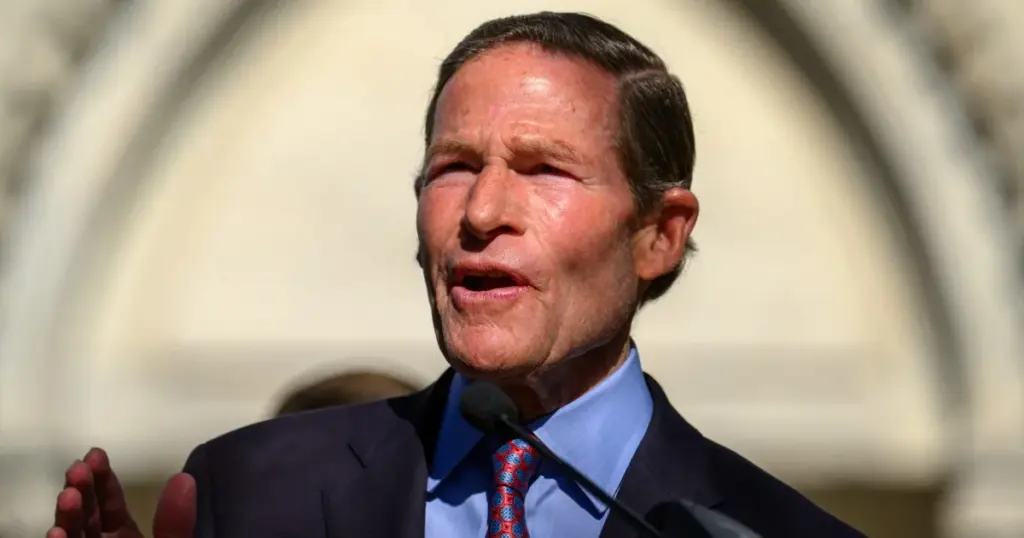
- U.S. Attorney Aaron Reitz issued a formal preservation demand to Senator Richard Blumenthal regarding an inquiry into White House ballroom donors.
- The Justice Department warned of significant legal consequences, citing potential violations of federal civil rights statutes.
- Acting Deputy Attorney General Trent McCotter publicly backed the move, arguing that congressional oversight infringes on associational rights.
- Senator Blumenthal vowed to resist, calling the action a weaponization of the DOJ to shield the administration from corruption probes.
- Công tố viên Hoa Kỳ Aaron Reitz đã đưa ra yêu cầu lưu giữ chính thức đối với Thượng nghị sĩ Richard Blumenthal liên quan đến cuộc điều tra về các nhà tài trợ phòng khiêu vũ Nhà Trắng.
- Bộ Tư pháp cảnh báo về những hậu quả pháp lý nghiêm trọng, viện dẫn khả năng vi phạm các đạo luật dân quyền liên bang.
- Quyền Phó Tổng chưởng lý Trent McCotter công khai hậu thuẫn động thái này, lập luận rằng sự giám sát của quốc hội vi phạm các quyền tự do hiệp hội.
- Thượng nghị sĩ Blumenthal thề sẽ chống cự, gọi hành động này là việc vũ khí hóa Bộ Tư pháp để che chắn cho chính quyền khỏi các cuộc thăm dò tham nhũng.
- Le procureur fédéral Aaron Reitz a adressé une mise en demeure officielle au sénateur Richard Blumenthal concernant une enquête sur les donateurs de la salle de bal de la Maison-Blanche.
- Le ministère de la Justice brandit la menace de poursuites judiciaires majeures, invoquant de prétendues violations des lois fédérales sur les droits civiques.
- Le procureur général adjoint par intérim, Trent McCotter, a publiquement soutenu cette démarche, affirmant que le contrôle parlementaire porte atteinte aux libertés d'association.
- Le sénateur Blumenthal a promis de résister, qualifiant cette initiative d'instrumentalisation du ministère de la Justice pour soustraire l'administration aux enquêtes pour corruption.
- El fiscal federal Aaron Reitz emitió una exigencia formal de conservación de documentos al senador Richard Blumenthal en relación con una investigación sobre los donantes del salón de baile de la Casa Blanca.
- El Departamento de Justicia advirtió sobre importantes consecuencias legales, alegando posibles infracciones de las leyes federales de derechos civiles.
- El fiscal general adjunto en funciones, Trent McCotter, respaldó públicamente la medida al argumentar que la supervisión del Congreso vulnera los derechos de asociación.
- El senador Blumenthal prometió resistir y calificó la acción como una instrumentalización del Departamento de Justicia para blindar al Gobierno frente a las pesquisas por corrupción.
- 美国得克萨斯州南区联邦检察官亚伦·雷茨(Aaron Reitz)向参议员理查德·布卢门塔尔发出了关于白宫宴会厅捐赠者调查的正式证据保留要求。
- 司法部援引可能违反联邦民事权利法的条款,警告称将产生重大的法律后果。
- 代理副司法部长特伦特·麦科特(Trent McCotter)公开支持此举,主张国会监督侵犯了结社权利。
- 布卢门塔尔参议员誓言抵抗,称此举是将司法部武器化以保护政府免受腐败调查。
A profound constitutional confrontation has erupted between the executive branch and Capitol Hill, following a directive from a federal prosecutor ordering Senator Richard Blumenthal to preserve all documents connected to an ongoing congressional inquiry. The escalating feud centers on the financing and construction of a multimillion-dollar White House ballroom, transforming a routine legislative oversight probe into a high-stakes legal battle over the boundaries of executive power and congressional authority.
The move, initiated by U.S. Attorney Aaron Reitz of the Southern District of Texas, represents a sharp and aggressive escalation in the administration's posture toward legislative scrutiny. By threatening "significant legal consequences" and invoking federal statutes typically reserved for civil rights violations, the Justice Department has signaled that it is prepared to challenge the investigative prerogatives of Congress in a manner rarely witnessed in modern American political history.
The Anatomy of an Unprecedented Legal Demand
The controversy ignited when Reitz dispatched a formal letter to Blumenthal, who serves as the top Democrat on the Homeland Security and Governmental Affairs Permanent Subcommittee on Investigations. The correspondence directed the Connecticut senator to preserve all communications, electronic records, and investigative files related to his probe into anonymous donors who contributed to the roughly $400 million White House ballroom project.
Reitz argued in public statements and correspondence that Blumenthal’s inquiry amounted to an abuse of congressional power, accusing the lawmaker of using legislative tools to intimidate and harass private citizens who chose to associate with the administration. Citing sections 241 and 242 of Title 18 of the U.S. Code—statutes historically utilized to prosecute civil rights abuses—the prosecutor asserted that the investigation infringed upon core First Amendment rights of association and philanthropic support.
The administrative backing for Reitz’s move was swift and high-level. Acting Deputy Attorney General Trent McCotter amplified the warning on social media, declaring that the Justice Department would vigorously defend the constitutional rights of citizens against congressional overreach. This coordinated stance underscores a broader administration strategy to frame congressional oversight not as a constitutional check and balance, but as a potential criminal enterprise.
Historical Parallels and the Evolution of Congressional Oversight
The clash between the executive branch and legislative investigators is rooted in centuries of institutional tension, yet the current maneuverings occupy uncharted territory. Since the founding of the republic, Congress has exercised broad subpoena and investigative powers designed to ensure financial transparency, root out corruption, and hold the executive branch accountable to taxpayers.
Historically, disputes over executive privilege and congressional subpoenas have been resolved through protracted negotiations, committee pushback, or judicial review in federal courts. However, the direct threat of criminal prosecution against a sitting United States senator for conducting legislative fact-finding breaks a long-standing norm of comity and institutional restraint. Legal scholars have noted that while individual officials have occasionally challenged the scope of congressional inquiries, deploying federal prosecutors to issue preservation demands directly to lawmakers threatens to fundamentally alter the separation of powers.
The investigation itself focuses on private funding streams utilized for major architectural renovations on federal grounds, a subject that committees of oversight have traditionally scrutinized to prevent conflicts of interest and ensure adherence to federal procurement standards. By branding these routine inquiries as civil rights violations, the Justice Department is attempting to establish a novel legal doctrine that shields political donors from legislative transparency.
The Legislative Counter-Offensive and Institutional Fallout
Senator Blumenthal responded to the Justice Department’s demands with defiant pushback, signaling that the Democratic caucus intends to press forward with its investigative mandate despite the legal threats. In an official statement, Blumenthal characterized the directive as a blatant attempt to intimidate lawmakers and shield the administration from accountability.
"The Trump Administration is so afraid of transparency and oversight that they are weaponizing the Department of Justice to baselessly target Congress in direct violation of the Constitution," Blumenthal stated. He maintained that his subcommittee remains fully committed to investigating the misuse of public funds and the involvement of corporate entities in financing executive projects.
The confrontation has galvanized political divisions in Washington, setting the stage for protracted legal and legislative warfare. Civil liberties organizations and legal experts are monitoring the standoff closely, warning that criminalizing legislative oversight could create a chilling effect on all future congressional investigations. As the designated response deadline approaches, the broader implications for the balance of power between the executive branch and the legislative branch remain deeply uncertain.
What Lies Ahead in the Battle Over Executive Accountability
As this high-stakes drama unfolds, institutional observers are focusing on several key variables that will determine the trajectory of the conflict. First, the formal response from Blumenthal's office and the Senate legal counsel will test whether Congress is willing to assert its constitutional immunities in federal court, potentially leading to landmark judicial rulings on the Speech or Debate Clause.
Second, the willingness of the Justice Department to follow through on its threats of prosecution will set a dangerous precedent for future administrations. If federal prosecutors begin routinely targeting lawmakers for executing their oversight duties, the foundational checks and balances established by the Constitution will face an existential stress test.
Ultimately, the standoff over the White House ballroom inquiry is much more than a localized dispute between a prosecutor and a senator. It is a critical juncture for American governance, where the limits of executive immunity, the independence of the legislative branch, and the rule of law hang in a delicate and precarious balance.
Một cuộc đối đầu hiến pháp sâu sắc đã bùng nổ giữa nhánh hành pháp và Đồi Capitol, tiếp nối chỉ thị từ một công tố viên liên bang ra lệnh cho Thượng nghị sĩ Richard Blumenthal phải bảo toàn mọi tài liệu liên quan đến cuộc điều tra đang diễn ra của quốc hội. Vụ tranh chấp ngày càng leo thang tập trung vào nguồn vốn và việc xây dựng phòng khiêu vũ trị giá hàng triệu đô la tại Nhà Trắng, biến một cuộc thăm dò giám sát lập pháp thông thường thành một trận chiến pháp lý có rủi ro cao về ranh giới giữa quyền lực hành pháp và thẩm quyền của quốc hội.
Động thái này, do Công tố viên Hoa Kỳ Aaron Reitz thuộc Quận Nam Texas khởi xướng, thể hiện một sự leo thang gay gắt và quyết liệt trong thái độ của chính quyền đối với sự soi xét của lập pháp. Bằng cách đe dọa những "hậu quả pháp lý đáng kể" và viện dẫn các quy định liên bang vốn thường dành cho các hành vi vi phạm dân quyền, Bộ Tư pháp đã phát đi tín hiệu rằng họ sẵn sàng thách thức các đặc quyền điều tra của Quốc hội theo một cách hiếm thấy trong lịch sử chính trị hiện đại của Hoa Kỳ.
Giải phẫu một yêu cầu pháp lý chưa từng có
Mùa tranh cãi bắt đầu khi Reitz gửi một bức thư chính thức tới Blumenthal, người giữ chức vụ thành viên Dân chủ hàng đầu tại Tiểu ban Thường trực về Điều tra thuộc Ủy ban An ninh Nội địa và Các vấn đề Chính phủ. Thư tín chỉ đạo thượng nghị sĩ bang Connecticut phải bảo quản mọi thông tin liên lạc, hồ sơ điện tử và tệp điều tra liên quan đến cuộc thăm dò của ông về các nhà tài trợ ẩn danh đã đóng góp cho dự án phòng khiêu vũ Nhà Trắng trị giá khoảng 400 triệu USD.
Reitz lập luận trong các tuyên bố công khai và thư từ rằng cuộc điều tra của Blumenthal cấu thành sự lạm dụng quyền lực của quốc hội, buộc tội nhà lập pháp này sử dụng các công cụ lập pháp để đe dọa và quấy rối những công dân tư nhân chọn liên kết với chính quyền. Viện dẫn các mục 241 và 242 của Tiêu đề 18 Bộ luật Hoa Kỳ—những điều luật từng được sử dụng trong lịch sử để truy tố các hành vi lạm dụng dân quyền—công tố viên khẳng định rằng cuộc điều tra đã vi phạm các quyền cốt lõi của Tu chính án thứ nhất về quyền hội họp và sự hỗ trợ từ thiện.
Sự hậu thuẫn về mặt hành chính cho bước đi của Reitz diễn ra nhanh chóng và ở cấp độ cao. Quyền Phó Tổng chưởng lý Trent McCotter đã khuếch đại cảnh báo trên mạng xã hội, tuyên bố rằng Bộ Tư pháp sẽ kiên quyết bảo vệ các quyền hiến định của công dân chống lại sự vượt quyền của quốc hội. Lập trường phối hợp này nhấn mạnh một chiến lược rộng lớn hơn của chính quyền nhằm đóng khung việc giám sát của quốc hội không phải là một cơ chế kiểm soát và cân bằng theo hiến pháp, mà là một doanh nghiệp tội phạm tiềm năng.
Những điểm tương đồng trong lịch sử và sự tiến hóa của việc giám sát quốc hội
Cuộc đụng độ giữa nhánh hành pháp và các nhà điều tra lập pháp bắt nguồn từ hàng thế kỷ căng thẳng thể chế, tuy nhiên các động thái hiện tại lại chiếm lĩnh một vùng lãnh thổ chưa được lập bản đồ. Kể từ khi khai sinh ra nền cộng hòa, Quốc hội đã thực thi các quyền trát đòi hầu tòa và điều tra rộng rãi nhằm đảm bảo minh bạch tài chính, nhổ tận gốc tham nhũng và bắt nhánh hành pháp phải chịu trách nhiệm trước người nộp thuế.
Trong lịch sử, các tranh chấp về đặc quyền hành pháp và trát đòi hầu tòa của quốc hội thường được giải quyết thông qua các cuộc đàm phán kéo dài, sự phản kháng của ủy ban, hoặc thông qua tư pháp tại các tòa án liên bang. Tuy nhiên, mối đe dọa trực tiếp về việc truy tố hình sự đối với một thượng nghị sĩ đương nhiệm của Hoa Kỳ vì tiến hành việc tìm kiếm sự thật lập pháp đã phá vỡ một chuẩn mực lâu đời về sự hòa hợp và kiềm chế thể chế. Các học giả pháp lý đã lưu ý rằng trong khi các quan chức cá nhân thỉnh thoảng thách thức phạm vi của các cuộc điều tra quốc hội, việc triển khai các công tố viên liên bang để ban hành yêu cầu bảo tồn trực tiếp đến các nhà lập pháp có nguy cơ làm thay đổi căn bản nguyên tắc tam quyền phân lập.
Bản thân cuộc điều tra tập trung vào các luồng tài trợ tư nhân được sử dụng cho các cải tạo kiến trúc lớn trên đất liên bang, một chủ đề mà các ủy ban giám sát theo truyền thống vẫn xem xét tỉ mỉ để ngăn ngừa xung đột lợi ích và đảm bảo tuân thủ các tiêu chuẩn mua sắm liên bang. Bằng cách gắn nhãn những cuộc thăm dò thông thường này là vi phạm dân quyền, Bộ Tư pháp đang cố gắng thiết lập một học thuyết pháp lý mới nhằm che chắn cho các nhà tài trợ chính trị khỏi sự minh bạch của lập pháp.
Cuộc phản công lập pháp và hệ lụy thể chế
Thượng nghị sĩ Blumenthal đã đáp trả các yêu cầu của Bộ Tư pháp bằng sự kháng cự đầy thách thức, báo hiệu rằng khối Dân chủ có ý định tiếp tục thúc đẩy sứ mệnh điều tra của mình bất chấp các mối đe dọa pháp lý. Trong một tuyên bố chính thức, Blumenthal đã mô tả chỉ thị này là một nỗ lực trắng trợn nhằm đe dọa các nhà lập pháp và che giấu chính quyền khỏi trách nhiệm giải trình.
"Chính quyền Trump quá sợ hãi sự minh bạch và giám sát đến mức họ đang vũ khí hóa Bộ Tư pháp để nhắm mục tiêu vô cớ vào Quốc hội nhằm vi phạm trực tiếp Hiến pháp," Blumenthal tuyên bố. Ông duy trì lập trường rằng tiểu ban của ông vẫn hoàn toàn cam kết điều tra việc lạm dụng quỹ công và sự tham gia của các thực thể doanh nghiệp trong việc tài trợ cho các dự án hành pháp.
Cuộc đối đầu đã làm bùng nổ các chia rẽ chính trị tại Washington, tạo tiền đề cho một cuộc chiến tranh pháp lý và lập pháp kéo dài. Các tổ chức tự do dân sự và các chuyên gia pháp lý đang theo dõi sát sao thế bế tắc này, cảnh báo rằng việc hình sự hóa công tác giám sát của quốc hội có thể tạo ra hiệu ứng rùng mình đối với tất cả các cuộc điều tra trong tương lai của quốc hội. Khi thời hạn phản hồi được chỉ định đến gần, những hàm ý rộng lớn hơn đối với sự cân bằng quyền lực giữa nhánh hành pháp và nhánh lập pháp vẫn còn đầy rẫy sự bất định.
Điều gì đang chờ đợi phía trước trong cuộc chiến giành trách nhiệm giải trình của hành pháp
Khi bộ phim truyền hình rủi ro cao này mở ra, các nhà quan sát thể chế đang tập trung vào một số biến số chính sẽ quyết định quỹ đạo của xung đột. Đầu tiên, phản hồi chính thức từ văn phòng của Blumenthal và cố vấn pháp lý Thượng viện sẽ kiểm tra xem Quốc hội có sẵn sàng khẳng định quyền miễn trừ hiến pháp của mình tại tòa án liên bang hay không, có khả năng dẫn đến các phán quyết mang tính bước ngoặt của tư pháp về Điều khoản Phát biểu hoặc Tranh luận.
Thứ hai, sự sẵn sàng của Bộ Tư pháp trong việc thực hiện các mối đe dọa truy tố của mình sẽ tạo ra một tiền lệ nguy hiểm cho các chính quyền trong tương lai. Nếu các công tố viên liên bang bắt đầu thường xuyên nhắm mục tiêu vào các nhà lập pháp vì thực hiện nghĩa vụ giám sát của họ, các cơ chế kiểm soát và cân bằng nền tảng được thiết lập bởi Hiến pháp sẽ phải đối mặt với một bài kiểm tra căng thẳng hiện sinh.
Cuối cùng, thế bế tắc xung quanh cuộc điều tra phòng khiêu vũ Nhà Trắng không chỉ là một tranh chấp cục bộ giữa một công tố viên và một thượng nghị sĩ. Đó là một ngã rẽ quan trọng đối với quản trị của Hoa Kỳ, nơi các giới hạn của quyền miễn trừ hành pháp, sự độc lập của nhánh lập pháp và pháp trị đang treo lơ lửng trong một sự cân bằng tinh tế và bấp bênh.
Une confrontation constitutionnelle d'une profondeur inédite a éclaté entre l'exécutif et le Capitole, à la suite d'une directive d'un procureur fédéral ordonnant au sénateur Richard Blumenthal de préserver l'ensemble des documents liés à une enquête parlementaire en cours. Ce différend, qui s'envenime, porte sur le financement et la construction d'une salle de bal de plusieurs millions de dollars à la Maison-Blanche, transformant une banale investigation législative en une bataille juridique aux enjeux colossaux concernant les limites du pouvoir exécutif et de l'autorité du Congrès.
Cette initiative, lancée par Aaron Reitz, procureur fédéral pour le district sud du Texas, témoigne d'une radicalisation brutale et agressive de la posture de l'administration face au travail de surveillance parlementaire. En brandissant la menace de « conséquences juridiques significatives » et en invoquant des lois fédérales traditionnellement réservées aux atteintes aux droits civiques, le département de la Justice signale qu'il est prêt à contester les prérogatives d'enquête du Congrès d'une manière rarement observée dans l'histoire politique américaine moderne.
L'anatomie d'une exigence juridique sans précédent
La polémique a éclaté lorsque M. Reitz a adressé une lettre officielle à M. Blumenthal, qui dirige la sous-commission permanente d'enquête de la commission de la Sécurité intérieure et des Affaires gouvernementales. Cette correspondance enjoint au sénateur du Connecticut de préserver l'ensemble des communications, des archives électroniques et des dossiers d'enquête relatifs à son investigation sur les donateurs anonymes ayant contribué au projet pharaonique de la salle de bal de la Maison-Blanche, estimé à quelque 400 millions de dollars.
Dans ses déclarations publiques et sa correspondance, M. Reitz a soutenu que l'enquête menée par M. Blumenthal constituait un détournement du pouvoir parlementaire, accusant l'élu d'instrumentaliser ses prérogatives pour intimider et harceler des citoyens du secteur privé ayant choisi d'apporter leur soutien à l'administration. S'appuyant sur les articles 241 et 242 du titre 18 du code des États-Unis — des dispositions historiques destinées à réprimer les violations des droits civiques —, le procureur a affirmé que l'investigation portait atteinte aux droits fondamentaux d'association et de philanthropie garantis par le Premier amendement.
Le soutien administratif à la démarche de M. Reitz ne s'est pas fait attendre et s'est avéré des plus élevés. Le procureur général adjoint par intérim, Trent McCotter, a relayé l'avertissement sur les réseaux sociaux, affirmant que le département de la Justice défendrait avec la plus grande fermeté les droits constitutionnels des citoyens face aux dérives du Congrès. Cette position concertée met en lumière une stratégie plus vaste de l'administration, qui cherche à dépeindre le contrôle parlementaire non plus comme un contre-pouvoir constitutionnel, mais comme une potentielle entreprise criminelle.
Parallèles historiques et évolution du contrôle parlementaire
Le choc entre l'exécutif et les enquêteurs du pouvoir législatif trouve ses racines dans des siècles de tensions institutionnelles, mais les manœuvres actuelles naviguent en terra incognita. Depuis la fondation de la république, le Congrès exerce de larges pouvoirs d'assignation et d'enquête conçus pour garantir la transparence financière, extirper la corruption et contraindre l'exécutif à rendre des comptes aux contribuables.
Historiquement, les litiges portant sur le privilège de l'exécutif et les assignations du Congrès se réglaient par le biais de négociations prolongées, de résistances en commission ou d'un examen judiciaire devant les tribunaux fédéraux. Toutefois, brandir la menace directe de poursuites pénales à l'encontre d'un sénateur en exercice pour avoir accompli un travail de vérification législative rompt avec une longue tradition de courtoisie et de retenue institutionnelle. Des constitutionnalistes ont souligné que si des responsables politiques ont parfois contesté le périmètre d'enquêtes parlementaires, l'utilisation de procureurs fédéraux pour intimer des ordres de conservation directement à des élus menace de modifier fondamentalement la séparation des pouvoirs.
L'enquête elle-même se focalise sur les flux de financements privés mobilisés pour d'importants travaux architecturaux sur des terrains fédéraux, un sujet que les commissions de contrôle ont de tout temps scruté pour prévenir les conflits d'intérêts et garantir le respect des normes fédérales en matière de marchés publics. En qualifiant ces investigations de routine d'atteintes aux droits civiques, le département de la Justice tente d'imposer une doctrine juridique inédite destinée à soustraire les donateurs politiques à la transparence démocratique.
La contre-offensive législative et les répercussions institutionnelles
Le sénateur Blumenthal a opposé une fin de non-recevoir hautement contestataire aux exigences du département de la Justice, signalant que le groupe démocrate entendait poursuivre son mandat d'enquête en dépit des menaces judiciaires. Dans un communiqué officiel, M. Blumenthal a qualifié la directive de tentative grossière d'intimidation à l'encontre des parlementaires pour mieux soustraire l'exécutif à toute reddition de comptes.
« L'administration Trump a une telle peur de la transparence et du contrôle qu'elle instrumentalise le département de la Justice pour cibler le Congrès sur des bases fallacieuses, en violation directe de la Constitution », a déclaré M. Blumenthal. L'élu a réaffirmé que sa sous-commission restait pleinement déterminée à faire la lumière sur le mésusage de fonds publics et sur l'implication d'entités privées dans le financement de projets présidentiels.
Cette confrontation a exacerbé les lignes de fracture politiques à Washington, ouvrant la voie à une guerre juridique et législative de longue haleine. Des organisations de défense des libertés civiles et des experts juridiques suivent ce bras de fer avec une attention soutenue, avertissant que la judiciarisation du contrôle parlementaire pourrait jeter un froid durable sur l'ensemble des futures enquêtes du Congrès. À mesure qu'approche la date limite fixée pour la réponse, les implications pour l'équilibre des pouvoirs entre l'exécutif et le législatif demeurent profondément incertaines.
Les perspectives de la bataille pour la responsabilité de l'exécutif
Alors que ce drame aux enjeux considérables se déploie, les observateurs de la vie institutionnelle se concentrent sur plusieurs variables clés qui dictent l'évolution du conflit. En premier lieu, la réponse officielle du cabinet de M. Blumenthal et du service juridique du Sénat permettra de mesurer la disposition du Congrès à faire valoir ses immunités constitutionnelles devant la justice fédérale, ce qui pourrait déboucher sur des arrêts historiques concernant la clause d'immunité parlementaire (*Speech or Debate Clause*).
En second lieu, la détermination du département de la Justice à mettre à exécution ses menaces de poursuites créera un précédent périlleux pour les administrations futures. Si les procureurs fédéraux prenaient l'habitude de cibler des élus dans l'exercice de leurs fonctions de contrôle, les mécanismes fondamentaux de poids et de contre-poids édictés par la Constitution subiraient un test de résistance existentiel.
En définitive, ce face-à-face autour de l'enquête sur la salle de bal de la Maison-Blanche dépasse largement le cadre d'un différend localisé entre un procureur et un sénateur. Il constitue un moment charnière pour la gouvernance américaine, où les limites de l'immunité de l'exécutif, l'indépendance du pouvoir législatif et l'État de droit se trouvent suspendus à un équilibre des plus fragiles.
Se ha desatado una profunda confrontación constitucional entre el poder ejecutivo y el Capitolio, a raíz de una directriz emitida por un fiscal federal en la que se ordena al senador Richard Blumenthal preservar todos los documentos vinculados a una investigación legislativa en curso. Este pulso en constante escalada gira en torno a la financiación y construcción de un lujoso salón de baile en la Casa Blanca tasado en varios millones de dólares, lo que transforma una rutinaria labor de fiscalización parlamentaria en una reñida batalla jurídica sobre los límites del poder ejecutivo y la autoridad del Congreso.
La maniobra, impulsada por el fiscal federal Aaron Reitz, adscrito al Distrito Sur de Texas, representa un endurecimiento drástico y agresivo en la postura del Gobierno frente al escrutinio legislativo. Al amenazar con "consecuencias legales significativas" y apelar a estatutos federales reservados habitualmente para casos de infracción de derechos civiles, el Departamento de Justicia ha dejado entrever que se halla dispuesto a impugnar las prerrogativas investigadoras del Congreso de un modo que apenas registra precedentes en la historia política contemporánea de Estados Unidos.
La anatomía de una demanda jurídica inédita
La controversia estalló cuando Reitz remitió una misiva formal a Blumenthal, quien ejerce como principal demócrata en la Subcomisión Permanente de Investigaciones del Comité de Seguridad Nacional y Asuntos Gubernamentales. En dicha comunicación se ordenaba al legislador por Connecticut conservar todas las comunicaciones, registros electrónicos y expedientes de investigación vinculados a sus pesquisas sobre los donantes anónimos que aportaron fondos para el proyecto del salón de baile de la Casa Blanca, presupuestado en unos 400 millones de dólares.
En sus declaraciones públicas y en los escritos remitidos, Reitz sostuvo que la indagación de Blumenthal constituía un abuso de poder legislativo y acusó al político de valerse de las herramientas parlamentarias para intimidar y hostigar a ciudadanos particulares que optaron por colaborar con el Ejecutivo. Apelando a las secciones 241 y 242 del título 18 del Código de Estados Unidos —unos preceptos empleados históricamente para perseguir delitos contra los derechos civiles—, el fiscal aseveró que la investigación vulneraba los derechos fundamentales de asociación y mecenazgo amparados por la Primera Enmienda.
El respaldo administrativo a la maniobra de Reitz resultó inmediato y de alto nivel. El fiscal general adjunto en funciones, Trent McCotter, amplificó la advertencia a través de las redes sociales al declarar que el Departamento de Justicia defenderá con firmeza los derechos constitucionales de los ciudadanos frente a los excesos del Congreso. Esta postura coordinada pone de relieve una estrategia más amplia del Ejecutivo orientada a presentar la labor de supervisión parlamentaria no como un contrapeso constitucional, presuntamente legítimo, sino como una potencial empresa criminal.
Paralelismos históricos y la evolución del control parlamentario
El choque entre el poder ejecutivo y los investigadores legislativos hunde sus raíces en siglos de tensiones institucionales, si bien las maniobras actuales transitan por un terreno inexplorado. Desde la fundación de la república, el Congreso ha ejercido amplias facultades de citación e investigación concebidas para garantizar la transparencia financiera, erradicar la corrupción y exigir responsabilidades a la rama ejecutiva ante los contribuyentes.
Históricamente, los litigios relativos al privilegio ejecutivo y a las citaciones del Congreso se han resuelto mediante negociaciones prolongadas, el rechazo de las comisiones o el control judicial en los tribunales federales. No obstante, la amenaza directa de un procesamiento penal contra un senador en activo de Estados Unidos por llevar a cabo labores de indagación legislativa quiebra una norma arraigada de cortesía y contención institucional. Diversos juristas han señalado que, si bien algunos funcionarios han cuestionado ocasionalmente el alcance de las pesquisas del Congreso, el despliegue de fiscales federales para emitir mandatos de preservación dirigidos directamente a los legisladores amenaza con alterar sustancialmente la separación de poderes.
La investigación en sí se centra en los flujos de financiación privada empleados para acometer obras de remodelación arquitectónica de gran envergadura en suelo federal, una materia que los comités de fiscalización han escrutado tradicionalmente con el fin de prevenir conflictos de intereses y asegurar el cumplimiento de las normativas de contratación pública. Al calificar estas pesquisas rutinarias de violaciones de los derechos civiles, el Departamento de Justicia pretende instaurar una nueva doctrina jurídica que blindar a los donantes políticos frente a la transparencia legislativa.
La contraofensiva legislativa y el coste institucional
El senador Blumenthal respondió a las exigencias del Departamento de Justicia con un desafío rotundo, lo que evidencia que el grupo demócrata tiene la intención de seguir adelante con su mandato investigador a pesar de las amenazas legales. En un comunicado oficial, Blumenthal tachó la directriz de intento flagrante por intimidar a los legisladores y proteger al Gobierno de la rendición de cuentas.
"La Administración de Trump tiene tanto miedo de la transparencia y de la fiscalización que está instrumentalizando al Departamento de Justicia para atacar sin fundamento al Congreso, vulnerando de forma directa la Constitución", declaró Blumenthal. Asimismo, recalcó que su subcomisión mantiene un compromiso incólume con la investigación del uso indebido de fondos públicos y de la participación de entidades corporativas en la financiación de proyectos del Ejecutivo.
El enfrentamiento ha avivado las divisiones políticas en Washington, allanando el camino hacia una prolongada guerra jurídica y parlamentaria. Diversas organizaciones de defensa de las libertades civiles y expertos legales siguen de cerca este pulso y advierten de que la criminalización de la supervisión legislativa podría generar un efecto disuasorio en todas las futuras investigaciones del Congreso. A medida que se acerca el plazo fijado para dar respuesta, las consecuencias de largo alcance sobre el equilibrio de poderes entre el ejecutivo y el legislativo siguen envueltas en una profunda incertidumbre.
Qué depara el futuro en la pugna por la rendición de cuentas del Ejecutivo
A medida que se desarrolla este drama de alto voltaje, los observadores institucionales centran su atención en varias variables determinantes que marcarán el rumbo del conflicto. En primer lugar, la respuesta formal de la oficina de Blumenthal y de la asesoría jurídica del Senado pondrá a prueba la disposición del Congreso a hacer valer sus inmunidades constitucionales ante los tribunales federales, lo que podría desembocar en sentencias judiciales históricas en torno a la Cláusula de Discurso o Debate.
En segundo lugar, la voluntad del Departamento de Justicia de materializar sus amenazas de procesamiento sentará un precedente peligroso para futuras administraciones. Si los fiscales federales comienzan a perseguir de manera sistemática a los legisladores por el mero cumplimiento de sus funciones de control, los contrapesos fundamentales consagrados en la Constitución se enfrentarán a una prueba de estrés existencial.
En última instancia, este pulso en torno a las pesquisas sobre el salón de baile de la Casa Blanca trasciende con creces el marco de una disputa local entre un fiscal y un senador. Constituye una encrucijada crucial para la gobernanza estadounidense, donde los límites de la inmunidad ejecutiva, la independencia de la rama legislativa y el imperio de la ley penden de un hilo delicado y precario.
随着一名联邦检察官下令参议员理查德·布卢门塔尔(Richard Blumenthal)保留与正在进行的国会调查相关的所有文件,行政分支与国会山之间爆发了一场深刻的宪政对抗。这场不断升级的争端核心围绕着一座耗资数百万美元的白宫宴会厅的融资和建设,将一项例行的立法监督调查转变为了一场关于行政权力和国会权威边界的高风险法律战。
这一行动由得克萨斯州南区联邦检察官亚伦·雷茨(Aaron Reitz)发起,标志着政府对立法审查的姿态出现了急剧且咄咄逼人的升级。通过威胁“重大的法律后果”并援引通常保留用于侵犯公民权利的联邦法规,司法部发出信号,表明其准备以现代美国政治史上罕见的方式挑战国会的调查特权。
前所未有的法律要求的剖析
这场争议始于雷茨向布卢门塔尔发出的正式信函。布卢门塔尔是国土安全和政府事务常设调查小组委员会的最高民主党人。这封信函指示这位来自康涅狄格州的参议员,保留与其对资助大约4亿美元白宫宴会厅项目的匿名捐赠者调查相关的所有通信、电子记录和调查档案。
雷茨在公开声明和信件中辩称,布卢门塔尔的调查构成了对国会权力的滥用,并指责该立法者利用立法工具来恐吓和骚扰选择与政府交往的私营公民。检察官援引美国法典第18编第241条和第242条——历史上用于起诉侵犯公民权利行为的法规——断言该调查侵犯了第一修正案关于结社和慈善支持的核心权利。
雷茨此举得到了行政层面的迅速且高层支持。代理副司法部长特伦特·麦科特(Trent McCotter)在社交媒体上放大了这一警告,宣称司法部将大举捍卫公民的宪法权利,反对国会的越权行为。这种协同一致的立场凸显了政府更广泛的战略:将国会的监督不作为一种宪政制衡机制,而是视为潜在的犯罪企业。
历史相似性与国会监督的演变
行政分支与立法调查人员之间的冲突植根于几个世纪以来的体制紧张关系,然而当前的运作方式却进入了未知领域。自共和国建国以来,国会一直行使着广泛的传票和调查权力,旨在确保财务透明度、根除腐败并追究行政分支对纳税人的责任。
从历史上看,关于行政特权和国会传票的争端是通过长期谈判、委员会反击或联邦法院的司法审查来解决的。然而,以进行立法事实调查为由,直接威胁对一名在职美国参议员进行刑事起诉,打破了长期以来的礼让和体制克制规范。法律学者指出,尽管个别官员偶尔对国会调查的范围提出质疑,但部署联邦检察官直接向立法者发出证据保留要求,威胁着从根本上改变权力分立。
调查本身集中于用于联邦土地上重大建筑翻修的私人资金流向,监督委员会传统上一直对这一主题进行仔细审查,以防止利益冲突并确保符合联邦采购标准。通过将这些例行调查打上侵犯公民权利的烙印,司法部正试图确立一种新颖的法律理论,以保护政治捐赠者免受立法透明度的约束。
立法反击与体制余波
布卢门塔尔参议员对司法部的要求进行了挑衅性的回击,这表明尽管面临法律威胁,民主党党团仍打算继续推进其调查授权。在一份官方声明中,布卢门塔尔将该指令定性为恐吓立法者并保护政府免受问责的公然企图。
布卢门塔尔表示:“特朗普政府对透明度和监督感到如此恐惧,以至于他们正在将司法部武器化,以毫无根据地针对国会,这直接违反了宪法。”他坚称,他的小组委员会仍然全力致力于调查对公共资金的滥用以及企业实体在资助行政项目中的参与情况。
这场对抗加剧了华盛顿的政治分歧,为长期的法律和立法战奠定了基础。民权组织和法律专家正在密切关注这场对峙,并警告称,将立法监督定为刑事犯罪可能会对未来所有的国会调查产生寒蝉效应。随着指定回应期限的临近,行政分支与立法分支之间权力的平衡的更广泛影响仍然极其不确定。
行政问责之战的前路何方
随着这场高风险戏剧的展开,体制观察人士正聚焦于几个将决定冲突轨迹的关键变量。首先,布卢门塔尔办公室和参议院法律顾问的正式回应将考验国会是否愿意在联邦法院维护其宪法豁免权,这可能会导致关于言论或辩论条款(Speech or Debate Clause)具有里程碑意义的司法裁决。
其次,司法部将其起诉威胁贯彻到底的意愿,将为未来的政府树立一个危险的先例。如果联邦检察官开始例行公事地将履行监督职责的立法者作为目标,宪法确立的基础制衡机制将面临生存压力的考验。
归根结底,围绕白宫宴会厅调查的对峙远不止是检察官与参议员之间的局部争端。这是美国治理的一个关键转折点,行政豁免权的界限、立法分支的独立性以及法治都悬于微妙而岌岌可危的平衡之中。
Cultural Icons Featured in This Dispatch

Editorial Standards & Multi-Language Synthesis: This dispatch was synthesized and fact-checked by the ParisDaily Editorial Desk across 5 global editions (EN, FR, VI, ES, ZH), cross-referencing primary international wire reports and real-time search intelligence.