大对峙:为何美国房主在市场寒冬中依然傲视重力?
As inventory levels climb to an eight-month high, a stubborn refusal by sellers to lower prices has created a historic stalemate in the American housing market. This disconnect between supply and demand is reshaping the economic landscape.
Khi lượng hàng tồn kho leo lên mức cao nhất trong tám tháng, sự từ chối kiên quyết hạ giá của người bán đã tạo ra một thế bế tắc lịch sử trên thị trường bất động sản Mỹ. Sự đứt gãy giữa cung và cầu này đang tái định hình bức tranh kinh tế.
Alors que les stocks atteignent un pic de huit mois, le refus obstiné des vendeurs à baisser leurs prix plonge le marché immobilier américain dans une impasse historique. Ce fossé entre l'offre et la demande redessine le paysage économique du pays.
Mientras los niveles de inventario alcanzan su punto más alto en ocho meses, la firme negativa de los vendedores a bajar los precios ha provocado un estancamiento histórico en el mercado inmobiliario estadounidense. Esta desconexión entre la oferta y la demanda está rediseñando el panorama económico.
随着库存水平攀升至八个月来的最高点,卖方坚决拒绝降价,导致美国房地产市场陷入了历史性的僵局。这种供需关系的脱节正在重塑经济格局。
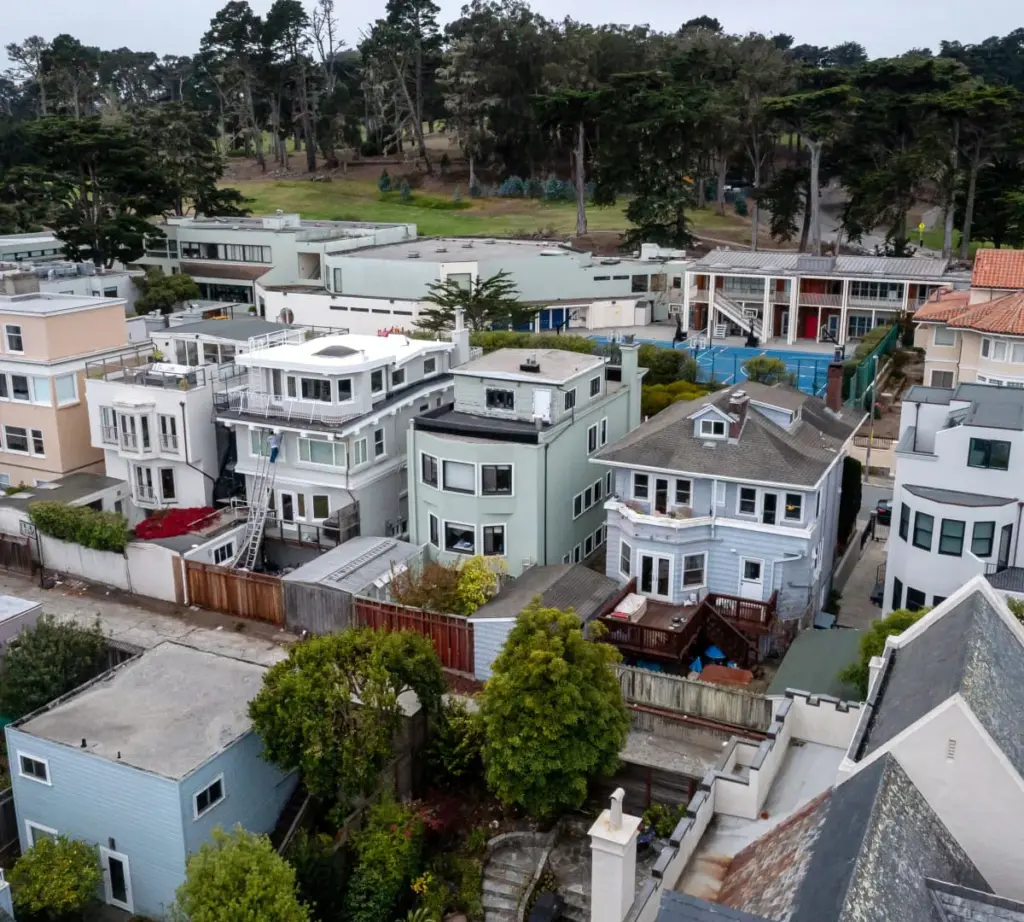
- Active housing inventory reached 183,500 units in October, marking a 7.4% year-over-year increase.
- Newly pending sales plummeted by 16.8% annually, the sharpest decline since August 2023.
- Despite cooling demand, only 20% of sellers have opted for price cuts, signaling a psychological floor in owner expectations.
- Monthly mortgage payments for the typical U.S. home have surged 12.8% year-over-year, exacerbating the affordability crisis.
- Lượng nhà tồn kho hoạt động đã đạt 183.500 căn vào tháng 10, đánh dấu mức tăng 7,4% so với cùng kỳ năm ngoái.
- Doanh số chờ giao dịch mới đã lao dốc 16,8% theo năm, mức giảm sâu nhất kể từ tháng 8 năm 2023.
- Bất chấp nhu cầu hạ nhiệt, chỉ có 20% người bán chọn cắt giảm giá, cho thấy một ngưỡng tâm lý vững chắc trong kỳ vọng của chủ nhà.
- Khoản trả góp thế chấp hàng tháng cho một ngôi nhà điển hình tại Mỹ đã tăng vọt 12,8% so với cùng kỳ năm ngoái, làm trầm trọng thêm cuộc khủng hoảng khả năng chi trả.
- L'inventaire des biens actifs a atteint 183 500 unités en octobre, soit une hausse de 7,4 % sur un an.
- Les nouvelles promesses de vente ont chuté de 16,8 % en glissement annuel, enregistrant leur plus forte baisse depuis août 2023.
- Malgré un net ralentissement de la demande, seuls 20 % des vendeurs ont consenti à des baisses de prix, trahissant un plancher psychologique inébranlable.
- Les mensualités de crédit pour un logement type aux États-Unis ont bondi de 12,8 % sur un an, exacerbant la crise du pouvoir d'achat.
- El inventario de vivienda activa alcanzó las 183.500 unidades en octubre, lo que representa un aumento interanual del 7,4%.
- Las ventas pendientes de formalizar se desplomaron un 16,8% anual, la caída más pronunciada desde agosto de 2023.
- A pesar del enfriamiento de la demanda, solo el 20% de los vendedores ha optado por recortar los precios, lo que indica un suelo psicológico en las expectativas de los propietarios.
- Los pagos mensuales de las hipotecas para una vivienda típica en EE. UU. han aumentado un 12,8% interanual, exacerbando la crisis de asequibilidad.
- 10月活跃住房库存达到18.35万套,同比增长7.4%。
- 新待售房屋销量同比暴跌16.8%,创下自2023年8月以来的最大跌幅。
- 尽管需求疲软,但仅有20%的卖家选择降价,这表明业主心理预期存在一个坚固的“价格底线”。
- 美国典型住宅的月度按揭贷款额同比飙升12.8%,加剧了可负担性危机。
The American residential real estate market has entered a peculiar and precarious phase, defined less by the traditional mechanics of supply and demand and more by a profound psychological standoff. As the calendar turned to October, the data revealed a paradox: while the volume of homes sitting on the market has swelled to levels not seen in nearly a year, the anticipated correction in pricing has failed to materialize. Sellers, seemingly anchored to the memories of the pandemic-era valuation boom, are refusing to concede, while buyers—crushed by the weight of persistent interest rates—are retreating in record numbers.
This impasse has transformed the housing sector into a frozen landscape where inventory is accumulating, yet liquidity remains elusive. The numbers are striking: active listings surged by 7.4% year-over-year, the fastest growth rate in eight months, even as the influx of new listings actually contracted by 7.5%. We are witnessing a market that is simultaneously bloated and stagnant, a phenomenon that threatens to prolong the economic malaise currently gripping the broader real estate ecosystem. For the average prospective homeowner, the dream of a correction has been replaced by the reality of a high-stakes game of chicken between those who own the land and those who can no longer afford to buy it.
The Anatomy of a Manufactured Stagnation
To understand the current paralysis, one must look back at the unprecedented volatility of the post-2020 era. During the pandemic, the U.S. housing market experienced a feverish acceleration, fueled by record-low mortgage rates and a sudden, desperate demand for space. This period created a generation of homeowners who locked in historically low financing, effectively insulating them from the current interest rate environment. Consequently, the "lock-in effect" has become the primary driver of the current supply shortage; homeowners with 3% mortgages have little incentive to sell and trade up to a 7% or 8% rate, even if their current property no longer suits their needs.
However, the October data suggests that the market is beginning to crack under the pressure of its own inertia. While inventory is rising, it is not necessarily because of a flood of new sellers, but rather a lack of absorption. Homes are lingering on the market longer, creating a visual buildup of supply that would, in a healthier market, trigger price adjustments. Yet, the data from Realtor.com confirms that only 20% of sellers are opting to cut prices—a figure that has remained stubbornly flat. This suggests that the current cohort of sellers is either financially comfortable enough to wait out the cycle or is suffering from a cognitive dissonance regarding the current valuation reality.
Macroeconomic Ripple Effects and the Affordability Trap
The implications of this standoff extend far beyond the residential sector, acting as a drag on the broader U.S. economy. When housing transactions slow, the secondary effects are profound: furniture sales, renovation spending, and real estate service fees all contract, creating a ripple effect that dampens GDP growth. Zillow’s latest reports indicate that newly pending sales have dropped by 16.8% year-over-year, the most significant decline since the summer of 2023. This is not merely a seasonal dip; it is a structural contraction that reflects a fundamental shift in the American consumer’s purchasing power.
Perhaps most alarming is the trajectory of the monthly mortgage payment. Despite minor fluctuations in interest rates throughout October, the typical monthly payment for a U.S. home has climbed to $2,004—a 12.8% increase over the previous year. This 4.8% jump in a single month represents the sharpest increase in four years, effectively pricing out a significant segment of the middle class. As affordability reaches a breaking point, the market is becoming increasingly bifurcated, favoring wealthy cash buyers who are immune to mortgage rate volatility, while leaving first-time buyers and those reliant on traditional financing on the sidelines.
Navigating the Winter of Discontent
As we look toward the final quarter of the year and into the early months of 2025, the outlook remains clouded by uncertainty. Economists are largely in agreement that November will likely represent the nadir of this cycle, with further contractions expected in sales volume. However, there is a glimmer of cautious optimism. If the Federal Reserve continues to signal a path toward rate normalization, the "lock-in effect" may begin to thaw, potentially encouraging more inventory to hit the market at more realistic price points.
For investors and prospective buyers, the current environment demands a high degree of patience and strategic agility. As Mischa Fisher of Zillow noted, the "silver lining" is that the worst of the contraction may be nearing its conclusion. The buildup of inventory, while currently a sign of stagnation, could eventually serve as the foundation for a more balanced market in the coming year. If price expectations finally align with the reality of interest rates, we may see a surge in activity. Until then, the housing market remains a high-stakes theater of patience, where the winners will be those who can discern the difference between a temporary freeze and a permanent shift in the American housing paradigm.
Thị trường bất động sản nhà ở Mỹ đã bước vào một giai đoạn kỳ lạ và đầy rủi ro, nơi được định hình ít hơn bởi các cơ chế cung cầu truyền thống và nhiều hơn bởi một cuộc đối đầu tâm lý sâu sắc. Khi bước sang tháng 10, các dữ liệu đã hé lộ một nghịch lý: trong khi khối lượng nhà tồn đọng trên thị trường đã phình to lên mức chưa từng thấy trong gần một năm qua, sự điều chỉnh giá được kỳ vọng lại không hề xuất hiện. Người bán, dường như vẫn gắn chặt với ký ức về thời kỳ bùng nổ định giá thời đại dịch, đang kiên quyết không nhượng bộ, trong khi người mua — bị bóp nghẹt bởi sức nặng của lãi suất dai dẳng — đang rút lui với số lượng kỷ lục.
Thế bế tắc này đã biến lĩnh vực nhà ở thành một vùng đất đóng băng, nơi hàng tồn kho tích tụ nhưng tính thanh khoản vẫn là điều xa vời. Những con số thật đáng kinh ngạc: các danh sách bất động sản đang rao bán đã tăng vọt 7,4% so với cùng kỳ năm trước, tốc độ tăng trưởng nhanh nhất trong tám tháng, ngay cả khi dòng nhà mới niêm yết thực tế đã thu hẹp 7,5%. Chúng ta đang chứng kiến một thị trường vừa phình to vừa trì trệ, một hiện tượng có nguy cơ kéo dài cơn suy thoái kinh tế hiện đang bao trùm toàn bộ hệ sinh thái bất động sản rộng lớn hơn. Đối với người mua nhà tiềm năng trung bình, giấc mơ về một đợt điều chỉnh giá đã được thay thế bằng thực tế của một trò chơi đấu trí căng thẳng giữa những người sở hữu đất và những người không còn đủ khả năng mua chúng.
Giải phẫu sự trì trệ nhân tạo
Để hiểu được tình trạng tê liệt hiện tại, người ta phải nhìn lại sự biến động chưa từng có của kỷ đại dịch hậu 2020. Trong thời kỳ đại dịch, thị trường nhà ở Mỹ đã chứng kiến đà tăng tốc đến chóng mặt, được thúc đẩy bởi lãi suất thế chấp thấp kỷ lục và nhu cầu tìm kiếm không gian sống bỗng trở nên cấp bách. Giai đoạn này đã tạo ra một thế hệ chủ nhà khóa chặt được mức tài chính thấp lịch sử, giúp họ tách biệt hiệu quả khỏi môi trường lãi suất hiện tại. Do đó, "hiệu ứng khóa chặt" (lock-in effect) đã trở thành động lực chính dẫn đến tình trạng thiếu hụt nguồn cung hiện nay; những chủ nhà có khoản thế chấp 3% có ít động lực để bán và chuyển sang mức lãi suất 7% hoặc 8%, ngay cả khi bất động sản hiện tại của họ không còn đáp ứng nhu cầu.
Tuy nhiên, dữ liệu tháng 10 cho thấy thị trường đang bắt đầu rạn nứt dưới áp lực từ chính sự ì ạch của nó. Khi hàng tồn kho gia tăng, điều đó không nhất thiết là do một làn sóng người bán mới xuất hiện, mà đúng hơn là do sự thiếu hụt khả năng hấp thụ của thị trường. Những ngôi nhà tồn đọng trên thị trường lâu hơn, tạo ra một sự tích tụ trực quan về nguồn cung mà lẽ ra, trong một thị trường lành mạnh hơn, phải châm ngòi cho các đợt điều chỉnh giá. Thế nhưng, dữ liệu từ Realtor.com xác nhận rằng chỉ có 20% người bán chọn cắt giảm giá — một con số vẫn đứng im một cách ngoan cố. Điều này cho thấy nhóm người bán hiện tại hoặc là đủ tiềm lực tài chính để chờ đợi qua chu kỳ, hoặc đang mắc kẹt trong sự mâu thuẫn nhận thức về thực tế định giá hiện tại.
Hiệu ứng lan tỏa kinh tế vĩ mô và cạm bẫy khả năng chi trả
Hệ quả của cuộc đối đầu này vượt xa lĩnh vực nhà ở, trở thành một lực cản đối với nền kinh tế Mỹ nói chung. Khi các giao dịch nhà ở chậm lại, các tác động thứ cấp là vô cùng sâu sắc: doanh số bán đồ nội thất, chi phí cải tạo và phí dịch vụ bất động sản đều sụt giảm, tạo ra hiệu ứng dây chuyền làm suy yếu đà tăng trưởng GDP. Các báo cáo mới nhất của Zillow chỉ ra rằng doanh số chờ giao dịch mới đã giảm 16,8% so với cùng kỳ năm ngoái, mức giảm đáng kể nhất kể từ mùa hè năm 2023. Đây không chỉ đơn thuần là một đợt sụt giảm theo mùa; đó là một sự suy thoái mang tính cấu trúc phản ánh sự dịch chuyển cơ bản trong sức purchasing power (sức mua) của người tiêu dùng Mỹ.
Có lẽ điều đáng báo động nhất là quỹ đạo của khoản thanh toán thế chấp hàng tháng. Bất chấp những biến động nhỏ về lãi suất trong suốt tháng 10, khoản thanh toán hàng tháng điển hình cho một ngôi nhà ở Mỹ đã leo lên mức 2.004 USD — tăng 12.8% so với năm trước. Mức tăng 4,8% chỉ trong một tháng này đánh dấu mức tăng mạnh nhất trong bốn năm qua, đẩy một phân khúc đáng kể tầng lớp trung lưu ra ngoài khả năng chi trả. Khi khả năng chi trả chạm đến điểm gãy, thị trường đang ngày càng phân hóa rõ rệt, ưu tiên những người mua giàu có trả bằng tiền mặt — những người miễn dịch với sự biến động của lãi suất thế chấp — trong khi đẩy những người mua nhà lần đầu và những người phụ thuộc vào nguồn tài chính truyền thống ra bên lề.
Vượt qua mùa đông bất mãn
Khi hướng tới quý cuối cùng của năm và những tháng đầu năm 2025, viễn cảnh tương lai vẫn còn bị che phủ bởi sự bất định. Các nhà kinh tế phần lớn đều đồng thuận rằng tháng 10 hoặc tháng 11 có thể sẽ đại diện cho đáy của chu kỳ này, với những đợt sụt giảm tiếp theo dự kiến sẽ xảy ra đối với khối lượng giao dịch. Tuy nhiên, vẫn có một tia hy vọng về sự lạc quan thận trọng. Nếu Cục Dự trữ Liên bang (Fed) tiếp tục phát đi tín hiệu về lộ trình bình thường hóa lãi suất, "hiệu ứng khóa chặt" có thể bắt đầu tan băng, có khả năng khuyến khích thêm nhiều nguồn cung gia nhập thị trường ở mức giá thực tế hơn.
Đối với các nhà đầu tư và người mua tiềm năng, môi trường hiện tại đòi hỏi mức độ kiên nhẫn cao độ và sự nhạy bén trong chiến lược. Như Mischa Fisher của Zillow đã lưu ý, "điểm sáng" là giai đoạn tồi tệ nhất của đợt suy thoái có thể đang đi đến hồi kết. Sự tích tụ hàng tồn kho, dù hiện tại là dấu hiệu của sự trì trệ, cuối cùng có thể đóng vai trò là nền tảng cho một thị trường cân bằng hơn trong năm tới. Nếu kỳ vọng về giá cuối cùng đồngtheoo kịp thực tế lãi suất, chúng ta có thể chứng kiến một làn sóng bùng nổ hoạt động. Cho đến lúc đó, thị trường nhà ở vẫn là một sân khấu đầy cam go của sự kiên nhẫn, nơi những người chiến thắng sẽ là những ai có thể phân biệt được sự khác biệt giữa một đợt đóng băng tạm thời và một sự chuyển dịch vĩnh viễn trong mô hình nhà ở tại Mỹ.
Le marché immobilier résidentiel américain est entré dans une phase aussi singulière que précaire, dictée moins par les lois traditionnelles de l'offre et de la demande que par un profond bras de fer psychologique. Alors que s'ouvrait le mois d'octobre, les chiffres ont révélé un paradoxe saisissant : si le volume de biens en quête d'acquéreurs a gonflé à des niveaux inédits depuis près d'un an, la correction tarifaire tant attendue tarde obstinément à se matérialiser. Les vendeurs, comme anesthésiés par le souvenir de l'euphorie pandémique, refusent de plier, tandis que les acheteurs, écrasés par le poids de taux directeurs persistants, désertent le marché en nombre record.
Cette impasse a transformé le secteur de la pierre en un paysage figé où les stocks s'accumulent sans pour autant générer de liquidités. Les chiffres éloquents témoignent de cette anomalie : les annonces actives ont bondi de 7,4 % sur un an, affichant leur rythme de croissance le plus rapide en huit mois, alors même que l'arrivée de nouveaux biens a reculé de 7,5 %. Nous assistons ainsi à la naissance d'un marché à la fois hypertrophié et stagnant, un phénomène qui menace de prolonger le marasme économique qui paralyse l'ensemble de l'écosystème immobilier. Pour le candidat à l'accession à la propriété, l'illusion d'une correction salutaire a cédé la place à la dure réalité d'un jeu de dupes à haut risque entre ceux qui possèdent la terre et ceux qui n'ont plus les moyens de se l'offrir.
L'anatomie d'une stagnation artificielle
Pour appréhender cette paralysie contemporaine, il faut impérativement se pencher sur la volatilité inédite de l'ère post-2020. Durant la pandémie, le marché immobilier américain a connu une surchauffe fébrile, nourrie par des taux d'emprunt au plus bas et une quête soudaine et impérieuse d'espace. Cette période a façonné toute une génération de propriétaires ayant verrouillé des conditions de financement historiquement faibles, s'isolant de fait du contexte actuel de hausse des taux. Par conséquent, cet « effet de verrouillage » est devenu le principal catalyseur de la pénurie actuelle : les propriétaires bénéficiant de crédits à 3 % n'ont aucun intérêt à vendre pour racheter au taux de 7 ou 8 %, et ce même si leur logement actuel ne correspond plus à leurs besoins.
Pourtant, les données d'octobre suggèrent que le marché commence à céder sous la pression de sa propre inertie. Si l'inventaire enfle, ce n'est pas tant en raison d'un déferlement de nouvelles offres, mais plutôt d'un défaut manifeste d'absorption. Les biens s'éternisent sur le marché, créant une accumulation visuelle de stocks qui, dans un contexte plus sain, aurait dû enclencher des révisions de prix. Pourtant, les chiffres de Realtor.com confirment que seuls 20 % des vendeurs choisissent de baisser leurs tarifs — une proportion qui demeure obstinément figée. Cela indique que la cohorte actuelle de vendeurs jouit soit d'une aisance financière suffisante pour traverser la tempête, soit d'une véritable dissonance cognitive face à la réalité des valorisations.
Répercussions macroéconomiques et piège de l'accessibilité
Les implications de ce statu quo dépassent largement le seul secteur résidentiel pour s'ériger en frein à l'économie américaine dans son ensemble. Lorsque les transactions immobilières ralentissent, les dommages collatéraux s'avèrent profonds : ventes de mobilier, budgets rénovation et honoraires des services immobiliers se contractent simultanément, générant un effet d'entraînement qui plombe la croissance du PIB. Les derniers rapports de Zillow indiquent ainsi que les nouvelles promesses de vente ont chuté de 16,8 % d'une année sur l'autre, soit le recul le plus marqué depuis l'été 2023. Il ne s'agit pas là d'un simple fléchissement saisonnier, mais bien d'une contraction structurelle traduisant un basculement fondamental du pouvoir d'achat du consommateur américain.
Plus alarmante encore demeure la trajectoire des mensualités hypothécaires. En dépit de mineures fluctuations des taux d'intérêt tout au long du mois d'octobre, la mensualité moyenne pour un foyer américain a grimpé à 2,004 dollars — soit une augmentation de 12,8 % par rapport à l'année précédente. Ce bond spectaculaire de 4,8 % en un seul mois constitue la hausse la plus abrupte enregistrée en quatre ans, excluant de fait une frange significative de la classe moyenne. À l'heure où la question de l'accessibilité atteint un point de rupture, le marché se fracture irrémédiablement : il favorise désormais les acheteurs fortunés payant comptant, totalement imperméables aux soubresauts des taux d'intérêt, tout en reléguant sur la touche les primo-accédants et les profils tributaires d'un financement bancaire classique.
Naviguer en eaux troubles à l'approche de l'hiver
À l'aube du dernier trimestre de l'année et du seuil de 2025, l'horizon demeure embrumé par l'incertitude. Les économistes s'accordent largement pour dire que le mois de novembre marquera vraisemblablement le nadir de ce cycle, de nouvelles contractions des volumes de vente étant à prévoir. Une lueur d'optimisme prudent persiste néanmoins. Si la Réserve fédérale venait à confirmer sa trajectoire vers une normalisation des taux, l'« effet de verrouillage » pourrait commencer à se dissiper, incitant potentiellement de nouveaux stocks à faire surface à des prix plus réalistes.
Pour les investisseurs et les acheteurs potentiels, la conjoncture exige une immense patience et une agilité stratégique de tous les instants. Comme l'a souligné Mischa Fisher, de chez Zillow, la « note d'espoir » réside dans le fait que le pire de la contraction touche peut-être à sa fin. L'accumulation des stocks, bien qu'actuellement synonyme de stagnation, pourrait à terme constituer le socle d'un marché plus équilibré l'an prochain. Si les prétentions tarifaires finissent par épouser la réalité des taux d'intérêt, nous pourrions assister à un sursaut d'activité. D'ici là, le marché immobilier demeure un théâtre d'attente à haut risque, où les vainqueurs seront ceux qui sauront distinguer une simple glaciation passagère d'une mutation permanente du paradigme résidentiel américain.
El mercado residencial estadounidense ha entrado en una fase tan peculiar como precaria, definida menos por la mecánica tradicional de la oferta y la demanda que por un profundo pulso psicológico. Con la llegada de octubre, los datos revelan una paradoja: mientras el volumen de viviendas acumuladas en el mercado ha alcanzado niveles que no se veían desde hace casi un año, la esperada corrección de precios no termina de materializarse. Los vendedores, aparentemente aferrados a los recuerdos del boom de valoraciones de la era pandémica, se niegan a ceder, mientras que los compradores —aplastados por el peso de unos tipos de interés persistentes— se repliegan en cifras récord.
Este callejón sin salida ha convertido al sector inmobiliario en un paisaje congelado donde el inventario se acumula, pero la liquidez sigue brillando por su ausencia. Las cifras son llamativas: los anuncios activos aumentaron un 7,4% interanual, el ritmo de crecimiento más rápido en ocho meses, incluso a pesar de que la afluencia de nuevas propiedades en venta se contrajo un 7,5%. Presenciamos un mercado que está, al mismo tiempo, sobredimensionado y estancado, un fenómeno que amenaza con prolongar el malestar económico que actualmente sufre el ecosistema inmobiliario en su conjunto. Para el comprador medio, el sueño de una corrección se ha visto sustituido por la cruda realidad de un pulso de alto riesgo entre quienes poseen el suelo y quienes ya no pueden permitirse comprarlo.
La anatomía de un estancamiento manufacturado
Para comprender la actual parálisis, es necesario remontarse a la volatilidad sin precedentes de la era posterior a 2020. Durante la pandemia, el mercado de la vivienda en EE. UU. experimentó una aceleración febril, impulsada por unos tipos hipotecarios históricamente bajos y una demanda repentina y acuciante de espacio. Este periodo creó una generación de propietarios que aseguraron financiación a mínimos históricos, lo que los aisló de forma efectiva del actual entorno de tipos de interés. En consecuencia, el llamado «efecto bloqueo» se ha convertido en el principal motor de la actual escasez de oferta; los propietarios con hipotecas al 3% tienen pocos incentivos para vender y cambiar de casa asumiendo un tipo del 7% o del 8%, incluso si su vivienda actual ya no se adapta a sus necesidades.
Sin embargo, los datos de octubre sugieren que el mercado empieza a resquebrajarse bajo la presión de su propia inercia. Aunque el inventario va en aumento, no se debe necesariamente a una avalancha de nuevos vendedores, sino a una falta de absorción. Las casas pasan más tiempo en el mercado, generando una acumulación visual de oferta que, en un escenario más saludable, desencadenaría ajustes de precios. Aun así, los datos de Realtor.com confirman que solo el 20% de los vendedores opta por rebajar las tarifas, una cifra que se mantiene obstinadamente plana. Esto sugiere que el actual grupo de vendedores cuenta con la holgura financiera suficiente para capear el ciclo o padece una disonancia cognitiva respecto a la realidad de las valoraciones actuales.
Efectos colaterales macroeconómicos y la trampa de la asequibilidad
Las implicaciones de este enfrentamiento van mucho más allá del sector residencial y actúan como un freno para la economía estadounidense en general. Cuando las transacciones inmobiliarias se ralentizan, los efectos secundarios son profundos: la venta de muebles, el gasto en reformas y las comisiones de los servicios inmobiliarios se contraen, creando una reacción en cadena que debilita el crecimiento del PIB. Los últimos informes de Zillow indican que las ventas pendientes han caído un 16,8% interanual, el retroceso más significativo desde el verano de 2023. No se trata meramente de un bache estacional, sino de una contracción estructural que refleja un cambio fundamental en el poder adquisitivo del consumidor estadounidense.
Quizás lo más alarmante sea la trayectoria de la cuota hipotecaria mensual. A pesar de las leves fluctuaciones de los tipos de interés a lo largo de octubre, el pago mensual típico de una vivienda en EE. UU. ha escalado hasta los 2.004 dólares, lo que supone un incremento del 12,8% respecto al año anterior. Este salto del 4,8% en un solo mes representa la subida más acusada en cuatro años, lo que deja fuera del mercado de manera efectiva a un segmento significativo de la clase media. A medida que la asequibilidad alcanza un punto de ruptura, el mercado se bifurca cada vez más, favoreciendo a los compradores adinerados que pagan al contado y son inmunes a la volatilidad de los tipos, mientras relega a los compradores primerizos y a quienes dependen de la financiación tradicional.
Navegando el invierno del descontento
De cara al último trimestre del año y a los primeros meses de 2025, las perspectivas siguen nubladas por la incertidumbre. Los economistas coinciden mayoritariamente en que noviembre probablemente representará el punto más bajo de este ciclo, y se esperan nuevas contracciones en el volumen de ventas. No obstante, se atisba un rayo de optimismo prudente. Si la Reserva Federal continúa dando señales de avanzar hacia la normalización de los tipos, el «efecto bloqueo» podría empezar a deshelarse, animando potencialmente a que una mayor oferta salga al mercado con precios más realistas.
Para los inversores y futuros compradores, el entorno actual exige altas dosis de paciencia y agilidad estratégica. Como señaló Mischa Fisher, de Zillow, el «consuelo» es que lo peor de la contracción podría estar llegando a su fin. El incremento del inventario, aunque hoy sea síntoma de estancamiento, podría servir con el tiempo como cimiento para un mercado más equilibrado el próximo año. Si las expectativas de precios acaban por alinearse con la realidad de los tipos de interés, es probable que asistamos a un repunte de la actividad. Hasta entonces, el mercado de la vivienda sigue siendo un escenario de alta tensión y paciencia, en el que los ganadores serán aquellos capaces de distinguir entre una congelación temporal y un cambio permanente en el paradigma inmobiliario estadounidense.
美国住宅房地产市场已经进入了一个奇特而微妙的阶段。在这个阶段中,主导市场的与其说是传统的供需机制,不如说是一场深刻的心理对峙。随着日历翻到10月份,数据揭示了一个悖论:一方面,滞留在市场上的房屋数量膨胀到了近一年来未曾见过的高度,但另一方面,人们预期中的价格修正却迟迟没有出现。卖家似乎依然沉浸在疫情时期估值飙升的记忆中,拒绝妥协;而买家则在居高不下的利率重压下,正以创纪录的规模撤退。
这种僵局将房地产行业变成了一片凝固的景观:库存不断积压,流动性却依然遥不可及。数据触目惊心:活跃挂牌量同比增长了7.4%,创下八个月来的最快增速,尽管新挂牌量的涌入实际上收缩了7.5%。我们正在见证一个既显臃肿又陷入停滞的市场,这种现象有可能延长当前困扰整个广义房地产生态系统的经济低迷期。对于普通购房潜在者而言,“价格修正”的梦想已经被一场高风险的“胆小鬼博弈”所取代——博弈的一方是土地所有者,另一方则是再也买不起房的人。
人为停滞的剖析
要理解当前的瘫痪状态,必须回顾2020年后那段前所未有的剧烈波动期。在疫情期间,在美国创纪录的低贷款利率以及对居住空间的突然、迫切需求的推动下,美国房市经历了一场狂热的加速期。这一时期造就了一代锁定历史低利率的房主,有效地将他们与当前的利率环境隔离开来。因此,“利率锁定效应”成为了当前供应短缺的主要驱动力;拥有3%房贷利率的房主几乎没有任何动力去卖房,并换购利率高达7%或8%的新房,哪怕他们目前的房产已经不再适合自己的需求。
然而,10月份的数据表明,市场正开始在其自身的惯性压力下出现裂痕。库存之所以在上升,未必是因为大量新卖家的涌入,而是因为市场缺乏消化能力。房屋在市场上滞留的时间更长,从而造成了供应量的视觉积压——在更健康的市场上,这本该引发价格的调整。然而,Realtor.com的数据证实,仅有20%的卖家选择降价,这一数字顽固地保持平稳。这表明当前的卖家要么财务状况足够宽裕、能够熬过这个周期,要么就是对当前的估值现实存在认知失调。
宏观经济的连锁反应与可负担性陷阱
这场对峙的影响远超住宅板块本身,成为了拖累更广泛的美国经济的绊脚石。当房地产交易放缓时,其连带效应是深远的:家具销售、装修支出以及房地产服务费全都随之收缩,进而产生抑制国内生产总值(GDP)增长的连锁反应。Zillow的最新报告显示,新待售房屋销量同比下降了16.8%,创下2023年夏季以来的最大跌幅。这绝不仅仅是季节性的回调,而是一种反映了美国消费者购买力根本转变的结构性收缩。
或许最令人担忧的是每月按揭贷款额的发展轨迹。尽管10月份利率略有波动,但美国典型住宅的月供已攀升至2004美元,较前一年增长了12.8%。单月内4.8%的跃升幅度创下了四年来的最大涨幅,实际上将相当大一部分中产阶层挡在了购房门槛之外。随着可负担性逼近崩溃点,市场呈现出愈发两极分化的态势:它青睐那些不受按揭利率波动影响的富有全款买家,而将首次购房者以及依赖传统融资的群体晾在了一边。
驶向充满不满的寒冬
当我们展望今年最后一个季度以及2025年初时,前景依然被不确定性阴霾笼罩。经济学家大体上达成共识:11月很可能是本周期的最低点,销售额预计将进一步收缩。不过,市场也闪烁着一丝谨慎乐观的光芒。如果美联储继续释放利率正常化的信号,“利率锁定效应”可能会开始融化,从而有可能鼓励更多库存以更现实的价格重返市场。
对于投资者和潜在买家而言,当前的环境需要极高的耐心与战略灵活性。正如Zillow的米沙·费舍尔(Mischa Fisher)所指出的那样,“一线希望”在于,最严重的萎缩可能已经接近尾声。库存的积压虽然目前是停滞的标志,但最终可能会成为来年打造更平衡市场的基石。如果价格预期最终与利率现实达成一致,我们可能会看到交易量的大幅反弹。在此之前,房地产市场依然是一场高风险的耐力戏剧,最后的赢家将是那些能够洞察暂时性冻结与美国住房范式永久性转变之间区别的人。
Editorial Standards & Multi-Language Synthesis: This dispatch was synthesized and fact-checked by the ParisDaily Editorial Desk across 5 global editions (EN, FR, VI, ES, ZH), cross-referencing primary international wire reports and real-time search intelligence.