Thẩm mỹ vùng Alpine: Cách Utah Mammoth định nghĩa lại diện mạo của NHL Winter Classic
As the NHL prepares for a historic outdoor clash in Salt Lake City, the unveiling of the Utah Mammoth’s ski-inspired jerseys signals a new era of localized sports branding.
Khi NHL chuẩn bị cho một trận đấu ngoài trời mang tính lịch sử tại Salt Lake City, việc ra mắt những chiếc áo đấu lấy cảm hứng từ trượt tuyết của Utah Mammoth đánh dấu một kỷ nguyên mới trong việc xây dựng thương hiệu thể thao mang đậm bản sắc địa phương.
Alors que la NHL s'apprête à disputer un match en plein air historique à Salt Lake City, le dévoilement des maillots des Utah Mammoth, inspirés par le ski, marque l'avènement d'une nouvelle ère pour l'image de marque sportive locale. Cette approche, qui fusionne héritage régional et design contemporain, redéfinit les codes visuels de la ligue.
Mientras la NHL se prepara para un histórico enfrentamiento al aire libre en Salt Lake City, la presentación de las equipaciones de los Utah Mammoth, inspiradas en el esquí, marca una nueva era en el branding deportivo local. Esta apuesta por la identidad regional promete transformar la narrativa visual de la liga.
随着 NHL 即将在盐湖城迎来一场史诗般的户外对决,犹他猛犸象队以滑雪文化为灵感的球衣揭幕,标志着本土化体育品牌塑造进入了全新时代。
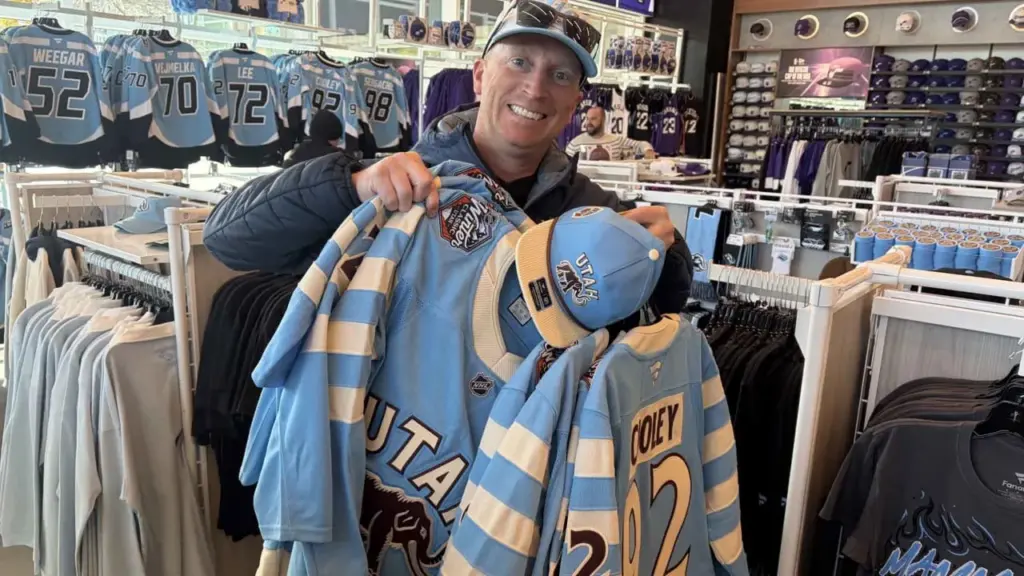
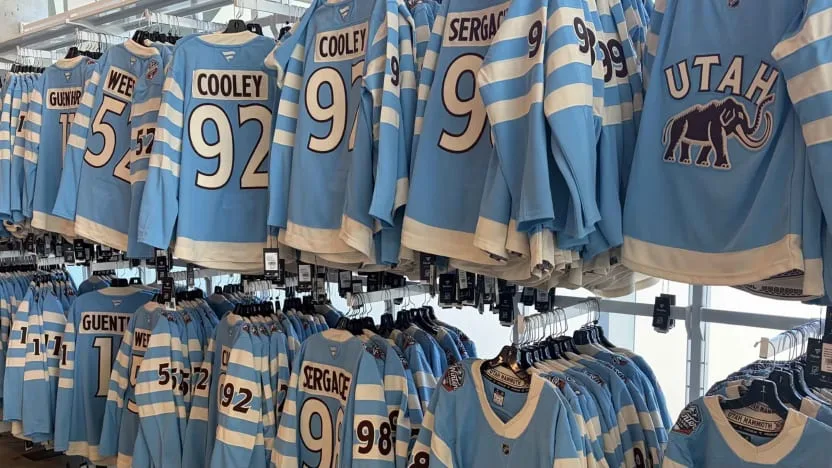
- The Utah Mammoth’s inaugural Winter Classic jersey utilizes a 'Mountain Blue' palette and woolly mammoth-inspired textures to anchor a new franchise in local history.
- Design elements pay homage to the 1950s Hygeia Iceland rink, bridging the gap between a three-year-old franchise and the region's deeper hockey roots.
- The Colorado Avalanche’s counterpart design features '5280' elevation nods and 19th-century railway typography, emphasizing the 'Mile High' identity.
- Fanatics and the NHL are leveraging high-fidelity, vintage-style merchandising to drive record-breaking engagement ahead of the New Year’s Eve outdoor showcase.
- Áo đấu Winter Classic đầu tiên của Utah Mammoth sử dụng bảng màu "Mountain Blue" cùng các kết cấu lấy cảm hứng từ voi ma mút lông xoăn để khẳng định vị thế của một đội bóng mới trong lịch sử địa phương.
- Các yếu tố thiết kế tri ân sân băng Hygeia Iceland thập niên 1950, tạo cầu nối giữa một đội bóng mới thành lập ba năm với cội nguồn khúc côn cầu sâu xa của khu vực.
- Thiết kế của Colorado Avalanche nhấn mạnh bản sắc "Mile High" thông qua các chi tiết về độ cao "5280" và kiểu chữ đường sắt thế kỷ 19.
- Fanatics và NHL đang tận dụng các sản phẩm mang phong cách cổ điển, độ trung thực cao để thúc đẩy mức độ tương tác kỷ lục trước thềm sự kiện ngoài trời đêm Giao thừa.
- Le maillot inaugural des Utah Mammoth mise sur une palette "Bleu Montagne" et des textures évoquant le mammouth laineux pour ancrer la nouvelle franchise dans l'histoire locale.
- Les éléments graphiques rendent hommage à la patinoire Hygeia Iceland des années 1950, créant un pont entre une franchise vieille de trois ans et les racines profondes du hockey dans la région.
- Le design des Colorado Avalanche met en avant l'altitude "5280" et une typographie ferroviaire du XIXe siècle, soulignant ainsi l'identité "Mile High" de Denver.
- Fanatics et la NHL misent sur des produits dérivés vintage de haute fidélité pour susciter un engagement record à l'approche de l'événement en plein air du réveillon du Nouvel An.
- La equipación inaugural de los Utah Mammoth para el Winter Classic utiliza una paleta de "azul montaña" y texturas inspiradas en el mamut lanudo para arraigar a la nueva franquicia en la historia local.
- Los elementos de diseño rinden homenaje a la pista de hielo Hygeia Iceland de los años 50, tendiendo un puente entre una franquicia de tres años de vida y las profundas raíces del hockey en la región.
- El diseño de los Colorado Avalanche incorpora referencias a la altitud de "5280" pies y tipografías ferroviarias del siglo XIX, subrayando su identidad como la "Mile High City".
- Fanatics y la NHL están aprovechando el merchandising de alta fidelidad con estilo vintage para impulsar un compromiso récord antes del escaparate al aire libre de Nochevieja.
- 犹他猛犸象队的首件冬季经典赛球衣采用了“山脉蓝”色调及猛犸象毛皮质感,旨在将这支新晋球队深植于当地历史之中。
- 设计元素致敬了 20 世纪 50 年代的 Hygeia Iceland 冰场,成功弥合了这支仅有三年历史的球队与该地区深厚冰球底蕴之间的鸿沟。
- 科罗拉多雪崩队的球衣设计融入了“5280”海拔标识及 19 世纪铁路排版风格,强调了其“高海拔之城”的独特身份。
- Fanatics 与 NHL 正通过高保真的复古风格周边商品,在除夕夜的户外盛会前推动创纪录的粉丝参与度。
In the rarefied air of Salt Lake City, where the jagged peaks of the Wasatch Range serve as a perennial backdrop to human endeavor, the National Hockey League has found a new canvas for its most storied tradition. As the Utah Mammoth prepare to host the Colorado Avalanche for the Discover NHL Winter Classic on New Year’s Eve, the focus has shifted from the ice to the aesthetic. The unveiling of the teams' uniforms—garments that marry the technical demands of outdoor play with the evocative, textured history of Alpine culture—has sparked a fervor that transcends mere team loyalty, marking a pivotal moment in the league’s ongoing effort to weave local identity into the fabric of professional hockey.
For a franchise as young as the Mammoth, the challenge of establishing a visual legacy is immense. Yet, by leaning into the rugged, snow-dusted heritage of the region, the organization has managed to bypass the usual growing pains of brand identity. The resulting jerseys are not merely athletic wear; they are curated artifacts that speak to the specific geography of Utah, utilizing a palette of Mountain Blue, brown, and beige to ground the team in the landscape. As the league looks toward the future of its marquee outdoor events, the success of this design strategy suggests that the most effective way to capture a new market is to dress it in its own history.
The Architecture of an Alpine Identity
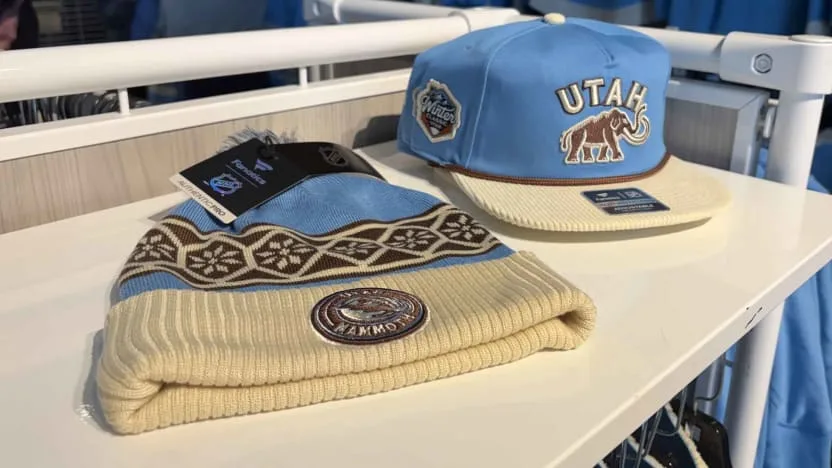
The design philosophy behind the Mammoth’s Winter Classic kit is a masterclass in narrative-driven branding. According to Chris Armstrong, the team’s president of hockey operations, the primary objective was to create something that felt "credibly vintage" despite the team’s relative infancy. By incorporating felt lettering, numbers, and logos that mimic the tactile quality of woolly mammoth fur, the designers have created a jersey that feels weighted with time. The inclusion of a tusk integrated into the crossbar of the "t" in "Utah" on the helmet is a subtle, clever nod to the team’s moniker, proving that modern sports branding can be both playful and sophisticated.
Beyond the immediate visual appeal, the jerseys serve as a bridge to the past. The striping patterns on the sleeves and socks are direct references to Hygeia Iceland, the state’s first ice skating facility, which served as the training ground for the Salt Lake Golden Eagles in the late 1960s. By anchoring the team’s aesthetic in the 1950s and 60s, the Mammoth are effectively "borrowing" a history that predates their own existence, thereby legitimizing their place in the local sports hierarchy. It is a strategic move that acknowledges the fans who have supported hockey in the valley long before the NHL arrived, ensuring that the new guard respects the foundations laid by their predecessors.
Colorado’s Response and the Mile High Aesthetic
While the Mammoth have opted for a rustic, mountain-inspired aesthetic, the Colorado Avalanche have leaned into the industrial and geographical history of the Rocky Mountain region. Their jersey, a crisp white accented with deep burgundy, serves as a perfect foil to the Mammoth’s earthy tones. The design is heavily influenced by the 19th-century signage found in the mining and railway towns that once connected the Rockies to Denver, a nod to the rugged expansionism that defined the American West. The inclusion of a "5280" loop label—a reference to the elevation of the Mile High City—is a classic touch that resonates deeply with the Colorado fanbase.
The Avalanche’s attention to detail extends to the technical aspects of the uniform as well. The burgundy helmet, worn by the team for the first time, features a matte finish that contrasts sharply with the traditional gloss of modern headgear. The inclusion of a double-diamond logo on the pants—a direct reference to the most difficult ski slopes—further cements the theme of the event. By aligning their visual identity with the extreme sports culture that defines the Colorado lifestyle, the Avalanche have created a uniform that feels less like a corporate product and more like a tribute to the terrain they call home.
The Economic and Cultural Ripple Effects
The immediate reaction from fans and players alike has been overwhelmingly positive, with merchandise sales at the Delta Center reflecting a genuine hunger for this specific brand of storytelling. The "Winter Classic" has long been the NHL’s most successful vehicle for blending nostalgia with high-stakes competition, but the Utah-Colorado matchup represents a shift toward more localized, hyper-specific branding. Fans are not just buying jerseys; they are buying into a narrative of regional pride. The sight of supporters purchasing multiple jerseys for family members and colleagues underscores the role that these uniforms play in community cohesion.
From a business perspective, the collaboration between the NHL and Fanatics to produce these high-fidelity, retro-inspired kits is a significant revenue driver. By creating limited-edition, event-specific merchandise that feels like a collector’s item, the league is tapping into the "drop culture" that has become so prevalent in fashion and streetwear. This strategy ensures that the Winter Classic remains a tentpole event in the sports calendar, capable of generating interest far beyond the hockey-obsessed demographic. As the league continues to expand its footprint, the ability to create localized, culturally resonant merchandise will be a key metric of its long-term success.
Looking Toward the New Year’s Eve Stage
As the countdown to the December 31st game at Rice-Eccles Stadium begins, the focus will inevitably shift to the ice. However, the success of the jersey reveal has already set the stage for what promises to be a landmark event. The stadium, which hosted the opening ceremony of the 2002 Winter Olympics, is the perfect venue for a game that emphasizes the intersection of sport and nature. The recent snowfall in Salt Lake City has only added to the atmosphere, turning the mountains into a dramatic, white-capped amphitheater that seems perfectly suited for the spectacle.
What remains to be seen is how this "vintage-modern" aesthetic will influence future NHL design choices. If the Mammoth’s debut is any indication, the league is moving toward a future where team branding is more deeply integrated with the local history and geography of its host cities. For the fans in Utah, the Winter Classic is more than just a game; it is a coming-out party for a franchise that has successfully managed to look like it has been here all along. As the players take the ice under the lights of Rice-Eccles, they will be wearing more than just uniforms—they will be wearing the history, the geography, and the spirit of the mountain west.
Trong bầu không khí loãng của Salt Lake City, nơi những đỉnh núi lởm chởm của dãy Wasatch đóng vai trò là phông nền vĩnh cửu cho những nỗ lực của con người, Giải Khúc côn cầu Quốc gia (NHL) đã tìm thấy một bức tranh mới cho truyền thống lâu đời nhất của mình. Khi Utah Mammoth chuẩn bị tiếp đón Colorado Avalanche trong trận Discover NHL Winter Classic vào đêm Giao thừa, sự chú ý đã chuyển từ mặt băng sang tính thẩm mỹ. Việc công bố đồng phục của các đội—những bộ trang phục kết hợp giữa yêu cầu kỹ thuật của các trận đấu ngoài trời với lịch sử đầy gợi cảm và kết cấu của văn hóa Alpine—đã khơi dậy một niềm đam mê vượt xa lòng trung thành với đội bóng, đánh dấu một thời điểm then chốt trong nỗ lực không ngừng của giải đấu nhằm đan cài bản sắc địa phương vào cấu trúc của khúc côn cầu chuyên nghiệp.
Đối với một đội bóng non trẻ như Mammoth, thách thức trong việc thiết lập một di sản hình ảnh là vô cùng lớn. Tuy nhiên, bằng cách dựa vào di sản gồ ghề, phủ đầy tuyết của khu vực, tổ chức này đã xoay sở để vượt qua những khó khăn thường thấy trong quá trình định hình thương hiệu. Những chiếc áo đấu ra đời không chỉ đơn thuần là trang phục thể thao; chúng là những hiện vật được tuyển chọn kỹ lưỡng, nói lên địa lý đặc thù của Utah, sử dụng bảng màu Mountain Blue, nâu và be để gắn kết đội bóng với cảnh quan nơi đây. Khi giải đấu hướng tới tương lai của các sự kiện ngoài trời mang tính biểu tượng, sự thành công của chiến lược thiết kế này cho thấy cách hiệu quả nhất để chiếm lĩnh một thị trường mới là khoác lên nó chính lịch sử của vùng đất đó.
Kiến trúc của một bản sắc Alpine
Triết lý thiết kế đằng sau bộ trang phục Winter Classic của Mammoth là một bài học bậc thầy về xây dựng thương hiệu dựa trên câu chuyện. Theo Chris Armstrong, chủ tịch phụ trách hoạt động khúc côn cầu của đội, mục tiêu chính là tạo ra thứ gì đó mang lại cảm giác "cổ điển một cách đáng tin cậy" bất chấp sự non trẻ của đội. Bằng cách kết hợp các chữ cái, con số và logo bằng nỉ mô phỏng chất liệu lông của voi ma mút, các nhà thiết kế đã tạo ra một chiếc áo đấu mang cảm giác nặng nề của thời gian. Việc tích hợp chiếc ngà vào thanh ngang của chữ "t" trong từ "Utah" trên mũ bảo hiểm là một cái gật đầu tinh tế, thông minh cho tên gọi của đội, chứng minh rằng việc xây dựng thương hiệu thể thao hiện đại có thể vừa vui tươi vừa tinh tế.
Vượt ra ngoài sức hấp dẫn thị giác tức thời, những chiếc áo đấu đóng vai trò như một cây cầu nối với quá khứ. Các họa tiết sọc trên tay áo và tất là sự tham chiếu trực tiếp đến Hygeia Iceland, cơ sở trượt băng đầu tiên của bang, nơi từng là sân tập của đội Salt Lake Golden Eagles vào cuối những năm 1960. Bằng cách neo giữ thẩm mỹ của đội vào những năm 1950 và 60, Mammoth đang thực sự "vay mượn" một lịch sử có trước sự tồn tại của chính họ, qua đó hợp thức hóa vị thế của mình trong hệ thống phân cấp thể thao địa phương. Đây là một bước đi chiến lược ghi nhận những người hâm mộ đã ủng hộ khúc côn cầu tại thung lũng từ rất lâu trước khi NHL xuất hiện, đảm bảo rằng thế hệ mới tôn trọng những nền tảng do những người tiền nhiệm đặt ra.
Phản ứng của Colorado và thẩm mỹ "Mile High"
Trong khi Mammoth chọn thẩm mỹ mộc mạc, lấy cảm hứng từ núi non, thì Colorado Avalanche lại nghiêng về lịch sử công nghiệp và địa lý của vùng Rocky Mountain. Chiếc áo đấu của họ, màu trắng sắc nét điểm xuyết màu đỏ tía đậm, đóng vai trò là sự tương phản hoàn hảo với tông màu đất của Mammoth. Thiết kế chịu ảnh hưởng mạnh mẽ từ các biển hiệu thế kỷ 19 được tìm thấy ở các thị trấn khai thác mỏ và đường sắt từng kết nối dãy Rockies với Denver, một cái gật đầu cho chủ nghĩa bành trướng gồ ghề đã định hình nên miền Tây nước Mỹ. Việc đưa vào nhãn dán vòng tròn "5280"—một tham chiếu đến độ cao của "Mile High City" (Thành phố cao một dặm)—là một nét chấm phá cổ điển gây tiếng vang sâu sắc với cộng đồng người hâm mộ Colorado.
Sự chú ý đến từng chi tiết của Avalanche cũng mở rộng sang các khía cạnh kỹ thuật của đồng phục. Mũ bảo hiểm màu đỏ tía, lần đầu tiên được đội sử dụng, có lớp hoàn thiện mờ tương phản mạnh mẽ với độ bóng truyền thống của mũ bảo hiểm hiện đại. Việc đưa logo kim cương đôi vào quần—một tham chiếu trực tiếp đến những sườn dốc trượt tuyết khó nhất—càng củng cố thêm chủ đề của sự kiện. Bằng cách căn chỉnh bản sắc hình ảnh của mình với văn hóa thể thao mạo hiểm định hình phong cách sống của Colorado, Avalanche đã tạo ra một bộ đồng phục mang cảm giác ít giống một sản phẩm doanh nghiệp hơn và giống một sự tri ân đối với địa hình mà họ gọi là nhà.
Những tác động lan tỏa về kinh tế và văn hóa
Phản ứng tức thì từ người hâm mộ và các cầu thủ đều vô cùng tích cực, với doanh số bán hàng tại Delta Center phản ánh một sự khao khát thực sự đối với kiểu kể chuyện thương hiệu đặc thù này. "Winter Classic" từ lâu đã là phương tiện thành công nhất của NHL trong việc pha trộn sự hoài cổ với sự cạnh tranh gay gắt, nhưng cuộc đối đầu Utah-Colorado đại diện cho một sự chuyển dịch hướng tới việc xây dựng thương hiệu mang tính địa phương hóa và cụ thể hóa cao hơn. Người hâm mộ không chỉ mua áo đấu; họ đang mua một câu chuyện về niềm tự hào khu vực. Hình ảnh những người ủng hộ mua nhiều áo đấu cho các thành viên gia đình và đồng nghiệp nhấn mạnh vai trò của những bộ đồng phục này trong sự gắn kết cộng đồng.
Từ góc độ kinh doanh, sự hợp tác giữa NHL và Fanatics để sản xuất những bộ trang phục có độ trung thực cao, lấy cảm hứng từ phong cách retro này là một động lực tạo doanh thu đáng kể. Bằng cách tạo ra các sản phẩm phiên bản giới hạn, dành riêng cho sự kiện, mang lại cảm giác như một món đồ sưu tầm, giải đấu đang khai thác "văn hóa drop" (phát hành sản phẩm giới hạn) vốn đã trở nên phổ biến trong thời trang và thời trang đường phố. Chiến lược này đảm bảo rằng Winter Classic vẫn là một sự kiện chủ chốt trong lịch thể thao, có khả năng tạo ra sự quan tâm vượt xa nhóm nhân khẩu học đam mê khúc côn cầu. Khi giải đấu tiếp tục mở rộng dấu ấn của mình, khả năng tạo ra các sản phẩm mang tính địa phương, có sức cộng hưởng văn hóa sẽ là thước đo chính cho sự thành công lâu dài của nó.
Hướng tới sân khấu đêm Giao thừa
Khi đếm ngược đến trận đấu ngày 31 tháng 12 tại Sân vận động Rice-Eccles bắt đầu, sự tập trung chắc chắn sẽ chuyển sang mặt băng. Tuy nhiên, sự thành công của việc ra mắt áo đấu đã tạo tiền đề cho những gì hứa hẹn sẽ là một sự kiện mang tính bước ngoặt. Sân vận động, nơi từng tổ chức lễ khai mạc Thế vận hội Mùa đông 2002, là địa điểm hoàn hảo cho một trận đấu nhấn mạnh sự giao thoa giữa thể thao và thiên nhiên. Trận tuyết rơi gần đây tại Salt Lake City chỉ làm tăng thêm bầu không khí, biến những ngọn núi thành một giảng đường trắng xóa đầy kịch tính, dường như hoàn toàn phù hợp cho cảnh tượng này.
Điều còn lại cần xem xét là thẩm mỹ "cổ điển-hiện đại" này sẽ ảnh hưởng như thế nào đến các lựa chọn thiết kế trong tương lai của NHL. Nếu màn ra mắt của Mammoth là bất kỳ dấu hiệu nào, giải đấu đang tiến tới một tương lai nơi thương hiệu đội bóng được tích hợp sâu sắc hơn với lịch sử và địa lý địa phương của các thành phố chủ nhà. Đối với người hâm mộ ở Utah, Winter Classic không chỉ là một trận đấu; đó là một bữa tiệc ra mắt cho một đội bóng đã thành công trong việc tạo ra cảm giác như thể họ đã ở đây từ lâu. Khi các cầu thủ bước ra sân băng dưới ánh đèn của Rice-Eccles, họ sẽ mặc trên mình nhiều hơn là chỉ những bộ đồng phục—họ sẽ mặc lên mình lịch sử, địa lý và tinh thần của vùng núi phía Tây.
Dans l'air raréfié de Salt Lake City, où les sommets déchiquetés de la chaîne Wasatch servent de toile de fond éternelle aux exploits humains, la Ligue nationale de hockey a trouvé un nouveau canevas pour sa tradition la plus emblématique. Alors que les Utah Mammoth se préparent à accueillir les Colorado Avalanche pour le Discover NHL Winter Classic lors du réveillon du Nouvel An, l'attention s'est déplacée de la glace vers l'esthétique. Le dévoilement des uniformes des équipes — des pièces qui marient les exigences techniques du jeu en extérieur à l'histoire évocatrice et texturée de la culture alpine — a suscité une ferveur qui dépasse la simple loyauté envers une équipe, marquant un tournant dans l'effort constant de la ligue pour tisser l'identité locale dans le tissu du hockey professionnel.
Pour une franchise aussi jeune que les Mammoth, le défi de bâtir un héritage visuel est immense. Pourtant, en s'appuyant sur l'héritage accidenté et enneigé de la région, l'organisation a réussi à éviter les douleurs de croissance habituelles liées à l'identité de marque. Les maillots qui en résultent ne sont pas de simples vêtements de sport ; ce sont des artefacts curatés qui témoignent de la géographie spécifique de l'Utah, utilisant une palette de bleu montagne, de brun et de beige pour ancrer l'équipe dans son paysage. Alors que la ligue se tourne vers l'avenir de ses événements phares en plein air, le succès de cette stratégie de design suggère que la manière la plus efficace de conquérir un nouveau marché est de l'habiller de sa propre histoire.
L'architecture d'une identité alpine
La philosophie de design derrière la tenue des Mammoth pour le Winter Classic est une leçon magistrale de branding narratif. Selon Chris Armstrong, président des opérations hockey de l'équipe, l'objectif premier était de créer quelque chose qui semble "crédiblement vintage" malgré la jeunesse relative de la franchise. En incorporant des lettres et des chiffres en feutre, ainsi que des logos imitant la texture tactile de la fourrure de mammouth laineux, les designers ont créé un maillot qui semble chargé d'histoire. L'intégration d'une défense de mammouth dans la barre transversale du "t" de "Utah" sur le casque est un clin d'œil subtil et ingénieux au nom de l'équipe, prouvant que le branding sportif moderne peut être à la fois ludique et sophistiqué.
Au-delà de l'attrait visuel immédiat, les maillots servent de pont vers le passé. Les motifs de rayures sur les manches et les chaussettes sont des références directes à Hygeia Iceland, la première patinoire de l'État, qui a servi de terrain d'entraînement aux Salt Lake Golden Eagles à la fin des années 1960. En ancrant l'esthétique de l'équipe dans les années 1950 et 1960, les Mammoth "empruntent" efficacement une histoire qui précède leur propre existence, légitimant ainsi leur place dans la hiérarchie sportive locale. C'est une manœuvre stratégique qui reconnaît les fans ayant soutenu le hockey dans la vallée bien avant l'arrivée de la NHL, garantissant que la nouvelle garde respecte les fondations posées par ses prédécesseurs.
La réponse du Colorado et l'esthétique "Mile High"
Alors que les Mammoth ont opté pour une esthétique rustique inspirée par la montagne, les Colorado Avalanche se sont tournés vers l'histoire industrielle et géographique de la région des Rocheuses. Leur maillot, d'un blanc éclatant rehaussé de bordeaux profond, sert de contrepoint parfait aux tons terreux des Mammoth. Le design est fortement influencé par la signalétique du XIXe siècle que l'on trouvait dans les villes minières et ferroviaires reliant autrefois les Rocheuses à Denver, un hommage à l'expansionnisme robuste qui a défini l'Ouest américain. L'inclusion d'une étiquette "5280" — une référence à l'altitude de la "Mile High City" — est une touche classique qui résonne profondément auprès des fans du Colorado.
L'attention portée aux détails par les Avalanche s'étend également aux aspects techniques de l'uniforme. Le casque bordeaux, porté par l'équipe pour la première fois, présente une finition mate qui contraste nettement avec le brillant traditionnel des équipements modernes. L'inclusion d'un logo en double diamant sur le pantalon — une référence directe aux pistes de ski les plus difficiles — cimente davantage le thème de l'événement. En alignant leur identité visuelle sur la culture des sports extrêmes qui définit le mode de vie du Colorado, les Avalanche ont créé un uniforme qui ressemble moins à un produit corporatif qu'à un hommage au terrain qu'ils appellent leur maison.
Les répercussions économiques et culturelles
La réaction immédiate des fans comme des joueurs a été extrêmement positive, les ventes de marchandises au Delta Center reflétant une véritable soif pour ce type spécifique de narration. Le "Winter Classic" est depuis longtemps le véhicule le plus efficace de la NHL pour mélanger nostalgie et compétition à enjeux élevés, mais le duel Utah-Colorado représente un virage vers un branding plus localisé et hyper-spécifique. Les fans n'achètent pas seulement des maillots ; ils adhèrent à un récit de fierté régionale. Le spectacle des supporters achetant plusieurs maillots pour les membres de leur famille et leurs collègues souligne le rôle que jouent ces uniformes dans la cohésion communautaire.
D'un point de vue commercial, la collaboration entre la NHL et Fanatics pour produire ces kits haute fidélité d'inspiration rétro est un moteur de revenus significatif. En créant des produits dérivés en édition limitée, spécifiques à l'événement, qui ressemblent à des objets de collection, la ligue exploite la "culture du drop" devenue si prévalente dans la mode et le streetwear. Cette stratégie garantit que le Winter Classic reste un événement incontournable du calendrier sportif, capable de susciter de l'intérêt bien au-delà du public passionné de hockey. Alors que la ligue continue d'étendre son empreinte, la capacité à créer des produits dérivés localisés et culturellement résonnants sera un indicateur clé de son succès à long terme.
Vers la scène du réveillon du Nouvel An
Alors que le compte à rebours pour le match du 31 décembre au Rice-Eccles Stadium commence, l'attention se portera inévitablement sur la glace. Cependant, le succès du dévoilement des maillots a déjà préparé le terrain pour ce qui promet d'être un événement marquant. Le stade, qui a accueilli la cérémonie d'ouverture des Jeux olympiques d'hiver de 2002, est le lieu idéal pour un match qui souligne l'intersection du sport et de la nature. Les récentes chutes de neige à Salt Lake City n'ont fait qu'ajouter à l'atmosphère, transformant les montagnes en un amphithéâtre spectaculaire aux sommets blancs qui semble parfaitement adapté au spectacle.
Il reste à voir comment cette esthétique "vintage-moderne" influencera les futurs choix de design de la NHL. Si les débuts des Mammoth sont une indication, la ligue se dirige vers un avenir où le branding des équipes sera plus profondément intégré à l'histoire et à la géographie locales de ses villes hôtes. Pour les fans de l'Utah, le Winter Classic est plus qu'un simple match ; c'est une fête de présentation pour une franchise qui a réussi à donner l'impression d'avoir toujours été là. Alors que les joueurs entreront sur la glace sous les projecteurs du Rice-Eccles, ils porteront plus que de simples uniformes : ils porteront l'histoire, la géographie et l'esprit de l'Ouest montagneux.
En el aire enrarecido de Salt Lake City, donde los picos irregulares de la cordillera Wasatch sirven como telón de fondo perenne para el esfuerzo humano, la National Hockey League ha encontrado un nuevo lienzo para su tradición más célebre. Mientras los Utah Mammoth se preparan para recibir a los Colorado Avalanche en el Discover NHL Winter Classic de Nochevieja, el foco se ha desplazado del hielo a la estética. La presentación de los uniformes de los equipos —prendas que combinan las exigencias técnicas del juego al aire libre con la evocadora y texturizada historia de la cultura alpina— ha desatado un fervor que trasciende la mera lealtad al equipo, marcando un momento crucial en el esfuerzo continuo de la liga por tejer la identidad local en el tejido del hockey profesional.
Para una franquicia tan joven como los Mammoth, el desafío de establecer un legado visual es inmenso. Sin embargo, al apoyarse en la herencia escarpada y nevada de la región, la organización ha logrado sortear los habituales problemas de crecimiento de la identidad de marca. Las camisetas resultantes no son solo ropa deportiva; son artefactos curados que hablan de la geografía específica de Utah, utilizando una paleta de azul montaña, marrón y beige para anclar al equipo en el paisaje. A medida que la liga mira hacia el futuro de sus eventos emblemáticos al aire libre, el éxito de esta estrategia de diseño sugiere que la forma más eficaz de conquistar un nuevo mercado es vestirlo con su propia historia.
La arquitectura de una identidad alpina
La filosofía de diseño detrás del kit de los Mammoth para el Winter Classic es una clase magistral de branding basado en la narrativa. Según Chris Armstrong, presidente de operaciones de hockey del equipo, el objetivo principal era crear algo que se sintiera "creíblemente vintage" a pesar de la relativa infancia del equipo. Al incorporar letras, números y logotipos de fieltro que imitan la calidad táctil del pelaje del mamut lanudo, los diseñadores han creado una camiseta que se siente cargada de tiempo. La inclusión de un colmillo integrado en el travesaño de la "t" en "Utah" en el casco es un guiño sutil y elegante al nombre del equipo, demostrando que el branding deportivo moderno puede ser a la vez lúdico y sofisticado.
Más allá del atractivo visual inmediato, las camisetas sirven como puente hacia el pasado. Los patrones de rayas en las mangas y los calcetines son referencias directas a Hygeia Iceland, la primera instalación de patinaje sobre hielo del estado, que sirvió como campo de entrenamiento para los Salt Lake Golden Eagles a finales de los años 60. Al anclar la estética del equipo en las décadas de 1950 y 1960, los Mammoth están "tomando prestada" efectivamente una historia anterior a su propia existencia, legitimando así su lugar en la jerarquía deportiva local. Es un movimiento estratégico que reconoce a los aficionados que han apoyado el hockey en el valle mucho antes de que llegara la NHL, asegurando que la nueva guardia respete los cimientos establecidos por sus predecesores.
La respuesta de Colorado y la estética de la "Mile High"
Mientras que los Mammoth han optado por una estética rústica inspirada en la montaña, los Colorado Avalanche se han inclinado por la historia industrial y geográfica de la región de las Montañas Rocosas. Su camiseta, de un blanco nítido acentuado con un burdeos profundo, sirve como contrapunto perfecto a los tonos terrosos de los Mammoth. El diseño está fuertemente influenciado por la señalización del siglo XIX que se encuentra en los pueblos mineros y ferroviarios que alguna vez conectaron las Rocosas con Denver, un guiño al expansionismo accidentado que definió el Oeste americano. La inclusión de una etiqueta con el bucle "5280" —una referencia a la altitud de la "Mile High City"— es un toque clásico que resuena profundamente con la base de fans de Colorado.
La atención al detalle de los Avalanche se extiende también a los aspectos técnicos del uniforme. El casco burdeos, usado por el equipo por primera vez, presenta un acabado mate que contrasta fuertemente con el brillo tradicional de los cascos modernos. La inclusión de un logotipo de doble diamante en los pantalones —una referencia directa a las pistas de esquí más difíciles— consolida aún más el tema del evento. Al alinear su identidad visual con la cultura de los deportes extremos que define el estilo de vida de Colorado, los Avalanche han creado un uniforme que se siente menos como un producto corporativo y más como un tributo al terreno que llaman hogar.
Los efectos económicos y culturales
La reacción inmediata tanto de los aficionados como de los jugadores ha sido abrumadoramente positiva, y las ventas de mercancía en el Delta Center reflejan un hambre genuina por este tipo específico de narrativa. El "Winter Classic" ha sido durante mucho tiempo el vehículo de mayor éxito de la NHL para combinar la nostalgia con la competición de alto nivel, pero el enfrentamiento Utah-Colorado representa un cambio hacia un branding más localizado e hiperespecífico. Los aficionados no solo están comprando camisetas; están comprando una narrativa de orgullo regional. La visión de los seguidores comprando múltiples camisetas para familiares y colegas subraya el papel que desempeñan estos uniformes en la cohesión comunitaria.
Desde una perspectiva empresarial, la colaboración entre la NHL y Fanatics para producir estos kits de alta fidelidad inspirados en el estilo retro es un importante motor de ingresos. Al crear mercancía de edición limitada y específica para el evento que se siente como un artículo de coleccionista, la liga está aprovechando la "cultura del drop" que se ha vuelto tan frecuente en la moda y el streetwear. Esta estrategia asegura que el Winter Classic siga siendo un evento clave en el calendario deportivo, capaz de generar interés mucho más allá del grupo demográfico obsesionado con el hockey. A medida que la liga continúa expandiendo su huella, la capacidad de crear mercancía localizada y culturalmente resonante será una métrica clave de su éxito a largo plazo.
Mirando hacia el escenario de Nochevieja
A medida que comienza la cuenta atrás para el partido del 31 de diciembre en el Rice-Eccles Stadium, el foco se desplazará inevitablemente al hielo. Sin embargo, el éxito de la presentación de las camisetas ya ha preparado el escenario para lo que promete ser un evento histórico. El estadio, que acogió la ceremonia de apertura de los Juegos Olímpicos de Invierno de 2002, es el lugar perfecto para un partido que enfatiza la intersección entre el deporte y la naturaleza. La reciente nevada en Salt Lake City solo ha contribuido a la atmósfera, convirtiendo las montañas en un anfiteatro dramático y de cumbres blancas que parece perfectamente adaptado para el espectáculo.
Lo que queda por ver es cómo esta estética "vintage-moderna" influirá en las futuras decisiones de diseño de la NHL. Si el debut de los Mammoth sirve de indicación, la liga avanza hacia un futuro en el que el branding de los equipos esté más profundamente integrado con la historia y la geografía local de sus ciudades anfitrionas. Para los aficionados de Utah, el Winter Classic es más que un simple partido; es una puesta de largo para una franquicia que ha logrado con éxito parecer que siempre ha estado aquí. Mientras los jugadores salgan al hielo bajo las luces del Rice-Eccles, llevarán algo más que uniformes: llevarán la historia, la geografía y el espíritu del oeste montañoso.
在盐湖城那稀薄的空气中,沃萨奇山脉(Wasatch Range)的嶙峋峰峦始终是人类挑战极限的永恒背景,而国家冰球联盟(NHL)也在此为这一最具传奇色彩的传统赛事找到了全新的画布。随着犹他猛犸象队准备在除夕夜举办“发现 NHL 冬季经典赛”(Discover NHL Winter Classic)迎战科罗拉多雪崩队,焦点已从冰面转向了美学。两队球衣的揭幕——这些既满足户外比赛技术需求,又融合了高山文化中极具感染力的纹理历史的服装——引发了超越单纯球队忠诚度的狂热,标志着联盟在将本土身份融入职业冰球文化这一进程中的关键时刻。
对于像猛犸象队这样年轻的球队而言,建立视觉遗产的挑战是巨大的。然而,通过深入挖掘该地区粗犷、覆雪的文化遗产,该组织成功绕过了品牌建设初期常见的阵痛。最终呈现的球衣不仅仅是运动装备,它们更像是精心策划的文物,诉说着犹他州独特的地理风貌,并利用山脉蓝、棕色和米色的调色板将球队牢牢扎根于这片土地。随着联盟展望其大型户外赛事的未来,这一设计策略的成功表明,占领新市场的最有效方式,就是为其披上属于当地历史的外衣。
高山身份的建筑学
猛犸象队冬季经典赛球衣背后的设计哲学,堪称叙事驱动型品牌塑造的典范。据球队冰球运营总裁克里斯·阿姆斯特朗(Chris Armstrong)表示,首要目标是创造出一种尽管球队相对年轻,却依然具有“可信复古感”的作品。通过采用毛毡字母、数字以及模仿猛犸象毛皮触感的标志,设计师们打造出了一件仿佛承载着岁月厚度的球衣。头盔上“Utah”一词中“t”字横杠融入象牙的设计,是对球队名称微妙而巧妙的致敬,证明了现代体育品牌塑造既可以充满趣味,又不失精致。
除了直观的视觉吸引力外,这些球衣还充当了连接过去的桥梁。袖口和袜子的条纹图案直接参考了犹他州首个滑冰设施 Hygeia Iceland,该设施曾是 20 世纪 60 年代末盐湖城金鹰队(Salt Lake Golden Eagles)的训练基地。通过将球队美学锚定在 50 和 60 年代,猛犸象队有效地“借用”了一段早于其自身存在的历史,从而在当地体育等级体系中确立了合法地位。这是一个战略性的举动,它认可了在 NHL 到来之前就一直支持该地区冰球运动的球迷,确保了新势力能够尊重前辈们奠定的基础。
科罗拉多的回应与“高海拔”美学
虽然猛犸象队选择了质朴的山地美学,但科罗拉多雪崩队则倾向于落基山脉地区的工业与地理历史。他们的球衣以深勃艮第红点缀的清爽白色为主,与猛犸象队的泥土色调形成了完美对比。该设计深受 19 世纪矿业和铁路城镇标志的影响,这些城镇曾将落基山脉与丹佛连接起来,是对定义了美国西部的粗犷扩张主义的致敬。球衣上包含的“5280”环形标签——指代“高海拔之城”(Mile High City)的海拔高度——是一个与科罗拉多粉丝群产生深刻共鸣的经典细节。
雪崩队对细节的关注也延伸到了球衣的技术层面。球队首次佩戴的勃艮第红头盔采用了哑光饰面,与现代头盔传统的亮光形成了鲜明对比。裤子上双钻标志的加入——直接参考了滑雪场最高难度的雪道——进一步巩固了赛事主题。通过将视觉身份与定义科罗拉多生活方式的极限运动文化保持一致,雪崩队创造出的球衣与其说是一种商业产品,不如说是一场对他们称之为家的这片土地的礼赞。
经济与文化的连锁反应
球迷和球员的即时反应都极其积极,三角中心(Delta Center)的商品销售额反映了市场对这种特定叙事品牌的真实渴望。“冬季经典赛”长期以来一直是 NHL 将怀旧情怀与高风险竞争相结合的最成功载体,但犹他与科罗拉多的对决代表了向更本土化、更具针对性的品牌塑造的转变。球迷们购买的不仅仅是球衣,他们购买的是一种区域自豪感的叙事。支持者们为家人和同事购买多件球衣的景象,凸显了这些球衣在社区凝聚力中所扮演的角色。
从商业角度来看,NHL 与 Fanatics 合作生产这些高保真、复古灵感装备是重要的收入驱动力。通过创造感觉像收藏品的限量版赛事特定商品,联盟正在利用在时尚和街头服饰中变得如此普遍的“掉落文化”(drop culture)。这一策略确保了冬季经典赛在体育日历中保持核心地位,能够产生远超冰球核心受众的关注度。随着联盟继续扩大其版图,创造本土化、具有文化共鸣的商品的能力,将成为其长期成功的关键指标。
展望除夕夜的舞台
随着 12 月 31 日在赖斯-埃克尔斯体育场(Rice-Eccles Stadium)举行的比赛倒计时开始,焦点将不可避免地转向冰面。然而,球衣揭幕的成功已经为这场注定成为里程碑的赛事奠定了基础。这座曾举办 2002 年冬奥会开幕式的体育场,是强调体育与自然交汇的完美场所。盐湖城近期的降雪更是增添了氛围,将山脉变成了一个戏剧性的白色圆顶剧场,似乎与这场盛会完美契合。
尚待观察的是,这种“复古现代”美学将如何影响 NHL 未来的设计选择。如果猛犸象队的首秀有任何启示的话,那就是联盟正迈向一个球队品牌与主办城市当地历史和地理深度融合的未来。对于犹他州的球迷来说,冬季经典赛不仅仅是一场比赛;这是一支成功地让自己看起来仿佛一直扎根于此的球队的“出道派对”。当球员们在赖斯-埃克尔斯体育场的灯光下踏上冰面时,他们穿上的不仅仅是球衣,更是山地西部的历史、地理与精神。
Editorial Standards & Multi-Language Synthesis: This dispatch was synthesized and fact-checked by the ParisDaily Editorial Desk across 5 global editions (EN, FR, VI, ES, ZH), cross-referencing primary international wire reports and real-time search intelligence.