超越外貌虚荣:可穿戴紫外线追踪器如何重塑阳光科学
A deep-dive hands-on analysis of The90's Gem necklace reveals how continuous environmental biometric tracking is shifting consumer health away from superficial beauty standards toward holistic physiological awareness.
Phân tích thực tế chuyên sâu về chiếc vòng cổ Gem của The90 cho thấy cách việc theo dõi sinh trắc học môi trường liên tục đang dịch chuyển sức khỏe người tiêu dùng khỏi các tiêu chuẩn làm đẹp bề ngoài sang nhận thức sinh lý toàn diện.
Une analyse approfondie du pendentif Gem de la startup The90 révèle comment le suivi environnemental biométrique déplace l’attention des consommateurs des standards de beauté superficiels vers une conscience physiologique globale.
Un análisis exhaustivo del colgante Gem de The90 revela cómo el seguimiento biométrico ambiental está desplazando el enfoque de la salud del consumidor: de los estándares superficiales de belleza hacia una conciencia fisiológica integral.
对初创公司 The90 推出的 Gem 项链进行的深度实地分析表明,持续的环境生物特征追踪正在将消费者的健康重心从肤浅的美丽标准引向整体的生理觉知。
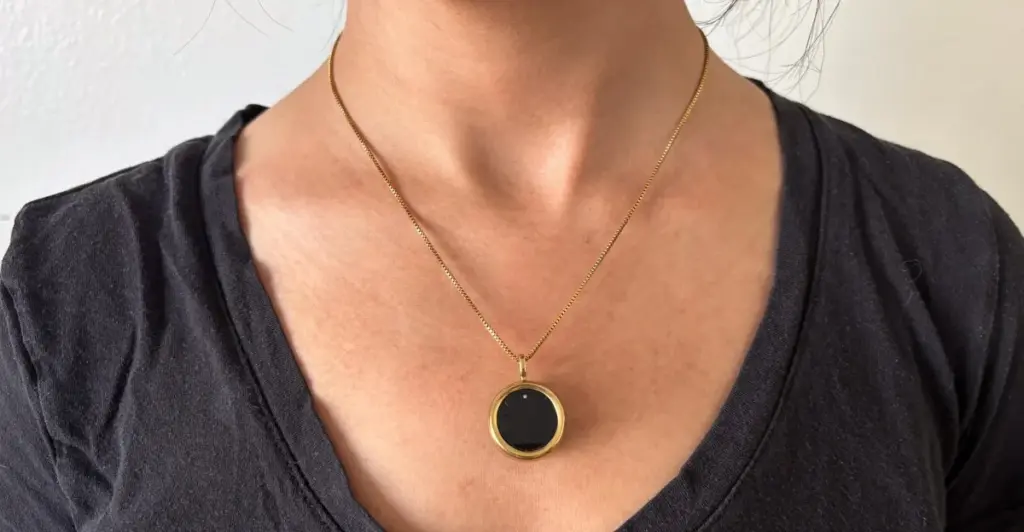
- The $249 Gem pendant from startup The90 separates UVA and UVB tracking to deliver nuanced insights into skin aging and vitamin D production.
- Real-world testing under patio umbrellas highlights how environmental scattering and reflection expose users to unexpected radiation and heat stress.
- Melanin concentration and individual physiological traits complicate standard sunlight metrics, underscoring the need for hyper-personalized health tech.
- Software limitations, including mandatory background app execution, demonstrate the ongoing UX hurdles facing niche environmental wearables.
- Mặt dây chuyền Gem trị giá 249 USD từ công ty khởi nghiệp The90 phân tách việc theo dõi tia UVA và UVB để cung cấp những hiểu biết tinh tế về quá trình lão hóa da và tổng hợp vitamin D.
- Thử nghiệm trong thế giới thực dưới ô che sân hiên nhấn mạnh cách sự tán xạ và phản xạ môi trường phơi bày người dùng trước bức xạ bất ngờ và căng thẳng nhiệt.
- Nồng độ melanin và các đặc điểm sinh lý cá nhân làm phức tạp hóa các chỉ số ánh sáng mặt trời tiêu chuẩn, nhấn mạnh nhu cầu về công nghệ sức khỏe mang tính cá nhân hóa cao.
- Các hạn chế về phần mềm, bao gồm việc bắt buộc chạy ứng dụng nền, minh họa cho những trở ngại về trải nghiệm người dùng (UX) mà các thiết bị đeo chuyên biệt về môi trường đang phải đối mặt.
- Le pendentif Gem de la startup The90, vendu 249 dollars, dissocie le suivi des UVA et des UVB pour offrir un éclairage nuancé sur le vieillissement cutané et la synthèse de vitamine D.
- Des tests en conditions réelles sous des parasols de terrasse démontrent comment la diffusion environnementale et la réverbération exposent les utilisateurs à des rayonnements inattendus et à un stress thermique.
- La concentration de mélanine et les spécificités physiologiques individuelles complexifient les métriques solaires standard, soulignant la nécessité d’une technologie de santé hyper-personnalisée.
- Les limites logicielles, notamment l’obligation de maintenir l’application active en arrière-plan, illustrent les obstacles ergonomiques persistants auxquels font face les objets connectés environnementaux de niche.
- El colgante Gem de 249 dólares de la startup The90 diferencia entre la radiación UVA y UVB para ofrecer datos precisos sobre el envejecimiento cutáneo y la síntesis de vitamina D.
- Las pruebas en entornos reales bajo sombrillas demuestran cómo la dispersión y el reflejo ambiental exponen a los usuarios a niveles inesperados de radiación y estrés térmico.
- La concentración de melanina y los rasgos fisiológicos individuales complican las métricas solares estándar, subrayando la necesidad de una tecnología de salud hiperpersonalizada.
- Las limitaciones del software, como la necesidad de mantener la aplicación ejecutándose en segundo plano, evidencian los retos de experiencia de usuario que aún enfrentan los dispositivos ambientales especializados.
- 初创公司 The90 推出的售价 249 美元的 Gem 吊坠能够区分 UVA 和 UVB 追踪,从而对皮肤老化和维生素 D 生成提供细致入微的洞察。
- 在露台遮阳伞下进行的真实世界测试表明,环境散射和反射如何让用户面临意想不到的辐射和热应激。
- 黑色素浓度和个体生理特征使标准的阳光指标变得复杂,凸显了对高度个性化健康科技的需求。
- 软件局限性(包括强制的后台应用程序运行)表明了小众环境可穿戴设备当前面临的持续用户体验(UX)障碍。
For decades, the consumer dialogue surrounding solar radiation has been inextricably bound to the lexicon of dermatology and aesthetics: broad-spectrum sunscreens, photoaging, hyperpigmentation, and the perpetual war against wrinkles. Sun exposure was largely treated as a cosmetic hazard to be mitigated, a necessary evil managed through creams and broad-brimmed hats. Yet, as the boundaries of consumer biometrics continue to expand past basic step-counting and heart-rate monitoring, a new wave of environmental wearables is forcing a much broader, more sophisticated conversation about how sunlight actually governs human physiology.
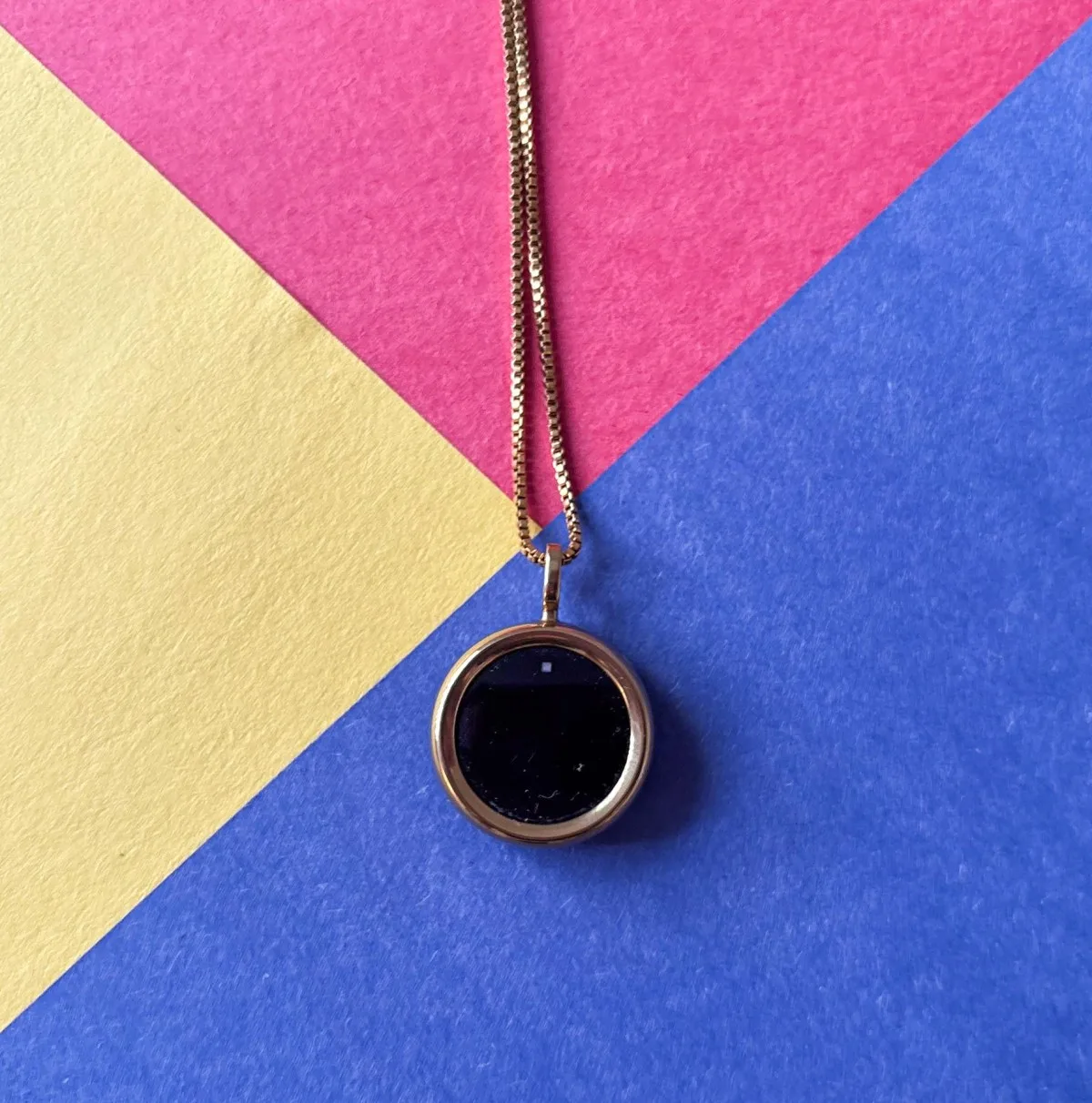
At the vanguard of this paradigm shift is the Gem, a $249 titanium-and-metal pendant engineered by wellness startup The90. Marketed ostensibly as a high-end piece of smart jewelry, the device quietly tracks cumulative and real-time ultraviolet exposure, dividing the invisible spectrum into its distinct components: UVA, the stealthy driver of cellular aging and deep dermal degradation, and UVB, the fickle catalyst for vitamin D synthesis and erythema. When subjected to rigorous real-world testing—ranging from perpetual coastal sunlight in Los Angeles to deceptively hazardous social gatherings under patio umbrellas—the device does not merely log data; it fundamentally challenges long-held personal assumptions about environmental safety, systemic health, and the delicate balance between solar risk and biological reward.
The Anatomy of Environmental Deception Under the Shade
The true utility of high-precision environmental sensors often lies not in confirming what the wearer already suspects, but in systematically dismantling false securities. During a sun-drenched August afternoon in Southern California, a field test beneath a heavy patio umbrella equipped with a cooling fan exposed a common architectural fallacy: the belief that shade equals sanctuary. While the canopy blocked direct overhead glare, ambient UV radiation, scattered and reflected by surrounding pavement, stucco, and atmospheric particulates, continued to bombard the skin unabated.
Half an hour into the gathering, physical symptoms of exhaustion and dizziness—later compounded by a previously unacknowledged medication-induced heat sensitivity—coincided with an urgent mobile notification from the Gem application warning of a sharp spike in UV exposure. This intersection of environmental tracking and clinical self-discovery underscores a vital evolution in personal technology. The device did not offer a medical diagnosis, but it functioned as an indispensable behavioral catalyst, prompting the wearer to investigate physiological vulnerabilities that had spent years dismissed as random fatigue. It is a striking demonstration of how ambient hardware can bridge the gap between abstract meteorological forecasts and concrete, bodily realities.
Navigating the Complexities of Melanin, Vitamin D, and Sun Scores
Designing a universal hardware solution for a population with vastly divergent physiological traits is an exercise in compromise. For individuals with higher melanin concentrations, such as South Asian wearers who rarely suffer from visible sunburns, the traditional risk calculus of sun exposure is radically altered. Natural cutaneous pigmentation provides a formidable defense against acute UVB damage, but it simultaneously impedes the skin’s ability to synthesize vitamin D efficiently. The Gem attempts to untangle this biological knot by incorporating customized skin profiles into its proprietary companion application.
The software aggregates disparate metrics into a unified daily 'Sun Score,' engineered to balance the therapeutic, circadian, and nitric-oxide-related benefits of sunlight against the hazards of overexposure. However, rigorous testing reveals that while overarching scores offer a helpful compass, the individual, granular data streams—such as cumulative UVA trends and estimated vitamin D deficits—prove far more revealing. The app routinely flagged a chronic deficit in UVB acquisition, forcing a contemplative pivot: in the relentless pursuit of anti-aging and sun protection, modern indoor-centric lifestyles may inadvertently starve the body of essential solar-derived biological mechanisms.
Friction Points and the Future of Aesthetic Biometrics
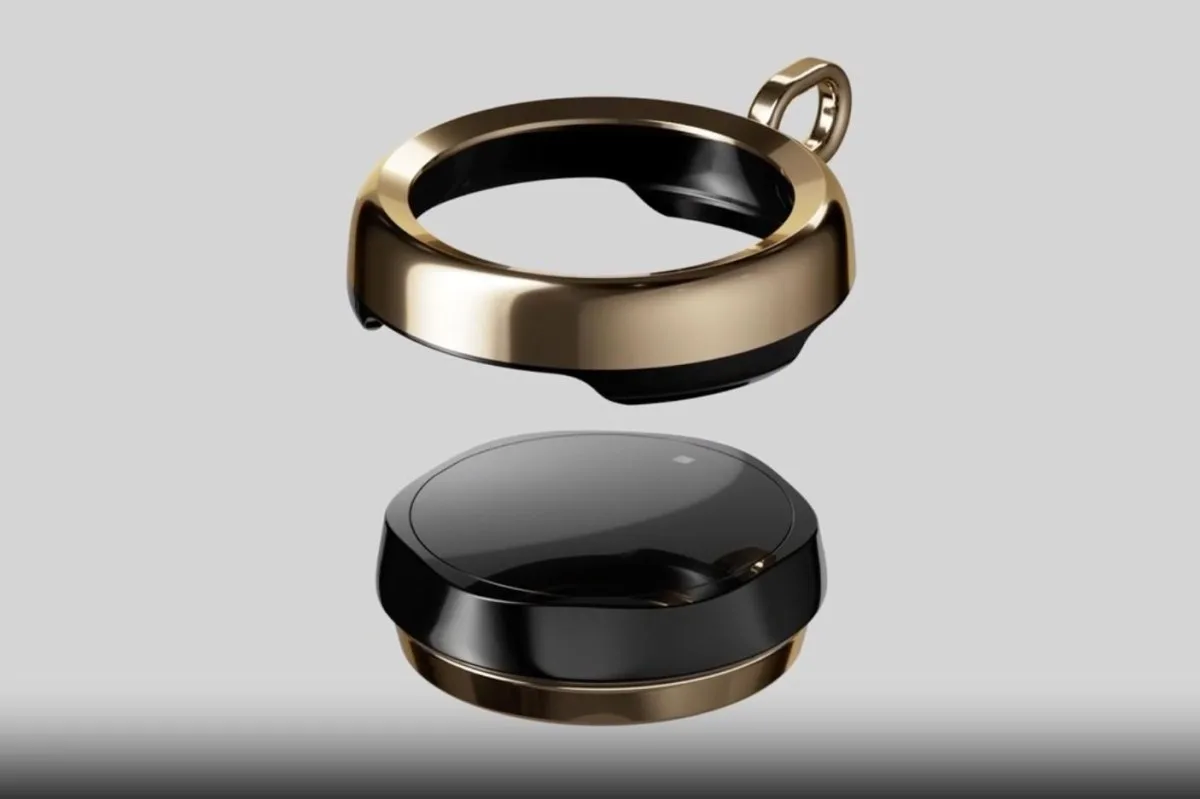
Despite its elegant hardware execution—boasting a titanium, gold, or silver finish, a robust one-week battery life, and upcoming form factors like hat clips and bag tags—the Gem ecosystem is not without operational friction. The reliance on continuous smartphone connectivity presents a notable engineering hurdle; because the sensor lacks onboard data storage for extended offline periods, a fully closed background application instantly interrupts tracking integrity. Furthermore, algorithmic features like the real-time vitamin D and sunburn countdowns exhibited erratic temporal fluctuations during testing, swinging wildly from minutes to hours as shifting cloud cover and atmospheric intensity played havoc with predictive models.
At a retail price point approaching $250 without a recurring subscription fee, the device occupies an ambitious niche. It is undeniably an investment piece tailored for outdoor enthusiasts or those hyper-focused on preventative wellness rather than the casual tech consumer. Yet, its ultimate triumph transcends its software quirks or pricing bracket. By reframing sunlight not merely as an enemy of youthful skin, but as a complex environmental nutrient requiring delicate calibration, devices like the Gem point toward a more mature future for wearable technology—one where hardware helps us listen closer to the subtle, invisible signals of our own bodies.
Trong nhiều thập kỷ, cuộc đối thoại của người tiêu dùng xung quanh bức xạ mặt trời gắn liền không thể tách rời với thuật ngữ da liễu và thẩm mỹ: kem chống nắng phổ rộng, lão hóa quang học, tăng sắc tố, và cuộc chiến trường kỳ chống lại nếp nhăn. Việc tiếp xúc với ánh nắng mặt trời phần lớn được coi là một mối nguy hiểm về mặt mỹ phẩm cần được giảm thiểu, một cái ác tất yếu được quản lý thông qua các loại kem và mũ rộng Vành. Tuy nhiên, khi ranh giới của sinh trắc học người tiêu dùng tiếp tục mở rộng vượt ra ngoài việc đếm bước chân cơ bản và theo dõi nhịp tim, một làn sóng thiết bị đeo môi trường mới đang thúc đẩy một cuộc trò chuyện rộng rãi và tinh tế hơn nhiều về cách ánh sáng mặt trời thực sự chi phối sinh học con người.
Đứng ở vị trí tiên phong của sự chuyển đổi mô hình này là Gem, một mặt dây chuyền bằng titan và kim loại trị giá 249 USD do công ty khởi nghiệp chăm sóc sức khỏe The90 chế tạo. Được tiếp thị bề ngoài như một món trang sức thông minh cao cấp, thiết bị này âm thầm theo dõi lượng bức xạ cực tím tích lũy và theo thời gian thực, chia quang phổ vô hình thành các thành phần riêng biệt: UVA, tác nhân âm thầm gây lão hóa tế bào và suy thoái hạ bì sâu, và UVB, chất xúc tác dễ thay đổi cho sự tổng hợp vitamin D và ban đỏ. Khi trải qua các thử nghiệm khắt khe trong thế giới thực — từ ánh nắng ven biển quanh năm ở Los Angeles đến các buổi tụ tập xã hội có vẻ nguy hiểm dưới ô sân hiên — thiết bị không chỉ đơn thuần ghi lại dữ liệu; nó thách thức một cách căn bản những giả định cá nhân lâu nay về an toàn môi trường, sức khỏe hệ thống và sự cân bằng mong manh giữa rủi ro năng lượng mặt trời và phần thưởng sinh học.
Giải phẫu sự đánh lừa của môi trường dưới bóng râm
Tiện ích thực sự của các cảm biến môi trường độ chính xác cao thường không nằm ở việc xác nhận những gì người đeo đã nghi ngờ, mà nằm ở việc tháo dỡ một cách có hệ thống những cảm giác an toàn giả tạo. Trong một buổi chiều tháng Tám ngập tràn ánh nắng ở Nam California, một thử nghiệm hiện trường dưới chiếc ô sân hiên nặng với quạt làm mát đã phơi bày một ngụy biện kiến trúc phổ biến: niềm tin rằng bóng râm đồng nghĩa với nơi trú ẩn. Trong khi tán cây chặn ánh sáng chói trực tiếp từ trên cao, bức xạ UV xung quanh, bị tán xạ và phản xạ bởi mặt đường, vữa và các hạt trong khí quyển xung quanh, vẫn tiếp tục bắn phá làn da không suy giảm.
Nửa giờ sau buổi tụ tập, các triệu chứng thể chất như kiệt sức và chóng mặt — sau đó trầm trọng thêm bởi tình trạng nhạy cảm với nhiệt do thuốc gây ra trước đó chưa được công nhận — trùng khớp với thông báo khẩn cấp trên thiết bị di động từ ứng dụng Gem cảnh báo về sự gia tăng đột ngột của việc tiếp xúc với tia UV. Giao điểm của việc theo dõi môi trường và sự tự khám phá lâm sàng này nhấn mạnh một sự tiến hóa quan trọng trong công nghệ cá nhân. Thiết bị không đưa ra chẩn đoán y tế, nhưng nó hoạt động như một chất xúc tác hành vi không thể thiếu, thúc đẩy người đeo điều tra những lỗ hổng sinh lý vốn đã bị gạt bỏ trong nhiều năm như những cơn mệt mỏi ngẫu nhiên. Đây là một minh họa nổi bật về cách phần cứng xung quanh có thể thu hẹp khoảng cách giữa dự báo khí tượng trừu tượng và thực tế cơ thể cụ thể.
Điều hướng sự phức tạp của Melanin, Vitamin D và Điểm số ánh nắng
Việc thiết kế một giải pháp phần cứng phổ quát cho một quần thể có các đặc điểm sinh lý vô cùng khác biệt là một bài tập thỏa hiệp. Đối với những cá nhân có nồng độ melanin cao hơn, chẳng hạn như những người đeo gốc Nam Á hiếm khi bị cháy nắng có thể nhìn thấy được, phép tính rủi ro truyền thống về việc tiếp xúc với ánh nắng mặt trời đã thay đổi hoàn toàn. Sắc tố da tự nhiên cung cấp một sự phòng thủ đáng gờm chống lại tổn thương UVB cấp tính, nhưng đồng thời nó cũng cản trở khả năng tổng hợp vitamin D hiệu quả của da. Gem cố gắng gỡ rối nút thắt sinh học này bằng cách kết hợp các cấu hình da tùy chỉnh vào ứng dụng đồng hành độc quyền của mình.
Phần mềm tổng hợp các số liệu khác nhau thành một 'Điểm số ánh nắng' hàng ngày thống nhất, được thiết kế để cân bằng các lợi ích trị liệu, nhịp sinh học và liên quan đến oxit nitric của ánh sáng mặt trời với các mối nguy hiểm của việc tiếp xúc quá mức. Tuy nhiên, thử nghiệm nghiêm ngặt cho thấy trong khi điểm số tổng thể cung cấp một chiếc la bàn hữu ích, thì các luồng dữ liệu chi tiết, cá nhân — chẳng hạn như xu hướng UVA tích lũy và sự thiếu hụt vitamin định mức D — lại tỏ ra tiết lộ hơn nhiều. Ứng dụng thường xuyên gắn cờ tình trạng thiếu hụt mãn tính trong việc hấp thụ UVB, buộc phải có sự chuyển hướng chiêm nghiệm: trong nỗ lực không ngừng chống lão hóa và chống nắng, lối sống hiện đại tập trung trong nhà có thể vô tình làm cơ thể cạn kiệt các cơ chế sinh học thiết yếu có nguồn gốc từ mặt trời.
Điểm ma sát và tương lai của sinh trắc học thẩm mỹ
Mặc dù thực thi phần cứng thanh lịch — tự hào có lớp hoàn thiện bằng titan, vàng hoặc bạc, thời lượng pin mạnh mẽ trong một tuần và các yếu tố hình thức sắp ra mắt như kẹp mũ và thẻ túi — hệ sinh thái Gem không phải là không có ma sát vận hành. Sự phụ thuộc vào kết nối điện thoại thông minh liên tục hiện diện một rào cản kỹ thuật đáng chú ý; vì cảm biến thiếu bộ nhớ trên bo mạch cho các giai đoạn ngoại tuyến kéo dài, một ứng dụng nền đóng hoàn toàn sẽ ngay lập tức làm gián đoạn tính toàn vẹn của việc theo dõi. Hơn nữa, các tính năng thuật toán như đếm ngược vitamin D và cháy nắng thời gian thực cho thấy sự dao động tạm thời thất thường trong quá trình thử nghiệm, dao động dữ dội từ vài phút đến vài giờ khi mây che phủ thay đổi và cường độ khí quyển tàn phá các mô hình dự đoán.
Ở mức giá bán lẻ gần 250 USD mà không có phí đăng ký định kỳ, thiết bị chiếm một thị trường ngách đầy tham vọng. Đây không thể chối cãi là một món đầu tư phù hợp cho những người đam mê hoạt động ngoài trời hoặc những người tập trung cao độ vào sức khỏe phòng ngừa thay vì người tiêu dùng công nghệ thông thường. Tuy nhiên, chiến thắng cuối cùng của nó vượt qua những${ ext{ quirks}}$ phần mềm hoặc mức giá của nó. Bằng cách định hình lại ánh sáng mặt trời không chỉ đơn thuần là kẻ thù của làn da trẻ trung, mà như một chất dinh dưỡng môi trường phức tạp đòi hỏi sự hiệu chỉnh tinh tế, các thiết bị như Gem chỉ ra một tương lai trưởng thành hơn cho công nghệ đeo — nơi phần cứng giúp chúng ta lắng nghe kỹ hơn các tín hiệu tinh tế, vô hình của chính cơ thể chúng ta.
Pendant des décennies, le discours des consommateurs entourant le rayonnement solaire est demeuré indissociable du lexique de la dermatologie et de l’esthétique : crèmes solaires à large spectre, photo-vieillissement, hyperpigmentation et guerre perpétuelle contre les rides. L’exposition au soleil était largement traitée comme un risque cosmétique à atténuer, un mal nécessaire géré à coups de crèmes et de chapeaux à larges bords. Pourtant, à mesure que les frontières de la biométrie grand public s’affranchissent du simple comptage de pas et de la surveillance de la fréquence cardiaque, une nouvelle vague d’objets connectés environnementaux impose un débat beaucoup plus vaste et sophistiqué sur la manière dont la lumière du soleil régit réellement la physiologie humaine.
À l’avant-garde de ce changement de paradigme se trouve le Gem, un pendentif en titane et métal de 249 dollars conçu par la startup de bien-être The90. Commercialisé ostensiblement comme un bijou intelligent haut de gamme, l’appareil suit discrètement l’exposition ultraviolette cumulée et en temps réel, en divisant le spectre invisible en ses composantes distinctes : les UVA, vecteurs sournois du vieillissement cellulaire et de la dégradation profonde du derme, et les UVB, catalyseurs capricieux de la synthèse de la vitamine D et de l’érythème. Soumis à des tests rigoureux en conditions réelles — allant d’un ensoleillement côtier permanent à Los Angeles à des rassemblements sociaux faussement inoffensifs sous des parasols de terrasse —, l’appareil ne se contente pas de consigner des données ; il remet fondamentalement en question des convictions personnelles ancrées de longue date sur la sécurité environnementale, la santé systémique et l’équilibre délicat entre risque solaire et récompense biologique.
L’anatomie de la duperie environnementale sous l’ombrage
La véritable utilité des capteurs environnementaux de haute précision ne réside souvent pas dans la confirmation de ce que l’utilisateur soupçonne déjà, mais dans le démantèlement systématique de ses fausses sécurités. Par un après-midi d’août baigné de soleil dans le sud de la Californie, un test de terrain mené sous un lourd parasol de terrasse équipé d’un ventilateur rafraîchissant a mis en lumière un sophisme architectural courant : la croyance selon laquelle l’ombre équivaut à un sanctuaire. Alors que la canopée bloquait l’éblouissement zénithal direct, le rayonnement UV ambiant, dispersé et réfléchi par le pavage environnant, le stuc et les particules atmosphériques, continuait de bombarder la peau sans répit.
Une demi-heure après le début de la réunion, des symptômes physiques d’épuisement et de vertige — aggravés par la suite par une sensibilité à la chaleur induite par un médicament jusqu’alors ignorée — ont coïncidé avec une notification mobile urgente de l’application Gem mettant en garde contre une hausse brutale de l’exposition aux UV. Cette intersection entre suivi environnemental et découverte clinique souligne une évolution vitale de la technologie personnelle. L’appareil n’a pas fourni de diagnostic médical, mais il a fonctionné comme un catalyseur comportemental indispensable, incitant l’utilisateur à investiguer des vulnérabilités physiologiques passées des années durant pour de simples fatigues passagères. C’est la démonstration saisissante de la manière dont le matériel ambiant peut combler le fossé entre des prévisions météorologiques abstraites et des réalités corporelles concrètes.
Naviguer entre les complexités de la mélanine, de la vitamine D et des indices solaires
Concevoir une solution matérielle universelle pour une population aux traits physiologiques extrêmement divergents relève du compromis. Pour les individus présentant des concentrations plus élevées de mélanine, tels que les utilisateurs d’Asie du Sud qui souffrent rarement de coups de soleil visibles, le calcul du risque traditionnel lié à l’exposition au soleil est radicalement modifié. La pigmentation cutanée naturelle offre une défense redoutable contre les dommages aigus des UVB, mais elle entrave simultanément la capacité de la peau à synthétiser efficacement la vitamine D. Le Gem tente de dénouer ce nœud biologique en intégrant des profils de peau personnalisés dans son application compagnon exclusive.
Le logiciel agrège des mesures hétérogènes en un « Indice Solaire » quotidien unifié, conçu pour équilibrer les bienfaits thérapeutiques, circadiens et liés à l’oxyde nitrique de la lumière du soleil face aux dangers de la surexposition. Cependant, des tests rigoureux révèlent que si les scores globaux offrent une boussole utile, les flux de données individuels et granulaires — tels que les tendances cumulées en UVA et les déficits estimés en vitamine D — s’avèrent infiniment plus révélateurs. L’application a régulièrement signalé un déficit chronique en acquisition d’UVB, forçant un virage introspectif : dans la quête acharnée de l’anti-âge et de la protection solaire, nos modes de vie modernes, centrés sur l’intérieur, privent peut-être involontairement l’organisme de mécanismes biologiques essentiels dérivés du soleil.
Points de friction et avenir de la biométrie esthétique
Malgré une exécution matérielle élégante — arborant une finition en titane, or ou argent, une solide autonomie d’une semaine et de futurs facteurs de forme tels que des clips pour chapeaux ou des étiquettes de sac —, l’écosystème Gem n’est pas exempt de frictions opérationnelles. La dépendance à une connectivité continue avec le smartphone représente un obstacle technique notable ; le capteur étant dépourvu de stockage de données embarqué pour des périodes prolongées hors ligne, la fermeture complète de l’application en arrière-plan interrompt instantanément l’intégrité du suivi. En outre, des fonctionnalités algorithmiques telles que le compte à rebours en temps réel de la vitamine D et des coups de soleil ont présenté des fluctuations temporelles erratiques lors des tests, oscillant sauvagement de quelques minutes à plusieurs heures au gré des variations de la couverture nuageuse et de l’intensité atmosphérique perturbant les modèles prédictifs.
À un prix de vente s’approchant des 250 dollars sans abonnement récurrente, l’appareil occupe une niche ambitieuse. C’est indéniablement un objet d’investissement taillé pour les passionnés d’activités en plein air ou pour les adeptes du bien-être préventif plus que pour le consommateur technologique occasionnel. Pourtant, son triomphe ultime transcende ses bizarreries logicielles ou sa tranche de prix. En redéfinissant la lumière du soleil non plus seulement comme l’ennemie d’une peau jeune, mais comme un nutriment environnemental complexe exigeant un étalonnage délicat, des appareils comme le Gem esquissent l’avenir plus mature de la technologie portable — un avenir où le matériel nous aide à être plus à l’écoute des signaux subtils et invisibles de notre propre corps.
Durante décadas, el discurso del consumidor en torno a la radiación solar ha estado intrínsecamente ligado al léxico de la dermatología y la estética: protectores solares de amplio espectro, fotoenvejecimiento, hiperpigmentación y la guerra perpetua contra las arrugas. La exposición al sol se trataba, en gran medida, como un riesgo cosmético que debía mitigarse; un mal necesario gestionado mediante cremas y sombreros de ala ancha. Sin embargo, a medida que los límites de la biometría de consumo se expanden más allá del simple recuento de pasos y el control de la frecuencia cardíaca, una nueva ola de dispositivos ambientales está forzando una conversación mucho más amplia y sofisticada sobre cómo la luz solar gobierna realmente la fisiología humana.
A la vanguardia de este cambio de paradigma se encuentra Gem, un colgante de titanio y metal de 249 dólares diseñado por la startup de bienestar The90. Comercializado aparentemente como una pieza de joyería inteligente de alta gama, el dispositivo rastrea de forma silenciosa la exposición acumulada y en tiempo real a la radiación ultravioleta, dividiendo el espectro invisible en sus componentes distintos: los UVA, el motor sigiloso del envejecimiento celular y la degradación dérmica profunda, y los UVB, el catalizador voluble de la síntesis de vitamina D y el eritema. Al someterlo a pruebas rigurosas en el mundo real —desde la luz solar costera de Los Ángeles hasta reuniones sociales engañosamente peligrosas bajo sombrillas de patio—, el dispositivo no solo registra datos; desafía fundamentalmente las suposiciones personales arraigadas sobre la seguridad ambiental, la salud sistémica y el delicado equilibrio entre el riesgo solar y la recompensa biológica.
La anatomía del engaño ambiental bajo la sombra
La verdadera utilidad de los sensores ambientales de alta precisión a menudo no reside en confirmar lo que el usuario ya sospecha, sino en desmantelar sistemáticamente las falsas seguridades. Durante una tarde soleada de agosto en el sur de California, una prueba de campo bajo una pesada sombrilla de patio equipada con un ventilador de refrigeración expuso una falacia arquitectónica común: la creencia de que la sombra equivale a un santuario. Si bien el toldo bloqueaba el resplandor directo, la radiación UV ambiental, dispersada y reflejada por el pavimento, el estuco y las partículas atmosféricas circundantes, continuaba bombardeando la piel sin cesar.
Media hora después de iniciada la reunión, los síntomas físicos de agotamiento y mareo —agravados posteriormente por una sensibilidad al calor inducida por medicamentos, hasta entonces no reconocida— coincidieron con una notificación urgente de la aplicación Gem que advertía de un pico agudo en la exposición a los rayos UV. Esta intersección entre el seguimiento ambiental y el autodescubrimiento clínico subraya una evolución vital en la tecnología personal. El dispositivo no ofreció un diagnóstico médico, pero funcionó como un catalizador conductual indispensable, incitando al usuario a investigar vulnerabilidades fisiológicas que durante años se habían descartado como fatiga aleatoria. Es una demostración sorprendente de cómo el hardware ambiental puede cerrar la brecha entre los pronósticos meteorológicos abstractos y las realidades corporales concretas.
Navegando por las complejidades de la melanina, la vitamina D y las puntuaciones solares
Diseñar una solución de hardware universal para una población con rasgos fisiológicos sumamente divergentes es un ejercicio de compromiso. Para las personas con mayores concentraciones de melanina, como los usuarios del sur de Asia que rara vez sufren quemaduras solares visibles, el cálculo de riesgo tradicional de la exposición al sol se altera radicalmente. La pigmentación cutánea natural proporciona una defensa formidable contra el daño agudo de los rayos UVB, pero simultáneamente impide que la piel sintetice vitamina D de manera eficiente. Gem intenta desenredar este nudo biológico incorporando perfiles cutáneos personalizados en su aplicación complementaria patentada.
El software agrega métricas dispares en una "Puntuación Solar" diaria unificada, diseñada para equilibrar los beneficios terapéuticos, circadianos y relacionados con el óxido nítrico de la luz solar frente a los peligros de la sobreexposición. Sin embargo, las pruebas rigurosas revelan que, si bien las puntuaciones generales ofrecen una brújula útil, los flujos de datos individuales y granulares —como las tendencias acumuladas de UVA y los déficits estimados de vitamina D— resultan mucho más reveladores. La aplicación detectó rutinariamente un déficit crónico en la adquisición de UVB, lo que obligó a un giro reflexivo: en la búsqueda incesante del antienvejecimiento y la protección solar, los estilos de vida modernos centrados en interiores pueden estar privando inadvertidamente al cuerpo de mecanismos biológicos esenciales derivados del sol.
Puntos de fricción y el futuro de la biometría estética
A pesar de su elegante ejecución de hardware —con acabados en titanio, oro o plata, una robusta duración de batería de una semana y próximos formatos como clips para sombreros y etiquetas para bolsos—, el ecosistema Gem no está exento de fricción operativa. La dependencia de la conectividad continua con el teléfono inteligente presenta un obstáculo de ingeniería notable; debido a que el sensor carece de almacenamiento de datos integrado para períodos prolongados sin conexión, una aplicación en segundo plano completamente cerrada interrumpe instantáneamente la integridad del seguimiento. Además, las funciones algorítmicas, como las cuentas regresivas en tiempo real de vitamina D y quemaduras solares, mostraron fluctuaciones temporales erráticas durante las pruebas, oscilando salvajemente de minutos a horas a medida que la nubosidad cambiante y la intensidad atmosférica estropeaban los modelos predictivos.
Con un precio de venta al público cercano a los 250 dólares y sin cuota de suscripción recurrente, el dispositivo ocupa un nicho ambicioso. Es, sin duda, una pieza de inversión diseñada para entusiastas de las actividades al aire libre o para aquellos hiperenfocados en el bienestar preventivo, más que para el consumidor tecnológico casual. Sin embargo, su triunfo definitivo trasciende sus peculiaridades de software o su rango de precios. Al replantear la luz solar no solo como un enemigo de la piel joven, sino como un nutriente ambiental complejo que requiere una calibración delicada, dispositivos como Gem apuntan hacia un futuro más maduro para la tecnología vestible: uno en el que el hardware nos ayude a escuchar más de cerca las señales sutiles e invisibles de nuestro propio cuerpo.
几十年来,围绕太阳辐射的消费对话一直与皮肤病学和美学的词汇密不可分:广谱防晒霜、光老化、色素沉着以及与皱纹的永恒战争。阳光照射在很大程度上被视为一种需要减轻的化妆品危害,是通过乳霜和宽边帽来控制的必要之恶。然而,随着消费级生物特征识别的边界继续超越基本的步数统计和心率监测,新一波环境可穿戴设备正迫使人们展开更广泛、更复杂的对话,探讨阳光究竟如何支配人类生理学。
这场范式转变的先锋是 Gem,一款由健康初创公司 The90 精心设计的售价 249 美元的钛金属吊坠。该设备表面上作为高端智能首饰进行营销,但它在悄然追踪累积和实时的紫外线暴露情况,将肉眼不可见的光谱划分为其不同的组成部分:UVA——细胞老化和深层真皮退化的隐秘驱动力,以及 UVB——维生素 D 合成和红斑的多变催化剂。当经历严格的现实世界测试(从洛杉矶持续的海岸阳光到露台遮阳伞下具有欺骗性的危险社交聚会)时,该设备不仅仅是记录数据;它从根本上挑战了长期以来个人对环境安全、系统性健康以及太阳风险与生物学回报之间微妙平衡的既有假设。
遮阳伞下的环境欺骗解剖学
高精度环境传感器的真正效用往往不在于证实佩戴者已经怀疑的事情,而在于系统地打破虚假的安全感。在南加州一个阳光明媚的八月下午,在配有冷却风扇的重型露台遮阳伞下进行的实地测试揭示了一个常见的建筑学谬误:认为阴凉等于庇护所。虽然遮阳篷阻挡了直接的头顶强光,但由周围路面、灰泥和大颗粒物散射和反射的环境紫外线辐射继续肆无忌惮地轰击着皮肤。
聚会进行了半小时后,疲劳和头晕的生理症状(随后因先前未被承认的药物引起的对热敏感而加剧)与 Gem 应用程序发出的紧急移动通知不期而至,该通知警告紫外线暴露急剧飙升。环境追踪与临床自我发现的这种交汇,凸显了个人技术的一次至关重要的演变。该设备并没有提供医疗诊断,但它充当了不可或缺的行为催化剂,促使佩戴者去调查那些多年来被当作随机疲劳而不予理睬的生理脆弱性。这有力地证明了环境硬件如何能够弥合抽象的气象预报与具体的身体现实之间的鸿沟。
驾驭黑色素、维生素 D 和阳光评分的复杂性
为具有截然不同生理特征的人群设计通用的硬件解决方案是一项妥协的练习。对于黑色素浓度较高的人群(例如很少遭受肉眼可见晒伤的南亚佩戴者),阳光照射的传统风险计算方式发生了根本性的改变。天然皮肤色素沉着为抵御急性 UVB 损伤提供了强大的防线,但它同时也阻碍了皮肤有效合成维生素 D 的能力。Gem 试图通过在其专有配套应用程序中纳入定制的皮肤档案来解开这个生物学结。
该软件将不同的指标汇总为一个统一的每日“阳光评分”(Sun Score),旨在平衡阳光带来的治疗、昼夜节律和一氧化氮相关的益处与过度曝光的危害。然而,严格的测试表明,虽然总体评分提供了一个有用的指南针,但个人细粒度的数据流——例如累积的 UVA 趋势和估计的维生素 D 赤字——被证明更具启示意义。该应用程序例行公事般地标记出 UVB 获取方面的长期赤字,迫使人们进行深刻的反思:在对抗衰老和防晒的无情追求中,现代以室内为中心的生活方式可能会无意中剥夺身体必不可少的太阳衍生生物学机制。
摩擦点与美学生物特征识别的未来
尽管其硬件执行优雅——拥有钛金、黄金或银色饰面、长达一周的强劲电池续航能力,以及即将推出的帽子夹和包包挂饰等外形尺寸——但 Gem 生态系统并非没有运营摩擦。对持续智能手机连接的依赖提出了一个显著的工程障碍;由于传感器缺乏用于延长离线时期的机载数据存储,完全关闭的后台应用程序会立即中断追踪的完整性。此外,诸如实时维生素 D 和晒伤倒计时等算法特征在测试期间表现出不稳定的时间波动,随着多云天气和大气强度的变化而剧烈摆动(从几分钟到几小时不等),这给预测模型带来了严重混乱。
鉴于其接近 250 美元且无需经常性订阅费的零售价,该设备占据了一个雄心勃勃的市场细分。它无疑是一件专为户外爱好者或高度专注于预防性健康而非休闲科技消费者量身定制的投资单品。然而,它的最终胜利超越了其软件怪癖或价格区间。通过将阳光重新定义为不仅仅是年轻皮肤的敌人,而是一种需要精细校准的复杂环境营养素,像 Gem 这样的设备指明了可穿戴技术更加成熟的未来——在这个未来中,硬件帮助我们更仔细地倾听自身身体细微、不可见的信号。
Editorial Standards & Multi-Language Synthesis: This dispatch was synthesized and fact-checked by the ParisDaily Editorial Desk across 5 global editions (EN, FR, VI, ES, ZH), cross-referencing primary international wire reports and real-time search intelligence.