El crisol de la consistencia: Van Gerwen y Wade chocan en el Grand Slam of Darts
As Michael van Gerwen and James Wade prepare for a high-stakes Grand Slam of Darts showdown, the match serves as a litmus test for both a legendary career in flux and a veteran in the form of his life.
Khi Michael van Gerwen và James Wade chuẩn bị cho cuộc đụng độ đầy kịch tính tại Grand Slam of Darts, trận đấu này đóng vai trò như một bài kiểm tra khắc nghiệt cho cả một huyền thoại đang trong giai đoạn biến động lẫn một cựu binh đang đạt phong độ đỉnh cao.
Alors que Michael van Gerwen et James Wade se préparent pour un choc décisif au Grand Slam of Darts, ce match fait office de test ultime pour une légende en quête de repères face à un vétéran au sommet de son art.
Mientras Michael van Gerwen y James Wade se preparan para un duelo de alto voltaje en el Grand Slam of Darts, el encuentro se perfila como una prueba de fuego tanto para una carrera legendaria en plena transición como para un veterano que atraviesa el mejor momento de su vida.
随着迈克尔·范格文与詹姆斯·韦德即将迎来一场高风险的飞镖大满贯赛对决,这场比赛不仅是前者职业生涯动荡期的试金石,也是后者处于巅峰状态的实力证明。
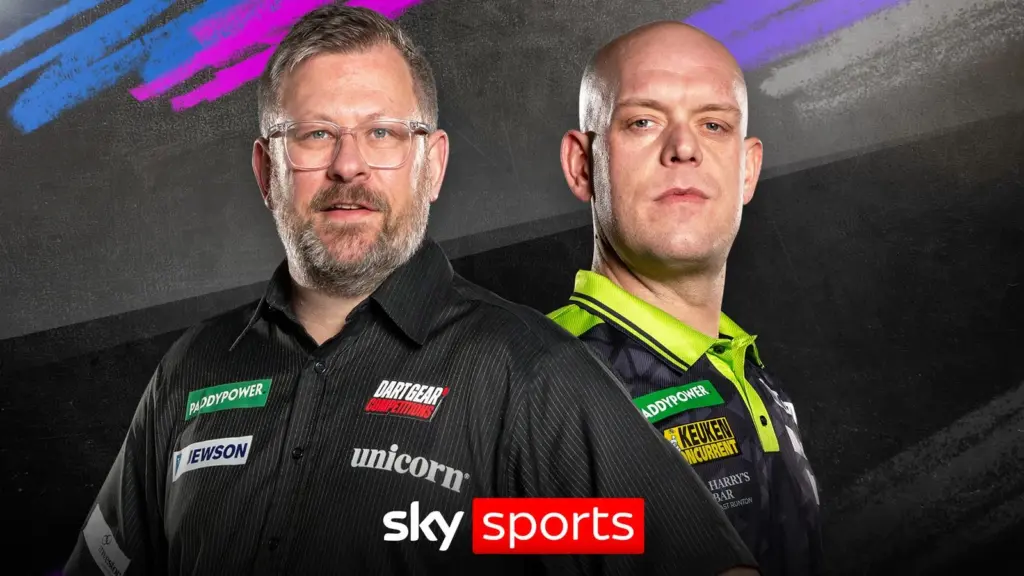
- Michael van Gerwen enters the last 16 after a shaky group stage, admitting he must elevate his performance to overcome a surging James Wade.
- James Wade is currently enjoying one of his most consistent years, boasting multiple tournament wins and dominant group-stage averages.
- The match is a high-profile rematch of the 2016 Grand Slam final, highlighting the enduring rivalry between two of the sport's most decorated figures.
- Analysts suggest that Wade’s psychological approach—embracing the 'scrap'—could pose a significant threat to Van Gerwen’s current confidence levels.
- Michael van Gerwen bước vào vòng 16 tay cơ sau một vòng bảng đầy bất ổn, thừa nhận rằng anh phải nâng cao hiệu suất thi đấu để vượt qua một James Wade đang thăng hoa.
- James Wade hiện đang tận hưởng một trong những năm thi đấu ổn định nhất sự nghiệp, với nhiều chức vô địch và chỉ số trung bình áp đảo tại vòng bảng.
- Trận đấu là màn tái đấu tâm điểm của chung kết Grand Slam 2016, làm nổi bật sự kình địch bền bỉ giữa hai trong số những tên tuổi lẫy lừng nhất của bộ môn phi tiêu.
- Các chuyên gia nhận định rằng cách tiếp cận tâm lý của Wade—chấp nhận lối chơi "giằng co"—có thể tạo ra mối đe dọa đáng kể đối với sự tự tin hiện tại của Van Gerwen.
- Michael van Gerwen accède aux huitièmes de finale après une phase de poules hésitante, admettant devoir hausser son niveau de jeu pour contrer un James Wade en pleine ascension.
- James Wade réalise l'une de ses années les plus constantes, fort de plusieurs victoires en tournoi et de moyennes dominantes lors de la phase de groupes.
- Ce match constitue une revanche très attendue de la finale du Grand Slam 2016, soulignant la rivalité persistante entre deux des figures les plus titrées de la discipline.
- Les analystes estiment que l'approche psychologique de Wade, adepte du « combat de tranchées », pourrait sérieusement ébranler la confiance actuelle de Van Gerwen.
- Michael van Gerwen accede a octavos tras una fase de grupos irregular, admitiendo que debe elevar su nivel para superar a un James Wade en estado de gracia.
- James Wade disfruta actualmente de uno de sus años más consistentes, avalado por múltiples victorias en torneos y promedios dominantes en la fase de grupos.
- El partido es una reedición de alto perfil de la final del Grand Slam de 2016, subrayando la eterna rivalidad entre dos de las figuras más laureadas del deporte.
- Los analistas sugieren que el enfoque psicológico de Wade, basado en la "lucha en el barro", podría representar una amenaza significativa para los niveles de confianza actuales de Van Gerwen.
- 迈克尔·范格文在小组赛表现不稳,以惊险姿态晋级十六强,他坦言必须提升表现才能击败状态火热的詹姆斯·韦德。
- 詹姆斯·韦德正享受着职业生涯中最稳定的年份之一,不仅斩获多项赛事冠军,在小组赛中也打出了极具统治力的平均分。
- 这场比赛是2016年大满贯决赛的重演,凸显了这两位飞镖界最具代表性人物之间持久的竞争关系。
- 分析人士指出,韦德那种拥抱“缠斗”的心理战术,可能会对范格文目前的自信心构成重大威胁。
In the high-pressure arena of professional darts, where the margin between triumph and obscurity is measured in millimeters, the upcoming Grand Slam of Darts clash between Michael van Gerwen and James Wade stands as a defining moment of the 2026 season. As the tournament moves into the knockout stages, the narrative is dominated by a stark contrast in momentum: Van Gerwen, the three-time champion seeking to reclaim his absolute dominance, faces a resurgent Wade, who has spent the year dismantling opponents with a clinical, almost surgical precision that has left the field scrambling for answers.
This encounter is far more than a simple fixture on the calendar; it is a psychological and technical chess match between two titans of the oche. For Van Gerwen, the challenge is internal—a battle to reconcile his immense natural talent with the inconsistency that has plagued his recent outings. For Wade, it is a validation of his career-long philosophy that grit and tactical disruption can overcome even the most explosive scoring power. As the lights dim at the venue and the crowd prepares for a best-of-19 leg marathon, the question remains: will the 'Green Machine' find his rhythm, or will Wade’s relentless form prove too much to handle?
The Anatomy of a High-Stakes Rematch
The history between these two players is etched into the annals of the sport. Their 2016 Grand Slam final remains a benchmark for the era, a match where Van Gerwen asserted his authority on the world stage. Yet, the landscape of 2026 is markedly different. Van Gerwen, seeded 10th, has navigated a turbulent group stage, surviving two last-leg deciders that tested his nerves and his resolve. His admission that he needs his "A-game" is a rare moment of vulnerability from a player who has historically commanded the stage with an aura of invincibility.
Conversely, James Wade arrives at this fixture as the seventh seed, carrying the momentum of a stellar year. With victories at the Australian Masters and the Flanders Darts Trophy, Wade has shed the "underdog" label he often carries. His group-stage performance was nothing short of clinical, dropping only a single leg across two matches and maintaining averages north of 100. This is not the Wade of previous years who relied solely on defensive play; this is a version of the veteran that is scoring heavily and punishing mistakes with ruthless efficiency.
Tactical Warfare and the Psychology of the 'Scrap'
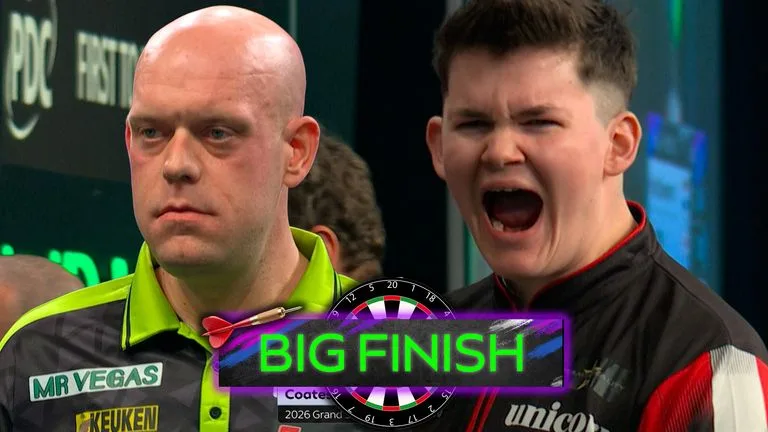
The tactical divergence between the two players is what makes this matchup so compelling. Van Gerwen is a rhythm player; he thrives when the game flows, when the treble-20s are falling in a cascade of rhythmic thuds. When he is in the zone, he is virtually untouchable. However, his recent struggles suggest that when the rhythm is broken—when he misses critical doubles or faces a slow-paced opponent—his confidence can become fragile. This is where Wade excels.
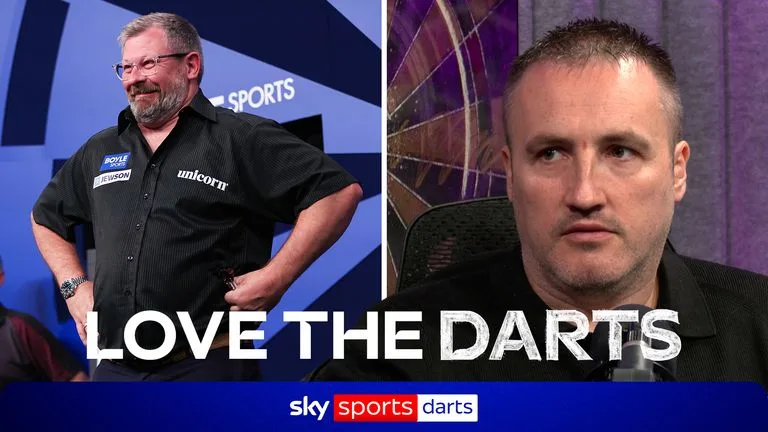
Wade has openly discussed his willingness to turn matches into a "scrap." He understands that younger players and even established stars often prefer a clean, fast-paced game. By slowing the tempo, engaging in tactical maneuvering, and forcing his opponents into uncomfortable positions, Wade disrupts the flow that Van Gerwen craves. "Most of them just want to have a little gallivant along the meadows," Wade remarked, a biting critique of the modern, high-scoring style of play. His ability to drag an opponent into the trenches is his greatest weapon, and against a player like Van Gerwen, who is currently searching for his best form, this psychological warfare could prove decisive.
Institutional Impact and the Future of the Rankings
The ripple effects of this match extend far beyond the Grand Slam of Darts. For the PDC (Professional Darts Corporation), the resurgence of a veteran like Wade provides a fascinating counter-narrative to the rise of the younger generation. It proves that experience, when paired with current form, remains a potent force. For Van Gerwen, the stakes are existential; he is at a point in his career where every tournament is a referendum on his status as the sport's premier figure. A loss here would not just be an exit from a tournament, but a signal that the gap between him and the rest of the field is closing faster than ever.
Industry analysts and pundits, including former pros like Wayne Mardle, have noted the "edginess" in Van Gerwen’s game. The consensus is that while his ceiling remains the highest in the world, his floor has dropped. The sport is becoming increasingly professionalized, with higher standards of consistency required to stay at the top. This match will serve as a barometer for whether Van Gerwen can adapt to this new, more competitive environment or if he will continue to rely on flashes of brilliance that are increasingly interrupted by periods of inconsistency.
What to Watch as the Drama Unfolds
As the match approaches, spectators should look for the opening three legs. If Van Gerwen can establish a lead and find his rhythm early, he may well steamroll his way to victory. However, if Wade can keep the scoreline tight and force Van Gerwen into a series of high-pressure doubles, the momentum will shift decisively toward the veteran. The "best of 19" format is a long-distance race, which historically favors the more consistent player—a factor that currently points toward Wade.
Beyond the immediate outcome, this clash highlights the shifting sands of professional darts. We are witnessing a transition period where the dominance of the "Big Three" is being challenged by a deeper, more talented pool of players. Whether Van Gerwen can hold off this tide or whether Wade can secure another major title will be the defining story of the winter season. Regardless of the result, Thursday night promises to be a masterclass in the psychological and technical demands of elite-level competition, reminding fans why this sport remains one of the most captivating spectacles in the global arena.
Trong đấu trường phi tiêu chuyên nghiệp đầy áp lực, nơi ranh giới giữa vinh quang và sự lãng quên chỉ được đo bằng milimet, cuộc đụng độ sắp tới tại Grand Slam of Darts giữa Michael van Gerwen và James Wade được xem là khoảnh khắc định hình mùa giải 2026. Khi giải đấu bước vào giai đoạn loại trực tiếp, câu chuyện chủ đạo là sự tương phản rõ rệt về phong độ: Van Gerwen, nhà vô địch ba lần đang tìm cách lấy lại vị thế thống trị tuyệt đối, phải đối mặt với một Wade đang trỗi dậy mạnh mẽ, người đã dành cả năm nay để "giải mã" các đối thủ bằng sự chính xác đến mức lạnh lùng, khiến phần còn lại của giải đấu phải chật vật tìm lời giải.
Cuộc chạm trán này không chỉ đơn thuần là một lịch trình thi đấu; đó là một ván cờ tâm lý và kỹ thuật giữa hai gã khổng lồ trên bục ném. Đối với Van Gerwen, thách thức nằm ở nội tại—một cuộc chiến để dung hòa tài năng thiên bẩm to lớn với sự thiếu ổn định đã đeo bám anh trong những lần xuất hiện gần đây. Đối với Wade, đây là sự khẳng định cho triết lý sự nghiệp lâu dài của anh rằng sự kiên trì và khả năng phá vỡ chiến thuật có thể vượt qua cả sức mạnh ghi điểm bùng nổ nhất. Khi ánh đèn tại nhà thi đấu mờ dần và khán giả chuẩn bị cho một cuộc marathon 19 ván, câu hỏi vẫn còn đó: liệu "Cỗ máy xanh" (Green Machine) có tìm lại được nhịp điệu, hay phong độ bền bỉ của Wade sẽ là quá sức chịu đựng?
Giải phẫu một màn tái đấu đầy kịch tính
Lịch sử giữa hai tay cơ này đã được khắc ghi vào biên niên sử của bộ môn. Trận chung kết Grand Slam 2016 của họ vẫn là cột mốc chuẩn mực của một thời đại, nơi Van Gerwen khẳng định quyền uy trên sân khấu thế giới. Tuy nhiên, bối cảnh của năm 2026 đã khác biệt rõ rệt. Van Gerwen, hạt giống số 10, đã trải qua một vòng bảng đầy sóng gió, sống sót sau hai trận quyết định ở ván cuối cùng, điều đã thử thách thần kinh và quyết tâm của anh. Việc anh thừa nhận cần phải đạt "phong độ tốt nhất" (A-game) là một khoảnh khắc hiếm hoi thể hiện sự tổn thương từ một tay cơ vốn dĩ luôn làm chủ sân khấu với khí chất bất bại.
Ngược lại, James Wade bước vào trận đấu này với tư cách hạt giống số 7, mang theo đà hưng phấn của một năm thi đấu xuất sắc. Với các chiến thắng tại Australian Masters và Flanders Darts Trophy, Wade đã rũ bỏ cái mác "kẻ yếu thế" mà anh thường mang. Màn trình diễn ở vòng bảng của anh không gì khác ngoài sự chuẩn xác, chỉ để thua duy nhất một ván sau hai trận và duy trì chỉ số trung bình trên 100. Đây không còn là Wade của những năm trước vốn chỉ dựa vào lối chơi phòng ngự; đây là phiên bản cựu binh đang ghi điểm dồn dập và trừng phạt sai lầm của đối thủ với sự hiệu quả tàn nhẫn.
Chiến tranh chiến thuật và tâm lý của lối chơi "giằng co"
Sự khác biệt về chiến thuật giữa hai tay cơ chính là điều khiến cặp đấu này trở nên hấp dẫn. Van Gerwen là tay cơ của nhịp điệu; anh thăng hoa khi trận đấu trôi chảy, khi những mũi phi tiêu treble-20 rơi xuống như một thác đổ nhịp nhàng. Khi ở trạng thái tốt nhất, anh gần như không thể bị chạm tới. Tuy nhiên, những khó khăn gần đây cho thấy khi nhịp điệu bị phá vỡ—khi anh bỏ lỡ những cú double quan trọng hoặc đối mặt với một đối thủ có lối chơi chậm rãi—sự tự tin của anh có thể trở nên mong manh. Đây chính là nơi Wade tỏa sáng.
Wade đã công khai thảo luận về sự sẵn sàng biến các trận đấu thành một cuộc "giằng co". Anh hiểu rằng các tay cơ trẻ và thậm chí cả những ngôi sao đã thành danh thường thích một trận đấu nhanh, gọn. Bằng cách làm chậm nhịp độ, tham gia vào các màn đấu trí chiến thuật và ép đối thủ vào những vị trí khó chịu, Wade phá vỡ nhịp điệu mà Van Gerwen khao khát. "Hầu hết bọn họ chỉ muốn dạo chơi trên đồng cỏ," Wade nhận xét, một lời chỉ trích sắc bén về phong cách chơi ghi điểm cao hiện đại. Khả năng kéo đối thủ xuống "chiến hào" là vũ khí lớn nhất của anh, và trước một tay cơ như Van Gerwen, người đang tìm kiếm phong độ tốt nhất, cuộc chiến tâm lý này có thể mang tính quyết định.
Tác động thể chế và tương lai của bảng xếp hạng
Những hiệu ứng lan tỏa từ trận đấu này vượt xa khuôn khổ của Grand Slam of Darts. Đối với PDC (Professional Darts Corporation), sự trỗi dậy của một cựu binh như Wade cung cấp một phản đề thú vị trước sự vươn lên của thế hệ trẻ. Nó chứng minh rằng kinh nghiệm, khi kết hợp với phong độ hiện tại, vẫn là một sức mạnh tiềm tàng. Đối với Van Gerwen, đây là vấn đề sống còn; anh đang ở thời điểm mà mỗi giải đấu đều là một cuộc trưng cầu dân ý về vị thế tay cơ số một của mình. Một thất bại ở đây không chỉ là việc rời khỏi giải đấu, mà còn là tín hiệu cho thấy khoảng cách giữa anh và phần còn lại đang thu hẹp nhanh hơn bao giờ hết.
Các nhà phân tích và chuyên gia trong ngành, bao gồm cả những cựu chuyên gia như Wayne Mardle, đã ghi nhận sự "căng thẳng" trong lối chơi của Van Gerwen. Sự đồng thuận là trong khi đỉnh cao phong độ của anh vẫn là cao nhất thế giới, thì mức sàn (phong độ thấp nhất) của anh đã sụt giảm. Môn thể thao này đang ngày càng chuyên nghiệp hóa, với các tiêu chuẩn ổn định cao hơn được yêu cầu để duy trì vị trí dẫn đầu. Trận đấu này sẽ đóng vai trò như một thước đo xem liệu Van Gerwen có thể thích nghi với môi trường mới đầy cạnh tranh này hay anh sẽ tiếp tục dựa vào những tia sáng chói lọi vốn ngày càng bị gián đoạn bởi những giai đoạn bất ổn.
Những điều cần theo dõi khi kịch tính diễn ra
Khi trận đấu đến gần, khán giả nên chú ý vào ba ván đầu tiên. Nếu Van Gerwen có thể thiết lập lợi thế và tìm thấy nhịp điệu sớm, anh hoàn toàn có thể giành chiến thắng áp đảo. Tuy nhiên, nếu Wade có thể giữ tỷ số sát nút và ép Van Gerwen vào chuỗi các cú double đầy áp lực, cục diện sẽ nghiêng hẳn về phía cựu binh. Thể thức "best of 19" là một cuộc đua đường dài, vốn dĩ trong lịch sử luôn ưu ái tay cơ ổn định hơn—một yếu tố hiện đang nghiêng về phía Wade.
Ngoài kết quả tức thời, cuộc đụng độ này làm nổi bật những thay đổi của phi tiêu chuyên nghiệp. Chúng ta đang chứng kiến một giai đoạn chuyển giao nơi sự thống trị của "Bộ ba quyền lực" đang bị thách thức bởi một thế hệ tay cơ tài năng và đông đảo hơn. Liệu Van Gerwen có thể chống lại làn sóng này hay Wade có thể giành thêm một danh hiệu lớn sẽ là câu chuyện định hình mùa đông này. Dù kết quả thế nào, đêm thứ Năm hứa hẹn sẽ là một bài học bậc thầy về các yêu cầu tâm lý và kỹ thuật của thi đấu đỉnh cao, nhắc nhở người hâm mộ lý do tại sao môn thể thao này vẫn là một trong những cảnh tượng quyến rũ nhất trên đấu trường toàn cầu.
Dans l'arène sous haute tension des fléchettes professionnelles, où la frontière entre le triomphe et l'oubli se mesure en millimètres, le prochain affrontement du Grand Slam of Darts entre Michael van Gerwen et James Wade s'impose comme un moment charnière de la saison 2026. Alors que le tournoi entre dans sa phase à élimination directe, le récit est dominé par un contraste saisissant dans la dynamique des deux joueurs : Van Gerwen, triple champion en quête de sa domination absolue, fait face à un Wade revanchard, qui a passé l'année à démanteler ses adversaires avec une précision clinique, presque chirurgicale, laissant le reste du plateau sans réponse.
Cette rencontre est bien plus qu'une simple date au calendrier ; c'est une partie d'échecs psychologique et technique entre deux titans de la discipline. Pour Van Gerwen, le défi est intérieur : une bataille pour réconcilier son immense talent naturel avec l'inconstance qui a entaché ses récentes sorties. Pour Wade, il s'agit de valider sa philosophie de carrière, selon laquelle la ténacité et la perturbation tactique peuvent triompher des puissances de frappe les plus explosives. Alors que les lumières faiblissent dans la salle et que le public se prépare à un marathon en "best-of-19", la question demeure : la « Machine Verte » retrouvera-t-elle son rythme, ou la forme implacable de Wade sera-t-elle trop lourde à gérer ?
L'anatomie d'une revanche à haut risque
L'histoire entre ces deux joueurs est gravée dans les annales du sport. Leur finale du Grand Slam 2016 reste une référence de l'époque, un match où Van Gerwen avait imposé son autorité sur la scène mondiale. Pourtant, le paysage de 2026 est sensiblement différent. Van Gerwen, tête de série numéro 10, a navigué dans une phase de groupes turbulente, survivant à deux manches décisives qui ont mis ses nerfs et sa détermination à rude épreuve. Son aveu selon lequel il a besoin de son « meilleur niveau » est une rare marque de vulnérabilité de la part d'un joueur qui a historiquement dominé la scène avec une aura d'invincibilité.
À l'inverse, James Wade arrive à ce rendez-vous en tant que septième tête de série, porté par l'élan d'une année stellaire. Avec des victoires aux Australian Masters et au Flanders Darts Trophy, Wade s'est débarrassé de l'étiquette d'« outsider » qui lui collait souvent à la peau. Sa performance en phase de poules a été tout bonnement clinique, ne concédant qu'une seule manche en deux matchs et maintenant des moyennes supérieures à 100. Ce n'est plus le Wade des années précédentes qui comptait uniquement sur son jeu défensif ; c'est une version du vétéran qui marque lourdement et punit les erreurs avec une efficacité impitoyable.
Guerre tactique et psychologie du « combat »
La divergence tactique entre les deux joueurs est ce qui rend ce duel si captivant. Van Gerwen est un joueur de rythme ; il s'épanouit quand le jeu est fluide, quand les triples 20 s'enchaînent dans une cascade de bruits sourds et rythmés. Lorsqu'il est dans sa zone, il est pratiquement intouchable. Cependant, ses récentes difficultés suggèrent que lorsque le rythme est brisé — lorsqu'il rate des doubles cruciaux ou affronte un adversaire au jeu lent — sa confiance peut devenir fragile. C'est là que Wade excelle.
Wade a ouvertement discuté de sa volonté de transformer les matchs en « combat ». Il comprend que les joueurs plus jeunes, et même les stars établies, préfèrent souvent un jeu propre et rapide. En ralentissant le tempo, en s'engageant dans des manœuvres tactiques et en forçant ses adversaires dans des positions inconfortables, Wade perturbe le flux que Van Gerwen recherche. « La plupart d'entre eux veulent juste faire une petite promenade dans les prés », a fait remarquer Wade, une critique acerbe du style de jeu moderne basé sur les gros scores. Sa capacité à entraîner un adversaire dans les tranchées est sa plus grande arme, et face à un joueur comme Van Gerwen, actuellement en quête de sa meilleure forme, cette guerre psychologique pourrait s'avérer décisive.
Impact institutionnel et avenir du classement
Les répercussions de ce match s'étendent bien au-delà du Grand Slam of Darts. Pour la PDC (Professional Darts Corporation), le retour en force d'un vétéran comme Wade offre un contre-récit fascinant à l'ascension de la jeune génération. Cela prouve que l'expérience, lorsqu'elle est associée à la forme du moment, reste une force puissante. Pour Van Gerwen, les enjeux sont existentiels ; il est à un point de sa carrière où chaque tournoi est un référendum sur son statut de figure de proue du sport. Une défaite ici ne serait pas seulement une élimination du tournoi, mais le signal que l'écart entre lui et le reste du plateau se réduit plus vite que jamais.
Les analystes de l'industrie et les experts, y compris d'anciens professionnels comme Wayne Mardle, ont noté une certaine « nervosité » dans le jeu de Van Gerwen. Le consensus est que si son plafond reste le plus élevé au monde, son plancher, lui, a chuté. Le sport se professionnalise de plus en plus, exigeant des standards de régularité plus élevés pour rester au sommet. Ce match servira de baromètre pour savoir si Van Gerwen peut s'adapter à ce nouvel environnement plus compétitif ou s'il continuera à compter sur des éclairs de génie de plus en plus interrompus par des périodes d'inconstance.
Ce qu'il faut surveiller alors que le drame se noue
À l'approche du match, les spectateurs devront surveiller les trois premières manches. Si Van Gerwen parvient à prendre l'avantage et à trouver son rythme rapidement, il pourrait bien se frayer un chemin vers la victoire. Cependant, si Wade parvient à garder le score serré et à forcer Van Gerwen dans une série de doubles sous haute pression, la dynamique basculera de manière décisive en faveur du vétéran. Le format « best-of-19 » est une course de fond, ce qui favorise historiquement le joueur le plus régulier — un facteur qui, actuellement, pointe vers Wade.
Au-delà du résultat immédiat, ce choc met en lumière les sables mouvants des fléchettes professionnelles. Nous assistons à une période de transition où la domination du « Big Three » est remise en question par un réservoir de joueurs plus profond et plus talentueux. Que Van Gerwen puisse endiguer cette marée ou que Wade puisse s'offrir un nouveau titre majeur sera l'histoire marquante de la saison hivernale. Quel que soit le résultat, la soirée de jeudi promet d'être une masterclass sur les exigences psychologiques et techniques de la compétition de haut niveau, rappelant aux fans pourquoi ce sport reste l'un des spectacles les plus captivants de l'arène mondiale.
En la arena de alta presión de los dardos profesionales, donde el margen entre el triunfo y el olvido se mide en milímetros, el próximo enfrentamiento del Grand Slam of Darts entre Michael van Gerwen y James Wade se erige como un momento definitorio de la temporada 2026. A medida que el torneo entra en las fases eliminatorias, la narrativa está dominada por un marcado contraste en el estado de forma: Van Gerwen, el tricampeón que busca recuperar su dominio absoluto, se enfrenta a un Wade resurgente, quien ha pasado el año desmantelando a sus oponentes con una precisión clínica, casi quirúrgica, que ha dejado al resto de competidores buscando respuestas desesperadamente.
Este encuentro es mucho más que una simple cita en el calendario; es una partida de ajedrez psicológica y técnica entre dos titanes de la diana. Para Van Gerwen, el desafío es interno: una batalla para reconciliar su inmenso talento natural con la inconsistencia que ha lastrado sus últimas actuaciones. Para Wade, es la validación de su filosofía de toda una vida, según la cual el coraje y la disrupción táctica pueden superar incluso al poder de anotación más explosivo. Mientras las luces se atenúan en el recinto y el público se prepara para un maratón al mejor de 19 juegos, la pregunta persiste: ¿encontrará la "Máquina Verde" su ritmo, o el implacable estado de forma de Wade resultará demasiado difícil de manejar?
La anatomía de una revancha de alto riesgo
La historia entre estos dos jugadores está grabada en los anales del deporte. Su final del Grand Slam de 2016 sigue siendo un referente de la época, un partido en el que Van Gerwen reafirmó su autoridad en el escenario mundial. Sin embargo, el panorama de 2026 es notablemente distinto. Van Gerwen, décimo cabeza de serie, ha navegado por una fase de grupos turbulenta, sobreviviendo a dos finales de infarto que pusieron a prueba sus nervios y su determinación. Su admisión de que necesita su "mejor versión" es un raro momento de vulnerabilidad de un jugador que, históricamente, ha dominado el escenario con un aura de invencibilidad.
Por el contrario, James Wade llega a este duelo como séptimo cabeza de serie, impulsado por el ímpetu de un año estelar. Con victorias en el Australian Masters y el Flanders Darts Trophy, Wade se ha despojado de la etiqueta de "tapado" que a menudo le acompaña. Su actuación en la fase de grupos fue poco menos que clínica, cediendo solo un juego en dos partidos y manteniendo promedios superiores a los 100 puntos. Este no es el Wade de años anteriores que confiaba únicamente en el juego defensivo; esta es una versión del veterano que anota con contundencia y castiga los errores con una eficiencia despiadada.
Guerra táctica y la psicología de la "lucha en el barro"
La divergencia táctica entre ambos jugadores es lo que hace que este enfrentamiento sea tan fascinante. Van Gerwen es un jugador de ritmo; prospera cuando el juego fluye, cuando los triples-20 caen en una cascada de golpes rítmicos. Cuando está en su zona, es prácticamente intocable. Sin embargo, sus dificultades recientes sugieren que cuando el ritmo se rompe —cuando falla dobles críticos o se enfrenta a un oponente de ritmo lento—, su confianza puede volverse frágil. Aquí es donde Wade sobresale.
Wade ha hablado abiertamente de su disposición a convertir los partidos en una "lucha en el barro". Entiende que los jugadores más jóvenes, e incluso las estrellas consagradas, a menudo prefieren un juego limpio y rápido. Al ralentizar el tempo, participar en maniobras tácticas y forzar a sus oponentes a posiciones incómodas, Wade interrumpe el flujo que Van Gerwen ansía. "La mayoría solo quiere dar un pequeño paseo por el campo", comentó Wade, una mordaz crítica al estilo de juego moderno de alta puntuación. Su capacidad para arrastrar a un oponente a las trincheras es su mayor arma, y contra un jugador como Van Gerwen, que actualmente busca su mejor forma, esta guerra psicológica podría resultar decisiva.
Impacto institucional y el futuro del ranking
Los efectos de este partido se extienden mucho más allá del Grand Slam of Darts. Para la PDC (Professional Darts Corporation), el resurgimiento de un veterano como Wade proporciona una fascinante contra-narrativa al ascenso de la generación más joven. Demuestra que la experiencia, cuando se combina con el estado de forma actual, sigue siendo una fuerza potente. Para Van Gerwen, lo que está en juego es existencial; se encuentra en un punto de su carrera en el que cada torneo es un referéndum sobre su estatus como la figura principal del deporte. Una derrota aquí no sería solo una salida del torneo, sino una señal de que la brecha entre él y el resto de los competidores se está cerrando más rápido que nunca.
Los analistas de la industria y expertos, incluidos antiguos profesionales como Wayne Mardle, han notado la "inquietud" en el juego de Van Gerwen. El consenso es que, si bien su techo sigue siendo el más alto del mundo, su suelo ha caído. El deporte se está profesionalizando cada vez más, con estándares de consistencia más elevados necesarios para mantenerse en la cima. Este partido servirá como barómetro para saber si Van Gerwen puede adaptarse a este nuevo entorno, más competitivo, o si seguirá dependiendo de destellos de brillantez que se ven interrumpidos cada vez más por periodos de inconsistencia.
Qué observar mientras se desarrolla el drama
A medida que se acerca el partido, los espectadores deberían prestar atención a los tres primeros juegos. Si Van Gerwen puede establecer una ventaja y encontrar su ritmo pronto, bien podría arrollar hacia la victoria. Sin embargo, si Wade logra mantener el marcador ajustado y forzar a Van Gerwen a una serie de dobles bajo alta presión, el impulso cambiará decisivamente hacia el veterano. El formato "al mejor de 19" es una carrera de larga distancia, lo que históricamente favorece al jugador más consistente, un factor que actualmente apunta hacia Wade.
Más allá del resultado inmediato, este choque destaca las arenas movedizas de los dardos profesionales. Estamos presenciando un periodo de transición donde el dominio de los "Tres Grandes" está siendo desafiado por un grupo de jugadores más profundo y talentoso. Si Van Gerwen puede contener esta marea o si Wade puede asegurar otro título importante será la historia definitoria de la temporada de invierno. Independientemente del resultado, la noche del jueves promete ser una clase magistral sobre las exigencias psicológicas y técnicas de la competición de élite, recordando a los aficionados por qué este deporte sigue siendo uno de los espectáculos más cautivadores en el escenario global.
在职业飞镖这项高压竞技运动中,胜利与沉寂之间的差距往往仅以毫米计。即将到来的迈克尔·范格文(Michael van Gerwen)与詹姆斯·韦德(James Wade)之间的飞镖大满贯赛(Grand Slam of Darts)对决,无疑是2026赛季的决定性时刻。随着赛事进入淘汰赛阶段,两人的状态对比成为了舆论焦点:三届冠军范格文正试图重拾绝对统治力,而复苏的韦德则在这一年中以一种近乎外科手术般的精准度拆解对手,让整个赛场难以招架。
这场对决远非赛程表上的一场普通比赛;它是两位飞镖界巨头之间的一场心理与技术博弈。对于范格文而言,挑战源于内心——他需要将自己巨大的天赋与近期困扰他的不稳定性达成和解。而对于韦德来说,这则是对他职业生涯哲学的一次验证:即坚韧与战术干扰足以战胜最强大的得分火力。当赛场灯光暗下,观众屏息等待这场19局制马拉松大战时,悬念依然存在:“绿巨人”能否找回节奏,还是韦德那无情的竞技状态将成为难以逾越的高墙?
高风险重赛的剖析
这两位选手之间的历史早已刻在飞镖运动的史册中。他们2016年的大满贯决赛至今仍是该时代的标杆,在那场比赛中,范格文确立了他在世界舞台上的权威。然而,2026年的格局已大不相同。作为赛会10号种子的范格文在小组赛中走得跌跌撞撞,两场决胜局的胜利考验了他的神经与决心。他承认自己需要拿出“最佳状态”,这对于一位历史上总是以不可战胜的姿态统治赛场的选手来说,是一次罕见的脆弱时刻。
相反,7号种子詹姆斯·韦德带着辉煌一年的势头来到这里。凭借在澳大利亚大师赛和法兰德斯飞镖杯上的胜利,韦德早已撕掉了他身上常被贴的“黑马”标签。他在小组赛中的表现堪称完美,两场比赛仅丢一局,且平均分保持在100分以上。这不再是过去那个仅依赖防守的韦德;这是一个能够高分压制、并以冷酷效率惩罚对手失误的全新版本。
战术博弈与“缠斗”心理学
两人战术上的分歧使得这场对决极具看点。范格文属于节奏型选手;当比赛流畅、20分三倍区如雨点般落下时,他能发挥出极致水平。当他进入状态时,几乎无人能敌。然而,他近期的挣扎表明,一旦节奏被打乱——比如关键双倍区失误或面对慢节奏对手时——他的自信心便会变得脆弱。而这正是韦德的强项。
韦德曾公开表示愿意将比赛变成一场“缠斗”。他深知年轻选手甚至成名巨星都倾向于干净、快速的比赛。通过放慢节奏、进行战术博弈并迫使对手进入不适位置,韦德成功干扰了范格文所渴望的流畅感。“他们大多数人只想在草地上漫步,”韦德曾这样评价,这不仅是对现代高分流打法的尖锐批评,更体现了他的战术核心。将对手拖入泥潭是他最大的武器,面对目前正在寻找最佳状态的范格文,这种心理战可能成为决定胜负的关键。
机构影响与排名未来
这场比赛的连锁反应远超飞镖大满贯赛本身。对于职业飞镖公司(PDC)而言,像韦德这样的老将复苏,为年轻一代的崛起提供了一个迷人的反叙事。它证明了经验与当前状态的结合,依然是一股强大的力量。对于范格文来说,这场比赛关乎生存;他正处于职业生涯的十字路口,每一场比赛都是对他作为飞镖界领军人物地位的公投。如果在此落败,不仅意味着出局,更意味着他与竞争对手之间的差距正在以前所未有的速度缩小。
包括韦恩·马德尔(Wayne Mardle)在内的行业分析师和评论员都注意到了范格文比赛中的“焦躁感”。普遍共识是,虽然他的上限依然是世界最高,但他的下限却在不断下探。这项运动正变得日益专业化,保持顶尖水平需要更高的稳定性。这场比赛将成为一个晴雨表,测试范格文能否适应这个竞争更激烈的新环境,还是会继续依赖那些日益被不稳定性打断的灵光一现。
决战时刻的看点
随着比赛临近,观众应重点关注开局的前三局。如果范格文能建立领先优势并尽早找到节奏,他很可能一路高歌猛进。然而,如果韦德能咬住比分,迫使范格文进入一系列高压双倍区对抗,胜负天平将果断向这位老将倾斜。“19局制”是一场长距离赛跑,历史上这更有利于稳定性更强的选手——而这一因素目前指向韦德。
除了直接胜负,这场对决还凸显了职业飞镖运动的变迁。我们正在见证一个过渡期,即“三巨头”的统治正受到更深厚、更有天赋的选手群体的挑战。范格文能否抵御这股浪潮,或者韦德能否再夺一项大赛冠军,将成为这个冬季赛季的决定性故事。无论结果如何,周四晚上的比赛注定是一场关于精英级竞技心理与技术要求的教科书式演示,提醒着球迷为何这项运动依然是全球竞技场上最引人入胜的奇观之一。
Editorial Standards & Multi-Language Synthesis: This dispatch was synthesized and fact-checked by the ParisDaily Editorial Desk across 5 global editions (EN, FR, VI, ES, ZH), cross-referencing primary international wire reports and real-time search intelligence.