Dans le labyrinthe juridique : La bataille aux enjeux cruciaux autour du statut de protection temporaire (TPS) vénézuélien aux États-Unis
As federal courts and the Supreme Court trade blows, hundreds of thousands of Venezuelan nationals remain trapped in a precarious legal limbo without deportation protections.
Trong bối cảnh các tòa án liên bang và Tối cao Pháp viện liên tục đưa ra các quyết định đối lập, hàng trăm nghìn công dân Venezuela vẫn mắc kẹt trong một vùng xám pháp lý đầy bấp bênh và thiếu vắng sự bảo vệ trước nguy cơ trục xuất. Cuộc chiến pháp lý này không chỉ định hình số phận của một cộng đồng mà còn là bài kiểm tra then chốt đối với quyền lực hành pháp và các cam kết nhân đạo truyền thống của nước Mỹ.
Alors que les tribunaux fédéraux et la Cour suprême se renvoient la balle, des centaines de milliers de ressortissants vénézuéliens restent piégés dans un vide juridique précaire, privés de toute protection contre l'expulsion. Cette confrontation judiciaire met en lumière les tensions entre les ambitions de l'exécutif et les impératifs humanitaires.
Mientras los tribunales federales y el Tribunal Supremo se intercambian golpes judiciales, cientos de miles de ciudadanos venezolanos continúan atrapados en un precario limbo jurídico sin protecciones contra la deportación.
随着联邦法院与最高法院之间展开轮番交锋,数十万委内瑞拉国民仍陷入缺乏驱逐保护、前途未卜的法律虚无状态之中。这场司法对决折射出行政权力与人道主义义务之间的剧烈碰撞。
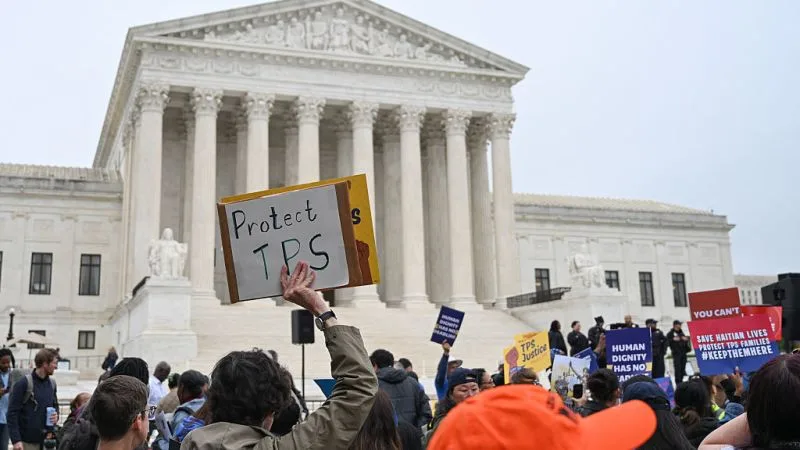
- Over 600,000 Venezuelan beneficiaries face ongoing uncertainty following conflicting federal rulings regarding the Temporary Protected Status (TPS) program.
- The U.S. Court of Appeals for the Ninth Circuit recently issued a temporary administrative stay, freezing the case pending full appellate review.
- Immigration advocates and legal experts warn that despite administrative maneuvers, no immediate pathways for status renewal or deportation relief currently exist.
- The broader judicial showdown touches upon core executive authorities under the Trump administration's aggressive mass deportation agenda.
- Hơn 600.000 người Venezuela thụ hưởng đang phải đối mặt với sự bất định kéo dài sau các phán quyết liên bang mâu thuẫn về chương trình Quy chế Bảo vệ Tạm thời (TPS).
- Tòa phúc thẩm Khu vực số 9 Hoa Kỳ gần đây đã ban hành lệnh hoãn hành chính tạm thời, đóng băng vụ án trong thời gian chờ xem xét phúc thẩm toàn diện.
- Các nhà vận động nhập cư và chuyên gia pháp lý cảnh báo rằng bất chấp các động thái hành chính, hiện vẫn chưa có lộ trình tức thời nào để gia hạn tư thế pháp lý hay cứu trợ trục xuất.
- Cuộc đối đầu tư pháp quy mô lớn này chạm đến cốt lõi của thẩm quyền hành pháp theo chương trình nghị sự trục xuất hàng loạt mang tính quyết liệt của chính quyền đương thời.
- Plus de 600 000 bénéficiaires vénézuéliens font face à une incertitude persistante à la suite de décisions fédérales contradictoires concernant le programme de statut de protection temporaire (TPS).
- La Cour d'appel des États-Unis pour le neuvième circuit a récemment émis une suspension administrative provisoire, gelant le dossier dans l'attente d'un examen complet en appel.
- Les défenseurs des droits des immigrés et les experts juridiques préviennent qu'en dépit des manœuvres administratives, aucune voie immédiate de renouvellement de statut ou de répit face aux expulsions n'existe actuellement.
- Ce bras de fer judiciaire d'envergure touche aux prérogatives fondamentales de l'exécutif dans le cadre de l'agressive politique d'expulsions massives menée par l'administration Trump.
- Más de 600.000 beneficiarios venezolanos se enfrentan a una incertidumbre constante tras los fallos federales contradictorios sobre el programa de Estatus de Protección Temporal (TPS).
- El Tribunal de Apelaciones del Noveno Circuito de EE. UU. dictó recientemente una suspensión administrativa temporal que congela el caso a la espera de una revisión de apelación completa.
- Defensores de la inmigración y expertos legales advierten de que, a pesar de las maniobras administrativas, actualmente no existen vías inmediatas para la renovación de estatus o alivio frente a la deportación.
- Este enfrentamiento judicial de gran calado toca las competencias ejecutivas fundamentales bajo la agresiva agenda de deportaciones masivas de la administración Trump.
- 在关于临时保护身份(TPS)计划的联邦裁决相互冲突之际,超过6万名委内瑞拉受益者面临着持续的不确定性。
- 美国第九巡回上诉法院近期发布了一项临时行政暂缓令,在全面上诉审查完成之前冻结了该案件。
- 移民倡导者与法律专家警告称,尽管存在行政机动,但目前仍不存在任何恢复身份或免于驱逐的即时途径。
- 更广泛的司法对决触及了特朗普政府激进的大规模驱逐议程下的核心行政权力。
The labyrinthine judicial struggle defining the legal fate of hundreds of thousands of Venezuelan immigrants in the United States has once again plunged into a state of suspended animation. At the center of this high-stakes constitutional drama is the Temporary Protected Status (TPS) designation—a humanitarian lifeline originally granted to shield individuals fleeing profound socio-political collapse, violence, and institutional devastation in their homeland. Yet, as federal courts, appellate panels, and the highest court in the land trade jurisdictional blows, approximately 600,000 Venezuelan nationals find themselves navigating an agonizing vacuum of legal uncertainty, entirely vulnerable to shifting executive policies and aggressive interior enforcement operations.
This latest chapter in an escalating legal war unfolded against a backdrop of rapid-fire procedural maneuvers across Washington and San Francisco. The United States Department of Justice recently petitioned the Supreme Court for emergency intervention, seeking to block the reinstatement of TPS protections that had been ordered by lower federal tribunals. However, in a swift counter-turn, the Ninth Circuit Court of Appeals issued a provisional administrative stay, freezing the implementation of the lower court's mandates until a comprehensive panel review can be concluded. The administration subsequently withdrew its immediate Supreme Court application, having secured the temporary halt it desired, leaving affected communities and immigration attorneys grappling with the immediate reality: the administrative freeze preserves the status quo, leaving the humanitarian protections firmly locked away.
An Anatomy of Judicial Ping-Pong and Executive Action
To fully grasp the gravity of the current deadlock, one must trace the winding procedural history that has pitted federal district courts against the executive branch. The litigation commenced in earnest when the National TPS Alliance (NTPSA) filed a landmark lawsuit challenging the administration's aggressive dismantling of humanitarian relief programs. In March 2025, U.S. District Judge Edward M. Chen ruled decisively in favor of the plaintiffs, determining that the termination of TPS for Venezuelan beneficiaries violated federal administrative procedures and statutory intent.
What followed was an extraordinary sequence of judicial reversals. The executive branch swiftly appealed to the Supreme Court, which in May 2025 temporarily suspended Judge Chen’s injunction, enabling the government to proceed with rolling back the program. By September of that same year, Judge Chen reaffirmed his position, issuing a stinging critique of the administration's rationale and once more blocking the program's termination. A subsequent emergency appeal by the Justice Department led the Supreme Court to reinstate the government's authority to dismantle the protections provisionally. By January 2026, the Ninth Circuit sided with the district court, declaring the administration's actions unlawful, only for the Supreme Court to vacate that ruling in October 2026 and remand the matter back to the appellate level for fresh scrutiny. This unrelenting judicial tennis match has created a profound regulatory maze.
The Human Toll and the Reality on the Ground
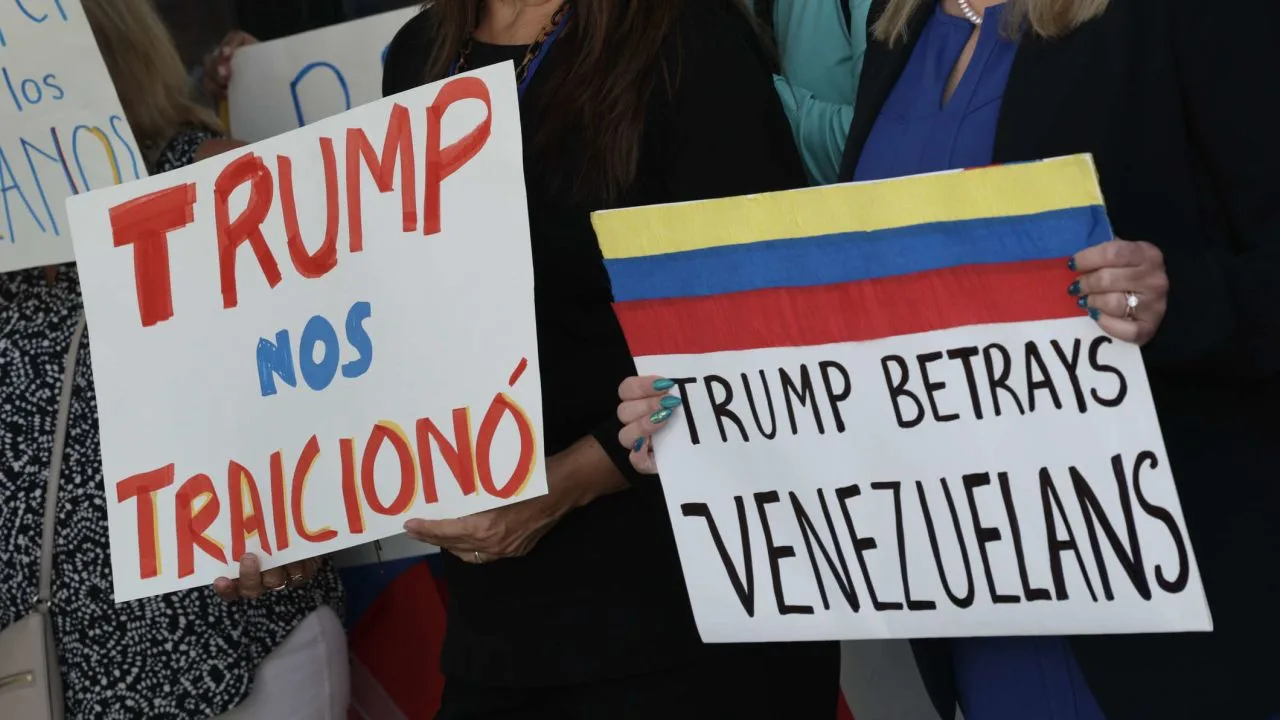
Beyond the esoteric arguments of administrative law and constitutional separation of powers lies an urgent, deeply personal humanitarian crisis. For the hundreds of thousands of Venezuelan professionals, families, and students who meticulously followed every regulatory mandate, integrated into local economies, and built lawful lives under the auspices of TPS, the judicial stalemate translates into daily anxiety. Organizations such as the Venezuelan American Caucus (VAC) have worked tirelessly on the front lines, counseling community members to brace for prolonged legal battles while warning against misinformation.
Immigration attorneys across major U.S. metropolitan areas emphasize that despite the flurry of court filings, absolutely nothing has shifted for the average beneficiary on the ground. Work authorizations cannot be routinely renewed under the defunct program extensions, and protection against Immigration and Customs Enforcement (ICE) detentions remains entirely absent. Legal experts point out that whichever side ultimately loses the impending Ninth Circuit ruling is virtually guaranteed to escalate the dispute back to the steps of the Supreme Court, ensuring that the limbo will persist well into the coming months. Consequently, community advocates are urging affected individuals to consult verified legal counsel, explore alternative, albeit narrow, immigration pathways where feasible, and maintain heightened vigilance amid ongoing interior enforcement operations.
Broader Geopolitical and Institutional Ramifications
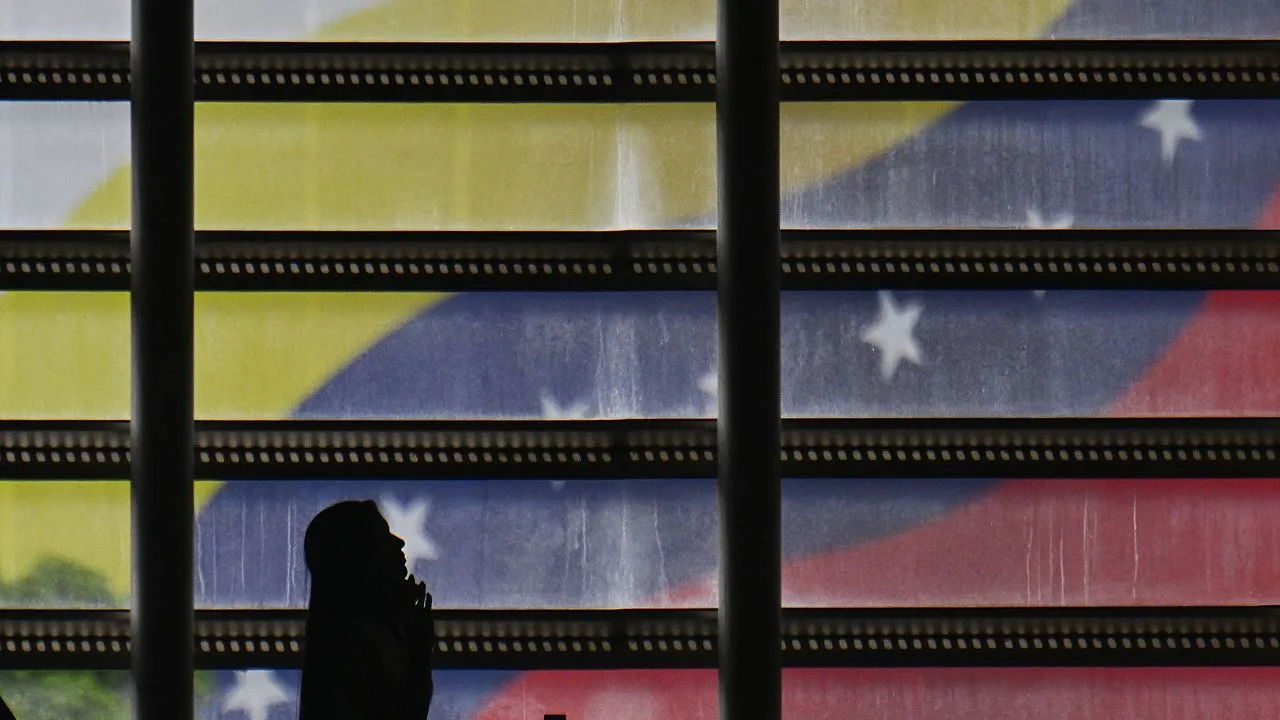
The protracted litigation surrounding Venezuelan TPS extends far beyond immigration statistics; it serves as a critical test of executive authority over humanitarian relief and foreign policy. Since assuming office, the current administration has systematically targeted and dismantled temporary humanitarian programs across more than a dozen nationalities, positioning the rollbacks as central pillars of an ambitious mass deportation agenda. Critics argue that terminating TPS for a population originating from a nation experiencing unprecedented political and economic breakdown undermines traditional American commitments to international humanitarian norms.
As legal analysts await the Ninth Circuit’s definitive ruling—anticipated within the coming weeks—institutional observers are closely monitoring how the judiciary will balance executive latitude in foreign affairs against statutory protections designed to shield vulnerable populations from forced repatriation. Regardless of the appellate panel's eventual decision, the seven-day post-ruling grace period will trigger an immediate sprint back to the Supreme Court. For ParisDaily’s global readership, this case remains a defining crucible of modern administrative jurisprudence, illustrating how the intersection of domestic political mandates and international humanitarian obligations continues to reshape the legal contours of the modern nation-state.
Cuộc đấu tranh tư pháp đầy khúc chiết quyết định số phận pháp lý của hàng trăm nghìn người nhập cư Venezuela tại Hoa Kỳ lại một lần nữa rơi vào trạng thái đình đốn tạm thời. Tâm điểm của kịch bản hiến pháp đầy cam go này là quy chế Bảo vệ Tạm thời (TPS) — một phao cứu sinh nhân đạo ban đầu được cấp nhằm che chở cho những cá nhân đang phải trốn chạy khỏi tình trạng sụp đổ chính trị - xã hội trầm trọng, bạo lực và sự tàn phá thể chế tại quê nhà. Thế nhưng, khi các tòa án liên bang, hội đồng phúc thẩm và cơ quan tư pháp tối cao của đất nước liên tục đưa ra những đòn giáng về thẩm quyền tài jurisdiction, khoảng 600.000 công dân Venezuela lại thấy mình đang dò dẫm trong một khoảng không bất định pháp lý đầy đớn đau, hoàn toàn dễ bị tổn thương trước các chính sách hành pháp đầy biến động và các chiến dịch thực thi nội địa mang tính quyết liệt.
Chương mới nhất trong cuộc chiến pháp lý leo thang này diễn ra trong bối cảnh các chiến thuật thủ tục chớp nhoáng tại Washington và San Francisco. Bộ Tư pháp Hoa Kỳ gần đây đã thỉnh cầu Tối cao Pháp viện can thiệp khẩn cấp, tìm cách ngăn chặn việc khôi phục các biện pháp bảo vệ TPS vốn đã được các tòa án liên bang cấp dưới ra lệnh. Tuy nhiên, trong một động thái phản kháng nhanh chóng, Tòa phúc thẩm Khu vực số 9 đã ban hành lệnh hoãn hành chính tạm thời, đóng băng việc thi hành các phán quyết của tòa án cấp dưới cho đến khi một cuộc đánh giá toàn diện của hội đồng xét xử được hoàn tất. Chính quyền sau đó đã rút lại đơn thỉnh cầu khẩn cấp lên Tối cao Pháp viện sau khi đạt được lệnh tạm dừng mà họ mong muốn, khiến các cộng đồng bị ảnh hưởng và các luật sư di trú phải đối mặt với thực tế trước mắt: lệnh đóng băng hành chính duy trì hiện trạng, giam hãm chặt chẽ các biện pháp bảo vệ nhân đạo.
Giải phẫu Cuộc chơi Bóng bàn Tư pháp và Hành động Hành pháp
Để hiểu thấu đáo mức độ nghiêm trọng của tình trạng bế tắc hiện tại, người ta phải lần giở lại lịch sử thủ tục rích rắc từng đặt các tòa án quận liên bang đối đầu với nhánh hành pháp. Vụ kiện chính thức khởi xướng khi Liên minh TPS Quốc gia (NTPSA) đệ trình một vụ kiện mang tính bước ngoặt nhằm thách thức việc chính quyền triệt phá quyết liệt các chương trình cứu trợ nhân đạo. Vào tháng 3 năm 2025, Thẩm phán Quận Hoa Kỳ Edward M. Chen đã đưa ra phán quyết kiên quyết ủng hộ các nguyên đơn, xác định rằng việc chấm dứt TPS đối với những người hưởng lợi người Venezuela đã vi phạm các thủ tục hành chính liên bang và ý định lập pháp.
Tiếp theo đó là một chuỗi các phán quyết đảo ngược mang tính phi thường. Nhánh hành pháp nhanh chóng kháng cáo lên Tối cao Pháp viện, cơ quan vào tháng 5 năm 2025 đã tạm thời đình chỉ lệnh cấm của Thẩm phán Chen, cho phép chính phủ tiến hành đảo ngược chương trình. Đến tháng 9 cùng năm, Thẩm phán Chen tái khẳng định lập trường của mình, đưa ra những chỉ trích sắc bén đối với lý lẽ của chính quyền và một lần nữa ngăn chặn việc chấm dứt chương trình. Một kháng cáo khẩn cấp tiếp theo của Bộ Tư pháp đã dẫn đến việc Tối cao Pháp viện khôi phục quyền lực của chính phủ nhằm tháo dỡ các biện pháp bảo vệ một cách tạm thời. Đến tháng 1/2026, Tòa phúc thẩm Khu vực số 9 đứng về phía tòa án quận, tuyên bố các hành động của chính quyền là bất hợp pháp, nhưng rồi Tối cao Pháp viện lại hủy bỏ phán quyết đó vào tháng 10 năm 2026 và chuyển trả vụ việc về cấp phúc thẩm để xem xét kỹ lưỡng lại từ đầu. Trận tennis tư pháp không mệt mỏi này đã tạo ra một ma trận quản lý quy định vô cùng sâu sắc.
Cái giá Nhân mạng và Thực tế tại Thực địa
Vượt lên trên những tranh luận cao siêu của luật hành chính và nguyên tắc phân quyền hiến pháp là một cuộc khủng hoảng nhân đạo khẩn cấp, mang tính cá nhân sâu sắc. Đối với hàng trăm nghìn chuyên gia, gia đình và sinh viên người Venezuela, những người đã tuân thủ tỉ mỉ từng điều lệ quy định, hòa nhập vào nền kinh tế địa phương và xây dựng cuộc sống hợp pháp dưới sự bảo trợ của TPS, sự bế tắc tư pháp này chuyển hóa thành nỗi lo âu thường trực. Các tổ chức như Nhóm vận động Mỹ - Venezuela (VAC) đã làm việc không mệt mỏi ở tuyến đầu, tư vấn cho các thành viên cộng đồng chuẩn bị tinh thần cho những cuộc chiến pháp lý kéo dài đồng thời cảnh báo về tình trạng thông tin sai lệch.
Các luật sư di trú trên khắp các đô thị lớn của Hoa Kỳ nhấn mạnh rằng bất chấp làn sóng hồ sơ kiện tụng dồn dập, tuyệt đối không có gì thay đổi đối với người thụ hưởng bình thường tại thực địa. Giấy phép làm việc không thể được gia hạn theo thủ tục thông thường đối với các chương trình mở rộng đã hết hiệu lực, và sự bảo vệ trước các chiến dịch vây bắt của Cơ quan Thực thi Di trú và Hải quan (ICE) vẫn hoàn toàn vắng bóng. Các chuyên gia pháp lý chỉ ra rằng bất kỳ bên nào cuối cùng thua kiện trong phán quyết sắp tới của Tòa phúc thẩm Khu vực số 9 cũng gần như chắc chắn sẽ đẩy tranh chấp leo thang trở lại bậc thềm Tối cao Pháp viện, đảm bảo rằng tình trạng lấp lửng này sẽ còn kéo dài sang những tháng tới. Do đó, các nhà vận động cộng đồng đang thúc giục những cá nhân bị ảnh hưởng tham vấn luật sư có chuyên môn đã được xác thực, khám phá các con đường di trú thay thế dẫu còn hẹp khi khả thi, và duy trì mức độ cảnh giác cao độ giữa lúc các hoạt động thực thi nội địa vẫn đang diễn ra.
Hệ lụy Địa chính trị và Thể chế Rộng lớn hơn
Vụ kiện tụng kéo dài xung quanh quy chế TPS của Venezuela vượt ra ngoài khuôn khổ các thống kê di trú đơn thuần; nó đóng vai trò là một bài kiểm tra quan trọng đối với quyền lực hành pháp đối với công tác cứu trợ nhân đạo và chính sách đối ngoại. Kể từ khi nhậm chức, chính quyền đương nhiệm đã có hệ thống nhắm mục tiêu và triệt phá các chương trình nhân đạo tạm thời trên hơn một chục quốc gia, định vị việc đảo ngược này làm trụ cột trung tâm cho một chương trình nghị sự trục xuất hàng loạt đầy tham vọng. Các nhà phê bình lập luận rằng việc chấm dứt TPS đối với một dân số xuất thân từ một quốc gia đang trải qua sự sụp đổ chính trị và kinh tế chưa từng có sẽ làm suy yếu các cam kết truyền thống của nước Mỹ đối với các chuẩn mực nhân đạo quốc tế.
Khi các nhà phân tích pháp lý chờ đợi phán quyết dứt khoát của Tòa phúc thẩm Khu vực số 9 — dự kiến trong những tuần tới — các nhà quan sát thể chế đang theo dõi chặt chẽ cách tòa án sẽ cân bằng giữa quyền hạn hành pháp trong các vấn đề đối ngoại với các biện pháp bảo vệ theo luật định nhằm che chở các nhóm dễ bị tổn thương khỏi việc bị hồi hương cưỡng bức. Bất kể quyết định cuối cùng của hội đồng phúc thẩm là gì, thời gian ân hạn bảy ngày sau phán quyết sẽ kích hoạt một cuộc nước rút tức thì quay trở lại Tối cao Pháp viện. Đối với độc giả toàn cầu của ParisDaily, vụ án này vẫn là một lò luyện mang tính định hình của nền phán quyết hành chính hiện đại, minh họa rõ nét cách thức mà sự giao thoa giữa các mệnh lệnh chính trị trong nước và các nghĩa vụ nhân đạo quốc tế tiếp tục định hình lại diện mạo pháp lý của nhà nước hiện đại.
La lutte judiciaire labyrinthique qui détermine le destin juridique de centaines de milliers d'immigrés vénézuéliens aux États-Unis a une fois de plus replongé dans un état d'animation suspendue. Au cœur de ce drame constitutionnel à haut risque se trouve la désignation de statut de protection temporaire (TPS) — une bouée de sauvetage humanitaire initialement accordée pour protéger les individus fuyant l'effondrement sociopolitique profond, la violence et la dévastation institutionnelle de leur pays d'origine. Pourtant, alors que les cours fédérales, les panels d'appel et la plus haute instance du pays échangent des coups de force juridictionnels, environ 600 000 ressortissants vénézuéliens se retrouvent à naviguer dans un vide angoissant d'incertitude juridique, entièrement vulnérables face à l'évolution des politiques de l'exécutif et aux opérations musclées d'application des lois intérieures.
Ce nouveau chapitre d'une guerre juridique qui s'intensifie s'est déroulé sur fond de manœuvres procédurales menées au pas de charge entre Washington et San Francisco. Le département de la Justice des États-Unis a récemment demandé une intervention d'urgence à la Cour suprême, cherchant à bloquer le rétablissement des protections du TPS ordonné par les tribunaux fédéraux inférieurs. Cependant, dans un rapide contre-pied, la Cour d'appel du Neuvième Circuit a émis une suspension administrative provisoire, gelant l'application des injonctions de la juridiction inférieure jusqu'à ce qu'un examen complet par un collège de juges puisse être achevé. L'administration a par la suite retiré sa requête immédiate auprès de la Cour suprême, ayant obtenu la mise en suspens temporaire qu'elle désirait, laissant les communautés touchées et les avocats spécialisés en droit de l'immigration aux prises avec une réalité immédiate : le gel administratif préserve le statu quo et maintient fermement verrouillées les protections humanitaires.
Anatomie d'un ping-pong judiciaire et de l'action exécutive
Pour saisir pleinement la gravité de l'impasse actuelle, il faut retracer l'écheveau procédural qui a dressé les tribunaux de district fédéraux face au pouvoir exécutif. Le contentieux a véritablement débuté lorsque l'Alliance nationale pour le TPS (NTPSA) a intenté une action en justice historique pour contester le démantèlement agressif des programmes de secours humanitaire par l'administration. En mars 2025, le juge fédéral de district Edward M. Chen a rendu une décision décisive en faveur des plaignants, estimant que la fin du TPS pour les bénéficiaires vénézuéliens violait les procédures administratives fédérales ainsi que l'esprit de la loi.
S'en est suivie une extraordinaire séquence de revirements judiciaires. L'exécutif a rapidement fait appel devant la Cour suprême, qui a suspendu temporairement en mai 2025 l'injonction du juge Chen, permettant au gouvernement de procéder au démantèlement du programme. En septembre de la même année, le juge Chen a réaffirmé sa position, livrant une critique acerbe des motivations de l'administration et bloquant à nouveau la fin du programme. Un nouvel appel d'urgence du département de la Justice a conduit la Cour suprême à rétablir provisoirement l'autorité du gouvernement pour dissoudre ces protections. En janvier 2026, le Neuvième Circuit s'est rangé du côté du tribunal de district, qualifiant les agissements de l'administration d'illégaux, avant que la Cour suprême n'annule cette décision en octobre 2026 et ne renvoie l'affaire devant la cour d'appel pour un nouvel examen. Ce match de tennis judiciaire incessant a engendré un labyrinthe réglementaire d'une rare complexité.
Le coût humain et la réalité sur le terrain
Au-delà des arguments ésotériques du droit administratif et de la séparation des pouvoirs constitutionnels se profile une crise humanitaire urgente et profondément intime. Pour les centaines de milliers de professionnels, de familles et d'étudiants vénézuéliens qui se sont scrupuleusement conformés à chaque exigence réglementaire, se sont intégrés dans les économies locales et ont bâti des vies légales sous l'égide du TPS, cette impasse judiciaire se traduit par une anxiété quotidienne. Des organisations telles que le Caucus vénézuélien américain (VAC) œuvrent sans relâche en première ligne, conseillant aux membres de la communauté de se préparer à de longues batailles juridiques tout en mettant en garde contre la désinformation.
Les avocats spécialisés en immigration dans les grandes métropoles américaines soulignent que, malgré le tourbillon de requêtes judiciaires, absolument rien n'a changé pour le bénéficiaire moyen sur le terrain. Les autorisations de travail ne peuvent pas être renouvelées de manière routinière dans le cadre des extensions d'un programme aujourd'hui défunt, et la protection contre les interpellations du service de l'Immigration et des Douanes (ICE) reste totalement absente. Les experts juridiques soulignent que quel que soit le camp qui finira par perdre le verdict imminent du Neuvième Circuit, il est pratiquement garanti de renvoyer le litige sur les marches de la Cour suprême, garantissant ainsi que les limbes perdureront bien au-delà des prochains mois. Par conséquent, les défenseurs de la communauté exhortent les personnes concernées à consulter un conseil juridique vérifié, à explorer des voies d'immigration alternatives — bien que restreintes — lorsque cela est possible, et à faire preuve d'une vigilance accrue au milieu des opérations de contrôle intérieur en cours.
Implications géopolitiques et institutionnelles plus larges
Le long contentieux entourant le TPS vénézuélien s'étend bien au-delà des simples statistiques de l'immigration ; il constitue un test crucial de l'autorité de l'exécutif sur l'aide humanitaire et la politique étrangère. Depuis son entrée en fonction, l'administration actuelle a systématiquement ciblé et démantelé les programmes humanitaires temporaires pour plus d'une douzaine de nationalités, présentant ces retours en arrière comme les piliers centraux d'un ambitieux programme d'expulsions massives. Les critiques soutiennent que mettre fin au TPS pour une population originaire d'un pays en proie à un effondrement politique et économique sans précédent compromet les engagements traditionnels de l'Amérique envers les normes humanitaires internationales.
Alors que les analystes juridiques attendent la décision définitive du Neuvième Circuit — prévue dans les semaines à venir —, les observateurs institutionnels surveillent de près la manière dont le pouvoir judiciaire parviendra à concilier la latitude de l'exécutif en matière de politique étrangère et les protections statutaires conçues pour mettre les populations vulnérables à l'abri du rapatriement forcé. Quelle que soit la décision finale du collège d'appel, la période de grâce de sept jours suivant le verdict déclenchera un sprint immédiat vers la Cour suprême. Pour le lectorat mondial de ParisDaily, cette affaire demeure un creuset déterminant de la jurisprudence administrative moderne, illustrant comment l'intersection entre impératifs politiques intérieurs et obligations humanitaires internationales continue de redessiner les contours juridiques de l'État-nation contemporain.
La laberíntica lucha judicial que define el destino legal de cientos de miles de inmigrantes venezolanos en Estados Unidos ha vuelto a sumirse en un estado de animación suspendida. En el centro de este drama constitucional de alto riesgo se encuentra la designación de Estatus de Protección Temporal (TPS, por sus siglas en inglés), un salvavidas humanitario concedido originalmente para proteger a quienes huyen del profundo colapso sociopolítico, la violencia y la devastación institucional en su país de origen. Sin embargo, a medida que los tribunales federales, los paneles de apelación y la más alta instancia judicial del país se cruzan reproches jurisdiccionales, aproximadamente 600.000 ciudadanos venezolanos se encuentran navegando por un agonizante vacío de incertidumbre jurídica, completamente vulnerables a los cambios en las políticas del Ejecutivo y a las agresivas operaciones de control migratorio interior.
Este último capítulo de una escalada en la guerra legal se desarrolló en un contexto de maniobras procesales vertiginosas entre Washington y San Francisco. El Departamento de Justicia de Estados Unidos solicitó recientemente la intervención de emergencia del Tribunal Supremo para bloquear el restablecimiento de las protecciones del TPS ordenado por los tribunales federales inferiores. No obstante, en un rápido contragolpe, el Tribunal de Apelaciones del Noveno Circuito dictó una suspensión administrativa provisional que congela la ejecución de los mandatos del tribunal inferior hasta que se concluya una revisión completa del panel. Posteriormente, la administración retiró su petición urgente ante el Supremo tras conseguir la paralización temporal que deseaba, lo que dejó a las comunidades afectadas y a los abogados de inmigración lidiando con una realidad inmediata: la congelación administrativa preserva el statu quo y mantiene las protecciones humanitarias firmemente bloqueadas.
Anatomía del ping-pong judicial y la acción ejecutiva
Para comprender en su totalidad la gravedad del actual punto muerto, es necesario trazar la enrevesada historia procesal que ha enfrentado a los tribunales de distrito federales con el poder Ejecutivo. El litigio comenzó formalmente cuando la Alianza Nacional del TPS (NTPSA, por sus siglas en inglés) interpuso una demanda histórica para impugnar el desmantelamiento agresivo de los programas de ayuda humanitaria por parte de la administración. En marzo de 2025, el juez de distrito de EE. UU. Edward M. Chen falló de manera rotunda a favor de los demandantes, al determinar que la anulación del TPS para los beneficiarios venezolanos infringía los procedimientos administrativos federales y la intención estatutaria.
Lo que siguió fue una extraordinaria secuencia de reveses judiciales. El Ejecutivo recurrió de inmediato ante el Tribunal Supremo, que en mayo de 2025 suspendió temporalmente la medida cautelar del juez Chen, lo que permitió al Gobierno seguir adelante con la revocación del programa. Hacia septiembre de ese mismo año, el juez Chen reafirmó su postura con una dura crítica a los argumentos de la administración y volvió a bloquear la cancelación del programa. Un posterior recurso de urgencia presentado por el Departamento de Justicia llevó al Tribunal Supremo a restablecer provisionalmente la autoridad del Gobierno para desmantelar las protecciones. En enero de 2026, el Noveno Circuito se alineó con el tribunal de distrito y declaró ilegales las acciones de la administración, solo para que el Tribunal Supremo anulara dicho fallo en octubre de 2026 y devolviera el asunto a la instancia de apelación para un nuevo examen. Este incansable partido de tenis judicial ha dado lugar a un profundo laberinto normativo.
El coste humano y la realidad sobre el terreno
Más allá de los argumentos esotéricos del derecho administrativo y la separación constitucional de poderes, subyace una crisis humanitaria urgente y profundamente personal. Para los cientos de miles de profesionales, familias y estudiantes venezolanos que cumplieron rigurosamente con cada mandato reglamentario, se integraron en las economías locales y construyeron vidas legales bajo el amparo del TPS, el estancamiento judicial se traduce en una angustia cotidiana. Organizaciones como el Comité Cívico Venezolano Americano (VAC, por sus siglas en inglés) han trabajado incansablemente en primera línea, aconsejando a los miembros de la comunidad que se preparen para prolongadas batallas legales al tiempo que alertan contra la desinformación.
Los abogados de inmigración en las principales áreas metropolitanas de EE. UU. subrayan que, a pesar de la avalancha de escritos judiciales, absolutamente nada ha cambiado para el beneficiario medio sobre el terreno. Las autorizaciones de trabajo no se pueden renovar de manera rutinaria bajo las extensiones de un programa ya extinto, y la protección frente a las detenciones del Servicio de Inmigración y Control de Aduanas (ICE) sigue brillando por su ausencia. Los expertos legales señalan que, pierda quien pierda el inminente fallo del Noveno Circuito, es prácticamente seguro que elevará de nuevo el litigio a las puertas del Tribunal Supremo, lo que garantiza que el limbo se prolongará durante los próximos meses. En consecuencia, los defensores de la comunidad instan a las personas afectadas a consultar a asesores legales acreditados, explorar vías migratorias alternativas —aunque escasas— siempre que sea posible, y mantener una vigilancia estricta ante las operaciones de control interior en curso.
Amplias ramificaciones geopolíticas e institucionales
El prolongado litigio en torno al TPS venezolano va mucho más allá de las estadísticas migratorias; constituye una prueba crucial de la autoridad del Ejecutivo sobre la ayuda humanitaria y la política exterior. Desde su llegada al cargo, la actual administración ha señalado y desmantelado sistemáticamente programas humanitarios temporales de más de una decena de nacionalidades, situando estas revocaciones como pilares centrales de una ambiciosa agenda de deportaciones masivas. Los críticos sostienen que poner fin al TPS para una población procedente de un país que atraviesa un colapso político y económico sin precedentes socava los compromisos tradicionales de Estados Unidos con las normas humanitarias internacionales.
A la espera de que los analistas legales conozcan el fallo definitivo del Noveno Circuito —previsto para las próximas semanas—, los observadores institucionales vigilan de cerca cómo equilibrará la judicatura la potestad del Ejecutivo en asuntos exteriores frente a las protecciones legales diseñadas para blindar a las poblaciones vulnerables frente a las repatriaciones forzosas. Independientemente de la decisión que adopte en última instancia el panel de apelación, el periodo de gracia posterior al fallo, fijado en siete días, desencadenará una carrera inmediata de vuelta al Tribunal Supremo. Para los lectores globales de ParisDaily, este caso sigue siendo un crisol determinante de la jurisprudencia administrativa moderna, al ilustrar cómo la intersección entre los mandatos políticos internos y las obligaciones humanitarias internacionales continúa remodelando el perfil jurídico del Estado nación contemporáneo.
这场定义了数十万委内瑞拉移民法律命运的迷宫般司法斗争,再次陷入了悬而未决的状态。这场高风险宪法戏剧的核心是“临时保护身份”(TPS)——这一人道主义生命线最初旨在为那些为逃离祖国深重社会政治崩溃、暴力和体制毁灭的个人提供庇护。然而,随着联邦法院、上诉合议庭和最高法院轮番进行管辖权博弈,大约60万委内瑞拉国民发现自己正处于痛苦的法律不确定性真空之中,完全暴露在不断变化的行政政策和激进的国内执法行动面前。
这场不断升级的法律战的最新篇章,是在华盛顿和旧金山两地迅速推进的程序性操纵背景下展开的。美国司法部近期向最高法院请求紧急干预,试图阻止下级联邦法庭下令恢复的TPS保护。然而,作为迅速的反转,第九巡回上诉法院颁布了一项临时行政暂缓令,在全面的合议庭审查结束之前,冻结下级法院命令的执行。随后,行政部门在获得了其期望的临时暂停后,撤回了即时向最高法院提交的申请,这使得受影响的社群和移民律师不得不直面一个严峻的现实:行政冻结维持了现状,将人道主义保护牢牢锁起。
司法乒乓与行政行动剖析
要全面理解当前僵局的严重性,必须追溯将联邦地区法院与行政部门对立起来的曲折诉讼历史。这场诉讼始于全美TPS联盟(NTPSA)提起的一起里程碑式诉讼,旨在挑战行政部门对人道主义救援计划的激进拆解。2025年3月,美国地区法官爱德华·M·陈(Edward M. Chen)做出倾向于原告的坚定裁决,认定终止委内瑞拉受益人TPS身份的做法违反了联邦行政程序和法定意图。
随之而来的是一系列非同寻常的司法反转。行政部门迅速向最高法院提起上诉,最高法院于2025年5月暂时中止了陈法官的禁令,使政府得以继续推进该计划的撤销。同年9月,陈法官重申其立场,对行政部门的理论依据进行了严厉批判,并再次阻止该计划的终止。司法部随后提出的紧急上诉导致最高法院恢复了政府临时解散保护的权力。到2026年1月,第九巡回上诉法院站在了地区法院一边,宣布行政部门的行动为非法,但最高法院随后在2026年10月撤销了该裁决,并将该案发回上诉层级进行重新审查。这种毫不妥协的司法网球赛创造了一个深不可测的监管迷宫。
人道代价与现实困境
在行政法和宪法三权分立等深奥论点背后,是一场迫在眉睫、极其深刻的人道主义危机。对于严格遵循每一项监管指令、融入当地经济并在TPS庇护下建立合法生活的数十万委内瑞拉专业人士、家庭和学生而言,这场司法僵局意味着日常的焦虑。诸如委内瑞拉美洲核心小组(VAC)等组织一直在前线不懈工作,安抚社群成员为漫长的法律战做好准备,同时警告切勿轻信虚假信息。
美国各大都市圈的移民律师强调,尽管法庭文件纷至沓来,但对于地面的普通受益人而言,绝对没有任何改变。在失效的计划延期下,工作授权无法例行更新,免受移民及海关执法局(ICE)扣押的保护依然完全不存在。法律专家指出,无论哪个阵营最终在即将到来的第九巡回法院裁决中败诉,几乎都注定会将争端再度推回最高法院的台阶之上,从而确保这种法律虚无状态将持续到未来数月。因此,社群倡导者正敦促受影响的个人咨询经核实的法律顾问,在可行的情况下探索替代性的(尽管十分狭窄的)移民途径,并在持续的国内执法行动中保持高度警惕。
更广泛的地缘政治与制度影响
围绕委内瑞拉TPS的长期诉讼已远远超出了移民统计数据的范畴;它成为了检验行政部门对人道主义救援和外交政策掌控力的一块试金石。自上任以来,现任政府系统性地针对并解散了涉及十几个国籍的临时人道主义计划,将这些撤销行动定位为宏大、激进的大规模驱逐议程的核心支柱。批评人士认为,终止针对源自经历前所未有政治和经济崩溃国家的群体的TPS,有损美国对国际人道主义规范的传统承诺。
正当法律分析人士等待第九巡回法院预计在未来几周内做出的最终裁决之际,体制观察家正密切关注司法部门将如何在行政在外交事务中的自由裁量权与旨在保护弱势群体免遭强行遣返的法定保护之间取得平衡。无论上诉合议庭最终做出何种决定,裁决下达后的七天宽限期都将触发重返最高法院的即时冲刺。对于巴黎日报(ParisDaily)的全球读者而言,这一案件依然是现代行政法理学的一个决定性熔炉,它生动地展示了国内政治诉求与国际人道主义义务的交汇点,如何持续重塑现代民族国家的法律轮廓。
Editorial Standards & Multi-Language Synthesis: This dispatch was synthesized and fact-checked by the ParisDaily Editorial Desk across 5 global editions (EN, FR, VI, ES, ZH), cross-referencing primary international wire reports and real-time search intelligence.