The Great Recalibration: Wall Street Navigates AI Turbulence and Political Storms
As Nvidia’s leadership shakeup and a surprise GDP surge rattle markets, investors face a precarious end to a holiday week defined by institutional anxiety. The intersection of artificial intelligence hype and aggressive Federal Reserve policy signals a new era of volatility.
Trong bối cảnh biến động nhân sự tại Nvidia và cú nhảy vọt bất ngờ của GDP gây chấn động thị trường, các nhà đầu tư đang đối mặt với một tuần lễ cuối kỳ nghỉ đầy bất an. Sự giao thoa giữa cơn sốt trí tuệ nhân tạo và chính sách quyết liệt từ Cục Dự trữ Liên bang (Fed) đang báo hiệu một kỷ nguyên biến động mới.
Alors que le remaniement à la tête de Nvidia et une hausse surprise du PIB secouent les marchés, les investisseurs font face à une fin de semaine de vacances marquée par une anxiété institutionnelle palpable. La convergence entre l'euphorie autour de l'intelligence artificielle et la politique agressive de la Réserve fédérale dessine les contours d'une nouvelle ère de volatilité.
Ante la reestructuración en la cúpula de Nvidia y un repunte inesperado del PIB que ha sacudido los mercados, los inversores afrontan un final de semana festiva marcado por la ansiedad institucional. La intersección entre el entusiasmo por la inteligencia artificial y la agresiva política de la Reserva Federal presagia una nueva era de volatilidad.
随着英伟达高层变动与GDP意外激增搅动市场,投资者在充满机构焦虑的假日周尾声面临严峻考验。人工智能的热潮与美联储激进的政策导向交织,预示着一个波动加剧的新纪元已经到来。
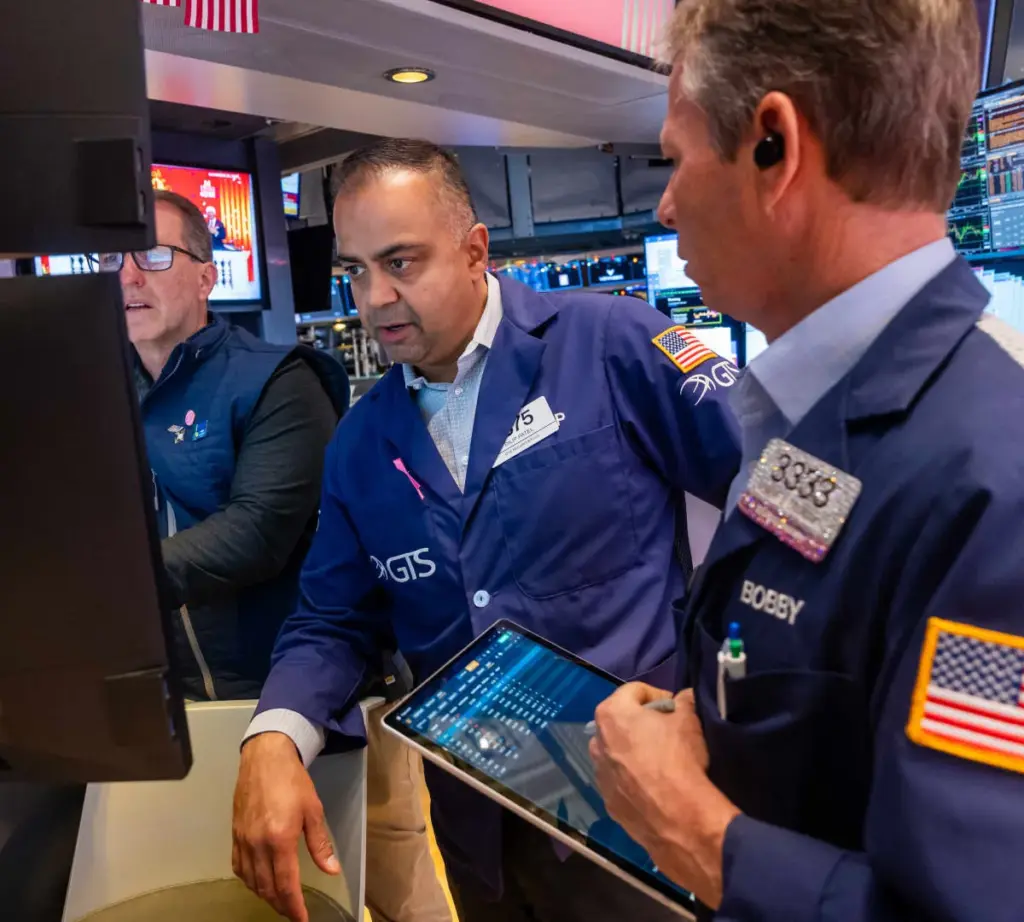
- Jensen Huang’s return to Nvidia triggered a 31% single-session rally, highlighting the market's extreme sensitivity to AI leadership.
- The Commerce Department’s upward revision of Q3 GDP to 4.3% has sparked political accusations of data manipulation from President Trump.
- Investors are increasingly wary of a '2018-style' Federal Reserve tightening cycle, with PCE data fueling expectations for multiple rate hikes.
- Hyperscalers face mounting pressure to demonstrate tangible ROI on massive capital expenditures to sustain the current AI investment wave.
- Sự trở lại của Jensen Huang tại Nvidia đã kích hoạt đà tăng 31% trong một phiên giao dịch, cho thấy sự nhạy cảm cực độ của thị trường đối với vai trò lãnh đạo trong lĩnh vực AI.
- Việc Bộ Thương mại điều chỉnh tăng GDP quý III lên 4,3% đã làm dấy lên những cáo buộc thao túng dữ liệu từ Tổng thống Trump.
- Các nhà đầu tư ngày càng lo ngại về một chu kỳ thắt chặt tiền tệ của Fed tương tự năm 2018, khi dữ liệu PCE thúc đẩy kỳ vọng về việc tăng lãi suất nhiều lần.
- Các tập đoàn công nghệ lớn (hyperscalers) đang chịu áp lực ngày càng lớn trong việc chứng minh lợi nhuận thực tế từ các khoản chi tiêu vốn khổng lồ để duy trì làn sóng đầu tư AI hiện nay.
- Le retour de Jensen Huang aux commandes de Nvidia a déclenché un bond de 31 % en une seule séance, illustrant la sensibilité extrême du marché au leadership dans le secteur de l'IA.
- La révision à la hausse du PIB du troisième trimestre à 4,3 % par le département du Commerce a suscité des accusations de manipulation de données de la part du président Trump.
- Les investisseurs redoutent de plus en plus un cycle de resserrement de la Réserve fédérale similaire à celui de 2018, les données PCE renforçant les attentes de multiples hausses de taux.
- Les hyperscalers subissent une pression croissante pour démontrer un retour sur investissement tangible face aux dépenses d'investissement massives nécessaires pour soutenir la vague actuelle de l'IA.
- El regreso de Jensen Huang a Nvidia provocó un repunte del 31% en una sola sesión, lo que subraya la extrema sensibilidad del mercado al liderazgo en el sector de la IA.
- La revisión al alza del PIB del tercer trimestre al 4,3% por parte del Departamento de Comercio ha provocado acusaciones de manipulación de datos por parte del presidente Trump.
- Los inversores recelan cada vez más de un ciclo de endurecimiento de la Reserva Federal al estilo de 2018, con datos del PCE que alimentan las expectativas de múltiples subidas de tipos.
- Los hiperescaladores se enfrentan a una presión creciente para demostrar un retorno de la inversión (ROI) tangible en sus masivos gastos de capital para sostener la actual ola de inversiones en IA.
- 黄仁勋重返英伟达执掌大权,单日股价飙升31%,凸显了市场对AI领导层变动的极度敏感。
- 美国商务部将第三季度GDP上调至4.3%,引发特朗普总统对数据操纵的政治指控。
- 投资者对“2018年式”美联储紧缩周期的担忧日益加剧,PCE数据进一步推高了多次加息的预期。
- 超大规模云服务商面临巨大压力,必须证明巨额资本支出能带来切实的回报,以维持当前的AI投资浪潮。
The American financial landscape is currently caught in a high-stakes tug-of-war between the promise of artificial intelligence and the cold, hard reality of macroeconomic tightening. As Wall Street emerges from a truncated Thanksgiving holiday, the atmosphere remains thick with the residue of a week that saw both euphoric rallies and deep-seated institutional anxiety. The primary catalyst for this week’s erratic behavior was the dramatic reinstatement of Jensen Huang as CEO of Nvidia, a move that sent shockwaves through the tech sector and briefly reminded investors of the sheer, unbridled power of the AI narrative.
However, the initial exuberance has been tempered by a sobering reality check. While the S&P 500 and Nasdaq-100 are tracking toward a positive weekly finish, the underlying volatility suggests that the market is no longer content to trade on hype alone. Investors are now pivoting toward the fundamental question of return on investment (ROI) for the massive capital expenditures currently being poured into data centers and large language models. This shift in sentiment is occurring against a backdrop of political friction, as President Donald Trump has publicly challenged the integrity of the latest GDP figures, injecting a layer of geopolitical uncertainty into an already fragile market environment.
The Nvidia Effect and the Search for AI Sustainability
The week began with a jolt of adrenaline as Nvidia announced the return of Jensen Huang to the helm. The market’s reaction was instantaneous and violent, with the stock surging 31% in a single session—a move that propelled the broader indices to their best performance since April 2025. For a moment, it seemed as though the AI trade had been successfully resuscitated after a period of cooling sentiment. Yet, the subsequent days saw a partial retreat, as the market began to digest the long-term implications of such a leadership pivot.
The central tension lies in the sustainability of the current AI infrastructure build-out. As Janus Henderson portfolio manager Richard Clode noted, the era of blind investment is drawing to a close. Hyperscalers are now under immense pressure to prove that their massive capital outlays are translating into tangible revenue growth. The market is no longer satisfied with the promise of future innovation; it is demanding proof of free-cash-flow generation. This transition is essential for the AI wave to sustain itself over the next five to ten years, moving from a speculative phase into a mature, utility-driven economic engine.
The Fed’s Shadow and the Ghost of 2018
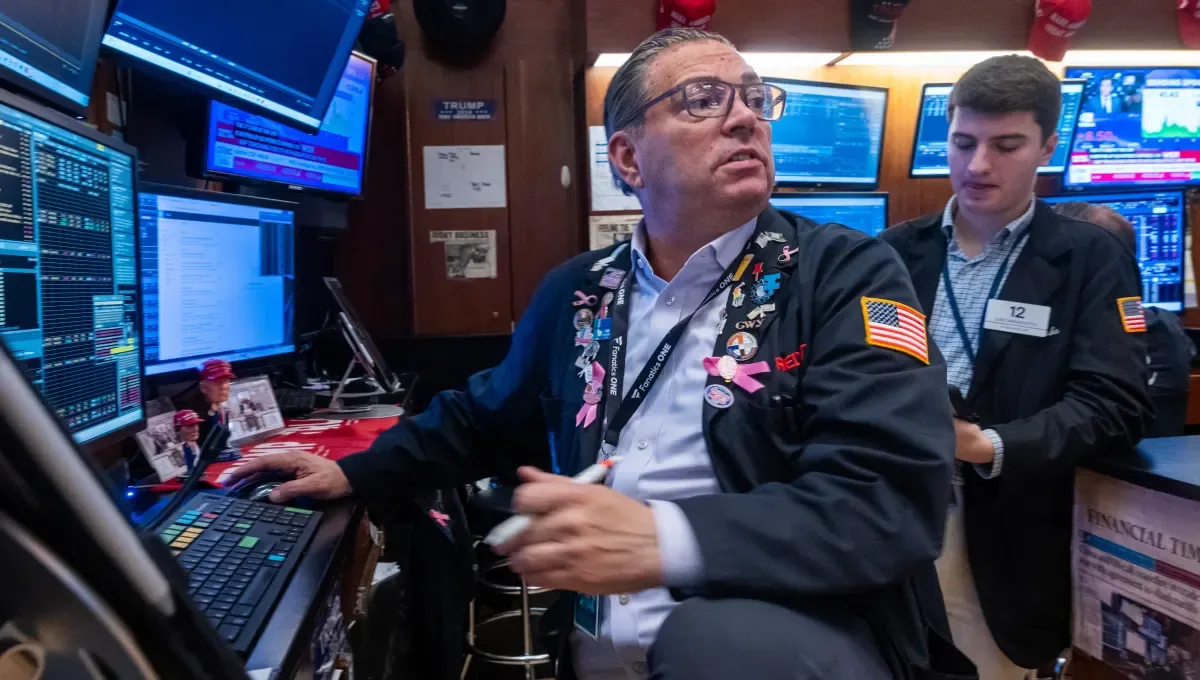
While tech headlines dominate the discourse, the true architect of current market anxiety remains the Federal Reserve. Recent personal consumption expenditures (PCE) data has reinforced the hawkish consensus, with traders now pricing in multiple interest rate hikes in the coming months. This prospect has triggered a collective sense of déjà vu among veteran traders, many of whom are drawing direct parallels to the market conditions of 2018.
During that period, the Federal Reserve’s aggressive rate-hiking cycle—four hikes in total—sent shockwaves through equity markets, leading to a significant contraction in valuations. The fear today is that the central bank, in its attempt to curb persistent inflation, may inadvertently stifle the very growth that the AI sector is trying to foster. As Warren Pies of 3Fourteen Research aptly observed, the intermediate-term factor is almost entirely dictated by the Fed’s trajectory. If the central bank maintains its current course, the market may be forced to undergo a painful, yet necessary, repricing of risk, particularly for growth-heavy tech stocks that rely on cheap capital to fund their expansion.
Political Friction and the GDP Revision Controversy
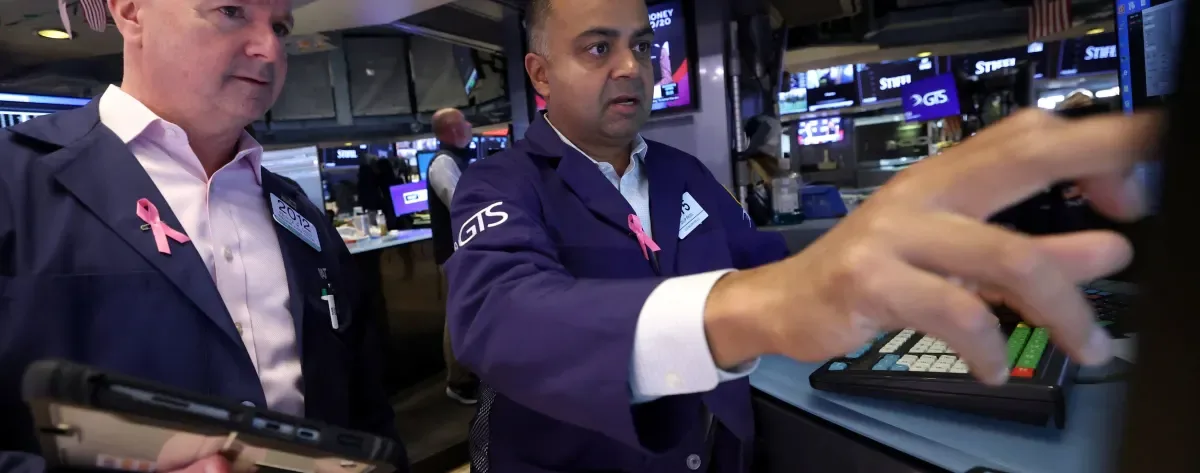
Adding to the market’s complexity is the escalating friction between the White House and the statistical agencies responsible for reporting the nation's economic health. President Trump’s recent assertion that the upward revision of third-quarter GDP—from 3.4% to a robust 4.3%—was a "record-setting error" has introduced a new variable into the investment calculus. By framing the revision as a political tool used to influence the midterm elections, the administration has cast a shadow over the reliability of government economic data.
For institutional investors, this rhetoric is more than just political theater; it complicates the process of fundamental analysis. When the accuracy of GDP, employment, or inflation data is called into question, the ability of market participants to forecast future economic performance is severely compromised. This creates a "trust deficit" that can lead to increased risk premiums and heightened volatility. As the market looks toward the end of the year, the ability of investors to navigate these political crosscurrents while maintaining a focus on corporate earnings will be the ultimate test of the current bull market’s resilience.
Looking Ahead: A Market in Transition
As we look toward the final weeks of the year, the path forward remains narrow. The market is currently balancing on a knife’s edge between the potential for a soft landing and the risk of an over-tightening cycle. The AI trade, while still the primary engine of growth, is being forced to evolve. The companies that will thrive in this environment are those that can demonstrate fiscal discipline alongside technological prowess. Investors should remain cautious, as the combination of Fed policy, political volatility, and the need for AI ROI creates a cocktail of uncertainty that is unlikely to dissipate in the short term.
Ultimately, the events of this holiday week serve as a microcosm of the broader 2026 economic narrative. We are witnessing a transition from a period of liquidity-driven growth to one defined by fundamental scrutiny. For the astute observer, the focus should remain on the intersection of central bank policy and corporate cash flow. While the headlines may be dominated by political accusations and tech-sector drama, the underlying reality is that the market is recalibrating for a new, more demanding phase of the economic cycle. Whether this leads to a sustained rally or a period of consolidation will depend on the ability of both policymakers and corporate leaders to navigate the tightening constraints of the current global economy.
Bức tranh tài chính Mỹ hiện đang bị cuốn vào cuộc giằng co đầy kịch tính giữa lời hứa hẹn của trí tuệ nhân tạo và thực tế khắc nghiệt của việc thắt chặt kinh tế vĩ mô. Khi Phố Wall bước ra khỏi kỳ nghỉ Lễ Tạ ơn ngắn ngủi, bầu không khí vẫn bao trùm bởi dư âm của một tuần đầy rẫy những đợt tăng giá hưng phấn xen lẫn nỗi lo âu sâu sắc của các định chế tài chính. Chất xúc tác chính cho những biến động thất thường tuần này là việc Jensen Huang bất ngờ trở lại vị trí CEO của Nvidia, một động thái đã gây chấn động lĩnh vực công nghệ và nhắc nhở các nhà đầu tư về sức mạnh thuần túy, không bị kiềm chế của câu chuyện AI.
Tuy nhiên, sự hưng phấn ban đầu đã bị kìm hãm bởi một thực tế tỉnh táo. Trong khi chỉ số S&P 500 và Nasdaq-100 đang hướng tới một tuần kết thúc tích cực, sự biến động cơ bản cho thấy thị trường không còn hài lòng với việc giao dịch chỉ dựa trên sự cường điệu. Các nhà đầu tư hiện đang chuyển hướng sang câu hỏi cốt lõi về tỷ suất hoàn vốn (ROI) cho các khoản chi tiêu vốn khổng lồ đang được đổ vào các trung tâm dữ liệu và các mô hình ngôn ngữ lớn. Sự thay đổi tâm lý này diễn ra trong bối cảnh ma sát chính trị, khi Tổng thống Donald Trump công khai thách thức tính trung thực của các số liệu GDP mới nhất, tạo thêm một lớp bất ổn địa chính trị vào môi trường thị trường vốn đã mong manh.
Hiệu ứng Nvidia và cuộc tìm kiếm sự bền vững cho AI
Tuần lễ bắt đầu với một cú hích mạnh mẽ khi Nvidia thông báo sự trở lại của Jensen Huang. Phản ứng của thị trường diễn ra tức thì và dữ dội, với cổ phiếu tăng 31% trong một phiên duy nhất—một động thái đưa các chỉ số rộng hơn đạt hiệu suất tốt nhất kể từ tháng 4 năm 2025. Trong một khoảnh khắc, dường như giao dịch AI đã được hồi sinh thành công sau một thời gian tâm lý hạ nhiệt. Tuy nhiên, những ngày sau đó đã chứng kiến sự thoái lui một phần, khi thị trường bắt đầu tiêu hóa những tác động dài hạn của một cuộc xoay trục lãnh đạo như vậy.
Mối căng thẳng trọng tâm nằm ở tính bền vững của việc xây dựng cơ sở hạ tầng AI hiện tại. Như nhà quản lý danh mục đầu tư Richard Clode của Janus Henderson đã lưu ý, kỷ nguyên đầu tư mù quáng đang dần khép lại. Các tập đoàn công nghệ lớn hiện đang chịu áp lực to lớn trong việc chứng minh rằng các khoản chi tiêu vốn khổng lồ của họ đang chuyển hóa thành tăng trưởng doanh thu hữu hình. Thị trường không còn thỏa mãn với lời hứa về sự đổi mới trong tương lai; họ đang đòi hỏi bằng chứng về việc tạo ra dòng tiền tự do. Sự chuyển đổi này là cần thiết để làn sóng AI tự duy trì trong 5 đến 10 năm tới, chuyển từ giai đoạn đầu cơ sang một động cơ kinh tế trưởng thành, dựa trên tiện ích.
Bóng ma của Fed và dư âm năm 2018
Trong khi các tiêu đề về công nghệ thống trị diễn đàn, kiến trúc sư thực sự của nỗi lo âu thị trường hiện nay vẫn là Cục Dự trữ Liên bang. Dữ liệu chi tiêu tiêu dùng cá nhân (PCE) gần đây đã củng cố sự đồng thuận diều hâu, với các nhà giao dịch hiện đang định giá cho nhiều đợt tăng lãi suất trong những tháng tới. Triển vọng này đã kích hoạt cảm giác "déjà vu" (đã từng thấy) tập thể giữa các nhà giao dịch kỳ cựu, nhiều người trong số họ đang vẽ ra những điểm tương đồng trực tiếp với điều kiện thị trường năm 2018.
Trong giai đoạn đó, chu kỳ tăng lãi suất quyết liệt của Fed—tổng cộng bốn lần—đã gây chấn động thị trường chứng khoán, dẫn đến sự sụt giảm đáng kể về định giá. Nỗi sợ hãi ngày nay là ngân hàng trung ương, trong nỗ lực kiềm chế lạm phát dai dẳng, có thể vô tình bóp nghẹt chính sự tăng trưởng mà lĩnh vực AI đang cố gắng thúc đẩy. Như Warren Pies của 3Fourteen Research đã quan sát một cách sắc sảo, yếu tố trung hạn gần như hoàn toàn bị chi phối bởi quỹ đạo của Fed. Nếu ngân hàng trung ương duy trì lộ trình hiện tại, thị trường có thể buộc phải trải qua một đợt định giá lại rủi ro đau đớn nhưng cần thiết, đặc biệt là đối với các cổ phiếu công nghệ tăng trưởng cao vốn dựa vào nguồn vốn rẻ để tài trợ cho sự mở rộng của chúng.
Ma sát chính trị và tranh cãi về điều chỉnh GDP
Thêm vào sự phức tạp của thị trường là ma sát leo thang giữa Nhà Trắng và các cơ quan thống kê chịu trách nhiệm báo cáo sức khỏe kinh tế quốc gia. Khẳng định gần đây của Tổng thống Trump rằng việc điều chỉnh tăng GDP quý III—từ 3,4% lên mức mạnh mẽ 4,3%—là một "sai số kỷ lục" đã đưa một biến số mới vào phép tính đầu tư. Bằng cách đóng khung việc điều chỉnh này như một công cụ chính trị được sử dụng để gây ảnh hưởng đến cuộc bầu cử giữa nhiệm kỳ, chính quyền đã phủ bóng đen lên độ tin cậy của dữ liệu kinh tế chính phủ.
Đối với các nhà đầu tư tổ chức, luận điệu này không chỉ là màn kịch chính trị; nó làm phức tạp quá trình phân tích cơ bản. Khi tính chính xác của dữ liệu GDP, việc làm hoặc lạm phát bị đặt dấu hỏi, khả năng dự báo hiệu quả kinh tế trong tương lai của những người tham gia thị trường bị tổn hại nghiêm trọng. Điều này tạo ra một "thâm hụt niềm tin" có thể dẫn đến phí rủi ro tăng cao và biến động mạnh hơn. Khi thị trường hướng tới cuối năm, khả năng của các nhà đầu tư trong việc điều hướng các luồng gió chính trị này trong khi vẫn duy trì sự tập trung vào thu nhập doanh nghiệp sẽ là bài kiểm tra cuối cùng về khả năng phục hồi của thị trường giá lên hiện tại.
Nhìn về phía trước: Một thị trường trong giai đoạn chuyển đổi
Khi chúng ta hướng tới những tuần cuối cùng của năm, con đường phía trước vẫn còn hẹp. Thị trường hiện đang cân bằng trên lưỡi dao giữa khả năng hạ cánh mềm và rủi ro của một chu kỳ thắt chặt quá mức. Giao dịch AI, mặc dù vẫn là động cơ tăng trưởng chính, đang buộc phải tiến hóa. Những công ty sẽ phát triển mạnh trong môi trường này là những công ty có thể chứng minh kỷ luật tài chính song hành với năng lực công nghệ. Các nhà đầu tư nên thận trọng, vì sự kết hợp giữa chính sách của Fed, biến động chính trị và nhu cầu về ROI của AI tạo ra một hỗn hợp bất ổn khó có thể tan biến trong ngắn hạn.
Cuối cùng, các sự kiện của tuần lễ này đóng vai trò như một mô hình thu nhỏ của câu chuyện kinh tế rộng lớn hơn năm 2026. Chúng ta đang chứng kiến sự chuyển đổi từ giai đoạn tăng trưởng dựa trên thanh khoản sang giai đoạn được xác định bởi sự giám sát cơ bản. Đối với những nhà quan sát nhạy bén, trọng tâm vẫn nên là sự giao thoa giữa chính sách ngân hàng trung ương và dòng tiền doanh nghiệp. Mặc dù các tiêu đề có thể bị thống trị bởi những cáo buộc chính trị và kịch tính trong lĩnh vực công nghệ, thực tế cơ bản là thị trường đang tái định hình cho một giai đoạn mới, đòi hỏi khắt khe hơn của chu kỳ kinh tế. Liệu điều này dẫn đến một đợt tăng giá bền vững hay một giai đoạn củng cố sẽ phụ thuộc vào khả năng của cả các nhà hoạch định chính sách và các nhà lãnh đạo doanh nghiệp trong việc điều hướng các ràng buộc thắt chặt của nền kinh tế toàn cầu hiện nay.
Le paysage financier américain est actuellement pris dans un bras de fer à haut risque entre la promesse de l'intelligence artificielle et la réalité froide et implacable du resserrement macroéconomique. Alors que Wall Street émerge d'une semaine de Thanksgiving écourtée, l'atmosphère reste imprégnée des stigmates d'une période marquée à la fois par des rallyes euphoriques et une anxiété institutionnelle profonde. Le catalyseur principal de l'instabilité de cette semaine a été le retour spectaculaire de Jensen Huang au poste de PDG de Nvidia, un mouvement qui a provoqué une onde de choc dans le secteur technologique et rappelé brièvement aux investisseurs la puissance brute et incontrôlée du récit autour de l'IA.
Cependant, l'exubérance initiale a été tempérée par un retour à la réalité qui donne à réfléchir. Si le S&P 500 et le Nasdaq-100 se dirigent vers une clôture hebdomadaire positive, la volatilité sous-jacente suggère que le marché ne se contente plus de spéculer sur le seul effet d'annonce. Les investisseurs se tournent désormais vers la question fondamentale du retour sur investissement (ROI) pour les dépenses en capital massives actuellement injectées dans les centres de données et les grands modèles de langage. Ce changement de sentiment s'opère dans un contexte de frictions politiques, le président Donald Trump ayant publiquement remis en question l'intégrité des derniers chiffres du PIB, injectant une dose d'incertitude géopolitique dans un environnement de marché déjà fragile.
L'effet Nvidia et la quête de durabilité de l'IA
La semaine a débuté par une décharge d'adrénaline lorsque Nvidia a annoncé le retour de Jensen Huang aux commandes. La réaction du marché a été instantanée et violente, l'action bondissant de 31 % en une seule séance, propulsant les indices vers leur meilleure performance depuis avril 2025. Pendant un instant, il a semblé que le secteur de l'IA avait été réanimé avec succès après une période de refroidissement. Pourtant, les jours suivants ont vu un repli partiel, le marché commençant à digérer les implications à long terme d'un tel changement de direction.
La tension centrale réside dans la durabilité du déploiement actuel de l'infrastructure IA. Comme l'a noté Richard Clode, gestionnaire de portefeuille chez Janus Henderson, l'ère de l'investissement aveugle touche à sa fin. Les hyperscalers sont désormais sous une pression immense pour prouver que leurs dépenses d'investissement massives se traduisent par une croissance tangible des revenus. Le marché ne se satisfait plus de la promesse d'une innovation future ; il exige la preuve d'une génération de flux de trésorerie disponible. Cette transition est essentielle pour que la vague de l'IA puisse se maintenir au cours des cinq à dix prochaines années, passant d'une phase spéculative à un moteur économique mature et axé sur l'utilité.
L'ombre de la Fed et le spectre de 2018
Bien que les gros titres technologiques dominent le discours, le véritable architecte de l'anxiété actuelle du marché reste la Réserve fédérale. Les récentes données sur les dépenses de consommation personnelle (PCE) ont renforcé le consensus belliciste, les traders intégrant désormais plusieurs hausses de taux d'intérêt dans les mois à venir. Cette perspective a déclenché un sentiment collectif de déjà-vu parmi les traders vétérans, dont beaucoup établissent des parallèles directs avec les conditions de marché de 2018.
À cette époque, le cycle agressif de hausse des taux de la Réserve fédérale — quatre hausses au total — avait provoqué des ondes de choc sur les marchés actions, entraînant une contraction significative des valorisations. La crainte aujourd'hui est que la banque centrale, dans sa tentative de freiner une inflation persistante, ne finisse par étouffer involontairement la croissance même que le secteur de l'IA tente de favoriser. Comme l'a judicieusement observé Warren Pies de 3Fourteen Research, le facteur à moyen terme est presque entièrement dicté par la trajectoire de la Fed. Si la banque centrale maintient son cap actuel, le marché pourrait être contraint de subir une repricing du risque douloureuse mais nécessaire, en particulier pour les valeurs technologiques à forte croissance qui dépendent de capitaux bon marché pour financer leur expansion.
Frictions politiques et controverse sur la révision du PIB
La complexité du marché est accrue par la friction croissante entre la Maison-Blanche et les agences statistiques responsables de la santé économique du pays. L'affirmation récente du président Trump selon laquelle la révision à la hausse du PIB du troisième trimestre — de 3,4 % à un robuste 4,3 % — était une « erreur historique » a introduit une nouvelle variable dans le calcul des investissements. En présentant cette révision comme un outil politique utilisé pour influencer les élections de mi-mandat, l'administration a jeté une ombre sur la fiabilité des données économiques gouvernementales.
Pour les investisseurs institutionnels, cette rhétorique est plus qu'une simple mise en scène politique ; elle complique le processus d'analyse fondamentale. Lorsque l'exactitude des données sur le PIB, l'emploi ou l'inflation est remise en question, la capacité des acteurs du marché à prévoir les performances économiques futures est gravement compromise. Cela crée un « déficit de confiance » qui peut entraîner une augmentation des primes de risque et une volatilité accrue. Alors que le marché se tourne vers la fin de l'année, la capacité des investisseurs à naviguer dans ces courants politiques contraires tout en restant concentrés sur les bénéfices des entreprises sera le test ultime de la résilience du marché haussier actuel.
Perspectives : un marché en transition
À l'approche des dernières semaines de l'année, la voie à suivre reste étroite. Le marché est actuellement en équilibre sur le fil du rasoir, entre le potentiel d'un atterrissage en douceur et le risque d'un cycle de resserrement excessif. Le secteur de l'IA, bien qu'il reste le principal moteur de croissance, est contraint d'évoluer. Les entreprises qui prospéreront dans cet environnement seront celles capables de faire preuve de discipline budgétaire tout en conservant leur prouesse technologique. Les investisseurs doivent rester prudents, car la combinaison de la politique de la Fed, de la volatilité politique et du besoin de ROI dans l'IA crée un cocktail d'incertitude peu susceptible de se dissiper à court terme.
En fin de compte, les événements de cette semaine de vacances servent de microcosme au récit économique plus large de 2026. Nous assistons à une transition d'une période de croissance tirée par la liquidité vers une ère définie par un examen fondamental. Pour l'observateur avisé, l'attention doit rester portée sur l'intersection entre la politique de la banque centrale et les flux de trésorerie des entreprises. Si les gros titres peuvent être dominés par les accusations politiques et le drame du secteur technologique, la réalité sous-jacente est que le marché se recalibre pour une phase nouvelle et plus exigeante du cycle économique. Que cela conduise à un rallye soutenu ou à une période de consolidation dépendra de la capacité des décideurs politiques et des dirigeants d'entreprise à naviguer dans les contraintes de plus en plus strictes de l'économie mondiale actuelle.
El panorama financiero estadounidense se encuentra inmerso en un pulso de alto riesgo entre la promesa de la inteligencia artificial y la fría realidad del endurecimiento macroeconómico. A medida que Wall Street emerge de un truncado festivo de Acción de Gracias, la atmósfera sigue cargada con el residuo de una semana que presenció tanto euforia bursátil como una profunda ansiedad institucional. El catalizador principal del comportamiento errático de esta semana fue la dramática restitución de Jensen Huang como CEO de Nvidia, un movimiento que envió ondas de choque a través del sector tecnológico y recordó brevemente a los inversores el poder absoluto y desenfrenado de la narrativa de la IA.
Sin embargo, la exuberancia inicial se ha visto atemperada por un necesario baño de realidad. Aunque el S&P 500 y el Nasdaq-100 apuntan a un cierre semanal positivo, la volatilidad subyacente sugiere que el mercado ya no se conforma con operar basándose únicamente en el entusiasmo. Los inversores están pivotando ahora hacia la cuestión fundamental del retorno de la inversión (ROI) de los masivos gastos de capital que se están destinando a centros de datos y grandes modelos de lenguaje. Este cambio de sentimiento ocurre en un contexto de fricción política, ya que el presidente Donald Trump ha cuestionado públicamente la integridad de las últimas cifras del PIB, inyectando una capa de incertidumbre geopolítica en un entorno de mercado ya de por sí frágil.
El efecto Nvidia y la búsqueda de la sostenibilidad en la IA
La semana comenzó con una descarga de adrenalina cuando Nvidia anunció el regreso de Jensen Huang al mando. La reacción del mercado fue instantánea y violenta, con una subida de la acción del 31% en una sola sesión, un movimiento que impulsó a los índices generales a su mejor desempeño desde abril de 2025. Por un momento, pareció que la apuesta por la IA había sido resucitada con éxito tras un periodo de enfriamiento. No obstante, los días siguientes presenciaron un repliegue parcial, a medida que el mercado comenzaba a digerir las implicaciones a largo plazo de tal giro en el liderazgo.
La tensión central reside en la sostenibilidad del despliegue actual de infraestructura de IA. Como señaló Richard Clode, gestor de carteras de Janus Henderson, la era de la inversión ciega está llegando a su fin. Los hiperescaladores se encuentran ahora bajo una inmensa presión para demostrar que sus masivos desembolsos de capital se traducen en un crecimiento tangible de los ingresos. El mercado ya no se satisface con la promesa de innovación futura; exige pruebas de generación de flujo de caja libre. Esta transición es esencial para que la ola de la IA pueda sostenerse durante los próximos cinco a diez años, pasando de una fase especulativa a un motor económico maduro y orientado a la utilidad.
La sombra de la Fed y el fantasma de 2018
Aunque los titulares tecnológicos dominan el discurso, el verdadero arquitecto de la actual ansiedad del mercado sigue siendo la Reserva Federal. Los recientes datos de gastos de consumo personal (PCE) han reforzado el consenso agresivo, con los operadores descontando ahora múltiples subidas de tipos de interés en los próximos meses. Esta perspectiva ha provocado un sentimiento colectivo de déjà vu entre los operadores veteranos, muchos de los cuales trazan paralelismos directos con las condiciones de mercado de 2018.
Durante aquel periodo, el agresivo ciclo de subidas de tipos de la Reserva Federal —cuatro alzas en total— envió ondas de choque a los mercados de renta variable, provocando una contracción significativa en las valoraciones. El temor actual es que el banco central, en su intento por frenar la inflación persistente, pueda sofocar inadvertidamente el mismo crecimiento que el sector de la IA intenta fomentar. Como observó acertadamente Warren Pies, de 3Fourteen Research, el factor a medio plazo está dictado casi en su totalidad por la trayectoria de la Fed. Si el banco central mantiene su rumbo actual, el mercado podría verse obligado a someterse a una dolorosa, aunque necesaria, revalorización del riesgo, particularmente para las acciones tecnológicas de alto crecimiento que dependen de capital barato para financiar su expansión.
Fricción política y la controversia de la revisión del PIB
Añadiendo complejidad al mercado se encuentra la creciente fricción entre la Casa Blanca y las agencias estadísticas responsables de informar sobre la salud económica de la nación. La reciente afirmación del presidente Trump de que la revisión al alza del PIB del tercer trimestre —del 3,4% a un robusto 4,3%— fue un "error histórico" ha introducido una nueva variable en el cálculo de inversión. Al enmarcar la revisión como una herramienta política utilizada para influir en las elecciones de mitad de mandato, la administración ha arrojado una sombra sobre la fiabilidad de los datos económicos gubernamentales.
Para los inversores institucionales, esta retórica es más que simple teatro político; complica el proceso de análisis fundamental. Cuando se cuestiona la precisión de los datos de PIB, empleo o inflación, la capacidad de los participantes del mercado para pronosticar el desempeño económico futuro se ve gravemente comprometida. Esto crea un "déficit de confianza" que puede conducir a mayores primas de riesgo y una volatilidad acentuada. A medida que el mercado mira hacia el final del año, la capacidad de los inversores para navegar por estas corrientes políticas cruzadas, manteniendo al mismo tiempo el enfoque en los beneficios corporativos, será la prueba definitiva de la resiliencia del actual mercado alcista.
Mirando al futuro: un mercado en transición
Al mirar hacia las últimas semanas del año, el camino a seguir sigue siendo estrecho. El mercado se equilibra actualmente sobre el filo de una navaja entre el potencial de un aterrizaje suave y el riesgo de un ciclo de endurecimiento excesivo. La apuesta por la IA, aunque sigue siendo el principal motor de crecimiento, se ve obligada a evolucionar. Las empresas que prosperarán en este entorno serán aquellas que puedan demostrar disciplina fiscal junto con destreza tecnológica. Los inversores deben permanecer cautelosos, ya que la combinación de la política de la Fed, la volatilidad política y la necesidad de un ROI en IA crea un cóctel de incertidumbre que es poco probable que se disipe a corto plazo.
En última instancia, los eventos de esta semana festiva sirven como microcosmos de la narrativa económica más amplia de 2026. Estamos presenciando una transición desde un periodo de crecimiento impulsado por la liquidez hacia uno definido por el escrutinio fundamental. Para el observador astuto, el enfoque debe permanecer en la intersección de la política del banco central y el flujo de caja corporativo. Aunque los titulares puedan estar dominados por acusaciones políticas y el drama del sector tecnológico, la realidad subyacente es que el mercado se está recalibrando para una fase nueva y más exigente del ciclo económico. Si esto conduce a un repunte sostenido o a un periodo de consolidación dependerá de la capacidad tanto de los responsables políticos como de los líderes corporativos para navegar por las crecientes restricciones de la economía global actual.
当前的美国金融格局正陷入一场高风险的拉锯战:一边是人工智能带来的无限憧憬,另一边则是宏观经济紧缩的冷峻现实。随着华尔街从感恩节假期中回归,市场依然笼罩在这一周既有狂热反弹、又有深层机构焦虑的余波之中。本周市场剧烈波动的核心催化剂,是黄仁勋重返英伟达担任首席执行官的戏剧性消息,这一变动震撼了整个科技板块,并再次提醒投资者,AI叙事依然拥有不可小觑的爆发力。
然而,最初的兴奋很快被清醒的现实所冲淡。尽管标普500指数和纳斯达克100指数正向着周线收高迈进,但潜在的波动性表明,市场已不再满足于仅靠炒作来交易。投资者目前正转向一个核心问题:在数据中心和大型语言模型上投入的巨额资本支出,究竟能带来怎样的投资回报率(ROI)?这种情绪的转变正发生在政治摩擦的背景之下,特朗普总统公开质疑最新GDP数据的真实性,为本已脆弱的市场环境增添了一层地缘政治的不确定性。
英伟达效应与AI可持续性的追寻
本周伊始,英伟达宣布黄仁勋回归执掌大权,市场瞬间被注入了一剂强心针。反应是即时且剧烈的,股价在单日内飙升31%,推动大盘指数创下自2025年4月以来的最佳表现。一时间,AI交易似乎在经历了一段降温期后成功复苏。然而,随后的几天里,市场开始消化这一领导层变动带来的长期影响,股价随之出现部分回撤。
核心矛盾在于当前AI基础设施建设的可持续性。正如骏利亨德森(Janus Henderson)投资组合经理理查德·克洛德(Richard Clode)所指出的,盲目投资的时代即将终结。超大规模云服务商目前承受着巨大压力,必须证明其巨额资本支出正转化为实实在在的营收增长。市场不再满足于未来创新的承诺,而是要求看到自由现金流的产生。这种转变对于AI浪潮在未来五到十年内从投机阶段转向成熟、由效用驱动的经济引擎至关重要。
美联储的阴影与2018年的幽灵
尽管科技新闻占据了舆论头条,但当前市场焦虑的真正始作俑者依然是美联储。近期个人消费支出(PCE)数据强化了鹰派共识,交易员们已开始计入未来几个月多次加息的预期。这一前景在资深交易员中引发了一种集体性的“既视感”,许多人将其与2018年的市场状况直接挂钩。
在那个时期,美联储激进的加息周期(总计四次加息)给股票市场带来了剧烈震荡,导致估值大幅收缩。如今的担忧在于,央行在试图遏制持续通胀的过程中,可能会无意中扼杀AI行业试图培育的增长动力。正如3Fourteen Research的沃伦·派斯(Warren Pies)所言,中期因素几乎完全由美联储的轨迹所决定。如果央行维持当前路线,市场可能被迫经历痛苦但必要的风险重定价,尤其是那些依赖廉价资本来资助扩张的成长型科技股。
政治摩擦与GDP修正争议
加剧市场复杂性的是白宫与负责报告国家经济健康状况的统计机构之间不断升级的摩擦。特朗普总统近期断言,第三季度GDP从3.4%上调至4.3%的强劲表现是一次“创纪录的错误”,这为投资计算引入了一个新变量。通过将此次修正定性为影响中期选举的政治工具,政府已为政府经济数据的可靠性蒙上了一层阴影。
对于机构投资者而言,这种言论不仅仅是政治表演,它使基本面分析过程变得更加复杂。当GDP、就业或通胀数据的准确性受到质疑时,市场参与者预测未来经济表现的能力将受到严重损害。这创造了一种“信任赤字”,可能导致风险溢价上升和波动加剧。随着年底临近,投资者能否在应对这些政治暗流的同时保持对企业盈利的关注,将是对当前牛市韧性的终极考验。
展望未来:转型中的市场
展望今年最后几周,前行的道路依然狭窄。市场目前正处于软着陆潜力与过度紧缩风险之间的刀锋边缘。AI交易虽然仍是增长的主要引擎,但被迫进行演变。在当前环境下,能够展现出财政纪律与技术实力并重的公司才能脱颖而出。投资者应保持谨慎,因为美联储政策、政治波动以及对AI投资回报的需求,共同酿成了一杯短期内难以消散的不确定性鸡尾酒。
归根结底,这个假日周发生的事件是2026年宏观经济叙事的缩影。我们正在见证一个从流动性驱动增长向基本面审查驱动增长的转型期。对于敏锐的观察者来说,焦点应始终锁定在央行政策与企业现金流的交汇点上。尽管头条新闻可能被政治指控和科技板块的戏剧性事件所占据,但潜在的现实是,市场正在为经济周期中一个更具挑战性的新阶段进行重新校准。这最终是导向持续反弹还是进入盘整期,将取决于政策制定者和企业领袖能否在当前全球经济日益紧缩的约束下找到出路。
Cultural Icons Featured in This Dispatch

Editorial Standards & Multi-Language Synthesis: This dispatch was synthesized and fact-checked by the ParisDaily Editorial Desk across 5 global editions (EN, FR, VI, ES, ZH), cross-referencing primary international wire reports and real-time search intelligence.