深圳博弈:习近平全球权力大戏的高风险舞台
As Xi Jinping hosts Donald Trump and Vladimir Putin in Shenzhen, the summit serves as a calculated display of China's central role in a shifting world order. Yet, the presence of two volatile leaders threatens to derail Beijing’s carefully curated narrative.
Khi Tập Cận Bình đón tiếp Donald Trump và Vladimir Putin tại Thâm Quyến, hội nghị thượng đỉnh này trở thành một màn trình diễn có tính toán về vai trò trung tâm của Trung Quốc trong một trật tự thế giới đang chuyển dịch. Tuy nhiên, sự hiện diện của hai nhà lãnh đạo đầy biến số đang đe dọa làm chệch hướng kịch bản đã được Bắc Kinh dàn dựng công phu.
Alors que Xi Jinping reçoit Donald Trump et Vladimir Poutine à Shenzhen, ce sommet s'impose comme une démonstration calculée de la centralité de la Chine dans un ordre mondial en pleine mutation. Pourtant, la présence de deux dirigeants imprévisibles menace de faire dérailler le récit minutieusement orchestré par Pékin.
Mientras Xi Jinping recibe a Donald Trump y Vladímir Putin en Shenzhen, la cumbre se erige como una calculada demostración del papel central de China en un orden mundial en plena transformación. Sin embargo, la presencia de dos líderes volátiles amenaza con descarrilar la narrativa cuidadosamente orquestada por Pekín.
随着习近平在深圳接待唐纳德·特朗普与弗拉基米尔·普京,这场峰会成为了中国在全球秩序重塑中占据核心地位的精心展示。然而,两位极具波动性的领导人的出席,也让北京苦心经营的叙事面临脱轨的风险。
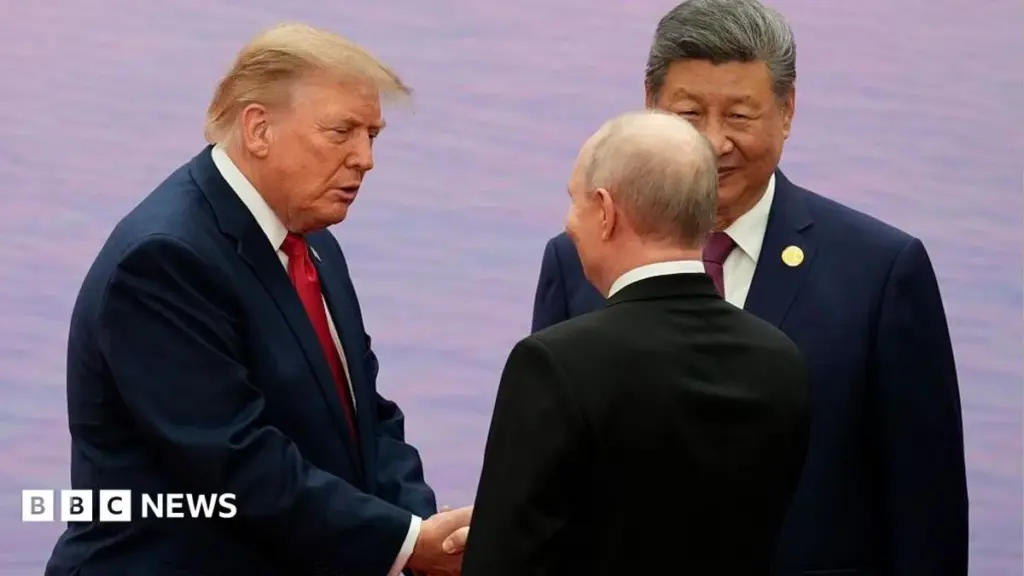
- Xi Jinping is leveraging the Shenzhen summit to project China as the primary architect of global diplomacy, moving beyond its historical role as a secondary power.
- The summit faces significant friction over the ongoing Ukraine conflict, with Beijing struggling to balance its strategic partnership with Moscow against its economic reliance on European markets.
- Nuclear proliferation remains a critical point of contention, as Donald Trump pushes for a trilateral arms control framework that Beijing currently rejects as inequitable.
- The summit's success is vital for Xi’s domestic political agenda ahead of the upcoming Communist Party Congress, where he seeks to secure a historic fourth term.
- Tập Cận Bình đang tận dụng hội nghị thượng đỉnh Thâm Quyến để định vị Trung Quốc như kiến trúc sư trưởng của nền ngoại giao toàn cầu, vượt xa vai trò cường quốc thứ yếu trong lịch sử.
- Hội nghị đối mặt với những rạn nứt đáng kể về cuộc xung đột tại Ukraine, khi Bắc Kinh chật vật cân bằng giữa quan hệ đối tác chiến lược với Moscow và sự phụ thuộc kinh tế vào thị trường châu Âu.
- Phổ biến vũ khí hạt nhân vẫn là điểm tranh cãi then chốt, khi Donald Trump thúc đẩy một khuôn khổ kiểm soát vũ khí ba bên mà Bắc Kinh hiện bác bỏ vì cho rằng thiếu công bằng.
- Sự thành công của hội nghị là yếu tố sống còn đối với chương trình nghị sự chính trị trong nước của ông Tập trước thềm Đại hội Đảng Cộng sản, nơi ông tìm cách củng cố nhiệm kỳ thứ tư đầy lịch sử.
- Xi Jinping utilise le sommet de Shenzhen pour projeter la Chine comme l'architecte principal de la diplomatie mondiale, dépassant son rôle historique de puissance secondaire.
- Le sommet se heurte à des frictions majeures concernant le conflit en Ukraine, Pékin peinant à équilibrer son partenariat stratégique avec Moscou et sa dépendance économique envers les marchés européens.
- La prolifération nucléaire demeure un point de discorde critique, Donald Trump insistant sur un cadre trilatéral de contrôle des armements que Pékin rejette, le jugeant inéquitable.
- Le succès de ce sommet est vital pour l'agenda politique intérieur de Xi avant le prochain Congrès du Parti communiste, où il cherche à sécuriser un quatrième mandat historique.
- Xi Jinping aprovecha la cumbre de Shenzhen para proyectar a China como el principal arquitecto de la diplomacia global, superando su histórico papel como potencia secundaria.
- La cumbre enfrenta una fricción significativa por el conflicto en Ucrania, con Pekín luchando por equilibrar su asociación estratégica con Moscú frente a su dependencia económica de los mercados europeos.
- La proliferación nuclear sigue siendo un punto crítico de discordia, ya que Donald Trump presiona por un marco trilateral de control de armas que Pekín rechaza actualmente por considerarlo inequitativo.
- El éxito de la cumbre es vital para la agenda política interna de Xi antes del próximo Congreso del Partido Comunista, donde busca asegurar un histórico cuarto mandato.
- 习近平正利用深圳峰会,将中国塑造为全球外交的主要架构师,使其超越了传统意义上的二流强权角色。
- 峰会在乌克兰冲突问题上面临巨大摩擦,北京正竭力平衡与莫斯科的战略伙伴关系,以及对欧洲市场的经济依赖。
- 核扩散问题依然是核心争议点,特朗普力推的三边军控框架遭到北京的抵制,中方认为该框架缺乏公平性。
- 此次峰会的成功对于习近平在即将到来的党代会前巩固国内政治议程至关重要,他正寻求实现历史性的第四个任期。
In the gleaming, tech-saturated metropolis of Shenzhen, where driverless vehicles navigate streets lined with robotic infrastructure, a geopolitical theater of unprecedented proportions is unfolding. President Xi Jinping has successfully convened a trilateral summit featuring Donald Trump and Vladimir Putin, a diplomatic feat that signals a definitive shift in the global center of gravity. For decades, the architecture of international relations was drafted in the corridors of Washington, London, and Brussels; today, the venue is a testament to China’s ambition to be the primary arbiter of the global order.
Yet, the optics of this summit are as precarious as they are powerful. While Xi seeks to project an image of stability and statesmanship, he is flanked by two of the most unpredictable figures in modern history. The meeting is ostensibly an economic forum for Asia-Pacific leaders, but the subtext is a raw display of power. For Xi, the summit is an essential instrument of domestic and international branding, designed to showcase China’s influence at a time when its internal economy faces significant headwinds, including persistent youth unemployment and a sluggish growth trajectory.
The Delicate Geometry of the Ukraine Conflict
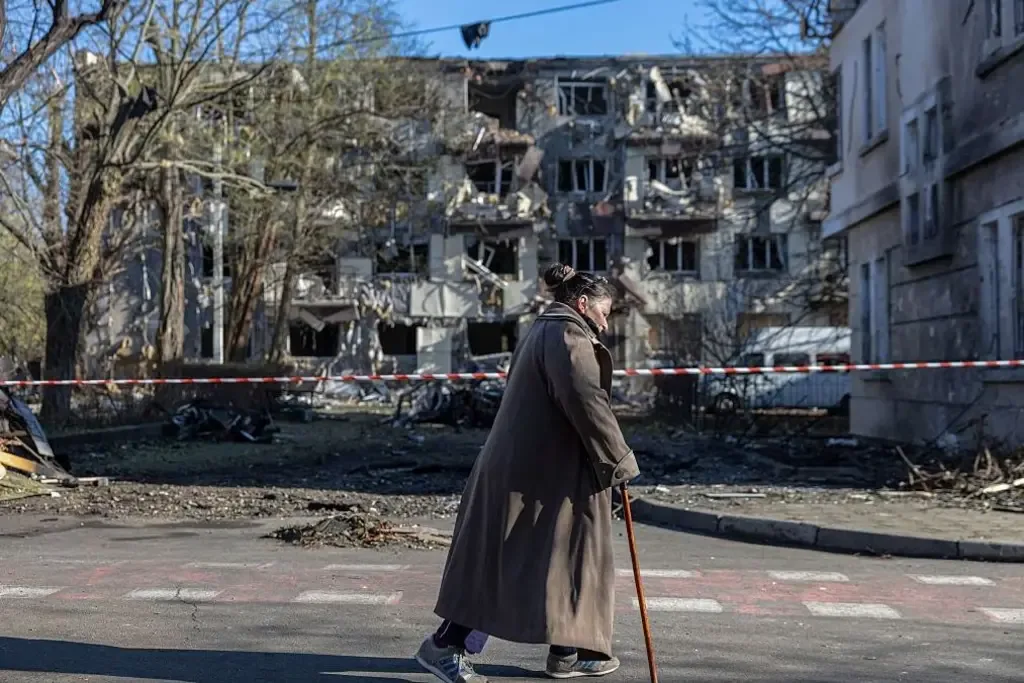
The shadow of the war in Ukraine looms heavily over the Shenzhen proceedings, threatening to expose the fragility of China’s "neutral" stance. Five years into the conflict, the war has become a diplomatic minefield for Beijing. Xi is acutely aware that his "no limits" partnership with Vladimir Putin is a source of profound irritation for the European Union, a vital trading partner that China cannot afford to alienate as it seeks to stimulate its export-driven economy.
Beijing’s strategy has been to call for political settlements while simultaneously providing economic lifelines to Moscow, including the purchase of Russian energy and the supply of dual-use components. This balancing act is increasingly difficult to maintain under the scrutiny of a trilateral summit. Xi is wary of a Russian collapse that would destabilize his northern flank, yet he is equally wary of being permanently tethered to a pariah state that complicates his broader global ambitions. The challenge for Xi is to keep Putin close enough to maintain strategic alignment without allowing Russia’s systemic problems to become China’s own diplomatic liabilities.
Nuclear Proliferation and the Arms Control Impasse
Beyond the immediate theater of war, the summit faces a structural impasse regarding nuclear security. Donald Trump has signaled a clear intent to bring China into a new arms control framework, arguing that the expiration of the New START treaty necessitates a trilateral approach to prevent a runaway global arms race. For Washington, the rapid expansion of China’s nuclear arsenal is a non-negotiable security concern that demands transparency and limitation.
Beijing, however, remains steadfast in its refusal to join such a pact. Xi’s position is rooted in a narrative of historical grievance and strategic necessity: he argues that China’s arsenal is a mere fraction of the combined stockpiles held by the United States and Russia. From Beijing’s perspective, any attempt to cap its capabilities is an effort to freeze China in a position of permanent inferiority. This disagreement highlights a fundamental clash of worldviews—the US views China’s nuclear growth as a threat to global stability, while Beijing views it as a prerequisite for sovereign equality and a necessary deterrent against Western encirclement.
The Architecture of Unpredictability
Perhaps the greatest risk to Xi’s carefully orchestrated summit is the inherent volatility of his guests. Chinese diplomatic protocol is famously rigid, relying on meticulously crafted talking points and choreographed interactions designed to project an image of seamless control. However, both Trump and Putin possess a penchant for improvisation that could easily shatter the facade of a "stable" Chinese-led summit.
Should the conversation veer off-script, Xi risks being reduced from the architect of the event to a mere host, watching as his guests dominate the narrative. Yet, there is a counter-argument: in the eyes of the Chinese public, the mere presence of these two leaders in a Chinese city serves as a powerful propaganda tool. By positioning himself as the calm, rational statesman flanked by two leaders embroiled in intractable conflicts, Xi may be attempting to contrast his own governance model with the perceived chaos of the West and the exhaustion of the Russian state. As he looks toward the upcoming Communist Party Congress and the pursuit of a historic fourth term, this summit serves as a vital validation of his leadership, regardless of whether any substantive policy breakthroughs are achieved.
What to Watch in the Aftermath
As the summit concludes, the world will be watching for any signs of a joint communiqué or a shift in rhetoric regarding the war in Ukraine. While significant outcomes are unlikely, the symbolic impact of the meeting will reverberate through global markets and diplomatic circles for months. The real test for Xi will be whether he can translate this high-stakes meeting into tangible economic benefits or if the summit will be remembered merely as a fleeting moment of diplomatic theater.
For the international community, the focus remains on whether this trilateral format can evolve into a sustainable mechanism for crisis management. If the Shenzhen summit proves anything, it is that the era of Western-led hegemony has effectively ended, replaced by a more complex, multipolar reality where China is no longer just a participant in the global order, but its primary curator. Whether that curator can manage the volatile personalities of his peers remains the defining question of the decade.
Tại đô thị Thâm Quyến lấp lánh, nơi các phương tiện tự lái di chuyển trên những con đường được bao phủ bởi cơ sở hạ tầng robot, một sân khấu địa chính trị với quy mô chưa từng có đang dần lộ diện. Chủ tịch Tập Cận Bình đã thành công trong việc triệu tập một hội nghị thượng đỉnh ba bên với sự tham gia của Donald Trump và Vladimir Putin, một kỳ tích ngoại giao báo hiệu sự thay đổi rõ rệt trong trọng tâm của thế giới. Trong nhiều thập kỷ, kiến trúc của quan hệ quốc tế được phác thảo tại các hành lang của Washington, London và Brussels; ngày nay, địa điểm này là minh chứng cho tham vọng của Trung Quốc trong việc trở thành trọng tài chính của trật tự toàn cầu.
Tuy nhiên, hình ảnh của hội nghị này mong manh cũng như đầy quyền lực. Trong khi ông Tập tìm cách xây dựng hình ảnh về sự ổn định và tư cách chính khách, ông lại bị bao quanh bởi hai trong số những nhân vật khó đoán định nhất trong lịch sử hiện đại. Cuộc gặp gỡ bề ngoài là một diễn đàn kinh tế dành cho các nhà lãnh đạo châu Á-Thái Bình Dương, nhưng ẩn ý bên dưới là một màn phô diễn quyền lực trần trụi. Đối với ông Tập, hội nghị là công cụ thiết yếu để xây dựng thương hiệu trong nước và quốc tế, được thiết kế để phô trương tầm ảnh hưởng của Trung Quốc vào thời điểm nền kinh tế nội địa đối mặt với những cơn gió ngược đáng kể, bao gồm tỷ lệ thất nghiệp ở giới trẻ dai dẳng và quỹ đạo tăng trưởng trì trệ.
Hình học tinh vi của cuộc xung đột Ukraine
Bóng ma của cuộc chiến tại Ukraine bao trùm lên các tiến trình tại Thâm Quyến, đe dọa phơi bày sự mong manh trong lập trường "trung lập" của Trung Quốc. Sau năm năm xung đột, cuộc chiến đã trở thành một bãi mìn ngoại giao đối với Bắc Kinh. Ông Tập nhận thức sâu sắc rằng quan hệ đối tác "không giới hạn" với Vladimir Putin là nguồn cơn gây khó chịu sâu sắc cho Liên minh châu Âu, một đối tác thương mại quan trọng mà Trung Quốc không thể đánh mất khi đang tìm cách kích thích nền kinh tế dựa vào xuất khẩu.
Chiến lược của Bắc Kinh là kêu gọi các giải pháp chính trị trong khi đồng thời cung cấp huyết mạch kinh tế cho Moscow, bao gồm việc mua năng lượng Nga và cung cấp các linh kiện lưỡng dụng. Hành động cân bằng này ngày càng khó duy trì dưới sự giám sát của một hội nghị thượng đỉnh ba bên. Ông Tập lo ngại về một sự sụp đổ của Nga sẽ gây bất ổn cho sườn phía bắc của mình, nhưng ông cũng lo ngại không kém về việc bị gắn chặt vĩnh viễn với một quốc gia bị cô lập, điều gây phức tạp cho các tham vọng toàn cầu rộng lớn hơn của ông. Thách thức đối với ông Tập là giữ cho ông Putin đủ gần để duy trì sự liên kết chiến lược mà không để các vấn đề hệ thống của Nga trở thành gánh nặng ngoại giao của chính Trung Quốc.
Phổ biến hạt nhân và bế tắc kiểm soát vũ khí
Vượt ra ngoài sân khấu chiến tranh trực tiếp, hội nghị đối mặt với sự bế tắc về cấu trúc liên quan đến an ninh hạt nhân. Donald Trump đã phát đi tín hiệu rõ ràng về ý định đưa Trung Quốc vào một khuôn khổ kiểm soát vũ khí mới, với lập luận rằng việc hiệp ước New START hết hạn đòi hỏi một cách tiếp cận ba bên để ngăn chặn một cuộc chạy đua vũ trang toàn cầu mất kiểm soát. Đối với Washington, sự mở rộng nhanh chóng kho vũ khí hạt nhân của Trung Quốc là một mối quan ngại an ninh không thể thương lượng, đòi hỏi sự minh bạch và hạn chế.
Tuy nhiên, Bắc Kinh vẫn kiên định từ chối tham gia một hiệp ước như vậy. Lập trường của ông Tập bắt nguồn từ câu chuyện về nỗi bất bình lịch sử và sự cần thiết chiến lược: ông lập luận rằng kho vũ khí của Trung Quốc chỉ là một phần nhỏ so với tổng kho dự trữ của Hoa Kỳ và Nga. Từ góc độ của Bắc Kinh, bất kỳ nỗ lực nào nhằm giới hạn năng lực của họ đều là nỗ lực nhằm đóng băng Trung Quốc ở vị thế thấp kém vĩnh viễn. Sự bất đồng này làm nổi bật một cuộc đụng độ cơ bản về thế giới quan—Hoa Kỳ coi sự phát triển hạt nhân của Trung Quốc là mối đe dọa đối với sự ổn định toàn cầu, trong khi Bắc Kinh coi đó là điều kiện tiên quyết cho sự bình đẳng chủ quyền và là biện pháp răn đe cần thiết chống lại sự bao vây của phương Tây.
Kiến trúc của sự khó đoán
Có lẽ rủi ro lớn nhất đối với hội nghị được dàn dựng công phu của ông Tập chính là sự biến động vốn có của các vị khách. Nghị định thư ngoại giao Trung Quốc nổi tiếng là cứng nhắc, dựa vào các luận điểm được soạn thảo tỉ mỉ và các tương tác được biên đạo nhằm tạo ra hình ảnh kiểm soát liền mạch. Tuy nhiên, cả Trump và Putin đều có thiên hướng ứng biến, điều có thể dễ dàng đập tan vẻ ngoài của một hội nghị "ổn định" do Trung Quốc dẫn dắt.
Nếu cuộc trò chuyện đi chệch khỏi kịch bản, ông Tập có nguy cơ bị hạ thấp từ kiến trúc sư của sự kiện thành một người chủ nhà đơn thuần, đứng nhìn các vị khách của mình thống trị câu chuyện. Tuy nhiên, có một lập luận phản bác: trong mắt công chúng Trung Quốc, sự hiện diện của hai nhà lãnh đạo này tại một thành phố Trung Quốc đóng vai trò là công cụ tuyên truyền mạnh mẽ. Bằng cách định vị mình là chính khách điềm tĩnh, lý trí bên cạnh hai nhà lãnh đạo đang sa lầy vào các cuộc xung đột nan giải, ông Tập có thể đang cố gắng đối lập mô hình quản trị của mình với sự hỗn loạn được cảm nhận ở phương Tây và sự kiệt quệ của nhà nước Nga. Khi hướng tới Đại hội Đảng Cộng sản sắp tới và việc theo đuổi nhiệm kỳ thứ tư đầy lịch sử, hội nghị này đóng vai trò là sự xác nhận quan trọng cho vai trò lãnh đạo của ông, bất kể có đạt được đột phá chính sách thực chất nào hay không.
Những điều cần theo dõi sau hội nghị
Khi hội nghị kết thúc, thế giới sẽ theo dõi bất kỳ dấu hiệu nào về một thông cáo chung hoặc sự thay đổi trong luận điệu liên quan đến cuộc chiến tại Ukraine. Mặc dù khó có khả năng đạt được những kết quả đáng kể, tác động biểu tượng của cuộc gặp gỡ sẽ vang dội khắp các thị trường toàn cầu và giới ngoại giao trong nhiều tháng. Bài kiểm tra thực sự đối với ông Tập sẽ là liệu ông có thể chuyển hóa cuộc họp đầy rủi ro này thành những lợi ích kinh tế hữu hình hay hội nghị sẽ chỉ được ghi nhớ như một khoảnh khắc thoáng qua của sân khấu ngoại giao.
Đối với cộng đồng quốc tế, trọng tâm vẫn là liệu định dạng ba bên này có thể phát triển thành một cơ chế bền vững để quản lý khủng hoảng hay không. Nếu hội nghị Thâm Quyến chứng minh được điều gì, thì đó chính là kỷ nguyên bá quyền do phương Tây dẫn dắt đã thực sự kết thúc, được thay thế bằng một thực tế đa cực phức tạp hơn, nơi Trung Quốc không còn chỉ là một người tham gia vào trật tự toàn cầu, mà là người quản trị chính của nó. Liệu người quản trị đó có thể kiểm soát được những cá tính đầy biến động của các đối tác hay không vẫn là câu hỏi định hình của cả thập kỷ.
Dans la métropole étincelante et saturée de technologie de Shenzhen, où des véhicules autonomes sillonnent des rues bordées d'infrastructures robotisées, se joue un théâtre géopolitique d'une ampleur inédite. Le président Xi Jinping a réussi à réunir un sommet trilatéral avec Donald Trump et Vladimir Poutine, un exploit diplomatique qui marque un basculement définitif du centre de gravité mondial. Pendant des décennies, l'architecture des relations internationales a été dessinée dans les couloirs de Washington, Londres et Bruxelles ; aujourd'hui, le lieu témoigne de l'ambition de la Chine de devenir l'arbitre principal de l'ordre mondial.
Pourtant, l'optique de ce sommet est aussi précaire qu'elle est puissante. Tandis que Xi cherche à projeter une image de stabilité et de stature d'homme d'État, il est flanqué de deux des figures les plus imprévisibles de l'histoire moderne. La réunion est officiellement un forum économique pour les dirigeants de l'Asie-Pacifique, mais le sous-texte est une démonstration brute de puissance. Pour Xi, le sommet est un instrument essentiel de branding national et international, conçu pour mettre en valeur l'influence de la Chine à un moment où son économie intérieure fait face à des vents contraires importants, notamment un chômage persistant des jeunes et une trajectoire de croissance atone.
La géométrie délicate du conflit ukrainien
L'ombre de la guerre en Ukraine plane lourdement sur les débats de Shenzhen, menaçant de mettre à nu la fragilité de la position « neutre » de la Chine. Cinq ans après le début du conflit, la guerre est devenue un champ de mines diplomatique pour Pékin. Xi est parfaitement conscient que son partenariat « sans limites » avec Vladimir Poutine est une source d'irritation profonde pour l'Union européenne, un partenaire commercial vital que la Chine ne peut se permettre d'aliéner alors qu'elle cherche à stimuler son économie tournée vers l'exportation.
La stratégie de Pékin a consisté à appeler à des règlements politiques tout en fournissant simultanément des bouées de sauvetage économiques à Moscou, notamment par l'achat d'énergie russe et la fourniture de composants à double usage. Cet exercice d'équilibriste est de plus en plus difficile à maintenir sous le regard scrutateur d'un sommet trilatéral. Xi se méfie d'un effondrement russe qui déstabiliserait son flanc nord, mais il craint tout autant d'être lié de façon permanente à un État paria qui complique ses ambitions mondiales plus larges. Le défi pour Xi est de garder Poutine assez proche pour maintenir un alignement stratégique sans permettre aux problèmes systémiques de la Russie de devenir ses propres passifs diplomatiques.
Prolifération nucléaire et impasse du contrôle des armements
Au-delà du théâtre immédiat de la guerre, le sommet fait face à une impasse structurelle concernant la sécurité nucléaire. Donald Trump a clairement fait part de son intention d'intégrer la Chine dans un nouveau cadre de contrôle des armements, arguant que l'expiration du traité New START nécessite une approche trilatérale pour empêcher une course aux armements mondiale incontrôlée. Pour Washington, l'expansion rapide de l'arsenal nucléaire chinois est une préoccupation de sécurité non négociable qui exige transparence et limitation.
Pékin, cependant, reste inflexible dans son refus de rejoindre un tel pacte. La position de Xi est enracinée dans un récit de griefs historiques et de nécessité stratégique : il soutient que l'arsenal de la Chine ne représente qu'une fraction des stocks combinés détenus par les États-Unis et la Russie. Du point de vue de Pékin, toute tentative de plafonner ses capacités est un effort pour maintenir la Chine dans une position d'infériorité permanente. Ce désaccord souligne un choc fondamental de visions du monde : les États-Unis perçoivent la croissance nucléaire de la Chine comme une menace pour la stabilité mondiale, tandis que Pékin la considère comme une condition préalable à l'égalité souveraine et un moyen de dissuasion nécessaire contre l'encerclement occidental.
L'architecture de l'imprévisibilité
Le plus grand risque pour le sommet si soigneusement orchestré par Xi est peut-être la volatilité inhérente à ses invités. Le protocole diplomatique chinois est notoirement rigide, s'appuyant sur des points de discussion méticuleusement élaborés et des interactions chorégraphiées conçues pour projeter une image de contrôle sans faille. Cependant, Trump comme Poutine possèdent un penchant pour l'improvisation qui pourrait facilement briser la façade d'un sommet « stable » dirigé par la Chine.
Si la conversation devait s'écarter du script, Xi risquerait d'être réduit du rang d'architecte de l'événement à celui de simple hôte, observant ses invités dominer le récit. Pourtant, il existe un contre-argument : aux yeux du public chinois, la simple présence de ces deux dirigeants dans une ville chinoise sert d'outil de propagande puissant. En se positionnant comme l'homme d'État calme et rationnel flanqué de deux dirigeants empêtrés dans des conflits insolubles, Xi tente peut-être de contraster son propre modèle de gouvernance avec le chaos perçu de l'Occident et l'épuisement de l'État russe. Alors qu'il se tourne vers le prochain Congrès du Parti communiste et la poursuite d'un quatrième mandat historique, ce sommet sert de validation vitale de son leadership, indépendamment de toute percée politique substantielle.
Ce qu'il faudra surveiller après le sommet
À la clôture du sommet, le monde sera à l'affût de tout signe de communiqué conjoint ou d'un changement de rhétorique concernant la guerre en Ukraine. Bien que des résultats significatifs soient peu probables, l'impact symbolique de la rencontre résonnera sur les marchés mondiaux et dans les cercles diplomatiques pendant des mois. Le véritable test pour Xi sera de savoir s'il peut traduire cette réunion à enjeux élevés en avantages économiques tangibles ou si le sommet restera dans les mémoires comme un simple moment de théâtre diplomatique.
Pour la communauté internationale, l'attention reste portée sur la capacité de ce format trilatéral à évoluer vers un mécanisme durable de gestion de crise. Si le sommet de Shenzhen prouve quelque chose, c'est que l'ère de l'hégémonie occidentale a effectivement pris fin, remplacée par une réalité multipolaire plus complexe où la Chine n'est plus seulement un participant à l'ordre mondial, mais son conservateur principal. Reste à savoir si ce conservateur pourra gérer les personnalités volatiles de ses pairs, ce qui demeure la question déterminante de la décennie.
En la brillante y tecnificada metrópolis de Shenzhen, donde vehículos sin conductor recorren calles flanqueadas por infraestructuras robóticas, se desarrolla un teatro geopolítico de proporciones sin precedentes. El presidente Xi Jinping ha logrado convocar una cumbre trilateral que cuenta con la presencia de Donald Trump y Vladímir Putin, una proeza diplomática que señala un cambio definitivo en el centro de gravedad global. Durante décadas, la arquitectura de las relaciones internacionales se redactaba en los pasillos de Washington, Londres y Bruselas; hoy, el escenario es un testimonio de la ambición de China por convertirse en el principal árbitro del orden mundial.
Sin embargo, la óptica de esta cumbre es tan precaria como poderosa. Mientras Xi busca proyectar una imagen de estabilidad y estadismo, se encuentra flanqueado por dos de las figuras más impredecibles de la historia moderna. La reunión es, en apariencia, un foro económico para los líderes de Asia-Pacífico, pero el subtexto es una cruda exhibición de poder. Para Xi, la cumbre es un instrumento esencial de marca nacional e internacional, diseñado para mostrar la influencia de China en un momento en que su economía interna enfrenta importantes vientos en contra, incluyendo un desempleo juvenil persistente y una trayectoria de crecimiento lenta.
La delicada geometría del conflicto en Ucrania
La sombra de la guerra en Ucrania se cierne pesadamente sobre los procedimientos de Shenzhen, amenazando con exponer la fragilidad de la postura "neutral" de China. Cinco años después del inicio del conflicto, la guerra se ha convertido en un campo de minas diplomático para Pekín. Xi es plenamente consciente de que su asociación "sin límites" con Vladímir Putin es una fuente de profunda irritación para la Unión Europea, un socio comercial vital al que China no puede permitirse alienar mientras busca estimular su economía orientada a la exportación.
La estrategia de Pekín ha consistido en pedir acuerdos políticos mientras, simultáneamente, proporciona salvavidas económicos a Moscú, incluyendo la compra de energía rusa y el suministro de componentes de doble uso. Este acto de equilibrio es cada vez más difícil de mantener bajo el escrutinio de una cumbre trilateral. Xi teme un colapso ruso que desestabilizaría su flanco norte, pero teme igualmente quedar permanentemente atado a un Estado paria que complica sus ambiciones globales más amplias. El desafío para Xi es mantener a Putin lo suficientemente cerca para preservar la alineación estratégica sin permitir que los problemas sistémicos de Rusia se conviertan en sus propias responsabilidades diplomáticas.
La proliferación nuclear y el estancamiento del control de armas
Más allá del teatro inmediato de la guerra, la cumbre enfrenta un estancamiento estructural respecto a la seguridad nuclear. Donald Trump ha señalado una clara intención de integrar a China en un nuevo marco de control de armas, argumentando que la expiración del tratado New START hace necesario un enfoque trilateral para evitar una carrera armamentista global descontrolada. Para Washington, la rápida expansión del arsenal nuclear de China es una preocupación de seguridad innegociable que exige transparencia y limitación.
Pekín, sin embargo, se mantiene firme en su negativa a unirse a tal pacto. La posición de Xi se basa en una narrativa de agravio histórico y necesidad estratégica: argumenta que el arsenal de China es solo una fracción de las reservas combinadas que poseen Estados Unidos y Rusia. Desde la perspectiva de Pekín, cualquier intento de limitar sus capacidades es un esfuerzo por congelar a China en una posición de inferioridad permanente. Este desacuerdo subraya un choque fundamental de visiones del mundo: Estados Unidos ve el crecimiento nuclear de China como una amenaza a la estabilidad global, mientras que Pekín lo ve como un requisito previo para la igualdad soberana y un elemento de disuasión necesario contra el cerco occidental.
La arquitectura de la imprevisibilidad
Quizás el mayor riesgo para la cumbre cuidadosamente orquestada por Xi sea la volatilidad inherente de sus invitados. El protocolo diplomático chino es famosamente rígido, basándose en puntos de conversación meticulosamente elaborados e interacciones coreografiadas diseñadas para proyectar una imagen de control absoluto. Sin embargo, tanto Trump como Putin poseen una inclinación por la improvisación que podría romper fácilmente la fachada de una cumbre "estable" liderada por China.
Si la conversación se desvía del guion, Xi corre el riesgo de ser reducido de arquitecto del evento a un simple anfitrión, observando cómo sus invitados dominan la narrativa. No obstante, existe un contraargumento: a ojos del público chino, la mera presencia de estos dos líderes en una ciudad china sirve como una poderosa herramienta de propaganda. Al posicionarse como el estadista tranquilo y racional flanqueado por dos líderes envueltos en conflictos intratables, Xi puede estar intentando contrastar su propio modelo de gobernanza con el caos percibido de Occidente y el agotamiento del Estado ruso. Mientras mira hacia el próximo Congreso del Partido Comunista y la búsqueda de un histórico cuarto mandato, esta cumbre sirve como una validación vital de su liderazgo, independientemente de si se logran avances políticos sustanciales.
Qué observar tras la cumbre
A medida que concluye la cumbre, el mundo estará atento a cualquier señal de un comunicado conjunto o un cambio en la retórica respecto a la guerra en Ucrania. Aunque es poco probable que se produzcan resultados significativos, el impacto simbólico de la reunión resonará en los mercados globales y los círculos diplomáticos durante meses. La verdadera prueba para Xi será si puede traducir esta reunión de alto riesgo en beneficios económicos tangibles o si la cumbre será recordada simplemente como un momento fugaz de teatro diplomático.
Para la comunidad internacional, el enfoque sigue siendo si este formato trilateral puede evolucionar hacia un mecanismo sostenible de gestión de crisis. Si la cumbre de Shenzhen demuestra algo, es que la era de la hegemonía liderada por Occidente ha terminado efectivamente, reemplazada por una realidad multipolar más compleja donde China ya no es solo un participante en el orden global, sino su principal curador. Si ese curador puede gestionar las personalidades volátiles de sus pares sigue siendo la pregunta definitoria de la década.
在深圳这座闪耀着科技光芒、街道上穿梭着无人驾驶车辆并布满机器人基础设施的都市中,一场前所未有的地缘政治大戏正在上演。习近平主席成功召集了唐纳德·特朗普与弗拉基米尔·普京举行三边峰会,这一外交壮举标志着全球重心发生了决定性的偏移。几十年来,国际关系的架构蓝图始终在华盛顿、伦敦和布鲁塞尔的走廊中勾勒;而今,深圳成为了中国渴望成为全球秩序主要仲裁者的最佳见证。
然而,这场峰会的视觉呈现既充满力量,也极其脆弱。尽管习近平试图投射出稳定与政治家的形象,但他身旁却簇拥着现代史上最不可预测的两位人物。这场会议表面上是亚太领导人的经济论坛,但其潜台词却是一场赤裸裸的权力展示。对于习近平而言,峰会是国内和国际品牌塑造的重要工具,旨在展示中国的影响力,尤其是在其国内经济面临青年失业率居高不下、增长轨迹迟缓等重大阻力之际。
乌克兰冲突的微妙几何学
乌克兰战争的阴影笼罩着深圳的议程,威胁着要揭开中国所谓“中立”立场下的脆弱性。冲突爆发五年后,这场战争已成为北京外交上的雷区。习近平深知,他与普京之间“无上限”的伙伴关系是欧盟深感不满的源头,而欧盟作为中国至关重要的贸易伙伴,在出口导向型经济亟需提振的当下,中国无法承受与其疏远的代价。
北京的策略一直是呼吁政治解决,同时向莫斯科提供经济生命线,包括购买俄罗斯能源和供应军民两用零部件。在三边峰会的审视下,这种平衡术变得愈发难以维持。习近平既担心俄罗斯的崩溃会动摇其北方防线,又同样担心被永久地束缚在一个使他更广泛的全球雄心复杂化的“流氓国家”身上。习近平面临的挑战在于,既要与普京保持足够的亲近以维持战略协同,又要避免俄罗斯的系统性问题演变为中国自身的外交负债。
核扩散与军控僵局
除了眼前的战争舞台,峰会在核安全问题上也面临结构性僵局。特朗普已明确表示意图将中国纳入新的军控框架,认为《新削减战略武器条约》(New START)的失效使得三边方案成为防止全球军备竞赛失控的必要手段。对华盛顿而言,中国核武库的迅速扩张是一个不可妥协的安全关切,要求透明度与限制。
然而,北京始终坚定拒绝加入此类条约。习近平的立场植根于历史积怨与战略必要性的叙事:他认为中国的核武库仅是美俄总库存的一小部分。从北京的角度来看,任何限制其能力的企图都是为了将中国永久冻结在劣势地位。这种分歧凸显了世界观的根本冲突——美国将中国的核增长视为对全球稳定的威胁,而北京则将其视为实现主权平等和抵御西方包围的必要威慑。
不可预测性的架构
也许习近平精心策划的峰会所面临的最大风险,在于其客人的内在波动性。中国的外交礼仪以刻板著称,依赖于精心打磨的谈话要点和旨在投射无缝控制形象的编排互动。然而,特朗普和普京都有即兴发挥的倾向,这极易粉碎中国主导的“稳定”峰会的表象。
如果对话偏离了剧本,习近平就有可能从活动的架构师沦为单纯的东道主,眼睁睁看着客人们主导叙事。然而,也有反面观点认为:在广大中国民众眼中,这两位领导人出现在中国城市本身就是一种强有力的宣传工具。通过将自己定位为冷静、理性的政治家,并置身于两位深陷棘手冲突的领导人之间,习近平或许正试图将自己的治理模式与西方感知的混乱及俄罗斯国家的疲态形成鲜明对比。随着他展望即将到来的党代会并寻求历史性的第四个任期,无论是否取得实质性的政策突破,此次峰会都将成为对其领导地位的重要背书。
后续观察重点
随着峰会落下帷幕,世界将密切关注任何关于联合公报的迹象,或是在乌克兰战争问题上措辞的转变。虽然不太可能出现重大成果,但此次会议的象征意义将在未来数月内持续震荡全球市场与外交圈。对习近平而言,真正的考验在于他能否将这场高风险会议转化为切实的经济利益,还是说这场峰会最终只会作为外交舞台上的一瞬昙花而被人们遗忘。
对于国际社会而言,焦点依然在于这种三边模式能否演变为一种可持续的危机管理机制。如果说深圳峰会证明了什么,那就是西方主导的霸权时代已经有效终结,取而代之的是一个更加复杂、多极化的现实,在这个现实中,中国不再仅仅是全球秩序的参与者,而是其主要的策展人。这位策展人能否驾驭其同僚们变幻莫测的个性,依然是本世纪这十年最具决定性的问题。
Editorial Standards & Multi-Language Synthesis: This dispatch was synthesized and fact-checked by the ParisDaily Editorial Desk across 5 global editions (EN, FR, VI, ES, ZH), cross-referencing primary international wire reports and real-time search intelligence.