安培林影业的幕后建筑师:缅怀现代电影巨匠杰拉德·R·莫伦
Gerald R. Molen, the Oscar-winning producer who helped define the scale and heart of Steven Spielberg’s filmography, has passed away at 91. His career trajectory from studio hand to industry legend remains a blueprint for Hollywood craftsmanship.
Gerald R. Molen, nhà sản xuất từng đoạt giải Oscar, người đã góp phần định hình quy mô và linh hồn cho các tác phẩm của Steven Spielberg, vừa qua đời ở tuổi 91. Hành trình sự nghiệp của ông, từ một nhân viên trường quay trở thành huyền thoại trong ngành, vẫn mãi là bản thiết kế mẫu mực cho sự chuyên nghiệp tại Hollywood.
Gerald R. Molen, producteur oscarisé qui a contribué à définir l'envergure et l'âme de la filmographie de Steven Spielberg, s'est éteint à l'âge de 91 ans. Son parcours, de simple employé de studio à légende de l'industrie, demeure un modèle absolu de savoir-faire hollywoodien.
Gerald R. Molen, el productor ganador del Oscar que ayudó a definir la escala y el corazón de la filmografía de Steven Spielberg, ha fallecido a los 91 años. Su trayectoria, desde sus inicios en los estudios hasta convertirse en una leyenda de la industria, sigue siendo un modelo de maestría artesanal en Hollywood.
曾助力史蒂文·斯皮尔伯格定义电影规模与情感内核的奥斯卡获奖制片人杰拉德·R·莫伦(Gerald R. Molen)于近日辞世,享年91岁。他从片场基层一路成长为行业传奇的职业轨迹,至今仍是好莱坞专业匠人精神的典范。
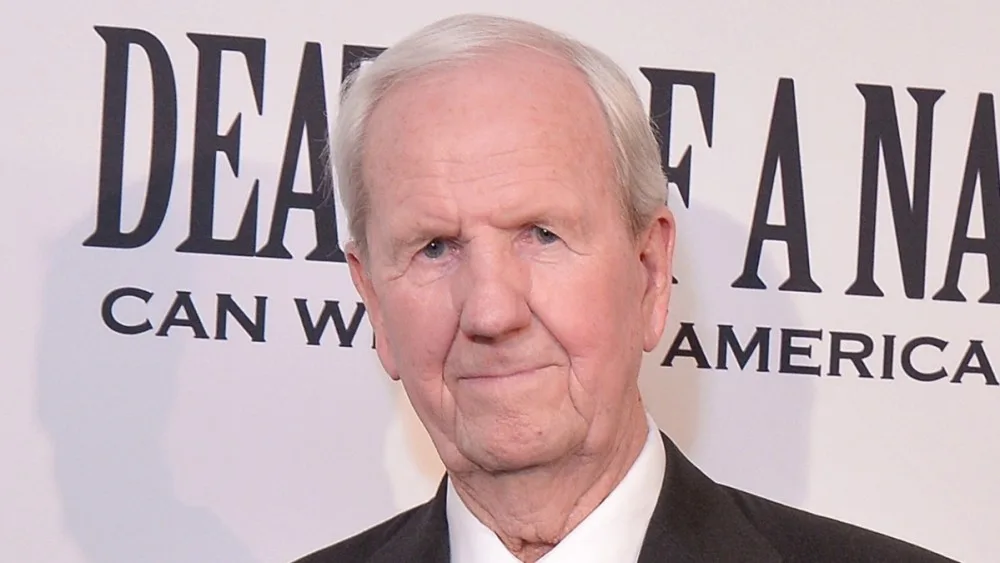
- Gerald R. Molen served as a pivotal producer for Steven Spielberg, winning a Best Picture Oscar for 'Schindler's List' in 1994.
- His filmography includes era-defining blockbusters such as 'Jurassic Park,' 'Hook,' and 'Twister,' alongside critical dramas.
- Molen’s career began in the trenches of studio production, moving from set logistics to executive production over several decades.
- His passing marks the end of a foundational era for Amblin Entertainment, where he helped shape the studio's mid-90s golden age.
- Gerald R. Molen là nhà sản xuất then chốt của Steven Spielberg, từng giành giải Oscar cho Phim hay nhất với tác phẩm 'Schindler's List' vào năm 1994.
- Danh mục phim của ông bao gồm những bom tấn định hình thời đại như 'Jurassic Park', 'Hook' và 'Twister', bên cạnh các bộ phim chính luận được giới phê bình đánh giá cao.
- Sự nghiệp của Molen bắt đầu từ những công việc cơ bản nhất tại trường quay, dần dần thăng tiến từ khâu hậu cần lên vị trí sản xuất điều hành trong suốt nhiều thập kỷ.
- Sự ra đi của ông đánh dấu sự kết thúc của một kỷ nguyên nền tảng tại Amblin Entertainment, nơi ông đã góp phần tạo nên thời kỳ hoàng kim của hãng vào giữa thập niên 90.
- Gerald R. Molen fut un producteur pivot pour Steven Spielberg, remportant l'Oscar du meilleur film pour "La Liste de Schindler" en 1994.
- Sa filmographie inclut des blockbusters emblématiques tels que "Jurassic Park", "Hook" et "Twister", ainsi que des drames salués par la critique.
- La carrière de Molen a débuté sur le terrain, passant de la logistique de plateau à la production exécutive au fil des décennies.
- Sa disparition marque la fin d'une ère fondatrice pour Amblin Entertainment, dont il a contribué à façonner l'âge d'or au milieu des années 90.
- Gerald R. Molen fue un productor fundamental para Steven Spielberg, ganando el Oscar a la Mejor Película por 'La lista de Schindler' en 1994.
- Su filmografía incluye éxitos de taquilla que marcaron una era, como 'Jurassic Park', 'Hook' y 'Twister', además de dramas aclamados por la crítica.
- La carrera de Molen comenzó en las trincheras de la producción, ascendiendo desde la logística de rodaje hasta la producción ejecutiva a lo largo de varias décadas.
- Su fallecimiento marca el fin de una era fundacional para Amblin Entertainment, donde ayudó a dar forma a la edad de oro del estudio a mediados de los años 90.
- 杰拉德·R·莫伦是史蒂文·斯皮尔伯格的核心制片人,曾凭借《辛德勒的名单》于1994年荣获奥斯卡最佳影片奖。
- 他的作品列表涵盖了《侏罗纪公园》、《铁钩船长》和《龙卷风》等定义时代的商业大片,以及多部备受赞誉的剧情片。
- 莫伦的职业生涯始于片场一线,历经数十年的摸爬滚打,从负责物流调度逐步晋升为执行制片人。
- 他的离世标志着安培林娱乐公司(Amblin Entertainment)一个奠基时代的终结,他曾在此助力塑造了该制片厂90年代的黄金时期。
In the high-stakes ecosystem of Hollywood, where the line between artistic vision and logistical reality is often blurred, Gerald R. Molen stood as a rare bridge. As a producer, he possessed the unique, quiet authority required to translate the sprawling, often impossible ambitions of Steven Spielberg into the tangible, cinematic marvels that defined the late 20th century. His passing at the age of 91, confirmed by his family this week, closes a chapter on a career that was as much about the grit of the studio lot as it was about the glamour of the Academy Awards.
Molen was not merely a financier or a name on a credit roll; he was a foundational architect of the Amblin Entertainment aesthetic. From the prehistoric spectacle of Jurassic Park to the harrowing, monochromatic gravity of Schindler’s List, Molen’s fingerprints are found on the films that shaped the cultural consciousness of multiple generations. His journey—from a young man moving set pieces in North Hollywood to standing on the stage at the Dorothy Chandler Pavilion—serves as a poignant reminder of the traditional, meritocratic path that once defined the industry’s internal hierarchy.
From the Studio Lot to the Academy Stage
The narrative of Gerald R. Molen is one of steady, deliberate ascent. Born in Montana in 1935, his proximity to the industry began in the shadow of the Republic Pictures lot in Studio City, where his parents operated a local cafe. This early exposure to the machinery of filmmaking provided him with a grounded perspective that would later distinguish his management style. He did not enter the industry through the halls of elite film schools; he entered through the loading docks, learning the physical reality of production—the logistics of transport, the timing of set construction, and the management of human resources—before ever stepping into a producer’s office.
His partnership with Steven Spielberg began in 1985 on The Color Purple, where Molen served as a unit production manager. It was a role that demanded precision and an unflappable temperament, qualities that clearly resonated with Spielberg. By the time they collaborated on 1987’s *batteries not included, the professional bond had solidified into a creative partnership. This synergy culminated in the 1994 Academy Award for Best Picture for Schindler’s List, a project that required not only immense logistical coordination but also a profound sense of moral responsibility. Sharing the golden statuette with Spielberg and Branko Lustig, Molen cemented his place in film history as a producer who could handle the weight of history as deftly as he handled the spectacle of dinosaurs.
Defining the Amblin Era
To look at Molen’s filmography is to look at the evolution of the modern blockbuster. Throughout the 1990s, he was an essential cog in the Amblin machine, overseeing projects that balanced technical innovation with populist appeal. His work on Jurassic Park (1993) and its sequel The Lost World (1997) showcased his ability to manage groundbreaking visual effects at a time when the industry was transitioning from practical sets to the digital frontier. Simultaneously, he produced films like The Flintstones, Casper, and Twister, demonstrating a versatility that allowed him to pivot between high-concept family entertainment and intense, disaster-driven thrillers.
This period was characterized by a specific type of Hollywood craftsmanship—one that valued the "water cooler moment" and the communal experience of the theater. Molen understood that a film’s success was not just in its script, but in the seamless execution of its production. Whether he was navigating the complexities of a period drama or the technical nightmares of a blockbuster, his reputation was that of a man of "high integrity," as noted by his family. He was the steady hand on the tiller, ensuring that the creative visions of directors were realized without compromising the fiscal or logistical integrity of the production.
A Legacy of Professionalism and Grace
Beyond the accolades and the box office records, Molen’s legacy is defined by his longevity and his consistency. In an industry notorious for its volatility and the rapid turnover of its power players, Molen remained a constant presence for nearly four decades. His later work, including The Meg and The Best Christmas Pageant Ever, proved that his instincts for the market remained sharp well into his later years. He remained active, proving that the "old school" approach to production—rooted in hard work, respect for the crew, and a deep understanding of the craft—never truly goes out of style.
The industry’s reaction to his passing has been one of profound respect, reflecting a collective recognition of a man who represented the best of the studio system. As Hollywood continues to grapple with the seismic shifts brought on by streaming, AI, and the changing nature of theatrical distribution, the loss of a figure like Molen feels particularly significant. He was a link to a time when the producer was the ultimate steward of the film, a role that required both a business mind and a creative heart. As the industry looks toward an uncertain future, the career of Gerald R. Molen stands as a testament to the enduring power of classic, disciplined filmmaking.
The Future of the Producer’s Role
As we reflect on Molen’s contributions, the industry is currently in the midst of a recalibration. With major studios increasingly reliant on international markets and the pressure to create global, cross-platform content, the lessons of Molen’s career—specifically his ability to manage massive, multi-national productions—are more relevant than ever. The "big investments" mentioned by analysts today are the direct descendants of the risks Molen took in the 90s. He proved that with the right leadership, even the most ambitious projects could be brought to fruition with both artistic merit and commercial viability.
Moving forward, the void left by producers of Molen’s caliber will be felt in the boardrooms and on the sets of the next generation of blockbusters. His life, which spanned from the post-war golden age of Hollywood to the digital age of global streaming, serves as a masterclass in adaptation and resilience. While the technology of film will continue to evolve, the necessity for the kind of steady, principled leadership that Gerald R. Molen provided remains the bedrock upon which all great cinema is built. He leaves behind not just a catalog of iconic films, but a blueprint for how to navigate the complex, often chaotic world of professional filmmaking with dignity and success.
Trong hệ sinh thái đầy rủi ro của Hollywood, nơi ranh giới giữa tầm nhìn nghệ thuật và thực tế hậu cần thường bị xóa nhòa, Gerald R. Molen là một chiếc cầu nối hiếm có. Với tư cách là một nhà sản xuất, ông sở hữu uy quyền tĩnh lặng, độc nhất vô nhị để chuyển hóa những tham vọng bao quát và đôi khi là bất khả thi của Steven Spielberg thành những kỳ quan điện ảnh hữu hình, định nghĩa nên giai đoạn cuối thế kỷ 20. Sự ra đi của ông ở tuổi 91, được gia đình xác nhận trong tuần này, đã khép lại một chương sự nghiệp gắn liền với cả sự gai góc của trường quay lẫn hào quang của giải thưởng Viện hàn lâm.
Molen không chỉ là một nhà tài chính hay một cái tên trên danh đề; ông là kiến trúc sư nền tảng cho thẩm mỹ của Amblin Entertainment. Từ cảnh tượng thời tiền sử của Jurassic Park cho đến sự khắc nghiệt, đơn sắc đầy ám ảnh của Schindler’s List, dấu ấn của Molen hiện diện trong những bộ phim đã định hình ý thức văn hóa của nhiều thế hệ. Hành trình của ông—từ một chàng trai trẻ khuân vác đạo cụ ở North Hollywood đến khi đứng trên sân khấu tại Dorothy Chandler Pavilion—là lời nhắc nhở sâu sắc về con đường truyền thống, trọng dụng nhân tài từng xác lập nên hệ thống phân cấp nội bộ của ngành công nghiệp này.
Từ trường quay đến sân khấu Viện hàn lâm
Câu chuyện về Gerald R. Molen là một quá trình thăng tiến bền bỉ và đầy chủ đích. Sinh ra tại Montana vào năm 1935, sự gắn kết của ông với ngành điện ảnh bắt đầu từ cái bóng của trường quay Republic Pictures ở Studio City, nơi cha mẹ ông điều hành một quán cà phê địa phương. Sự tiếp xúc sớm với bộ máy làm phim đã mang lại cho ông góc nhìn thực tế, điều sau này tạo nên phong cách quản lý khác biệt. Ông không bước vào ngành qua những ngôi trường điện ảnh danh giá; ông bước vào từ các bến bốc dỡ hàng, học hỏi thực tế vật chất của quá trình sản xuất—từ hậu cần vận chuyển, thời gian dựng cảnh cho đến quản lý nhân sự—trước khi đặt chân vào văn phòng nhà sản xuất.
Sự hợp tác của ông với Steven Spielberg bắt đầu vào năm 1985 với The Color Purple, nơi Molen đảm nhận vai trò quản lý sản xuất đơn vị. Đó là một vai trò đòi hỏi sự chính xác và khí chất điềm tĩnh, những phẩm chất rõ ràng đã gây ấn tượng mạnh với Spielberg. Đến khi họ hợp tác trong bộ phim *batteries not included năm 1987, mối quan hệ chuyên môn đã trở thành sự hợp tác sáng tạo bền chặt. Sự cộng hưởng này đạt đỉnh cao với giải Oscar cho Phim hay nhất năm 1994 dành cho Schindler’s List, một dự án không chỉ đòi hỏi sự phối hợp hậu cần khổng lồ mà còn cần một tinh thần trách nhiệm đạo đức sâu sắc. Chia sẻ bức tượng vàng với Spielberg và Branko Lustig, Molen đã củng cố vị thế của mình trong lịch sử điện ảnh như một nhà sản xuất có thể gánh vác sức nặng của lịch sử cũng khéo léo như cách ông xử lý những cảnh tượng khủng long kỳ vĩ.
Định hình kỷ nguyên Amblin
Nhìn vào danh mục phim của Molen chính là nhìn vào sự tiến hóa của dòng phim bom tấn hiện đại. Trong suốt thập niên 1990, ông là mắt xích thiết yếu trong cỗ máy Amblin, giám sát các dự án cân bằng giữa đổi mới kỹ thuật và thị hiếu đại chúng. Công việc của ông trong Jurassic Park (1993) và phần tiếp theo The Lost World (1997) đã thể hiện khả năng quản lý các hiệu ứng hình ảnh đột phá vào thời điểm ngành công nghiệp đang chuyển mình từ bối cảnh thực tế sang kỷ nguyên kỹ thuật số. Đồng thời, ông sản xuất những bộ phim như The Flintstones, Casper và Twister, cho thấy sự linh hoạt cho phép ông chuyển đổi giữa các tác phẩm giải trí gia đình cao cấp và những bộ phim kinh dị về thảm họa đầy kịch tính.
Giai đoạn này được đặc trưng bởi một loại hình thủ công Hollywood cụ thể—loại hình coi trọng "khoảnh khắc bàn tán" và trải nghiệm cộng đồng tại rạp chiếu. Molen hiểu rằng thành công của một bộ phim không chỉ nằm ở kịch bản, mà còn ở sự thực thi liền mạch trong quá trình sản xuất. Dù đang điều hướng sự phức tạp của một bộ phim chính luận cổ trang hay những cơn ác mộng kỹ thuật của một bom tấn, danh tiếng của ông vẫn là một người đàn ông "liêm chính cao độ", như gia đình ông đã ghi nhận. Ông là bàn tay vững chãi trên bánh lái, đảm bảo rằng tầm nhìn sáng tạo của các đạo diễn được hiện thực hóa mà không làm tổn hại đến tính toàn vẹn về tài chính hay hậu cần của sản xuất.
Di sản của sự chuyên nghiệp và tử tế
Vượt lên trên những giải thưởng và kỷ lục phòng vé, di sản của Molen được định nghĩa bởi sự bền bỉ và nhất quán. Trong một ngành công nghiệp nổi tiếng với sự biến động và sự thay đổi nhanh chóng của những người nắm quyền, Molen vẫn là một sự hiện diện không đổi trong gần bốn thập kỷ. Các tác phẩm sau này của ông, bao gồm The Meg và The Best Christmas Pageant Ever, đã chứng minh rằng bản năng thị trường của ông vẫn sắc bén ngay cả khi đã về già. Ông vẫn tích cực làm việc, chứng minh rằng cách tiếp cận sản xuất "trường phái cũ"—bắt nguồn từ sự chăm chỉ, tôn trọng ê-kíp và hiểu biết sâu sắc về nghề—không bao giờ thực sự lỗi thời.
Phản ứng của ngành công nghiệp trước sự ra đi của ông là sự tôn trọng sâu sắc, phản ánh sự công nhận tập thể dành cho một người đại diện cho những gì tốt đẹp nhất của hệ thống studio. Khi Hollywood tiếp tục vật lộn với những thay đổi địa chấn do streaming, AI và bản chất thay đổi của việc phát hành tại rạp, sự mất mát một nhân vật như Molen mang ý nghĩa đặc biệt quan trọng. Ông là sợi dây kết nối với một thời đại mà nhà sản xuất là người quản gia tối cao của bộ phim, một vai trò đòi hỏi cả tư duy kinh doanh lẫn trái tim nghệ thuật. Khi ngành công nghiệp hướng tới một tương lai bất định, sự nghiệp của Gerald R. Molen đứng vững như một minh chứng cho sức mạnh bền bỉ của nghệ thuật làm phim cổ điển, kỷ luật.
Tương lai của vai trò nhà sản xuất
Khi chúng ta suy ngẫm về những đóng góp của Molen, ngành công nghiệp hiện đang ở giữa quá trình tái cân chỉnh. Với việc các studio lớn ngày càng phụ thuộc vào thị trường quốc tế và áp lực tạo ra nội dung toàn cầu, đa nền tảng, những bài học từ sự nghiệp của Molen—đặc biệt là khả năng quản lý các sản phẩm đa quốc gia quy mô lớn—càng trở nên phù hợp hơn bao giờ hết. Những "khoản đầu tư lớn" mà các nhà phân tích nhắc đến ngày nay chính là hậu duệ trực tiếp của những rủi ro mà Molen đã thực hiện trong thập niên 90. Ông đã chứng minh rằng với sự lãnh đạo đúng đắn, ngay cả những dự án tham vọng nhất cũng có thể đạt được thành quả với cả giá trị nghệ thuật lẫn khả năng thương mại.
Tiến về phía trước, khoảng trống do những nhà sản xuất tầm cỡ như Molen để lại sẽ được cảm nhận rõ rệt trong các phòng họp và trên trường quay của thế hệ bom tấn tiếp theo. Cuộc đời ông, trải dài từ thời hoàng kim hậu chiến của Hollywood đến kỷ nguyên kỹ thuật số của streaming toàn cầu, là một bài học bậc thầy về khả năng thích ứng và sự kiên cường. Trong khi công nghệ điện ảnh sẽ tiếp tục phát triển, nhu cầu về sự lãnh đạo vững vàng, có nguyên tắc mà Gerald R. Molen cung cấp vẫn là nền tảng mà mọi tác phẩm điện ảnh vĩ đại được xây dựng. Ông để lại không chỉ là một danh mục các bộ phim mang tính biểu tượng, mà còn là bản thiết kế về cách điều hướng thế giới làm phim chuyên nghiệp phức tạp, đầy hỗn loạn bằng sự tử tế và thành công.
Dans l'écosystème impitoyable d'Hollywood, où la frontière entre vision artistique et réalité logistique est souvent ténue, Gerald R. Molen faisait figure de trait d'union providentiel. En tant que producteur, il possédait cette autorité rare et discrète nécessaire pour traduire les ambitions tentaculaires, parfois impossibles, de Steven Spielberg en ces merveilles cinématographiques qui ont marqué la fin du XXe siècle. Sa disparition à l'âge de 91 ans, confirmée par sa famille cette semaine, referme le chapitre d'une carrière qui tenait autant de la rigueur des plateaux de tournage que du glamour des cérémonies des Oscars.
Molen n'était pas seulement un financier ou un nom au générique ; il était l'un des architectes fondateurs de l'esthétique d'Amblin Entertainment. Du spectacle préhistorique de Jurassic Park à la gravité monochrome et poignante de La Liste de Schindler, l'empreinte de Molen se retrouve sur les films qui ont façonné la conscience culturelle de plusieurs générations. Son parcours — d'un jeune homme déplaçant des décors à North Hollywood jusqu'à la scène du Dorothy Chandler Pavilion — demeure un rappel poignant de cette voie méritocratique traditionnelle qui définissait autrefois la hiérarchie interne de l'industrie.
Du plateau de tournage à la scène des Oscars
L'histoire de Gerald R. Molen est celle d'une ascension constante et réfléchie. Né dans le Montana en 1935, sa proximité avec le milieu du cinéma a commencé dans l'ombre des studios Republic Pictures à Studio City, où ses parents tenaient un café local. Cette immersion précoce dans la machinerie cinématographique lui a conféré une perspective pragmatique qui distinguera plus tard son style de gestion. Il n'a pas intégré l'industrie par les bancs des écoles de cinéma d'élite ; il est entré par les quais de chargement, apprenant la réalité physique de la production — la logistique du transport, le timing de la construction des décors et la gestion des ressources humaines — bien avant de poser le pied dans un bureau de producteur.
Sa collaboration avec Steven Spielberg a débuté en 1985 sur La Couleur pourpre, où Molen occupait le poste de directeur de production. Un rôle exigeant précision et tempérament imperturbable, des qualités qui ont immédiatement trouvé un écho chez Spielberg. Lorsqu'ils ont collaboré sur Mirage sur la 8e rue en 1987, leur lien professionnel s'était déjà mué en un véritable partenariat créatif. Cette synergie a culminé avec l'Oscar du meilleur film en 1994 pour La Liste de Schindler, un projet qui nécessitait non seulement une coordination logistique immense, mais aussi un sens profond de la responsabilité morale. Partageant la statuette dorée avec Spielberg et Branko Lustig, Molen a gravé son nom dans l'histoire du cinéma comme un producteur capable de porter le poids de l'Histoire avec autant d'aisance qu'il gérait le spectacle des dinosaures.
Définir l'ère Amblin
Observer la filmographie de Molen, c'est retracer l'évolution du blockbuster moderne. Tout au long des années 90, il fut un rouage essentiel de la machine Amblin, supervisant des projets qui équilibraient innovation technique et succès populaire. Son travail sur Jurassic Park (1993) et sa suite Le Monde perdu (1997) a démontré sa capacité à gérer des effets visuels révolutionnaires à une époque où l'industrie basculait des décors réels vers la frontière numérique. Parallèlement, il a produit des films comme La Famille Pierrafeu, Casper et Twister, faisant preuve d'une polyvalence qui lui permettait de naviguer entre le divertissement familial grand public et les thrillers catastrophes intenses.
Cette période était caractérisée par un savoir-faire hollywoodien spécifique, privilégiant le "moment de discussion à la machine à café" et l'expérience collective de la salle obscure. Molen comprenait que le succès d'un film ne résidait pas seulement dans son scénario, mais dans l'exécution fluide de sa production. Qu'il navigue dans les complexités d'un drame historique ou dans les cauchemars techniques d'un blockbuster, sa réputation était celle d'un homme d'une "intégrité absolue", comme l'a souligné sa famille. Il était la main ferme sur le gouvernail, veillant à ce que les visions créatives des réalisateurs soient réalisées sans compromettre la santé financière ou logistique de la production.
Un héritage de professionnalisme et d'élégance
Au-delà des récompenses et des records au box-office, l'héritage de Molen est défini par sa longévité et sa constance. Dans une industrie notoire pour sa volatilité et le renouvellement rapide de ses figures de proue, Molen est resté une présence constante pendant près de quatre décennies. Ses travaux plus récents, notamment En eaux troubles et The Best Christmas Pageant Ever, ont prouvé que son instinct pour le marché était resté aiguisé jusqu'à la fin de sa vie. Il est resté actif, prouvant que l'approche "old school" de la production — enracinée dans le travail acharné, le respect des équipes et une compréhension profonde du métier — ne se démode jamais vraiment.
La réaction de l'industrie à sa disparition est empreinte d'un profond respect, reflétant une reconnaissance collective pour un homme qui représentait le meilleur du système des studios. Alors qu'Hollywood continue de faire face aux bouleversements sismiques provoqués par le streaming, l'IA et la nature changeante de la distribution en salles, la perte d'une figure comme Molen semble particulièrement significative. Il était le lien avec une époque où le producteur était le gardien ultime du film, un rôle exigeant à la fois un esprit d'homme d'affaires et un cœur d'artiste. Alors que l'industrie se tourne vers un avenir incertain, la carrière de Gerald R. Molen demeure un témoignage de la puissance durable d'un cinéma discipliné et classique.
L'avenir du rôle de producteur
En réfléchissant aux contributions de Molen, on constate que l'industrie est en pleine phase de recalibrage. Avec des studios majeurs de plus en plus dépendants des marchés internationaux et de la pression pour créer du contenu mondial multiplateforme, les leçons de la carrière de Molen — en particulier sa capacité à gérer des productions massives et multinationales — sont plus pertinentes que jamais. Les "investissements colossaux" mentionnés par les analystes d'aujourd'hui sont les descendants directs des risques que Molen a pris dans les années 90. Il a prouvé qu'avec un leadership avisé, même les projets les plus ambitieux pouvaient aboutir avec succès, tant sur le plan artistique que commercial.
À l'avenir, le vide laissé par des producteurs du calibre de Molen se fera sentir dans les salles de conseil et sur les plateaux de la prochaine génération de blockbusters. Sa vie, qui a traversé l'âge d'or d'après-guerre d'Hollywood jusqu'à l'ère numérique du streaming mondial, sert de masterclass en matière d'adaptation et de résilience. Si la technologie cinématographique continuera d'évoluer, le besoin d'un leadership stable et intègre, tel que celui qu'a incarné Gerald R. Molen, demeure le socle sur lequel tout grand cinéma est bâti. Il laisse derrière lui non seulement un catalogue de films iconiques, mais aussi un plan d'action pour naviguer dans le monde complexe et souvent chaotique de la production cinématographique avec dignité et succès.
En el ecosistema de alto riesgo de Hollywood, donde la línea entre la visión artística y la realidad logística suele ser difusa, Gerald R. Molen se erigió como un puente excepcional. Como productor, poseía la autoridad única y serena necesaria para traducir las ambiciones desmedidas, a menudo imposibles, de Steven Spielberg en las maravillas cinematográficas tangibles que definieron finales del siglo XX. Su fallecimiento a los 91 años, confirmado por su familia esta semana, cierra un capítulo de una carrera que tuvo tanto que ver con el rigor de los estudios como con el glamour de los Premios de la Academia.
Molen no fue simplemente un financiero o un nombre en los créditos; fue un arquitecto fundamental de la estética de Amblin Entertainment. Desde el espectáculo prehistórico de Jurassic Park hasta la desgarradora gravedad monocromática de La lista de Schindler, las huellas de Molen se encuentran en las películas que moldearon la conciencia cultural de varias generaciones. Su trayectoria —desde un joven que movía decorados en North Hollywood hasta estar de pie en el escenario del Dorothy Chandler Pavilion— sirve como un recordatorio conmovedor del camino tradicional y meritocrático que alguna vez definió la jerarquía interna de la industria.
Del lote del estudio al escenario de la Academia
La narrativa de Gerald R. Molen es la de un ascenso constante y deliberado. Nacido en Montana en 1935, su cercanía a la industria comenzó a la sombra del lote de Republic Pictures en Studio City, donde sus padres regentaban una cafetería local. Este contacto temprano con la maquinaria cinematográfica le proporcionó una perspectiva pragmática que más tarde distinguiría su estilo de gestión. No entró en la industria a través de los pasillos de escuelas de cine de élite; entró por los muelles de carga, aprendiendo la realidad física de la producción —la logística del transporte, los tiempos de construcción de los decorados y la gestión de recursos humanos— antes de pisar siquiera el despacho de un productor.
Su colaboración con Steven Spielberg comenzó en 1985 en El color púrpura, donde Molen ejerció como jefe de producción. Fue un papel que exigió precisión y un temperamento inquebrantable, cualidades que claramente resonaron en Spielberg. Para cuando colaboraron en *batteries not included (Nuestros maravillosos aliados) en 1987, el vínculo profesional se había consolidado en una asociación creativa. Esta sinergia culminó en el Premio de la Academia a la Mejor Película en 1994 por La lista de Schindler, un proyecto que requirió no solo una inmensa coordinación logística, sino también un profundo sentido de responsabilidad moral. Al compartir la estatuilla dorada con Spielberg y Branko Lustig, Molen cimentó su lugar en la historia del cine como un productor capaz de manejar el peso de la historia con la misma destreza con la que manejaba el espectáculo de los dinosaurios.
Definiendo la era Amblin
Observar la filmografía de Molen es observar la evolución del éxito de taquilla moderno. A lo largo de la década de 1990, fue una pieza esencial en la maquinaria de Amblin, supervisando proyectos que equilibraban la innovación técnica con el atractivo popular. Su trabajo en Jurassic Park (1993) y su secuela El mundo perdido (1997) demostró su capacidad para gestionar efectos visuales revolucionarios en un momento en que la industria transitaba de los decorados prácticos a la frontera digital. Simultáneamente, produjo películas como Los Picapiedra, Casper y Twister, demostrando una versatilidad que le permitía pivotar entre el entretenimiento familiar de alto concepto y los intensos thrillers de catástrofes.
Este periodo se caracterizó por un tipo específico de artesanía hollywoodiense: aquella que valoraba el "momento de conversación en la oficina" y la experiencia comunitaria de la sala de cine. Molen entendía que el éxito de una película no residía solo en su guion, sino en la ejecución impecable de su producción. Ya fuera navegando por las complejidades de un drama de época o por las pesadillas técnicas de un éxito de taquilla, su reputación era la de un hombre de "gran integridad", como señaló su familia. Era la mano firme en el timón, asegurando que las visiones creativas de los directores se hicieran realidad sin comprometer la integridad fiscal o logística de la producción.
Un legado de profesionalidad y elegancia
Más allá de los galardones y los récords de taquilla, el legado de Molen se define por su longevidad y su coherencia. En una industria famosa por su volatilidad y la rápida rotación de sus figuras de poder, Molen siguió siendo una presencia constante durante casi cuatro décadas. Sus trabajos posteriores, incluyendo Megalodón y The Best Christmas Pageant Ever, demostraron que sus instintos para el mercado permanecieron agudos hasta sus últimos años. Se mantuvo activo, demostrando que el enfoque de la "vieja escuela" de la producción —arraigado en el trabajo duro, el respeto por el equipo y un profundo conocimiento del oficio— nunca pasa realmente de moda.
La reacción de la industria ante su fallecimiento ha sido de un respeto profundo, reflejando un reconocimiento colectivo hacia un hombre que representó lo mejor del sistema de estudios. Mientras Hollywood sigue lidiando con los cambios sísmicos provocados por el streaming, la inteligencia artificial y la naturaleza cambiante de la distribución cinematográfica, la pérdida de una figura como Molen resulta particularmente significativa. Fue un vínculo con una época en la que el productor era el máximo guardián de la película, un papel que requería tanto una mente empresarial como un corazón creativo. Mientras la industria mira hacia un futuro incierto, la carrera de Gerald R. Molen se erige como un testimonio del poder perdurable del cine clásico y disciplinado.
El futuro del papel del productor
Al reflexionar sobre las contribuciones de Molen, la industria se encuentra actualmente en medio de una recalibración. Con los grandes estudios cada vez más dependientes de los mercados internacionales y la presión por crear contenido global multiplataforma, las lecciones de la carrera de Molen —específicamente su capacidad para gestionar producciones masivas y multinacionales— son más relevantes que nunca. Las "grandes inversiones" mencionadas hoy por los analistas son descendientes directas de los riesgos que Molen asumió en los años 90. Demostró que, con el liderazgo adecuado, incluso los proyectos más ambiciosos podían llevarse a buen puerto con mérito artístico y viabilidad comercial.
De cara al futuro, el vacío dejado por productores del calibre de Molen se sentirá en las salas de juntas y en los sets de la próxima generación de éxitos de taquilla. Su vida, que abarcó desde la edad de oro de Hollywood tras la guerra hasta la era digital del streaming global, sirve como una clase magistral de adaptación y resiliencia. Aunque la tecnología cinematográfica seguirá evolucionando, la necesidad del tipo de liderazgo firme y basado en principios que proporcionó Gerald R. Molen sigue siendo la piedra angular sobre la que se construye todo gran cine. Deja tras de sí no solo un catálogo de películas icónicas, sino un modelo sobre cómo navegar el complejo y a menudo caótico mundo de la producción cinematográfica profesional con dignidad y éxito.
在好莱坞这个高风险的生态系统中,艺术愿景与现实执行之间的界限往往模糊不清,而杰拉德·R·莫伦(Gerald R. Molen)则是一位罕见的桥梁式人物。作为一名制片人,他拥有一种独特而沉稳的权威,能够将史蒂文·斯皮尔伯格那些宏大且近乎不可能实现的构想,转化为定义20世纪末的电影奇迹。本周,他的家人证实了这位91岁老人的离世,这为他那段既充满片场艰辛、又闪耀奥斯卡光环的职业生涯画上了句号。
莫伦不仅仅是一位出资人或演职员表上的名字,他是安培林娱乐公司(Amblin Entertainment)美学风格的奠基建筑师。从史前巨制《侏罗纪公园》到沉重且充满单色调张力的《辛德勒的名单》,莫伦的印记留在了那些塑造了多代人文化认知的电影中。他从北好莱坞搬运布景的年轻人,最终站在多萝西·钱德勒大厅的领奖台上,这一历程是对好莱坞曾经引以为傲的传统精英选拔机制的有力注脚。
从片场基层到奥斯卡舞台
杰拉德·R·莫伦的故事是一段稳健而审慎的攀升史。他于1935年出生在蒙大拿州,与电影业的缘分始于制片城(Studio City)的共和国影业(Republic Pictures)片场阴影下,他的父母在那里经营着一家当地咖啡馆。这种对电影制作机器的早期接触,赋予了他一种脚踏实地的视角,这后来也成为了他管理风格的独特标志。他并非通过精英电影学院的殿堂进入行业,而是从装卸码头起步,在踏入制片人办公室之前,他先掌握了制作的物理现实——运输物流、布景搭建的时间把控以及人力资源管理。
他与史蒂文·斯皮尔伯格的合作始于1985年的《紫色》,当时莫伦担任制片经理。这一角色要求极高的精确度和泰山崩于前而色不变的定力,这些特质显然与斯皮尔伯格产生了共鸣。到了1987年合作《鬼使神差》(*batteries not included)时,这种职业纽带已升华为创作伙伴关系。这种协同效应在1994年凭借《辛德勒的名单》斩获奥斯卡最佳影片奖时达到顶峰,该项目不仅需要巨大的物流协调能力,更需要深厚的道德责任感。莫伦与斯皮尔伯格及布兰科·拉斯蒂格共同分享了那座小金人,确立了他在电影史上的地位:他是一位既能处理历史沉重感,又能驾驭恐龙特效奇观的制片大师。
定义安培林时代
审视莫伦的电影作品集,即是审视现代大片的演变史。在整个90年代,他是安培林机器中不可或缺的齿轮,负责监管那些在技术创新与大众吸引力之间取得平衡的项目。他在《侏罗纪公园》(1993)及其续集《失落的世界》(1997)中的工作,展示了他管理开创性视觉特效的能力,当时正值行业从实景拍摄向数字前沿转型的关键期。与此同时,他还制作了《摩登原始人》、《鬼马小精灵》和《龙卷风》等影片,展现了他在高概念家庭娱乐与紧张灾难惊悚片之间游刃有余的切换能力。
这一时期以一种特定的好莱坞匠人精神为特征——即重视“茶水间话题”和影院的集体观影体验。莫伦深知,一部电影的成功不仅在于剧本,更在于制作过程的无缝执行。正如他的家人所言,无论是在处理复杂的时代剧,还是应对大片的各种技术噩梦,他始终以“高尚的正直”著称。他是掌舵的稳健之手,确保导演的创意愿景在不牺牲制作财务或物流完整性的前提下得以实现。
专业与优雅的遗产
除了奖项和票房纪录,莫伦的遗产更在于他的长青与始终如一。在一个以动荡和权力更迭频繁著称的行业中,莫伦保持了近四十年的稳定存在。他后期的作品,包括《巨齿鲨》和《最好的圣诞庆典》,证明了他对市场的敏锐直觉即便在晚年依然犀利。他始终保持活跃,证明了那种植根于辛勤工作、尊重剧组人员以及对工艺深刻理解的“老派”制作方法,永远不会过时。
行业对他离世的反应充满了深切的敬意,这反映了人们对这位代表了制片厂制度精华人物的集体认可。随着好莱坞继续应对流媒体、人工智能和院线发行模式改变带来的剧烈震荡,莫伦这样的人物离去显得尤为沉重。他是连接过去的一个纽带,在那时,制片人是电影的终极管家,这一角色既需要商业头脑,也需要创作之心。当行业展望充满不确定性的未来时,杰拉德·R·莫伦的职业生涯成为了经典、严谨电影制作持久力量的见证。
制片人角色的未来
在反思莫伦的贡献时,我们发现行业正处于重新校准的过程中。随着各大制片厂日益依赖国际市场以及创造全球化、跨平台内容的压力,莫伦职业生涯的经验——特别是他管理大规模、跨国制作的能力——比以往任何时候都更具现实意义。分析人士今天提到的“大额投资”,正是莫伦在90年代所承担风险的直接后裔。他证明了在正确的领导下,即使是最雄心勃勃的项目,也能在兼顾艺术价值与商业可行性的前提下圆满完成。
展望未来,莫伦这一量级制片人的缺失将在董事会和下一代大片的片场中被感受到。他的一生跨越了好莱坞战后黄金时代到全球流媒体数字时代,是一部关于适应力与韧性的教科书。虽然电影技术将持续演进,但杰拉德·R·莫伦所提供的那种稳健、有原则的领导力,依然是所有伟大电影赖以建立的基石。他留下的不仅是一份标志性的电影目录,更是一份如何在复杂且往往混乱的专业电影制作世界中,保持尊严并取得成功的蓝图。
Cultural Icons Featured in This Dispatch

Editorial Standards & Multi-Language Synthesis: This dispatch was synthesized and fact-checked by the ParisDaily Editorial Desk across 5 global editions (EN, FR, VI, ES, ZH), cross-referencing primary international wire reports and real-time search intelligence.