How Nintendo's 'Ocarina of Time' Remake Shattered Metacritic Records and Ignited a Global Nostalgia Boom
Nintendo's triumphant return to Hyrule with the Switch 2 remake of Ocarina of Time has broken critical and user scoring records, sparking an unprecedented cultural wave across global gaming markets.
Nintendo's triumphant return to Hyrule with the Switch 2 remake of Ocarina of Time has broken critical and user scoring records, sparking an unprecedented cultural wave across global gaming markets.
Le retour triomphal de Nintendo à Hyrule avec le remake d'Ocarina of Time sur Switch 2 a brisé tous les records de critiques et d'utilisateurs, provoquant un séisme culturel sans précédent sur le marché mondial du jeu vidéo.
El triunfal regreso de Nintendo a Hyrule con el remake de Ocarina of Time para Switch 2 ha batido récords de puntuación de la crítica y los usuarios, desencadenando una ola cultural sin precedentes en los mercados mundiales de los videojuegos.
任天堂携Switch 2版《时之笛》凯旋重返海拉鲁,一举打破专业媒体与用户评分记录,在全球游戏市场掀起了一场空前的文化浪潮。
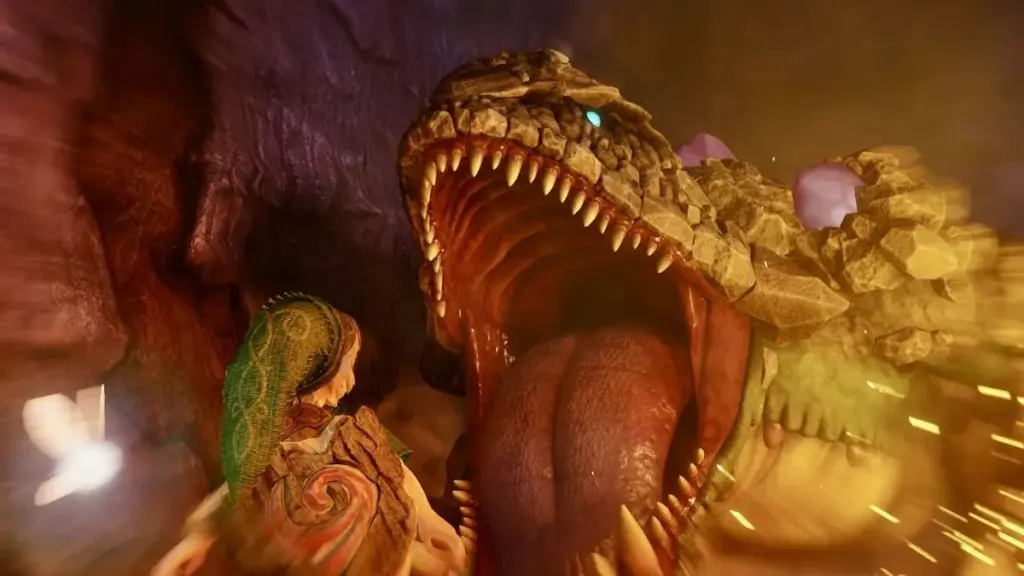
- The Ocarina of Time remake for Switch 2 achieved a staggering 9.6 out of 10 user score on Metacritic, setting an all-time platform record.
- The original 1998 Nintendo 64 release famously holds the highest critical Metacritic score in history at 99 out of 100.
- Independent developers have already engineered a native Windows PC port using static recompilation techniques, expanding its reach beyond Nintendo hardware.
- The launch arrives amid a broader macroeconomic and cultural wave of '90s nostalgia driving consumer spending in the entertainment sector.
- Le remake d'Ocarina of Time sur Switch 2 a atteint une note utilisateur spectaculaire de 9,6 sur 10 sur Metacritic, établissant un record historique pour la plateforme.
- La version originale de 1998 sur Nintendo 64 détient toujours le score critique le plus élevé de l'histoire de Metacritic, avec 99 sur 100.
- Des développeurs indépendants ont déjà conçu un portage natif sur Windows PC grâce à des techniques de recompilation statique, étendant sa portée au-delà du matériel Nintendo.
- Ce lancement s'inscrit dans une tendance macroéconomique et culturelle plus large de nostalgie des années 90, stimulant les dépenses de consommation dans le secteur du divertissement.
- El remake de Ocarina of Time para Switch 2 alcanzó una impresionante puntuación de usuario de 9,6 sobre 10 en Metacritic, estableciendo un récord absoluto en la plataforma.
- El lanzamiento original de 1998 para Nintendo 64 ostenta con fama la puntuación crítica más alta de la historia en Metacritic, con 99 sobre 100.
- Desarrolladores independientes ya han diseñado una versión nativa para PC con Windows mediante técnicas de recompilación estática, ampliando su alcance más allá del hardware de Nintendo.
- El lanzamiento llega en medio de una amplia ola macroeconómica y cultural de nostalgia por los años 90 que impulsa el consumo en el sector del entretenimiento.
- Switch 2版《时之笛》重制版在Metacritic上斩获了惊人的9.6分(满分10分)用户评分,创下了该平台历史纪录。
- 1998年发布的初代任天堂64(N64)版本至今仍保持着历史最高的99分(满分100分)媒体评分纪录。
- 独立开发者已利用静态重新编译技术,成功开发出原生Windows PC移植版,将其影响力延伸至任天堂硬件之外。
- 此次发布正值宏观经济与文化层面的“90年代怀旧潮”大行其道之际,强力推动了娱乐领域的消费者支出。
When Nintendo announced that its crown jewel, The Legend of Zelda: Ocarina of Time, would be visually and mechanically reimagined for the hardware architecture of the Switch 2, purists and industry analysts alike held their collective breath. Few creative properties carry the sacred weight of the 1998 Nintendo 64 masterpiece—a title that fundamentally codified three-dimensional game design, spatial puzzle-solving, and emotional cinematic pacing. Yet, as retail shelves cleared within hours of release and digital storefronts experienced unprecedented traffic spikes, it became immediately clear that Nintendo had pulled off the unthinkable. The game is not merely performing well; it is rewriting the modern metrics of digital acclaim.
In the span of mere days, the resplendent new edition has seized an extraordinary double crown on Metacritic. Earning an aggregate critic score of 96 out of 100—making it the highest-rated title of the calendar year thus far—the title quickly surpassed expectations. More remarkably, however, it has achieved an all-time record in user engagement, capturing a staggering 9.6 out of 10 average from over 8,750 individual player submissions. While internet aggregation platforms are notoriously volatile arenas prone to review bombing and reactionary zeal, the sheer volume and velocity of these overwhelmingly positive ratings signal a profound, visceral resonance with both veteran crusaders and an entirely new generation of console owners.
The Weight of Mythos and the Architecture of Modern Nostalgia
To understand the magnitude of this current cultural moment, one must re-examine the historical bedrock upon which the franchise rests. The original Nintendo 64 iteration of Ocarina of Time occupies a mythical status in digital entertainment, maintaining a legendary 99 out of 100 critic score on Metacritic that has stood as an insurmountable Everest for over a quarter of a century. It defined an era when polygonal graphics were in their infancy and game developers were writing the grammar of virtual exploration on the fly. Recreating such a monumental touchstone without desecrating its sacred geometry is an editorial and engineering tightrope walk of the highest order.
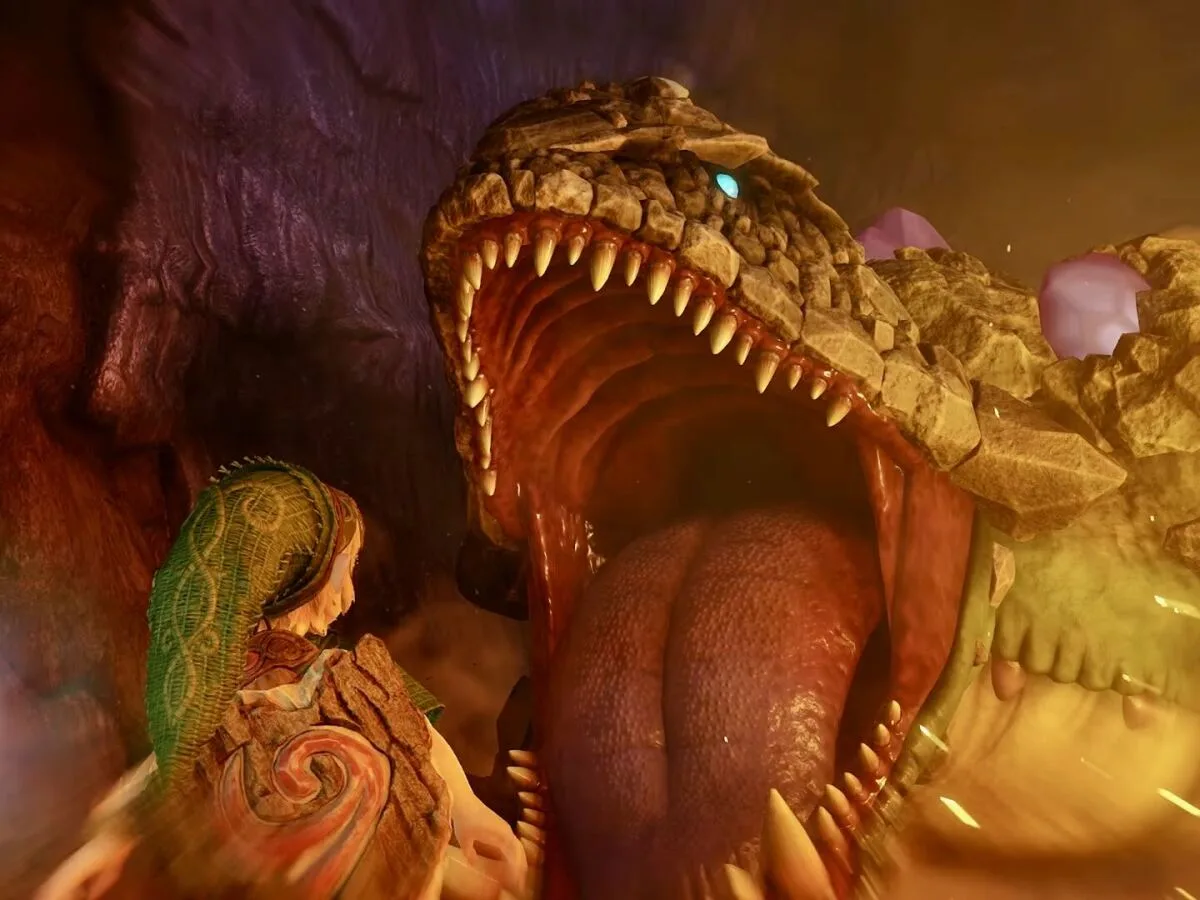
Nintendo’s development divisions approached the Switch 2 project not as a lazy upscaling exercise, but as a reverent restoration. By leveraging the advanced ray-tracing capabilities, lightning-fast solid-state asset streaming, and enhanced processing power of Nintendo's next-generation hardware, the creative teams rendered Hyrule Field, Kakariko Village, and the haunting corridors of the Forest Temple with breathtaking fidelity. Every blade of grass sways with organic weight; the lighting transitions dynamically from the golden amber of afternoon to the eerie, starlit menace of a Hyrule corrupted by Ganondorf. It bridges the chasm between childhood memory and modern high-definition luxury.
The Ripple Effects Across Global Tech and Open-Source Engineering
Beyond the polished confines of Nintendo's proprietary ecosystem, the release of the remake has inadvertently triggered a secondary shockwave in the global software engineering community. Within days of the title hitting store shelves, independent developers utilizing advanced static recompilation methodologies successfully engineered a native Windows PC port. Operating completely outside traditional emulation paradigms, this open-source pipeline converts the game's executable code directly into native x86-64 machine instructions, bypassing hardware bottlenecks to run with unprecedented frame rates and visual fidelity.
This rapid technological democratization highlights a fascinating tension in modern digital culture: the collision between walled-garden hardware exclusivity and the borderless ingenuity of the global modding community. While Nintendo's legal and institutional apparatus traditionally guards its intellectual property with fierce vigilance, the existence of these parallel engineering feats underscores how deeply ingrained Ocarina of Time is in the collective technological consciousness. It is treated less as a commercial product and more as a foundational public monument that software artisans feel compelled to preserve across every available digital medium.
Market Dominance and the Horizon of Contemporary Entertainment
As financial analysts and Wall Street observers parse the quarterly implications of the Switch 2's hardware adoption curve, the runaway success of the Zelda remake serves as a masterclass in intellectual property stewardship. In an entertainment landscape increasingly saturated by cynical reboots and live-service fatigue, Nintendo has proven that authentic artistic curation coupled with generational nostalgia remains an invincible commercial formula. The title has single-handedly galvanized consumer enthusiasm, driving hardware sales and cementing the ecosystem's momentum ahead of a fiercely competitive fourth-quarter release calendar.
Whether this digital masterpiece can permanently defend its unprecedented user-score throne against upcoming heavyweight contenders remains to be seen, particularly with monumental industry blockbusters looming on the horizon. Yet, regardless of where the numerical aggregates settle in the coming months, the cultural verdict is already unassailable. Nintendo has successfully time-traveled, retrieving a definitive masterpiece from the twilight of the 20th century and planting its banner firmly in the future of interactive art. For millions of players worldwide, the song of time has never sounded sweeter.
When Nintendo announced that its crown jewel, The Legend of Zelda: Ocarina of Time, would be visually and mechanically reimagined for the hardware architecture of the Switch 2, purists and industry analysts alike held their collective breath. Few creative properties carry the sacred weight of the 1998 Nintendo 64 masterpiece—a title that fundamentally codified three-dimensional game design, spatial puzzle-solving, and emotional cinematic pacing. Yet, as retail shelves cleared within hours of release and digital storefronts experienced unprecedented traffic spikes, it became immediately clear that Nintendo had pulled off the unthinkable. The game is not merely performing well; it is rewriting the modern metrics of digital acclaim.
In the span of mere days, the resplendent new edition has seized an extraordinary double crown on Metacritic. Earning an aggregate critic score of 96 out of 100—making it the highest-rated title of the calendar year thus far—the title quickly surpassed expectations. More remarkably, however, it has achieved an all-time record in user engagement, capturing a staggering 9.6 out of 10 average from over 8,750 individual player submissions. While internet aggregation platforms are notoriously volatile arenas prone to review bombing and reactionary zeal, the sheer volume and velocity of these overwhelmingly positive ratings signal a profound, visceral resonance with both veteran crusaders and an entirely new generation of console owners.
The Weight of Mythos and the Architecture of Modern Nostalgia
To understand the magnitude of this current cultural moment, one must re-examine the historical bedrock upon which the franchise rests. The original Nintendo 64 iteration of Ocarina of Time occupies a mythical status in digital entertainment, maintaining a legendary 99 out of 100 critic score on Metacritic that has stood as an insurmountable Everest for over a quarter of a century. It defined an era when polygonal graphics were in their infancy and game developers were writing the grammar of virtual exploration on the fly. Recreating such a monumental touchstone without desecrating its sacred geometry is an editorial and engineering tightrope walk of the highest order.
Nintendo’s development divisions approached the Switch 2 project not as a lazy upscaling exercise, but as a reverent restoration. By leveraging the advanced ray-tracing capabilities, lightning-fast solid-state asset streaming, and enhanced processing power of Nintendo's next-generation hardware, the creative teams rendered Hyrule Field, Kakariko Village, and the haunting corridors of the Forest Temple with breathtaking fidelity. Every blade of grass sways with organic weight; the lighting transitions dynamically from the golden amber of afternoon to the eerie, starlit menace of a Hyrule corrupted by Ganondorf. It bridges the chasm between childhood memory and modern high-definition luxury.
The Ripple Effects Across Global Tech and Open-Source Engineering
Beyond the polished confines of Nintendo's proprietary ecosystem, the release of the remake has inadvertently triggered a secondary shockwave in the global software engineering community. Within days of the title hitting store shelves, independent developers utilizing advanced static recompilation methodologies successfully engineered a native Windows PC port. Operating completely outside traditional emulation paradigms, this open-source pipeline converts the game's executable code directly into native x86-64 machine instructions, bypassing hardware bottlenecks to run with unprecedented frame rates and visual fidelity.
This rapid technological democratization highlights a fascinating tension in modern digital culture: the collision between walled-garden hardware exclusivity and the borderless ingenuity of the global modding community. While Nintendo's legal and institutional apparatus traditionally guards its intellectual property with fierce vigilance, the existence of these parallel engineering feats underscores how deeply ingrained Ocarina of Time is in the collective technological consciousness. It is treated less as a commercial product and more as a foundational public monument that software artisans feel compelled to preserve across every available digital medium.
Market Dominance and the Horizon of Contemporary Entertainment
As financial analysts and Wall Street observers parse the quarterly implications of the Switch 2's hardware adoption curve, the runaway success of the Zelda remake serves as a masterclass in intellectual property stewardship. In an entertainment landscape increasingly saturated by cynical reboots and live-service fatigue, Nintendo has proven that authentic artistic curation coupled with generational nostalgia remains an invincible commercial formula. The title has single-handedly galvanized consumer enthusiasm, driving hardware sales and cementing the ecosystem's momentum ahead of a fiercely competitive fourth-quarter release calendar.
Whether this digital masterpiece can permanently defend its unprecedented user-score throne against upcoming heavyweight contenders remains to be seen, particularly with monumental industry blockbusters looming on the horizon. Yet, regardless of where the numerical aggregates settle in the coming months, the cultural verdict is already unassailable. Nintendo has successfully time-traveled, retrieving a definitive masterpiece from the twilight of the 20th century and planting its banner firmly in the future of interactive art. For millions of players worldwide, the song of time has never sounded sweeter.
Lorsque Nintendo a annoncé que son joyau de la couronne, The Legend of Zelda: Ocarina of Time, serait visuellement et mécaniquement réimaginé pour l'architecture matérielle de la Switch 2, les puristes comme les analystes de l'industrie ont retenu leur souffle. Peu de propriétés créatives portent le poids sacré de ce chef-d'œuvre de 1998 sur Nintendo 64, un titre qui a fondamentalement codifié le design de jeu en trois dimensions, la résolution d'énigmes spatiales et le rythme cinématographique émotionnel. Pourtant, alors que les rayons des magasins se vidaient quelques heures seulement après la sortie et que les boutiques numériques enregistraient des pics de trafic sans précédent, il est devenu immédiatement clair que Nintendo avait réussi l'impensable. Le jeu ne se contente pas de bien fonctionner ; il réécrit les mesures modernes de la reconnaissance numérique.
En quelques jours seulement, cette nouvelle édition resplendissante a décroché une double couronne extraordinaire sur Metacritic. Avec un score critique global de 96 sur 100 — ce qui en fait le titre le mieux noté de l'année civile jusqu'à présent — le jeu a rapidement dépassé toutes les attentes. Plus remarquable encore, il a atteint un record historique en termes d'engagement des utilisateurs, capturant une moyenne stupéfiante de 9,6 sur 10 à partir de plus de 8 750 avis individuels. Bien que les plateformes d'agrégation sur Internet soient des arènes notoirement volatiles, sujettes au « review bombing » et au zèle réactionnaire, le volume et la vélocité de ces notes massivement positives témoignent d'une résonance profonde et viscérale, tant chez les vétérans que chez une toute nouvelle génération de joueurs.
Le poids du mythe et l'architecture de la nostalgie moderne
Pour comprendre l'ampleur de ce moment culturel, il faut réexaminer le socle historique sur lequel repose la franchise. L'itération originale d'Ocarina of Time sur Nintendo 64 occupe un statut mythique dans le divertissement numérique, conservant un score critique légendaire de 99 sur 100 sur Metacritic, qui fait figure d'Everest insurmontable depuis plus d'un quart de siècle. Il a défini une époque où les graphismes polygonaux n'en étaient qu'à leurs balbutiements et où les développeurs écrivaient la grammaire de l'exploration virtuelle sur le vif. Recréer une telle pierre angulaire sans profaner sa géométrie sacrée relevait d'un exercice d'équilibriste éditorial et technique de haut vol.
Les divisions de développement de Nintendo n'ont pas abordé le projet Switch 2 comme un simple exercice de mise à l'échelle paresseux, mais comme une restauration révérencieuse. En tirant parti des capacités avancées de ray-tracing, du streaming d'actifs ultra-rapide via SSD et de la puissance de traitement accrue du matériel de nouvelle génération de Nintendo, les équipes créatives ont rendu la plaine d'Hyrule, le village de Cocorico et les couloirs hantés du Temple de la Forêt avec une fidélité à couper le souffle. Chaque brin d'herbe ondule avec un poids organique ; l'éclairage passe dynamiquement de l'ambre doré de l'après-midi à la menace étrange et étoilée d'une Hyrule corrompue par Ganondorf. C'est un pont jeté entre le souvenir d'enfance et le luxe de la haute définition moderne.
Les ondes de choc sur la technologie mondiale et l'ingénierie open-source
Au-delà des confins polis de l'écosystème propriétaire de Nintendo, la sortie du remake a déclenché par inadvertance une onde de choc secondaire dans la communauté mondiale de l'ingénierie logicielle. Quelques jours seulement après l'arrivée du titre en magasin, des développeurs indépendants utilisant des méthodologies avancées de recompilation statique ont réussi à concevoir un portage natif sur Windows PC. Opérant totalement en dehors des paradigmes d'émulation traditionnels, ce pipeline open-source convertit directement le code exécutable du jeu en instructions machine natives x86-64, contournant les goulots d'étranglement matériels pour fonctionner avec des fréquences d'images et une fidélité visuelle inédites.
Cette démocratisation technologique rapide met en lumière une tension fascinante de la culture numérique moderne : la collision entre l'exclusivité matérielle des « jardins fermés » et l'ingéniosité sans frontières de la communauté mondiale du modding. Si l'appareil juridique et institutionnel de Nintendo protège traditionnellement sa propriété intellectuelle avec une vigilance féroce, l'existence de ces prouesses d'ingénierie parallèles souligne à quel point Ocarina of Time est profondément ancré dans la conscience technologique collective. Il est traité moins comme un produit commercial que comme un monument public fondamental que les artisans du logiciel se sentent obligés de préserver sur tous les supports numériques disponibles.
Domination du marché et horizon du divertissement contemporain
Alors que les analystes financiers et les observateurs de Wall Street décortiquent les implications trimestrielles de la courbe d'adoption matérielle de la Switch 2, le succès fulgurant du remake de Zelda fait office de masterclass en matière de gestion de propriété intellectuelle. Dans un paysage du divertissement de plus en plus saturé par des reboots cyniques et la lassitude des jeux « live-service », Nintendo a prouvé qu'une curation artistique authentique, couplée à une nostalgie générationnelle, reste une formule commerciale invincible. Le titre a galvanisé à lui seul l'enthousiasme des consommateurs, stimulant les ventes de matériel et cimentant la dynamique de l'écosystème avant un calendrier de sorties de fin d'année férocement compétitif.
Reste à savoir si ce chef-d'œuvre numérique pourra défendre durablement son trône de notes utilisateurs face aux poids lourds à venir, notamment avec des blockbusters industriels monumentaux qui se profilent à l'horizon. Pourtant, peu importe où les agrégats numériques se stabiliseront dans les mois à venir, le verdict culturel est déjà sans appel. Nintendo a réussi son voyage dans le temps, récupérant un chef-d'œuvre définitif du crépuscule du XXe siècle pour planter fermement son étendard dans le futur de l'art interactif. Pour des millions de joueurs à travers le monde, le chant du temps n'a jamais sonné aussi juste.
Cuando Nintendo anunció que su joya de la corona, The Legend of Zelda: Ocarina of Time, sería reinventada a nivel visual y mecánico para la arquitectura de hardware de Switch 2, tanto los puristas como los analistas de la industria retuvieron colectivamente el aliento. Pocas propiedades creativas cargan con el peso sagrado de la obra maestra de Nintendo 64 de 1998, un título que codificó fundamentalmente el diseño de videojuegos en tres dimensiones, la resolución espacial de puzles y el ritmo cinematográfico emocional. Sin embargo, a medida que las estanterías de las tiendas se vaciaban a las pocas horas del lanzamiento y las tiendas digitales experimentaban picos de tráfico sin precedentes, quedó inmediatamente claro que Nintendo había logrado lo impensable. El juego no solo está rindiendo bien; está reescribiendo las métricas modernas del aplauso digital.
En cuestión de días, esta refulgente nueva edición se ha hecho con una extraordinaria doble corona en Metacritic. Tras obtener una puntuación agregada de la crítica de 96 sobre 100 —lo que lo convierte en el título mejor valorado del año en curso hasta la fecha—, el título superó rápidamente las expectativas. Más notable aún es que ha alcanzado un récord histórico de participación de usuarios, capturando una asombrosa media de 9,6 sobre 10 a partir de más de 8.750 valoraciones individuales de jugadores. Si bien las plataformas de agregación en internet son arenas notoriamente volátiles y propensas al boicot de reseñas y al celo reaccionario, el mero volumen y la velocidad de estas calificaciones abrumadoramente positivas señalan una resonancia profunda y visceral tanto con los veteranos cruzados como con una generación completamente nueva de propietarios de consolas.
El peso del mito y la arquitectura de la nostalgia moderna
Para comprender la magnitud de este momento cultural actual, es necesario reexaminar el cimiento histórico sobre el que descansa la franquicia. La iteración original para Nintendo 64 de Ocarina of Time ocupa un estatus mítico en el entretenimiento digital, manteniendo una puntuación crítica legendaria de 99 sobre 100 en Metacritic que se ha erigido como un Everest insuperable durante más de un cuarto de siglo. Definió una era en la que los gráficos poligonales estaban en su infancia y los desarrolladores de videojuegos escribían la gramática de la exploración virtual sobre la marcha. Recrear un hito tan monumental sin profanar su geometría sagrada es un ejercicio de equilibrio editorial y de ingeniería del más alto nivel.
Las divisiones de desarrollo de Nintendo abordaron el proyecto de Switch 2 no como un perezoso ejercicio de mejora de resolución, sino como una restauración reverente. Al aprovechar las capacidades avanzadas de trazado de rayos (ray-tracing), el streaming ultrarrápido de recursos en estado sólido y la mayor potencia de procesamiento del hardware de nueva generación de Nintendo, los equipos creativos reprodujeron Hyrule Field, la aldea de Kakariko y los inquietantes pasillos del Templo del Bosque con una fidelidad sobrecogedora. Cada brizna de hierba se balancea con un peso orgánico; la iluminación transiciona dinámicamente desde el ámbar dorado de la tarde hasta la inquietante y estrellada amenaza de un Hyrule corrompido por Ganondorf. Tender un puente entre el recuerdo de la infancia y el lujo moderno en alta definición.
Los efectos dominó en la tecnología global y la ingeniería de código abierto
Más allá de los pulidos confines del ecosistema propietario de Nintendo, el lanzamiento del remake ha desencadenado inadvertidamente una onda expansiva secundaria en la comunidad global de ingeniería de software. A pocos días de que el título llegara a las estanterías, desarrolladores independientes que utilizaron metodologías avanzadas de recompilación estática consiguieron diseñar con éxito una versión nativa para PC con Windows. Operando completamente al margen de los paradigmas de emulación tradicionales, este canal de código abierto convierte el código ejecutable del juego directamente en instrucciones de máquina nativas x86-64, eludiendo los cuellos de botella del hardware para ejecutarse con tasas de fotogramas y fidelidad visual sin precedentes.
Esta rápida democratización tecnológica pone de relieve una tensión fascinante en la cultura digital moderna: la colisión entre la exclusividad de hardware de los jardines cerrados y el ingenio sin fronteras de la comunidad global de 'modders'. Si bien el aparato legal e institucional de Nintendo protege tradicionalmente su propiedad intelectual con feroz vigilancia, la existencia de estas proezas de ingeniería paralelas subraya lo profundamente arraigado que está Ocarina of Time en la conciencia tecnológica colectiva. Se trata menos como un producto comercial y más como un monumento público fundamental que los artesanos del software se sienten obligados a preservar a través de cualquier medio digital disponible.
Dominio del mercado y el horizonte del entretenimiento contemporáneo
Mientras los analistas financieros y los observadores de Wall Street analizan las implicaciones trimestrales de la curva de adopción de hardware de Switch 2, el rotundo éxito del remake de Zelda sirve como una clase magistral en la gestión de la propiedad intelectual. En un panorama de entretenimiento cada vez más saturado de cínicos reboots y de la fatiga de los juegos como servicio, Nintendo ha demostrado que la curación artística auténtica, unida a la nostalgia generacional, sigue siendo una fórmula comercial invencible. El título ha galvanizado por sí solo el entusiasmo de los consumidores, impulsando las ventas de hardware y consolidando el impulso del ecosistema de cara a un calendario de lanzamientos para el cuarto trimestre ferozmente competitivo.
Queda por ver si esta obra maestra digital podrá defender permanentemente su trono sin precedentes en las puntuaciones de los usuarios frente a los próximos contendientes de peso pesado, especialmente con los monumentales éxitos de taquilla de la industria que se vislumbran en el horizonte. Sin embargo, independientemente de dónde se estabilicen los agregados numéricos en los próximos meses, el veredicto cultural ya es inexpugnable. Nintendo ha viajado con éxito en el tiempo, rescatando una obra maestra definitiva del crepúsculo del siglo XX y plantando firmemente su bandera en el futuro del arte interactivo. Para millones de jugadores de todo el mundo, la canción del tiempo nunca ha sonado tan dulce.
当任天堂宣布其皇冠上的明珠——《塞尔达传说:时之笛》(The Legend of Zelda: Ocarina of Time)将在Switch 2的硬件架构上进行视觉与机制层面的重新构想时,纯粹主义者与行业分析师都不约而同地屏住了呼吸。很少有创意资产能够承载得起1998年任天堂64经典之作那神圣的重量——正是这部作品,奠定了三维游戏设计、空间解谜以及情感电影化节奏的底层规范。然而,随着首发当日零售货架在几小时内被横扫一空、数字商店遭遇空前流量峰值,人们立刻意识到:任天堂再次完成了不可能的任务。这款游戏不仅仅是表现优异,它正在重新书写当代数字赞誉的衡量标准。
在短短几天内,这部璀璨夺目的全新版本在Metacritic上摘得了非凡的双料王冠。其媒体综合评分高达96分(满分100分),成为迄今为止本年度评分最高的游戏,迅速超越了市场预期。更引人注目的是,它在用户互动方面创下了历史纪录,在收到的超过8750份玩家评分中,平均分高得惊人,达到了9.6分(满分10万)。尽管互联网聚合平台历来是充斥着恶意刷分和极端情绪的动荡竞技场,但这些压倒性好评的庞大基数与涌现速度,却释放出了一个强烈信号:它在老玩家与全新一代主机用户中引发了深刻而发自内心的共鸣。
神话的重量与现代怀旧的架构
要理解当下这一文化时刻的宏大意义,我们必须重新审视该系列所依凭的历史基石。《时之笛》最初的任天堂64版本在数字娱乐领域占据着神话般的地位,其在Metacritic上保持的99分(满分100分)传奇媒体评分,在四分之一个世纪里犹如一座无法逾越的珠穆朗玛峰。它定义了一个多边形图形尚处于雏形、游戏开发者正即兴编写虚拟探索语法的时代。在不亵渎其神圣几何结构的前提下,重现这样一个具有里程碑意义的基石,堪称最高难度的编辑与工程走钢丝艺术。
任天堂的开发部门对待Switch 2项目,并非将其视为一次简单的画质拉伸,而是一次充满敬意的修复。通过利用Switch 2次世代硬件先进的光线追踪技术、疾如闪电的固态资源流送以及强化的处理能力,创意团队以令人窒息的逼真度重现了海拉鲁平原、卡卡利科村以及森之神殿阴森的走廊。每一片草叶都随风摇曳,散发着有机质感;光影则在午后的金色琥珀色与加农多夫腐蚀下海拉鲁那令人毛骨悚然、繁星点点的夜色之间动态流转。它架起了童年记忆与现代高清奢华之间的巨大鸿沟。
对全球科技与开源工程的涟漪效应
在任天堂专属生态系统森严壁垒的保护圈之外,重制版的发布无意间在全球软件工程界引发了第二波冲击波。在该作登陆商店货架的几天内,利用先进的静态重新编译(static recompilation)方法的独立开发者,便成功制作出了原生的Windows PC移植版。这一开源流水线完全绕过了传统的模拟器范式,直接将游戏的执行代码转换为原生的x86-64机器指令,从而突破了硬件瓶颈,以史无前例的帧率和视觉保真度运行。
这种迅猛的技术民主化凸显了当代数字文化中一种迷人的张力:封闭花园式的硬件排他性与全球模组(modding)社区无国界创造力之间的碰撞。尽管任天堂一向以严厉的警惕性守护着其知识产权的法律与制度机器,但这些平行工程壮举的存在,恰恰突显了《时之笛》在集体技术意识中的根深蒂固。它不再被仅仅视为一件商业产品,而是被视为一座基础性的公共纪念碑,令软件工匠们情不自禁地想要在每一个可用的数字媒介上将其永存。
市场主导地位与当代娱乐的地平线
正当金融分析师和华尔街观察家们剖析Switch 2硬件采用曲线背后的季度影响时,《塞尔达传说》重制版的狂飙突进,已然成为了一堂生动的知识产权管理大师课。在一个日益充斥着犬儒主义重启之作和“实时服务”疲劳的娱乐市场中,任天堂证明了:真实纯粹的艺术策展与代际怀旧相结合,依然是战无不胜的商业公式。这款游戏单枪匹马地激发了消费者的热情,不仅推动了硬件销量,还在竞争白热化的第四季度发布日程到来之前,巩固了整个生态系统的发展势头。
面对未来即将登场的重量级竞争对手,这部数字杰作能否永久捍卫其空前的用户评分宝座,目前尚不可知;特别是在地平线上还有诸多行业巨作蓄势待发的情况下。然而,无论未来几个月的综合评分落脚于何处,文化上的裁决已然毋庸置疑。任天堂成功地完成了时间旅行,从20世纪的暮色中检索出了一部决定性的杰作,并将其旗帜牢牢插在了互动艺术的未来之上。对于全球数以百万计的玩家而言,《时之歌》从未显得如此悦耳动听。
Cultural Icons Featured in This Dispatch

Editorial Standards & Multi-Language Synthesis: This dispatch was synthesized and fact-checked by the ParisDaily Editorial Desk across 5 global editions (EN, FR, VI, ES, ZH), cross-referencing primary international wire reports and real-time search intelligence.