Giải phẫu một thương vụ bom tấn: Đánh giá lại vụ chuyển nhượng Giannis Antetokounmpo giữa Miami và Milwaukee
As Giannis Antetokounmpo prepares to face the Milwaukee Bucks for the first time as a member of the Miami Heat, early returns on one of the NBA’s most seismic trades reveal an organizational quagmire for both franchises.
Khi Giannis Antetokounmpo chuẩn bị đối đầu với Milwaukee Bucks trong tư cách là cầu thủ của Miami Heat, những dữ liệu ban đầu từ một trong những thương vụ chấn động nhất NBA đang phơi bày một vũng lầy vận hành của cả hai CLB. Thương vụ này không còn là một nước đi đại tài, mà đã trở thành bài học cảnh tỉnh về rủi ro của việc tất tay vào một tầm nhìn chưa trọn vẹn.
Alors que Giannis Antetokounmpo s'apprête à affronter les Milwaukee Bucks pour la première fois sous le maillot du Miami Heat, les premiers enseignements de l'un des échanges les plus fracassants de l'histoire de la NBA révèlent une impasse stratégique pour les deux franchises.
Mientras Giannis Antetokounmpo se prepara para enfrentarse a los Milwaukee Bucks por primera vez como miembro de los Miami Heat, los primeros balances de uno de los traspasos más sísmicos de la NBA revelan un auténtico atolladero organizativo para ambas franquicias.
正值扬尼斯·阿德托昆博首次以迈阿密热火球员身份对阵密尔沃基雄鹿之际,这笔NBA最具震撼力的交易初现端倪,却暴露出两支球队深层的管理困境。这场备受瞩目的交锋不仅关乎球星与旧主的重逢,更折射出当代NBA球队在建队逻辑与长远规划上的严峻考验。
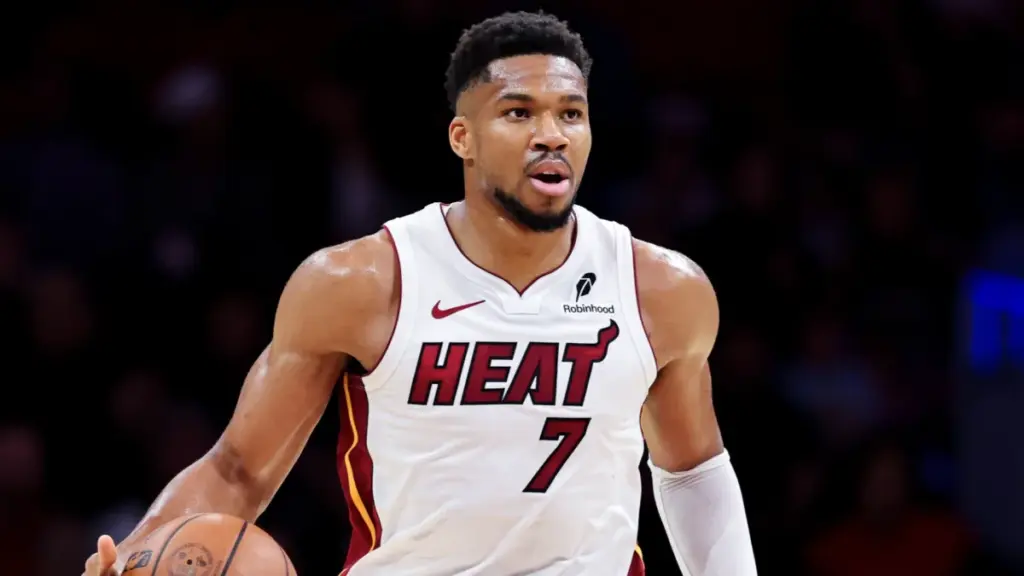
- Giannis Antetokounmpo remains an elite top-tier talent in his age-32 season, yet his defensive load has notably lightened.
- The Miami Heat find themselves pressed against the first-apron hard cap with a fragile, defensively flawed supporting cast.
- The Milwaukee Bucks delayed their inevitable rebuild too long, resulting in a underwhelming return package headlined by unfulfilled assets.
- Front-office inertia and strategic miscalculations have left both organizations trapped in high-stakes middle grounds.
- Giannis Antetokounmpo vẫn duy trì đẳng cấp siêu sao đỉnh cao ở tuổi 32, dù gánh nặng phòng ngự đã được tiết chế đáng kể.
- Miami Heat đang phải đối mặt với giới hạn tài chính khắt khe (first-apron) cùng một bộ khung hỗ trợ mỏng manh và yếu kém về phòng ngự.
- Milwaukee Bucks đã trì hoãn quá lâu công cuộc tái thiết tất yếu, dẫn đến gói tài sản nhận lại mờ nhạt với những mảnh ghép chưa thể hiện được tiềm năng.
- Sự trì trệ của bộ phận quản lý và những tính toán sai lầm về chiến lược đã đẩy cả hai tổ chức vào tình thế lấp lửng đầy rủi ro.
- Giannis Antetokounmpo demeure un joueur d'élite absolu à 32 ans, bien que son volume d'activité défensive ait sensiblement diminué.
- Le Miami Heat se retrouve coincé sous le premier seuil de la luxury tax (« first apron »), avec un effectif fragile et structurellement friable en défense.
- Les Milwaukee Bucks ont trop tardé à enclencher leur reconstruction, récoltant en contrepartie un lot de promesses non tenues et des actifs dévalués.
- L'inertie des directions et les erreurs d'appréciation stratégique laissent les deux organisations piégées dans un entre-deux sportif hautement inflammable.
- Giannis Antetokounmpo sigue siendo un talento de élite en su temporada número 32, aunque su carga defensiva se ha aligerado notablemente.
- Los Miami Heat se encuentran presionados contra el límite salarial ('first-apron') con una plantilla frágil y con carencias defensivas.
- Los Milwaukee Bucks retrasaron su inevitable reconstrucción demasiado tiempo, lo que dio como resultado un paquete de compensación decepcionante y lleno de activos por explotar.
- La inercia en los despachos y los errores de cálculo estratégico han dejado a ambas organizaciones atrapadas en una incómoda tierra de nadie.
- 32岁的扬尼斯·阿德托昆博依然保持着联盟顶尖的精英天赋,但其防守端的工作负荷已明显减轻。
- 迈阿密热火目前受困于第一土豪线(first apron)硬帽,且其角色阵容在防守端存在明显隐患。
- 密尔沃基雄鹿拖延了不可避免的重建时机,导致最终换回的筹码大打折扣,核心资产未能兑现预期。
- 管理层的惯性与战略误判,令两支球队双双陷入高风险的中间地带,进退维谷。
When Giannis Antetokounmpo steps onto the hardwood to face the Milwaukee Bucks this Wednesday, the encounter will carry the heavy, gravitational pull of a decade-long saga finally reaching its turbulent climax. For thirteen storied seasons, the Greek Freak was Milwaukee—the anchor of a championship culture, a two-time MVP, and the undisputed heartbeat of the franchise. Yet, as the ink dries on one of the most transformative blockbusters in recent NBA history, the narrative surrounding the trade has evolved from breathless anticipation into a sobering critique. Roughly four weeks into the data-rich reality of the post-trade landscape, both the Miami Heat and the Milwaukee Bucks find themselves confronting uncomfortable truths that extend far beyond the box score.
While Pat Riley once again demonstrated his legendary propensity for securing premier targets, the structural integrity of the Heat’s roster construction is facing intense scrutiny. Conversely, the Bucks are staring into an abyss of their own making, having delayed a mandatory rebuild until their leverage evaporated entirely. As basketball purists and front-office executives dissect the wreckage of these divergent paths, the trade looks less like a definitive masterstroke for either side and more like an exercise in high-stakes damage control that leaves both organizations caught in an uneasy sporting purgatory.
The On-Court Reality of Antetokounmpo in Miami
To evaluate the trade fairly, one must first separate Antetokounmpo’s individual brilliance from the systemic friction surrounding him. By every quantifiable metric, the 32-year-old forward remains an All-NBA force of nature. Opponents still struggle to contain his driving dominance, and while his free-throw rate has dipped slightly, he continues to score at an elite clip near the rim, shooting over 51 percent from mid-range—a career-best evolution that promises to extend his prime as his athletic peak inevitably plateaus.
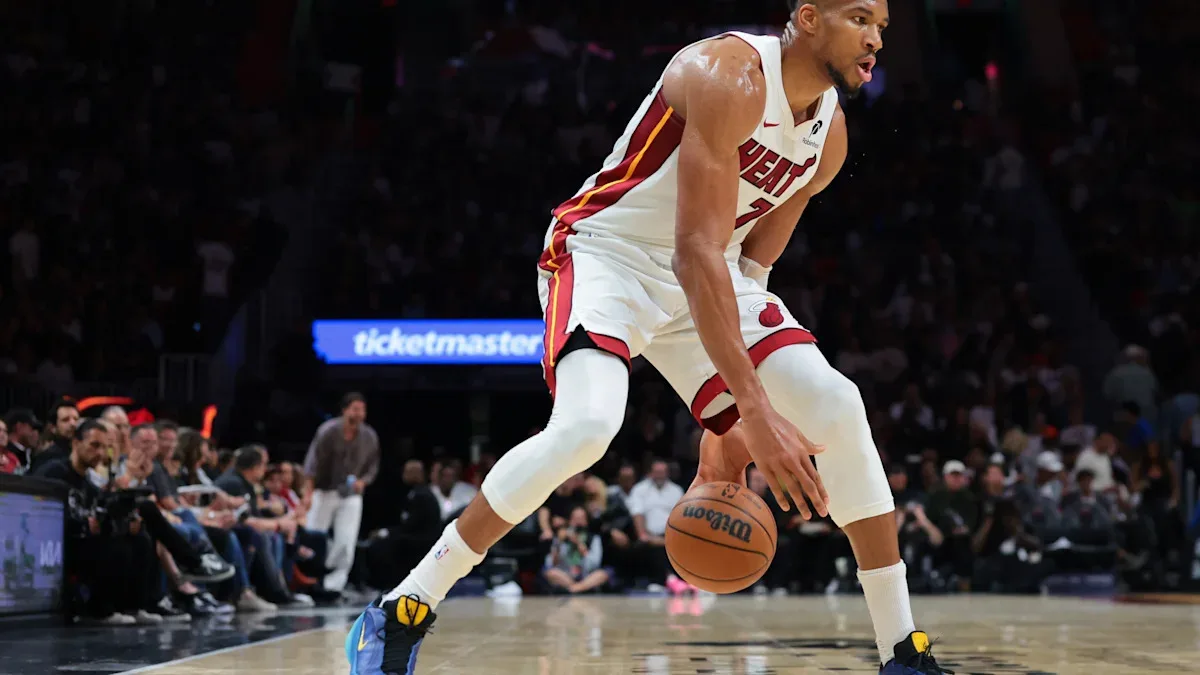
Yet, the subtle indicators of aging are undeniably present. Antetokounmpo has noticeably paced himself on the defensive end, contesting far fewer shots per game than during his Defensive Player of the Year campaigns. The tactical burden on Miami has thus become glaringly apparent. To insulate a roster that relies heavily on shot creation from its frontcourt bigs—Antetokounmpo and Bam Adebayo—Head Coach Erik Spoelstra has been forced to deploy defensively deficient pieces like Klay Thompson out of sheer offensive necessity. The defensive identity that historically defines Miami's culture has sputtered, leaving the team heavily reliant on turnover generation and favorable schedules against depleted opponents.
Milwaukee’s Delayed Reckoning and Faded Asset Return
If Miami’s path forward feels constrained by financial inflexibility and a narrow window of contention, Milwaukee's current predicament borders on organizational negligence. The Bucks committed a cardinal sin in modern NBA roster management: they kicked the can down the road long after the vehicle had broken down. Clinging to the wreckage of Damian Lillard’s devastating Achilles injury in 2025, the front office bypassed multiple windows to maximize Antetokounmpo’s trade value when multiple years remained on his contract. By the time reality set in, Antetokounmpo’s expiring leverage and strict destination preferences severely hamstrung the front office's negotiating power.
Despite extracting every possible draft pick from Miami using the Boston Celtics as leverage, the actual player return has underperformed dramatically. Kel'El Ware, heralded as the high-ceiling centerpiece of the transaction, has struggled immensely with motor and consistency, logging fewer meaningful minutes on a depleted roster than he did in South Beach. Meanwhile, Tyler Herro and Jaime Jaquez Jr. arrive with impending financial demands that exacerbate an already bloated guard rotation, threatening to fracture team chemistry as young contributors find themselves marginalized.
Strategic Dead Ends and the Shadow of Future Regulation
Compounding these sporting miscalculations are the looming regulatory and financial constraints that threaten to paralyze both front offices for years to come. The Heat are pressed hard against the first apron, completely lacking the draft capital flexibility required to orchestrate mid-season upgrades without external cooperation. Their offseason strategy—letting Norman Powell walk and front-loading player options—reflects a paradoxical philosophy: slow-playing the supporting cast build while employing a superstar who turns 32 in a matter of weeks. It is a timeline miscalculation that directly conflicts with the urgency required to maximize an all-time great's final championship window.
For Milwaukee, the regulatory horizon is equally perilous. The ongoing investigation surrounding Gary Trent Jr. and the precedent set by historical league penalties regarding acquired draft assets cast a nervous pall over the franchise's long-term outlook. With the distant 2031 and 2033 first-round picks from Miami standing as the crown jewels of their rebuild, the Bucks are effectively betting on the distant collapse of a Heat franchise that historically refuses to bottom out intentionally.
The Verdict on a High-Stakes Gamble
As the Heat and Bucks lock horns on the parquet, the overarching verdict on this blockbuster remains unwritten, yet the early returns offer a cautionary tale for modern NBA team-building. Miami wagered its entire future on the singular genius of Antetokounmpo, banking on Spoelstra’s miraculous coaching alchemy to mask profound roster imbalances. Milwaukee, trapped by sentimentality and hesitant asset management, traded away the greatest player in franchise history only to receive a basket of unfulfilled upside and precarious financial obligations.
History suggests that teams trading for generational superstars eventually find vindication if the player performs at an elite level. Yet, as the modern NBA accelerates toward unprecedented competitive parity, neither Miami nor Milwaukee can afford the luxury of patience. If the Heat fail to breach the Eastern Conference finals within the next two seasons, this trade will be remembered not as the dawn of a new dynasty, but as a cautionary monument to the dangers of pushing all-in on a half-realized vision.
Khi Giannis Antetokounmpo bước lên sàn đấu để đối đầu với Milwaukee Bucks vào thứ Tư này, cuộc chạm trán ấy sẽ mang sức nặng từ một chương sử kéo dài một thập kỷ cuối cùng cũng đi đến cao trào đầy biến động. Trong suốt mười ba mùa giải lẫy lừng, "Á thần Hy Lạp" chính là biểu tượng của Milwaukee — mỏneo của văn hóa vô địch, chủ nhân hai danh hiệu MVP và là nhịp đập không thể chối cãi của toàn đội. Thế nhưng, khi mực trên một trong những bản hợp đồng bom tấn mang tính bước ngoặt nhất lịch sử NBA gần đây còn chưa ráo, câu chuyện xung quanh thương vụ này đã chuyển từ sự kỳ vọng nghẹt thở sang một lời chỉ trích đầy tỉnh táo. Khoảng bốn tuần trôi qua trong thực tế đầy rẫy dữ liệu của giai đoạn hậu chuyển nhượng, cả Miami Heat lẫn Milwaukee Bucks đều phải đối mặt với những sự thật phũ phàng vượt xa những con số trên bảng tỷ số.
Trong khi Pat Riley một lần nữa chứng minh bản lĩnh huyền thoại của mình trong việc chiêu mộ các mục tiêu hàng đầu, sự toàn vẹn về mặt cấu trúc trong cách xây dựng đội hình của Heat lại đang vấp phải sự soi xét gắt gao. Ngược lại, Bucks đang nhìn thẳng xuống vực thẳm do chính họ tạo ra, khi trì hoãn một cuộc đại tu bắt buộc cho đến khi quyền lực đàm phán hoàn toàn bay biến. Khi những người theo đuổi trường phái bóng rổ truyền thống và các giám đốc điều hành mổ xẻ đống đổ nát từ hai ngã rẽ trái ngược này, thương vụ trông ít giống một nước đi đại tài mang tính quyết định của bất kỳ bên nào, mà giống một bài tập kiểm soát thiệt hại rủi ro cao, khiến cả hai tổ chức mắc kẹt trong một không gian thể thao lấp lửng đầy bất an.
Thực tế trên sân của Antetokounmpo tại Miami
Để đánh giá công bằng thương vụ này, trước hết người ta phải tách biệt tài năng cá nhân của Antetokounmpo khỏi sự ma sát mang tính hệ thống xung quanh anh. Dưới mọi thước đo định lượng, tiền đạo 32 tuổi vẫn là một thế lực mang tầm vóc All-NBA. Các đối thủ vẫn chật vật trong việc kiềm tỏa những tình huống đột phá uy lực của anh, và dẫu tỷ lệ ném phạt có giảm đôi chút, anh vẫn duy trì khả năng ghi điểm đỉnh cao ở khu vực cận rổ, đạt hiệu suất hơn 51% ở cự ly trung bình — một bước tiến hóa tốt nhất trong sự nghiệp nhằm kéo dài thời kỳ đỉnh cao khi thể chất của anh chắc chắn sẽ chững lại theo thời gian.
Tuy nhiên, những dấu hiệu tinh tế của tuổi tác là không thể chối cãi. Antetokounmpo đã bắt đầu biết tiết chế bản thân ở mặt trận phòng ngự, phải cản phá số cú ném mỗi trận ít hơn đáng kể so với thời kỳ đỉnh cao giành giải thưởng Cầu thủ phòng ngự xuất sắc nhất năm (DPOY). Gánh nặng chiến thuật đè lên vai Miami do đó trở nên rõ mồn một. Để gia cố một đội hình vốn phụ thuộc lớn vào khả năng tự tạo cơ hội ném bóng từ các big man khu vực dưới rổ — gồm Antetokounmpo và Bam Adebayo — HLV trưởng Erik Spoelstra buộc phải tung vào sân những mảnh ghép thiếu hụt về khả năng phòng ngự như Klay Thompson chỉ vì nhu cầu tấn công thuần túy. Bản sắc phòng ngự vốn định hình văn hóa của Miami đã sụt giảm, khiến đội bóng phụ thuộc nặng nề vào việc ép đối thủ mất bóng và lịch thi đấu thuận lợi trước những đối thủ sứt mẻ lực lượng.
Cuộc thanh trừng bị trì hoãn và giá trị tài sản mờ nhạt của Milwaukee
Nếu con đường phía trước của Miami cảm thấy bị bó buộc bởi sự kém linh hoạt về tài chính và một cửa sổ tranh chấp ngắn ngủi, thì tình cảnh hiện tại của Milwaukee lại gần sát với sự tắc trách trong vận hành đội bóng. Bucks đã phạm phải tội lỗi tối thượng trong quản lý đội hình NBA hiện đại: họ cứ kéo dài thời gian khi chiếc xe đã hỏng hoàn toàn. Bấu víu vào đống đổ nát từ chấn thương gân Achilles tai hại của Damian Lillard vào năm 2025, ban lãnh đạo đã bỏ lỡ nhiều thời điểm để tối đa hóa giá trị chuyển nhượng của Antetokounmpo khi anh vẫn còn nhiều năm hợp đồng. Đến khi thực tế giáng xuống, quyền kiểm soát sắp hết hạn của Antetokounmpo cùng sở thích điểm đến ngặt nghèo đã trói buộc nghiêm trọng sức mạnh đàm phán của ban lãnh đạo.
Mặc dù đã vắt kiệt mọi lượt pick tuyển quân có thể từ Miami bằng cách tận dụng Boston Celtics làm đòn bẩy, giá trị cầu thủ thực tế thu về lại gây thất vọng lớn. Kel'El Ware, từng được ca ngợi là tâm điểm có trần phát triển cao của thương vụ này, đã chật vật thấy rõ với năng lượng thi đấu và sự ổn định, có số phút thi đấu ý nghĩa ở một đội hình sứt mẻ còn ít hơn cả thời điểm anh ở Nam Florida. Trong khi đó, Tyler Herro và Jaime Jaquez Jr. cập bến với những yêu cầu tài chính cận kề, làm trầm trọng thêm tình trạng dư thừa hậu vệ vốn đã cồng kềnh, đe dọa phá vỡ sự gắn kết phòng thay đồ khi các đóng góp trẻ tuổi cảm thấy bị gạt ra bên lề.
Ngõ cụt chiến lược và cái bóng của các quy định tương lai
Làm trầm trọng thêm những tính toán sai lầm về mặt thể thao này chính là các hạn chế về quy định và tài chính đang lơ lửng, đe dọa làm tê liệt cả hai văn phòng điều hành trong nhiều năm tới. Heat đang bị kẹt chặt vào giới hạn first-apron, hoàn toàn thiếu đi sự linh hoạt về vốn tuyển quân cần thiết để dàn xếp các thương vụ nâng cấp giữa mùa mà không cần sự hợp tác từ bên ngoài. Chiến lược mùa hè của họ — để Norman Powell ra đi và dồn các điều khoản tùy chọn cầu thủ lên trước — phản ánh một triết lý nghịch lý: vừa chậm rãi xây dựng lực lượng hỗ trợ, vừa sử dụng một siêu sao sẽ bước sang tuổi 32 chỉ trong vài tuần tới. Đó là một sai lầm về mốc thời gian, đi ngược lại trực diện với sự khẩn trương cần thiết để tận dụng cửa sổ vô địch cuối cùng của một huyền thoại vĩ đại.
Đối với Milwaukee, chân trời pháp lý cũng nguy hiểm không kém. Cuộc điều tra đang diễn ra xung quanh Gary Trent Jr. và tiền lệ từ các án phạt lịch sử của giải đấu liên quan đến tài sản tuyển quân đã phủ một lớp mây lo lắng lên viễn cảnh dài hạn của thương quyền này. Với các lượt pick vòng một năm 2031 và 2033 xa xôi từ Miami đóng vai trò là viên ngọc quý trong công cuộc tái thiết của họ, Bucks thực chất đang đặt cược vào sự sụp đổ trong tương lai xa của một thương hiệu Heat vốn theo truyền thống luôn từ chối việc cố tình buông xuôi để lấy suất cao.
Phán quyết cho một canh bạc rủi ro cao
Khi Heat và Bucks đối đầu trên mặt sàn gỗ, phán quyết bao trùm về bom tấn này vẫn chưa được viết nên, thế nhưng những tín hiệu ban đầu lại mang đến một câu chuyện cảnh tỉnh cho việc xây dựng đội hình NBA hiện đại. Miami đã đánh cược toàn bộ tương lai của mình vào thiên tài đơn độc của Antetokounmpo, đặt niềm tin vào thuật giả kim huấn luyện kỳ diệu của Spoelstra để che đậy sự mất cân đối sâu sắc trong đội hình. Milwaukee, bị giam cầm bởi sự hoài niệm và cách quản lý tài sản ngập ngừng, đã đổi đi cầu thủ vĩ đại nhất lịch sử thương hiệu chỉ để nhận lại một giỏ đầy những tiềm năng dở dang và các nghĩa vụ tài chính đầy bấp bênh.
Lịch sử cho thấy các đội bóng thực hiện trao đổi để mang về những siêu sao thế hệ cuối cùng sẽ tìm thấy sự minh oan nếu cầu thủ đó thể hiện ở đẳng cấp ưu tú. Tuy nhiên, khi NBA hiện đại đang lao nhanh đến mức cạnh tranh ngang bằng chưa từng có, cả Miami lẫn Milwaukee đều không đủ xa xỉ phẩm mang tên thời gian kiên nhẫn. Nếu Heat không thể lọt vào chung kết miền Đông trong vòng hai mùa giải tới, thương vụ này sẽ không được ghi nhớ như buổi bình minh của một triều đại mới, mà như một bức tượng đài cảnh tỉnh về sự nguy hiểm của việc tất tay vào một tầm nhìn chỉ mới thành hình một nửa.
Lorsque Giannis Antetokounmpo foulera le parquet pour défier les Milwaukee Bucks ce mercredi, la rencontre portera la charge gravitationnelle d'une décennie d'histoire commune touchant enfin à son paroxysme tumultueux. Pendant treize saisons mémorables, le « Greek Freak » a incarné Milwaukee : le pilier d'une culture de champion, double MVP et battement de cœur incontesté de la franchise. Pourtant, à l'heure où l'encre sèche sur l'un des transferts les plus bouleversants de l'histoire récente de la NBA, le récit entourant cet échange est passé d'une attente fiévreuse à une critique empreinte de lucidité. Environ quatre semaines après l'entrée dans la réalité implacable des chiffres post-transfert, le Miami Heat et les Milwaukee Bucks se trouvent tous deux confrontés à des vérités dérangeantes qui dépassent largement la simple feuille de match.
Si Pat Riley a une fois de plus démontré son flair légendaire pour s'attacher les services de superstars, la cohérence structurelle de l'effectif floridien fait l'objet d'un examen minutieux. À l'inverse, les Bucks fixent du regard l'abîme qu'ils ont eux-mêmes creusé, pour avoir repoussé une reconstruction inévitable jusqu'à ce que leur marge de manœuvre s'évapore totalement. Tandis que les puristes de la balle orange et les dirigeants disséquent les débris de ces trajectoires divergentes, cet échange ressemble moins à un coup de maître décisif qu'à un exercice de gestion de crise à hauts risques, piégeant les deux organisations dans un purgatoire sportif inconfortable.
La réalité d'Antetokounmpo sur les parquets de Miami
Pour évaluer cet échange en toute équité, il convient d'abord de dissocier le génie individuel d'Antetokounmpo des frictions systémiques qui l'entourent. Selon tous les indicateurs mesurables, l'ailier de 32 ans demeure une force de la nature au rayonnement All-NBA. Ses adversaires peinent toujours à endiguer ses drives dévastateurs et, bien que son taux de lancers francs ait légèrement fléchi, il continue de scorer avec une efficacité redoutable près du cercle, affichant plus de 51 % de réussite à mi-distance — une évolution remarquable qui laisse augurer une prolongation de ses meilleures années alors que son pic athlétique atteint inévitablement un plateau.
Pourtant, les subtils indices du temps qui passe sont bel et bien là. Antetokounmpo s'économise visiblement de l'autre côté du terrain, contestant bien moins de tirs par match que lors de ses campagnes de Defensive Player of the Year. La facture tactique pour Miami est ainsi devenue criante. Pour colmater les brèches d'un effectif qui s'en remet largement à la création offensive de ses grands — Antetokounmpo et Bam Adebayo —, l'entraîneur Erik Spoelstra a été contraint d'aligner des profils défensivement limités tels que Klay Thompson, par pure nécessité offensive. L'identité défensive qui a historiquement forgé la culture du Heat s'est grippée, laissant l'équipe lourdement dépendante de sa capacité à provoquer des pertes de balle et d'un calendrier favorable face à des adversaires décimés.
Le réveil tardif de Milwaukee et la dévaluation des contreparties
Si la trajectoire de Miami paraît entravée par une rigidité financière et une fenêtre de compétitivité étroite, la situation actuelle de Milwaukee relève presque de la faute professionnelle. Les Bucks ont commis le péché capital du management moderne en NBA : repousser l'échéance bien après que la machine ne tournait plus rond. Accrochés aux débris de la terrible blessure au tendon d'Achille de Damian Lillard en 2025, les dirigeants ont laissé passer plusieurs occasions d'optimiser la valeur marchande d'Antetokounmpo alors qu'il lui restait plusieurs années de contrat. Lorsque la réalité les a rattrapés, l'imminence de la fin de contrat de leur star et ses exigences strictes quant à sa destination ont sévèrement ligoté leur pouvoir de négociation.
En dépit d'avoir extorqué l'intégralité des choix de draft possibles à Miami en jouant des coudes avec les Boston Celtics, le retour sur investissement en joueurs s'avère profondément décevant. Kel'El Ware, présenté comme la pierre angulaire au potentiel infini de cette transaction, peine cruellement à afficher la régularité et l'intensité requises, cumulant moins de minutes décisives au sein d'un effectif déplumé qu'il ne le faisait à South Beach. Dans le même temps, Tyler Herro et Jaime Jaquez Jr. débarquent avec des exigences salariales imminentes qui viennent engorger une rotation extérieure déjà pléthorique, menaçant de fissurer la cohésion du vestiaire à mesure que les jeunes contributeurs se voient relégués au second plan.
Impasses stratégiques et l'ombre des règlements futurs
À ces bévues sportives s'ajoutent les contraintes réglementaires et financières imminentes qui menacent de paralyser les deux front-offices pour les années à venir. Le Heat se trouve sous pression maximale au niveau du premier apron, totalement privé de la souplesse en matière de choix de draft nécessaire pour orchestrer des renforts en cours de saison sans l'aide extérieure. Leur stratégie estivale — laisser partir Norman Powell et privilégier des options joueur très lourdes à court terme — reflète un paradoxe philosophique : prendre son temps pour bâtir l'effectif secondaire tout en employant une superstar qui soufflera ses 32 bougies d'ici quelques semaines. C'est une erreur de calcul temporelle en contradiction directe avec l'urgence exigée pour maximiser la dernière fenêtre de titre d'un joueur hors norme.
Du côté de Milwaukee, l'horizon réglementaire est tout aussi périlleux. L'enquête en cours concernant Gary Trent Jr. et le précédent créé par les sanctions historiques de la ligue en matière d'actifs de draft acquis jettent une ombre d'anxiété sur la vision à long terme de la franchise. Avec les lointains premiers tours de draft 2031 et 2033 cédés par Miami comme joyaux de leur reconstruction, les Bucks misent de fait sur l'effondrement lointain d'une franchise du Heat qui refuse historiquement de sombrer volontairement par le fond.
Le verdict d'un pari à haut risque
Alors que le Heat et les Bucks s'affrontent sur le parquet, le verdict global sur ce blockbuster reste à écrire, mais les premiers bilans offrent une fable édifiante sur la construction d'une équipe en NBA aujourd'hui. Miami a misé l'intégralité de son avenir sur le génie singulier d'Antetokounmpo, pariant sur l'alchimie miraculeuse de Spoelstra pour masquer de profondes déséquilibres dans l'effectif. Milwaukee, prisonnier du sentimentalisme et d'une gestion hésitante de ses actifs, a troqué le plus grand joueur de son histoire contre un panier de promesses non tenues et des obligations financières précaires.
L'histoire suggère que les équipes qui transfèrent des superstars générationnelles finissent par obtenir gain de cause si le joueur preste à un niveau d'excellence. Pourtant, à l'heure où la NBA moderne s'accélère vers une parité compétitive inédite, ni Miami ni Milwaukee ne peuvent s'offrir le luxe de la patience. Si le Heat échoue à atteindre les finales de Conférence Est au cours des deux prochaines saisons, cet échange ne sera pas célébré comme l'aube d'une nouvelle dynastie, mais bien comme le monument préventif des dangers inhérents à un « all-in » sur une vision à moitié accomplie.
Cuando Giannis Antetokounmpo pise el parquet para enfrentarse a los Milwaukee Bucks este próximo miércoles, el encuentro tendrá la pesada fuerza gravitatoria de una saga de una década que por fin llega a su clímax turbulento. Durante trece temporadas históricas, el 'Greek Freak' fue Milwaukee: el pilar de una cultura de campeonato, dos veces MVP y el latido indiscutible de la franquicia. Sin embargo, mientras se seca la tinta de uno de los traspasos más transformadores de la historia reciente de la NBA, la narrativa en torno al intercambio ha evolucionado desde la expectación desaforada hasta una crítica aleccionadora. Aproximadamente cuatro semanas después de adentrarse en la cruda realidad post-traspaso, tanto los Miami Heat como los Milwaukee Bucks se enfrentan a verdades incómodas que van mucho más allá de las estadísticas.
Aunque Pat Riley demostró una vez más su legendaria propensión a asegurar objetivos de primer nivel, la integridad estructural de la plantilla de los Heat está bajo lupa. Por el contrario, los Bucks se asoman al abismo de sus propias decisiones, tras haber retrasado una reconstrucción obligatoria hasta que su poder de negociación se desvaneció por completo. A mientras los puristas del baloncesto y los directivos diseccionan los restos de estos caminos divergentes, el traspaso parece menos un golpe maestro definitivo para cualquiera de las partes y más un ejercicio de control de daños de alto riesgo que deja a ambas organizaciones atrapadas en un incómido purgatorio deportivo.
La realidad en la pista de Antetokounmpo en Miami
Para evaluar el traspaso con justicia, primero hay que separar el brillo individual de Antetokounmpo de la fricción sistémica que le rodea. Según cualquier métrica cuantificable, el ala-pívot de 32 años sigue siendo una fuerza de la naturaleza digna del All-NBA. Los rivales todavía sufren para contener su dominio en las penetraciones y, aunque su porcentaje de tiros libres ha bajado ligeramente, sigue anotando con una eficacia de élite cerca del aro, superando el 51 por ciento de acierto en la media distancia —una evolución sobresaliente que promete prolongar su plenitud mientras su cénit físico se nivela inevitablemente—.
Aun así, los sutiles indicadores de la edad están indudablemente presentes. Antetokounmpo se ha dosificado notablemente en el apartado defensivo, disputando muchos menos lanzamientos por partido que durante sus campañas como Defensor del Año. La carga táctica sobre Miami se ha vuelto así flagrante. Para blindar una plantilla que depende en gran medida de la generación de juego de sus hombres grandes —Antetokounmpo y Bam Adebayo—, el entrenador jefe Erik Spoelstra se ha visto obligado a alinear piezas con deficiencias defensivas como Klay Thompson por pura necesidad ofensiva. La identidad defensiva que históricamente define la cultura de Miami se ha tambaleado, dejando al equipo muy dependiente de la provocación de pérdidas y de calendarios favorables ante rivales mermados.
El retrasado ajuste de cuentas de Milwaukee y la depreciación de los activos
Si el camino de Miami hacia adelante parece limitado por su inflexibilidad financiera y una ventana competitiva estrecha, la situación actual de Milwaukee roza la negligencia organizativa. Los Bucks cometieron un pecado capital en la gestión moderna de plantillas en la NBA: alargaron la agonía mucho después de que el vehículo se hubiera averiado. Aferrados a los restos de la devastadora lesión en el tendón de Aquiles de Damian Lillard en 2025, los despachos ignoraron múltiples oportunidades para maximizar el valor de mercado de Antetokounmpo cuando aún le quedaban varios años de contrato. Para cuando la realidad se impuso, el estatus de agente libre inminente de Antetokounmpo y sus estrictas preferencias de destino lastraron gravemente el poder de negociación de la directiva.
A pesar de exprimir hasta la última ronda de selección de draft posible a Miami utilizando a los Boston Celtics como baza, el rendimiento de los jugadores recibidos ha decepcionado drásticamente. Kel'El Ware, promocionado como la pieza central de gran proyección de la operación, ha sufrido inmensamente en cuanto a intensidad y consistencia, acumulando menos minutos de calidad en una plantilla mermada que los que disfrutaba en South Beach. Mientras tanto, Tyler Herro y Jaime Jaquez Jr. llegan con demandas financieras inminentes que agravan una rotación exterior ya de por sí saturada, amenazando con fracturar la química del equipo a medida que los jóvenes talentos se ven relegados a un segundo plano.
Callejones sin salida estratégicos y la sombra de la normativa futura
A estos errores de cálculo deportivo se suman las inminentes restricciones reglamentarias y financieras que amenazan con paralizar a ambos despachos durante los próximos años. Los Heat están presionados al límite por el primer 'apron', careciendo por completo de la flexibilidad en rondas de draft necesaria para orquestar mejoras a mitad de temporada sin la colaboración externa. Su estrategia estival —dejar marchar a Norman Powell y priorizar opciones de jugador— refleja una filosofía paradójica: ralentizar la construcción de la plantilla de apoyo mientras se cuenta con una superestrella que cumplirá 32 años en cuestión de semanas. Es un error de cálculo en los plazos que choca frontalmente con la urgencia requerida para exprimir al máximo la última ventana de campeonato de uno de los mejores jugadores de la historia.
Para Milwaukee, el horizonte regulatorio es igualmente peligroso. La investigación en curso sobre Gary Trent Jr. y el precedente sentado por sanciones históricas de la liga en cuanto a la adquisición de activos de draft proyectan una sombra de inquietud sobre las perspectivas a largo plazo de la franquicia. Con las lejanas elecciones de primera ronda de Miami para 2031 y 2033 como joyas de la corona de su reconstrucción, los Bucks están apostando, en la práctica, por el colapso a largo plazo de una franquicia de los Heat que históricamente se niega a autodestruirse de forma intencionada.
El veredicto sobre una apuesta de alto riesgo
Mientras los Heat y los Bucks cruzan sus caminos sobre el parqué, el veredicto global sobre este traspaso sigue por escribir, pero los primeros balances ofrecen una advertencia para la confección de plantillas en la NBA moderna. Miami apostó todo su futuro al genio singular de Antetokounmpo, confiando en la milagrosa alquimia táctica de Spoelstra para enmascarar profundos desequilibrios en la plantilla. Milwaukee, atrapada por la nostalgia y una gestión dubitativa de sus activos, traspasó al mejor jugador de su historia a cambio de una cesta de promesas por cumplir y precarias obligaciones financieras.
La historia sugiere que los equipos que traspasan por superestrellas generacionales acaban encontrando la redención si el jugador rinde a un nivel de élite. Sin embargo, a medida que la NBA moderna acelera hacia una paridad competitiva sin precedentes, ni Miami ni Milwaukee pueden permitirse el lujo de la paciencia. Si los Heat no logran alcanzar las finales de la Conferencia Este en las próximas dos temporadas, este traspaso no será recordado como el amanecer de una nueva dinastía, sino como un monumento aleccionador sobre los peligros de jugárselo todo a una carta con una visión a medias.
当扬尼斯·阿德托昆博踏上球场,于本周三迎战密尔沃基雄鹿时,这场对决将承载着长达十年的恩怨情仇,其巨大的引力终于推向了动荡的高潮。在过去的十三年传奇岁月里,这位“希腊怪兽”就是密尔沃基的象征——他是总冠军文化的基石、两届常规赛MVP,更是这支球队无可争议的心脏。然而,随着这份近年NBA最具变革性的大交易尘埃落定,外界对这笔交易的叙事已从最初的屏息期待转变为冷静的审视。在交易发生约四周后,丰富的数据揭示了现实的面貌,迈阿密热火与密尔沃基雄鹿均不得不面对超越数据统计本身的严峻真相。
尽管帕特·莱利(Pat Riley)再次展现了他招揽超级巨星的传奇功力,但热火队阵容构建的结构性完整度正面临着严峻审视。与之相反,雄鹿队则在自己亲手制造的深渊前驻足不前,他们一再拖延强制重建的时间,直到手中的筹码彻底蒸发。随着篮球纯粹主义者和管理层高管剖析这两条不同道路留下的残局,这笔交易看起来与其说是双方的决定性神来之笔,倒不如说是一场高风险的危机公关,让两家俱乐部陷入了不安的竞技炼狱。
阿德托昆博在迈阿密的场上现实
要公正地评估这笔交易,首先必须将阿德托昆博的个人光芒与围绕他的系统性摩擦区分开来。从所有可量化的指标来看,这位32岁的前锋依然是一股全明星级别的自然之力。对手们依然难以遏制他极具统治力的突破,尽管他的罚球率略有下降,但他在篮下仍保持着极高的精英得分效率,中距离命中率更是超过了51%——随着运动能力不可避免地走向平稳,这一生涯最佳的进化表现承诺将延长他的巅峰期。
然而,老化的微妙迹象确实已经显现。阿德托昆博在防守端明显放慢了节奏,每场比赛的干扰投篮次数远少于他荣膺最佳防守球员(DPOY)的时期。因此,迈阿密的战术负担变得极其明显。为了保护一套极度依赖前场双塔(阿德托昆博与巴姆·阿德巴约)自主进攻能力的阵容,主教练埃里克·斯波尔斯特拉(Erik Spoelstra)出于纯粹的进攻需求,被迫派上诸如克莱·汤普森等防守存在短板的球员。迈阿密历来引以为傲的防守文化已经出现杂音,导致球队过度依赖制造失误以及对阵残阵对手的赛程红利。
密尔沃基迟来的清算与缩水的资产回报
如果说迈阿密的前进道路受制于财务灵活性与狭窄的争冠窗口,那么密尔沃基当前的困境则近乎管理层的失职。雄鹿队犯下了现代NBA球队运营中的一个根本性错误:在车辆已经抛锚很久之后,他们依然在击鼓传花、拖延时间。由于2025年达米安·利拉德毁灭性的跟腱伤势而抱残守缺,管理层错失了多个在合同还剩数年时最大化阿德托昆博交易价值的窗口期。当现实终于摆在面前时,阿德托昆博即将到期的合同筹码和明确的目的地偏好严重削弱了管理层的谈判筹码。
尽管他们以波士顿凯尔特人为杠杆,从迈阿密榨取了所有可能的选秀权,但实际的球员回报却表现不佳。被誉为这笔交易中高上限核心的凯尔·韦尔(Kel'El Ware),在积极性和稳定性方面举步维艰,在一支人员短缺的阵容中,他获得的有效出场时间甚至少于他在南海岸时期。与此同时,泰勒·希罗和杰米·哈克斯(Jaime Jaquez Jr.)的到来伴随着迫在眉睫的经济诉求,这让本就拥挤的后卫线雪上加霜,当年轻球员发现自己被边缘化时,这甚至可能威胁到球队的化学反应。
战略死胡同与未来监管的阴影
令这些竞技层面的误算雪上加霜的,是那些悬在头顶的监管和财务限制,它们有可能在未来几年让双方管理层束手无策。热火队紧贴着第一土豪线,完全缺乏进行中期阵容升级所需的选秀权灵活性,除非有外部合作。他们在休赛期的策略——放任诺曼·鲍威尔离开并提前兑现球员选项——反映了一种矛盾的哲学:在一边拥有一位几周后就将年满32岁的超级巨星的同时,却在慢条斯理地构建角色阵容。这种时间线上的误算,与最大化一位历史级巨星最后争冠窗口所需的紧迫性产生了直接冲突。
对于密尔沃基而言,监管前景同样充满危险。围绕加里·特伦特(Gary Trent Jr.)的持续调查以及历史联盟对已获取选秀权处罚所开创的先例,给该特许经营权的长期前景蒙上了一层紧张的阴影。随着迈阿密遥远的2031年和2033年首轮选秀权成为他们重建皇冠上的明珠,雄鹿实际上是在押注历史上从不肯主动摆烂的热火队会在未来崩盘。
高风险赌局的最终判决
当热火与雄鹿在球场上短兵相接时,这笔重磅交易的最终定论尚未书写,但早期的反馈为现代NBA的建队模式提供了一个警示故事。迈阿密将全部未来押注在阿德托昆博一人的天才之上,指望斯波尔斯特拉神奇的执教炼金术来掩盖深刻的阵容失衡。密尔沃基则被温情主义和迟疑的资产管理所困,交易掉了队史最伟大的球员,换来的却是一篮子未兑现的天赋和棘手的财务义务。
历史表明,通过交易得到划时代巨星的球队,最终只要球员打出精英水平就能获得正名。然而,随着现代NBA正向着前所未有的竞争平衡加速迈进,无论是迈阿密还是密尔沃基,都无法奢侈地挥霍时间。如果热火在未来两个赛季内未能闯入东部决赛,这笔交易将不被铭记为一个新王朝的曙光,而是作为一个孤注一掷于半熟愿景的警示丰碑。
Editorial Standards & Multi-Language Synthesis: This dispatch was synthesized and fact-checked by the ParisDaily Editorial Desk across 5 global editions (EN, FR, VI, ES, ZH), cross-referencing primary international wire reports and real-time search intelligence.