Canh bạc tự hành: Vì sao Ring tước bỏ quyền điều khiển thủ công trên thiết bị bay không người lái gia đình
As Ring prepares to launch its indoor security drone, the company has confirmed it will abandon manual flight controls in favor of a strictly autonomous AI system following a series of high-profile technical failures.
Trong lúc chuẩn bị ra mắt thiết bị bay không người lái (drone) an ninh trong nhà, Ring xác nhận sẽ loại bỏ hoàn toàn khả năng điều khiển thủ công để chuyển sang hệ thống AI tự hành nghiêm ngặt sau hàng loạt sự cố kỹ thuật gây xôn xao dư luận. Quyết định này đánh dấu một bước ngoặt chiến lược nhằm giảm thiểu sai sót từ người dùng, đồng thời đặt ra những câu hỏi lớn về độ tin cậy của công nghệ trong không gian sống riêng tư.
Alors que Ring s'apprête à lancer son drone de sécurité intérieur, l'entreprise a confirmé l'abandon des commandes manuelles au profit d'un système d'IA strictement autonome, suite à une série de défaillances techniques retentissantes.
Mientras Ring se prepara para lanzar su dron de seguridad para interiores, la compañía ha confirmado que abandonará los controles de vuelo manuales en favor de un sistema de IA estrictamente autónomo tras una serie de fallos técnicos de gran repercusión. Esta decisión marca un cambio estratégico para mitigar el error humano, aunque plantea nuevos interrogantes sobre la fiabilidad del dispositivo en entornos domésticos complejos.
在 Ring 即将推出其室内安防无人机之际,该公司确认将放弃手动飞行控制,转而采用严格的自主 AI 系统。此前,该产品在一系列备受关注的技术故障中表现不佳。
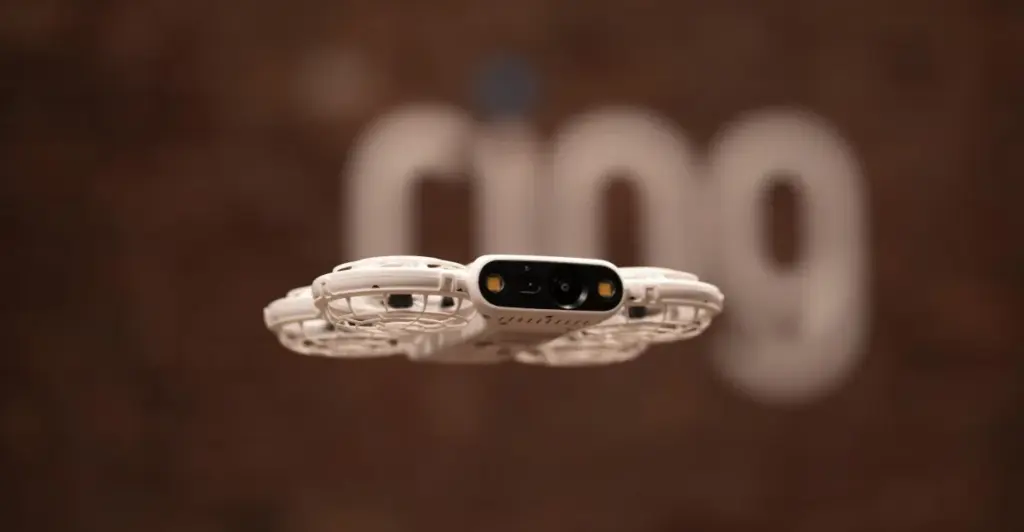
- Ring has officially confirmed that the 'Always Home Cam' will lack manual pilot controls, relying exclusively on an autonomous AI flight system.
- The decision follows a public demonstration on CBS Mornings where the drone crashed twice while under manual control.
- Ring attributes the crashes to connectivity issues and collision avoidance malfunctions, raising questions about the drone's reliability in complex home environments.
- The pivot to full autonomy suggests a strategic shift to mitigate user error, though it introduces new concerns regarding the drone's behavior during network outages.
- Ring chính thức xác nhận mẫu drone "Always Home Cam" sẽ không hỗ trợ điều khiển thủ công, thay vào đó vận hành hoàn toàn dựa trên hệ thống bay AI tự động.
- Quyết định này được đưa ra sau màn trình diễn công khai trên chương trình CBS Mornings, nơi thiết bị đã gặp sự cố rơi hai lần khi đang ở chế độ điều khiển thủ công.
- Ring đổ lỗi cho các vấn đề về kết nối và lỗi tránh va chạm, làm dấy lên nghi ngại về khả năng hoạt động ổn định của drone trong môi trường gia đình phức tạp.
- Việc chuyển sang chế độ tự hành hoàn toàn cho thấy chiến lược "đóng hộp" trải nghiệm người dùng, dù điều này cũng làm nảy sinh những lo ngại mới về hành vi của thiết bị khi mất kết nối mạng.
- Ring a officiellement confirmé que le "Always Home Cam" sera dépourvu de commandes de pilotage manuel, s'appuyant exclusivement sur un système de vol autonome piloté par IA.
- Cette décision fait suite à une démonstration publique sur CBS Mornings, lors de laquelle le drone s'est écrasé à deux reprises alors qu'il était en mode manuel.
- Ring attribue ces crashs à des problèmes de connectivité et à des défaillances du système d'évitement d'obstacles, soulevant des doutes sur la fiabilité du drone dans des environnements domestiques complexes.
- Ce virage vers une autonomie totale suggère une stratégie visant à limiter l'erreur humaine, bien qu'il soulève de nouvelles inquiétudes quant au comportement du drone en cas de coupure réseau.
- Ring ha confirmado oficialmente que el "Always Home Cam" carecerá de controles de pilotaje manual, dependiendo exclusivamente de un sistema de vuelo autónomo basado en IA.
- La decisión se produce tras una demostración pública en CBS Mornings donde el dron se estrelló dos veces mientras estaba bajo control manual.
- Ring atribuye los accidentes a problemas de conectividad y fallos en el sistema de evitación de colisiones, lo que genera dudas sobre la fiabilidad del dron en entornos domésticos complejos.
- El giro hacia la autonomía total sugiere una estrategia para minimizar el error del usuario, aunque introduce nuevas preocupaciones sobre el comportamiento del dron durante las caídas de red.
- Ring 已正式确认“Always Home Cam”将取消手动飞行控制,完全依赖自主 AI 飞行系统。
- 此举是在 CBS《早间新闻》节目中出现尴尬一幕后做出的决定,当时该无人机在手动操控下两次坠毁。
- Ring 将坠毁归咎于连接问题和避障功能故障,这引发了外界对其在复杂家庭环境中可靠性的质疑。
- 转向完全自主飞行表明了公司旨在减少用户操作失误的战略调整,但也引发了对无人机在网络中断期间表现的新担忧。
In the high-stakes theater of consumer robotics, the line between innovation and intrusion is often drawn by the reliability of the hardware. Amazon-owned Ring, the dominant force in the domestic surveillance market, has found itself at a critical juncture regarding its long-awaited “Always Home Cam.” Following a series of public demonstrations that saw the device falter under manual operation, the company has confirmed a definitive pivot: the drone will launch without any manual control options, forcing users to surrender their flight paths entirely to an onboard AI pilot.
This strategic retreat from user-controlled flight is more than a mere software limitation; it is a profound acknowledgment of the technical volatility inherent in indoor drone navigation. By stripping away the ability for homeowners to steer the device, Ring is betting that a pre-programmed, autonomous patrol model is not only safer but more marketable than a manual drone that, in the hands of a consumer, proved prone to colliding with walls and losing connectivity. The move raises urgent questions about the maturity of home-based autonomous systems and the extent to which we are willing to trust AI to navigate the most private spaces of our lives.
The Anatomy of an Embarrassing Debut
The decision to excise manual controls follows a disastrous media appearance on CBS Mornings, where Ring founder Jamie Siminoff attempted to showcase the drone’s versatility. During the segment, technology reporter Jo Ling Kent was granted the opportunity to pilot the device via a mobile app. The result was a stark departure from the polished marketing materials usually associated with the brand: the drone crashed twice. In the first instance, the device’s collision avoidance system failed to register an obstacle; in the second, the drone simply ceased to respond to inputs, careening into a wall after a connectivity drop.
Siminoff’s explanation—that the drone failed to execute its fail-safe landing protocol due to a loss of internet connection—highlights the precarious nature of cloud-dependent robotics. For a device designed to provide security, the inability to maintain a stable connection or navigate a simple living room environment is a significant liability. The subsequent decision to remove manual controls suggests that Ring is attempting to “sandbox” the user experience, preventing consumers from encountering the same technical limitations that were laid bare on national television.
The Evolution of Domestic Surveillance
To understand the gravity of this pivot, one must look at the trajectory of the smart home industry. For years, the sector has been defined by static sensors—doorbell cameras, motion detectors, and stationary lenses. The Always Home Cam was intended to be the next frontier: a mobile, proactive security guard that could investigate alerts in real-time. However, the transition from a static camera to a flying robot introduces a level of complexity that traditional smart home manufacturers are struggling to master.
Historically, consumer drones have been divided into two categories: high-end photography platforms requiring skilled manual pilots, and toy-grade devices with limited utility. Ring’s attempt to bridge this gap by creating a “set-it-and-forget-it” security drone is an ambitious play to capture the middle market. By removing manual controls, the company is effectively turning the drone into a flying version of a Roomba—a device that operates on a schedule, follows a map, and requires zero human intervention. While this simplifies the user experience, it also removes the human element of judgment, leaving the drone’s decision-making entirely to proprietary algorithms.
The Risks of Total Autonomy
The shift to full autonomy creates a new set of challenges, particularly regarding privacy and safety. If a user cannot manually override the drone, they are entirely dependent on the AI’s ability to recognize obstacles and maintain a connection to the network. If the AI misidentifies a pet, a child, or a piece of furniture, the user is powerless to intervene. This creates a “black box” scenario where the drone’s behavior is dictated by code that the user cannot influence, even when the device is operating inside their own bedroom or office.
Furthermore, the reliance on cloud connectivity for autonomous flight is a point of concern for privacy advocates. If the drone requires a constant handshake with Ring’s servers to navigate, the potential for data leakage or service outages becomes critical. If the internet goes down, the drone is effectively blind. Ring’s insistence that autonomous flight provides the “best customer benefit” is a calculated gamble that the convenience of automation will outweigh the anxiety of losing control over a flying camera in one’s home.
What Lies Ahead for Home Robotics
As the January launch approaches, all eyes will be on whether Ring can stabilize its AI Pilot system. The company’s refusal to allow independent demonstrations of the app suggests that they are still refining the software to prevent the kind of erratic behavior seen in the CBS demo. For the broader tech industry, this episode serves as a cautionary tale: the transition from static software to physical, autonomous hardware is fraught with physical risks that cannot be patched away with a simple firmware update.
Ultimately, the success of the Always Home Cam will depend on whether consumers perceive it as a helpful security tool or a liability that occasionally crashes into the drywall. If the AI proves robust, Ring may successfully normalize the presence of indoor drones. However, if the device continues to struggle with the unpredictable nature of a lived-in home, the project could become a landmark example of over-engineering. For now, the industry is watching to see if Ring’s gamble on autonomy will fly, or if it will remain grounded by the very technical hurdles it sought to bypass.
Trong "sân khấu" đầy rủi ro của ngành robot tiêu dùng, ranh giới giữa sự đổi mới và sự xâm phạm thường được định đoạt bởi độ tin cậy của phần cứng. Ring, công ty thuộc sở hữu của Amazon và là thế lực thống trị thị trường giám sát gia đình, đang đứng trước một thời điểm then chốt với sản phẩm "Always Home Cam" được mong đợi từ lâu. Sau hàng loạt màn trình diễn công khai cho thấy thiết bị gặp trục trặc khi vận hành thủ công, công ty đã xác nhận một sự thay đổi mang tính quyết định: drone sẽ ra mắt mà không có bất kỳ tùy chọn điều khiển thủ công nào, buộc người dùng phải hoàn toàn phó mặc lộ trình bay cho trí tuệ nhân tạo (AI) tích hợp.
Việc rút lui khỏi quyền điều khiển của người dùng không chỉ đơn thuần là một hạn chế về phần mềm; đó là sự thừa nhận sâu sắc về tính bất ổn kỹ thuật vốn có trong việc điều hướng drone trong nhà. Bằng cách tước bỏ khả năng tự điều khiển của gia chủ, Ring đang đánh cược rằng mô hình tuần tra tự động được lập trình sẵn không chỉ an toàn hơn mà còn dễ thương mại hóa hơn so với một chiếc drone thủ công – vốn đã chứng minh khả năng va chạm vào tường và mất kết nối khi nằm trong tay người tiêu dùng. Động thái này đặt ra những câu hỏi cấp bách về độ chín muồi của các hệ thống tự hành tại gia và mức độ sẵn sàng của chúng ta trong việc tin tưởng AI để điều hướng những không gian riêng tư nhất trong cuộc sống.
Giải phẫu một màn ra mắt đáng xấu hổ
Quyết định loại bỏ các điều khiển thủ công được đưa ra sau màn xuất hiện đầy tai hại trên chương trình CBS Mornings, nơi nhà sáng lập Ring, ông Jamie Siminoff, cố gắng phô diễn sự linh hoạt của drone. Trong phân đoạn đó, phóng viên công nghệ Jo Ling Kent đã được trao cơ hội điều khiển thiết bị thông qua ứng dụng di động. Kết quả hoàn toàn trái ngược với những tài liệu tiếp thị bóng bẩy thường thấy của thương hiệu: chiếc drone đã rơi hai lần. Ở lần đầu tiên, hệ thống tránh va chạm của thiết bị đã không nhận diện được vật cản; ở lần thứ hai, drone đơn giản là ngừng phản hồi các lệnh điều khiển và đâm sầm vào tường sau khi mất kết nối.
Lời giải thích của Siminoff – rằng drone không thực hiện được giao thức hạ cánh an toàn do mất kết nối internet – đã làm nổi bật bản chất bấp bênh của các robot phụ thuộc vào đám mây. Đối với một thiết bị được thiết kế để cung cấp an ninh, việc không thể duy trì kết nối ổn định hoặc điều hướng trong môi trường phòng khách đơn giản là một điểm yếu chí mạng. Quyết định loại bỏ điều khiển thủ công sau đó cho thấy Ring đang cố gắng "đóng hộp" trải nghiệm người dùng, ngăn cản khách hàng gặp phải những hạn chế kỹ thuật tương tự như những gì đã phơi bày trên sóng truyền hình quốc gia.
Sự tiến hóa của giám sát gia đình
Để hiểu được tầm quan trọng của bước ngoặt này, cần nhìn vào quỹ đạo của ngành công nghiệp nhà thông minh. Trong nhiều năm, lĩnh vực này được định nghĩa bởi các cảm biến tĩnh – chuông cửa có hình, máy dò chuyển động và ống kính cố định. "Always Home Cam" được kỳ vọng là biên giới tiếp theo: một nhân viên an ninh di động, chủ động, có thể điều tra các cảnh báo trong thời gian thực. Tuy nhiên, việc chuyển đổi từ camera tĩnh sang robot bay mang lại mức độ phức tạp mà các nhà sản xuất nhà thông minh truyền thống đang chật vật để làm chủ.
Trong lịch sử, drone tiêu dùng được chia thành hai loại: nền tảng nhiếp ảnh cao cấp đòi hỏi phi công điều khiển lành nghề và các thiết bị đồ chơi có tiện ích hạn chế. Nỗ lực của Ring nhằm thu hẹp khoảng cách này bằng cách tạo ra một chiếc drone an ninh "thiết lập rồi quên đi" là một nước đi đầy tham vọng để chiếm lĩnh phân khúc thị trường tầm trung. Bằng cách loại bỏ điều khiển thủ công, công ty đang biến drone thành phiên bản bay của Roomba – một thiết bị hoạt động theo lịch trình, tuân theo bản đồ và không cần sự can thiệp của con người. Mặc dù điều này đơn giản hóa trải nghiệm người dùng, nhưng nó cũng loại bỏ yếu tố phán đoán của con người, để việc ra quyết định của drone hoàn toàn phụ thuộc vào các thuật toán độc quyền.
Rủi ro của sự tự hành toàn diện
Việc chuyển sang tự hành hoàn toàn tạo ra một loạt thách thức mới, đặc biệt là về quyền riêng tư và an toàn. Nếu người dùng không thể can thiệp thủ công vào drone, họ hoàn toàn phụ thuộc vào khả năng nhận diện vật cản và duy trì kết nối mạng của AI. Nếu AI nhận diện sai thú cưng, trẻ em hoặc đồ đạc, người dùng sẽ bất lực trong việc can thiệp. Điều này tạo ra một kịch bản "hộp đen" nơi hành vi của drone bị chi phối bởi mã nguồn mà người dùng không thể tác động, ngay cả khi thiết bị đang hoạt động bên trong phòng ngủ hoặc văn phòng của chính họ.
Hơn nữa, việc dựa vào kết nối đám mây cho chuyến bay tự hành là một điểm đáng lo ngại đối với các nhà bảo vệ quyền riêng tư. Nếu drone cần liên tục "bắt tay" với máy chủ của Ring để điều hướng, khả năng rò rỉ dữ liệu hoặc gián đoạn dịch vụ sẽ trở nên nghiêm trọng. Nếu internet bị ngắt, drone thực sự bị mù. Việc Ring khẳng định rằng chuyến bay tự hành mang lại "lợi ích tốt nhất cho khách hàng" là một canh bạc có tính toán rằng sự tiện lợi của tự động hóa sẽ lấn át nỗi lo âu về việc mất quyền kiểm soát đối với một chiếc camera bay trong nhà.
Tương lai của robot gia đình
Khi thời điểm ra mắt vào tháng 1 đến gần, mọi ánh mắt sẽ đổ dồn vào việc liệu Ring có thể ổn định hệ thống AI Pilot của mình hay không. Việc công ty từ chối cho phép các bên độc lập thử nghiệm ứng dụng cho thấy họ vẫn đang tinh chỉnh phần mềm để ngăn chặn những hành vi thất thường từng thấy trong bản demo của CBS. Đối với ngành công nghệ nói chung, tập phim này là một bài học cảnh tỉnh: quá trình chuyển đổi từ phần mềm tĩnh sang phần cứng vật lý, tự hành chứa đầy những rủi ro vật lý mà không thể khắc phục bằng một bản cập nhật firmware đơn giản.
Cuối cùng, sự thành công của "Always Home Cam" sẽ phụ thuộc vào việc người tiêu dùng coi nó là một công cụ an ninh hữu ích hay một "cục nợ" thỉnh thoảng lại đâm sầm vào tường. Nếu AI chứng minh được sự mạnh mẽ, Ring có thể bình thường hóa thành công sự hiện diện của drone trong nhà. Tuy nhiên, nếu thiết bị tiếp tục chật vật với bản chất khó đoán của một ngôi nhà đang sinh sống, dự án này có thể trở thành một ví dụ điển hình về sự "kỹ thuật hóa quá mức". Hiện tại, cả ngành công nghiệp đang theo dõi xem canh bạc tự hành của Ring sẽ cất cánh, hay sẽ mãi bị kẹt lại bởi chính những rào cản kỹ thuật mà nó từng tìm cách vượt qua.
Dans le théâtre à hauts risques de la robotique grand public, la frontière entre innovation et intrusion est souvent tracée par la fiabilité du matériel. Ring, filiale d'Amazon et acteur dominant du marché de la surveillance domestique, se trouve à un tournant critique concernant son très attendu "Always Home Cam". Après une série de démonstrations publiques où l'appareil a montré ses limites en mode manuel, l'entreprise a confirmé un virage définitif : le drone sera lancé sans aucune option de contrôle manuel, obligeant les utilisateurs à confier entièrement leurs trajectoires de vol à un pilote automatique basé sur l'IA.
Ce retrait stratégique du pilotage manuel est bien plus qu'une simple limitation logicielle ; c'est une reconnaissance profonde de la volatilité technique inhérente à la navigation des drones en intérieur. En supprimant la possibilité pour les propriétaires de diriger l'appareil, Ring parie qu'un modèle de patrouille autonome préprogrammé est non seulement plus sûr, mais aussi plus commercialisable qu'un drone manuel qui, entre les mains d'un consommateur, s'est révélé enclin à percuter les murs et à perdre sa connectivité. Cette décision soulève des questions urgentes sur la maturité des systèmes autonomes domestiques et sur la mesure dans laquelle nous sommes prêts à faire confiance à l'IA pour naviguer dans les espaces les plus privés de nos vies.
L'anatomie d'un début embarrassant
La décision de supprimer les commandes manuelles fait suite à une apparition médiatique désastreuse sur CBS Mornings, où le fondateur de Ring, Jamie Siminoff, tentait de démontrer la polyvalence du drone. Durant la séquence, la journaliste spécialisée en technologie Jo Ling Kent a eu l'opportunité de piloter l'appareil via une application mobile. Le résultat fut aux antipodes des supports marketing léchés habituellement associés à la marque : le drone s'est écrasé deux fois. Dans le premier cas, le système d'évitement d'obstacles n'a pas détecté l'obstacle ; dans le second, le drone a tout simplement cessé de répondre aux commandes, s'écrasant contre un mur après une perte de connexion.
L'explication de Siminoff — selon laquelle le drone n'a pas réussi à exécuter son protocole d'atterrissage de sécurité en raison d'une perte de connexion internet — souligne la nature précaire de la robotique dépendante du cloud. Pour un appareil conçu pour assurer la sécurité, l'incapacité à maintenir une connexion stable ou à naviguer dans un simple salon constitue une responsabilité majeure. La décision ultérieure de supprimer les commandes manuelles suggère que Ring tente de "sanctuariser" l'expérience utilisateur, évitant ainsi aux consommateurs de se heurter aux mêmes limites techniques que celles exposées à la télévision nationale.
L'évolution de la surveillance domestique
Pour comprendre la gravité de ce pivot, il faut observer la trajectoire de l'industrie de la maison connectée. Pendant des années, le secteur a été défini par des capteurs statiques : sonnettes vidéo, détecteurs de mouvement et caméras fixes. Le "Always Home Cam" se voulait la nouvelle frontière : un agent de sécurité mobile et proactif capable d'enquêter sur les alertes en temps réel. Cependant, le passage d'une caméra statique à un robot volant introduit un niveau de complexité que les fabricants traditionnels de domotique peinent à maîtriser.
Historiquement, les drones grand public se divisaient en deux catégories : les plateformes de photographie haut de gamme nécessitant des pilotes manuels qualifiés, et les appareils de type jouet à l'utilité limitée. La tentative de Ring de combler ce fossé en créant un drone de sécurité "prêt à l'emploi" est un pari ambitieux pour conquérir le marché intermédiaire. En supprimant les commandes manuelles, l'entreprise transforme effectivement le drone en une version volante d'un Roomba : un appareil qui fonctionne selon un planning, suit une carte et ne nécessite aucune intervention humaine. Bien que cela simplifie l'expérience utilisateur, cela élimine également l'élément humain de jugement, laissant la prise de décision du drone entièrement aux algorithmes propriétaires.
Les risques de l'autonomie totale
Le passage à une autonomie complète crée une nouvelle série de défis, notamment en matière de vie privée et de sécurité. Si un utilisateur ne peut pas reprendre manuellement le contrôle du drone, il dépend entièrement de la capacité de l'IA à reconnaître les obstacles et à maintenir une connexion au réseau. Si l'IA identifie mal un animal de compagnie, un enfant ou un meuble, l'utilisateur est impuissant à intervenir. Cela crée un scénario de "boîte noire" où le comportement du drone est dicté par un code sur lequel l'utilisateur n'a aucune influence, même lorsque l'appareil opère à l'intérieur de sa propre chambre ou de son bureau.
De plus, la dépendance à la connectivité cloud pour le vol autonome est un point de préoccupation pour les défenseurs de la vie privée. Si le drone nécessite une communication constante avec les serveurs de Ring pour naviguer, le risque de fuite de données ou de panne de service devient critique. Si internet tombe, le drone est effectivement aveugle. L'insistance de Ring sur le fait que le vol autonome offre le "meilleur bénéfice client" est un pari calculé : celui que la commodité de l'automatisation l'emportera sur l'anxiété de perdre le contrôle d'une caméra volante chez soi.
Quel avenir pour la robotique domestique ?
À l'approche du lancement en janvier, tous les regards seront tournés vers la capacité de Ring à stabiliser son système "AI Pilot". Le refus de l'entreprise d'autoriser des démonstrations indépendantes de l'application suggère qu'ils sont encore en train d'affiner le logiciel pour éviter le type de comportement erratique observé lors de la démonstration sur CBS. Pour l'industrie technologique dans son ensemble, cet épisode sert de mise en garde : la transition d'un logiciel statique vers un matériel physique et autonome est semée d'embûches physiques qui ne peuvent être corrigées par une simple mise à jour du micrologiciel.
En fin de compte, le succès du "Always Home Cam" dépendra de la perception des consommateurs : le verront-ils comme un outil de sécurité utile ou comme un appareil capricieux qui s'écrase occasionnellement contre les cloisons ? Si l'IA s'avère robuste, Ring pourrait réussir à normaliser la présence de drones en intérieur. Cependant, si l'appareil continue de lutter contre la nature imprévisible d'un foyer habité, le projet pourrait devenir un exemple marquant de sur-ingénierie. Pour l'instant, l'industrie observe si le pari de l'autonomie de Ring prendra son envol, ou s'il restera cloué au sol par les obstacles techniques mêmes qu'il cherchait à contourner.
En el complejo escenario de la robótica de consumo, la línea que separa la innovación de la intrusión suele trazarse según la fiabilidad del hardware. Ring, propiedad de Amazon y fuerza dominante en el mercado de la vigilancia doméstica, se encuentra en un punto de inflexión crítico respecto a su esperada "Always Home Cam". Tras una serie de demostraciones públicas en las que el dispositivo falló bajo operación manual, la compañía ha confirmado un giro definitivo: el dron se lanzará sin ninguna opción de control manual, obligando a los usuarios a ceder por completo sus rutas de vuelo a un piloto de IA integrado.
Este repliegue estratégico frente al vuelo controlado por el usuario es más que una simple limitación de software; es un reconocimiento profundo de la volatilidad técnica inherente a la navegación de drones en interiores. Al eliminar la capacidad de los propietarios para dirigir el dispositivo, Ring apuesta a que un modelo de patrulla autónoma preprogramado no solo es más seguro, sino más comercializable que un dron manual que, en manos de un consumidor, demostró ser propenso a chocar contra las paredes y perder la conectividad. La medida plantea preguntas urgentes sobre la madurez de los sistemas autónomos domésticos y hasta qué punto estamos dispuestos a confiar en la IA para navegar por los espacios más privados de nuestras vidas.
La anatomía de un debut bochornoso
La decisión de suprimir los controles manuales sigue a una desastrosa aparición mediática en CBS Mornings, donde el fundador de Ring, Jamie Siminoff, intentó mostrar la versatilidad del dron. Durante el segmento, la reportera tecnológica Jo Ling Kent tuvo la oportunidad de pilotar el dispositivo a través de una aplicación móvil. El resultado fue una desviación radical de los pulidos materiales de marketing asociados habitualmente a la marca: el dron se estrelló dos veces. En el primer caso, el sistema de evitación de colisiones del dispositivo no detectó un obstáculo; en el segundo, el dron simplemente dejó de responder a las órdenes, estrellándose contra una pared tras una caída en la conectividad.
La explicación de Siminoff —que el dron no ejecutó su protocolo de aterrizaje de emergencia debido a una pérdida de conexión a internet— pone de relieve la naturaleza precaria de la robótica dependiente de la nube. Para un dispositivo diseñado para proporcionar seguridad, la incapacidad de mantener una conexión estable o navegar por un entorno doméstico sencillo supone un riesgo significativo. La decisión posterior de eliminar los controles manuales sugiere que Ring está intentando "aislar" la experiencia del usuario, evitando que los consumidores se enfrenten a las mismas limitaciones técnicas que quedaron expuestas en la televisión nacional.
La evolución de la vigilancia doméstica
Para comprender la gravedad de este giro, hay que observar la trayectoria de la industria del hogar inteligente. Durante años, el sector se ha definido por sensores estáticos: timbres con cámara, detectores de movimiento y lentes fijas. La Always Home Cam pretendía ser la siguiente frontera: un guardia de seguridad móvil y proactivo capaz de investigar alertas en tiempo real. Sin embargo, la transición de una cámara estática a un robot volador introduce un nivel de complejidad que los fabricantes tradicionales de hogares inteligentes están luchando por dominar.
Históricamente, los drones de consumo se han dividido en dos categorías: plataformas fotográficas de alta gama que requieren pilotos manuales expertos y dispositivos de juguete con utilidad limitada. El intento de Ring de salvar esta brecha creando un dron de seguridad de "configurar y olvidar" es una apuesta ambiciosa para captar el mercado intermedio. Al eliminar los controles manuales, la compañía está convirtiendo efectivamente al dron en una versión voladora de un Roomba: un dispositivo que opera según un horario, sigue un mapa y no requiere intervención humana. Si bien esto simplifica la experiencia del usuario, también elimina el elemento humano de juicio, dejando la toma de decisiones del dron enteramente en manos de algoritmos propietarios.
Los riesgos de la autonomía total
El cambio hacia la autonomía total crea un nuevo conjunto de desafíos, particularmente en lo que respecta a la privacidad y la seguridad. Si un usuario no puede anular manualmente el dron, depende totalmente de la capacidad de la IA para reconocer obstáculos y mantener una conexión con la red. Si la IA identifica erróneamente a una mascota, a un niño o a un mueble, el usuario no tiene poder para intervenir. Esto crea un escenario de "caja negra" donde el comportamiento del dron está dictado por un código sobre el cual el usuario no puede influir, incluso cuando el dispositivo está operando dentro de su propio dormitorio u oficina.
Además, la dependencia de la conectividad en la nube para el vuelo autónomo es un punto de preocupación para los defensores de la privacidad. Si el dron requiere un intercambio constante con los servidores de Ring para navegar, el potencial de filtración de datos o interrupciones del servicio se vuelve crítico. Si internet falla, el dron queda efectivamente ciego. La insistencia de Ring en que el vuelo autónomo proporciona el "mejor beneficio para el cliente" es una apuesta calculada a que la comodidad de la automatización superará la ansiedad de perder el control sobre una cámara voladora en el hogar.
Qué le depara el futuro a la robótica doméstica
A medida que se acerca el lanzamiento en enero, todas las miradas estarán puestas en si Ring puede estabilizar su sistema de piloto de IA. La negativa de la compañía a permitir demostraciones independientes de la aplicación sugiere que todavía están perfeccionando el software para evitar el tipo de comportamiento errático visto en la demostración de la CBS. Para la industria tecnológica en general, este episodio sirve como advertencia: la transición del software estático al hardware físico y autónomo está plagada de riesgos físicos que no pueden solucionarse con una simple actualización de firmware.
En última instancia, el éxito de la Always Home Cam dependerá de si los consumidores la perciben como una herramienta de seguridad útil o como un riesgo que ocasionalmente choca contra las paredes. Si la IA demuestra ser robusta, Ring podría normalizar con éxito la presencia de drones en interiores. Sin embargo, si el dispositivo sigue luchando con la naturaleza impredecible de un hogar habitado, el proyecto podría convertirse en un ejemplo histórico de exceso de ingeniería. Por ahora, la industria observa para ver si la apuesta de Ring por la autonomía logrará volar o si se mantendrá en tierra debido a los mismos obstáculos técnicos que intentó evitar.
在消费级机器人技术的高风险博弈中,创新与入侵之间的界限往往取决于硬件的可靠性。作为家庭监控市场的霸主,亚马逊旗下的 Ring 在其备受期待的“Always Home Cam”项目上正处于关键十字路口。在经历了一系列手动操作下表现失准的公开演示后,该公司确认了一项决定性的转型:这款无人机在发布时将不提供任何手动控制选项,用户必须将飞行路径完全交由机载 AI 飞行员接管。
这种从用户控制飞行向自主飞行的战略退却,不仅仅是一项软件功能的删减,更是对室内无人机导航固有技术波动性的深刻认知。通过剥夺房主操控设备的权利,Ring 押注于一种预编程的自主巡逻模式——他们认为这不仅比消费者手动操控更安全,也更具市场潜力,毕竟手动模式在用户手中已被证明极易撞墙或丢失连接。此举引发了关于家用自主系统成熟度的紧迫质疑,以及我们究竟在多大程度上愿意信任 AI 来导航我们最私密的生活空间。
尴尬首秀的剖析
取消手动控制的决定,源于该产品在 CBS《早间新闻》上的一次灾难性媒体亮相,当时 Ring 创始人杰米·西米诺夫(Jamie Siminoff)试图展示该无人机的多功能性。在节目中,科技记者乔·凌·肯特(Jo Ling Kent)获得了通过移动应用操控该设备的机会。结果却与该品牌通常展示的精美营销素材大相径庭:无人机坠毁了两次。第一次,设备的避障系统未能识别障碍物;第二次,无人机在连接中断后直接对指令失去响应,径直撞向墙壁。
西米诺夫解释称,无人机因互联网连接中断而未能执行故障安全着陆协议,这凸显了云依赖型机器人技术的脆弱本质。对于一款旨在提供安全保障的设备而言,无法维持稳定连接或在简单的客厅环境中导航,是一个重大的安全隐患。随后取消手动控制的决定表明,Ring 正试图将用户体验“沙盒化”,以防止消费者遭遇在全国电视直播中暴露出的同样技术局限。
家庭监控的演变
要理解这一转型的严重性,必须审视智能家居行业的轨迹。多年来,该行业一直由静态传感器定义——门铃摄像头、运动探测器和固定镜头。Always Home Cam 本应是下一个前沿领域:一个能够实时调查警报的移动式主动安防卫士。然而,从静态摄像头到飞行机器人的跨越,引入了传统智能家居制造商难以驾驭的复杂性。
从历史上看,消费级无人机分为两类:需要熟练手动飞行员的高端摄影平台,以及用途有限的玩具级设备。Ring 试图通过打造一款“设置后即无需操心”的安防无人机来填补这一空白,这是一场旨在占领中端市场的雄心勃勃的博弈。通过移除手动控制,该公司实际上是将无人机变成了一台会飞的 Roomba——一种按计划运行、遵循地图且无需人工干预的设备。虽然这简化了用户体验,但也剥夺了人类判断的要素,将无人机的决策权完全交给了专有算法。
全面自动化的风险
转向完全自动化带来了一系列新的挑战,特别是在隐私和安全方面。如果用户无法手动覆盖无人机的操作,他们就完全依赖于 AI 识别障碍物和维持网络连接的能力。如果 AI 错误识别了宠物、儿童或家具,用户将无力干预。这创造了一个“黑箱”场景,即无人机的行为由用户无法影响的代码决定,即便该设备正在用户的卧室或办公室里运行。
此外,自主飞行对云连接的依赖也是隐私倡导者关注的焦点。如果无人机需要与 Ring 的服务器保持持续握手才能导航,那么数据泄露或服务中断的风险就变得至关重要。如果互联网断开,无人机实际上就成了“瞎子”。Ring 坚持认为自主飞行提供了“最佳客户利益”,这是一种经过计算的赌博:即自动化的便利性将胜过人们对失去家中飞行摄像头控制权的焦虑。
家用机器人的未来之路
随着一月发布期的临近,所有人的目光都将聚焦于 Ring 能否稳定其 AI 飞行系统。该公司拒绝允许对该应用程序进行独立演示,这表明他们仍在完善软件,以防止出现 CBS 演示中那种不稳定的行为。对于更广泛的科技行业而言,这一插曲是一个警示:从静态软件向物理自主硬件的过渡,充满了无法通过简单的固件更新来修补的物理风险。
归根结底,Always Home Cam 的成功将取决于消费者将其视为有用的安防工具,还是一个偶尔会撞上干墙的累赘。如果 AI 被证明足够稳健,Ring 或许能成功实现室内无人机的常态化。然而,如果该设备继续在不可预测的居家环境中挣扎,该项目可能会成为过度工程化的标志性案例。目前,整个行业都在观望 Ring 对自动化的豪赌能否成功起飞,还是会因其试图绕过的技术障碍而被迫停飞。
Editorial Standards & Multi-Language Synthesis: This dispatch was synthesized and fact-checked by the ParisDaily Editorial Desk across 5 global editions (EN, FR, VI, ES, ZH), cross-referencing primary international wire reports and real-time search intelligence.