环境音革命:为何“开放式音频”正在重塑我们的数字生活
As the era of total noise isolation wanes, a new generation of open-ear technology is prioritizing environmental awareness, blending high-fidelity sound with the realities of the physical world.
Khi kỷ nguyên cách âm tuyệt đối dần thoái trào, một thế hệ công nghệ âm thanh mở mới đang ưu tiên sự kết nối với môi trường xung quanh, kết hợp hoàn hảo giữa chất lượng âm thanh cao cấp và thực tại vật lý. Đây là bước chuyển mình quan trọng, biến các thiết bị đeo trở thành một phần tự nhiên trong đời sống thay vì là rào cản ngăn cách người dùng với thế giới.
Alors que l'ère de l'isolation acoustique totale touche à sa fin, une nouvelle génération de technologies « open-ear » privilégie la conscience environnementale. Ces appareils marient une haute fidélité sonore aux réalités tangibles de notre monde physique.
En un momento en que la era del aislamiento acústico total llega a su fin, una nueva generación de tecnología de oído abierto prioriza la conciencia ambiental. Estos dispositivos fusionan un sonido de alta fidelidad con la realidad tangible del mundo físico.
随着全封闭式降噪时代的落幕,新一代开放式音频技术正将环境感知置于首位,在保持高保真音质的同时,与物理世界的现实达成和谐共生。
- Open-ear technology is shifting from niche fitness gear to a mainstream lifestyle product, prioritizing safety and situational awareness.
- Shokz and Bose remain the market leaders, though budget-friendly alternatives like Nothing and Soundcore are rapidly closing the feature gap.
- The primary trade-off remains audio fidelity and bass response, as open-ear designs cannot replicate the acoustic seal of traditional in-ear monitors.
- The market is segmenting into two distinct categories: clip-on 'earring' styles for daily wear and wraparound bone-conduction frames for endurance athletes.
- Công nghệ âm thanh mở đang chuyển dịch từ phân khúc ngách dành cho thể thao sang sản phẩm phong cách sống phổ thông, đề cao tính an toàn và nhận thức tình huống.
- Shokz và Bose vẫn là những đơn vị dẫn đầu thị trường, dù các đối thủ giá rẻ như Nothing và Soundcore đang nhanh chóng thu hẹp khoảng cách về tính năng.
- Sự đánh đổi lớn nhất vẫn nằm ở độ trung thực của âm thanh và âm trầm, do thiết kế mở không thể tái tạo được độ kín khít như các loại tai nghe nhét trong (in-ear) truyền thống.
- Thị trường đang phân hóa thành hai phân khúc rõ rệt: kiểu kẹp tai (earring) thời trang cho nhu cầu hàng ngày và kiểu khung vòng qua đầu (wraparound) sử dụng công nghệ dẫn truyền xương cho vận động viên chuyên nghiệp.
- La technologie open-ear passe du statut d'accessoire de sport de niche à celui de produit lifestyle grand public, plaçant la sécurité et la vigilance au cœur de l'expérience.
- Si Shokz et Bose dominent le marché, des alternatives plus accessibles comme Nothing et Soundcore réduisent rapidement l'écart technologique.
- Le compromis principal demeure la fidélité audio et la réponse des basses, les designs ouverts ne pouvant égaler l'étanchéité acoustique des écouteurs intra-auriculaires classiques.
- Le marché se segmente en deux catégories distinctes : les modèles « clips » façon bijoux pour le quotidien et les structures à conduction osseuse pour les sportifs d'endurance.
- La tecnología de oído abierto ha pasado de ser un equipo deportivo de nicho a un producto de estilo de vida convencional, priorizando la seguridad y la conciencia situacional.
- Shokz y Bose siguen siendo los líderes del mercado, aunque alternativas más asequibles como Nothing y Soundcore están cerrando rápidamente la brecha tecnológica.
- El principal compromiso sigue siendo la fidelidad de audio y la respuesta de graves, ya que los diseños de oído abierto no pueden replicar el sellado acústico de los monitores intraurales tradicionales.
- El mercado se está segmentando en dos categorías claras: estilos de "pendiente" con clip para el uso diario y armazones envolventes de conducción ósea para atletas de resistencia.
- 开放式音频技术正从利基运动装备转型为大众生活方式产品,核心价值在于安全与环境感知。
- Shokz 和 Bose 依然占据市场主导地位,但 Nothing 和 Soundcore 等高性价比品牌正迅速缩小功能差距。
- 音频保真度与低音表现仍是主要妥协点,因为开放式设计无法复刻入耳式耳机那种严密的声学密封效果。
- 市场正细分为两大阵营:适合日常佩戴的“耳夹式”风格,以及专为耐力运动员设计的“骨传导环绕式”框架。
For nearly a decade, the gold standard of personal audio was defined by the concept of the 'seal.' From the rise of noise-canceling over-ear headphones to the ubiquitous silicone-tipped earbuds that burrow into the ear canal, the industry’s primary goal was to excise the listener from their environment. Today, that paradigm is undergoing a radical reversal. A new wave of open-ear audio technology is hitting the market, designed not to block out the world, but to invite it back in. These devices, which rest on the outer ear rather than inside it, are transforming from niche athletic accessories into the preferred daily drivers for a generation increasingly wary of the 'digital bubble.'
This shift represents more than just a change in form factor; it is a fundamental recalibration of how we interact with our surroundings. Whether it is the cyclist navigating urban traffic, the parent listening to a podcast while keeping an ear on their children, or the office worker who needs to remain available for impromptu conversations, the demand for 'ambient awareness' has reached a fever pitch. As we look at the current landscape of 2026, the technology has matured from experimental prototypes into highly refined, durable, and surprisingly capable hardware that challenges the necessity of total isolation.
The Architecture of Awareness: How the Tech Works
At the heart of the open-ear movement is a departure from traditional acoustic engineering. Unlike in-ear monitors that rely on a pressurized seal to deliver bass and clarity, open earbuds function like miniature, directional speakers. By utilizing precise beamforming and angled drivers, these devices project sound directly into the ear canal while leaving the rest of the ear open to ambient noise. This design philosophy is particularly evident in the current market leaders, such as the Shokz OpenDots 2 and the Bose Ultra Open Earbuds.
The engineering challenge here is immense: how to maintain audio fidelity without the benefit of a closed acoustic chamber. Manufacturers have responded with a mix of sophisticated digital signal processing (DSP) and, in the case of models like the Shokz OpenRun Pro 2, hybrid technologies that combine air conduction with bone-vibration transducers. These advancements allow for a surprisingly rich soundstage, though they inevitably struggle with the deep, resonant sub-bass that closed-ear systems provide. For the average consumer, however, the trade-off is increasingly viewed as a net positive, trading a bit of low-end punch for the ability to hear a car approaching from behind or a colleague calling their name.
Market Segmentation and the Battle for the Ear
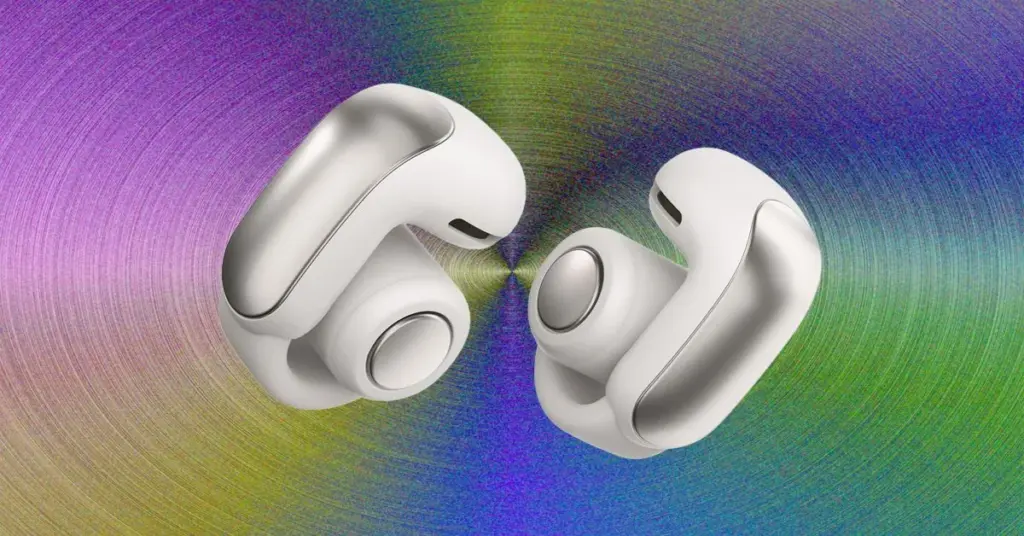
The market for open-ear devices has effectively split into two distinct camps: the 'clip-on' aesthetic and the 'wraparound' athletic frame. The clip-on category, championed by Bose and Soundcore, leans into the fashion-forward trend of wearable tech. These devices often resemble statement jewelry, clipping onto the earlobe with a lightweight, ergonomic tension. They are designed for the urban commuter and the multi-tasker, prioritizing comfort and ease of use over extreme durability. The Bose Ultra Open Earbuds, for instance, remain a benchmark for sound quality in this form factor, proving that high-end audio brands are taking the category seriously.
Conversely, the wraparound segment—dominated by Shokz—remains the undisputed king of endurance sports. By utilizing a rigid or semi-rigid headband, these devices offer unparalleled stability during high-intensity movement. The evolution of this segment has been rapid; where early bone-conduction headphones were criticized for 'tickling' the skin and sounding tinny, modern iterations are sleek, waterproof, and capable of long-haul battery performance. As companies like Suunto and JLab enter the fray, the competition is driving down prices and forcing innovation in battery management, with some models now offering up to 40 hours of total playback time with charging cases.
The Cultural Shift: Why We Are Choosing to Stay Connected
The rise of open-ear audio is a direct response to the 'always-on' nature of modern life. For years, the tech industry pushed us toward total immersion, but the unintended consequence was a sense of detachment that many users now find isolating or even dangerous. The cultural pivot toward open-ear devices reflects a desire to remain present. We are seeing a democratization of this tech, with entry-level options like the Nothing Ear (Open) and various budget-friendly clip-ons making the technology accessible to students and casual listeners who previously wouldn't have considered a $300 investment in specialized audio gear.
This is not to say that noise-canceling earbuds are going extinct. Rather, the market is maturing into a 'multi-device' reality. Much like a wardrobe, consumers are beginning to curate their audio tech based on the context of their day. A pair of flagship noise-canceling buds remains the tool of choice for a long-haul flight or a focused deep-work session, but the open-earbud has become the essential companion for the rest of the day. This duality suggests that the future of personal audio is not about choosing one technology over the other, but about having the right tool for the specific environment.
Institutional Reaction and the Road Ahead
As these devices become more common, we are also seeing a shift in how they are integrated into professional and public spaces. The 'invisible' nature of these earbuds—which often look like earrings or subtle accessories—is reducing the social friction associated with wearing headphones in public. We are moving toward a future where the line between 'connected' and 'present' is blurred, with digital audio overlays becoming a standard layer of our daily experience.
Looking forward, the next frontier for open-ear technology will likely be the integration of advanced AI-driven ambient filtering. Imagine a device that allows you to hear the world around you but automatically suppresses specific frequencies—like the hum of a refrigerator or the drone of a distant lawnmower—while keeping human voices and traffic alerts crisp and clear. As the hardware continues to shrink and the battery efficiency improves, the open-earbud is poised to become the most important piece of wearable tech since the smartwatch. The era of total isolation is ending; the era of the augmented, aware listener has arrived.
Trong gần một thập kỷ, tiêu chuẩn vàng của âm thanh cá nhân được định nghĩa bởi khái niệm "độ kín" (seal). Từ sự trỗi dậy của tai nghe chống ồn chụp tai cho đến những chiếc tai nghe nhét trong với đầu silicon cắm sâu vào ống tai, mục tiêu chính của ngành công nghiệp là tách biệt người nghe khỏi môi trường xung quanh. Ngày nay, mô hình đó đang trải qua một cuộc đảo chiều triệt để. Một làn sóng công nghệ âm thanh mở mới đang đổ bộ thị trường, được thiết kế không phải để chặn đứng thế giới, mà để mời gọi nó trở lại. Những thiết bị này, thay vì nằm bên trong, lại tựa vào vành tai ngoài, đang chuyển mình từ những phụ kiện thể thao chuyên biệt thành lựa chọn hàng ngày cho một thế hệ ngày càng cảnh giác với "bong bóng kỹ thuật số".
Sự thay đổi này không chỉ đơn thuần là về kiểu dáng; đó là một cuộc tái hiệu chuẩn căn bản về cách chúng ta tương tác với môi trường. Dù là người đi xe đạp di chuyển trong giao thông đô thị, các bậc phụ huynh vừa nghe podcast vừa để mắt đến con cái, hay nhân viên văn phòng cần sẵn sàng cho những cuộc trò chuyện bất chợt, nhu cầu về "nhận thức môi trường" (ambient awareness) đã đạt đến đỉnh điểm. Khi nhìn vào bức tranh toàn cảnh năm 2026, công nghệ này đã trưởng thành từ những nguyên mẫu thử nghiệm thành phần cứng tinh xảo, bền bỉ và đầy năng lực, thách thức sự cần thiết của việc cách âm tuyệt đối.
Kiến trúc của sự nhận thức: Công nghệ vận hành ra sao
Trọng tâm của phong trào âm thanh mở là sự tách rời khỏi kỹ thuật âm học truyền thống. Không giống như các loại tai nghe in-ear dựa vào áp suất để tạo ra âm trầm và độ trong trẻo, tai nghe mở hoạt động như những chiếc loa định hướng thu nhỏ. Bằng cách sử dụng công nghệ tạo chùm tia (beamforming) chính xác và các trình điều khiển (driver) đặt góc, các thiết bị này truyền âm thanh trực tiếp vào ống tai trong khi vẫn để phần còn lại của tai mở với tiếng ồn xung quanh. Triết lý thiết kế này thể hiện rõ nét ở những cái tên dẫn đầu thị trường hiện nay như Shokz OpenDots 2 và Bose Ultra Open Earbuds.
Thách thức kỹ thuật ở đây là vô cùng lớn: làm thế nào để duy trì độ trung thực của âm thanh mà không có sự hỗ trợ của buồng âm kín. Các nhà sản xuất đã phản hồi bằng sự kết hợp giữa xử lý tín hiệu số (DSP) tinh vi và, như trường hợp của Shokz OpenRun Pro 2, là các công nghệ lai kết hợp giữa truyền dẫn không khí và bộ chuyển đổi rung xương. Những tiến bộ này cho phép tạo ra một không gian âm thanh phong phú đến bất ngờ, mặc dù chúng vẫn khó lòng cạnh tranh với âm trầm sâu, vang dội mà các hệ thống kín mang lại. Tuy nhiên, đối với người tiêu dùng phổ thông, sự đánh đổi này ngày càng được coi là một điểm cộng, khi họ chấp nhận hy sinh một chút uy lực của âm trầm để đổi lấy khả năng nghe thấy tiếng xe cộ phía sau hoặc tiếng đồng nghiệp gọi tên mình.
Phân khúc thị trường và cuộc chiến giành lấy đôi tai
Thị trường thiết bị âm thanh mở đã chia thành hai phe rõ rệt: thẩm mỹ "kẹp tai" (clip-on) và khung "vòng qua đầu" (wraparound) dành cho thể thao. Phân khúc kẹp tai, được tiên phong bởi Bose và Soundcore, nghiêng về xu hướng thời trang của công nghệ đeo. Những thiết bị này thường trông giống như món đồ trang sức, kẹp vào vành tai với độ căng nhẹ nhàng, công thái học. Chúng được thiết kế cho người di chuyển trong đô thị và những người đa nhiệm, ưu tiên sự thoải mái và dễ sử dụng hơn là độ bền cực hạn. Ví dụ, Bose Ultra Open Earbuds vẫn là thước đo về chất lượng âm thanh trong phân khúc này, chứng minh rằng các thương hiệu âm thanh cao cấp đang thực sự nghiêm túc với dòng sản phẩm này.
Ngược lại, phân khúc vòng qua đầu—với sự thống trị của Shokz—vẫn là "ông vua" không thể tranh cãi của các môn thể thao sức bền. Bằng cách sử dụng khung đeo cứng hoặc bán cứng, các thiết bị này mang lại sự ổn định tuyệt đối trong các hoạt động cường độ cao. Sự tiến hóa của phân khúc này diễn ra rất nhanh; nơi mà những chiếc tai nghe dẫn truyền xương đời đầu từng bị chỉ trích vì gây "nhột" da và âm thanh mỏng, thì các phiên bản hiện đại đã trở nên bóng bẩy, chống nước và có khả năng duy trì pin bền bỉ. Khi các công ty như Suunto và JLab tham gia cuộc chơi, sự cạnh tranh đang kéo giá thành xuống và thúc đẩy đổi mới trong quản lý năng lượng, với một số mẫu hiện cung cấp tới 40 giờ phát nhạc tổng cộng cùng hộp sạc.
Sự chuyển dịch văn hóa: Tại sao chúng ta chọn giữ kết nối
Sự trỗi dậy của âm thanh mở là phản ứng trực tiếp đối với bản chất "luôn kết nối" của cuộc sống hiện đại. Trong nhiều năm, ngành công nghệ đã thúc đẩy chúng ta hướng tới sự đắm chìm tuyệt đối, nhưng hệ quả không mong muốn là cảm giác tách biệt mà nhiều người dùng hiện nay thấy cô lập hoặc thậm chí nguy hiểm. Sự xoay chuyển văn hóa hướng tới các thiết bị mở phản ánh mong muốn được hiện diện. Chúng ta đang chứng kiến sự dân chủ hóa của công nghệ này, với các lựa chọn bình dân như Nothing Ear (Open) và nhiều loại tai nghe kẹp giá rẻ khác, giúp công nghệ trở nên dễ tiếp cận với sinh viên và những người nghe phổ thông, những người trước đây có thể không cân nhắc việc đầu tư 300 USD cho thiết bị âm thanh chuyên dụng.
Điều này không có nghĩa là tai nghe chống ồn sẽ tuyệt chủng. Thay vào đó, thị trường đang trưởng thành theo hướng "đa thiết bị". Giống như tủ quần áo, người tiêu dùng đang bắt đầu lựa chọn công nghệ âm thanh dựa trên bối cảnh trong ngày. Một cặp tai nghe chống ồn hàng đầu vẫn là công cụ lựa chọn cho các chuyến bay dài hoặc các phiên làm việc tập trung, nhưng tai nghe mở đã trở thành người bạn đồng hành thiết yếu cho phần còn lại của ngày. Sự lưỡng tính này cho thấy tương lai của âm thanh cá nhân không phải là chọn công nghệ này thay vì công nghệ kia, mà là sở hữu đúng công cụ cho đúng môi trường cụ thể.
Phản ứng của thể chế và chặng đường phía trước
Khi các thiết bị này trở nên phổ biến hơn, chúng ta cũng thấy một sự thay đổi trong cách chúng được tích hợp vào không gian chuyên nghiệp và công cộng. Bản chất "vô hình" của những chiếc tai nghe này—thường trông giống như khuyên tai hoặc phụ kiện tinh tế—đang làm giảm bớt sự ngại ngùng xã hội khi đeo tai nghe ở nơi công cộng. Chúng ta đang tiến tới một tương lai nơi ranh giới giữa "kết nối" và "hiện diện" bị xóa nhòa, với các lớp phủ âm thanh kỹ thuật số trở thành một phần tiêu chuẩn trong trải nghiệm hàng ngày của chúng ta.
Nhìn về phía trước, biên giới tiếp theo cho công nghệ âm thanh mở có khả năng là sự tích hợp của bộ lọc môi trường dựa trên AI tiên tiến. Hãy tưởng tượng một thiết bị cho phép bạn nghe thế giới xung quanh nhưng tự động triệt tiêu các tần số cụ thể—như tiếng rì rầm của tủ lạnh hoặc tiếng ồn của máy cắt cỏ từ xa—trong khi vẫn giữ cho giọng nói con người và các cảnh báo giao thông trở nên sắc nét và rõ ràng. Khi phần cứng tiếp tục thu nhỏ và hiệu suất pin cải thiện, tai nghe mở đang sẵn sàng trở thành thiết bị đeo quan trọng nhất kể từ đồng hồ thông minh. Kỷ nguyên của sự cách ly tuyệt đối đang kết thúc; kỷ nguyên của người nghe có nhận thức và được tăng cường đã bắt đầu.
Pendant près d'une décennie, l'étalon-or de l'audio personnel a été dicté par le concept du "scellé". De l'essor des casques à réduction de bruit aux omniprésents écouteurs en silicone qui s'insèrent dans le conduit auditif, l'objectif premier de l'industrie était d'extraire l'auditeur de son environnement. Aujourd'hui, ce paradigme subit un renversement radical. Une nouvelle vague de technologies audio "open-ear" déferle sur le marché, conçue non pas pour occulter le monde, mais pour l'inviter à nouveau. Ces appareils, qui reposent sur l'oreille externe plutôt qu'à l'intérieur, se transforment : d'accessoires athlétiques de niche, ils deviennent les compagnons quotidiens privilégiés d'une génération de plus en plus méfiante vis-à-vis de la "bulle numérique".
Ce changement représente bien plus qu'une simple évolution de format ; il s'agit d'un recalibrage fondamental de notre interaction avec ce qui nous entoure. Qu'il s'agisse du cycliste naviguant dans le trafic urbain, du parent écoutant un podcast tout en gardant une oreille attentive sur ses enfants, ou de l'employé de bureau devant rester disponible pour des échanges impromptus, la demande pour une "conscience ambiante" a atteint son paroxysme. En observant le paysage de 2026, on constate que la technologie a mûri, passant de prototypes expérimentaux à un matériel hautement raffiné, durable et étonnamment performant, qui remet en question la nécessité d'une isolation totale.
L'architecture de la vigilance : comment fonctionne la technologie
Au cœur du mouvement open-ear se trouve une rupture avec l'ingénierie acoustique traditionnelle. Contrairement aux moniteurs intra-auriculaires qui reposent sur une étanchéité pressurisée pour délivrer basses et clarté, les écouteurs ouverts fonctionnent comme des haut-parleurs directionnels miniatures. En utilisant une formation de faisceaux précise et des transducteurs inclinés, ces appareils projettent le son directement dans le conduit auditif tout en laissant le reste de l'oreille ouvert aux bruits ambiants. Cette philosophie de conception est particulièrement évidente chez les leaders actuels du marché, tels que les Shokz OpenDots 2 et les Bose Ultra Open Earbuds.
Le défi technique est immense : comment maintenir une fidélité audio sans le bénéfice d'une chambre acoustique fermée ? Les fabricants ont répondu par un mélange de traitement numérique du signal (DSP) sophistiqué et, dans le cas de modèles comme le Shokz OpenRun Pro 2, par des technologies hybrides combinant conduction aérienne et transducteurs à vibration osseuse. Ces avancées permettent une scène sonore étonnamment riche, bien qu'elles luttent inévitablement avec les basses profondes et résonnantes que procurent les systèmes fermés. Pour le consommateur moyen, cependant, le compromis est de plus en plus perçu comme un gain net : on sacrifie un peu d'impact dans les graves pour la capacité d'entendre une voiture approcher par l'arrière ou un collègue nous interpeller.
Segmentation du marché et bataille pour l'oreille
Le marché des appareils open-ear s'est scindé en deux camps distincts : l'esthétique "clip" et la structure athlétique "enveloppante". La catégorie des clips, portée par Bose et Soundcore, s'inscrit dans la tendance mode de la technologie portable. Ces appareils ressemblent souvent à des bijoux, se fixant sur le lobe de l'oreille avec une tension ergonomique légère. Ils sont conçus pour le citadin et le multitâche, privilégiant le confort et la facilité d'utilisation à la durabilité extrême. Les Bose Ultra Open Earbuds, par exemple, restent une référence en matière de qualité sonore pour ce format, prouvant que les marques audio haut de gamme prennent cette catégorie très au sérieux.
À l'inverse, le segment enveloppant — dominé par Shokz — demeure le roi incontesté des sports d'endurance. En utilisant un arceau rigide ou semi-rigide, ces appareils offrent une stabilité inégalée lors de mouvements à haute intensité. L'évolution de ce segment a été fulgurante ; là où les premiers casques à conduction osseuse étaient critiqués pour leurs sensations de "picotements" et leur son métallique, les versions modernes sont élégantes, étanches et capables d'une autonomie longue durée. Avec l'arrivée d'acteurs comme Suunto et JLab, la concurrence fait chuter les prix et stimule l'innovation dans la gestion de l'énergie, certains modèles offrant désormais jusqu'à 40 heures de lecture totale avec leurs boîtiers de charge.
Le virage culturel : pourquoi nous choisissons de rester connectés
L'essor de l'audio open-ear est une réponse directe à la nature "toujours connectée" de la vie moderne. Pendant des années, l'industrie technologique nous a poussés vers l'immersion totale, mais la conséquence involontaire fut un sentiment de détachement que beaucoup d'utilisateurs trouvent désormais isolant, voire dangereux. Le pivot culturel vers les appareils open-ear reflète un désir de rester présent. Nous assistons à une démocratisation de cette technologie, avec des options d'entrée de gamme comme le Nothing Ear (Open) et divers clips abordables, rendant ces outils accessibles aux étudiants et aux auditeurs occasionnels qui n'auraient jamais envisagé un investissement de 300 euros dans du matériel audio spécialisé.
Cela ne signifie pas pour autant que les écouteurs à réduction de bruit vont disparaître. Le marché évolue plutôt vers une réalité "multi-appareils". À l'instar d'une garde-robe, les consommateurs commencent à sélectionner leur technologie audio en fonction du contexte de leur journée. Une paire d'écouteurs à réduction de bruit reste l'outil de choix pour un vol long-courrier ou une session de travail intense, mais l'écouteur open-ear est devenu le compagnon essentiel pour le reste de la journée. Cette dualité suggère que l'avenir de l'audio personnel ne consiste pas à choisir une technologie plutôt qu'une autre, mais à disposer du bon outil pour l'environnement spécifique.
Réaction institutionnelle et perspectives d'avenir
À mesure que ces appareils se généralisent, nous observons également un changement dans leur intégration au sein des espaces professionnels et publics. La nature "invisible" de ces écouteurs — qui ressemblent souvent à des boucles d'oreilles ou à des accessoires discrets — réduit les frictions sociales associées au port d'un casque en public. Nous nous dirigeons vers un futur où la frontière entre "connecté" et "présent" s'estompe, les superpositions audio numériques devenant une couche standard de notre expérience quotidienne.
À l'avenir, la prochaine frontière pour la technologie open-ear sera probablement l'intégration d'un filtrage ambiant avancé piloté par l'IA. Imaginez un appareil qui vous permet d'entendre le monde qui vous entoure tout en supprimant automatiquement des fréquences spécifiques — comme le bourdonnement d'un réfrigérateur ou le ronronnement d'une tondeuse au loin — tout en gardant les voix humaines et les alertes de circulation nettes et claires. Alors que le matériel continue de se miniaturiser et que l'efficacité énergétique s'améliore, l'écouteur open-ear est en passe de devenir l'accessoire connecté le plus important depuis la montre intelligente. L'ère de l'isolation totale s'achève ; l'ère de l'auditeur augmenté et conscient a commencé.
Durante casi una década, el estándar de oro del audio personal estuvo definido por el concepto del "sellado". Desde el auge de los auriculares con cancelación de ruido hasta los omnipresentes audífonos de silicona que se insertan en el canal auditivo, el objetivo principal de la industria fue aislar al oyente de su entorno. Hoy, ese paradigma está experimentando una reversión radical. Una nueva ola de tecnología de audio de oído abierto está llegando al mercado, diseñada no para bloquear el mundo, sino para invitarlo a entrar. Estos dispositivos, que descansan sobre la oreja en lugar de dentro de ella, están dejando de ser accesorios deportivos especializados para convertirse en los compañeros diarios preferidos de una generación cada vez más recelosa de la "burbuja digital".
Este cambio representa algo más que una modificación en el factor de forma; es una recalibración fundamental de cómo interactuamos con nuestro entorno. Ya sea el ciclista que navega por el tráfico urbano, el padre que escucha un podcast mientras vigila a sus hijos o el trabajador de oficina que necesita estar disponible para conversaciones improvisadas, la demanda de "conciencia ambiental" ha alcanzado un punto álgido. Al observar el panorama actual de 2026, la tecnología ha madurado desde prototipos experimentales hasta convertirse en un hardware altamente refinado, duradero y sorprendentemente capaz que cuestiona la necesidad del aislamiento total.
La arquitectura de la conciencia: cómo funciona la tecnología
En el corazón del movimiento de oído abierto se encuentra un alejamiento de la ingeniería acústica tradicional. A diferencia de los monitores intraurales que dependen de un sello presurizado para ofrecer graves y claridad, los auriculares de oído abierto funcionan como altavoces en miniatura y direccionales. Mediante el uso de una formación de haces precisa y transductores angulados, estos dispositivos proyectan el sonido directamente hacia el canal auditivo mientras dejan el resto del oído abierto al ruido ambiental. Esta filosofía de diseño es particularmente evidente en los líderes actuales del mercado, como los Shokz OpenDots 2 y los Bose Ultra Open Earbuds.
El desafío de ingeniería aquí es inmenso: cómo mantener la fidelidad del audio sin el beneficio de una cámara acústica cerrada. Los fabricantes han respondido con una mezcla de procesamiento de señal digital (DSP) sofisticado y, en el caso de modelos como el Shokz OpenRun Pro 2, tecnologías híbridas que combinan la conducción aérea con transductores de vibración ósea. Estos avances permiten un escenario sonoro sorprendentemente rico, aunque inevitablemente luchan con los graves profundos y resonantes que proporcionan los sistemas cerrados. Para el consumidor promedio, sin embargo, el compromiso se percibe cada vez más como un beneficio neto, intercambiando un poco de potencia en las frecuencias bajas por la capacidad de escuchar un coche que se acerca por detrás o a un colega que pronuncia su nombre.
Segmentación del mercado y la batalla por el oído
El mercado de dispositivos de oído abierto se ha dividido efectivamente en dos campos distintos: la estética de "clip" y el armazón atlético "envolvente". La categoría de clip, defendida por Bose y Soundcore, se inclina hacia la tendencia de la tecnología vestible orientada a la moda. Estos dispositivos a menudo se asemejan a joyas de diseño, sujetándose al lóbulo de la oreja con una tensión ligera y ergonómica. Están pensados para el usuario urbano y el multitarea, priorizando la comodidad y la facilidad de uso sobre la durabilidad extrema. Los Bose Ultra Open Earbuds, por ejemplo, siguen siendo un referente de calidad de sonido en este formato, demostrando que las marcas de audio de alta gama se toman la categoría en serio.
Por el contrario, el segmento envolvente —dominado por Shokz— sigue siendo el rey indiscutible de los deportes de resistencia. Al utilizar una diadema rígida o semirrígida, estos dispositivos ofrecen una estabilidad inigualable durante el movimiento de alta intensidad. La evolución de este segmento ha sido rápida; donde los primeros auriculares de conducción ósea eran criticados por "cosquillear" la piel y sonar metálicos, las versiones modernas son elegantes, resistentes al agua y capaces de ofrecer un rendimiento de batería de larga duración. A medida que empresas como Suunto y JLab entran en la contienda, la competencia está reduciendo los precios e impulsando la innovación en la gestión de la batería, con algunos modelos que ahora ofrecen hasta 40 horas de reproducción total con estuches de carga.
El cambio cultural: por qué elegimos mantenernos conectados
El auge del audio de oído abierto es una respuesta directa a la naturaleza de "siempre conectado" de la vida moderna. Durante años, la industria tecnológica nos empujó hacia la inmersión total, pero la consecuencia no deseada fue una sensación de desapego que muchos usuarios ahora consideran aislante o incluso peligrosa. El giro cultural hacia los dispositivos de oído abierto refleja el deseo de permanecer presentes. Estamos viendo una democratización de esta tecnología, con opciones de entrada como los Nothing Ear (Open) y varios modelos de clip económicos que hacen que la tecnología sea accesible para estudiantes y oyentes ocasionales que antes no habrían considerado una inversión de 300 dólares en equipos de audio especializados.
Esto no significa que los auriculares con cancelación de ruido vayan a extinguirse. Más bien, el mercado está madurando hacia una realidad "multidispositivo". Al igual que con el vestuario, los consumidores están empezando a seleccionar su tecnología de audio según el contexto de su día. Un par de auriculares insignia con cancelación de ruido sigue siendo la herramienta elegida para un vuelo de larga distancia o una sesión de trabajo profundo, pero el auricular de oído abierto se ha convertido en el compañero esencial para el resto de la jornada. Esta dualidad sugiere que el futuro del audio personal no consiste en elegir una tecnología sobre la otra, sino en tener la herramienta adecuada para el entorno específico.
Reacción institucional y el camino a seguir
A medida que estos dispositivos se vuelven más comunes, también estamos viendo un cambio en cómo se integran en los espacios profesionales y públicos. La naturaleza "invisible" de estos auriculares —que a menudo parecen pendientes o accesorios sutiles— está reduciendo la fricción social asociada con el uso de auriculares en público. Nos dirigimos hacia un futuro donde la línea entre estar "conectado" y "presente" se desdibuja, convirtiéndose las superposiciones de audio digital en una capa estándar de nuestra experiencia diaria.
Mirando hacia el futuro, la próxima frontera para la tecnología de oído abierto será probablemente la integración de un filtrado ambiental avanzado impulsado por IA. Imagine un dispositivo que le permita escuchar el mundo que le rodea pero que suprima automáticamente frecuencias específicas —como el zumbido de un refrigerador o el ruido de un cortacésped lejano— mientras mantiene las voces humanas y las alertas de tráfico nítidas y claras. A medida que el hardware continúa reduciéndose y la eficiencia de la batería mejora, el auricular de oído abierto está listo para convertirse en la pieza de tecnología vestible más importante desde el reloj inteligente. La era del aislamiento total está terminando; la era del oyente aumentado y consciente ha llegado.
近十年来,个人音频的黄金标准一直由“密封性”定义。从降噪头戴式耳机的兴起,到深入耳道的硅胶耳塞,整个行业的首要目标始终是将听者从环境中剥离。如今,这一范式正在经历彻底的逆转。新一波开放式音频技术正席卷市场,它们的设计初衷并非屏蔽世界,而是重新拥抱环境。这些设备不再深入耳道,而是悬挂于耳廓外侧,正从利基运动配件转型为一代人应对“数字泡沫”焦虑的首选日常装备。
这种转变不仅是形态上的更迭,更是我们与周围环境互动方式的根本性重构。无论是穿梭于城市车流中的骑行者、一边听播客一边照看孩子的家长,还是需要随时响应突发对话的职场人士,对“环境感知”的需求已达到顶峰。放眼 2026 年的现状,该技术已从实验性原型演变为高度成熟、耐用且功能惊人的硬件,挑战着全封闭式隔离的必要性。
感知架构:技术如何运作
开放式音频运动的核心在于对传统声学工程的背离。与依赖压力密封来提供低音和清晰度的入耳式耳机不同,开放式耳机更像是微型的定向扬声器。通过精确的波束成形和倾斜驱动单元,这些设备将声音直接投射到耳道,同时让耳朵的其余部分保持对环境噪音的开放。这种设计理念在目前的市场领军者中表现尤为突出,例如 Shokz OpenDots 2 和 Bose Ultra Open Earbuds。
这里的工程挑战极其艰巨:如何在没有封闭声腔的情况下保持音频保真度?制造商们通过复杂的数字信号处理(DSP)技术,以及像 Shokz OpenRun Pro 2 那样结合空气传导与骨振动传感器的混合技术给出了答案。这些进步带来了令人惊喜的丰富声场,尽管它们在封闭式系统所能提供的深沉、共鸣的低音方面仍显吃力。然而,对于普通消费者而言,这种权衡被视为一种净收益:牺牲一点低音冲击力,换取的是听到后方驶来的汽车或同事呼唤名字的能力。
市场细分与“耳畔之争”
开放式设备市场已有效分裂为两大阵营:“耳夹式”美学与“环绕式”运动框架。以 Bose 和 Soundcore 为代表的耳夹式类别,倾向于可穿戴技术的时尚前沿。这些设备通常看起来像个性化珠宝,以轻盈、符合人体工程学的张力夹在耳垂上。它们专为城市通勤者和多任务处理者设计,将舒适度和易用性置于极端耐用性之上。例如,Bose Ultra Open Earbuds 在此形态下依然保持了音质标杆地位,证明了高端音频品牌正严肃对待这一细分市场。
相反,以 Shokz 为代表的环绕式细分市场,依然是耐力运动领域的绝对王者。通过刚性或半刚性头带,这些设备在高强度运动中提供了无与伦比的稳定性。这一细分市场的演进速度极快;早期的骨传导耳机常因“皮肤发痒”和音质单薄而受诟病,而现代版本则更加轻薄、防水,并具备长效电池性能。随着 Suunto 和 JLab 等品牌的加入,竞争正在拉低价格并推动电池管理方面的创新,部分型号配合充电盒已能提供长达 40 小时的总播放时间。
文化转向:为何我们选择保持连接
开放式音频的兴起是对现代生活“永远在线”状态的直接回应。多年来,科技行业一直推动我们走向完全沉浸,但意想不到的后果是产生了一种疏离感,许多用户现在觉得这种状态既孤立又危险。向开放式设备的文化转向,反映了人们渴望保持“在场”的愿望。我们正在见证这项技术的民主化,Nothing Ear (Open) 等入门级选项以及各种高性价比的耳夹式产品,让那些此前不会考虑投资 300 美元购买专业音频设备的大学生和休闲听众也能享受到这项技术。
这并不意味着降噪耳机将走向灭绝。相反,市场正在走向“多设备”现实。就像衣橱一样,消费者开始根据当天的场景来挑选音频设备。旗舰级降噪耳机依然是长途飞行或深度专注工作时的首选工具,但开放式耳机已成为全天候的必备伴侣。这种二元性表明,个人音频的未来不在于二选一,而在于针对特定环境选择最合适的工具。
机构反应与未来之路
随着这些设备日益普及,我们也在观察它们如何融入专业和公共空间。这些耳机“隐形”的特性——看起来往往像耳环或精致配饰——减少了在公共场合佩戴耳机带来的社交摩擦。我们正迈向一个“连接”与“在场”界限模糊的未来,数字音频叠加层正成为我们日常体验的标准组成部分。
展望未来,开放式技术的下一个前沿可能是集成先进的 AI 环境过滤功能。想象一下,有一种设备既能让你听到周围的世界,又能自动抑制特定频率——比如冰箱的嗡嗡声或远处割草机的轰鸣声——同时保持人声和交通警报的清晰。随着硬件持续小型化和电池效率的提升,开放式耳机有望成为继智能手表之后最重要的可穿戴设备。全封闭隔离的时代正在终结;增强型、具备感知力的听者时代已经到来。
Editorial Standards & Multi-Language Synthesis: This dispatch was synthesized and fact-checked by the ParisDaily Editorial Desk across 5 global editions (EN, FR, VI, ES, ZH), cross-referencing primary international wire reports and real-time search intelligence.