走近朗·霍华德的新作《阿维顿》:这位摄影巨匠如何重新定义现代视觉
Ron Howard’s extraordinary new documentary captures the complex genius of Richard Avedon, a titan of high fashion who revolutionized the democratic portrait.
Bộ phim tài liệu mới vô cùng xuất sắc của Ron Howard khắc họa thiên tài đa diện của Richard Avedon — một người khổng lồ trong thế giới thời trang cao cấp, người đã cách mạng hóa nghệ thuật chân dung mang tính bình đẳng.
Le nouveau et remarquable documentaire de Ron Howard capture le génie complexe de Richard Avedon, titan de la haute couture qui a révolutionné le portrait démocratique. Le film explore les paradoxes et la virtuosité d'un créateur dont l'objectif a immortalisé soixante ans d'histoire culturelle.
El extraordinario nuevo documental de Ron Howard retrata la compleja genialidad de Richard Avedon, un titán de la alta costura que revolucionó el retrato democrático. La película explora su legado a través de miles de sesiones inéditas y un montaje de impecable pulso musical.
朗·霍华德这部非凡的新纪录片捕捉了理查德·阿维顿(Richard Avedon)复杂的才华——这位高级时装界的泰斗彻底革新了平民化肖像摄影。
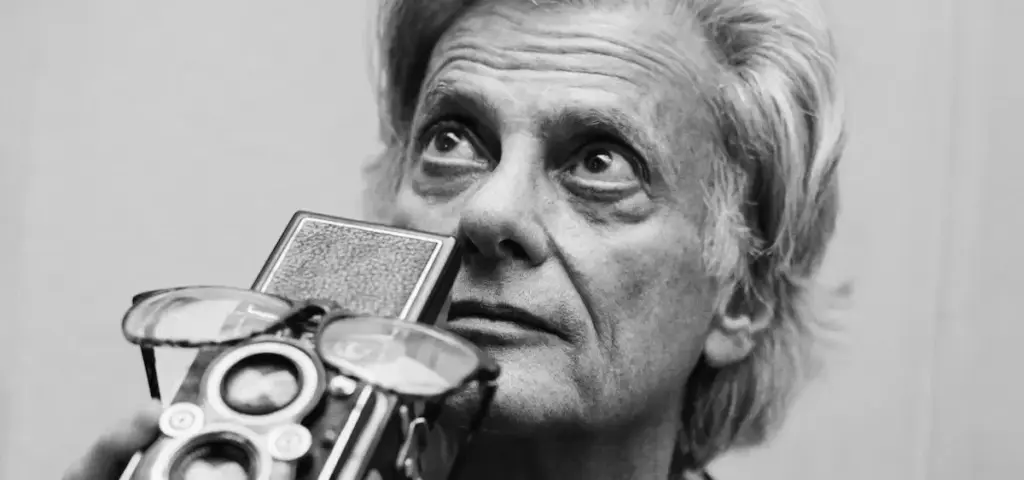
- Ron Howard directs what critics call his finest documentary achievement to date, tracing Richard Avedon's 60-year career.
- The film explores Avedon's central paradox as both a high-fashion icon and a radical democratic humanist.
- Archive access provided by the Richard Avedon Foundation reveals intimate details behind 16,000 sittings from 1944 to 2004.
- Editor Andrew Morreale weaves hundreds of iconic portraits into a fluid, musical visual narrative.
- Ron Howard đạo diễn tác phẩm được giới phê bình ca ngợi là thành tựu phim tài liệu xuất sắc nhất của ông cho đến nay, tái hiện sự nghiệp kéo dài 60 năm của Richard Avedon.
- Bộ phim khám phá nghịch lý trung tâm ở Avedon: vừa là biểu tượng thời trang cao cấp, vừa là một nhà nhân văn dân chủ cấp tiến.
- Quyền tiếp cận kho lưu trữ do Quỹ Richard Avedon cung cấp hé lộ những chi tiết thân mật đằng sau 16.000 buổi chụp hình từ năm 1944 đến năm 2004.
- Dựng phim Andrew Morreale đan xen hàng trăm bức chân dung biểu tượng thành một bản tường thuật thị giác uyển chuyển, mang âm hưởng âm nhạc.
- Ron Howard signe ce que les critiques considèrent comme son chef-d'œuvre documentaire à ce jour, retraçant les soixante ans de carrière de Richard Avedon.
- Le film explore le paradoxe central d'Avedon, à la fois icône de la haute couture et humaniste radical et démocratique.
- L'accès aux archives fourni par la Richard Avedon Foundation révèle les coulisses intimes de 16 000 séances photo réalisées entre 1944 et 2004.
- Le monteur Andrew Morreale tisse des centaines de portraits iconiques pour composer un récit visuel fluide et musical.
- Ron Howard dirige el que los críticos consideran su mejor trabajo documental hasta la fecha, repasando los 60 años de trayectoria de Richard Avedon.
- La película explora la paradoja central de Avedon como icono de la alta costura y, al mismo tiempo, como un humanista radical y democrático.
- El acceso al archivo de la Fundación Richard Avedon revela detalles íntimos tras 16 000 sesiones realizadas entre 1944 y 2004.
- El montador Andrew Morreale entrelaza cientos de retratos icónicos en una narrativa visual fluida y de compás musical.
- 朗·霍华德执导了评论界盛赞其迄今为止最杰出的纪录片作品,追溯了理查德·阿维顿长达60年的职业生涯。
- 影片探讨了阿维顿作为高级时装偶像与激进的民主主义人道主义者之间的核心悖论。
- 理查德·阿维顿基金会提供的档案资料揭示了1944年至2004年间16,000次拍摄背后的私密细节。
- 剪辑师安德鲁·莫雷莱(Andrew Morreale)将数百幅标志性肖像交织成流畅且富有音乐感的视觉叙事。
Richard Avedon was a paragon of high fashion and also the ultimate democratic humanist. In his landmark new documentary simply titled Avedon, director Ron Howard brilliantly untangles this central paradox, offering a cinematic masterclass that elevates the legendary photographer’s indelible images into a symphony of human experience. It is easily the finest documentary Howard has helmed—surpassing even his acclaimed work on The Beatles: Eight Days a Week—owing largely to an editorial rhythm crafted by Andrew Morreale that feels less like a traditional biographical film and more like a moving, visual jazz composition.
Woven through the 105-minute runtime are hundreds of photographs shot by Avedon across six decades, layered into the viewer's consciousness with astonishing finesse. The film does not merely catalog a timeline of mid-century glamour; it investigates how Avedon fundamentally altered the metaphysics of photography, shifting the very lens through which modern society perceives identity, power, and vulnerability. Featuring contributions from cultural luminaries such as Tina Brown, Larry Gagosian, Hilton Als, Calvin Klein, and Avedon’s son, John Avedon, the documentary opens the vault on a creative life defined by relentless curiosity and psychological precision.
The White Paper Genesis and Military Mug Shots
The aesthetic architecture of Avedon’s iconic portraits—specifically his signature stark, white paper background—had its roots in a surprisingly utilitarian beginning. Born in New York in 1923, Avedon enlisted in the U.S. Merchant Marines at age 19, securing a post in the photographic department where he captured roughly 100,000 ID photographs of enlisted men and laborers. Far from a tedious chore, this military KP duty became his artistic crucible. Observing thousands of baffled faces framed against a uniform white void, Avedon realized that the absence of clutter allowed the profound uniqueness of every human face to emerge unobstructed.
This minimalist egalitarianism transformed the police mug shot and the military ID card into high art. By stripping away contextual props, ornate backdrops, and environmental distractions, Avedon forced both the subject and the viewer into an unvarnished existential encounter. As the film notes through archival interviews, Avedon operated as a head-on classicist who shared an affinity with Diane Arbus for capturing the exquisite, off-kilter humanity of his sitters. Whether photographing ordinary Oklahoma oil workers in 1980 or American generals during the Vietnam War, his stark white backdrop served as a great equalizer, giving equal dignity to the anonymous laborer and the global icon.
Disarming the Famous: Inside the Portrait Sessions
One of the great pleasures of Howard’s film is its deconstruction of how Avedon coaxed legendary performances out of the world's most heavily guarded personalities. Dispensing with technical chatter about f-stops and shutter speeds, Avedon's genius lay entirely in his interpersonal choreography. As filmmaker and model Isabella Rossellini recounts in the documentary, while conventional photographers fired away endlessly, Avedon might shoot only a handful of frames during an hour-long booking, spending the first half hour simply sharing coffee and conversation before capturing magic in the final moments.
This methodology produced timeless, unguarded moments that permanently etched themselves into the cultural hive mind. The documentary revisits legendary encounters: Charlie Chaplin playfully flashing devil horns at the camera in 1953; a leaping Twiggy suspended mid-air; and a marathon 1957 session with Marilyn Monroe. While the day yielded vibrant images of Monroe in her cinematic splendor, the defining shot emerged at the very end of the shoot when she momentarily dropped her armor, revealing the thoughtful, melancholic woman behind the global sex symbol. It was this rare ability to catch subjects off-guard—to document the ineffable dance between artist and muse—that separated Avedon from his contemporaries.
Bridging High Fashion, Commercial Art, and Raw Reality
Avedon’s career successfully bridged worlds that typically repelled one another: high-fashion gloss, commercial advertising, and raw socio-political documentary. While he funded his artistic freedom through lucrative commercial ventures—including the surrealist Obsession perfume television spots for Calvin Klein—there was a breathtaking continuity across all of his output. James Martin, executive director of the Richard Avedon Foundation, guides viewers through the labyrinthine archives preserving the legacy of roughly 16,000 sittings conducted between 1944 and his passing in 2004.
The documentary does not shy away from the darker, more melancholic threads of Avedon’s life, touching upon the tragic story of the sister he revered, his troubled marriages, and his complex reconciliation with his aging father through the camera lens. Yet, whether he was photographing the Chicago Seven, the denizens of Andy Warhol’s Factory, or compiling his groundbreaking, uncompromising series on the American West, Avedon’s ultimate objective remained constant. As Ron Howard’s magnificent film demonstrates, every click of the shutter was part of a lifelong campaign to wake up the viewer and open their eyes to the unvarnished truth of human existence.
Richard Avedon vừa là một biểu tượng hoàn mỹ của thời trang cao cấp, vừa là một nhà nhân văn dân chủ tối thượng. Trong tác phẩm tài liệu mới mang tính bước ngoặt mang tựa đề giản dị Avedon, đạo diễn Ron Howard đã khéo léo tháo gỡ nghịch lý trung tâm này, mang đến một kiệt tác điện ảnh nâng tầm những bức ảnh bất hủ của người nhiếp ảnh gia huyền thoại thành một bản giao hưởng về trải nghiệm con người. Đây có lẽ là bộ phim tài liệu xuất sắc nhất mà Howard từng thực hiện — vượt qua cả tác phẩm được ca ngợi hết lời của ông về The Beatles: Eight Days a Week — phần lớn nhờ vào nhịp điệu biên tập do Andrew Morreale tạo dựng, mang lại cảm giác không giống một bộ phim tiểu sử truyền thống mà tựa như một bản giao hưởng nhạc jazz trực quan đầy lay động.
Đan xen trong suốt thời lượng 105 phút là hàng trăm bức ảnh do Avedon chụp trong sáu thập kỷ, được lồng ghép vào tâm trí người xem với sự tinh tế đáng kinh ngạc. Bộ phim không đơn thuần liệt kê mốc thời gian của vẻ hào nhoáng giữa thế kỷ; nó nghiên cứu cách Avedon thay đổi căn bản triết học về nhiếp ảnh, dịch chuyển lăng kính mà qua đó xã hội hiện đại nhận thức về bản sắc, quyền lực và sự tổn thương. Với sự góp mặt của các nhân vật văn hóa lớn như Tina Brown, Larry Gagosian, Hilton Als, Calvin Klein và con trai của Avedon, ông John Avedon, bộ phim tài liệu đã mở ra kho tàng về một cuộc đời sáng tạo được định nghĩa bằng sự tò mò không mệt mỏi và độ chính xác về mặt tâm lý.
Sự khởi đầu từ tờ giấy trắng và những bức ảnh thẻ quân nhân
Kiến trúc thẩm mỹ trong những bức chân dung biểu tượng của Avedon — cụ thể là phông nền giấy trắng thô mộc đặc trưng của ông — bắt nguồn từ một khởi đầu có tính thực dụng đến ngạc nhiên. Sinh ra tại New York vào năm 1923, Avedon gia nhập Lực lượng Hải thuyền Thương mại Hoa Kỳ khi mới 19 tuổi, đảm nhận một vị trí tại bộ phận nhiếp ảnh, nơi ông chụp khoảng 100.000 bức ảnh căn cước cho các quân nhân và lao động. Khác xa với một công việc nhàm chán, nhiệm vụ quân sự này đã trở thành lò nung nghệ thuật của ông. Quan sát hàng nghìn gương mặt bối rối được đóng khung trước một khoảng trắng đồng nhất, Avedon nhận ra rằng sự vắng bóng của các chi tiết rườm rà cho phép nét độc đáo sâu sắc của mỗi khuôn mặt con người hiện lên một cách trọn vẹn.
Chủ nghĩa bình quân tối giản này đã biến những bức ảnh thẻ cảnh sát và căn cước quân đội thành nghệ thuật đỉnh cao. Bằng cách loại bỏ các đạo cụ bối cảnh, phông nền hoa văn và những yếu tố gây xao lãng từ môi trường xung quanh, Avedon buộc cả chủ thể lẫn người xem bước vào một cuộc đối thoại hiện sinh trần trụi. Như bộ phim lưu ý qua các cuộc phỏng vấn lưu trữ, Avedon hoạt động như một nhà kinh điển trực diện, người có chung sự đồng điệu với Diane Arbus trong việc nắm bắt nét nhân tính kỳ diệu, lệch nhịp của các nhân vật. Cho dù chụp những công nhân dầu mỏ bình thường ở Oklahoma vào năm 1980 hay các vị tướng quân đội Mỹ trong Chiến tranh Việt Nam, phông nền trắng xóa của ông đóng vai trò như một chiếc cầu nối vĩ đại, trao tặng phẩm giá công bằng cho cả người lao động vô danh lẫn biểu tượng toàn cầu.
Giải mã những nhân vật nổi tiếng: Bên trong các buổi chụp chân dung
Một trong những niềm vui lớn nhất khi xem phim của Howard là việc mổ xẻ cách Avedon khơi gợi những biểu cảm xuất thần từ những nhân vật được bảo vệ nghiêm ngặt nhất thế giới. Gác lại những thuật ngữ kỹ thuật về khẩu độ và tốc độ màn trập, thiên tài của Avedon hoàn toàn nằm ở nghệ thuật giao tiếp liên cá nhân của ông. Như nhà làm phim kiêm người mẫu Isabella Rossellini kể lại trong bộ phim tài liệu, trong khi các nhiếp ảnh gia thông thường bấm máy liên tục, Avedon có thể chỉ chụp một vài khung hình trong một buổi hẹn kéo dài một tiếng, dành nửa tiếng đầu tiên chỉ để uống cà phê và trò chuyện trước khi nắm bắt khoảnh khắc kỳ diệu ở những giây phút cuối cùng.
Phương pháp luận này đã tạo ra những khoảnh khắc vượt thời gian, tự nhiên, khắc sâu vĩnh viễn vào tiềm thức văn hóa. Bộ phim tài liệu nhìn lại những cuộc hội ngộ huyền thoại: Charlie Chaplin tinh nghịch giơ tay hình sừng quỷ trước máy ảnh vào năm 1953; Twiggy đang lơ lửng giữa không trung; và buổi chụp kéo dài kỷ lục năm 1957 với Marilyn Monroe. Trong khi ban ngày mang lại những bức ảnh rực rỡ về Monroe trong vẻ đẹp điện ảnh lộng lẫy của cô, bức ảnh định hình lại xuất hiện ở tận cuối buổi chụp khi cô buông bỏ lớp áo giáp phòng thủ, hé lộ người phụ nữ suy tư, u sầu ẩn sau biểu tượng sex toàn cầu. Chính khả năng hiếm có này — bắt trọn khoảnh khắc chủ thể lơ đễnh, ghi lại điệu nhảy vô hình giữa nghệ sĩ và nàng thơ — đã tách biệt Avedon khỏi những người cùng thời.
Gắn kết thời trang cao cấp, nghệ thuật thương mại và hiện thực thô ráp
Sự nghiệp của Avedon đã nối liền thành công những thế giới vốn thường đẩy lùi lẫn nhau: vẻ hào nhoáng của thời trang cao cấp, quảng cáo thương mại và tài liệu xã hội - chính trị thô ráp. Dù ông tài trợ cho sự tự do nghệ thuật của mình thông qua các dự án thương mại sinh lợi — bao gồm cả các đoạn phim quảng cáo nước hoa siêu thực Obsession cho Calvin Klein — vẫn có một sự liền mạch đến nghẹt thở trong toàn bộ các tác phẩm của ông. James Martin, giám đốc điều hành của Quỹ Richard Avedon, dẫn dắt người xem đi qua các kho lưu trữ mê cung bảo tồn di sản của khoảng 16.000 buổi chụp hình được thực hiện từ năm 1944 cho đến khi ông qua đời vào năm 2004.
Bộ phim tài liệu không né tránh những mạch ngầm tăm tối, u sầu hơn trong cuộc đời của Avedon, chạm đến câu chuyện bi thảm về người chị gái mà ông vô cùng kính trọng, những cuộc hôn nhân trắc trở và sự hòa giải phức tạp với người cha già qua ống kính máy ảnh. Tuy nhiên, cho dù ông đang chụp nhóm Chicago Seven, những cư dân trong Factory của Andy Warhol, hay biên soạn loạt tác phẩm mang tính bước ngoặt, không khoan nhượng về miền Tây nước Mỹ, mục tiêu tối thượng của Avedon vẫn không hề thay đổi. Như bộ phim tráng lệ của Ron Howard đã chứng minh, mỗi lần bấm máy là một phần của chiến dịch suốt đời nhằm đánh thức người xem và mở rộng đôi mắt họ trước chân lý trần trụi của sự tồn tại con người.
Richard Avedon fut tout à la fois le parangon de la haute couture et l'incarnation ultime de l'humanisme démocratique. Dans son nouveau documentaire magistral sobrement intitulé Avedon, le réalisateur Ron Howard démêle avec brio ce paradoxe fondamental, offrant une leçon de cinéma qui élève les images inoubliables du légendaire photographe au rang de symphonie de l'expérience humaine. C'est incontestablement le meilleur documentaire réalisé par Howard — surpassant même son travail acclamé sur The Beatles: Eight Days a Week —, un succès dû en grande partie au rythme de montage façonné par Andrew Morreale, qui évoque moins un film biographique traditionnel qu'une composition de jazz visuelle et mouvante.
Tout au long de ces 105 minutes, des centaines de photographies prises par Avedon sur six décennies se tressent dans la conscience du spectateur avec une finesse saisissante. Le film ne se contente pas de cataloguer une chronologie du glamour du milieu du XXe siècle ; il étudie la manière dont Avedon a fondamentalement altéré la métaphysique de la photographie, déplaçant le prisme même à travers lequel la société moderne perçoit l'identité, le pouvoir et la vulnérabilité. Nourri par les interventions de figures culturelles majeures telles que Tina Brown, Larry Gagosian, Hilton Als, Calvin Klein et le fils du photographe, John Avedon, le documentaire ouvre les portes d'un univers créatif défini par une curiosité insatiable et une précision psychologique inouïe.
La genèse du fond blanc et les photos d'identité militaire
L'architecture esthétique des portraits emblématiques d'Avedon — en particulier sa signature visuelle, ce fond de papier blanc immaculé — trouve ses origines dans un début de parcours étonnamment utilitaire. Né à New York en 1923, Avedon s'engage dans la marine marchande américaine à l'âge de 19 ans et se voit assigner un poste au département photographique, où il capture près de 100 000 photos d'identité de marins et de travailleurs. Loin d'être une corvée fastidieuse, ce service militaire se révèle être son creuset artistique. En observant des milliers de visages perplexes encadrés par ce vide blanc et uniforme, Avedon comprend que l'absence de superflu permet à la singularité profonde de chaque visage d'émerger sans entrave.
Cet égalitarisme minimaliste a transformé la simple photo d'identité judiciaire ou militaire en haute voltige artistique. En éliminant les accessoires contextuels, les décors opulents et les distractions environnementales, Avedon a contraint le sujet et le spectateur à une confrontation existentielle mise à nu. Comme le souligne le film à travers des entretiens d'archives, Avedon opérait en classique direct, partageant avec Diane Arbus une même affinité pour capturer l'humanité exquise et décalée de ses modèles. Qu'il photographie de modestes ouvriers pétroliers de l'Oklahoma en 1980 ou des généraux américains pendant la guerre du Vietnam, son fond blanc austère agissait comme un grand niveleur, accordant une dignité égale au travailleur anonyme et à l'icône mondiale.
Désarmer les célébrités : dans les coulisses des séances de pose
L'un des grands bonheurs du film de Howard réside dans sa déconstruction de la méthode par laquelle Avedon extrayait des performances légendaires des personnalités les plus jalouses de leur quant-à-soi. Faisant fi des considérations techniques sur les ouvertures de diaphragme et les vitesses d'obturation, le génie d'Avedon reposait entièrement sur sa chorégraphie interpersonnelle. Comme le raconte la cinéaste et mannequin Isabella Rossellini dans le documentaire, alors que les photographes traditionnels mitraillaient sans fin, Avedon ne déclenchait parfois qu'une poignée de fois lors d'une séance d'une heure, passant les trente premières minutes à simplement partager un café et une conversation avant de capturer la magie dans les derniers instants.
Cette méthodologie a engendré des moments intemporels, préservés de toute pose, qui se sont définitivement gravés dans la mémoire collective. Le documentaire revisite ces rencontres mythiques : Charlie Chaplin esquissant un sourire mutin en brandissant des cornes de diable face à l'objectif en 1953 ; Twiggy suspendue en plein vol ; et cette session marathon de 1957 avec Marilyn Monroe. Si la journée a produit des images vibrantes de Monroe dans toute sa splendeur cinématographique, le cliché définitif a surgi à la toute fin de la séance, lorsqu'elle a momentanément baissé sa garde, révélant la femme pensive et mélancolique cachée derrière le sex-symbol planétaire. C'est cette capacité rare à surprendre ses sujets au dépourvu — à documenter la danse ineffable entre l'artiste et sa muse — qui a distingué Avedon de ses contemporains.
Entre haute couture, art commercial et réalisme brut
La carrière d'Avedon a su jeter des ponts entre des univers qui s'excluent mutuellement d'ordinaire : le vernis de la haute couture, la publicité commerciale et le reportage socio-politique brut. S'il finançait sa liberté artistique grâce à des contrats publicitaires lucratifs — dont les spots surréalistes pour le parfum Obsession de Calvin Klein —, une continuité saisissante traversait toute son œuvre. James Martin, directeur exécutif de la Richard Avedon Foundation, guide les spectateurs à travers les archives labyrinthiques qui préservent l'héritage de quelque 16 000 séances menées entre 1944 et sa disparition en 2004.
Le documentaire ne recule pas devant les aspects plus sombres et mélancoliques de la vie d'Avedon, effleurant l'histoire tragique de sa sœur bien-aimée, ses mariages tourmentés et sa réconciliation complexe avec son père vieillissant à travers l'objectif de sa chambre photographique. Pourtant, qu'il s'agisse de photographier les Chicago Seven, les figures de la Factory d'Andy Warhol ou de compiler sa série révolutionnaire et sans compromis sur l'Ouest américain, l'objectif ultime d'Avedon est demeuré inchangé. Comme le démontre le magnifique film de Ron Howard, chaque déclic de l'obturateur participait d'une quête de toute une vida : réveiller le spectateur et lui ouvrir les yeux sur la vérité nue de l'existence humaine.
Richard Avedon fue un referente indiscutible de la alta costura y, al mismo tiempo, el máximo exponente del humanismo democrático. En su nuevo y monumental documental, titulado simplemente Avedon, el director Ron Howard desentraña con brillantez esta paradoja central, ofreciendo una clase magistral de cine que eleva las inolvidables imágenes del legendario fotógrafo a la categoría de sinfonía sobre la experiencia humana. Es, sin duda, el mejor documental que Howard ha dirigido —superando incluso a su aclamado trabajo sobre The Beatles: Eight Days a Week—, debido en gran parte a un ritmo de montaje ideado por Andrew Morreale que se asemeja menos a una película biográfica tradicional y más a una vibrante composición de jazz visual.
A lo largo de sus 105 minutos de duración, desfilan cientos de fotografías tomadas por Avedon a lo largo de seis décadas, integradas en la conciencia del espectador con una finura pasmosa. La película no se limita a catalogar una cronología del glamour de mediados de siglo; investiga cómo Avedon alteró fundamentalmente la metafísica de la fotografía, transformando la mirada con la que la sociedad moderna percibe la identidad, el poder y la vulnerabilidad. Con las aportaciones de figuras culturales de la talla de Tina Brown, Larry Gagosian, Hilton Als, Calvin Klein y John Avedon, hijo del fotógrafo, el documental abre el archivo de una vida creativa definida por una curiosidad incansable y una precisión psicológica implacable.
La génesis del fondo blanco y las fichas militares
La arquitectura estética de los icónicos retratos de Avedon —especialmente su característico y austero fondo de papel blanco— tiene sus raíces en un origen sorprendentemente utilitario. Nacido en Nueva York en 1923, Avedon se alistó en la Marina Mercante de Estados Unidos a los 19 años y fue destinado al departamento de fotografía, donde capturó cerca de 100 000 fotografías de carné de alistados y trabajadores. Lejos de ser una tarea tediosa, este deber militar se convirtió en su crisol artístico. Al observar miles de rostros desconcertados enmarcados contra un vacío blanco y uniforme, Avedon comprendió que la ausencia de elementos superfluos permitía que emergiera, sin obstáculos, la profunda singularidad de cada ser humano.
Este igualitarismo minimalista transformó la fotografía policial y el carné militar en alta cultura. Al prescindir de atrezo contextual, fondos recargados y distracciones ambientales, Avedon obligaba tanto al sujeto como al espectador a mantener un encuentro existencial sin filtros. Como señala el documental a través de entrevistas de archivo, Avedon operaba como un clasicista visceral que compartía con Diane Arbus una afinidad especial para capturar la exquisita y desalineada humanidad de sus modelos. Ya fuera fotografiando a humildes petroleros de Oklahoma en 1980 o a generales estadounidenses durante la guerra de Vietnam, su austero fondo blanco actuaba como un gran igualador, otorgando la misma dignidad al trabajador anónimo que al icono global.
Desarmar a los famosos: dentro de las sesiones de retrato
Uno de los mayores atractivos de la película de Howard es su disección sobre cómo Avedon lograba interpretaciones memorables de las personalidades más inaccesibles del planeta. Alejándose de las charlas técnicas sobre aperturas de diafragma y velocidades de obturación, el genio de Avedon residía por completo en su coreografía interpersonal. Como relata la cineasta y modelo Isabella Rossellini en el documental, mientras los fotógrafos convencionales disparaban sin cesar, Avedon podía gastar apenas un puñado de fotogramas en una sesión de una hora, dedicando los primeros treinta minutos simplemente a charlar y tomar un café antes de capturar la magia en los instantes finales.
Esta metodología dio lugar a momentos atemporales y desprovistos de artificios que quedaron grabados para siempre en el imaginario colectivo. El documental revisa encuentros memorables: Charlie Chaplin haciendo monerías a la cámara con cuernos de diablo en 1953; una exultante Twiggy suspendida en pleno salto; y una maratoniana sesión en 1957 con Marilyn Monroe. Si bien aquella jornada dejó instantáneas vibrantes de Monroe en todo su esplendor cinematográfico, el retrato definitivo surgió al final de la sesión, cuando ella bajó momentáneamente la guardia para dejar al descubierto a la mujer reflexiva y melancólica que se ocultaba tras el mito sexual global. Fue esa inusual capacidad para pillar a sus sujetos desprevenidos —para documentar la inefable danza entre el artista y su musa— lo que distinguió a Avedon de sus contemporáneos.
El puente entre la alta costura, el arte comercial y la cruda realidad
La trayectoria de Avedon logró tender puentes entre mundos que normalmente se repelían: el brillo de la alta costura, la publicidad comercial y el crudo documental sociopolítico. Aunque financiaba su libertad creativa a través de lucrativos encargos comerciales —incluidos los anuncios televisivos de estética surrealista para el perfume *Obsession* de Calvin Klein—, existía una pasmosa continuidad en toda su producción. James Martin, director ejecutivo de la Fundación Richard Avedon, guía al espectador por los laberínticos archivos que preservan el legado de unas 16 000 sesiones realizadas entre 1944 y su fallecimiento en 2004.
El documental no elude las facetas más oscuras y melancólicas de la vida de Avedon, abordando la trágica historia de su adorada hermana, sus tormentosos matrimonios y su compleja reconciliación con su envejecido padre a través de la lente de la cámara. Sin embargo, ya estuviera retratando a los Siete de Chicago, a los parroquianos de la *Factory* de Andy Warhol o recopilando su innovadora e inflexible serie sobre el Oeste americano, el objetivo último de Avedon permaneció inalterable. Como demuestra la magnífica película de Ron Howard, cada chasquido del obturador formaba parte de una campaña vital para despertar al espectador y abrirle los ojos a la verdad sin ambages de la existencia humana.
理查德·阿维顿既是高级时装的典范,也是终极的民主主义人道主义者。在他的这部以简短片名《阿维顿》为题的里程碑式新纪录片中,导演朗·霍华德巧妙地解开了这个核心悖论,奉献了一场电影大师课,将这位传奇摄影师不可磨灭的影像升华为一首人类体验的交响曲。这无疑是霍华德执导过最优秀的纪录片——甚至超越了他广受赞誉的《披头士乐队:一周八天》——这很大程度上归功于安德鲁·莫雷莱打造的剪辑节奏,它与其说是一部传统的传记电影,倒不如说是一首流动的、视觉化的爵士乐作品。
在这105分钟的时长里,交织着阿维顿在六个十年间拍摄的数百幅照片,以惊人的细腻度层层叠加进观众的意识中。影片并未仅仅编年史式地罗列世纪中叶的光鲜亮丽;它深入探讨了阿维顿如何从根本上改变了摄影的形而上学,重塑了现代社会借以感知身份、权力和脆弱性的镜头。在蒂娜·布朗(Tina Brown)、拉里·加戈辛(Larry Gagosian)、希尔顿·阿尔斯(Hilton Als)、卡尔文·克莱因(Calvin Klein)以及阿维顿的儿子约翰·阿维顿(John Avedon)等文化名流的访谈加持下,这部纪录片开启了一段由不懈好奇心和心理精确度所定义的创作生命宝库。
白纸起源与军队证件照
阿维顿标志性肖像的美学架构——尤其是他标志性的、严厉的纯白纸背景——其根源其实是一个出人意料的功利主义开端。阿维顿1923年出生于纽约,19岁时应征加入美国商船队,在摄影部门获得了一个职位,并为应征入伍的士兵和劳工拍摄了大约10万张身份证件照。这项枯燥的军事杂务远非折磨,反而成了他的艺术熔炉。通过观察成千上万张被框在统一白色虚空中的困惑面孔,阿维顿意识到,杂乱背景的消失使得每个人脸庞无与伦比的独特性得以毫无阻碍地显现出来。
这种极简主义的平均主义将警察局的嫌犯大头照和军队身份证变成了高级艺术。通过剥离情境道具、华丽背景和环境干扰,阿维顿迫使主体和观众都陷入了一场未经粉饰的存在主义对视。正如影片通过档案访谈所指出的那样,阿维顿是一位直截了当的古典主义者,他在捕捉拍摄对象精致而又略带失衡的人性方面,与黛安·阿勃丝(Diane Arbus)有着相似的默契。无论是在1980年拍摄普通俄克拉荷马州石油工人,还是在越南战争期间拍摄美国将领,他那严厉的白色背景都充当了伟大的拉平器,赋予了无名劳工与全球偶像同等的尊严。
卸下名人的防备:肖像拍摄内幕
霍华德的这部电影最令人愉悦的亮点之一,便是它剖析了阿维顿是如何从世界上防备心最重的名人身上诱导出传奇般表现的。抛开关于光圈和快门速度的技术空谈,阿维顿的天才完全在于他人际关系的编排。正如电影制作人兼模特伊莎贝拉·罗塞里尼(Isabella Rossellini)在纪录片中所回忆的那样,传统摄影师会不停地按动快门,而阿维顿在一小时的预约拍摄中可能只拍寥寥几张照片,在前半小时里他只是单纯地分享咖啡和闲聊,直到最后的时刻才捕捉到魔力。
这种方法催生了永恒的、毫无防备的瞬间,这些瞬间永远镌刻在了集体文化脑海中。纪录片重访了那些传奇的相遇:1953年查理·卓别林对着镜头调皮地竖起恶魔角;悬浮在半空中的跳跃的崔姬(Twiggy);以及1957年与玛丽莲·梦露长达数小时的马拉松式拍摄。虽然这天拍摄出了梦露处于电影光辉中的充满活力的照片,但最具决定性的镜头却出现在拍摄的最后时刻,当时她短暂地卸下心防,露出了这位全球性感符号背后那位沉思、忧郁的女性。正是这种捕捉拍摄对象意料之外状态的罕见能力——记录艺术家与缪斯之间无法言喻的舞蹈——将阿维顿与他的同时代人区分开来。
连接高级时装、商业艺术与残酷现实
阿维顿的职业生涯成功地将通常互相排斥的领域连接在了一起:高级时装的光鲜亮丽、商业广告以及残酷的社会政治纪录片。虽然他通过利润丰厚的商业活动——包括为卡尔文·克莱因拍摄的超现实主义“Obsession”香水电视广告——来资助他的艺术自由,但在他所有的作品中都贯穿着一种惊人的连贯性。理查德·阿维顿基金会执行董事詹姆斯·马丁(James Martin)引导观众穿梭于保存着1944年至2004年间约16,000次拍摄遗产的迷宫般档案库中。
纪录片并没有回避阿维顿生活中更黑暗、更忧郁的脉络,触及了他对其敬仰的姐姐的悲剧故事、他坎坷的婚姻,以及他通过相机镜头与年迈父亲复杂的和解过程。然而,无论他是在拍摄“芝加哥七君子”、安迪·沃霍尔的工厂(The Factory)常客,还是在整理他那具有开创性、毫不妥协的美国西部系列作品,阿维顿的最终目标始终如一。正如朗·霍华德这部宏大的电影所展示的那样,每一次快门声都是一场终生运动的一部分,旨在唤醒观众,让他们睁开眼睛,去认识人类存在未经粉饰的真相。
Editorial Standards & Multi-Language Synthesis: This dispatch was synthesized and fact-checked by the ParisDaily Editorial Desk across 5 global editions (EN, FR, VI, ES, ZH), cross-referencing primary international wire reports and real-time search intelligence.