La amenaza imposible de parchear: Satya Nadella da la voz de alarma sobre los ciberataques impulsados por IA
Microsoft CEO Satya Nadella warns that vast swathes of global critical infrastructure feature unfixable software flaws, leaving the digital economy dangerously exposed to AI-driven cyber threats.
CEO Microsoft Satya Nadella cảnh báo rằng phần lớn cơ sở hạ tầng trọng yếu toàn cầu đang mang những lỗi phần mềm không thể khắc phục, khiến nền kinh tế số rơi vào tình trạng tổn thương nghiêm trọng trước các mốiε đe dọa mạng do AI điều khiển.
Le PDG de Microsoft, Satya Nadella, prévient qu'une grande partie des infrastructures critiques mondiales intègre des failles logicielles impossibles à corriger, laissant l'économie numérique dangereusement vulnérable face aux cybermenaces pilotées par l'intelligence artificielle.
El consejero delegado de Microsoft, Satya Nadella, advierte de que amplias zonas de las infraestructuras críticas globales presentan fallos de software irreparables, lo que deja a la economía digital peligrosamente expuesta a las ciberamenazas basadas en inteligencia artificial.
微软首席执行官萨蒂亚·纳德拉警告称,全球广泛的关键基础设施软件存在无法修复的漏洞,使数字经济极其脆弱地面临人工智能驱动的网络威胁。
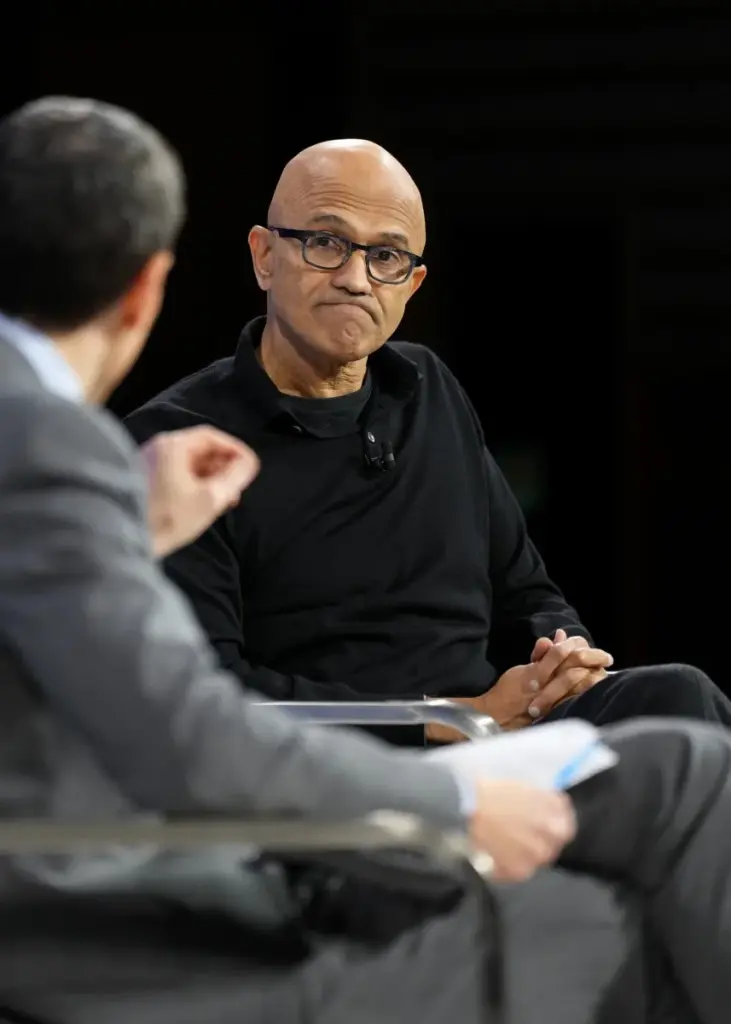
- Satya Nadella revealed at the DealBook Summit that critical infrastructure systems like HVAC units and chillers feature unpatchable firmware connected directly to the internet.
- The rapid proliferation of artificial intelligence has drastically shortened the window between vulnerability discovery and weaponized exploitation by malicious actors.
- Recent high-profile outages across Microsoft Outlook, the NSA, the FAA, and Apple underscore the mounting systemic fragility of modern cloud and physical architectures.
- Tech giants and governments must fundamentally rethink real-time automated defense capabilities as traditional patch-management cycles break down under algorithmic pressure.
- Satya Nadella tiết lộ tại Hội nghị thượng đỉnh DealBook rằng các hệ thống cơ sở hạ tầng trọng yếu như thiết bị điều hòa không khí và máy làm lạnh sở hữu phần sụn không thể vá lỗi nhưng lại kết nối trực tiếp với internet.
- Sự bùng nổ nhanh chóng của trí tuệ nhân tạo đã rút ngắn đáng kể khoảng thời gian giữa thời điểm phát hiện lỗ hổng và việc các tác nhân độc hại đưa vào khai thác thực chiến.
- Các sự cố gián đoạn gây xôn xao dư luận gần đây tại Microsoft Outlook, NSA, FAA và Apple nhấn mạnh mức độ mong manh mang tính hệ thống ngày càng gia tăng của các kiến trúc đám mây và vật lý hiện đại.
- Các ông lớn công nghệ và chính phủ phải cơ bản tư duy lại các năng lực phòng thủ tự động thời gian thực trong bối cảnh các chu kỳ quản lý bản vá truyền thống sụp đổ dưới áp lực từ thuật toán.
- Satya Nadella a révélé lors du sommet DealBook que les systèmes d'infrastructures critiques, tels que les unités CVC et les groupes d'eau glacée, possèdent un micrologiciel impossible à corriger et connecté directement à Internet.
- La prolifération rapide de l'intelligence artificielle a considérablement réduit le laps de temps entre la découverte d'une vulnérabilité et son exploitation militarisée par des acteurs malveillants.
- Les pannes récentes très médiatisées ayant touché Microsoft Outlook, la NSA, la FAA et Apple soulignent la fragilité systémique croissante des architectures cloud et physiques modernes.
- Les géants de la technologie et les gouvernements doivent repenser fondamentalement leurs capacités de défense automatisée en temps réel, les cycles traditionnels de gestion des correctifs s'effondrant sous la pression algorithmique.
- Satya Nadella reveló en la Cumbre DealBook que los sistemas de infraestructuras críticas, como las unidades de climatización y los refrigeradores, cuentan con un "firmware" imposible de parchear conectado directamente a internet.
- La rápida proliferación de la inteligencia artificial ha acortado drásticamente el margen entre el descubrimiento de una vulnerabilidad y su explotación maliciosa por parte de actores hostiles.
- Las recientes y sonadas caídas de servicios que han afectado a Microsoft Outlook, la NSA, la FAA y Apple subrayan la creciente fragilidad sistémica de las arquitecturas físicas y en la nube modernas.
- Los gigantes tecnológicos y los gobiernos deben replantearse radicalmente las capacidades de defensa automatizada en tiempo real, a medida que los ciclos tradicionales de gestión de parches colapsan bajo la presión algorítmica.
- 萨蒂亚·纳德拉在《纽约时报》DealBook峰会上透露,暖通空调(HVAC)和冷水机组等关键基础设施系统包含直接连接到互联网且无法修补的固件。
- 人工智能的快速普及极大地缩短了漏洞被发现到恶意行为者将其武器化利用之间的窗口期。
- 微软Outlook、美国国家安全局(NSA)、联邦航空管理局(FAA)和苹果公司最近发生的备受瞩目的中断事件,凸显了现代云架构和物理架构日益严重的系统性脆弱。
- 随着传统的补丁管理周期在算法压力下崩溃,科技巨头和各国政府必须从根本上重新思考实时自动化防御能力。
When Microsoft Chief Executive Satya Nadella took the stage at The New York Times’ DealBook Summit, his message cut through the usual tech-industry gloss with sobering precision. Amid mounting global anxieties over the accelerating weaponization of artificial intelligence, Nadella articulated a terrifying reality for modern civilization: vast segments of our critical infrastructure—from the software governing municipal transit to the firmware operating data center cooling chillers—are fundamentally unpatchable. Decades of connecting 'dumb' physical devices to the internet in a rush for economic efficiency have created an unprecedented digital attack surface.
This candid admission arrives against a backdrop of escalating technological friction, marked by a wave of high-profile digital outages affecting global institutions like Microsoft Outlook, the National Security Agency, the Federal Aviation Administration, and Apple. While government and corporate officials have rushed to contain fallout and downplay malicious attribution in specific incidents, Nadella’s remarks expose a deeper, structural vulnerability. The marriage of ubiquitous internet connectivity with legacy hardware that cannot receive remote software updates has forged a ticking time bomb for global security architecture.
The Legacy Trap of the Smart Economy
To understand the gravity of Nadella’s warning, one must examine the legacy of the digital transformation wave over the last quarter-century. In the frantic pursuit of the Internet of Things (IoT) revolution, factories, office buildings, municipal water plants, and electrical grids were aggressively retrofitted with network interfaces. These systems were designed with longevity in mind—often meant to operate in physical isolation for decades—rather than the fluid, highly adversarial threat landscape of the modern internet age.
Consequently, millions of embedded systems rely on static firmware that lacks the cryptographic safeguards or modular design required for modern security updates. When a vulnerability is discovered in these foundational layers, engineers cannot simply push a routine over-the-air patch. Fixing the flaw often requires physical intervention, hardware replacement, or complete system overhauls—prohibitive measures that organizations routinely defer until disaster strikes. In an era where bad actors can scan the entire public internet for vulnerable endpoints in minutes, this backlog of physical negligence has become an existential liability.

How Artificial Intelligence Weaponized the Vulnerability Gap
Compounding this hardware deficit is the unprecedented acceleration introduced by generative and autonomous artificial intelligence. Historically, the lifecycle of a software vulnerability followed a structured, if frantic, cadence: researchers discovered a bug, developers drafted a patch, and organizations tested the remediation before deploying it across production environments. Nadella noted that this traditional buffer zone has been entirely obliterated by algorithmic capability.
Today, malicious entities deploy AI agents to scour codebases and discover zero-day exploits at speeds that human security teams simply cannot match. Conversely, when defenders issue a patch, the imperative to deploy it in production has become instantaneous because automated cyberattacks are launched into the wild almost simultaneously. This frantic pace introduces severe operational instability, forcing chief information security officers into an impossible dilemma: deploy unvetted patches immediately and risk catastrophic system crashes, or delay verification and risk total compromise by AI-driven intrusions.
"We now have a very powerful tool that finds vulnerabilities... The patch needs to go instantly from being available to being patched in production, because it’s being exploited in the wild." — Satya Nadella
Toward a Paradigm Shift in Real-Time Defense
Addressing these systemic pressures will require a fundamental departure from legacy cybersecurity frameworks. Traditional perimeter defense and reactive patching models are no longer sufficient when the infrastructure itself is inherently porous and attackers operate at machine speed. Industry leaders and cybersecurity experts argue that the future must pivot toward zero-trust architectures, resilient network segmentation, and autonomous, AI-driven defense systems capable of identifying and neutralizing intrusions in real time without human intervention.
As global regulatory bodies begin drafting stricter compliance mandates for critical infrastructure operators, the tech sector faces an uncomfortable reckoning. The convenience of hyper-connectivity has outpaced our collective ability to secure it. Whether corporations and governments can successfully modernize unpatchable legacy systems before a catastrophic, AI-orchestrated cyber incident paralyzes vital societal functions remains the defining technological question of the decade.
Khi Giám đốc điều hành Microsoft Satya Nadella bước lên sân khấu tại Hội nghị thượng đỉnh DealBook của tờ The New York Times, thông điệp của ông đã vượt qua lớp vỏ bọc hào nhoáng thường thấy của ngành công nghệ để mang lại một sự tỉnh táo đến gai người. Giữa lúc nỗi lo ngại toàn cầu ngày càng dâng cao về việc vũ khí hóa trí tuệ nhân tạo đang diễn ra với tốc độ chóng mặt, ông Nadella đã phác họa một thực tế kinh hoàng đối với nền văn minh hiện đại: những mảng lớn trong cơ sở hạ tầng trọng yếu của chúng ta — từ phần mềm quản lý hệ thống giao thông đô thị cho đến phần sụn vận hành các máy làm lạnh tại trung tâm dữ liệu — vốn dĩ không thể vá lỗi. Hàng thập kỷ kết nối các thiết bị vật lý 'ngu si' vào internet nhằm chạy đua hiệu quả kinh tế đã tạo ra một bề mặt tấn công kỹ thuật số chưa từng có trong tiền lệ.
Lời thừa nhận thẳng thắn này xuất hiện trong bối cảnh ma sát công nghệ leo thang, được đánh dấu bằng một làn sóng gián đoạn kỹ thuật số cấp cao ảnh hưởng đến các tổ chức toàn cầu như Microsoft Outlook, Cơ quan An ninh Quốc gia Mỹ (NSA), Cục Hàng không Liên bang Mỹ (FAA) và Apple. Mặc dù các quan chức chính phủ và doanh nghiệp đã nhanh chóng xoa dịu hậu quả và giảm nhẹ trách nhiệm quy kết cho các thế lực độc hại trong những vụ việc cụ thể, những phát biểu của ông Nadella lại phơi bày một điểm yếu mang tính cấu trúc sâu sắc hơn. Sự kết hợp giữa khả năng kết nối internet phổ quát và phần cứng cũ kỹ không thể nhận các bản cập nhật phần mềm từ xa đã tạo ra một quả bom hẹn giờ cho kiến trúc an ninh toàn cầu.
Cái bẫy công nghệ cũ của nền kinh tế thông minh
Để hiểu được mức độ nghiêm trọng từ cảnh báo của ông Nadella, người ta phải nhìn nhận lại di sản của làn sóng chuyển đổi số trong một phần tư thế kỷ qua. Trong cuộc chạy đua điên cuồng của cuộc cách mạng Internet vạn vật (IoT), các nhà máy, tòa nhà văn phòng, nhà máy nước đô thị và lưới điện đã được nâng cấp quyết liệt bằng các giao diện mạng. Những hệ thống này được thiết kế với ưu tiên về độ bền — thường nhằm mục đích hoạt động độc lập về mặt vật lý trong nhiều thập kỷ — chứ không phải để thích ứng với bối cảnh đe dọa mang tính đối kháng cao và biến động của kỷ nguyên internet hiện đại.
Hệ quả là hàng triệu hệ thống nhúng phụ thuộc vào phần sụn tĩnh, thiếu các biện pháp bảo vệ bằng mật mã hoặc thiết kế mô-đun cần thiết cho các bản cập nhật bảo mật hiện đại. Khi một lỗ hổng được phát hiện ở các tầng nền tảng này, các kỹ sư không thể đơn giản đẩy một bản vá thông thường qua mạng (over-the-air). Khắc phục lỗi thường đòi hỏi sự can thiệp vật lý, thay thế phần cứng hoặc đại tu toàn bộ hệ thống — những biện pháp tốn kém mà các tổ chức thường trì hoãn cho đến khi thảm họa xảy ra. Trong thời đại mà những kẻ xấu có thể quét toàn bộ internet công cộng để tìm các điểm cuối dễ bị tổn thương chỉ trong vài phút, khoản nợ đọng do sự cẩu thả về mặt vật lý này đã trở thành một mối họa hiện sinh.
Trí tuệ nhân tạo đã vũ khí hóa khoảng trống lỗ hổng như thế nào
Trầm trọng hóa thêm sự thiếu hụt phần cứng này chính là tốc độ gia tăng chưa từng có do trí tuệ nhân tạo tạo sinh và tự động hóa mang lại. Về mặt lịch sử, vòng đời của một lỗ hổng phần mềm tuân theo một tiến trình có cấu trúc dẫu vô cùng gấp gáp: các nhà nghiên cứu phát hiện lỗi, lập trình viên soạn thảo bản vá, và các tổ chức kiểm tra biện pháp khắc phục trước khi triển khai trên các môi trường sản xuất. Ông Nadella lưu ý rằng vùng đệm truyền thống này đã bị xóa sổ hoàn toàn bởi năng lực thuật toán.
Ngày nay, các thực thể độc hại triển khai các tác nhân AI để lùng sục cơ sở mã nguồn và khám phá các lỗ hổng chưa từng được biết đến (zero-day) với tốc độ mà các đội ngũ an ninh bằng xương bằng thịt đơn giản không thể theo kịp. Ngược lại, khi phe phòng thủ phát hành một bản vá, yêu cầu triển khai nó vào môi trường sản xuất đã trở nên tức thì vì các cuộc tấn công mạng tự động được tung ra thế giới thực hầu như ngay lập tức. Tốc độ điên cuồng này tạo ra sự bất ổn vận hành nghiêm trọng, đẩy các giám đốc an ninh thông tin (CISO) vào một tình thế tiến thoái lưỡng nan bất khả thi: triển khai ngay lập tức các bản vá chưa được kiểm chứng và chấp nhận rủi ro sập hệ thống thảm khốc, hoặc trì hoãn việc xác thực để rồi đối mặt với nguy cơ bị xâm phạm hoàn toàn bởi các cuộc tấn công do AI điều khiển.
"Chúng ta hiện có một công cụ rất mạnh mẽ để tìm ra các lỗ hổng... Bản vá cần phải chuyển ngay lập tức từ trạng thái có sẵn sang việc được vá trong môi trường sản xuất, bởi vì nó đang bị khai thác ngoài thực tế." — Satya Nadella
Hướng tới một bước ngoặt trong phòng thủ thời gian thực
Giải quyết những áp lực mang tính hệ thống này sẽ đòi hỏi một sự chuyển dịch căn bản khỏi các khuôn khổ an ninh mạng lỗi thời. Các mô hình phòng thủ và vá lỗi phản ứng theo vành đai truyền thống không còn đủ sức đáp ứng khi bản thân cơ sở hạ tầng vốn dĩ đã có nhiều lỗ hổng và kẻ tấn công hoạt động với tốc độ của cỗ máy. Các nhà lãnh đạo ngành và chuyên gia an ninh mạng lập luận rằng tương lai phải hướng tới các kiến trúc không tin cậy (zero-trust), phân đoạn mạng có khả năng phục hồi, và các hệ thống phòng thủ tự động điều khiển bằng AI có khả năng xác định và vô hiệu hóa các cuộc xâm nhập trong thời gian thực mà không cần sự can thiệp của con người.
Khi các cơ quan quản lý toàn cầu bắt đầu soạn thảo các quy định tuân thủ nghiêm ngặt hơn đối với các nhà vận hành cơ sở hạ tầng trọng yếu, ngành công nghệ phải đối mặt với một sự thức tỉnh đầy khó chịu. Sự tiện lợi của siêu kết nối đã vượt xa khả năng tập thể của chúng ta trong việc bảo vệ nó. Liệu các tập đoàn và chính phủ có thể hiện đại hóa thành công các hệ thống lỗi thời không thể vá trước khi một sự cố mạng thảm khốc do AI dàn dựng làm tê liệt các chức năng trọng yếu của xã hội hay không, vẫn là câu hỏi công nghệ định hình cả thập kỷ này.
Lorsque le directeur général de Microsoft, Satya Nadella, est monté sur la scène du sommet DealBook du New York Times, son discours a tranché avec le vernis habituel de l'industrie technologique, empreint d'une lucidité glaçante. Au milieu des inquiétudes mondiales croissantes concernant la militarisation accélérée de l'intelligence artificielle, M. Nadella a mis en lumière une réalité terrifiante pour notre civilisation moderne : de vastes segments de nos infrastructures critiques — qu'il s'agisse des logiciels régissant les transports municipaux ou des micrologiciels pilotant les groupes de réfrigération des centres de données — sont fondamentalement impossibles à corriger. Des décennies de connexion d'appareils physiques dits « stupides » à Internet, dans une quête effrénée d'efficacité économique, ont créé une surface d'attaque numérique sans précédent.
Cette déclaration sans fard intervient dans un contexte de frictions technologiques accrues, marqué par une vague de pannes numériques retentissantes touchant des institutions mondiales telles que Microsoft Outlook, la National Security Agency (NSA), la Federal Aviation Administration (FAA) et Apple. Alors que les responsables gouvernementaux et d'entreprise se sont empressés de contenir les retombées et de minimiser les attributions malveillantes lors d'incidents spécifiques, les propos de M. Nadella mettent au jour une vulnérabilité structurelle bien plus profonde. Le mariage entre une connectivité Internet omniprésente et un matériel obsolète, incapable de recevoir des mises à jour logicielles à distance, constitue une bombe à retardement pour l'architecture de sécurité mondiale.
Le piège de l'héritage de l'économie connectée
Pour saisir toute la gravité de l'avertissement de Satya Nadella, il convient d'analyser l'héritage de la vague de transformation numérique de ce dernier quart de siècle. Dans la course effrénée à la révolution de l'Internet des objets (IoT), les usines, les immeubles de bureaux, les stations de traitement des eaux municipales et les réseaux électriques ont été massivement dotés d'interfaces réseau. Ces systèmes ont été conçus dans une optique de longévité — censés fonctionner souvent en isolement physique pendant des décennies — plutôt que pour faire face au paysage des menaces, fluide et hautement antagoniste, de l'ère Internet moderne.
Par conséquent, des millions de systèmes embarqués s'appuient sur des micrologiciels statiques qui manquent des garanties cryptographiques ou de la conception modulaire exigées par les normes de sécurité actuelles. Lorsqu'une vulnérabilité est découverte dans ces couches fondamentales, les ingénieurs ne peuvent pas simplement déployer un correctif de routine à distance. Résoudre cette faille exige souvent une intervention physique, un remplacement du matériel ou une refonte complète du système — des mesures rédhibitoires que les organisations remettent systématiquement à plus tard, jusqu'à ce que la catastrophe survienne. À une époque où les individus malintentionnés peuvent scanner l'intégralité du Web public à la recherche de points d'accès vulnérables en quelques minutes, ce passif de négligence physique est devenu un risque existentiel.
Comment l'intelligence artificielle a militarisé le fossé des vulnérabilités
À ce déficit matériel s'ajoute l'accélération inédite introduite par l'intelligence artificielle générative et autonome. Auparavant, le cycle de vie d'une vulnérabilité logicielle suivait une cadence structurée, bien que frénétique : les chercheurs découvraient un bogue, les développeurs rédigeaient un correctif et les organisations testaient la solution avant de la déployer dans leurs environnements de production. M. Nadella a fait remarquer que cette zone tampon traditionnelle a été totalement anéantie par la puissance des algorithmes.
Aujourd'hui, des entités malveillantes déploient des agents IA pour explorer les bases de code et découvrir des failles du jour au lendemain (« zero-day ») à des vitesses que les équipes de sécurité humaines ne peuvent tout simplement pas égaler. Inversement, lorsque les défenseurs publient un correctif, l'impératif de le déployer en production est devenu instantané, car les cyberattaques automatisées sont lancées dans la nature presque simultanément. Ce rythme effréné engendre une instabilité opérationnelle critique, piégeant les directeurs de la sécurité des systèmes d'information (RSSI) dans un dilemme cornélien : déployer immédiatement des correctifs non vérifiés au risque de provoquer des pannes système catastrophiques, ou différer la vérification et s'exposer à une compromission totale menée par des intrusions pilotées par l'IA.
"Nous disposons désormais d'un outil extrêmement puissant qui détecte les vulnérabilités... Le correctif doit passer instantanément du stade de disponibilité à celui de déploiement en production, car il est exploité en temps réel dans la nature." — Satya Nadella
Vers un changement de paradigme de la défense en temps réel
Relever ces défis systémiques exigera une rupture radicale avec les cadres de cybersécurité traditionnels. Les modèles classiques de défense périmétrique et de correction réactive ne suffisent plus lorsque l'infrastructure elle-même est intrinsèquement poreuse et que les assaillants agissent à la vitesse de la machine. Les leaders de l'industrie et les experts en cybersécurité soutiennent que l'avenir doit s'orienter vers des architectures « zéro confiance » (zero-trust), une segmentation rigoureuse des réseaux et des systèmes de défense autonomes propulsés par l'IA, capables d'identifier et de neutraliser les intrusions en temps réel et sans intervention humaine.
Alors que les instances de régulation mondiales commencent à rédiger des exigences de conformité plus strictes pour les opérateurs d'infrastructures critiques, le secteur technologique fait face à une mise au point délicate. Le confort de l'hyperconnectivité a devancé notre capacité collective à le sécuriser. La question technologique déterminante de cette décennie reste de savoir si les entreprises et les gouvernements parviendront à moderniser avec succès des systèmes obsolètes impossibles à corriger avant qu'un cyberincident catastrophique orchestré par l'IA ne paralyse des fonctions sociétales vitales.
Cuando el consejero delegado de Microsoft, Satya Nadella, subió al atril en la Cumbre DealBook de The New York Times, su mensaje atravesó la habitual pátina de la industria tecnológica con una precisión aleccionadora. En un momento de creciente inquietud global por la acelerada militarización de la inteligencia artificial, Nadella articuló una realidad terrorífica para la civilización moderna: vastos segmentos de nuestras infraestructuras críticas —desde el software que rige el transporte municipal hasta el firmware que opera los sistemas de refrigeración de los centros de datos— son fundamentalmente imposibles de parchear. Décadas de conectar dispositivos físicos "tontos" a internet en aras de una supuesta eficiencia económica han creado una superficie de ataque digital sin precedentes.
Esta sincera admisión se produce en un contexto de creciente fricción tecnológica, marcado por una oleada de sonadas caídas digitales que han afectado a instituciones globales como Microsoft Outlook, la Agencia de Seguridad Nacional (NSA), la Administración Federal de Aviación (FAA) y Apple. Aunque los funcionarios gubernamentales y corporativos se han apresurado a contener las consecuencias y a restarle importancia a la atribución maliciosa en incidentes específicos, las declaraciones de Nadella exponen una vulnerabilidad estructural mucho más profunda. El matrimonio entre la conectividad ubicua a internet y un hardware heredado que no puede recibir actualizaciones remotas de software ha forjado una bomba de relojería para la arquitectura de seguridad global.
La trampa del legado en la economía inteligente
Para comprender la gravedad de la advertencia de Nadella, es necesario examinar el legado de la ola de transformación digital del último cuarto de siglo. En la frenética búsqueda de la revolución del Internet de las Cosas (IoT), fábricas, edificios de oficinas, plantas de tratamiento de agua municipales y redes eléctricas fueron adaptadas agresivamente con interfaces de red. Estos sistemas se diseñaron pensando en la longevidad —a menudo concebidos para operar en aislamiento físico durante décadas— y no en el panorama de amenazas fluido y altamente adversarial de la era moderna de internet.
En consecuencia, millones de sistemas integrados dependen de un firmware estático que carece de las salvaguardas criptográficas o del diseño modular necesarios para las actualizaciones de seguridad modernas. Cuando se descubre una vulnerabilidad en estas capas fundamentales, los ingenieros no pueden simplemente desplegar un parche inalámbrico rutinario. Solucionar el fallo suele requerir intervención física, sustitución de hardware o una renovación completa del sistema; medidas prohibitivas que las organizaciones posponen sistemáticamente hasta que se produce el desastre. En una época en la que los atacantes pueden rastrear toda la internet pública en busca de puntos vulnerables en cuestión de minutos, este cúmulo de negligencia física se ha convertido en un riesgo existencial.
Cómo la inteligencia artificial ha armado la brecha de vulnerabilidad
A este déficit de hardware se suma la aceleración sin precedentes introducida por la inteligencia artificial generativa y autónoma. Históricamente, el ciclo de vida de una vulnerabilidad de software seguía un ritmo estructurado, aunque frenético: los investigadores descubrían un error, los desarrolladores redactaban un parche y las organizaciones probaban la corrección antes de implementarla en los entornos de producción. Nadella señaló que este colchón tradicional ha quedado totalmente obliterado por la capacidad algorítmica.
Hoy en día, las entidades maliciosas despliegan agentes de inteligencia artificial para examinar bases de código y descubrir vulnerabilidades de día cero a una velocidad que los equipos de seguridad humanos simplemente no pueden igualar. Por el contrario, cuando los defensores emiten un parche, la urgencia de desplegarlo en producción se ha vuelto instantánea, ya que los ciberataques automatizados se lanzan al mundo casi de manera simultánea. Este ritmo frenético introduce una grave inestabilidad operativa y obliga a los directores de seguridad de la información a enfrentarse a un dilema imposible: aplicar parches no verificados de inmediato y arriesgarse a caídas catastróficas del sistema, o retrasar la validación y arriesgarse a una intrusión total impulsada por IA.
"Ahora tenemos una herramienta muy potente que encuentra vulnerabilidades... El parche debe pasar instantáneamente de estar disponible a ser aplicado en producción, porque está siendo explotado en la naturaleza". — Satya Nadella
Hacia un cambio de paradigma en la defensa en tiempo real
Hacer frente a estas presiones sistémicas requerirá un alejamiento fundamental de los marcos tradicionales de ciberseguridad. Los modelos tradicionales de defensa perimetral y parches reactivos ya no son suficientes cuando la infraestructura misma es intrínsecamente porosa y los atacantes operan a la velocidad de las máquinas. Los líderes de la industria y los expertos en ciberseguridad sostienen que el futuro debe orientarse hacia arquitecturas de confianza cero, segmentación de redes resilientes y sistemas de defensa autónomos impulsados por IA, capaces de identificar y neutralizar intrusiones en tiempo real sin intervención humana.
A medida que los organismos reguladores globales comienzan a redactar mandatos de cumplimiento más estrictos para los operadores de infraestructuras críticas, el sector tecnológico se enfrenta a un examen de conciencia incómodo. La comodidad de la hiperconectividad ha superado nuestra capacidad colectiva para asegurarla. Que las corporaciones y los gobiernos consigan o no modernizar con éxito los sistemas heredados imposibles de parchear antes de que un incidente cibernético catastrófico y orquestado por IA paralice funciones sociales vitales sigue siendo la gran pregunta tecnológica de la década.
当微软首席执行官萨蒂亚·纳德拉(Satya Nadella)走上《纽约时报》DealBook峰会的讲台时,他的发言以冷静的精准度打破了科技行业惯常的浮华。在人们对人工智能加速武器化日益感到全球焦虑之际,纳德拉为现代文明阐述了一个令人心惊肉跳的现实:我们广泛的关键基础设施——从管理市政交通的软件到运营数据中心冷却冷水机组的固件——从根本上来说是无法修补的。为了追求经济效率,数十年来将“哑光”物理设备接入互联网的做法,创造了一个前所未有的数字攻击面。
这一坦诚的表态出现在技术摩擦升级的背景下,近期微软Outlook、美国国家安全局、联邦航空管理局和苹果等全球机构遭遇了一波备受瞩目的数字中断。虽然政府和企业官员急于控制舆论影响,并在特定事件中淡化恶意归因,但纳德拉的言论揭示了更深层次的结构性漏洞。无处不在的互联网连接与无法接收远程软件更新的遗留硬件的结合,为全球安全架构埋下了一颗定时炸弹。
智能经济的遗留陷阱
要理解纳德拉警告的严重性,必须审视过去四分之一个世纪数字化转型浪潮的遗产。在对物联网(IoT)革命的狂热追求中,工厂、办公楼、市政水厂和电网被激进地加装了网络接口。这些系统在设计时考虑的是长寿——通常意味着在物理隔离状态下运行数十年——而不是现代互联网时代流动且高度对抗的威胁环境。
因此,数百万嵌入式系统依赖于静态固件,缺乏现代安全更新所需的密码学保障或模块化设计。当在这些基础层中发现漏洞时,工程师无法简单地推送常规的空中升级(OTA)补丁。修复缺陷通常需要物理干预、硬件更换或彻底的系统大修——这些令人望而却步的措施往往被组织一拖再拖,直到灾难降临。在一个恶意行为者能够在几分钟内扫描整个公共互联网寻找脆弱端点的时代,这种物理疏忽的积压已成为一种生存危机。
人工智能如何将漏洞差距武器化
令这种硬件赤字雪上加霜的是生成式和自主式人工智能带来的空前加速。历史上,软件漏洞的生命周期遵循着一种结构化(尽管十分狂热)的节奏:研究人员发现漏洞,开发人员起草补丁,组织在将修复方案部署到生产环境之前对其进行测试。纳德拉指出,这种传统的缓冲地带已经被算法能力彻底抹平。
如今,恶意实体部署人工智能代理以人类安全团队根本无法企及的速度搜寻代码库并发现零日漏洞。相反,当防御者发布补丁时,将其部署到生产环境的迫切性已变得刻不容缓,因为自动网络攻击几乎是同时在野外发起的。这种狂热的节奏带来了严重的运营不稳定,迫使首席信息安全官(CISO)陷入了一个不可能的困境:立即部署未经验证的补丁并冒着灾难性系统崩溃的风险,或者延迟验证并冒着被人工智能驱动的入侵完全攻陷的风险。
"我们现在拥有了一个非常强大的工具来发现漏洞……补丁需要从可用状态瞬间变为在生产环境中修补,因为它正在野外遭到利用。" —— 萨蒂亚·纳德拉
迈向实时防御范式的转变
应对这些系统性压力需要彻底抛弃传统的网络安全框架。当基础设施本身天生充满漏洞且攻击者以机器速度运行时,传统的边界防御和反应式修补模式已不再足够。行业领袖和网络安全专家认为,未来必须转向零信任架构、有韧性的网络分段,以及能够在没有人工干预的情况下实时识别和中和入侵的自主人工智能防御系统。
随着全球监管机构开始为关键基础设施运营者起草更严格的合规授权,科技行业正面临着一场不安的清算。超连接的便利性已经超过了我们对其进行保护的集体能力。在人工智能精心策划的网络事件瘫痪重要社会功能之前,企业和政府能否成功实现无法修补的遗留系统现代化,仍然是这个十年决定性的技术问题。
Editorial Standards & Multi-Language Synthesis: This dispatch was synthesized and fact-checked by the ParisDaily Editorial Desk across 5 global editions (EN, FR, VI, ES, ZH), cross-referencing primary international wire reports and real-time search intelligence.