El Festival de Cine de Tesalónica premia a las nuevas voces del cine global
The Thessaloniki Film Festival’s industry awards have crowned a new wave of visionary filmmakers, signaling a shift toward politically charged, female-centric narratives in the Mediterranean and beyond.
Các giải thưởng công nghiệp tại Liên hoan phim Thessaloniki vừa xướng tên một thế hệ đạo diễn đầy tầm nhìn, đánh dấu bước chuyển mình mạnh mẽ sang những tựa phim mang đậm tính chính trị và lấy phụ nữ làm trung tâm tại khu vực Địa Trung Hải và quốc tế. Sự kiện này khẳng định vị thế của Thessaloniki như một bệ phóng quan trọng cho những tác phẩm điện ảnh độc lập đầy táo bạo.
Le palmarès du Festival du film de Thessalonique a mis en lumière une nouvelle génération de cinéastes visionnaires, marquant un tournant vers des récits engagés et centrés sur le féminin. Cette édition confirme l'influence grandissante des productions méditerranéennes sur la scène cinématographique internationale.
Los premios de la industria del Festival de Cine de Tesalónica han coronado a una nueva ola de cineastas visionarios, señalando un giro hacia narrativas cargadas de contenido político y centradas en la mujer en el Mediterráneo y más allá. Este reconocimiento subraya una tendencia creciente hacia historias profundamente personales que desafían las convenciones del género.
塞萨洛尼基电影节的行业奖项近日揭晓,一批极具远见的电影人脱颖而出。此次评选标志着地中海及更广阔地区的电影叙事正向着政治议题与女性视角深度融合的方向转型。
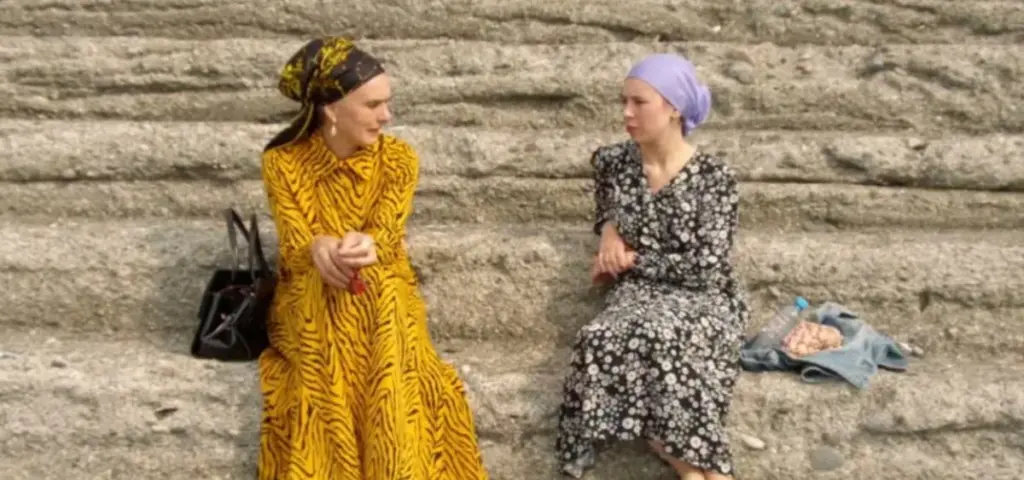
- Mari Gulbiani’s 'The Crossroad' secured the top Two Thirty-Five Award for its poignant exploration of resilience in the face of extremism.
- Angela Dimeska’s 'They Bloom at Dawn' claimed the Frenel Post-Lab Award, highlighting a growing appetite for intergenerational dramas.
- Sofia Georgovassili’s 'Mignon' dominated the Greek category, winning both the Onassis Film Award and the EKKOMED prize.
- The festival’s Agora section continues to serve as a vital incubator for cross-border co-productions and emerging talent from the MENA and Balkan regions.
- Tác phẩm 'The Crossroad' của Mari Gulbiani đã giành giải thưởng cao nhất Two Thirty-Five nhờ sự khai thác đầy ám ảnh về khả năng phục hồi trước chủ nghĩa cực đoan.
- Bộ phim 'They Bloom at Dawn' của Angela Dimeska được trao giải Frenel Post-Lab, phản ánh nhu cầu ngày càng tăng đối với các dòng phim tâm lý đa thế hệ.
- Tác phẩm 'Mignon' của Sofia Georgovassili thống trị hạng mục phim Hy Lạp khi giành cả hai giải thưởng Onassis Film Award và EKKOMED.
- Phân khu Agora của liên hoan phim tiếp tục đóng vai trò là vườn ươm thiết yếu cho các dự án hợp tác xuyên biên giới và các tài năng mới nổi từ khu vực MENA và Balkan.
- « The Crossroad » de Mari Gulbiani a décroché le prix Two Thirty-Five pour son exploration poignante de la résilience face à l'extrémisme.
- « They Bloom at Dawn » d'Angela Dimeska a remporté le prix Frenel Post-Lab, témoignant d'un appétit croissant pour les drames intergénérationnels.
- « Mignon » de Sofia Georgovassili a dominé la catégorie grecque en remportant le prix Onassis et le prix EKKOMED.
- La section Agora du festival s'impose comme un incubateur incontournable pour les coproductions internationales et les talents émergents des régions MENA et des Balkans.
- "The Crossroad", de Mari Gulbiani, obtuvo el prestigioso premio Two Thirty-Five por su conmovedora exploración de la resiliencia frente al extremismo.
- "They Bloom at Dawn", de Angela Dimeska, se alzó con el premio Frenel Post-Lab, destacando el creciente interés por los dramas intergeneracionales.
- "Mignon", de Sofia Georgovassili, dominó la categoría griega al ganar tanto el premio Onassis Film como el galardón EKKOMED.
- La sección Agora del festival sigue siendo un incubador vital para coproducciones transfronterizas y talentos emergentes de las regiones de Oriente Medio, el Norte de África y los Balcanes.
- 玛丽·古尔比阿尼(Mari Gulbiani)的《十字路口》(The Crossroad)凭借对极端主义下人性韧性的深刻探讨,斩获了最高奖项“Two Thirty-Five”奖。
- 安吉拉·迪梅斯卡(Angela Dimeska)的《黎明绽放》(They Bloom at Dawn)荣获“Frenel Post-Lab”奖,彰显了市场对跨代际叙事作品的浓厚兴趣。
- 索菲亚·乔治瓦西里(Sofia Georgovassili)的《米尼翁》(Mignon)横扫希腊单元,一举夺得奥纳西斯电影奖(Onassis Film Award)及EKKOMED奖项。
- 电影节的“Agora”板块持续发挥关键作用,成为中东、北非及巴尔干地区跨国合拍项目与新锐人才的重要孵化器。
The Thessaloniki Film Festival, long considered the heartbeat of Balkan and Mediterranean cinema, has once again proven its mettle as a launchpad for the next generation of global auteurs. At this year’s industry awards ceremony, the spotlight shifted firmly toward narratives that grapple with the complexities of modern identity, political upheaval, and the quiet resilience of the human spirit. As the dust settles on the Agora—the festival’s bustling industry hub—the industry is taking note of a distinct thematic pivot: a move away from traditional genre tropes toward deeply personal, often harrowing, stories that bridge the gap between documentary-style realism and high-concept fiction.
The top honors were divided between two projects that, while geographically distinct, share a common thread of female-led narratives navigating fractured landscapes. Mari Gulbiani’s The Crossroad, a Georgian production, emerged as the standout in the Works in Progress section, while Angela Dimeska’s North Macedonian drama, They Bloom at Dawn, captured the top prize in the Crossroads Co-Production Forum. These selections underscore a broader industry trend where festival juries are increasingly prioritizing projects that possess both a strong visual language and a clear, urgent social conscience.
A New Vanguard of Political and Personal Storytelling
The success of The Crossroad is perhaps the most striking development of the festival. Produced by Kate Kalandarishvili for Midifilm, the film is a searing road movie that follows a young Muslim woman’s journey to locate her husband, only to discover he has been radicalized and has joined ISIS. The jury’s decision to award the Two Thirty-Five prize to Gulbiani was rooted in the film’s “documentary-inspired perspective” and its refusal to shy away from the arid, hostile realities of its setting. By framing the narrative through the eyes of the women left behind, Gulbiani elevates the film from a mere political thriller to a meditation on the power of imagination as a tool for survival.
Conversely, Angela Dimeska’s They Bloom at Dawn offers a more intimate, though no less resonant, exploration of trauma and renewal. Set against the backdrop of a threatened lakeside village, the film tracks three generations of women as they attempt to save their ancestral home. The jury’s citation noted the project’s “strong visual potential” and its ability to resonate across borders, highlighting the director’s ability to capture the unspoken bonds between women. For the North Macedonian production team at Dream Factory, this win is a validation of their commitment to stories that, while rooted in local folklore and geography, speak to universal themes of environmental and familial stewardship.
The Rise of Greek Cinema and the 'Mignon' Phenomenon
While international co-productions dominated the headlines, the domestic Greek film industry saw a significant triumph with Sofia Georgovassili’s Mignon. Winning both the prestigious Onassis Film Award—which includes a €10,000 cash prize—and the Agora Works in Progress Award from EKKOMED, the film has quickly become the project to watch. Set in the 1990s, Mignon is a psychological thriller that uses the titular Athens department store as a backdrop for a story about the loss of innocence and the moral decay of a society on the brink of change.
The jury’s praise for the film’s “suffocating atmosphere” and its exploration of the “abuse that fuels closed social systems” suggests that Mignon is poised to be a significant entry in the canon of contemporary Greek cinema. By focusing on the intense, often volatile friendships of teenage girls, Georgovassili taps into a visceral, nostalgic, and ultimately dark vein of storytelling that has historically performed well on the international festival circuit. The dual win provides not only financial security for the final stages of production but also the critical momentum necessary for a successful premiere at a major A-list festival in the coming year.
The Agora as a Catalyst for Global Co-Production
Beyond the individual winners, the Thessaloniki Agora continues to solidify its reputation as a vital nexus for the global film market. The diversity of the award winners—ranging from Turkish filmmaker Tunahan Kurt’s The Law of the Flies to Egyptian director Ayman El Amir’s dark comedy A Pair of Shoes in the Dark Corner of the Moon—demonstrates the festival’s commitment to fostering a truly international dialogue. The inclusion of awards from organizations like the CNC (France) and the ArteKino International fund highlights the essential role that European institutional support plays in bringing these complex, often high-risk projects to fruition.
The success of these projects is not merely a matter of creative merit; it is a testament to the efficacy of the co-production model. By bringing together producers from Georgia, North Macedonia, Egypt, and Turkey, the festival is effectively creating a cross-pollination of ideas and resources that would be impossible in a more insular market. As the industry faces ongoing challenges regarding distribution and the changing habits of cinema-goers, the Agora’s focus on “Works in Progress” provides a rare window into the creative process, allowing financiers and sales agents to identify potential hits long before they reach the screen.
Looking Ahead: The Future of the Mediterranean Narrative
As the curtains close on this year’s edition, the industry is left with a clear takeaway: the future of European and Mediterranean cinema lies in the hands of directors who are unafraid to blend the personal with the political. The projects honored at Thessaloniki are not designed for the mass-market multiplex; they are crafted for the discerning viewer who seeks challenge, reflection, and aesthetic innovation. Whether it is the stark, arid landscapes of Gulbiani’s road movie or the claustrophobic, neon-lit aisles of Georgovassili’s department store, these films demand engagement.
For the filmmakers involved, the road ahead is now paved with the support of some of the most influential institutions in the business. With development grants, post-production services, and marketing scholarships now secured, these projects are well-positioned to navigate the final, often grueling, stages of production. As these films begin to hit the festival circuit in 2027 and beyond, they will undoubtedly serve as a barometer for the health and vitality of global independent cinema. Thessaloniki has once again proven that even in an era of digital saturation, the power of a well-told story, rooted in the specificities of its culture but universal in its emotional reach, remains the industry’s most valuable currency.
Liên hoan phim Thessaloniki, từ lâu được coi là nhịp đập của điện ảnh vùng Balkan và Địa Trung Hải, một lần nữa khẳng định vị thế là bệ phóng cho thế hệ tác giả điện ảnh toàn cầu tiếp theo. Tại lễ trao giải công nghiệp năm nay, sự chú ý đã chuyển dịch mạnh mẽ sang những câu chuyện đối diện với sự phức tạp của bản sắc hiện đại, biến động chính trị và sức sống bền bỉ của tinh thần con người. Khi bụi bặm lắng xuống tại Agora—trung tâm công nghiệp nhộn nhịp của liên hoan—giới chuyên môn đang ghi nhận một bước ngoặt chủ đề rõ rệt: rời xa các khuôn mẫu thể loại truyền thống để hướng tới những câu chuyện mang tính cá nhân sâu sắc, đôi khi đầy đau đớn, xóa nhòa ranh giới giữa chủ nghĩa hiện thực kiểu tài liệu và hư cấu ý niệm cao cấp.
Những giải thưởng cao quý nhất được chia đều cho hai dự án, dù khác biệt về địa lý nhưng có chung sợi dây liên kết là những câu chuyện do phụ nữ dẫn dắt, đang điều hướng qua những bối cảnh đầy rạn nứt. The Crossroad của Mari Gulbiani, một sản phẩm từ Georgia, đã nổi lên như điểm sáng trong hạng mục Works in Progress, trong khi bộ phim tâm lý They Bloom at Dawn của đạo diễn Angela Dimeska (Bắc Macedonia) đã giành giải thưởng cao nhất tại Diễn đàn Hợp tác sản xuất Crossroads. Những lựa chọn này nhấn mạnh một xu hướng rộng lớn hơn trong ngành, nơi các ban giám khảo liên hoan phim ngày càng ưu tiên những dự án sở hữu cả ngôn ngữ hình ảnh mạnh mẽ lẫn ý thức xã hội rõ ràng và cấp thiết.
Đội ngũ tiên phong mới của lối kể chuyện chính trị và cá nhân
Thành công của The Crossroad có lẽ là bước phát triển ấn tượng nhất của liên hoan. Được sản xuất bởi Kate Kalandarishvili cho Midifilm, bộ phim là một tác phẩm road movie đầy nhức nhối, theo chân hành trình của một phụ nữ Hồi giáo trẻ đi tìm chồng, để rồi phát hiện ra anh ta đã bị cực đoan hóa và gia nhập ISIS. Quyết định của ban giám khảo khi trao giải Two Thirty-Five cho Gulbiani bắt nguồn từ "góc nhìn lấy cảm hứng từ phim tài liệu" của tác phẩm và sự từ chối né tránh những thực tại khô cằn, khắc nghiệt của bối cảnh. Bằng cách định khung câu chuyện qua đôi mắt của những người phụ nữ bị bỏ lại phía sau, Gulbiani đã nâng tầm bộ phim từ một tác phẩm giật gân chính trị đơn thuần thành một sự chiêm nghiệm về sức mạnh của trí tưởng tượng như một công cụ để sinh tồn.
Ngược lại, They Bloom at Dawn của Angela Dimeska mang đến một sự khám phá gần gũi hơn, dù không kém phần vang vọng, về chấn thương và sự tái sinh. Lấy bối cảnh một ngôi làng ven hồ đang bị đe dọa, bộ phim theo dõi ba thế hệ phụ nữ khi họ cố gắng cứu lấy ngôi nhà tổ tiên. Ban giám khảo ghi nhận "tiềm năng hình ảnh mạnh mẽ" của dự án và khả năng gây tiếng vang xuyên biên giới, làm nổi bật năng lực của đạo diễn trong việc nắm bắt những sợi dây liên kết không lời giữa những người phụ nữ. Đối với đội ngũ sản xuất Dream Factory tại Bắc Macedonia, giải thưởng này là sự xác nhận cho cam kết của họ đối với những câu chuyện, dù bắt nguồn từ văn hóa dân gian và địa lý địa phương, nhưng lại nói lên những chủ đề phổ quát về quản trị môi trường và gia đình.
Sự trỗi dậy của điện ảnh Hy Lạp và hiện tượng 'Mignon'
Trong khi các dự án hợp tác quốc tế chiếm lĩnh các tiêu đề, ngành công nghiệp điện ảnh nội địa Hy Lạp đã chứng kiến một thắng lợi đáng kể với Mignon của Sofia Georgovassili. Giành cả giải thưởng danh giá Onassis Film Award—bao gồm khoản tiền mặt 10.000 euro—và giải Agora Works in Progress từ EKKOMED, bộ phim đã nhanh chóng trở thành dự án đáng chú ý nhất. Lấy bối cảnh những năm 1990, Mignon là một bộ phim giật gân tâm lý sử dụng cửa hàng bách hóa cùng tên tại Athens làm bối cảnh cho câu chuyện về sự mất mát ngây thơ và sự suy đồi đạo đức của một xã hội đang đứng bên bờ vực thay đổi.
Lời khen ngợi của ban giám khảo dành cho "bầu không khí ngột ngạt" và sự khám phá về "sự lạm dụng nuôi dưỡng các hệ thống xã hội khép kín" cho thấy Mignon đã sẵn sàng trở thành một tác phẩm quan trọng trong kho tàng điện ảnh Hy Lạp đương đại. Bằng cách tập trung vào những tình bạn mãnh liệt, thường xuyên biến động của các cô gái tuổi teen, Georgovassili đã khai thác một mạch kể chuyện đầy bản năng, hoài cổ và cuối cùng là đen tối, vốn luôn đạt kết quả tốt tại các liên hoan phim quốc tế. Chiến thắng kép này không chỉ mang lại sự đảm bảo tài chính cho các giai đoạn sản xuất cuối cùng mà còn tạo đà quan trọng cho một buổi ra mắt thành công tại một liên hoan phim hạng A trong năm tới.
Agora: Chất xúc tác cho hợp tác sản xuất toàn cầu
Vượt ra ngoài những cá nhân chiến thắng, Thessaloniki Agora tiếp tục củng cố danh tiếng là một điểm kết nối quan trọng cho thị trường điện ảnh toàn cầu. Sự đa dạng của những người chiến thắng—từ đạo diễn người Thổ Nhĩ Kỳ Tunahan Kurt với The Law of the Flies đến bộ phim hài đen A Pair of Shoes in the Dark Corner of the Moon của đạo diễn Ai Cập Ayman El Amir—chứng minh cam kết của liên hoan trong việc thúc đẩy một cuộc đối thoại quốc tế thực sự. Việc đưa vào các giải thưởng từ các tổ chức như CNC (Pháp) và quỹ ArteKino International nhấn mạnh vai trò thiết yếu của sự hỗ trợ từ các thể chế châu Âu trong việc hiện thực hóa những dự án phức tạp và đầy rủi ro này.
Thành công của các dự án này không chỉ là vấn đề về giá trị sáng tạo; đó là minh chứng cho hiệu quả của mô hình hợp tác sản xuất. Bằng cách tập hợp các nhà sản xuất từ Georgia, Bắc Macedonia, Ai Cập và Thổ Nhĩ Kỳ, liên hoan đang tạo ra sự giao thoa hiệu quả về ý tưởng và nguồn lực, điều vốn không thể thực hiện được trong một thị trường khép kín hơn. Khi ngành công nghiệp đối mặt với những thách thức liên tục về phân phối và thói quen thay đổi của khán giả, sự tập trung của Agora vào các "Works in Progress" mang đến một cơ hội hiếm hoi để nhìn vào quá trình sáng tạo, cho phép các nhà tài chính và đại lý bán hàng xác định những tác phẩm tiềm năng từ rất lâu trước khi chúng ra mắt màn ảnh.
Hướng tới tương lai: Tương lai của tự sự Địa Trung Hải
Khi bức màn khép lại cho kỳ liên hoan năm nay, ngành công nghiệp đọng lại một kết luận rõ ràng: tương lai của điện ảnh châu Âu và Địa Trung Hải nằm trong tay những đạo diễn không ngại pha trộn giữa cái cá nhân và cái chính trị. Các dự án được vinh danh tại Thessaloniki không được thiết kế cho các rạp chiếu đa năng đại chúng; chúng được tạo ra cho những khán giả sành sỏi, những người tìm kiếm sự thách thức, suy ngẫm và đổi mới thẩm mỹ. Dù là những cảnh quan khô cằn, khắc nghiệt trong phim của Gulbiani hay những lối đi ngột ngạt, rực rỡ ánh đèn neon trong cửa hàng bách hóa của Georgovassili, những bộ phim này đều đòi hỏi sự tương tác sâu sắc.
Đối với các nhà làm phim, con đường phía trước giờ đây đã được trải thảm bằng sự hỗ trợ từ những tổ chức có ảnh hưởng nhất trong ngành. Với các khoản tài trợ phát triển, dịch vụ hậu kỳ và học bổng tiếp thị đã được đảm bảo, các dự án này đang ở vị thế tốt để vượt qua những giai đoạn sản xuất cuối cùng đầy gian nan. Khi những bộ phim này bắt đầu hành trình tại các liên hoan phim vào năm 2027 và xa hơn nữa, chúng chắc chắn sẽ đóng vai trò như một thước đo cho sức khỏe và sức sống của điện ảnh độc lập toàn cầu. Thessaloniki một lần nữa chứng minh rằng ngay cả trong kỷ nguyên bão hòa kỹ thuật số, sức mạnh của một câu chuyện được kể tốt, bắt nguồn từ những đặc thù văn hóa nhưng mang tầm vóc phổ quát trong cảm xúc, vẫn là loại tiền tệ giá trị nhất của ngành công nghiệp này.
Le Festival du film de Thessalonique, longtemps considéré comme le cœur battant du cinéma balkanique et méditerranéen, a une fois de plus prouvé sa pertinence en tant que tremplin pour la nouvelle génération d'auteurs mondiaux. Lors de la cérémonie de remise des prix de cette année, l'attention s'est portée sur des récits qui se confrontent aux complexités de l'identité moderne, aux bouleversements politiques et à la résilience silencieuse de l'esprit humain. Alors que l'effervescence retombe sur l'Agora — le hub professionnel du festival — l'industrie note un pivot thématique distinct : un éloignement des codes de genre traditionnels au profit d'histoires profondément personnelles, souvent bouleversantes, qui comblent le fossé entre le réalisme documentaire et la fiction conceptuelle.
Les honneurs ont été partagés entre deux projets qui, bien que géographiquement distincts, partagent un fil conducteur : des récits portés par des femmes naviguant dans des paysages fracturés. The Crossroad de Mari Gulbiani, une production géorgienne, s'est imposé dans la section « Works in Progress », tandis que le drame nord-macédonien d'Angela Dimeska, They Bloom at Dawn, a capté le prix principal du Crossroads Co-Production Forum. Ces choix soulignent une tendance plus large de l'industrie, où les jurys privilégient désormais des projets alliant une identité visuelle forte à une conscience sociale claire et urgente.
Une nouvelle avant-garde du récit politique et intime
Le succès de The Crossroad est sans doute l'évolution la plus marquante du festival. Produit par Kate Kalandarishvili pour Midifilm, le film est un road-movie saisissant qui suit le voyage d'une jeune femme musulmane cherchant à retrouver son mari, pour découvrir qu'il a été radicalisé et a rejoint l'EI. La décision du jury d'attribuer le prix Two Thirty-Five à Gulbiani repose sur la « perspective inspirée du documentaire » du film et son refus d'éluder les réalités arides et hostiles de son cadre. En structurant le récit à travers le regard des femmes laissées pour compte, Gulbiani élève son œuvre au-delà du simple thriller politique pour en faire une méditation sur le pouvoir de l'imagination comme outil de survie.
À l'inverse, They Bloom at Dawn d'Angela Dimeska propose une exploration plus intime, mais tout aussi résonnante, du traumatisme et du renouveau. Situé dans un village lacustre menacé, le film suit trois générations de femmes tentant de sauver leur foyer ancestral. Le jury a souligné le « fort potentiel visuel » du projet et sa capacité à résonner au-delà des frontières, mettant en avant le talent de la réalisatrice pour capturer les liens tacites entre les femmes. Pour l'équipe de production nord-macédonienne de Dream Factory, cette victoire valide leur engagement envers des histoires qui, bien qu'ancrées dans le folklore et la géographie locale, traitent de thèmes universels de préservation environnementale et familiale.
L'essor du cinéma grec et le phénomène « Mignon »
Si les coproductions internationales ont dominé les gros titres, l'industrie cinématographique grecque a connu un triomphe significatif avec Mignon de Sofia Georgovassili. Remportant à la fois le prestigieux prix Onassis — doté de 10 000 euros — et le prix Agora Works in Progress de l'EKKOMED, le film s'est rapidement imposé comme le projet à suivre. Situé dans les années 90, Mignon est un thriller psychologique qui utilise le grand magasin athénien éponyme comme toile de fond pour une histoire sur la perte de l'innocence et la déchéance morale d'une société au bord du changement.
Les éloges du jury sur « l'atmosphère étouffante » du film et son exploration des « abus qui alimentent les systèmes sociaux fermés » suggèrent que Mignon est en passe de devenir une œuvre majeure du cinéma grec contemporain. En se concentrant sur les amitiés intenses et souvent volatiles d'adolescentes, Georgovassili puise dans une veine narrative viscérale, nostalgique et finalement sombre, qui a historiquement bien fonctionné sur le circuit des festivals internationaux. Ce double prix offre non seulement une sécurité financière pour les dernières étapes de production, mais aussi l'élan critique nécessaire pour une première réussie dans un grand festival de catégorie A l'année prochaine.
L'Agora comme catalyseur de la coproduction mondiale
Au-delà des lauréats individuels, l'Agora de Thessalonique continue de consolider sa réputation de carrefour vital pour le marché mondial du film. La diversité des gagnants — allant du cinéaste turc Tunahan Kurt avec The Law of the Flies au réalisateur égyptien Ayman El Amir avec la comédie noire A Pair of Shoes in the Dark Corner of the Moon — démontre l'engagement du festival à favoriser un dialogue véritablement international. L'inclusion de prix décernés par des organisations comme le CNC (France) et le fonds ArteKino International souligne le rôle essentiel du soutien institutionnel européen dans la concrétisation de ces projets complexes et souvent risqués.
Le succès de ces projets n'est pas seulement une question de mérite créatif ; c'est un témoignage de l'efficacité du modèle de coproduction. En réunissant des producteurs de Géorgie, de Macédoine du Nord, d'Égypte et de Turquie, le festival crée une pollinisation croisée d'idées et de ressources impossible sur un marché plus insulaire. Alors que l'industrie fait face à des défis constants concernant la distribution et l'évolution des habitudes des spectateurs, l'accent mis par l'Agora sur les « Works in Progress » offre une fenêtre rare sur le processus créatif, permettant aux financiers et aux agents de vente d'identifier des succès potentiels bien avant qu'ils n'atteignent les écrans.
Perspectives : l'avenir du récit méditerranéen
Alors que le rideau tombe sur cette édition, l'industrie retient une leçon claire : l'avenir du cinéma européen et méditerranéen repose entre les mains de réalisateurs qui n'ont pas peur de mêler le personnel au politique. Les projets honorés à Thessalonique ne sont pas conçus pour le multiplexe grand public ; ils sont façonnés pour le spectateur exigeant en quête de défi, de réflexion et d'innovation esthétique. Qu'il s'agisse des paysages arides et austères du road-movie de Gulbiani ou des allées claustrophobes et éclairées au néon du grand magasin de Georgovassili, ces films exigent une implication totale.
Pour les cinéastes concernés, la route est désormais pavée du soutien de certaines des institutions les plus influentes du secteur. Avec des bourses de développement, des services de post-production et des aides au marketing désormais sécurisés, ces projets sont idéalement positionnés pour naviguer dans les étapes finales, souvent éprouvantes, de la production. À mesure que ces films rejoindront le circuit des festivals en 2027 et au-delà, ils serviront sans aucun doute de baromètre de la santé et de la vitalité du cinéma indépendant mondial. Thessalonique a prouvé une fois de plus que, même à l'ère de la saturation numérique, la puissance d'une histoire bien racontée, ancrée dans les spécificités de sa culture mais universelle dans sa portée émotionnelle, demeure la monnaie la plus précieuse de l'industrie.
El Festival de Cine de Tesalónica, considerado desde hace mucho tiempo el corazón del cine balcánico y mediterráneo, ha demostrado una vez más su valía como plataforma de lanzamiento para la próxima generación de autores globales. En la ceremonia de premios de la industria de este año, el foco se desplazó firmemente hacia narrativas que abordan las complejidades de la identidad moderna, la agitación política y la silenciosa resiliencia del espíritu humano. A medida que se asienta el polvo en el Agora —el bullicioso centro de industria del festival—, el sector toma nota de un giro temático distintivo: un alejamiento de los tropos de género tradicionales hacia historias profundamente personales, a menudo desgarradoras, que tienden un puente entre el realismo de estilo documental y la ficción de alto concepto.
Los máximos honores se repartieron entre dos proyectos que, aunque geográficamente distintos, comparten un hilo conductor de narrativas lideradas por mujeres que navegan por paisajes fracturados. The Crossroad, de Mari Gulbiani, una producción georgiana, destacó en la sección de "Works in Progress", mientras que el drama de la macedonia Angela Dimeska, They Bloom at Dawn, capturó el premio principal en el Crossroads Co-Production Forum. Estas selecciones subrayan una tendencia más amplia de la industria, donde los jurados de los festivales priorizan cada vez más los proyectos que poseen tanto un lenguaje visual sólido como una conciencia social clara y urgente.
Una nueva vanguardia de narrativa política y personal
El éxito de The Crossroad es quizás el desarrollo más llamativo del festival. Producida por Kate Kalandarishvili para Midifilm, la película es una cruda "road movie" que sigue el viaje de una joven musulmana para localizar a su marido, solo para descubrir que ha sido radicalizado y se ha unido al ISIS. La decisión del jurado de otorgar el premio Two Thirty-Five a Gulbiani se basó en la "perspectiva inspirada en el documental" de la película y su negativa a rehuir las realidades áridas y hostiles de su entorno. Al enmarcar la narrativa a través de los ojos de las mujeres que se quedan atrás, Gulbiani eleva el filme de un simple thriller político a una meditación sobre el poder de la imaginación como herramienta de supervivencia.
Por el contrario, They Bloom at Dawn, de Angela Dimeska, ofrece una exploración más íntima, aunque no menos resonante, del trauma y la renovación. Ambientada en un pueblo lacustre amenazado, la película sigue a tres generaciones de mujeres que intentan salvar su hogar ancestral. La mención del jurado destacó el "fuerte potencial visual" del proyecto y su capacidad para resonar a través de las fronteras, subrayando la habilidad de la directora para capturar los vínculos tácitos entre mujeres. Para el equipo de producción macedonio de Dream Factory, este triunfo es una validación de su compromiso con historias que, aunque arraigadas en el folclore y la geografía local, hablan de temas universales de gestión ambiental y familiar.
El auge del cine griego y el fenómeno "Mignon"
Mientras las coproducciones internacionales acaparaban los titulares, la industria cinematográfica griega vivió un triunfo significativo con Mignon, de Sofia Georgovassili. Tras ganar el prestigioso premio Onassis Film —que incluye una dotación de 10.000 euros— y el premio Agora Works in Progress de EKKOMED, la película se ha convertido rápidamente en el proyecto a seguir. Ambientada en la década de 1990, Mignon es un thriller psicológico que utiliza los grandes almacenes atenienses que dan título a la obra como telón de fondo para una historia sobre la pérdida de la inocencia y la decadencia moral de una sociedad al borde del cambio.
Los elogios del jurado por la "atmósfera asfixiante" de la película y su exploración del "abuso que alimenta los sistemas sociales cerrados" sugieren que Mignon está llamada a ser una entrada significativa en el canon del cine griego contemporáneo. Al centrarse en las intensas y a menudo volátiles amistades de las adolescentes, Georgovassili aprovecha una veta visceral, nostálgica y, en última instancia, oscura de la narración que históricamente ha funcionado bien en el circuito internacional de festivales. El doble premio proporciona no solo seguridad financiera para las etapas finales de producción, sino también el impulso crítico necesario para un estreno exitoso en un festival de primera categoría el próximo año.
El Agora como catalizador de la coproducción global
Más allá de los ganadores individuales, el Agora de Tesalónica sigue consolidando su reputación como un nexo vital para el mercado cinematográfico mundial. La diversidad de los premiados —desde The Law of the Flies, del cineasta turco Tunahan Kurt, hasta la comedia negra A Pair of Shoes in the Dark Corner of the Moon, del director egipcio Ayman El Amir— demuestra el compromiso del festival con el fomento de un diálogo verdaderamente internacional. La inclusión de premios de organizaciones como el CNC (Francia) y el fondo ArteKino International destaca el papel esencial que desempeña el apoyo institucional europeo para llevar a buen puerto estos proyectos complejos y, a menudo, de alto riesgo.
El éxito de estos proyectos no es solo una cuestión de mérito creativo; es un testimonio de la eficacia del modelo de coproducción. Al reunir a productores de Georgia, Macedonia del Norte, Egipto y Turquía, el festival crea eficazmente una polinización cruzada de ideas y recursos que sería imposible en un mercado más insular. A medida que la industria se enfrenta a desafíos continuos en cuanto a la distribución y los hábitos cambiantes de los espectadores, el enfoque del Agora en los "Works in Progress" ofrece una ventana poco común al proceso creativo, permitiendo a financieros y agentes de ventas identificar posibles éxitos mucho antes de que lleguen a la pantalla.
Mirando al futuro: el porvenir de la narrativa mediterránea
Al cerrarse el telón de la edición de este año, la industria se queda con una conclusión clara: el futuro del cine europeo y mediterráneo está en manos de directores que no temen mezclar lo personal con lo político. Los proyectos galardonados en Tesalónica no están diseñados para el multiplex de mercado masivo; están elaborados para el espectador exigente que busca desafío, reflexión e innovación estética. Ya sean los paisajes áridos y crudos de la "road movie" de Gulbiani o los pasillos claustrofóbicos y bañados en neón de los grandes almacenes de Georgovassili, estas películas exigen compromiso.
Para los cineastas implicados, el camino por delante está ahora pavimentado con el apoyo de algunas de las instituciones más influyentes del sector. Con subvenciones al desarrollo, servicios de posproducción y becas de marketing ya aseguradas, estos proyectos están bien posicionados para navegar por las etapas finales, a menudo agotadoras, de la producción. A medida que estas películas comiencen a recorrer el circuito de festivales en 2027 y años posteriores, servirán sin duda como barómetro de la salud y la vitalidad del cine independiente mundial. Tesalónica ha demostrado una vez más que, incluso en una era de saturación digital, el poder de una historia bien contada, arraigada en las especificidades de su cultura pero universal en su alcance emocional, sigue siendo la moneda más valiosa de la industria.
塞萨洛尼基电影节长期以来被视为巴尔干与地中海电影的脉搏,今年它再次证明了自己作为全球下一代电影作者“发射台”的实力。在今年的行业颁奖典礼上,聚光灯坚定地投向了那些直面现代身份复杂性、政治动荡以及人类精神静谧韧性的叙事作品。随着电影节核心行业枢纽“Agora”的活动落下帷幕,业界敏锐地捕捉到了一个显著的主题转向:创作者们正从传统的类型片套路中抽离,转向更具个人色彩、往往带有痛感的叙事,在纪录片式的现实主义与高概念虚构之间架起桥梁。
最高荣誉由两个项目共同分享,尽管它们地理背景迥异,却有着共同的内核:通过女性视角审视破碎的现实景观。玛丽·古尔比阿尼的格鲁吉亚作品《十字路口》在“进行中项目”(Works in Progress)单元脱颖而出;而安吉拉·迪梅斯卡的北马其顿剧情片《黎明绽放》则摘得了“十字路口合拍论坛”(Crossroads Co-Production Forum)的桂冠。这些选择凸显了行业的一个大趋势:电影节评审团正日益青睐那些既拥有强大视觉语言,又具备清晰、迫切社会良知的项目。
政治与个人叙事的新先锋
《十字路口》的成功或许是本届电影节最引人注目的进展。该片由Midifilm公司的凯特·卡兰达里什维利(Kate Kalandarishvili)制作,是一部尖锐的公路电影,讲述了一名年轻穆斯林女性寻找丈夫的旅程,却最终发现对方已被极端化并加入了ISIS。评审团将“Two Thirty-Five”奖授予古尔比阿尼,是基于该片“受纪录片启发的视角”,以及它拒绝回避拍摄地干旱、敌对现实的态度。通过留守女性的视角构建叙事,古尔比阿尼将影片从一部单纯的政治惊悚片,升华为对“想象力作为生存工具”的深度思考。
相比之下,安吉拉·迪梅斯卡的《黎明绽放》则提供了一种更私密、但同样震撼的关于创伤与重生的探索。影片以一个受威胁的湖畔村庄为背景,追踪了三代女性试图守护祖屋的过程。评审团在评语中指出,该项目具有“强大的视觉潜力”和跨越国界的共鸣能力,突显了导演捕捉女性之间无言羁绊的天赋。对于北马其顿Dream Factory制作团队而言,这一奖项是对他们创作理念的肯定——即那些植根于本土民俗与地理的故事,同样能够探讨环境与家庭守护等普世主题。
希腊电影的崛起与“米尼翁”现象
尽管国际合拍片占据了头条,但希腊本土电影产业凭借索菲亚·乔治瓦西里的《米尼翁》(Mignon)取得了重大胜利。该片不仅赢得了久负盛名的奥纳西斯电影奖(含1万欧元奖金),还斩获了EKKOMED颁发的“Agora进行中项目奖”,迅速成为备受瞩目的焦点。影片设定在20世纪90年代,是一部心理惊悚片,以雅典同名百货公司为背景,讲述了一个关于纯真丧失以及社会在变革边缘道德沦丧的故事。
评审团对该片“令人窒息的氛围”及其对“滋生封闭社会系统的虐待行为”的探索给予了高度评价,这预示着《米尼翁》有望成为当代希腊电影史上的重要作品。通过聚焦少女们紧张且往往动荡的友谊,乔治瓦西里触及了一种直观、怀旧且最终带有黑暗色彩的叙事脉络,这种风格在国际电影节巡回展映中历来表现优异。此次双奖加冕不仅为后期制作提供了财务保障,也为该片在未来一年内成功入围A类电影节提供了关键的推动力。
作为全球合拍催化剂的“Agora”
除了获奖者个人,塞萨洛尼基的“Agora”板块持续巩固其作为全球电影市场重要枢纽的地位。获奖者的多元化——从土耳其导演图纳汉·库尔特(Tunahan Kurt)的《苍蝇法则》(The Law of the Flies)到埃及导演艾曼·埃尔·阿米尔(Ayman El Amir)的黑色喜剧《月亮暗角的双鞋》(A Pair of Shoes in the Dark Corner of the Moon)——展示了电影节致力于促进真正国际化对话的决心。法国国家电影中心(CNC)和ArteKino国际基金等机构奖项的设立,凸显了欧洲体制支持在推动这些复杂且高风险项目落地过程中的核心作用。
这些项目的成功不仅在于创作价值,更是合拍模式高效性的有力证明。通过汇集来自格鲁吉亚、北马其顿、埃及和土耳其的制片人,电影节有效地实现了资源与创意的交叉授粉,这在更封闭的市场中是难以想象的。面对发行渠道挑战和观众观影习惯的变迁,Agora对“进行中项目”的关注为业界提供了一个难得的窗口,让金融家和销售代理能够在影片上映前很久就锁定潜在的爆款。
展望未来:地中海叙事的远景
随着本届电影节落下帷幕,业界留下了一个清晰的共识:欧洲和地中海电影的未来,掌握在那些敢于将个人情感与政治议题融合的导演手中。在塞萨洛尼基获奖的项目并非为大众影院量身定制,而是为那些寻求挑战、反思与审美创新的挑剔观众所创作。无论是古尔比阿尼公路电影中荒凉干旱的景观,还是乔治瓦西里百货公司里霓虹闪烁的幽闭空间,这些电影都要求观众深度参与。
对于参与其中的电影人而言,前方的道路如今已铺满了业内最具影响力机构的支持。随着开发补助、后期制作服务和营销奖学金的到位,这些项目已做好准备,去应对后期制作中往往艰苦卓绝的阶段。当这些影片在2027年及以后开始在各大电影节亮相时,它们无疑将成为衡量全球独立电影健康度与生命力的晴雨表。塞萨洛尼基再次证明,即便在数字饱和的时代,一个植根于特定文化、却在情感上具有普世共鸣的精彩故事,依然是电影产业最宝贵的货币。
Editorial Standards & Multi-Language Synthesis: This dispatch was synthesized and fact-checked by the ParisDaily Editorial Desk across 5 global editions (EN, FR, VI, ES, ZH), cross-referencing primary international wire reports and real-time search intelligence.